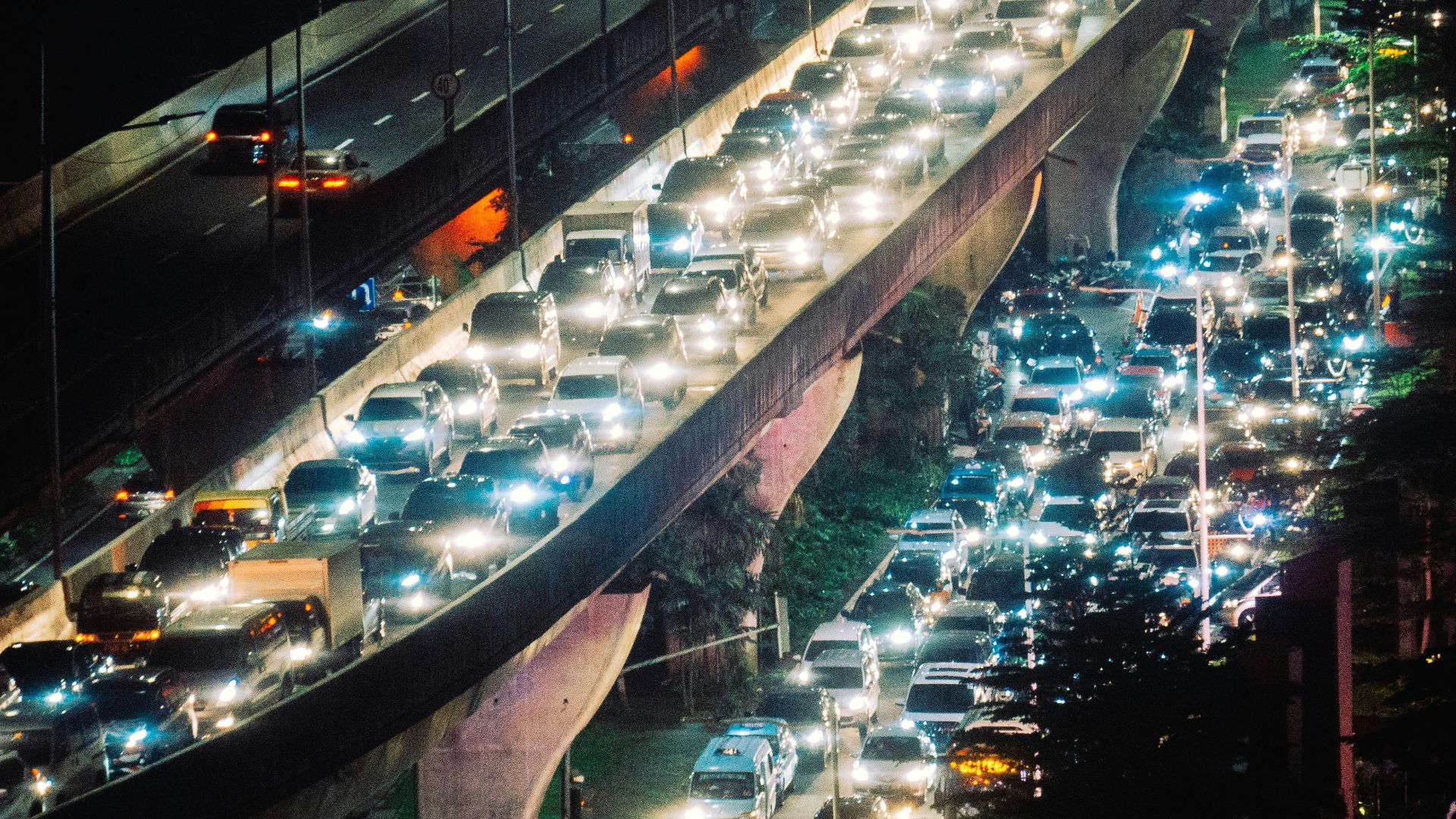
A Heaven For Automobiles, A Hell For People
The past is a foreign country, and the American love affair with automobiles has not always been the case. We're not just talking about a time when horse-drawn buggies were the de facto mode of transportation, but rather, an era where people rather than cars were the center of society. Let's explore some of the ways modern society was built around cars before getting into why it should change.
1. Geography
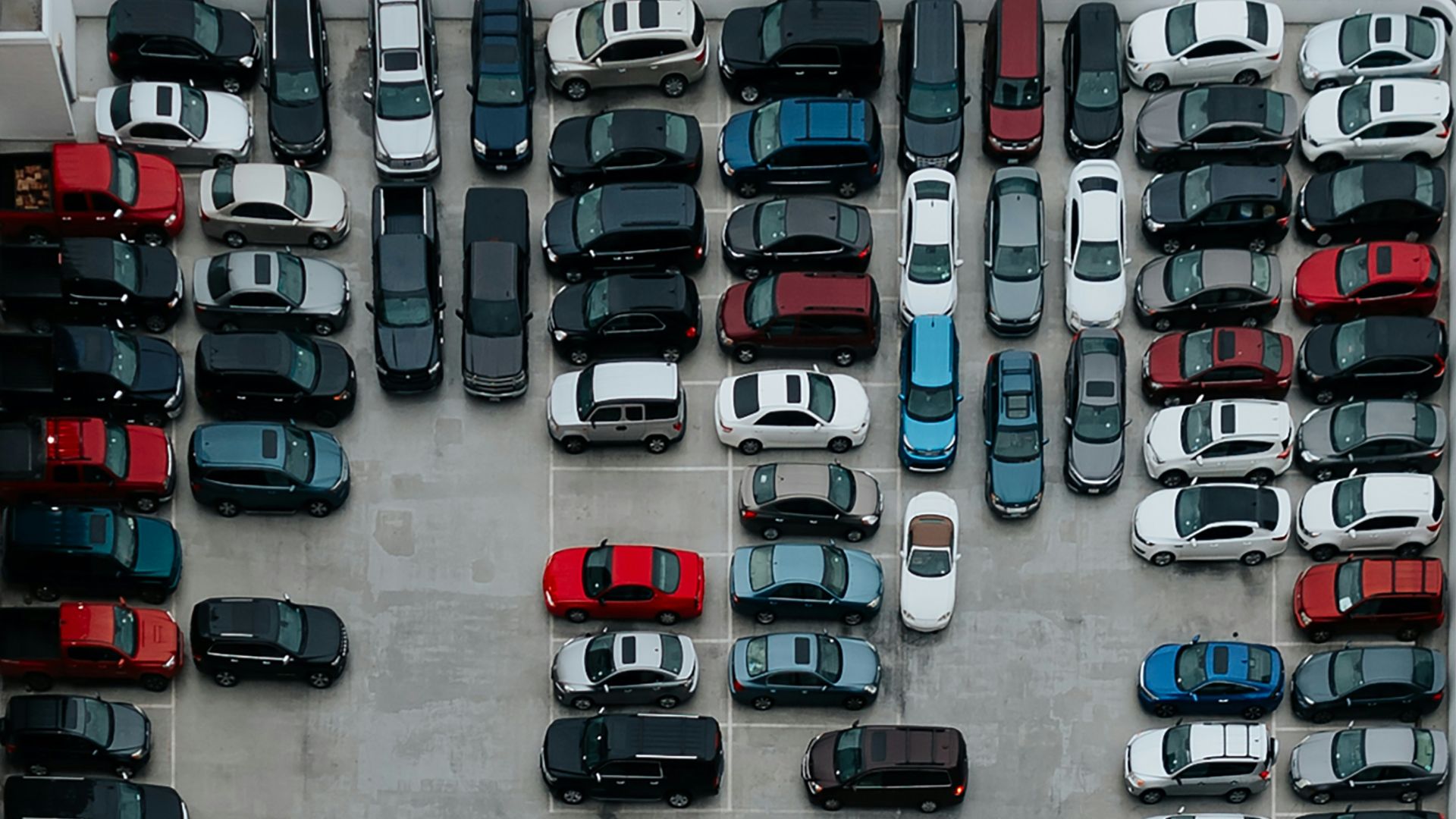
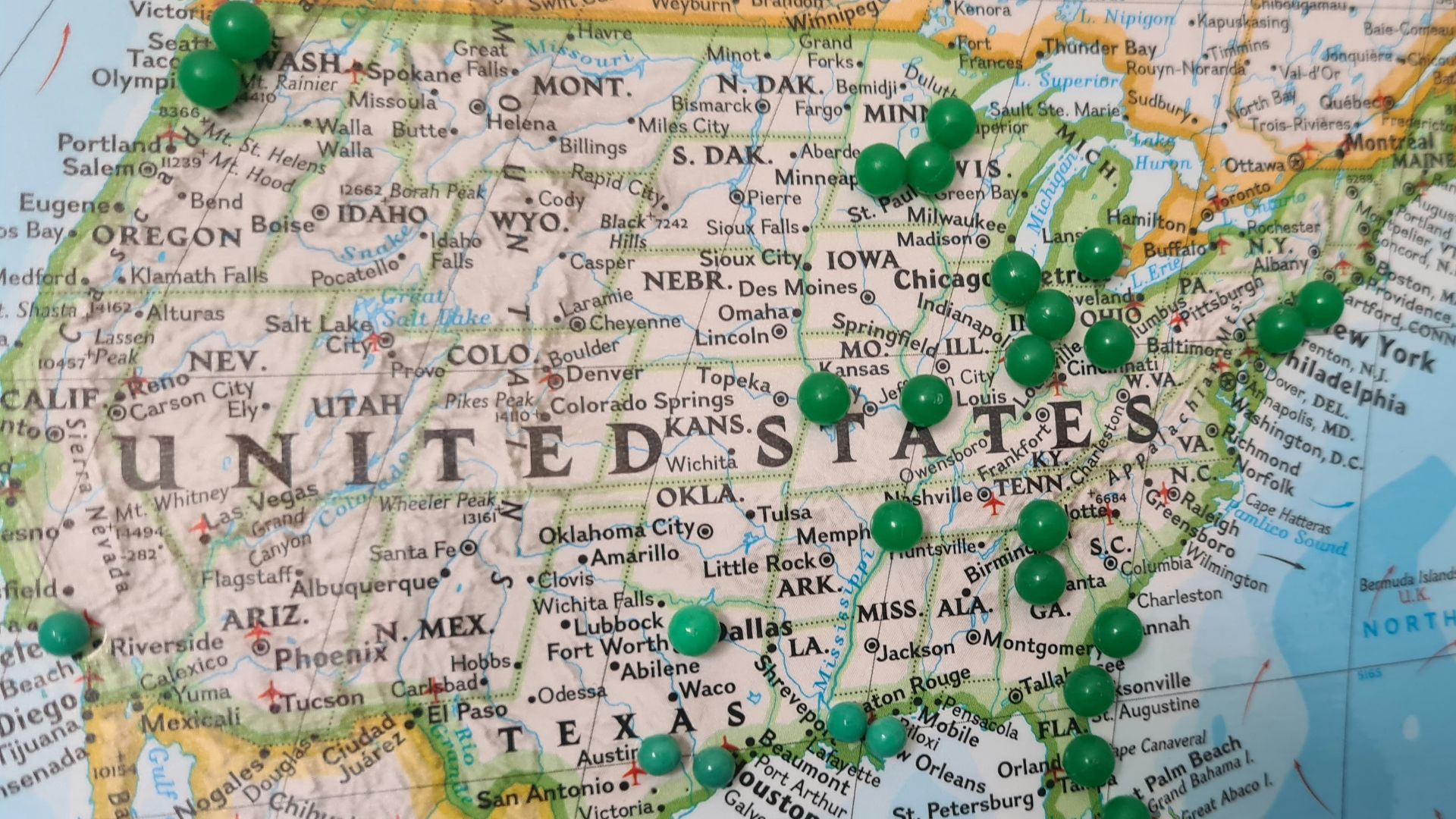
Look at a map of any country that boasts good public transit and you'll see that most have one thing in common: size. The US is a huge country full of varied terrain. Tackling any real distance basically requires a car.
2. Urban Sprawl
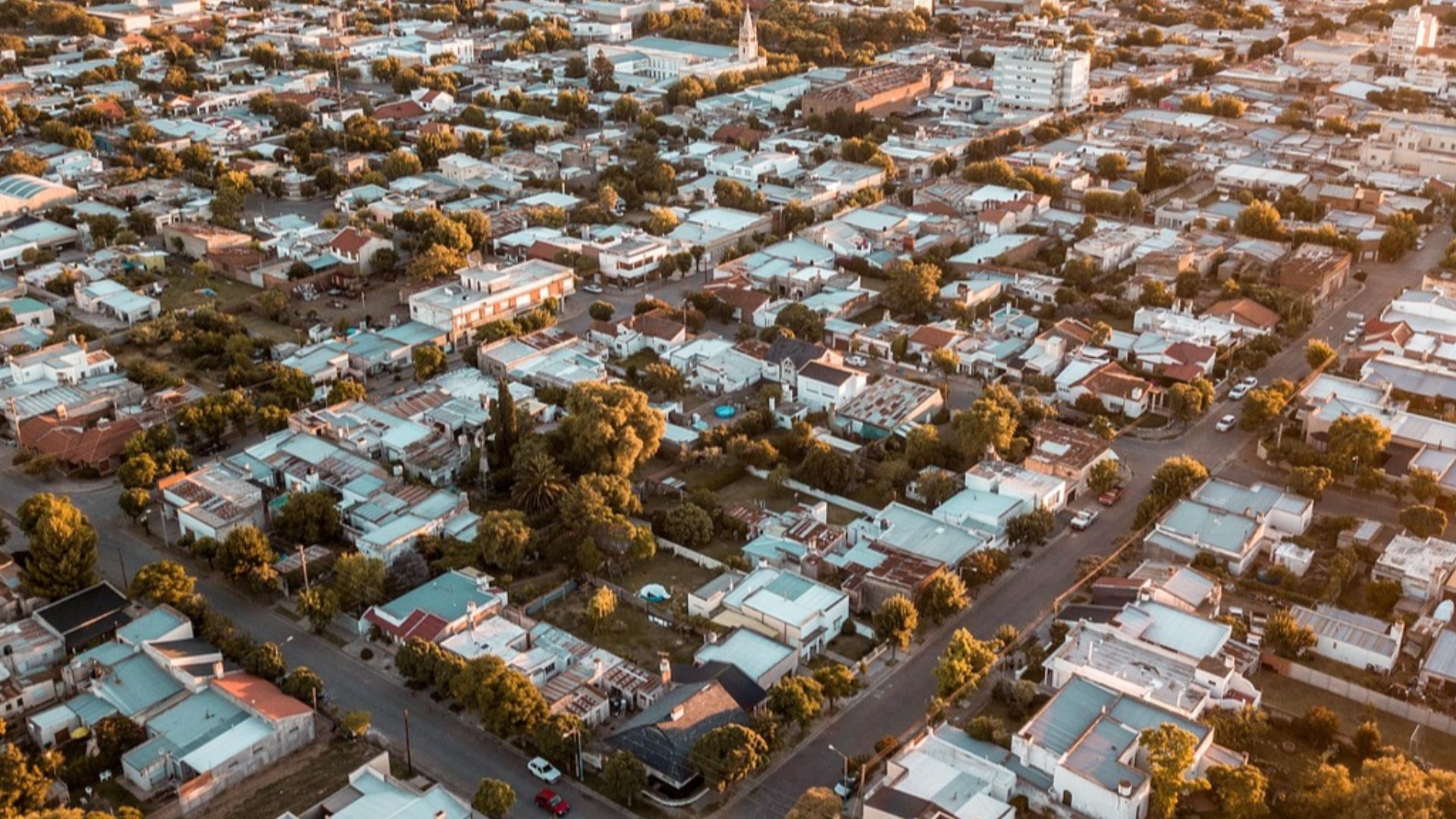
As more and more people move to cities, those cities expand outwards, creating sprawling metropolitan areas. Similarly to how the country is so large that the Interstate System is a necessity, getting from one side of a big city to another is a major trek. In many cases, it's more time efficient to drive rather than take public transit.
3. Economic Liberation
While there's a stereotypically masculine view of car ownership, the ability not only use, but to outright own a car provided women with an enormous amount of freedom. If you could own a car, you could be less dependent on other people. While this may seem like a stride against community, it was also enormously liberating.

4. Personal Freedom
America is a country that prides itself on being the Land of the Free, so it isn't surprising that cars are so deeply entrenched in society. Cars are a symbol of freedom and individuality. It's no wonder everyone wants one.
5. Poor Public Transit
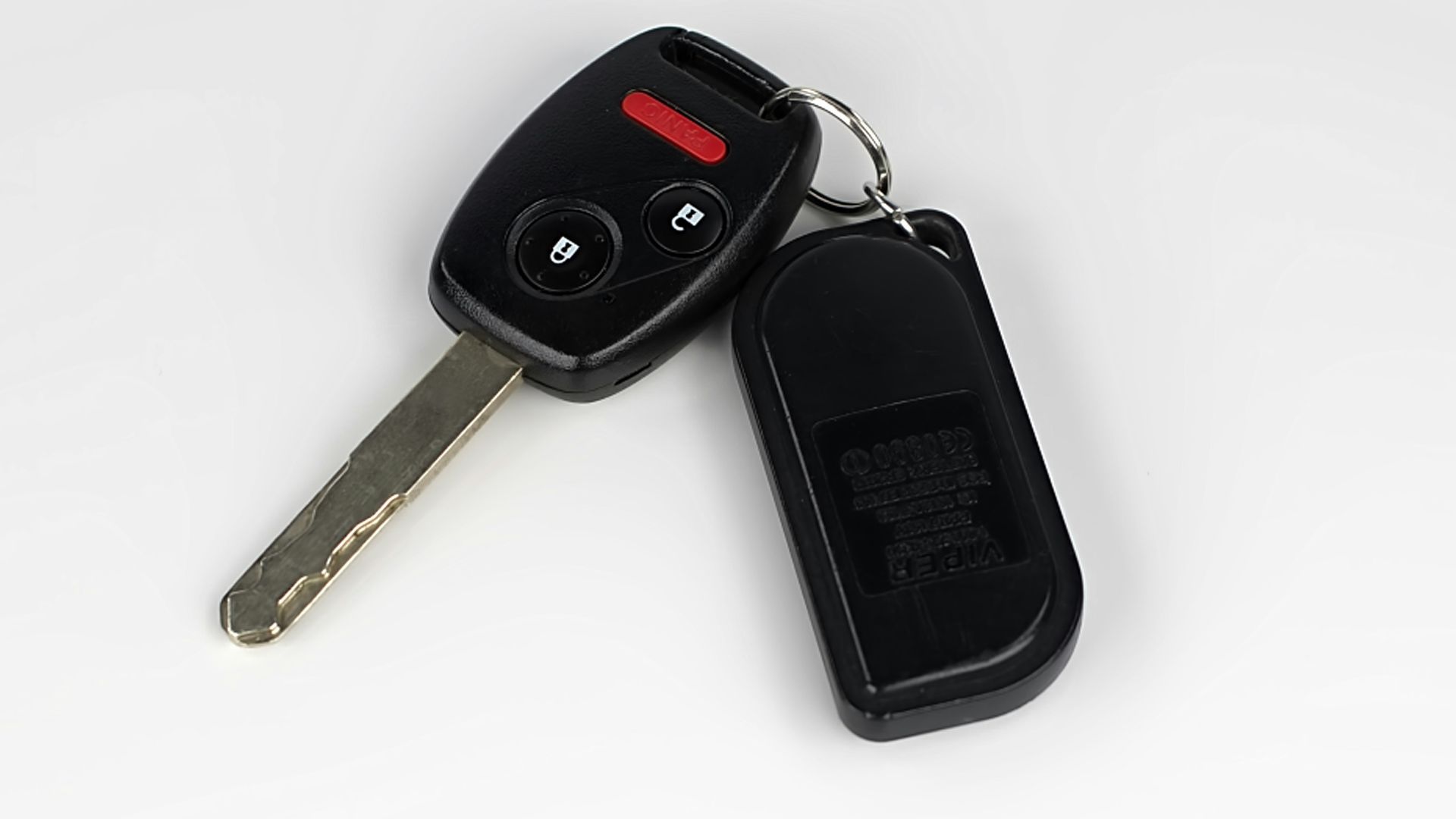
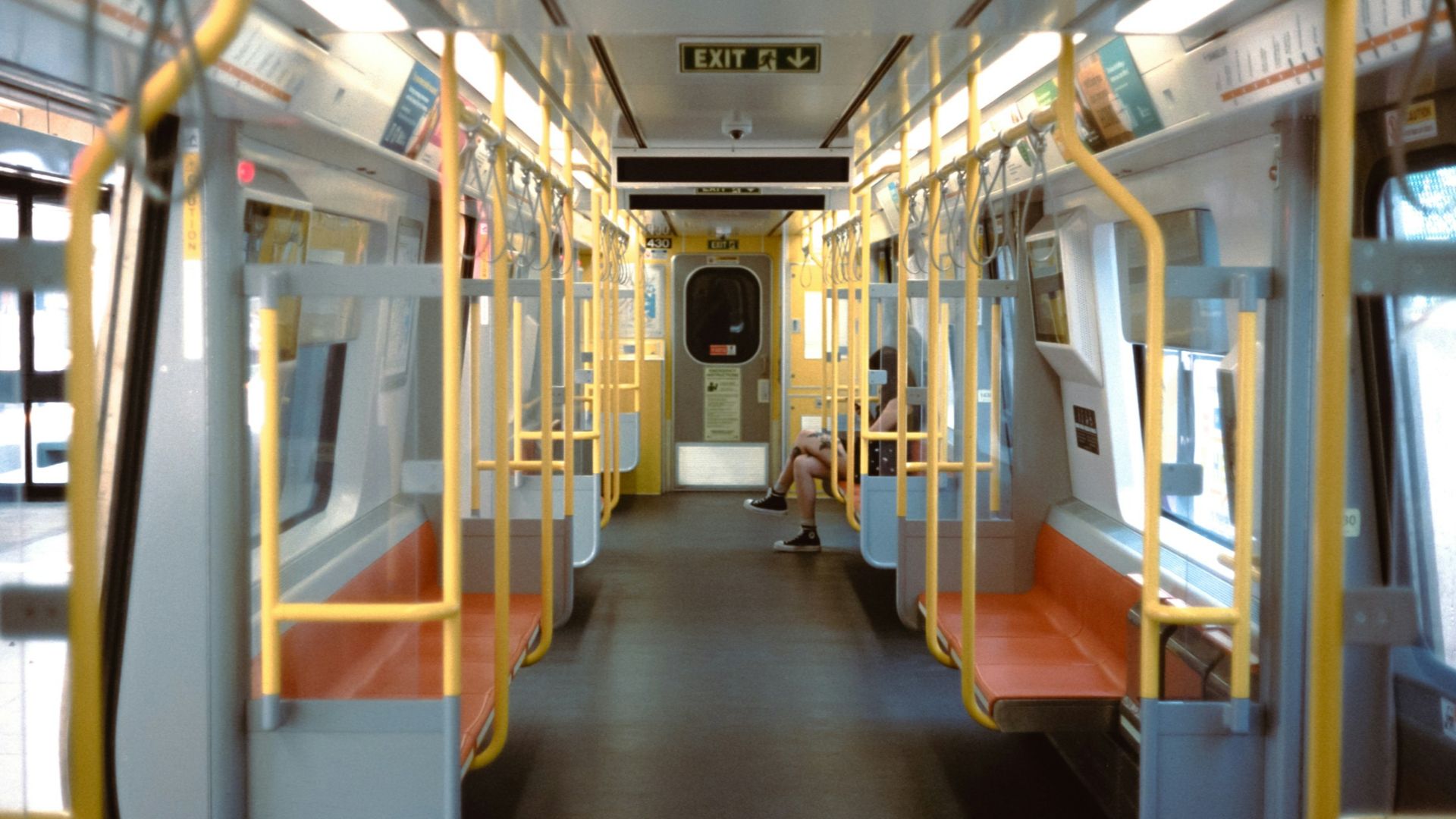
There are plenty of people who would love to be less reliant on cars in favor of public transit. The problem is that, outside of the largest cities in the country (and even then, it's questionable) public transit is poorly funded and poorly maintained. The problem isn't that people don't want to use public transit but that they're being incentivized not to.
6. Population Density
Going off that point about public transit, public transit is most effective in high-density areas. While America has plenty of jam-packed metropolises, there are also pockets of people scattered throughout the country. Rural areas would effectively be sinks for public transit.

7. Job Opportunities
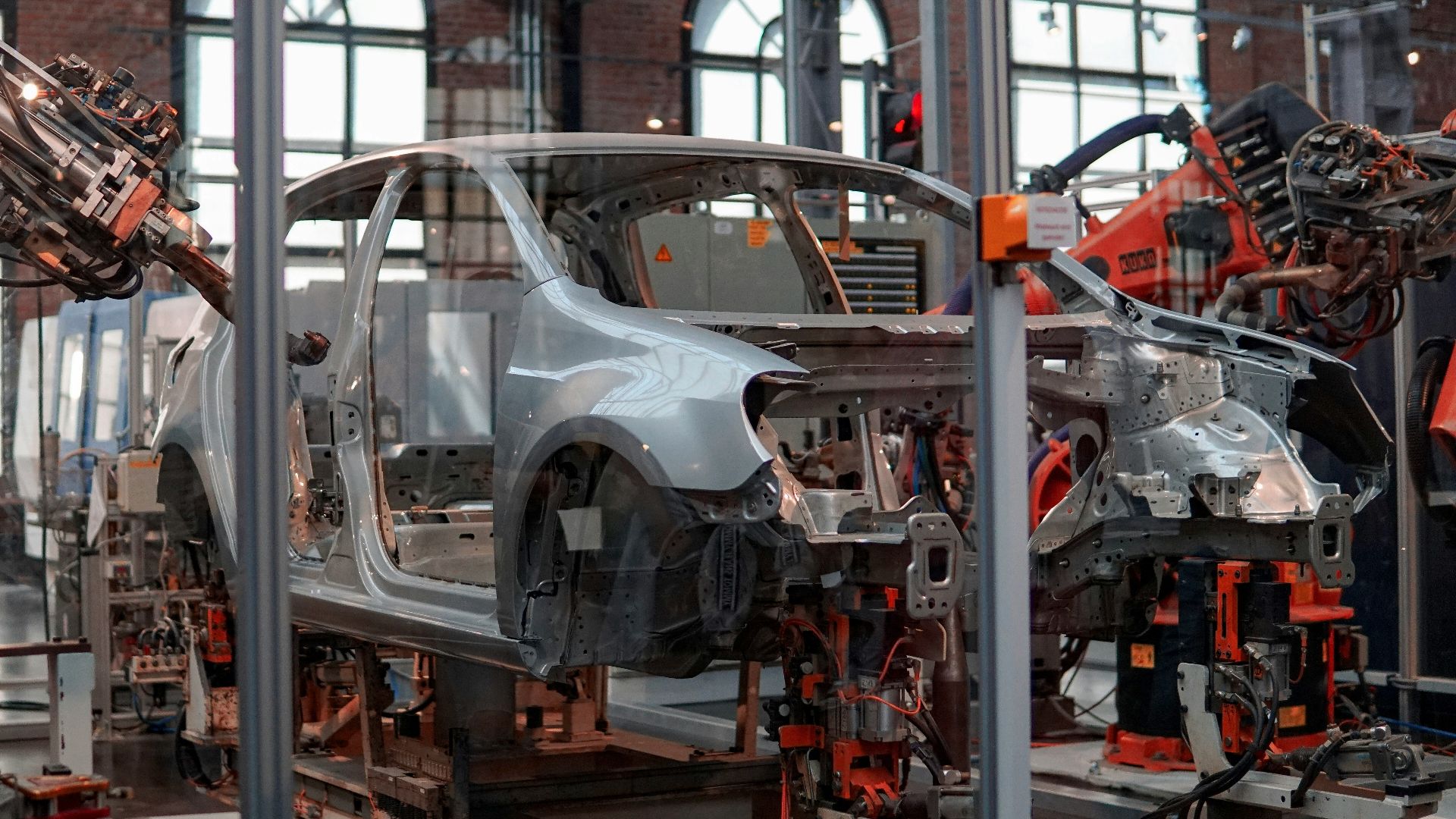
More cars on the road means more job opportunities in automotive plants. Even with technology at its best, factories still require a ton of human labor to stay open. More cars means more jobs means more money for people with jobs to spend on cars.
8. Job Restrictions
Commuting is a necessity for many jobs, whether the commute is a couple minutes or a couple hours. A common question in interviews is whether the candidate has reliable transportation. Not having a car (or access to public transit) limits who can and cannot apply for jobs.

9. Zoning Laws
While mixed-used urban density may be common in Europe, it's becoming increasingly uncommon in America. American zoning laws cover much larger areas and are much more restrictive of how those areas can be used. Greater single-family residential zones means few mixed-used urban spaces.
10. "Stroads"
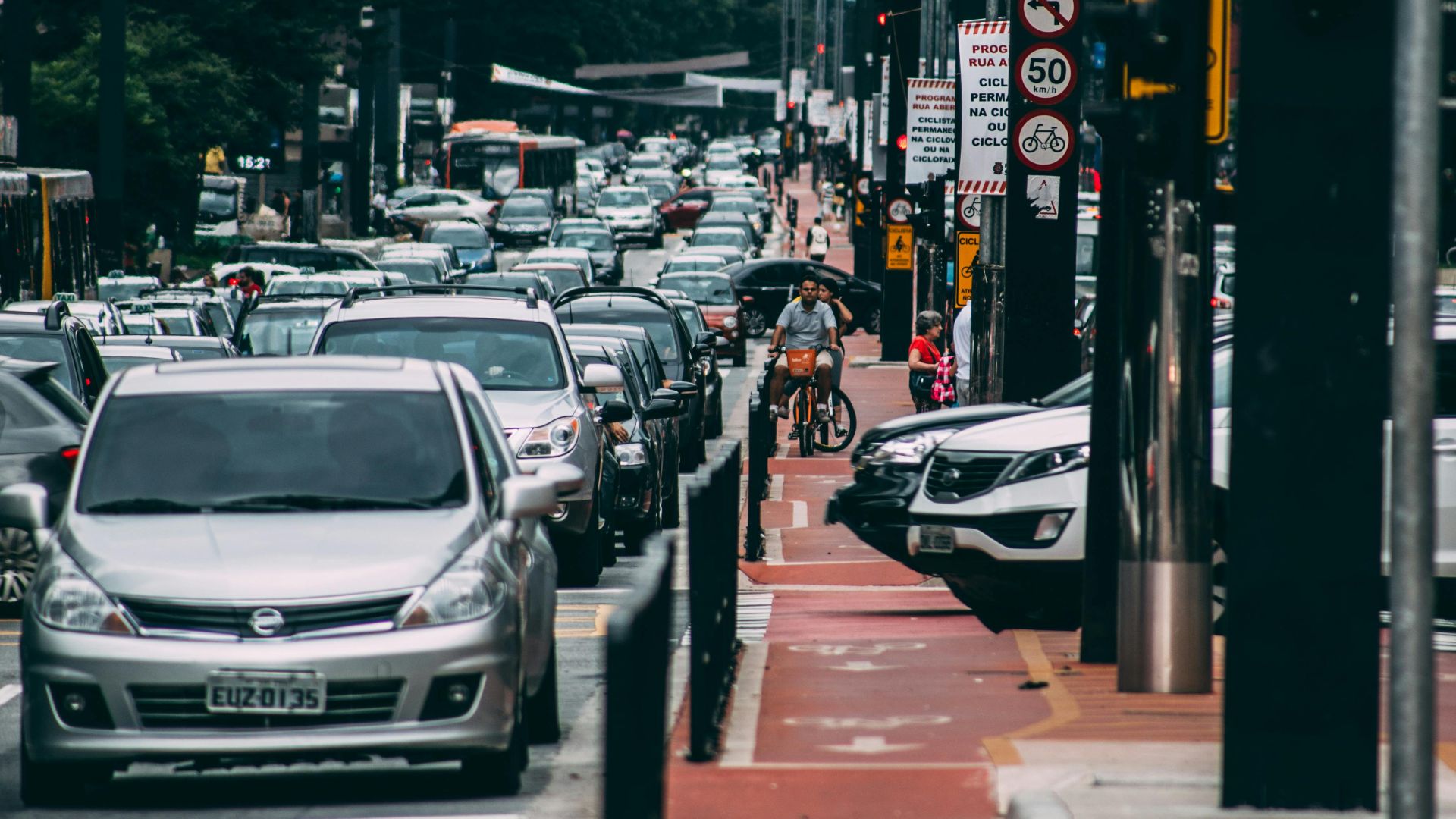
In order to compensate for more cars (and increasingly large cars, at that) roads have gradually become wider and wider. As these roads expand, they gobble up sidewalks and bike lane, making city streets more dangerous to anyone not on for wheels. These "stroads" severely limit where and how people can travel.
Now that we've gone over some of the reasons why America is so car-dependent, let's look at a few reasons why it needs to change.
1. Environmental Impact
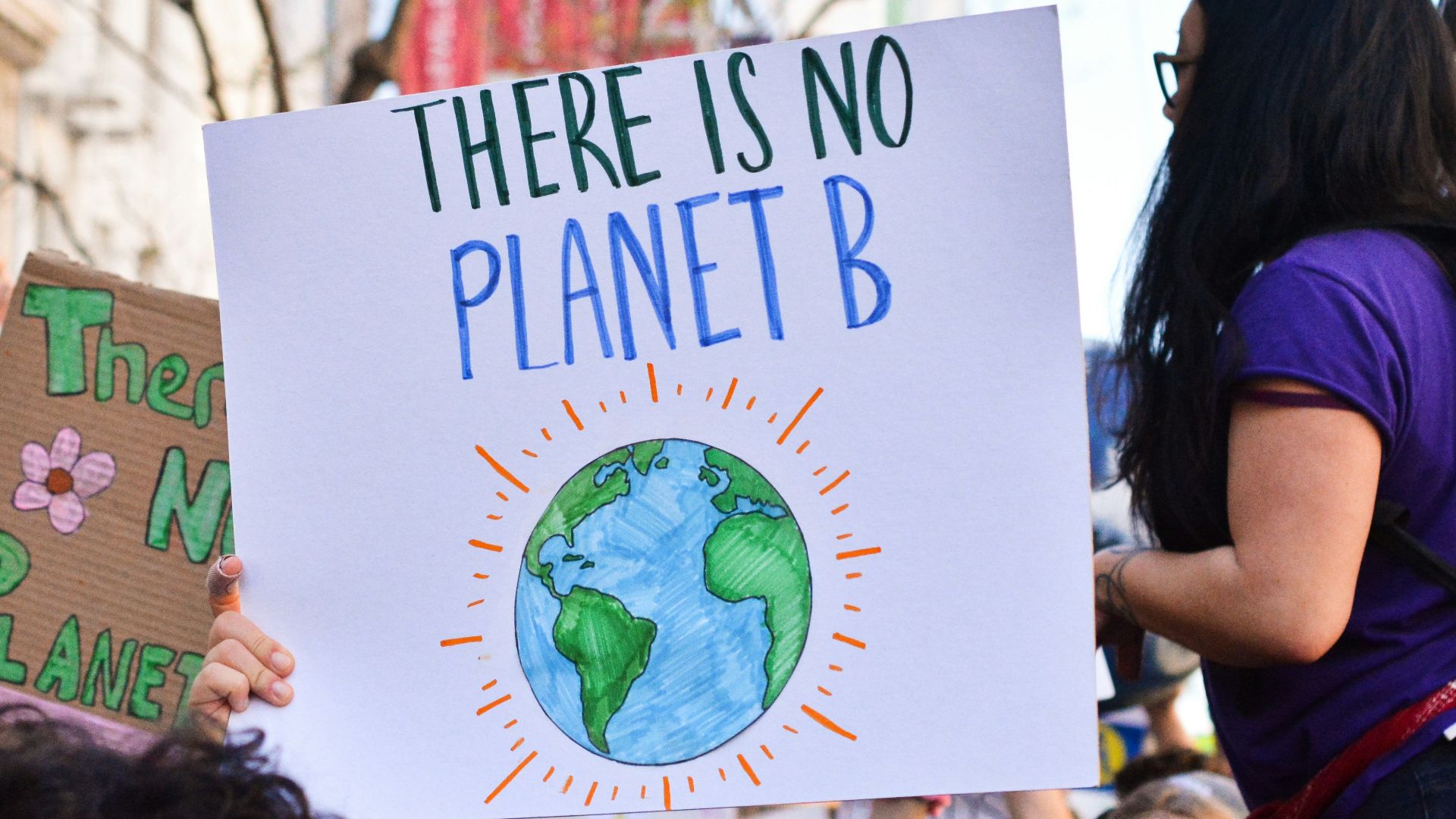
With the climate crisis growing worse each year, the environmental impact of cars is the number one reason why society should pivot away from being so car-focused. Car ownership, especially when multiple people under the same roof own multiple cars, drastically increases your carbon footprint. We should all do what we can to help the planet.
2. Noise Pollution
Even if you aren't someone who cares about the planet, you probably care about all the racket that cars make. Noise pollution is not only extremely annoying, it can also be damaging to your emotional and mental health. Fewer cars would (hopefully) mean few horns keeping you up at night.
3. Personal Cost
Today, a new car costs as much as a house used to. And, that's without insurance, repairs, maintenance, and gas. While American society may be built for cars, affording them is becoming increasingly precarious as we teeter on the edge of a financial crash.

4. Federal Cost
As we said, cars are getting bigger each year. This so-called "autobesity" phenomenon not only takes a toll on pedestrians and other drivers, but it also takes a toll on the roads. Heavier cars wear out roads faster, forcing more government funding into repairing them rather than improving infrastructure.
 rc.xyz NFT gallery on Unsplash
5. Accessibility
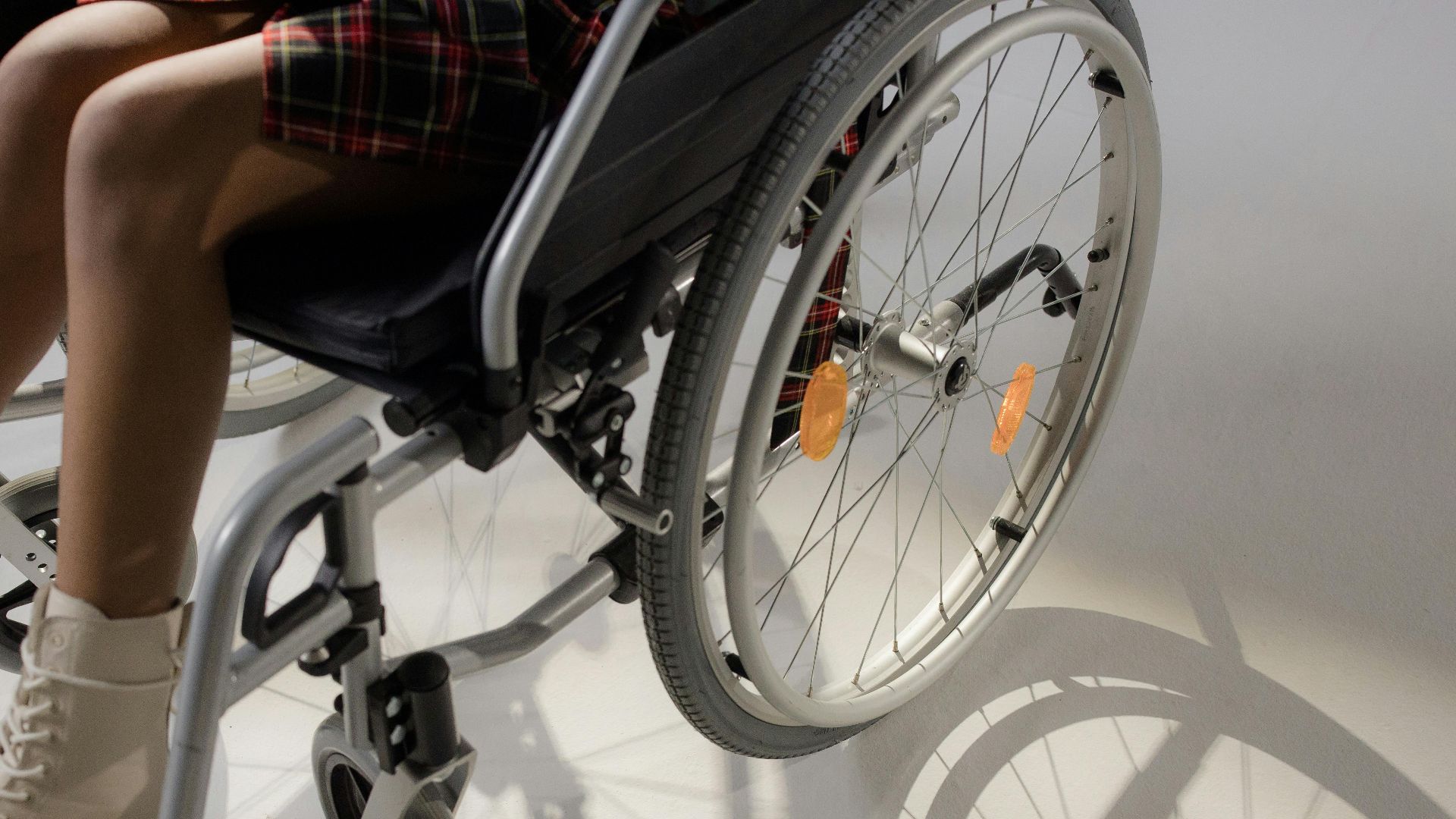
Not everyone can drive, even if they took lessons. Children, the elderly, and certain disabled people are all groups of people whose ability to move freely throughout their communities is severely hindered by societal dependence on cars. Everyone deserves to participate in public life, regardless of transportation.
6. Public Health
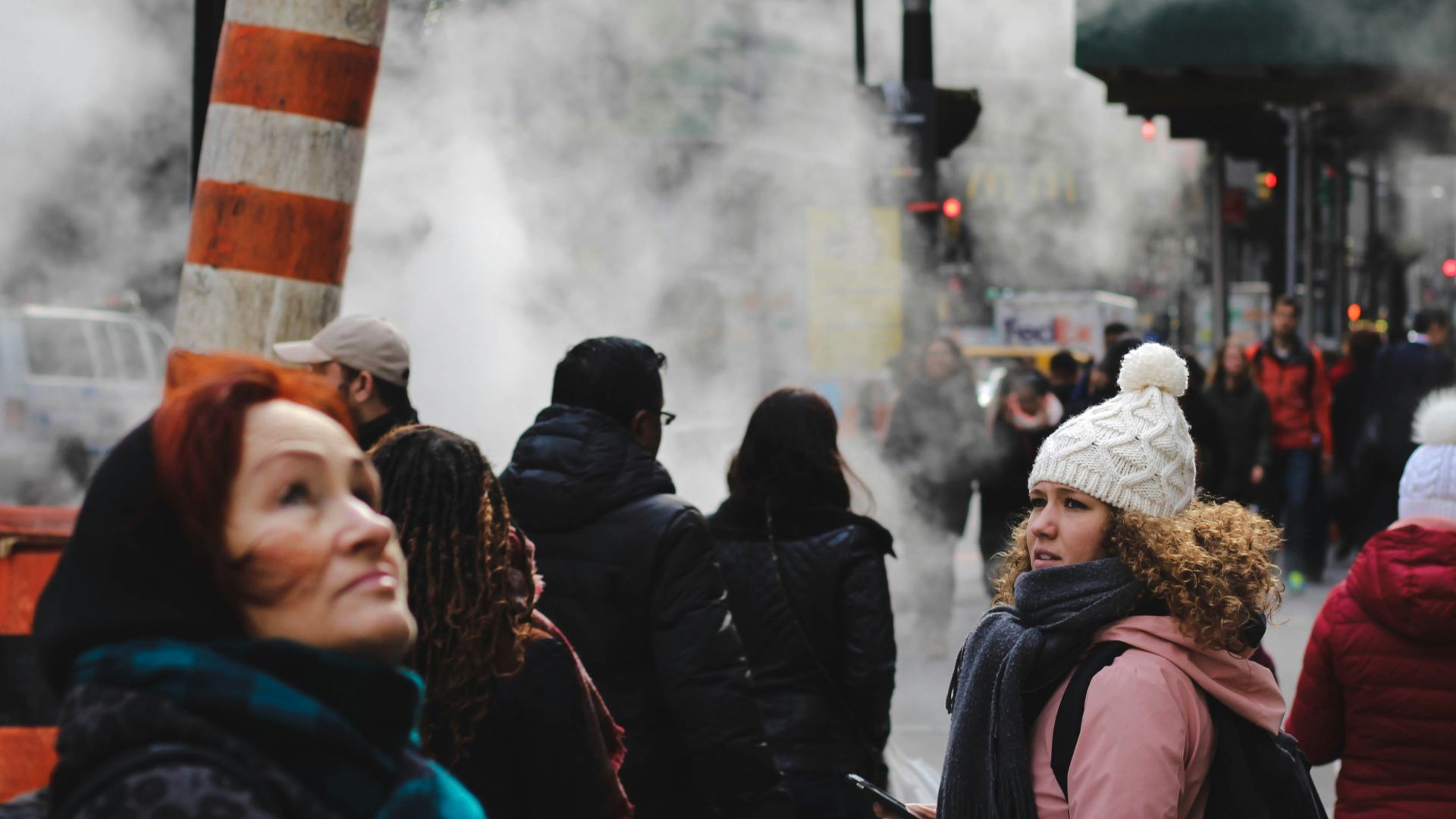
We've talked about the planet's health, but what about your health? A lot of cars packed into an area, all idling in traffic, creates massive amounts of smog. This smog can be particularly damaging to two of our most vulnerable groups: children and the elderly.
7. Collision Risks
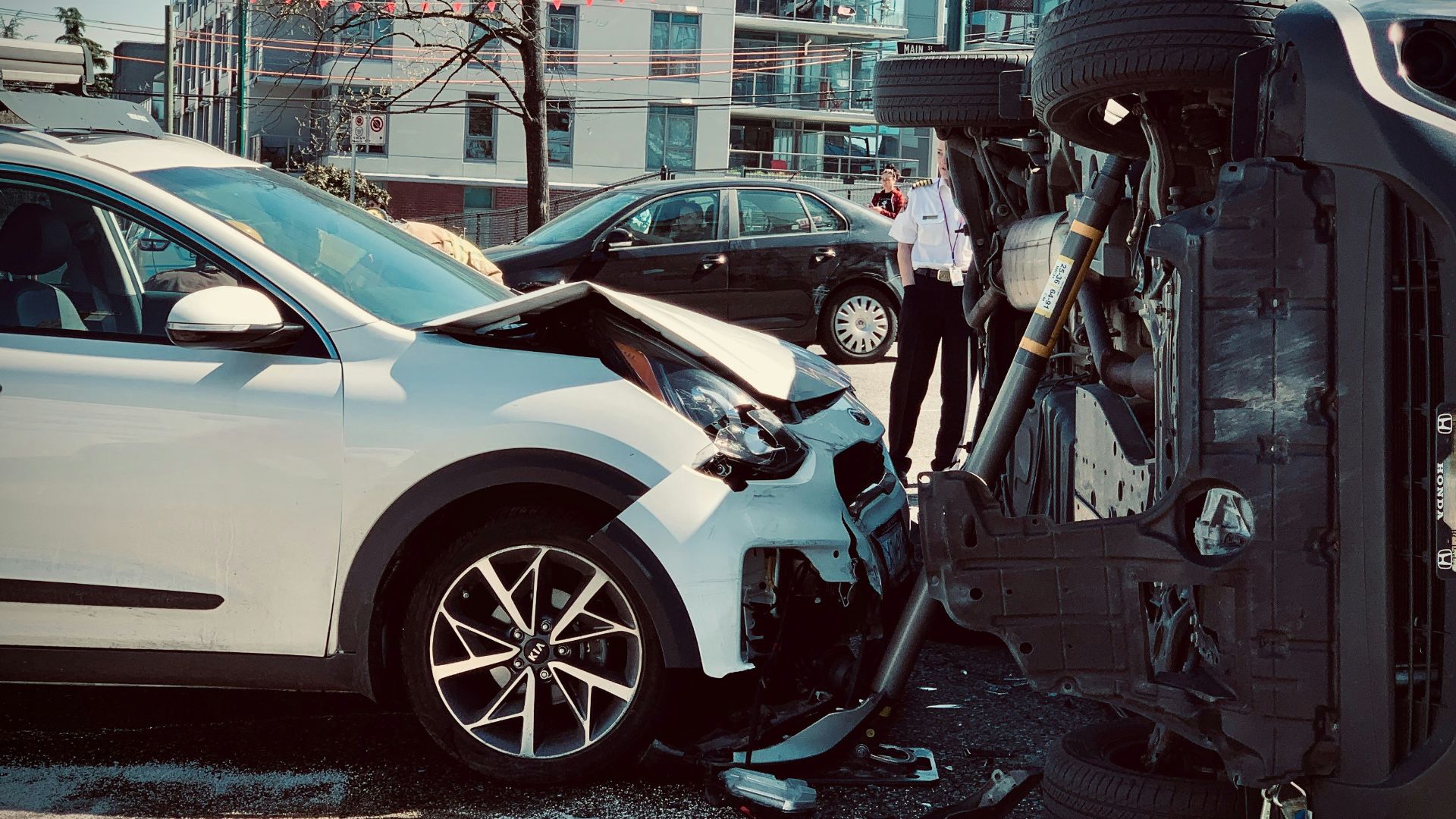
There are more cars on the road than ever, and it seems like fewer people actually know how to drive! These deadly drivers account for 1.3 million lives lost around world each year. The number of lives lost to car collisions is almost as high as those lost to gun violence.
8. Congestion
Nobody likes congestion. It eats away at your valuable time, all that honking gives you a headache, and you show up for your destination cranky, no matter how well you slept. While congestion pricing was introduced in Manhattan earlier this year, there's been significant pushback even though the effects are largely positive.
9. Fuel Efficiency
Speaking of congestion, nothing wastes fuel like sitting in endless traffic. Congestion is bad for your mood, your planet, and your wallet. It doesn't matter how fuel efficient your vehicle is if you average a couple miles per hour during your morning commute.
10. Health Concerns
The more time we spend sitting behind the wheel, the less time we spend being active. America is already facing an obesity crisis, and the increasingly large cars aren't helping. Walking and biking are a way to get to your destination while getting some exercise, but societal infrastructure makes it difficult and dangerous to get that exercise.