Waste-Free Manufacturing: The Next Revolution in Car Production
 Marie-Michèle Bouchard on Unsplash
Car manufacturing has always been synonymous with waste, with mountains of metal shavings, lakes of chemical coolant, and entire landfills devoted to defective parts and packaging materials. The traditional auto plant operates on the assumption that waste is just the cost of doing business; however, some manufacturers are now proving that assumption wrong. Companies like BMW and Toyota have started achieving something that seemed impossible a decade ago: factories that send virtually nothing to landfills.
Zero waste has gone beyond being an environmental talking point to become an economic imperative that's reshaping how we think about manufacturing.
The Economics Actually Make Sense Now
Every scrap of metal that hits the floor represents raw material you paid for but can't sell. Every gallon of contaminated water is disposal fees and regulatory headaches. BMW's Spartanburg plant in South Carolina calculated that their zero-waste initiative saved them over $2 million annually just in reduced disposal costs.
The math gets even better when you factor in energy savings. Traditional stamping processes for car body panels waste roughly 30% of the steel sheet. New precision cutting technologies and better design software have dropped that to under 10% at leading plants, and the leftover steel goes straight back to the supplier for remelting. Nothing hits the dumpster.
Material Recovery Has Become Sophisticated
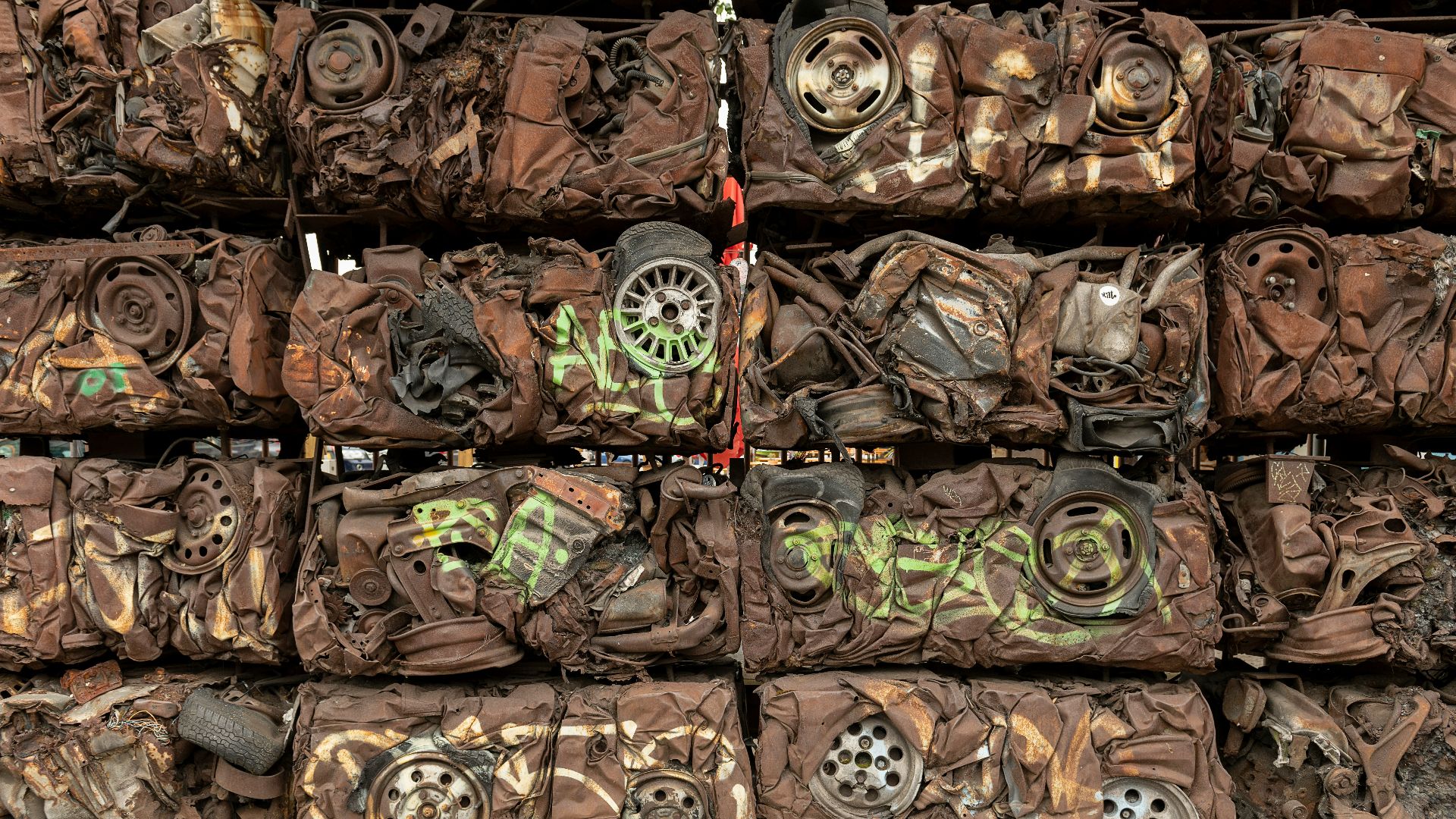
Walking through a modern zero-waste auto plant is like watching a massive organism where nothing truly leaves the system; it merely transforms into something else. Paint booth filters that used to get tossed now get sent to cement kilns where they're burned as fuel. Cardboard packaging gets baled and sold to recyclers. Even the cafeteria waste gets composted or converted to animal feed.
Some of the solutions are almost absurdly simple. Honda discovered that by switching from cardboard boxes to reusable plastic containers for parts delivery, they eliminated thousands of tons of waste annually while simultaneously reducing damage to components during shipping. The containers paid for themselves within eighteen months.
Supply Chain Integration Matters More Than You'd Think
The most successful manufacturers have pushed their waste-reduction philosophy upstream to suppliers and downstream to dealers. Ford Motor is increasing its returnable packaging in its assembly plants and take back any waste generated from their components. Suddenly it's the supplier's problem to figure out what to do with those plastic wrappings, which creates incentive for them to reduce packaging.
This kind of pressure ripples through the entire supply chain. A tier-one supplier who's required to eliminate waste will push the same requirements onto their tier-two and tier-three suppliers. Within a few years, you've transformed an entire industry's approach to materials management without a single regulation being passed.
Design Philosophy Shifts From the Start

Zero-waste manufacturing requires rethinking how cars are designed from the ground up. Engineers now consider end-of-life recyclability during the initial design phase, choosing materials and joining methods that can be easily separated and recovered decades later.
Rivian designed their R1T pickup truck with disassembly in mind. Components are modular and labeled with material composition, making it easier to recycle the vehicle when it’s eventually ready to be scrapped.
The aluminum body panels on vehicles like the Ford F-150 create their own recycling loop. Scrap from the stamping process goes back to the aluminum supplier, gets remelted, and returns as new sheet metal within weeks. That closed-loop system only works if you design for it from day one using the right alloys and joining methods.
Cultural Change Proves Hardest
Technology and logistics are solvable problems but changing how people regard waste is far more difficult. Factory workers who spent thirty years tossing mistakes into a dumpster don't automatically embrace a system where they have to sort waste into seventeen different categories.
Training matters too. You can't expect people to implement sophisticated waste sorting if they don't understand why it matters or how to do it correctly. Once workers see that their aluminum scraps literally become new car parts rather than ending up in a landfill, they adopt these programs far more wholeheartedly.