The $589 Billion Aftermarket Market Poised for Massive Growth
The automotive aftermarket doesn't get much glamour. It's not Tesla unveiling a new model or Ford showing off concept trucks. It's brake pads and oil filters and that slightly sketchy auto parts store you only visit when something breaks. It may seem lackluster, but the numbers tell a different story entirely, with the global automotive aftermarket being projected to reach $589.01 billion by 2030. We're talking about one of the most resilient, essential industries in the world, and it's about to get a whole lot more interesting.
Cars Are Getting Older and That's Great News for the Aftermarket
In the U.S., the average vehicle age reached 12.6 years by 2024. People are holding onto their cars longer, partly because new vehicles are expensive, partly because modern cars actually last if you maintain them. Once your warranty expires, you're in aftermarket territory.
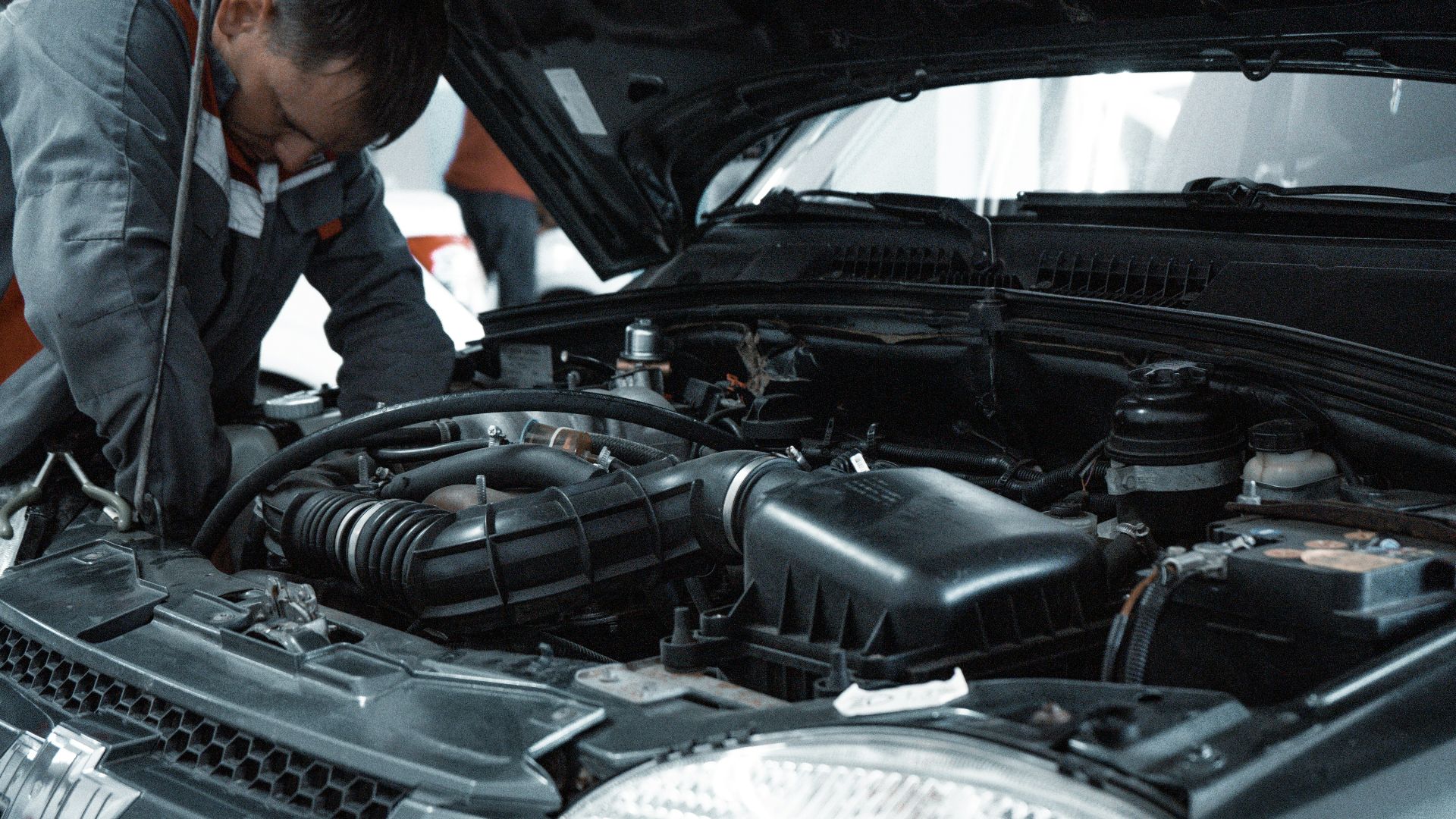
Every aging vehicle needs parts. Tires wear out. Batteries die. Brake pads need replacing. The older the fleet, the more parts get replaced, the bigger the market grows. The U.S. alone has over 292 million registered vehicles, and most of them are out of warranty. That's millions of potential customers walking into AutoZone or ordering parts online because their check engine light came on.
E-Commerce Changed Everything About How We Buy Parts
Remember when you had to physically go to an auto parts store and hope they had what you needed in stock? That's becoming ancient history. E-commerce channels have seen significant expansion in the U.S. automotive aftermarket. Virtual diagnostic tools use VIN numbers to identify exact-fit components, so you can now order a fuel pump at 11 PM, watch a YouTube tutorial on installation, and have it delivered by tomorrow afternoon.
Some platforms have taken it further, allowing you to use mobile mechanic services to book appointments, source parts, and show up at your house to do the work. The knowledge gap that used to make car repairs intimidating is narrowing fast, which means more people are attempting repairs themselves or choosing independent shops over dealerships.
Electric Vehicles Are Creating an Entirely New Parts Category
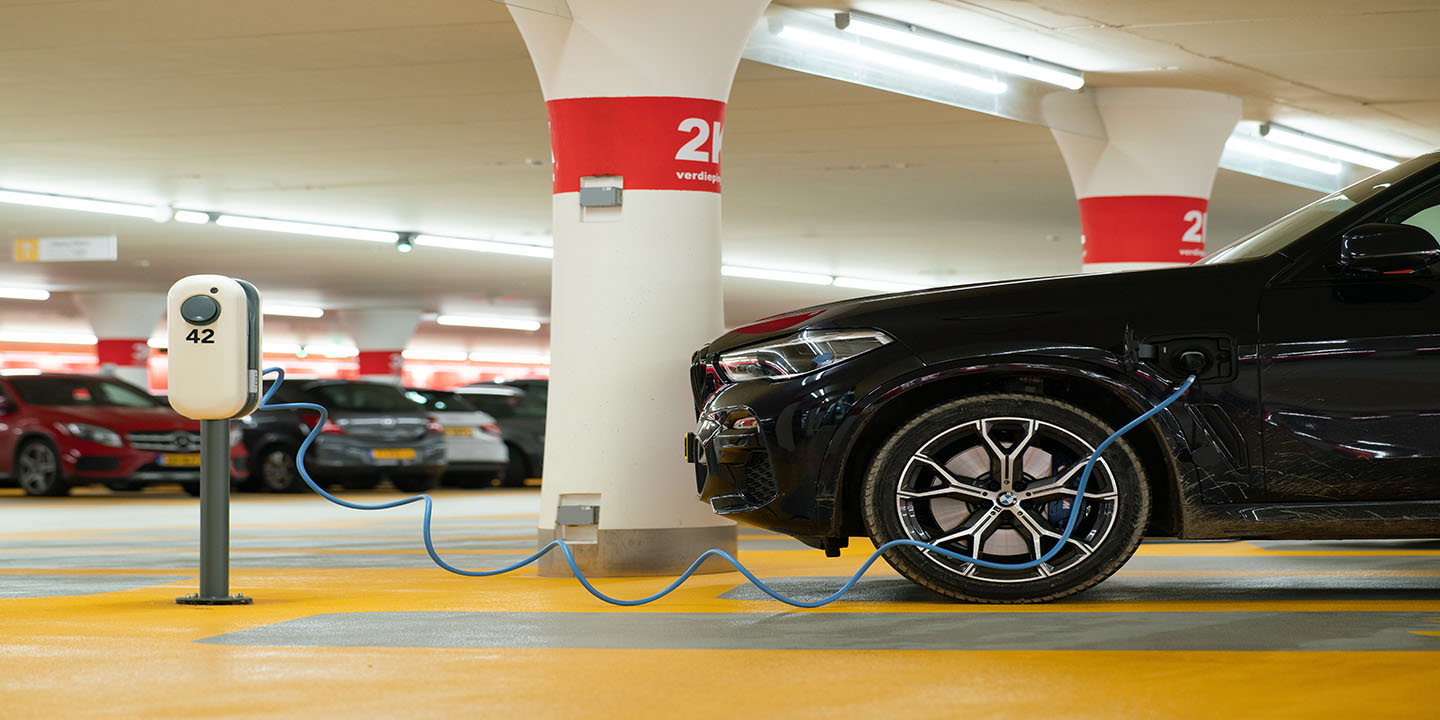
EVs don't need oil changes or transmission fluid. They also need entirely different components like high-voltage batteries, inverters, electric motors, and specialized cooling systems. As EVs reach the five-year mark in many regions, battery testing and cell replacements are expected to become high-margin aftermarket services. Someone's going to make a fortune selling and servicing EV batteries.
The shops and suppliers who figure out EV servicing first will capture market share from dealerships who've traditionally dominated warranty work. Once warranties expire on millions of Teslas and Rivians and Hyundai Ioniqs, those vehicles need service somewhere. The aftermarket is positioning itself to be that somewhere.
Asia-Pacific Is the Growth Engine Nobody's Ignoring
Asia Pacific dominated the automotive aftermarket with a 29.1% market share in 2024, with China leading the region. The sheer scale of vehicle production and ownership in countries like China and India makes them impossible to overlook. When you have that many vehicles on the road, even a small percentage needing parts translates to massive volume.
China's particularly interesting because it's not just consuming aftermarket parts; it's manufacturing them. The country has become a global supplier of components, sometimes raising quality concerns with uncertified parts flooding markets, sometimes producing perfectly adequate alternatives to OEM parts at a fraction of the cost.
Rising disposable incomes across Asia mean more vehicle customization and more performance upgrades and aesthetic modifications. The aftermarket isn't just about replacing broken parts anymore. People want better stereos, upgraded suspension, and custom lighting.
Retail Still Dominates Even as Everything Goes Digital
Despite the e-commerce boom, the retail distribution channel dominated the automotive aftermarket with a 54.8% share in 2024. Same-day availability matters when your car won't start and you need it running by tomorrow morning. No amount of free two-day shipping solves that problem.
Physical retail also provides something online can't quite replicate: in-person expertise. Asking the counter guy to help identify your mystery part, test your battery, or recommend the right oil for your specific engine is often more straightforward than scrolling through an online forum or reading the comments on a YouTube video.
The smartest retailers are combining both approaches, allowing you to order online, then pick up in-store or get installation help for complex parts. Retail segments are anticipated to lead the market arena going into 2030, suggesting that physical presence paired with digital tools creates a competitive advantage that online players will struggle to match.