The Reality Behind the Rhetoric
Electric vehicles have become a lightning rod for misinformation, half-truths, and outright mythology. Some of this comes from legitimate uncertainty about the new technology, some from people who genuinely prefer the rumble of a V8, and some from industries that would rather we all keep pumping gas forever. The result is a swirling mess of claims that make it nearly impossible to figure out what's actually true and separate fiction from reality. Here are ten myths about electric cars and ten surprising facts that nobody mentions.
 Hush Naidoo Jade Photography on Unsplash
1. EVs Don't Have Enough Range for Daily Driving
Most EVs now travel over 200 miles on a single charge, with many newer models exceeding 300 miles. The average American drives about 37 miles daily. Even the secondary household car typically covers only 11 miles per day. Unless your commute involves crossing state lines daily, range isn't really a problem.
 Precious Madubuike on Unsplash
2. Batteries Need Replacing Every Five Years
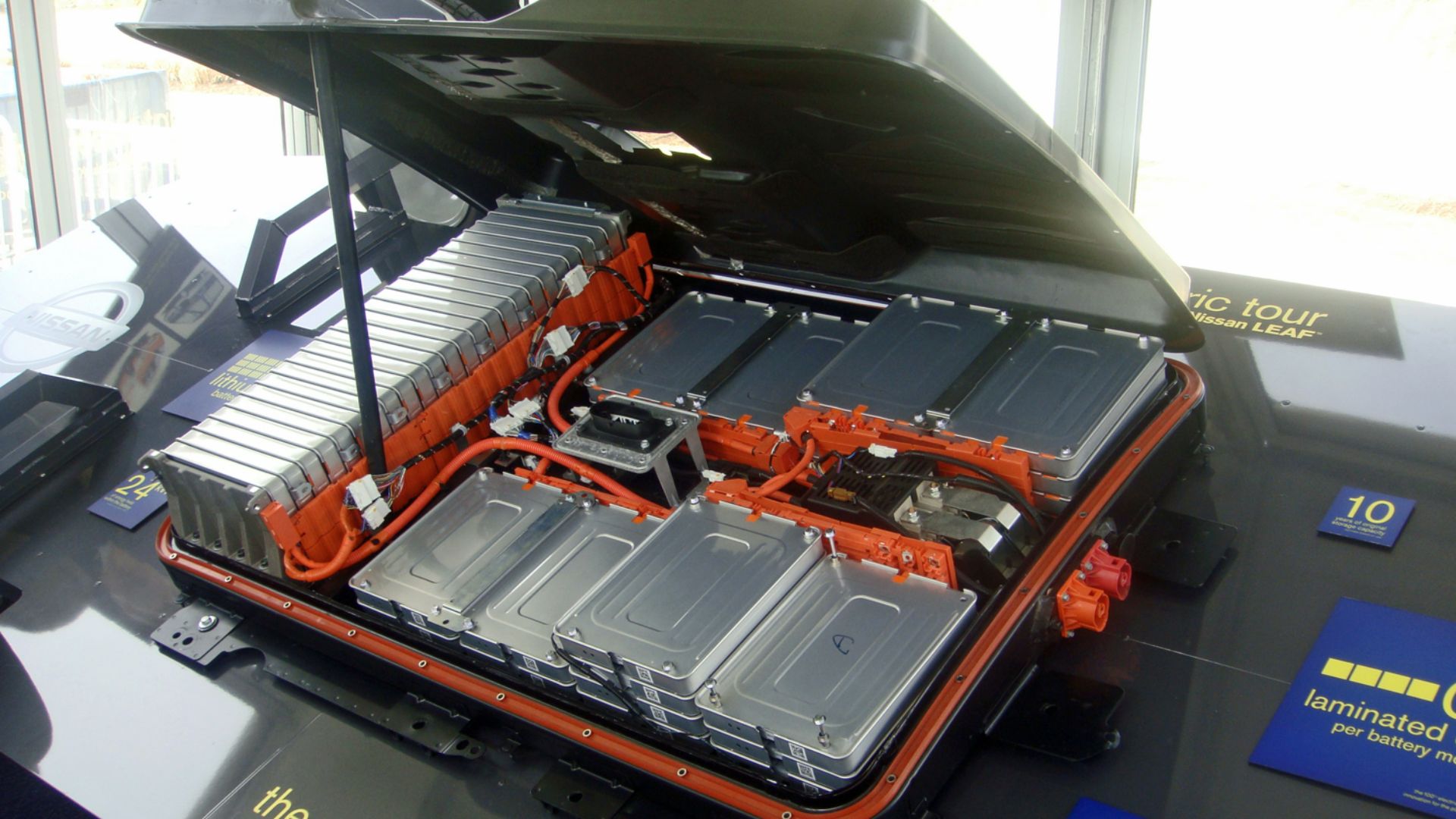
Every automaker with an EV currently being sold offers battery packs with at least an eight-year, 100,000-mile warranty. The Department of Energy estimates most batteries last 12–15 years. Nissan's marketing director noted that almost all batteries they've made in 12 years of EV production are still in cars.
 Mariordo Mario Roberto Duran Ortiz on Wikimedia
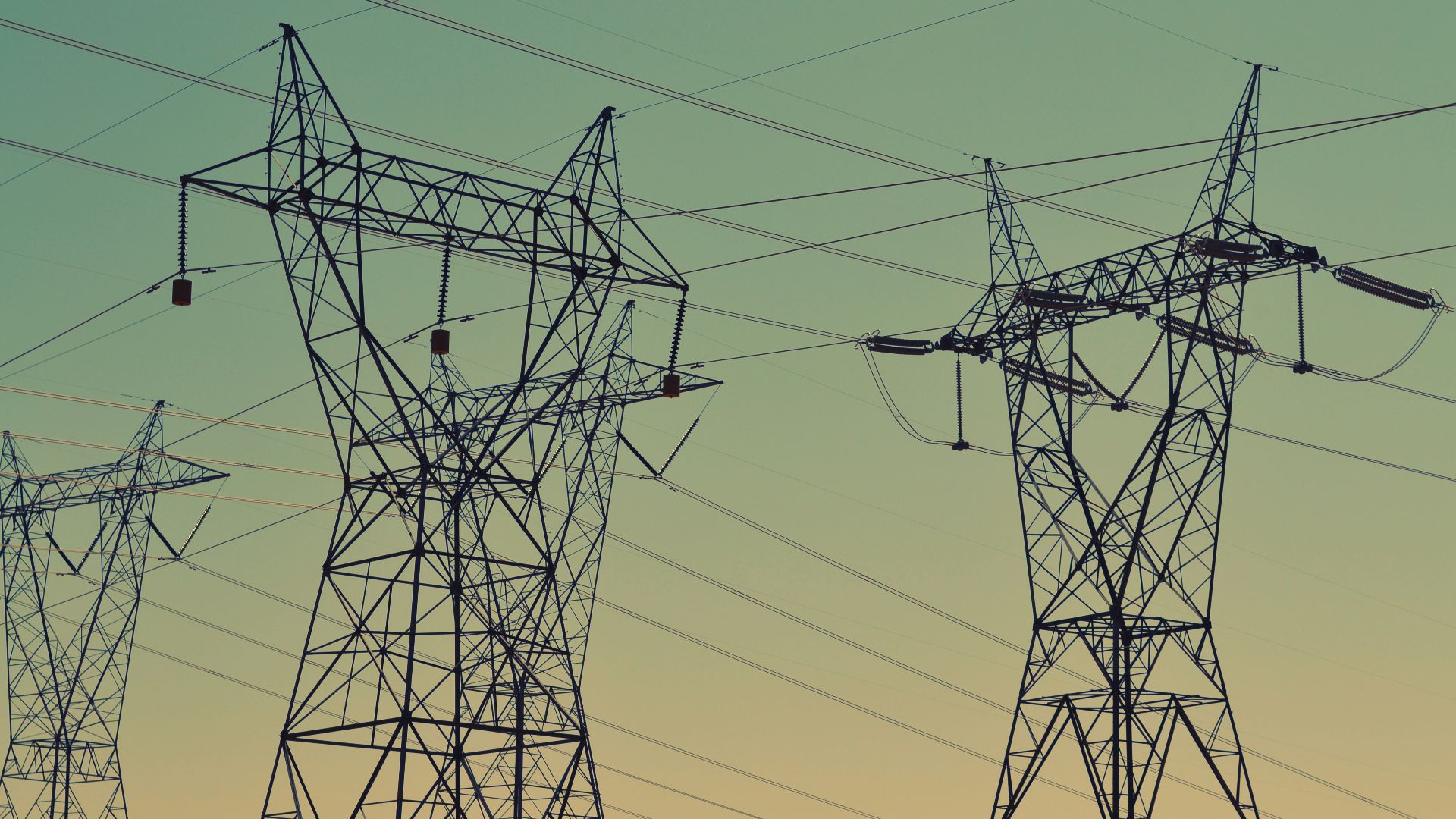
3. The Grid Can't Handle Mass EV Adoption
The grid has actually become more efficient as older, energy-hogging appliances get replaced. EVs can charge overnight during off-peak hours when electricity is cheaper and abundant. Vehicle-to-grid technology means EVs can even return power to the grid during high-demand periods, potentially making owners money while stabilizing the system.
4. EVs Are More Expensive Than Gas Cars
The sticker price gets all the attention, and yes, EVs often cost more upfront. What gets ignored is that electricity costs a fraction of gasoline, oil changes don't exist, brake pads last longer thanks to regenerative braking, and there's no transmission to service. The Department of Energy found that EVs cost around 40% less per mile than gas-powered cars throughout their lifetime.
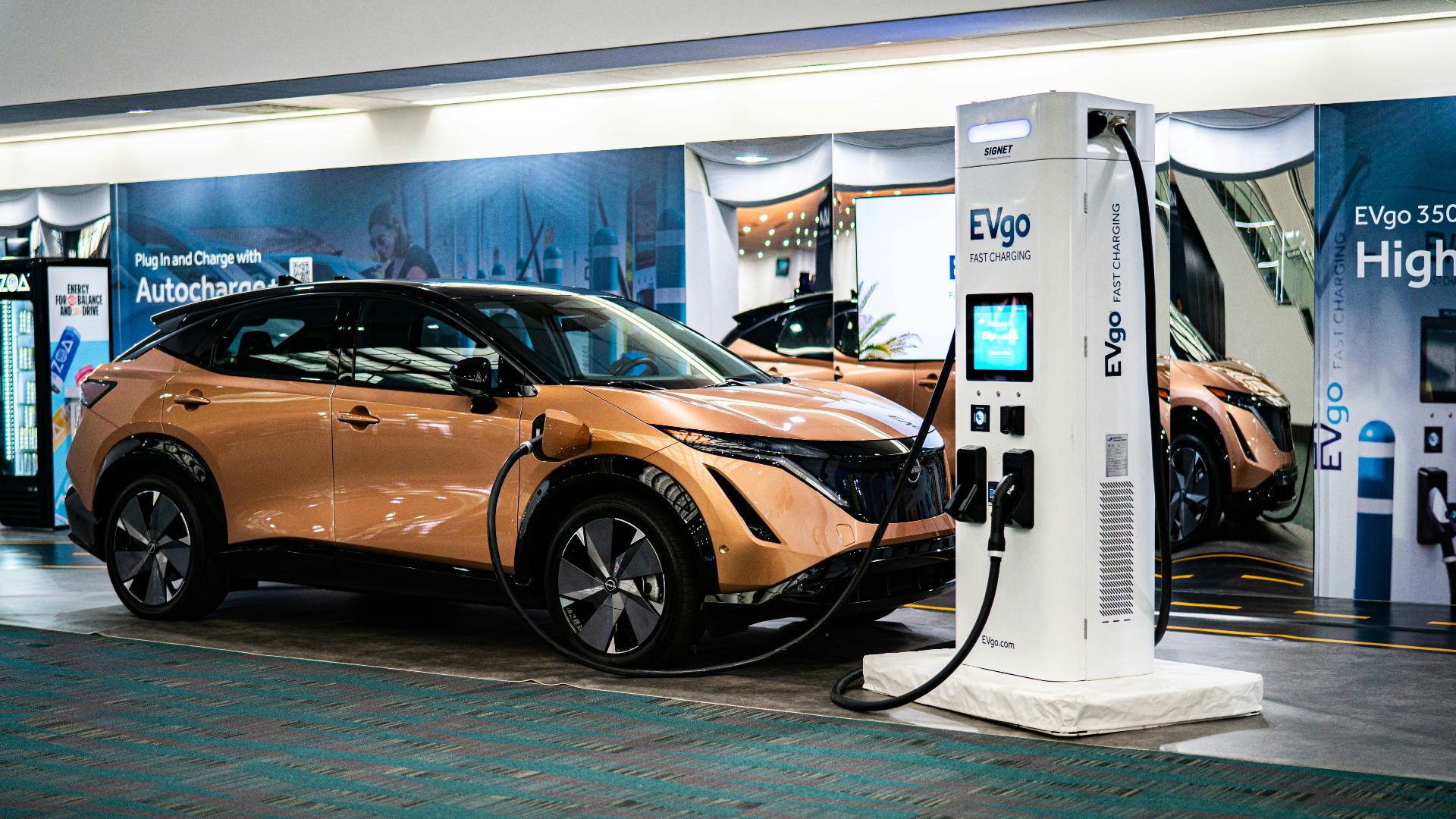
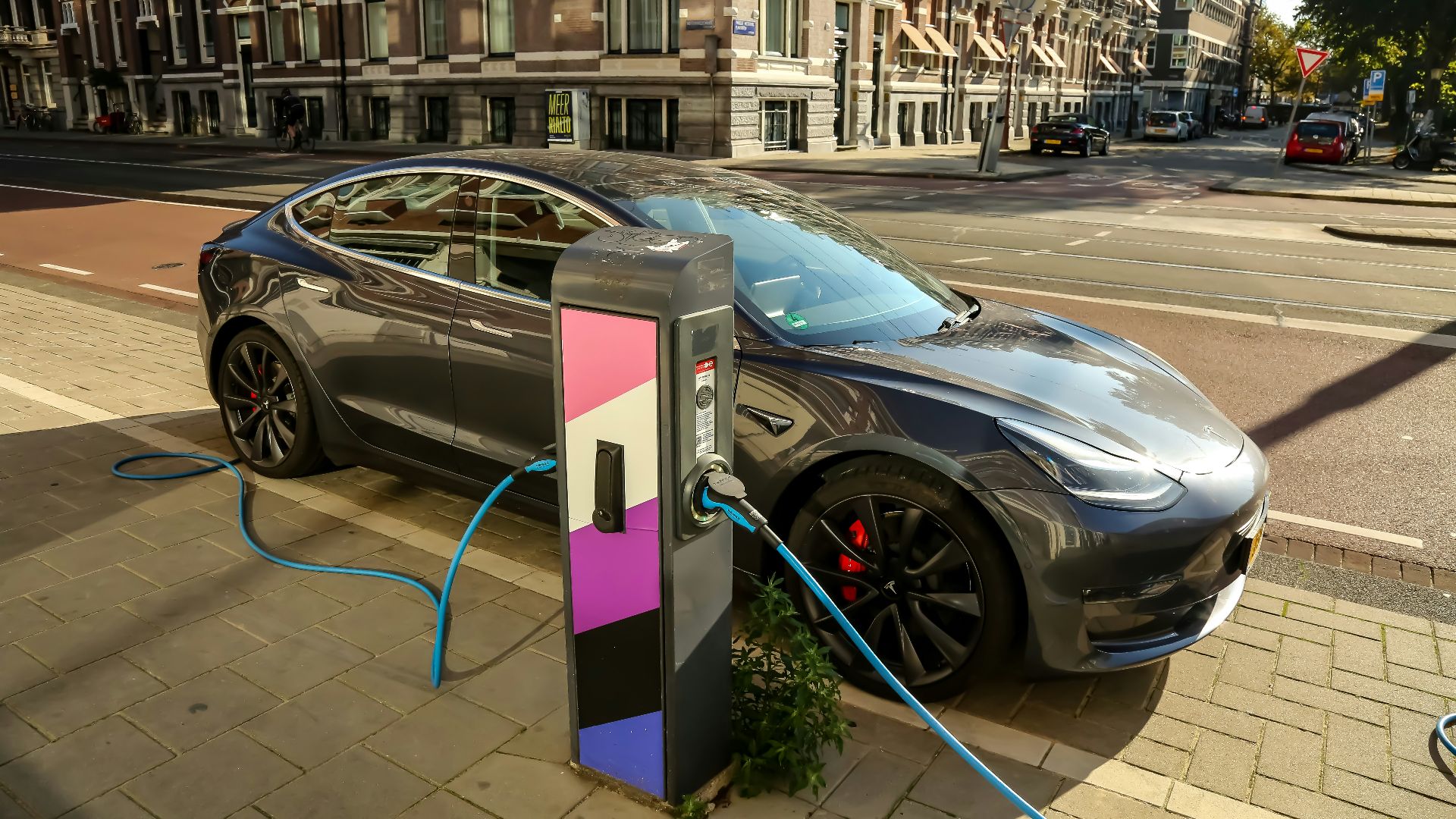
5. There Are No Charging Stations
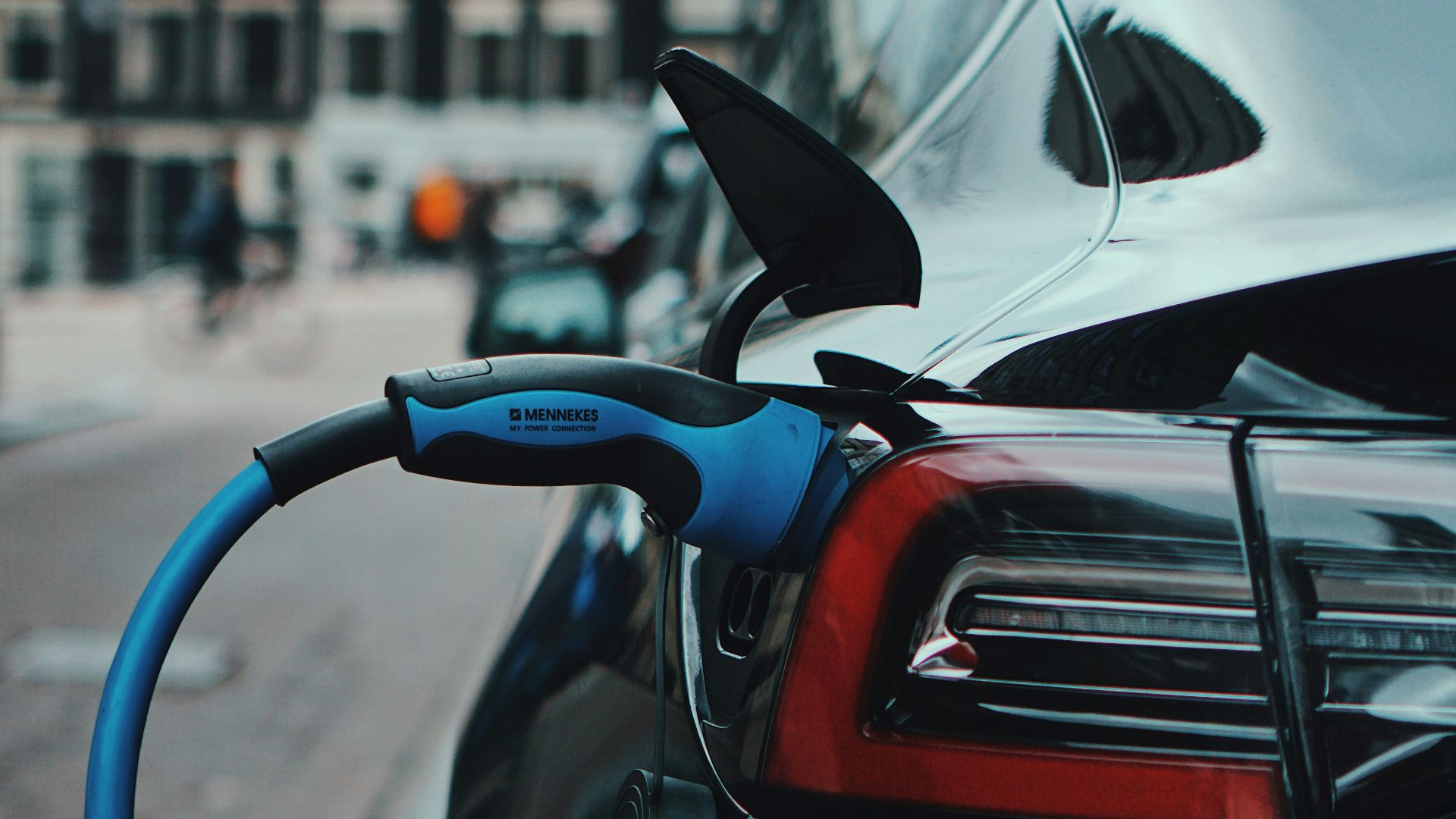
Over 49,000 charging stations exist nationwide, and that number keeps growing. Public charging is supplementary anyway, as most people charge at home overnight with a standard outlet, which means your car has a "full tank" every morning without ever visiting a station.
6. Cold Weather Makes EVs Useless
EVs do see reduced range in extreme cold, maybe 20–40% depending on temperature and how much you run the heater. You plan ahead, just like with any car. Norway, where 90% of new cars sold are electric, manages fine with temperatures that make most of America look tropical.
 Pasqualino Capobianco on Unsplash
7. EVs Catch Fire More Often
Data from Norway shows combustion-engine cars catch fire five to six times more often than EVs. Lithium-ion battery fires are admittedly harder to extinguish when they do happen, but they're dramatically less common.
 Hush Naidoo Jade Photography on Unsplash
8. Manufacturing EVs Produces More Emissions Than They Save
Making EVs may take more energy than gas-powered cars, but this excess is quickly made up for once the cars are actually driven, as EVs are much more efficient than gas-powered cars. After that break-even point, the EV pulls ahead and stays ahead for its entire lifespan.
 Chris LeBoutillier on Unsplash
9. EVs Are Slower Than Gas Cars
The fastest-accelerating production car currently available is the all-electric Rimac Nevera. Even everyday EVs accelerate quicker than their gas counterparts because electric motors deliver instant torque. Top speed may be different, but electrics win decisively off the line.
 Hyundai Motor Group on Unsplash
10. You Can Only Charge at Special Stations
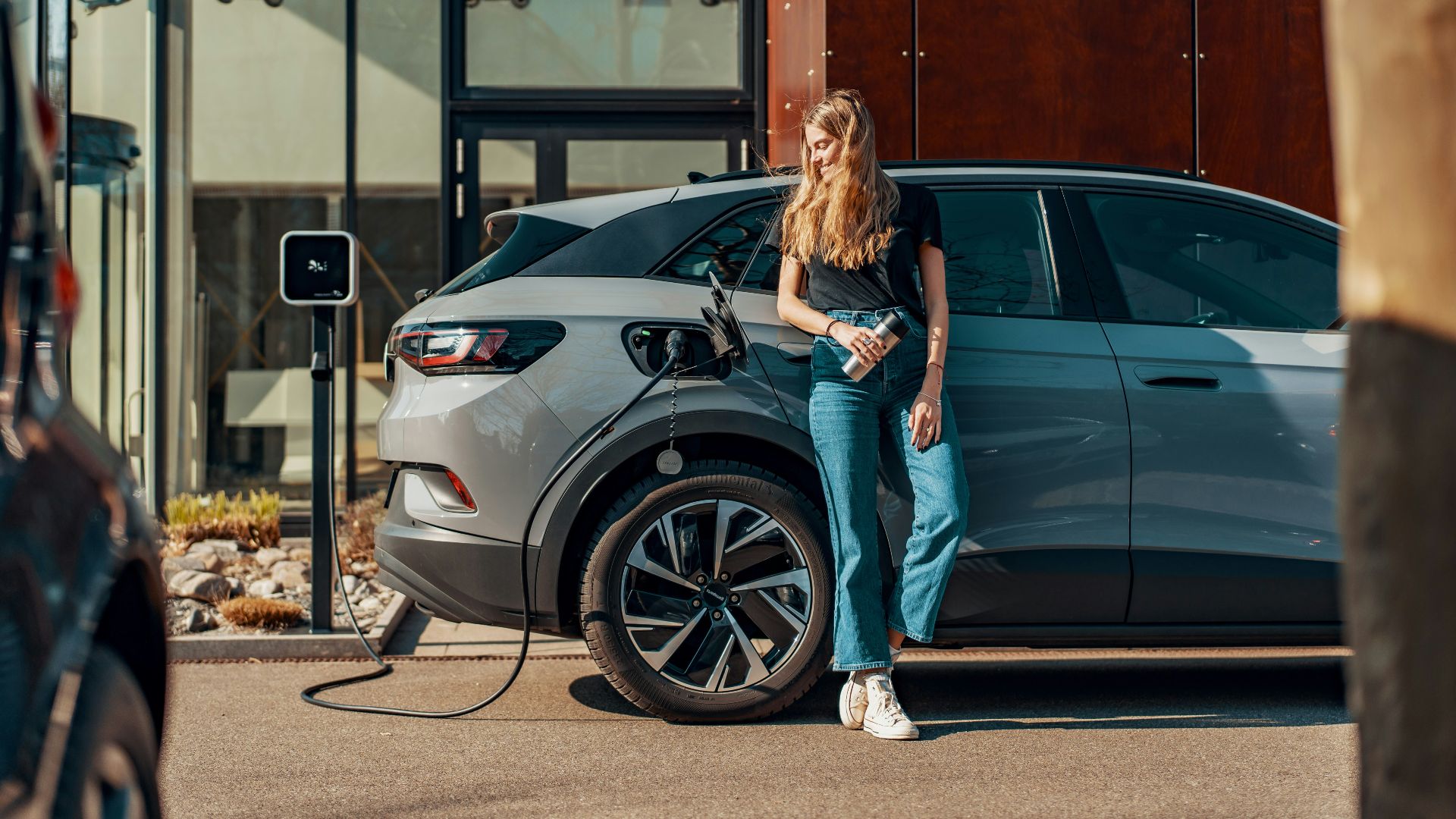
Most EV owners charge at home using a standard 120-volt outlet. It's slower than a dedicated 240-volt Level 2 charger, sure, but for overnight charging when the car sits anyway, it works fine. You plug in when you get home, unplug when you leave in the morning.
And now, here are ten surprising truths nobody mentions.
1. EVs Are Simpler Machines
An electric motor has maybe 20 moving parts. A combustion engine has over 2,000. Fewer parts mean fewer things to break, which is why maintenance costs run about half what gas vehicles require.

2. They're Already Cheaper to Fuel
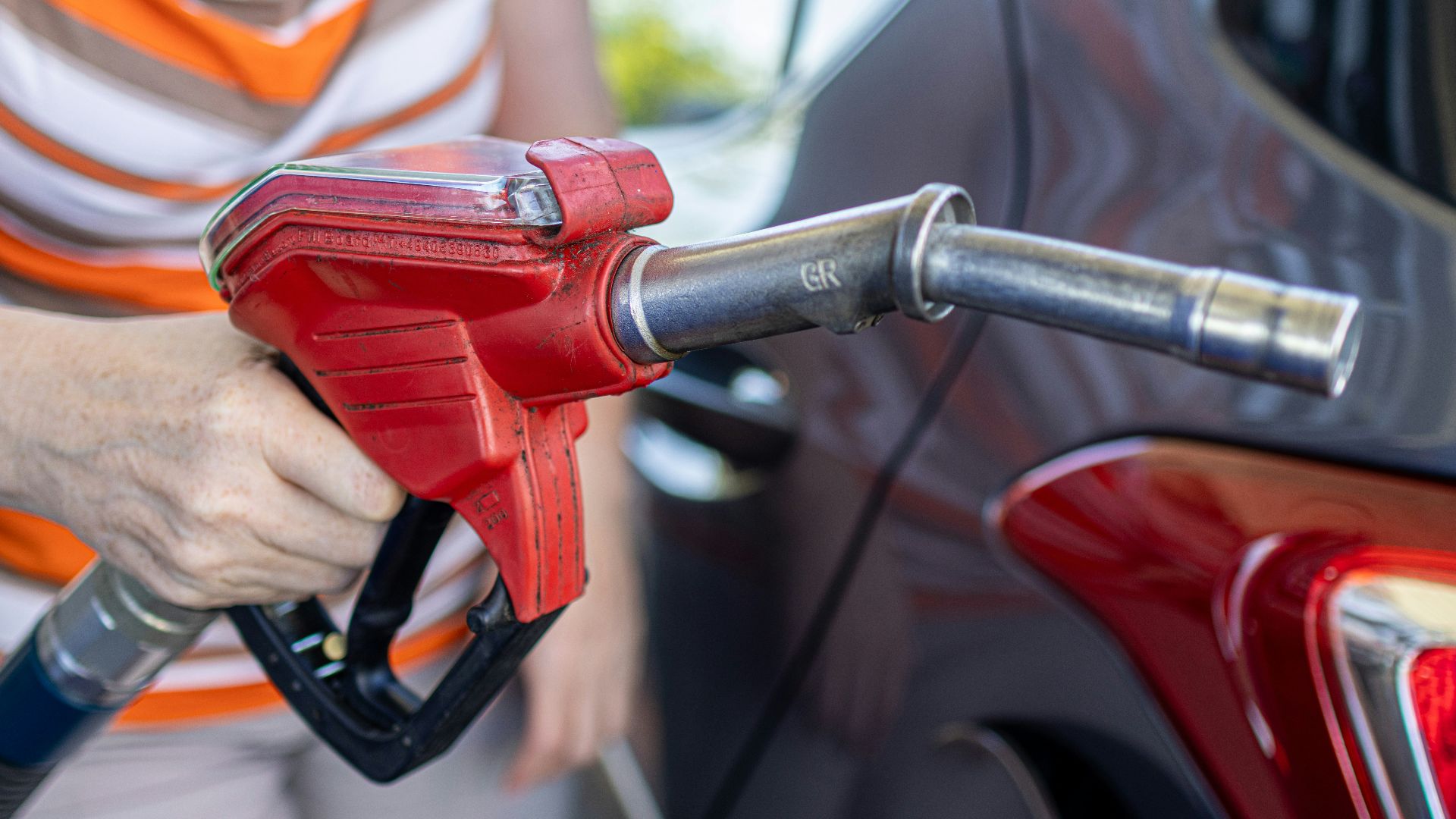
Today's light-duty all-electric vehicles can exceed 130 MPGe and drive 100 miles consuming only 25–40 kWh. At average U.S. electricity rates, that's $4–6 per 100 miles. A 30-mpg gas car at $3.50 per gallon costs about $11.67 for the same distance.
3. The Global Market Is Growing Explosively
Nearly one in five cars sold worldwide is electric. In China, EVs have reached 50% of new car sales. Mexico's EV sales quintupled in a single year. This isn't a niche market anymore; it's rapidly becoming the default choice in major markets around the world.

4. They Help Stabilize the Grid
Vehicle-to-grid technology allows EVs to store excess renewable energy when production is high and feed it back during peak demand. This helps balance the grid and makes renewable energy more viable by solving the storage problem.
5. Battery Degradation Is Minimal
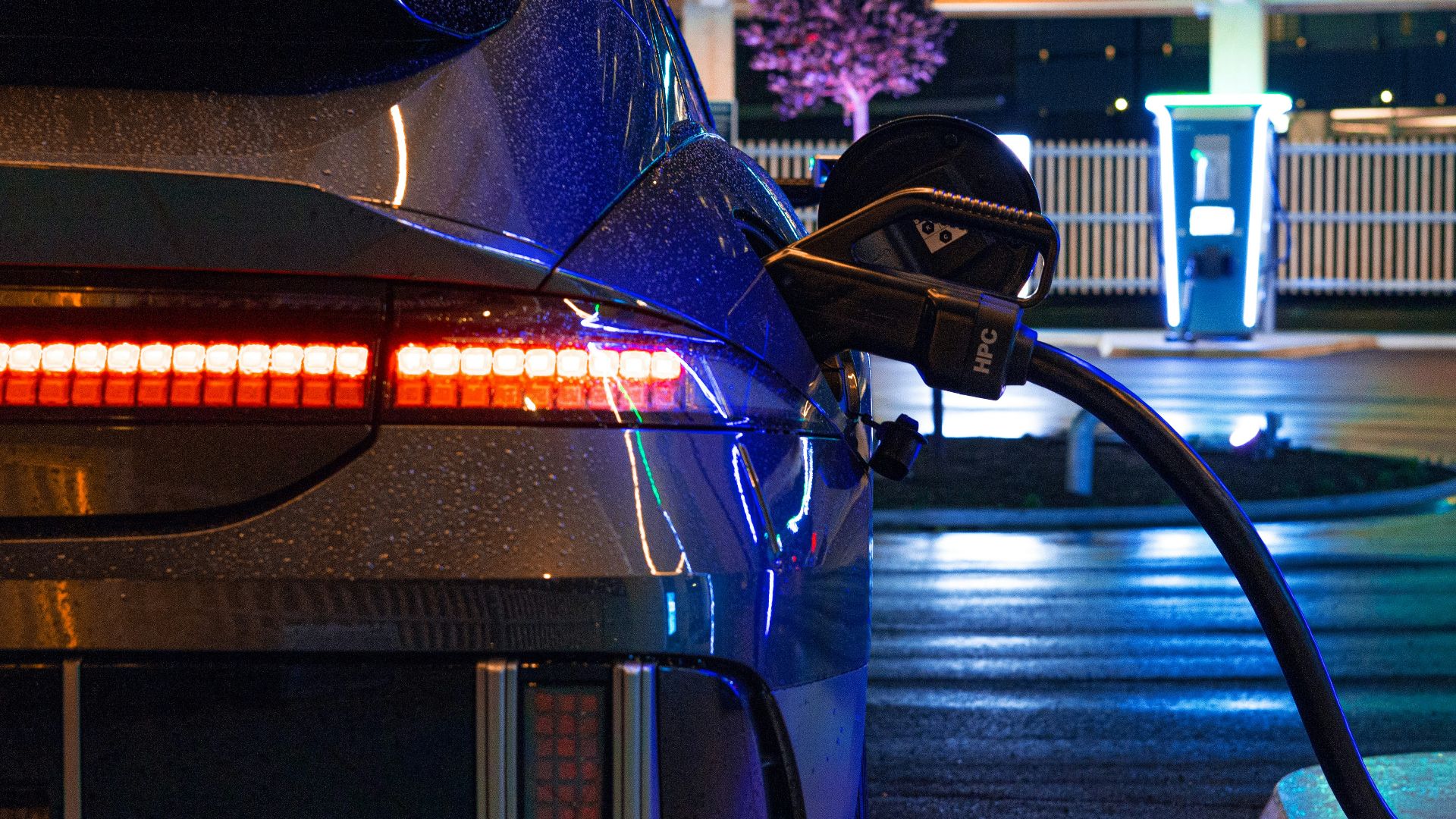
EV batteries lose, on average, just 2.3 percent of capacity per year. For a car with a 480 km range when new, that means about 55 km lost over five years—roughly 11 km per year. Most degradation happens in the first 80,000 kilometers before leveling out.
6. They're Creating Manufacturing Jobs
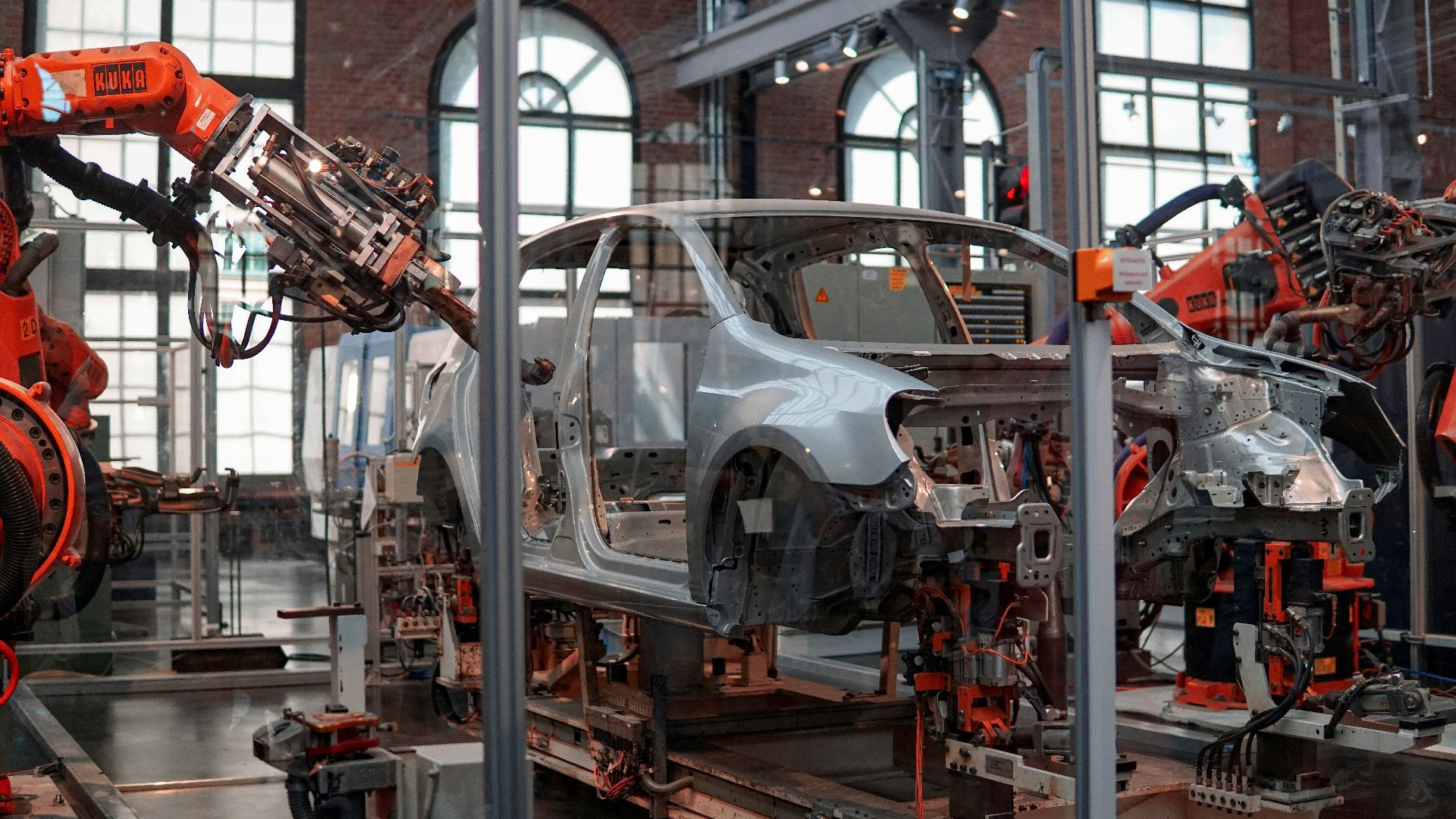
The EV revolution isn't killing automotive jobs; it's transforming them. Battery plants, charging infrastructure, and new manufacturing facilities for components all represent a massive investment in American manufacturing capacity, not a loss of it.
7. They Reduce Local Air Pollution Dramatically
Zero tailpipe emissions mean cleaner air in cities where people actually breathe. This matters enormously for children, the elderly, and anyone with respiratory conditions. Research shows that if all new cars and trucks transition to zero-emission vehicles, it would prevent 2.79 million pediatric asthma attacks.
 Chris LeBoutillier on Unsplash
8. Tesla Doesn't Dominate Like You Think
In the U.S., Tesla holds 49% market share, but that's shrinking as GM, Ford, Honda, and others release competitive models. The EV market is diversifying rapidly, with dozens of manufacturers offering compelling alternatives at various price points.
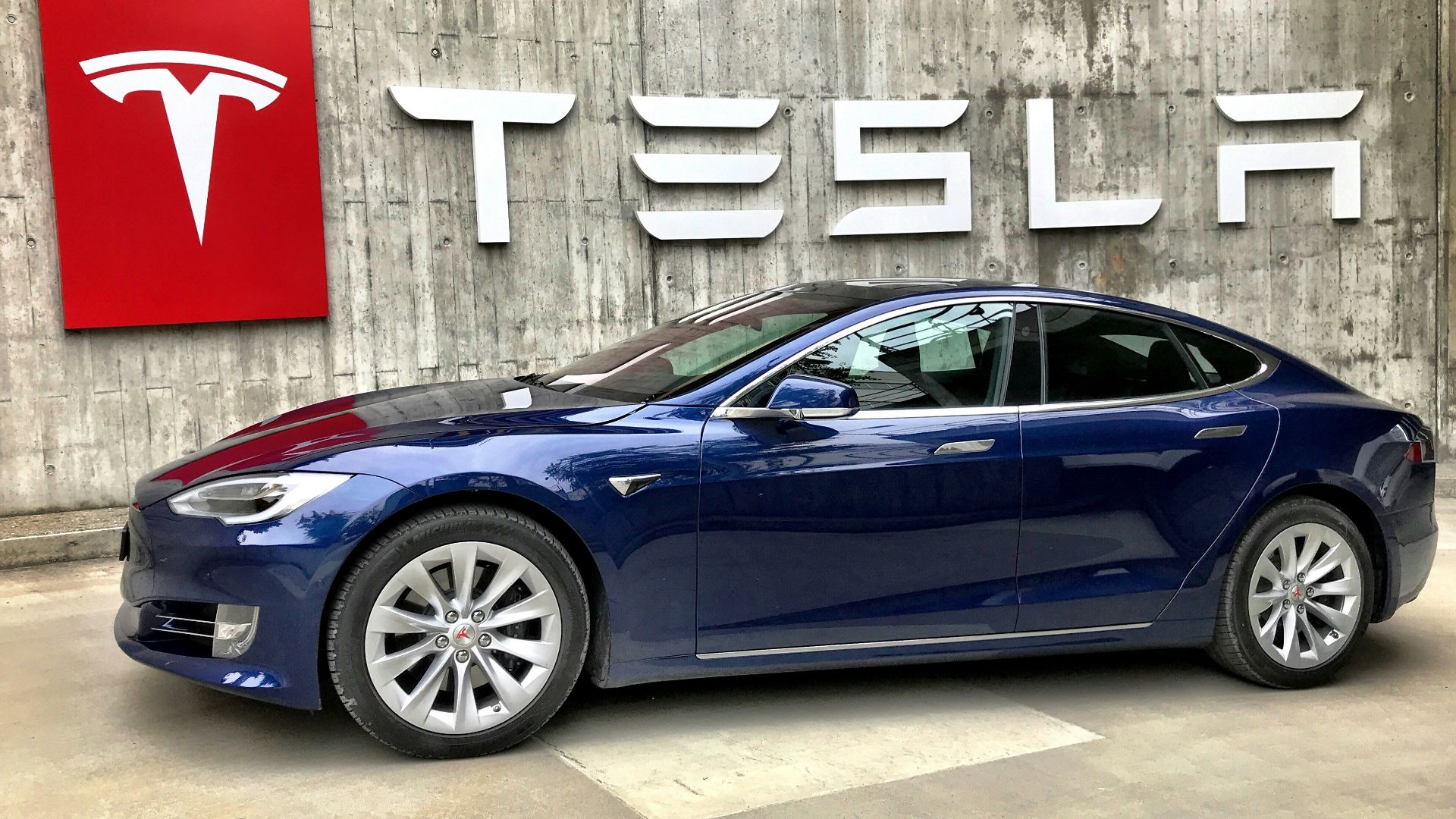 Tesla Fans Schweiz on Unsplash
9. Norway Is 90% Electric
In Norway, 90 percent of new cars were EVs in 2024. This is despite the fact that Norway has challenging weather, long distances, and high living standards. They did it through a combination of incentives, charging infrastructure, and policy support.
 Jarand K. Løkeland on Unsplash
10. Oil Demand Will Peak Soon
Analysts predict that oil consumption from the use of gas-powered vehicles will peak and then steadily decline worldwide by 2027, with consumption likely already having reached its peak in the United States and Canada. The shift is happening faster than almost anyone expected just five years ago.