Automakers are woven into the fabric of our history, playing an important role in shaping industries, economies, and culture. For some automakers, behind the chrome and wheels is a dark history that they would prefer to stay buried.
Certain chapters of some automaker's history can spark uproar while revealing their ambition, experimentation, and flawed leadership. These created a complicated history that, in some ways, has tarnished their legacies.
Let's look at the dark history of three automakers that continue to fascinate and refuse to be swept into the dustbin of the past.
Ford and Fordlândia
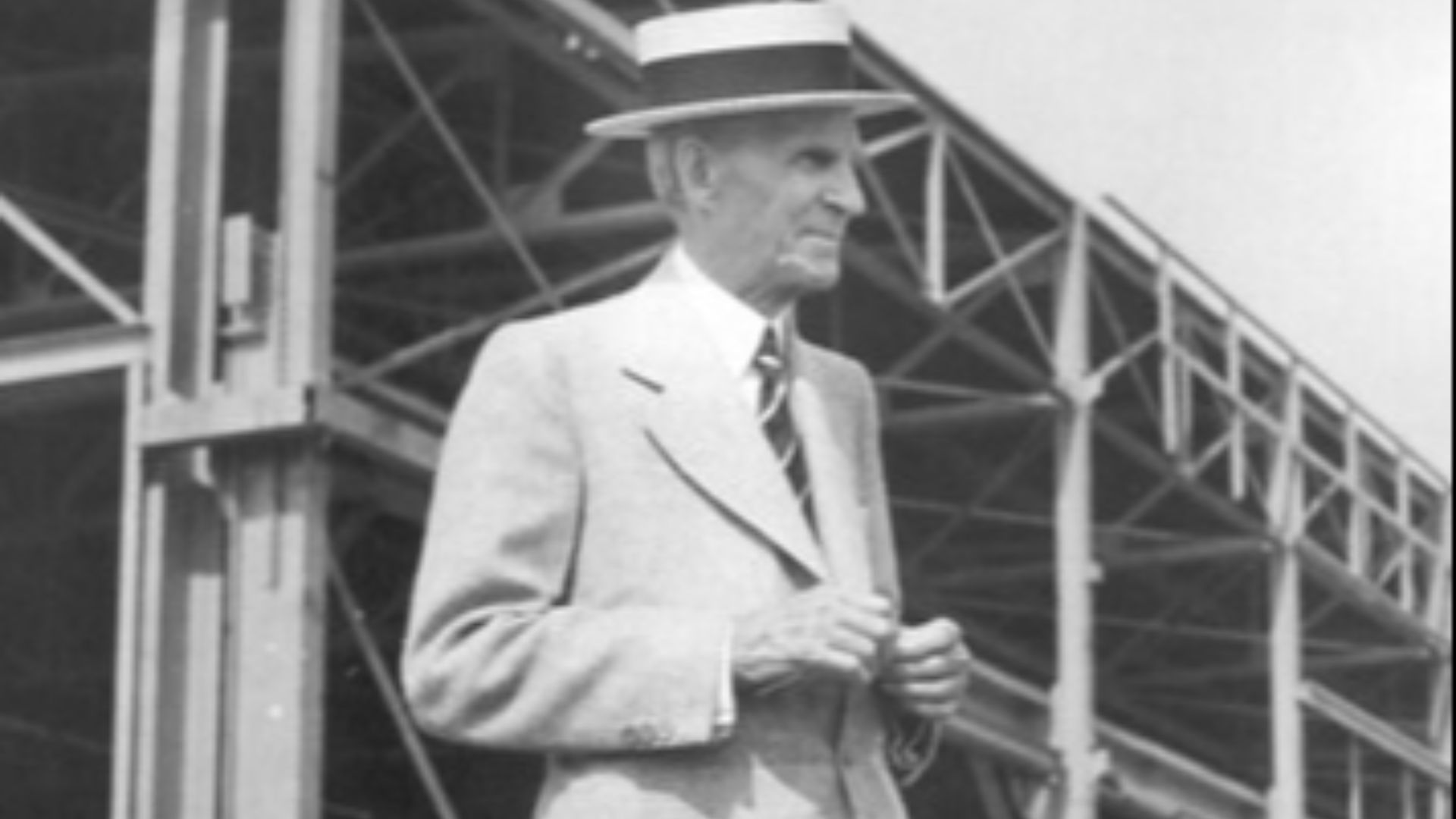
As with many visionaries, Henry Ford's ideas were not always grounded in reality. In the late 1920s, he set out to build Fordlândia, a vast company town in the Brazilian Amazon with the goal of securing a consistent and affordable supply of rubber for his automobiles as demand skyrocketed.
The idea wasn't great, and the execution was disastrous. Workers in Fordlândia were expected to follow strict rules, eat unfamiliar foods, and avoid alcohol. Many rebelled, and at one point, a full-scale riot broke out. Managers were forced to flee until order could be restored.
By the 1940s, Fordlândia was in financial ruins, forcing Ford to abandon the project.
Volkswagen As Part of the Propaganda Machine
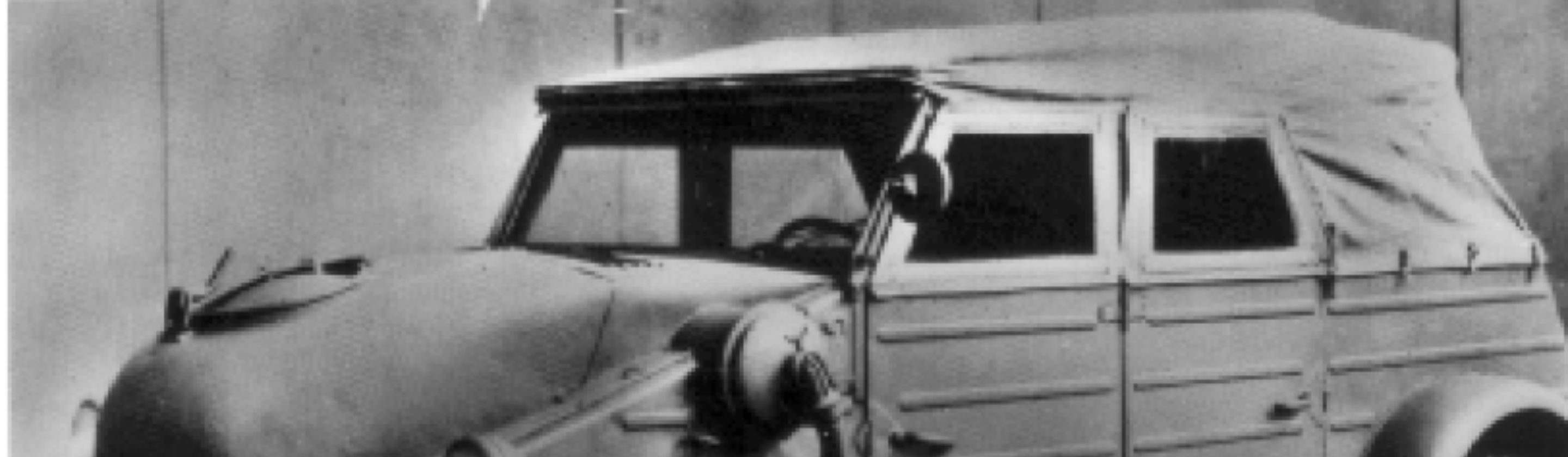
Volkswagen is famous for its engineering, car design, and global popularity, but its origins reside in one of the darkest chapters in human history. Founded in the 1930s under the directive to create a "car for the people". While this seems rather mundane on the surface, it was tied to the political propaganda of the era.
The original Volkswagen Beetle was intended as a symbol of national pride. During WWII, however, production shifted to military vehicles, and the company's factories became instruments in Germany's war machine. Today, the company acknowledges its history and is transparent about its origins.
Volkswagen stands as a reminder that political movements can be intrinsically tied to industries, and how it is possible for companies to eventually redefine themselves.
 Unknown authorUnknown author on Wikimedia
Fiat and Italy's Industrial Era
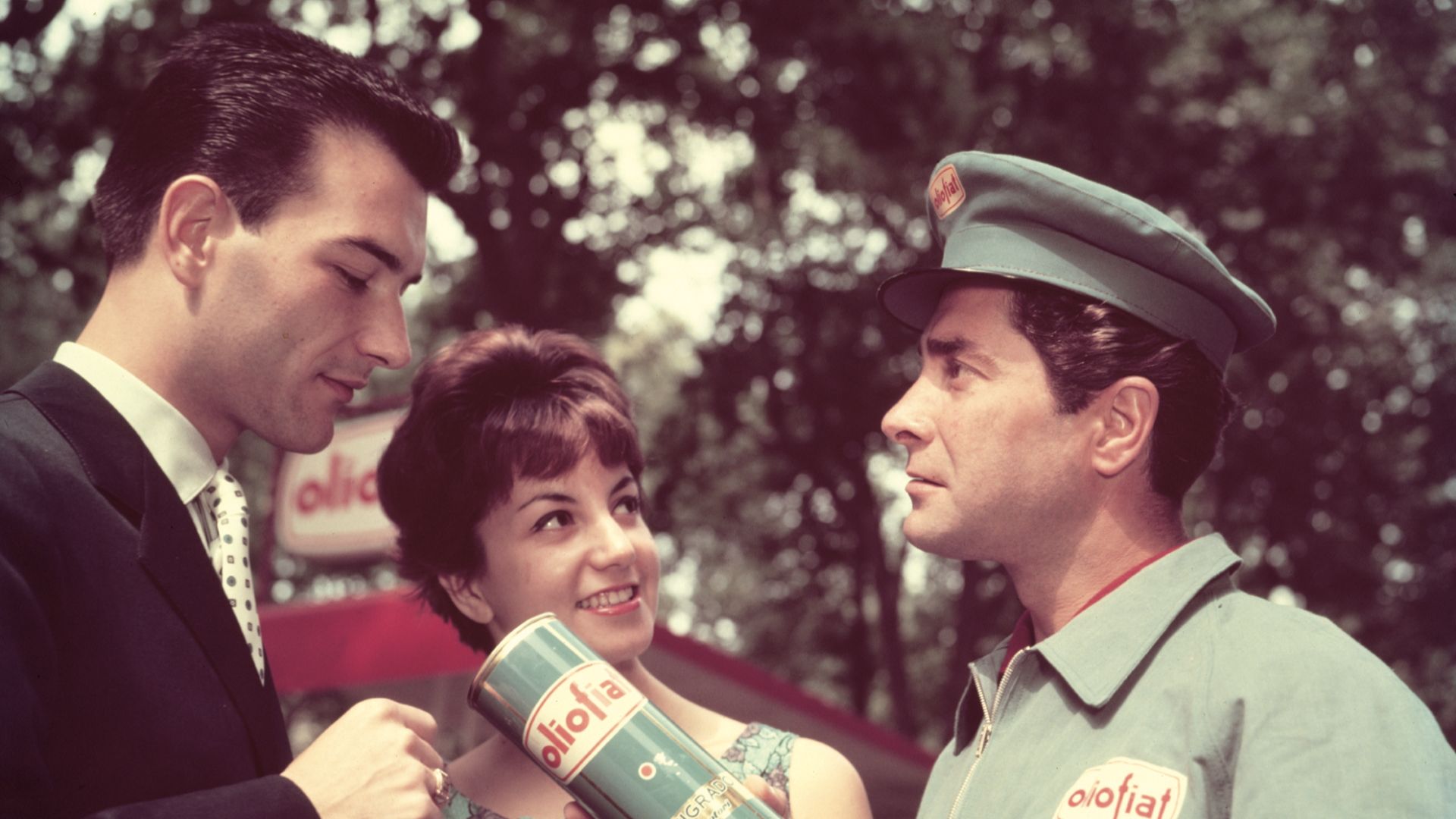
Fiat's past is complicated, especially during the early to mid-20th century. As Italy's more prominent automaker, Fiat played a key role in the country's industrialization. This led to an overarching influence in the nation's political and economic power struggles.
During the 1920s and 1930s, Fiat was aligned with the ruling political party. In addition to cars, their factories produced machinery, aircraft engines, and equipment as part of the national effort to speed up Italy's industrialization.
Unfortunately, this led to labor strife in the 1960s and 1970s. These decades were marred by strikes, protests, and confrontations between workers and management. Fiat was the target of the frustrated workforce, who wanted fairer wages and better working conditions.
The public face of most automakers is a product of sleek marketing. But behind some of these global brands is a history of their political affiliations and terrible behavior towards the working class. Acknowledging their histories doesn't diminish their accomplishment; it simply tells the true story of how they became what they are today.