Some cars become famous for their beautiful designs, impressive speed, or groundbreaking engineering, while others earn reputations for being downright terrifying to drive. The Porsche 911 Turbo, particularly the original 930 generation, somehow managed to achieve all four. Introduced during the 1970s, this powerful sports car delivered extraordinary performance, but its unpredictable handling meant that getting behind the wheel wasn't always an enjoyable experience.
It wasn't long before the Porsche 930 earned the unsettling nickname "Widowmaker," referencing the potentially deadly consequences of making a mistake behind the wheel. Its combination of sudden acceleration, unusual weight distribution, and limited safety technology made it especially unforgiving for inexperienced drivers. So, how did one of Germany's most celebrated sports cars end up with such a terrifying reputation?
The Birth of Porsche's Most Intimidating Sports Car
The story begins in 1973, when Porsche unveiled a turbocharged 911 prototype at the Frankfurt International Motor Show. The company wanted to bring its racing technology to public roads, creating a sports car that could deliver impressive performance without sacrificing everyday comfort. By 1974, the production version was ready to be revealed, with customer deliveries beginning the following year.
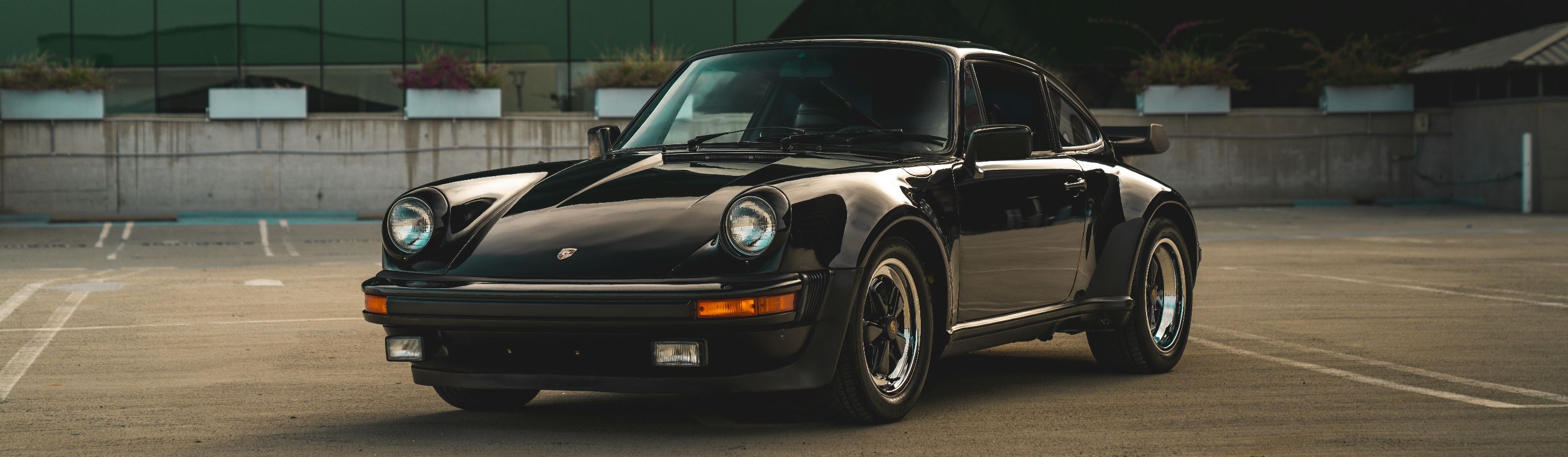
Known internally as the 930, the original Porsche 911 Turbo featured a 3.0-liter, turbocharged flat-six engine producing approximately 260 metric horsepower. That might not sound particularly impressive by today's standards, but it was a remarkable figure during the mid-1970s. Capable of accelerating from zero to 60 miles per hour in roughly five seconds, the 930 could easily outperform cars that cost much more.
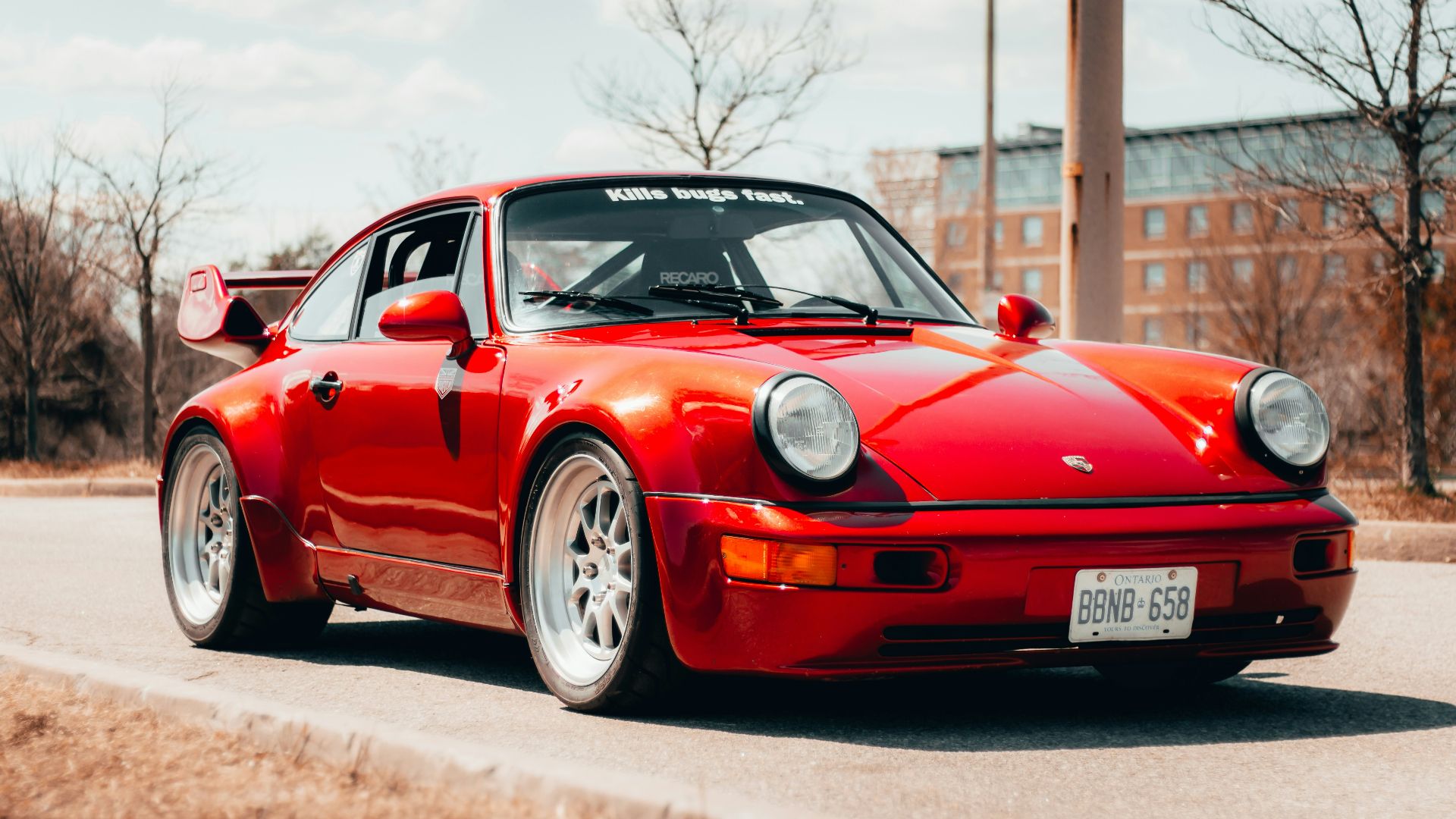
Its appearance was just as memorable, with dramatically widened rear fenders, enormous rear tires, and a distinctive spoiler commonly called the "whale tail." These weren't simply cosmetic additions, as Porsche needed aerodynamic improvements and extra space to accommodate the car's mechanical components. Even so, the aggressive styling helped establish the 930 as one of the most recognizable sports cars of its generation.
Inside, buyers were treated to a surprisingly luxurious cabin, complete with comfortable seating and features typically found in expensive grand touring cars. Porsche had successfully combined everyday usability with serious performance, making the Turbo especially attractive to wealthy driving enthusiasts. Unfortunately, that comfortable interior could also give drivers a false sense of confidence about how manageable the car would be at higher speeds.
Why the Porsche 930 Earned Its Terrifying Nickname
One of the Porsche 930's biggest problems was something called turbo lag, which caused a noticeable delay between pressing the accelerator and feeling the engine's full power. Drivers would initially experience relatively modest acceleration before the turbocharger suddenly kicked in with a substantial burst of power. This unexpected surge could be especially dangerous when accelerating through corners, where maintaining traction required precise throttle control.
Adding to the challenge was the car's unusual rear-engine configuration, which placed a significant amount of weight behind the rear axle. While this setup helped provide excellent traction under acceleration, it also made the vehicle tricky to control once the rear tires started sliding. If the back end suddenly lost grip, drivers could find themselves dealing with a rapid and dramatic change in direction known as snap oversteer.
Another dangerous characteristic involved suddenly lifting off the accelerator while taking a corner, particularly at higher speeds. Doing so could shift weight toward the front wheels, reducing grip at the rear and potentially causing the car to rotate. An inexperienced driver trying to correct a slide could easily make matters worse, especially if they panicked and reacted too aggressively.
Unlike today's sports cars, the original 930 didn't have the benefit of electronic stability control, traction control, or anti-lock braking systems. Drivers had to depend almost entirely on their own judgment and driving skills when pushing the vehicle toward its limits. Throw in the sudden delivery of turbocharged power, and it's not difficult to understand why the Porsche became widely known as the "Widowmaker."
How the Widowmaker Became a Legendary Classic
Despite its intimidating reputation, the Porsche 930 was a commercial success, encouraging the manufacturer to continue improving the model throughout the following decade. In 1978, Porsche introduced a larger 3.3-liter engine, along with an intercooler and upgraded brakes. These improvements boosted performance and addressed some of the car's shortcomings, although the Turbo remained a demanding machine that required plenty of driving experience.
The 930's reputation only became more exaggerated over the years, particularly when enthusiasts discuss just how unpredictable it really was. Experienced drivers who understood its behavior could enjoy remarkable performance without constantly worrying about losing control. Much of the danger came from overconfidence, especially among owners who underestimated how differently the Turbo handled compared with more conventional sports cars.
Today, the original Porsche 911 Turbo is a highly sought-after collector's car, admired for its historical significance, distinctive styling, and wonderfully mechanical driving experience. Its lack of modern electronic assistance is part of the appeal for enthusiasts who enjoy the challenge of controlling a powerful vehicle through skill alone. Few classic performance cars provide such a direct connection between the driver and the machinery beneath them.
The Porsche 930's frightening nickname reflects a time when manufacturers were pushing performance boundaries faster than safety technology could keep up. The car wasn't impossible to control, but mistakes that modern electronics might correct could have serious consequences in the original Turbo. Its demanding personality ultimately became part of its appeal, helping the infamous Widowmaker secure its place as one of Porsche's most fascinating creations.