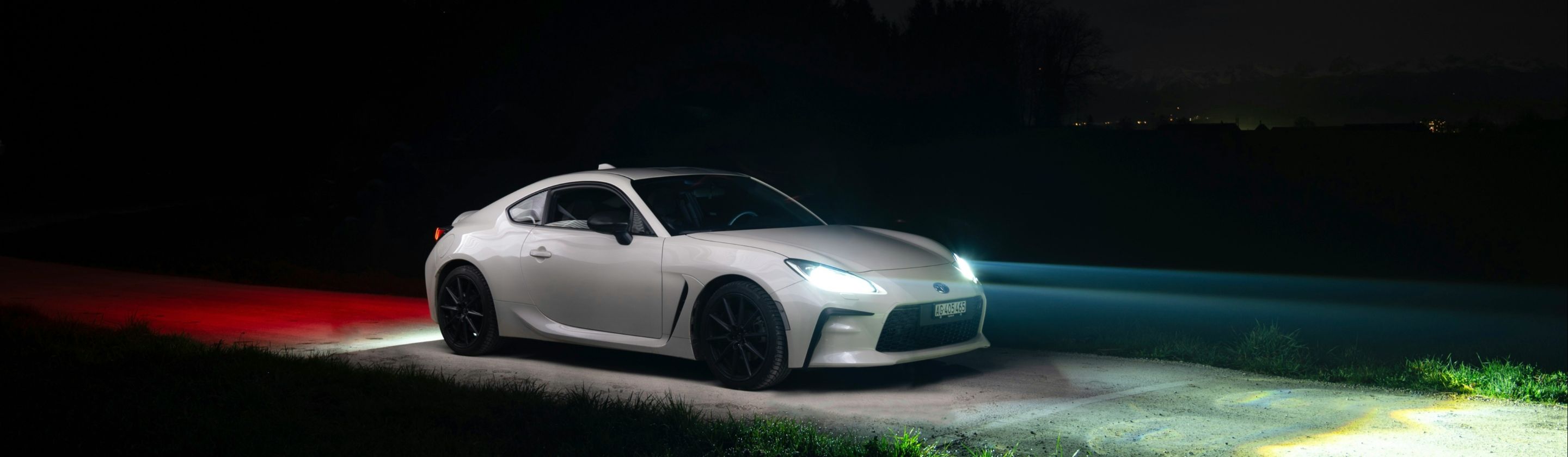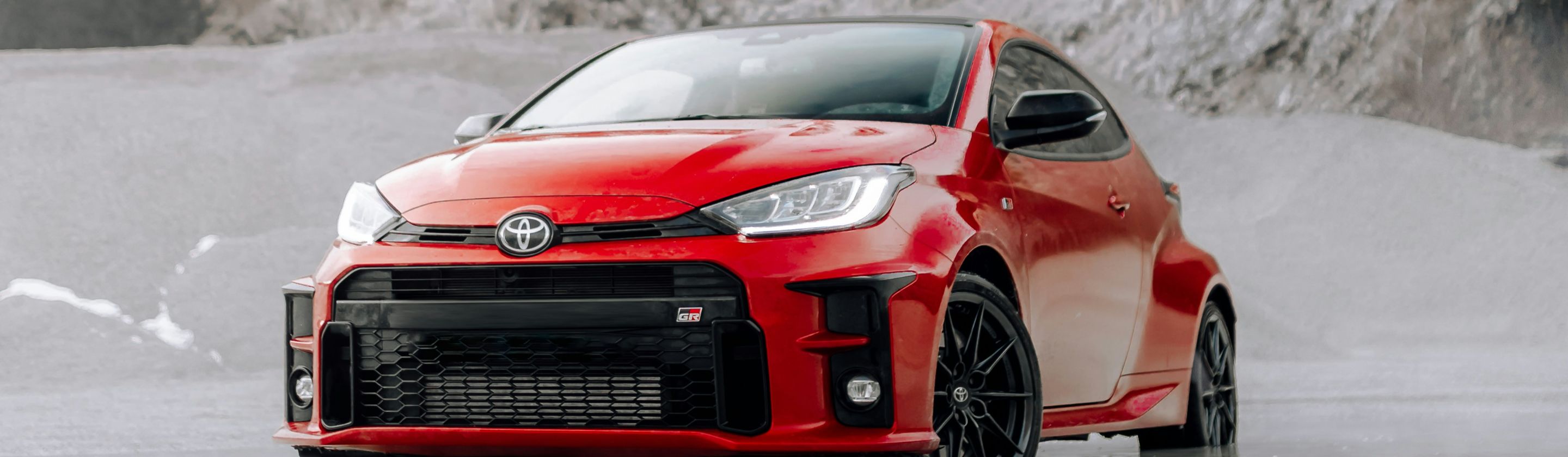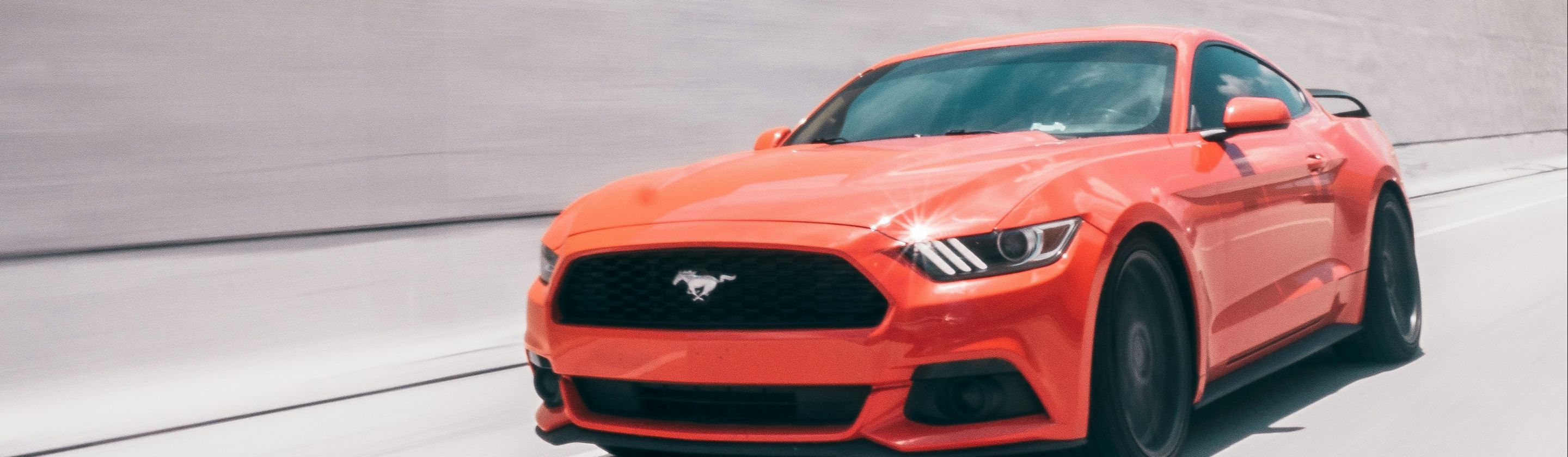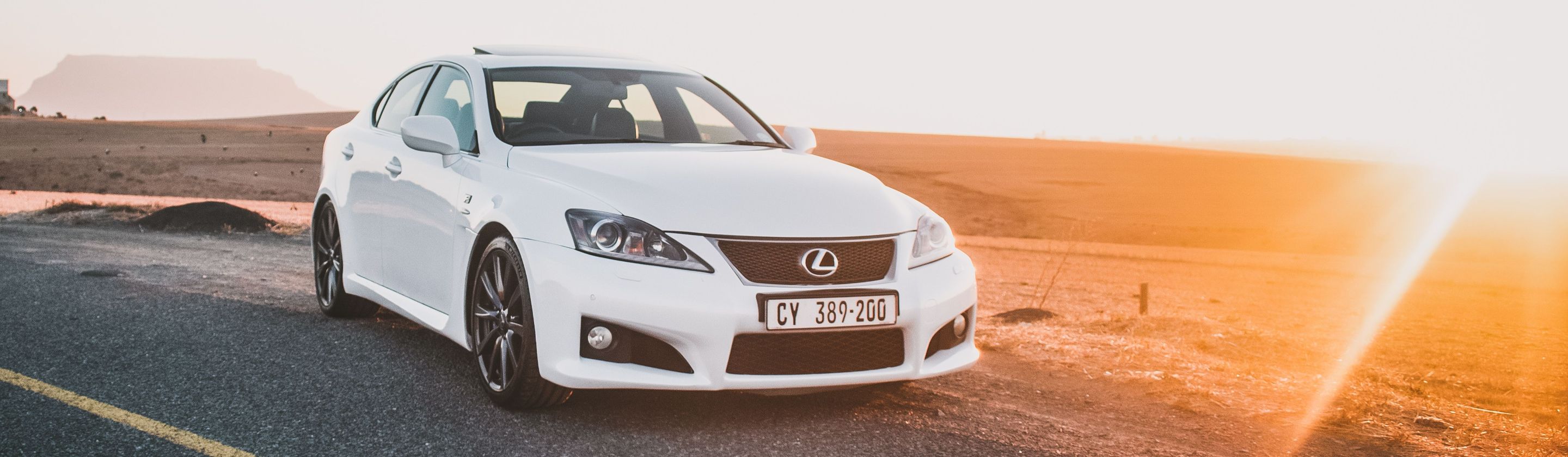
When the first Model Ts rolled off the assembly line in 1908, Henry Ford claimed customers could have any color they wanted "so long as it is black". Over a century later, the most popular car colors in America are white, black, and gray. It didn't used to be like this...so what happened?
A Technicolor History
Colors that seem ostentatious now literally pale in comparison to the 1920s when cars were adorned in three or four shades, sometimes with bird detailing. General Motors believed that flashy colors would attract customers to lower-priced vehicles. There are few symbols of Roaring Twenties decadence as iconic as Jay Gatsby's yellow car.
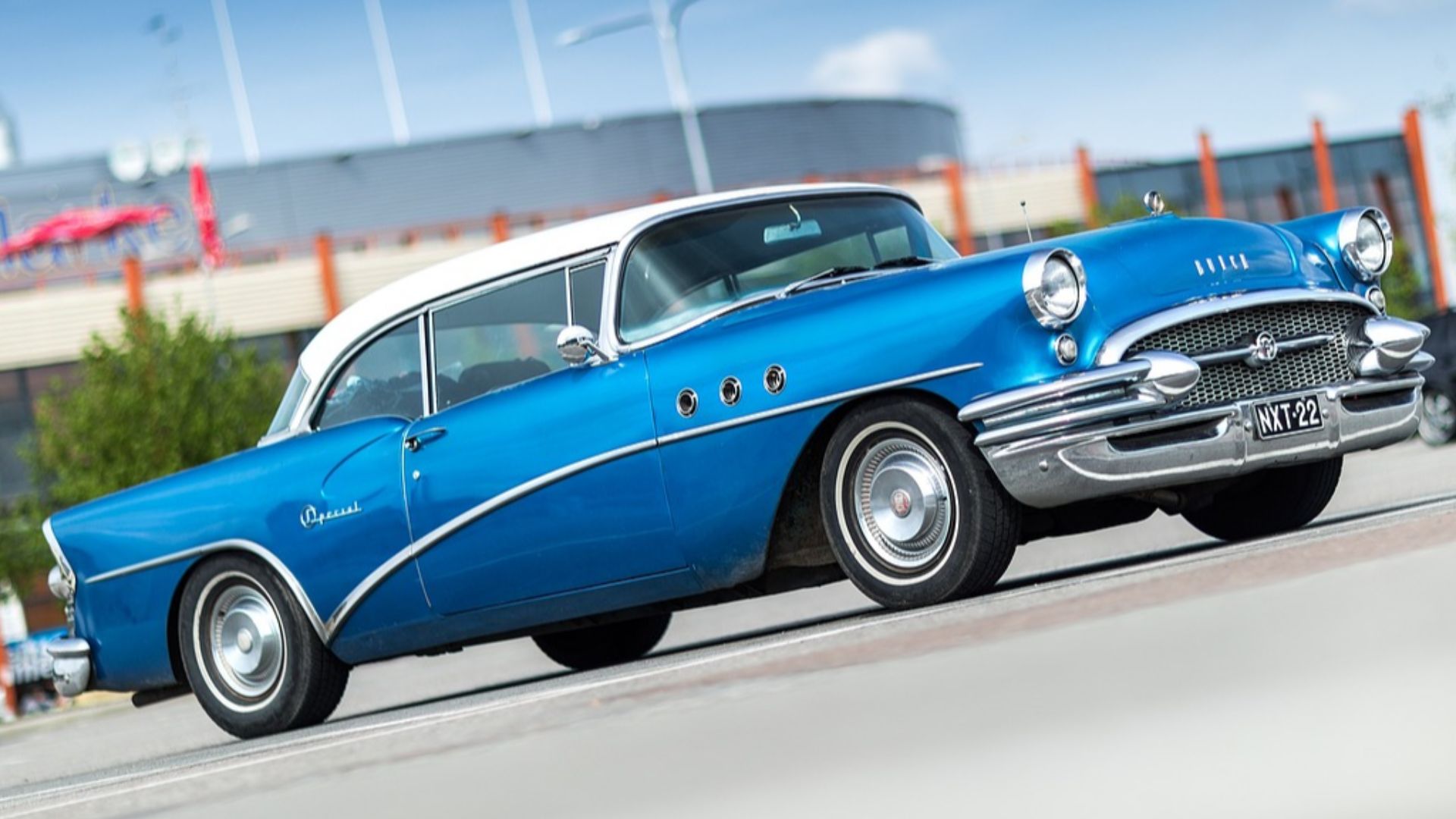
Look at any photo of a street in the 1950s and your vision will be awash in a sea of color. Boat-sized cars may have lacked seat belts and other safety features, but they certainly weren't short on style. Aquamarine, Monte Carlo Red, and Adriatic Green were just a few of the colors cars came in.
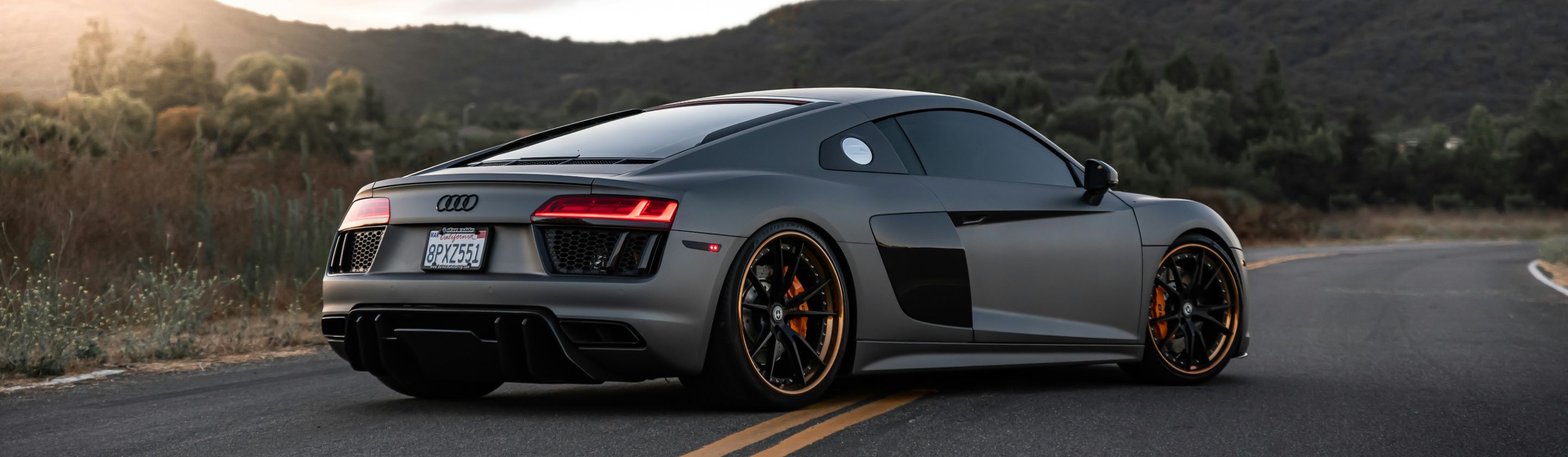
After the horrors of two world wars, consumerism was seen as a patriotic duty. Things mellowed out a little bit due to the gas crisis in the '70s. However, the rich earth tones cars sported then are a million times more appealing than the 50 shades of grey you see today.
Passing Fads
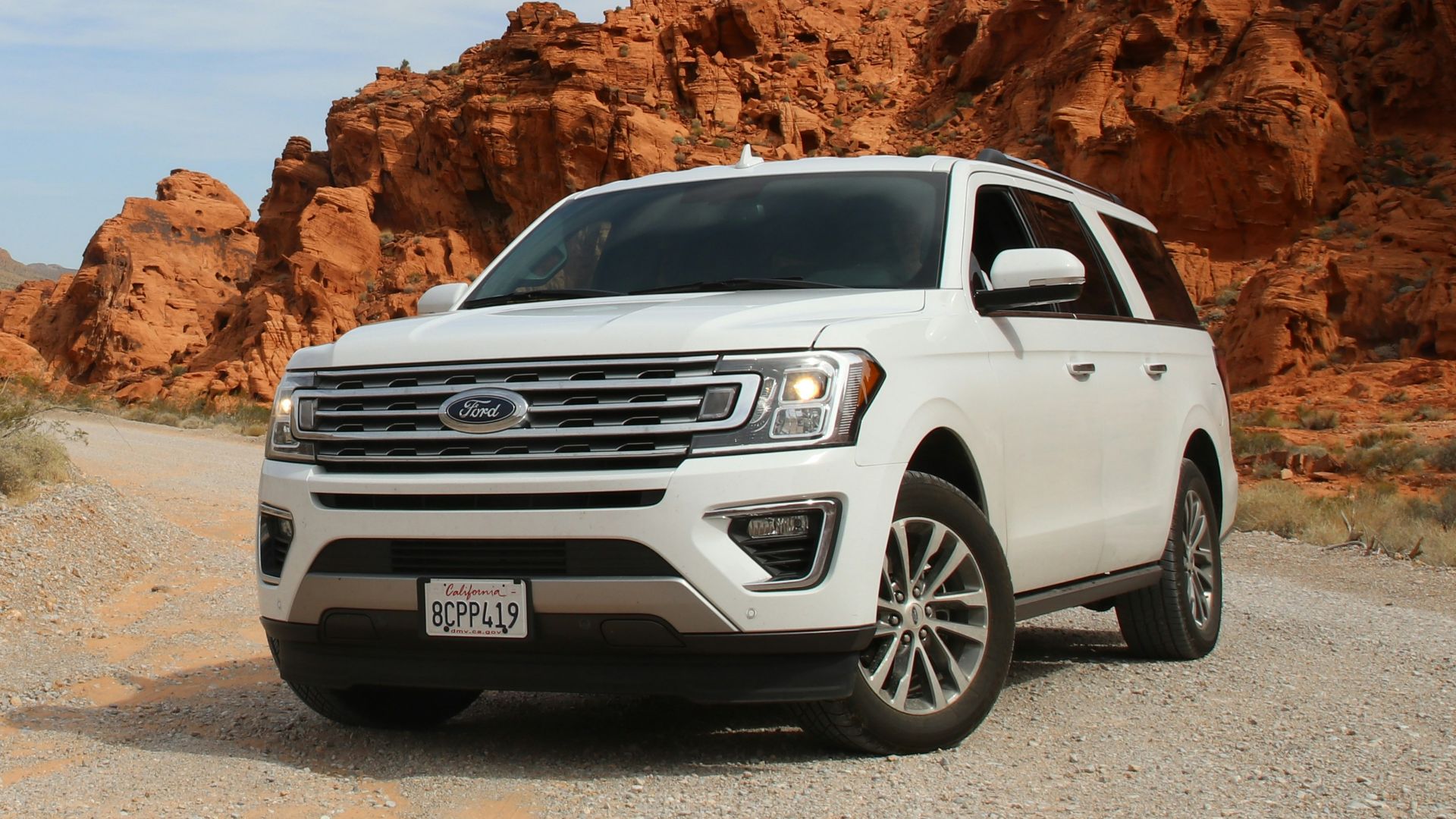
It's only in the past 20 years that the color really started to leech out of cars. It isn't just automobiles either. If you look at technology as a whole, the rise of minimalism, and even the sad beige mom trend, our world is a lot less colorful than it used to be.
There are a few reasons for why this is.
Going back to technology, major corporations and products influence branding in other walks of life. Apple, literally the most valuable brand in the world, capitalized off a clean white aesthetic. Apple products are futuristic but not funky, sleek and sophisticated; this aesthetic trickled over into other walks of life.
Another reason why neutral cars have skyrocketed in popularity is their safeness. Colors can be tied to specific trends in a way that neutrals aren't. Caribbean Blue is tied to a moment in time; black is timeless.
Buying a new car is an investment in the future. A sage green car, indelibly linked to a particular trend, will be worth less on resale than something neutral. At the end of the day, it's a numbers game.
Economic Incentives
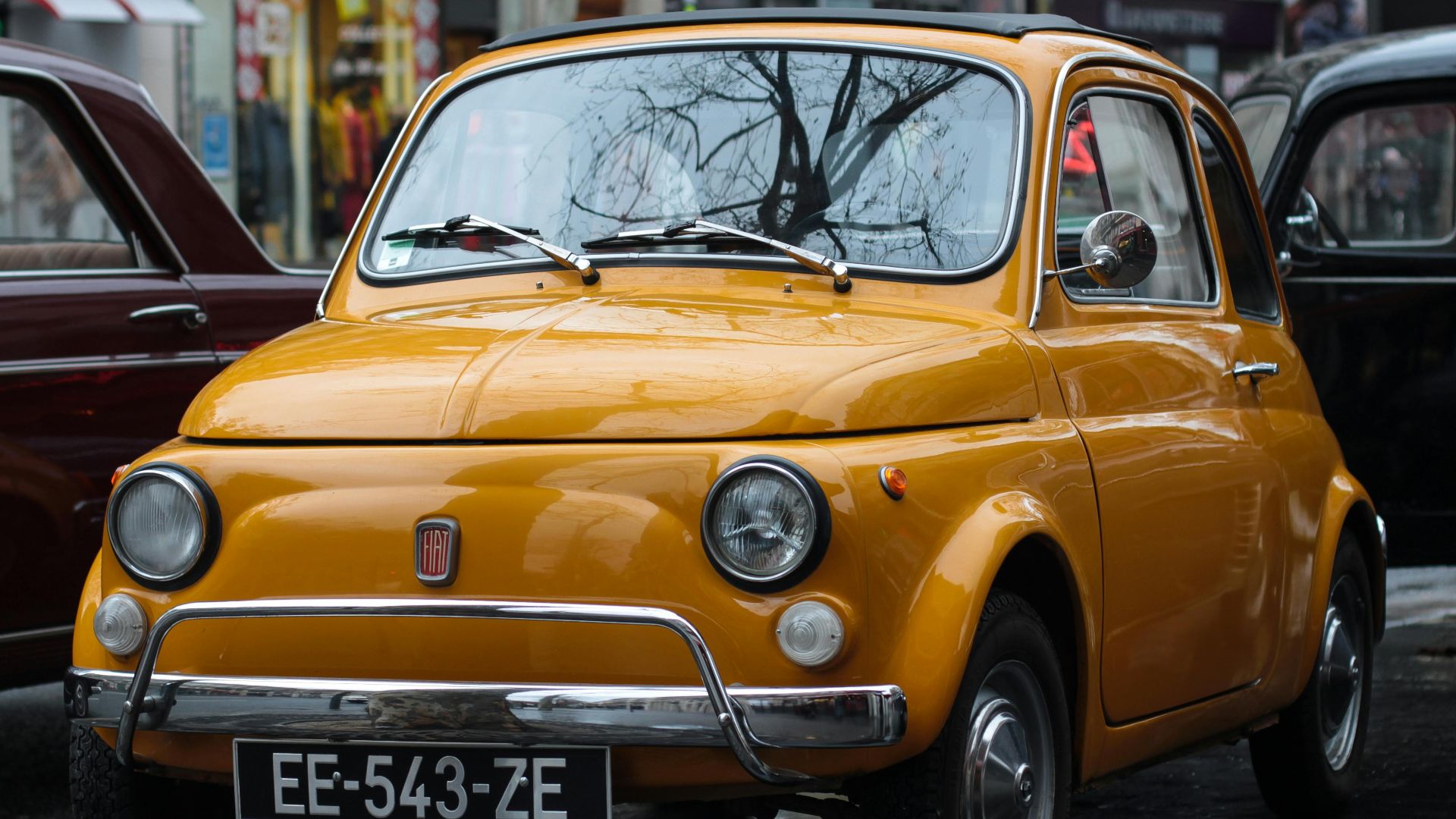
The bottom line is that it's far cheaper for manufacturers to paint 10 cars three different colors than to paint each one a different color. When the 2008 recession hit, major manufacturers had to sink or swim. They chose to swim.
If the choice was between complete shutdown and limiting paint colors, the decision was simple. Fewer colors meant lower costs. While the economy may have recovered, the automotive industry changed forever.
it wasn't only companies playing the numbers game. For consumers, buying a bright yellow or blue car at a time when many were tightening their purse-strings could be seen as frivolous and flashy. Since then, colors have been getting duller and duller.
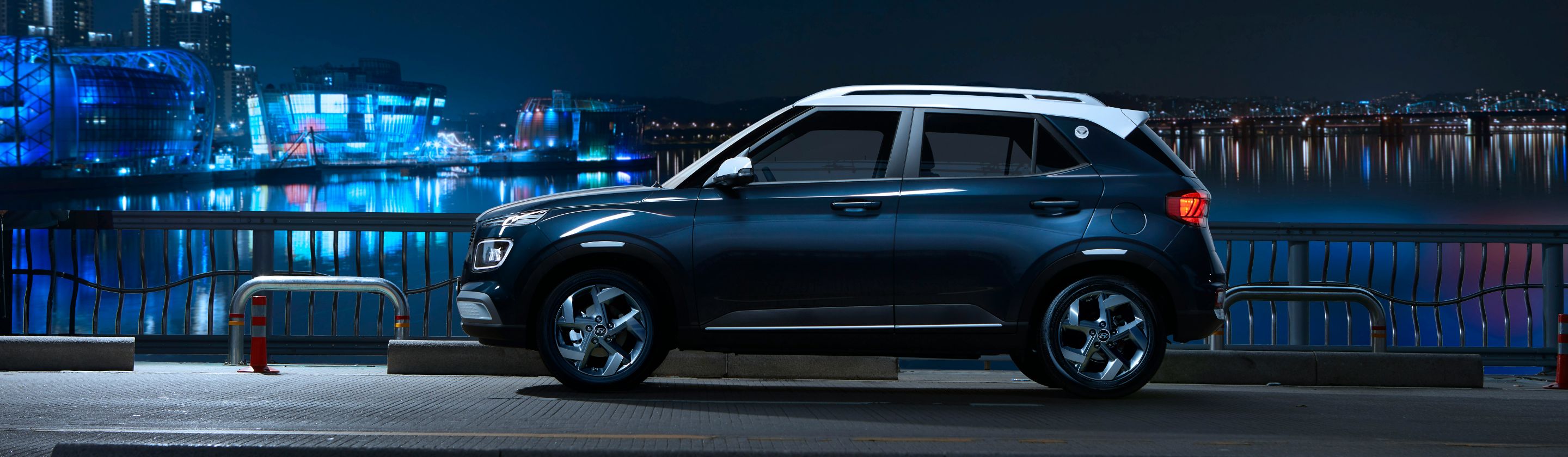
These monotonous colors pose an added risk that few drivers consider when selecting their vehicle: they blend into the landscape. A red or teal car is easy to pick out. A white car, on the other hand, blends in with the snow, while a gray car melds with the concrete.
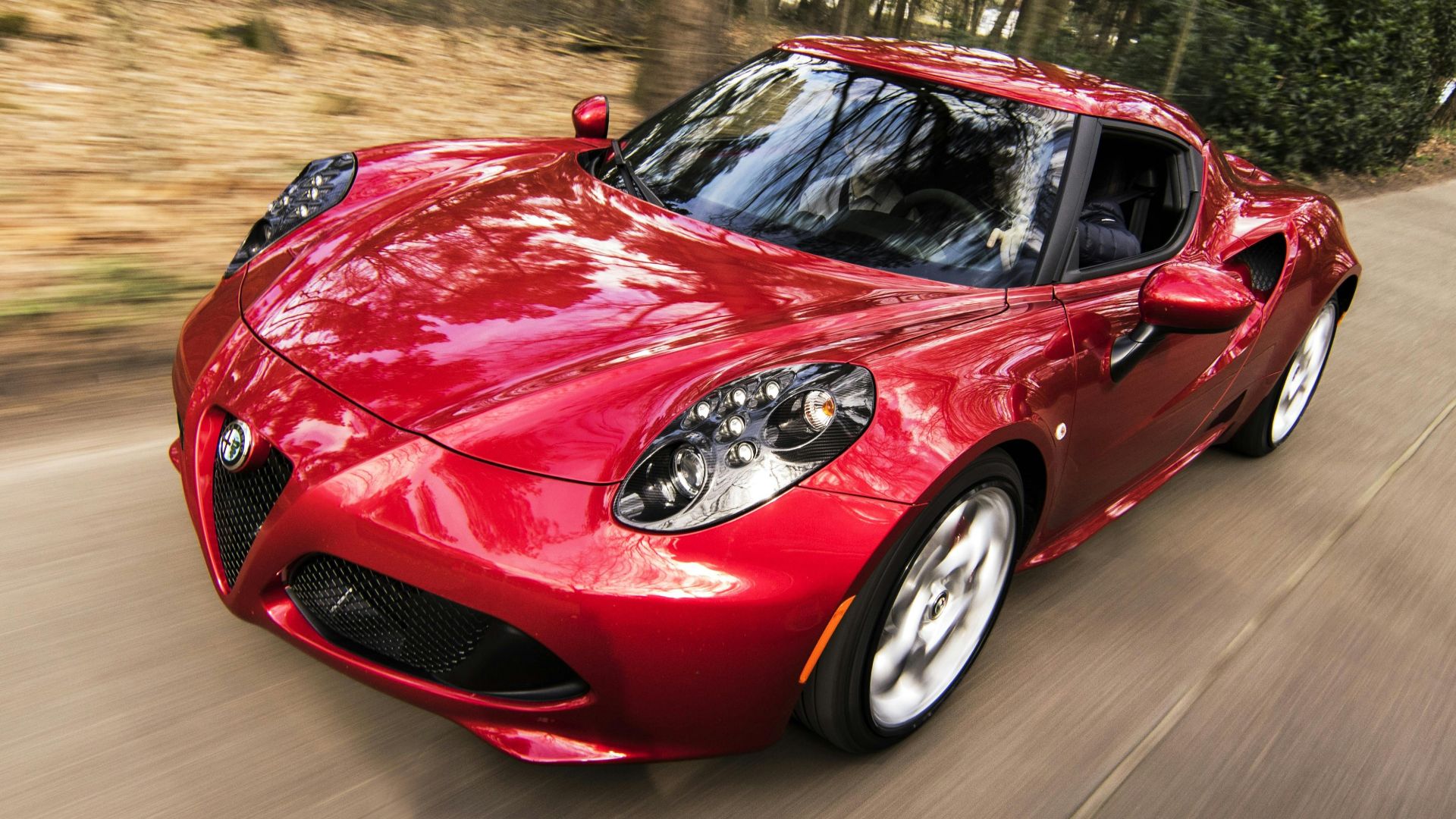
It isn't necessarily that customers are drawn to these monotone cars, but that they have few other options. Unless you want to shell out for a custom wrap, your color palate is decidedly limited. A yellow car may seem like a risk, but maybe a risk is what we need nowadays.