Which Badges Earned Their Keep
Owning a Land Rover has always meant a certain kind of relationship, one where love and frustration take turns behind the wheel. Some models reward that patience with genuine capability and a driving experience nothing else quite matches. Others just take your money and leave you calling the shop again before the last invoice clears. The gap between the two groups isn't subtle, and longtime owners can usually tell you exactly which side their old model landed on. Here's 10 models that earned every bit of upkeep they demanded and 10 that didn't.
1. Series IIA/III (1958–1985)
Parts for these things are so common that a rebuild rarely means hunting for anything exotic. The engineering is refreshingly simple, a straight-six or four-cylinder bolted to a body never meant to be fussy. Owners tend to talk about these trucks less like vehicles and more like old friends who need a little coaxing.
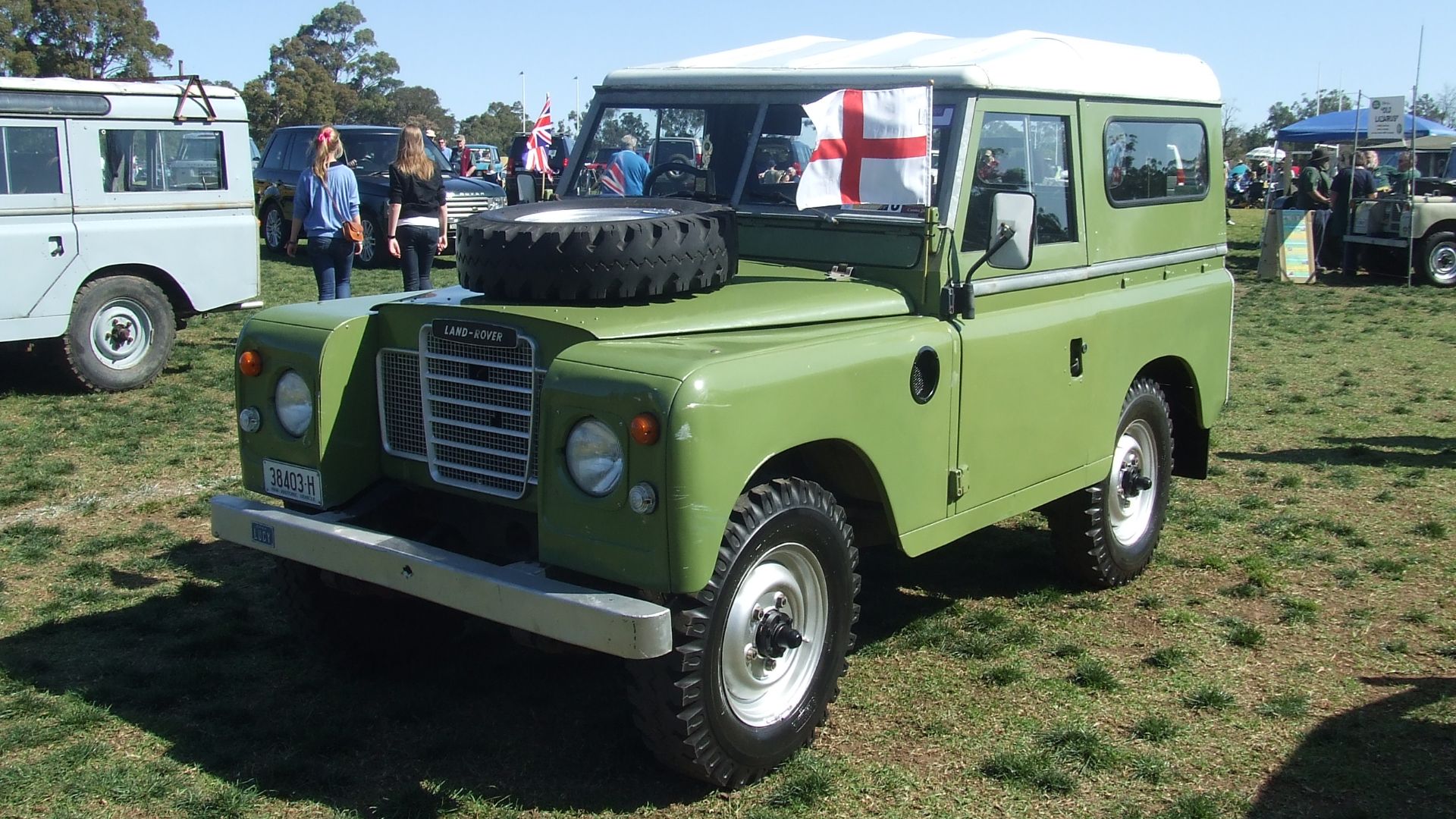 Jeremy from Sydney, Australia on Wikimedia
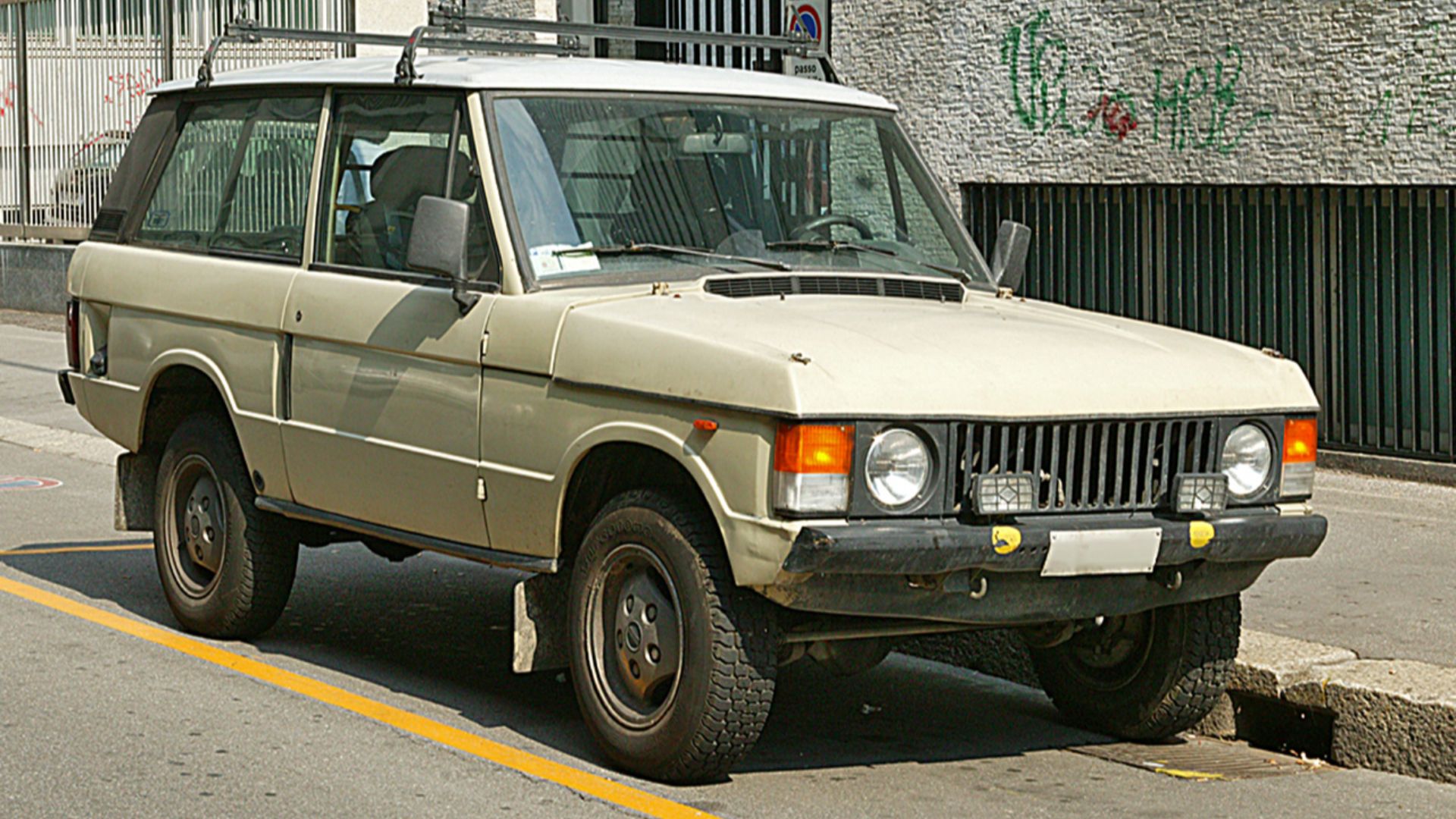
2. Range Rover Classic (1970–1996)
The original Range Rover managed something rare, a genuinely capable off-roader that also looked at home outside a country estate. Later electronics crept in, but the earlier trucks stayed mechanically honest enough for a home mechanic to keep running for years. Resale values have climbed steadily too, softening the sting of any repair bill.
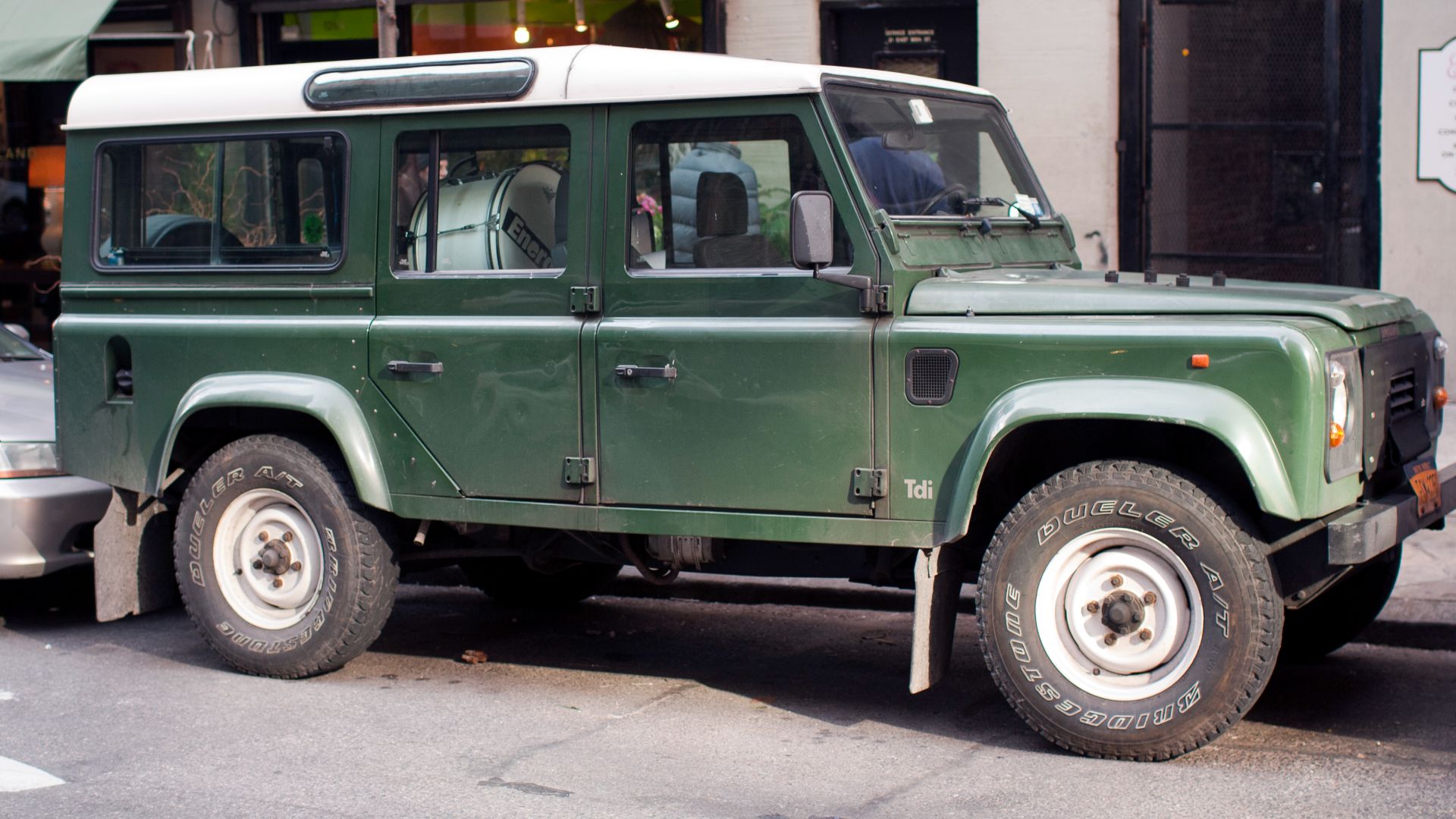
3. Defender 300Tdi (1994–1998)
This engine has a reputation among Land Rover owners that borders on reverence, a diesel known for running well past 300,000 miles with basic care. Parts are plentiful, and the truck was built on the assumption that someone, somewhere, would eventually need to fix it in a field. That kind of design philosophy tends to age well.
 commons.wikimedia.org on Google
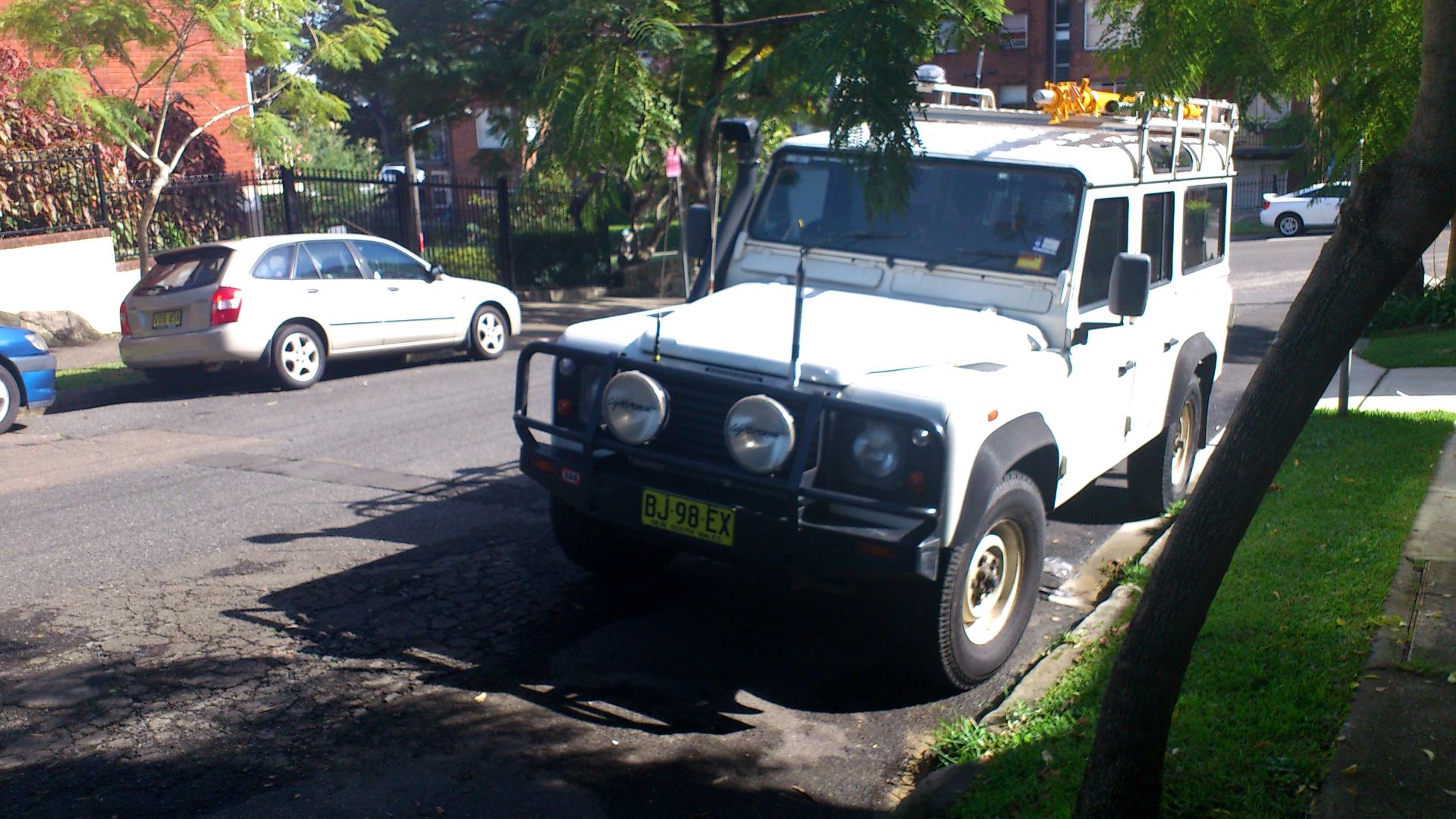
4. Defender Td5 (1999–2006)
Land Rover added electronic fuel injection here, which spooked traditionalists but improved fuel economy without losing much of the earlier truck's toughness. Common failure points, like the crank sensor, are well documented, so most owners know what to watch for. The Td5 sits in a sweet spot, modern enough to drive daily, old enough to fix without a laptop.
5. Discovery 1 (1989–1998)
Underneath the boxy styling sits a chassis and drivetrain borrowed largely from the Range Rover Classic, so the mechanical bones are proven. Interior trim and electrics can be temperamental, but nothing about a Discovery 1 tends to be catastrophic to fix. It remains one of the more forgiving entry points into serious off-roading on a real budget.
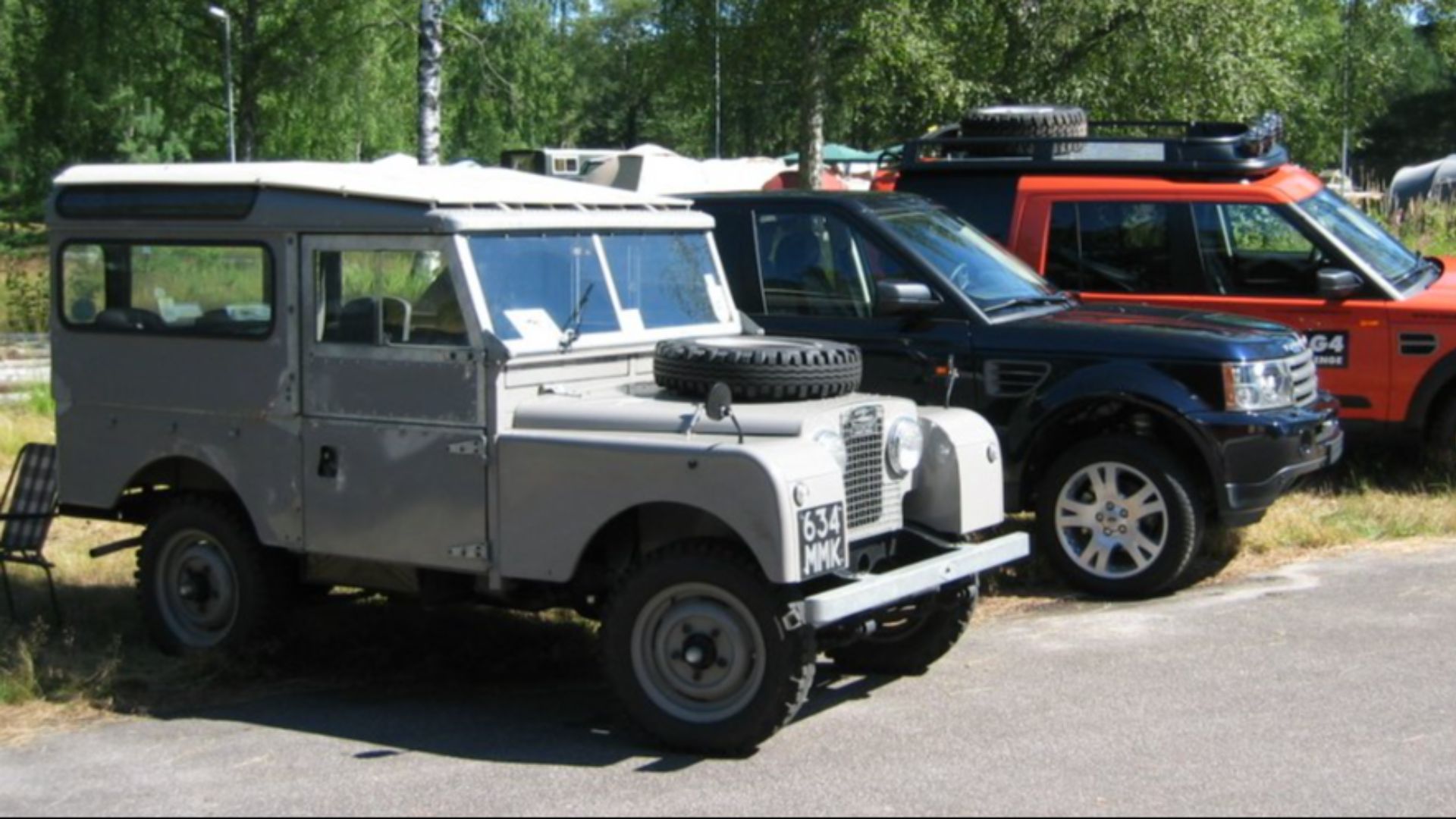
6. Discovery 2 (1998–2004)
The Discovery 2 picked up genuinely useful upgrades over its predecessor without losing the first generation's basic reliability. Head gasket issues on the V8 get brought up often, but a proper repair tends to solve the problem for good. Owners who stay on top of maintenance generally get a dependable, capable truck out of the deal.
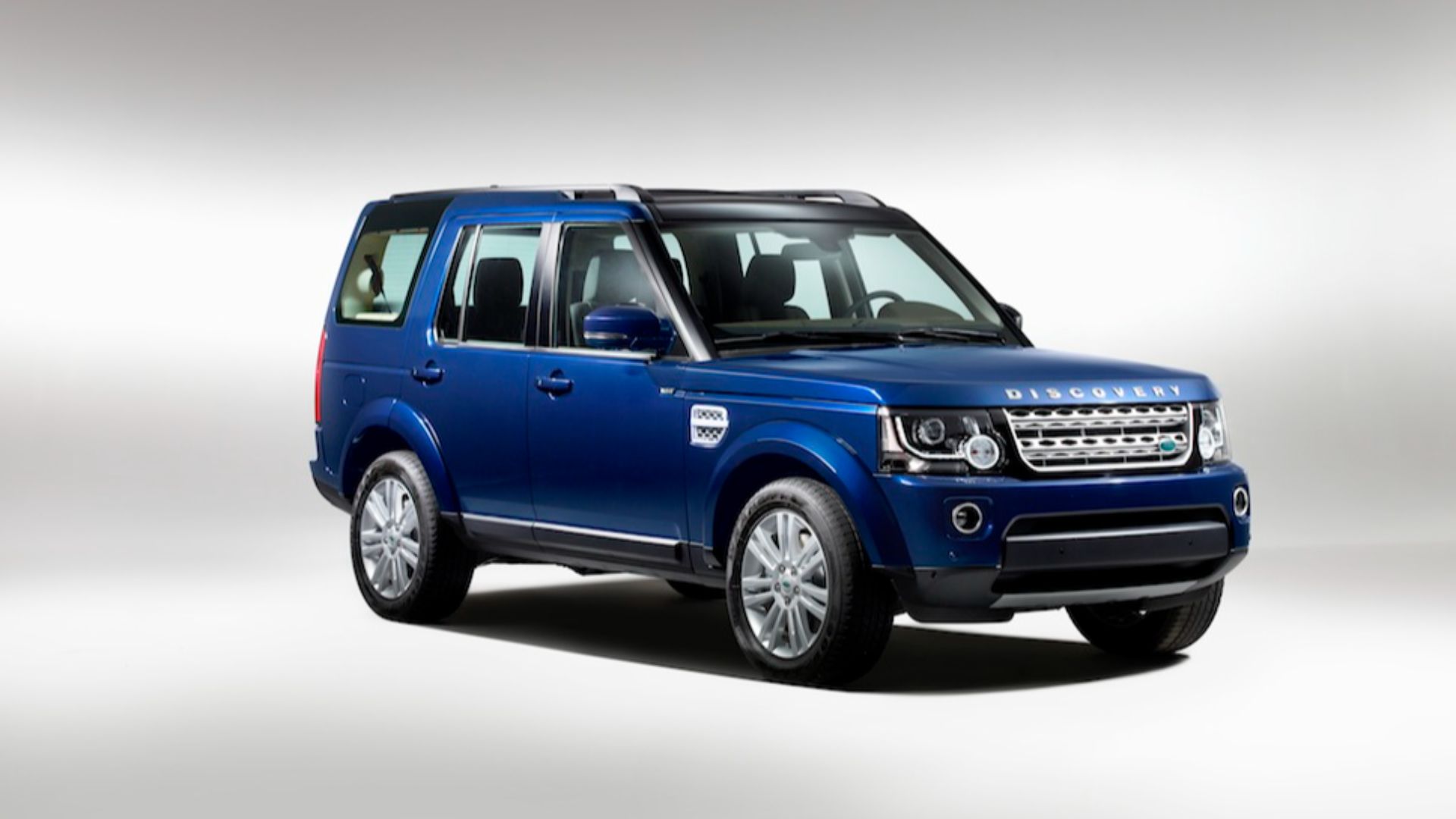
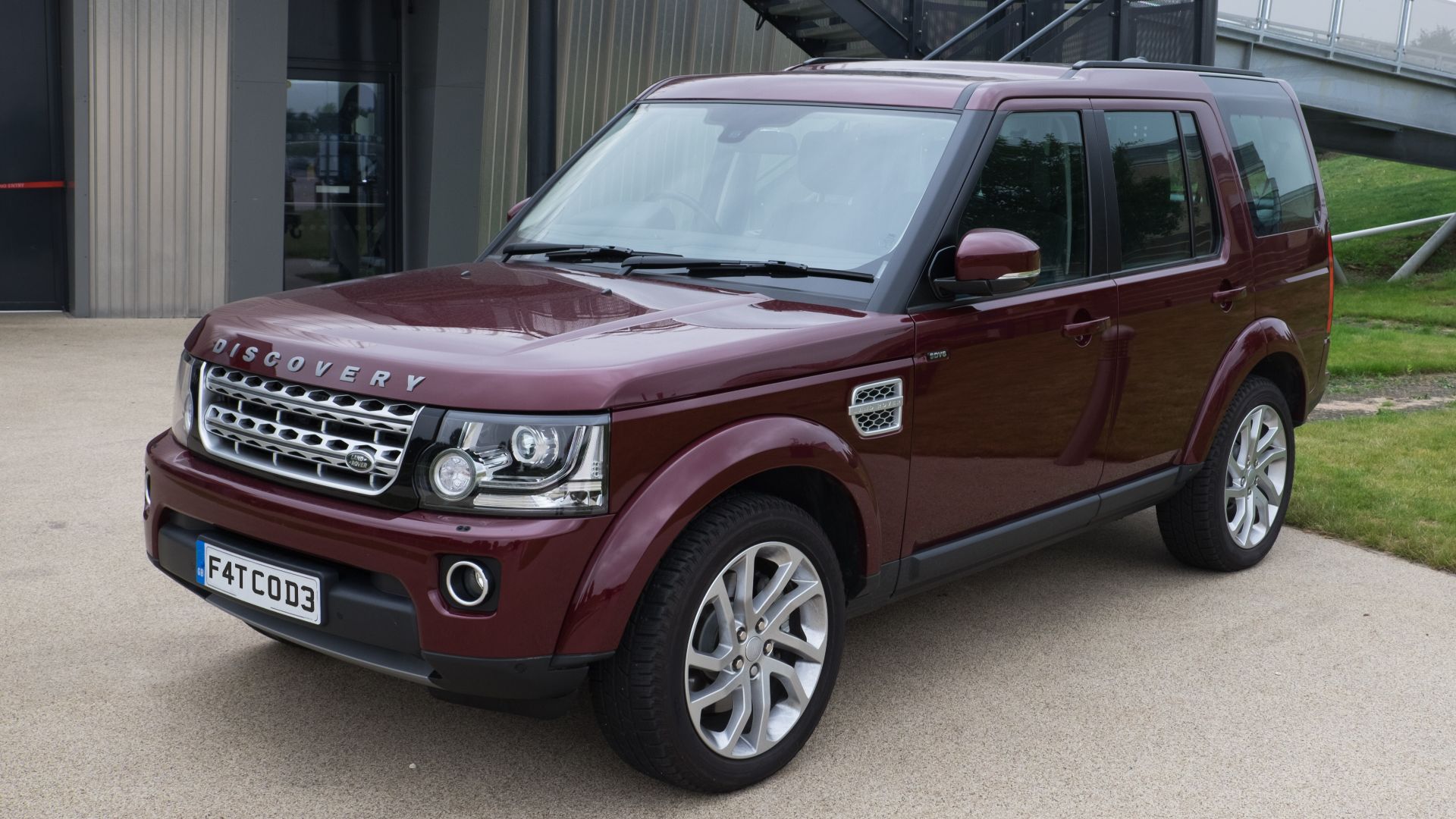
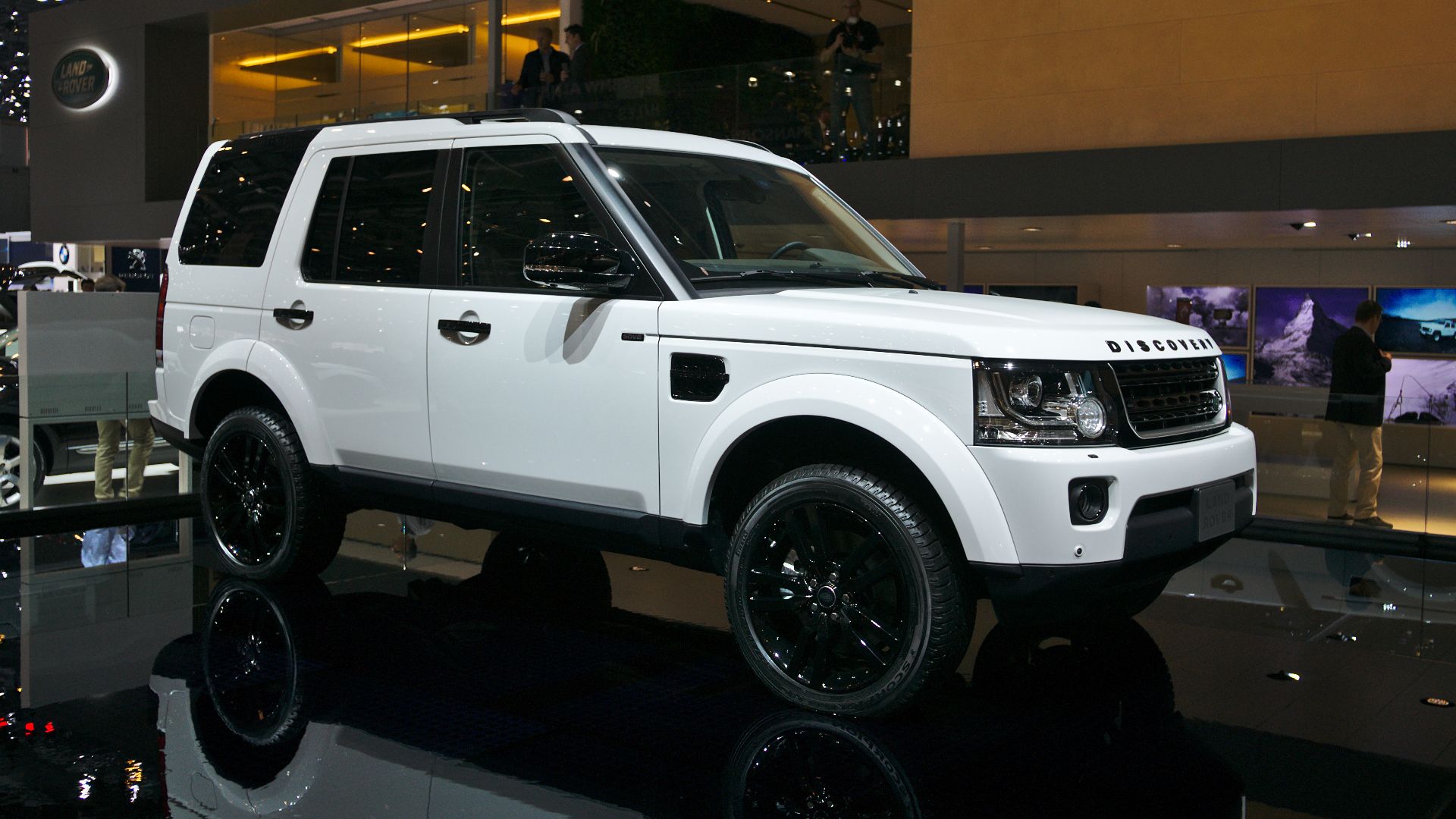
7. Discovery 4 / LR4 (2009–2016)
This generation arrived with a stronger chassis and a genuinely improved supercharged V6, and reliability data from this era runs noticeably better than the models on either side of it. Air suspension can still fail eventually, but the drivetrain underneath tends to hold up well past 150,000 miles.
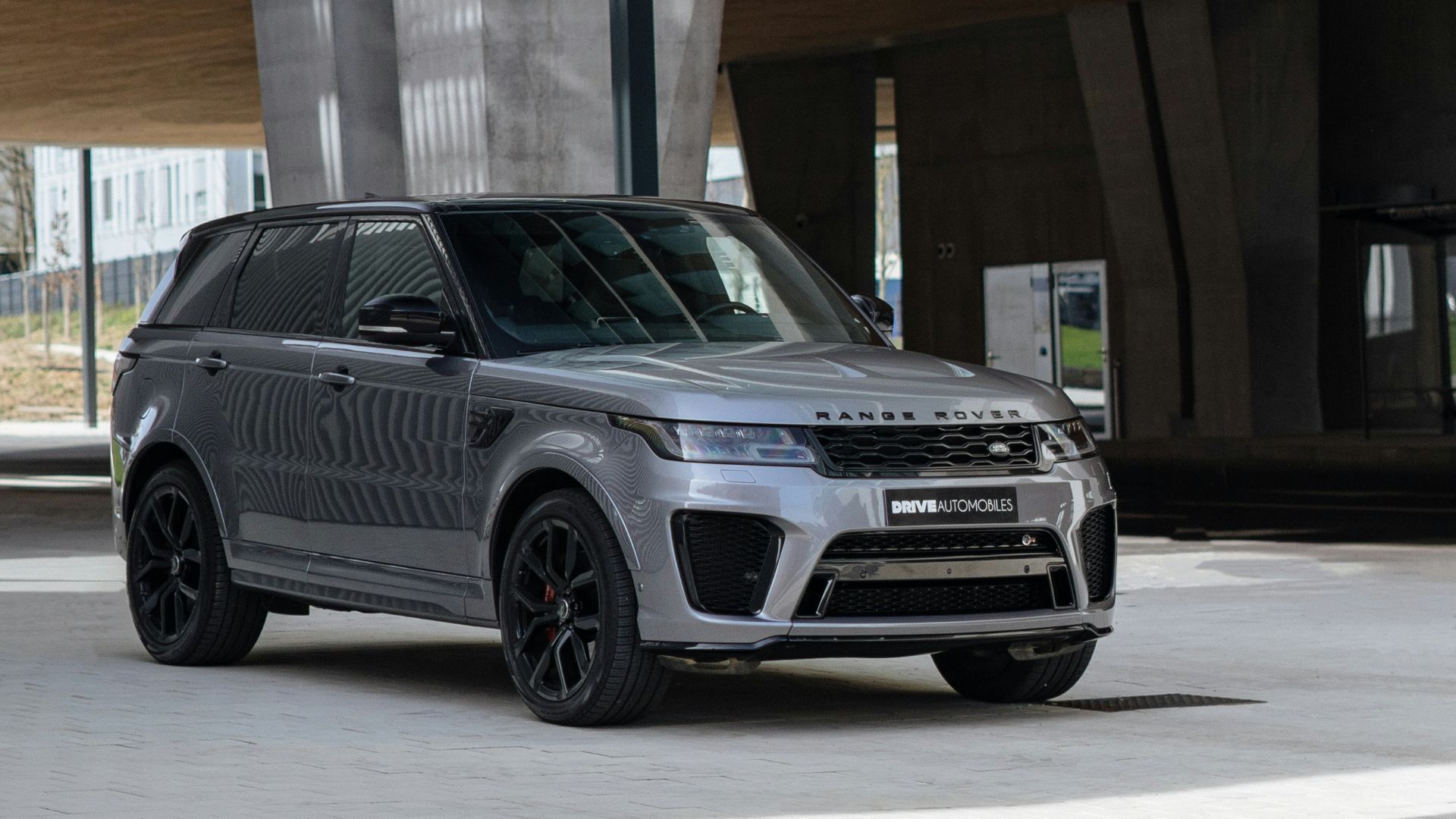
8. Range Rover Sport SVR (2015–2022)
A supercharged V8 pushing well past 500 horsepower in something this size is objectively ridiculous, and that's exactly the appeal. Maintenance costs run high, but the performance on tap justifies the expense for the people drawn to it in the first place.
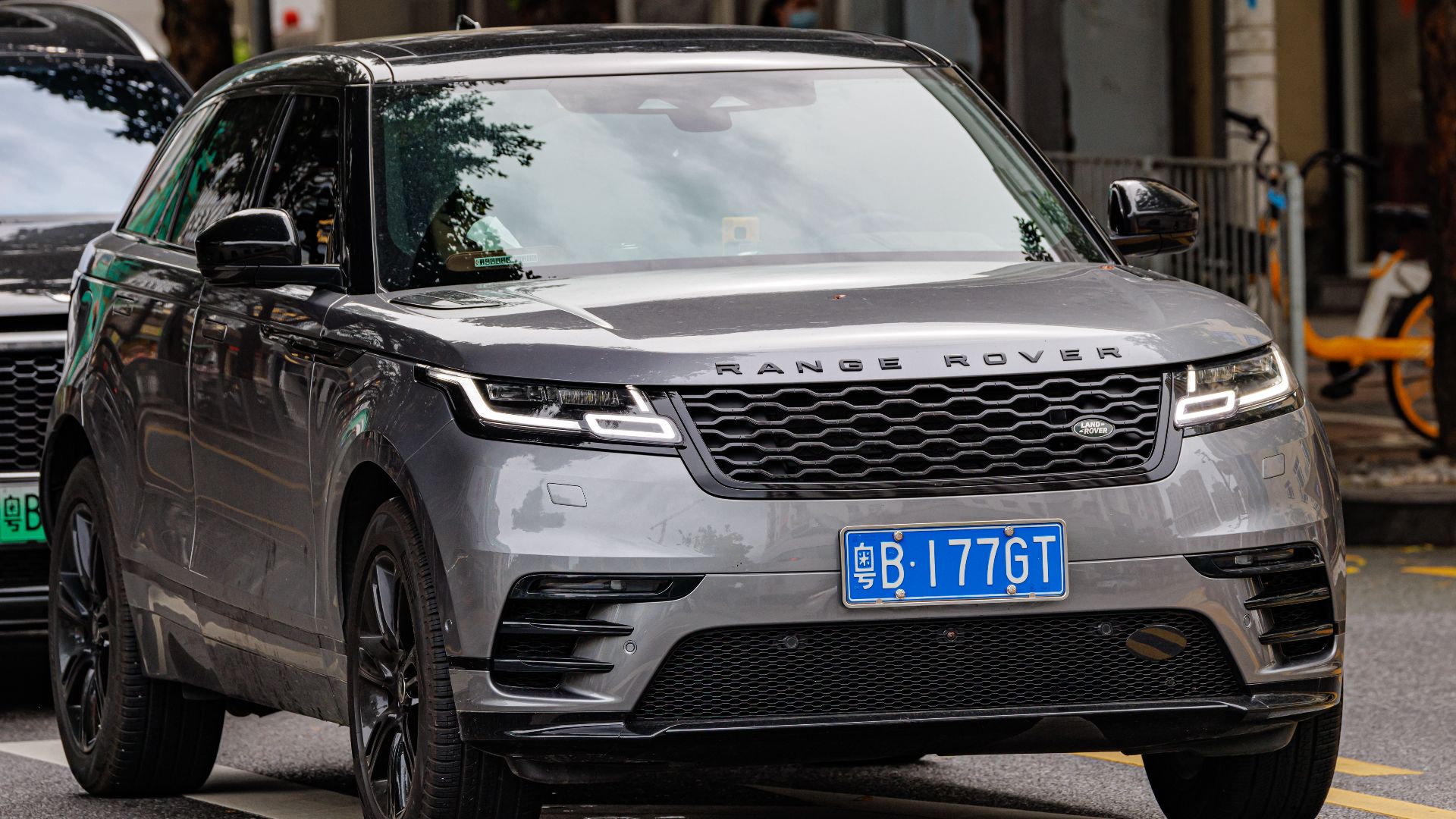
9. Range Rover Velar (2017–present)
The Velar leans harder into design than its siblings, with an interior that still looks genuinely modern years after launch. Reliability reports have generally run cleaner than the larger Range Rover models, particularly on the four-cylinder engines.
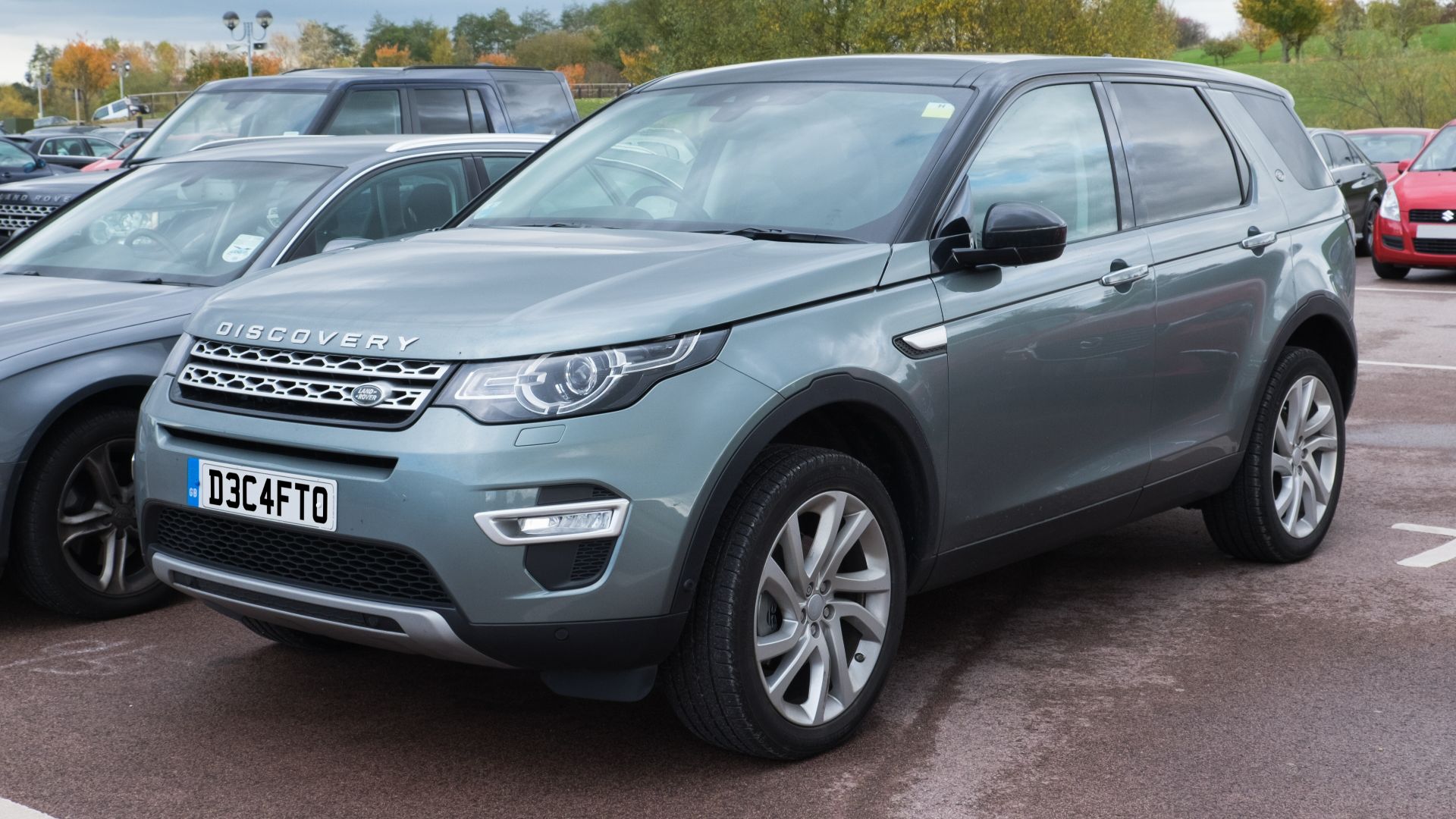
10. Discovery Sport, Later Model Years (2020–present)
Early Discovery Sport models earned a rough reputation, but the facelifted versions addressed a lot of that, particularly around infotainment and engine reliability. Owners buying a 2020 or newer model report noticeably fewer trips back to the dealer than owners of the earlier cars.
Now here's 10 that took the money and gave almost nothing back.
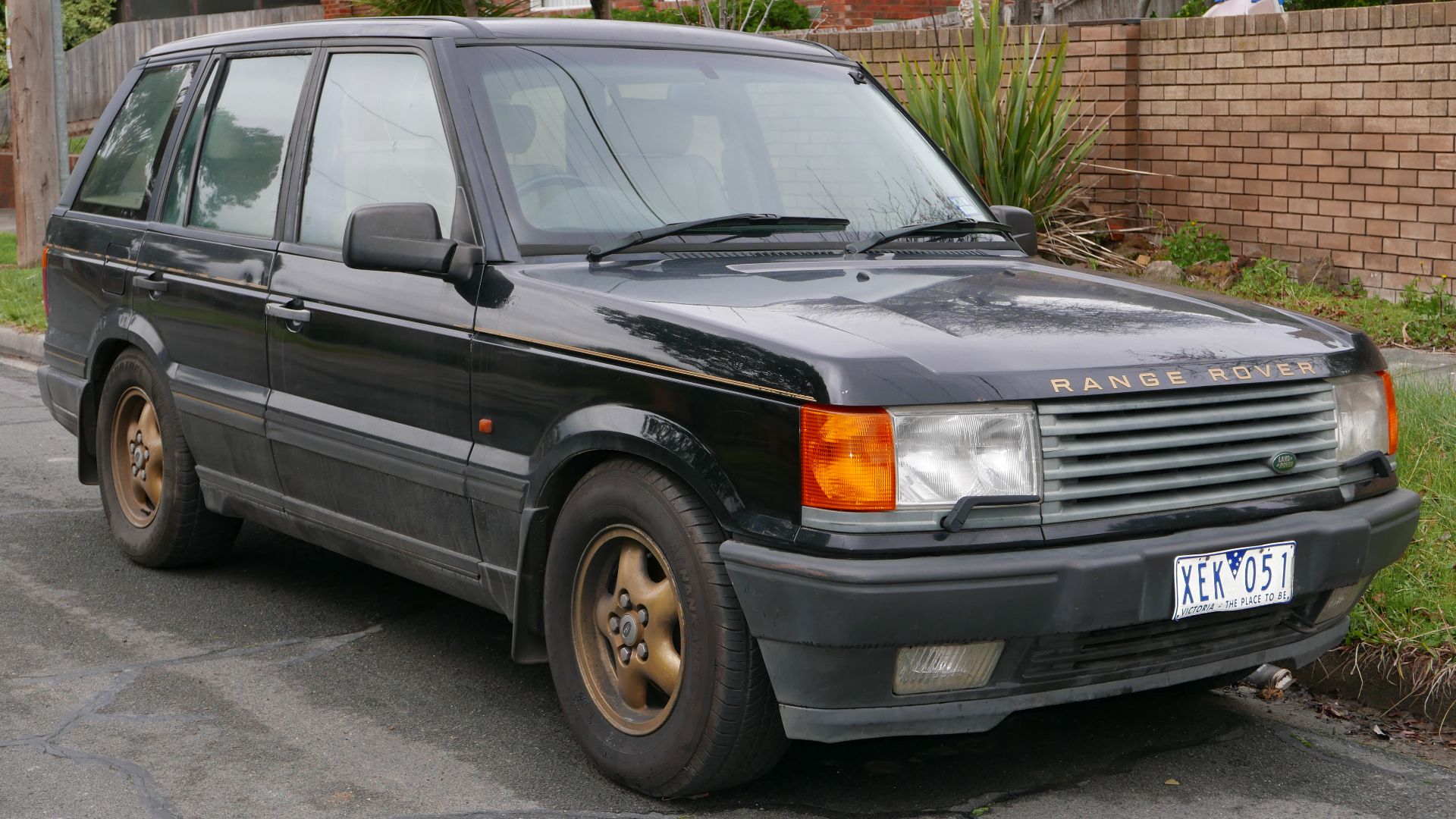
1. Range Rover P38 (1994–2002)
The P38 introduced air suspension to the Range Rover lineup, and it also introduced an entire subculture of owners who eventually converted back to coil springs out of sheer exhaustion. Electrical gremlins were common enough that entire specialist shops built businesses around diagnosing them. Even people who loved the styling tended to end up dreading the dashboard warning lights.
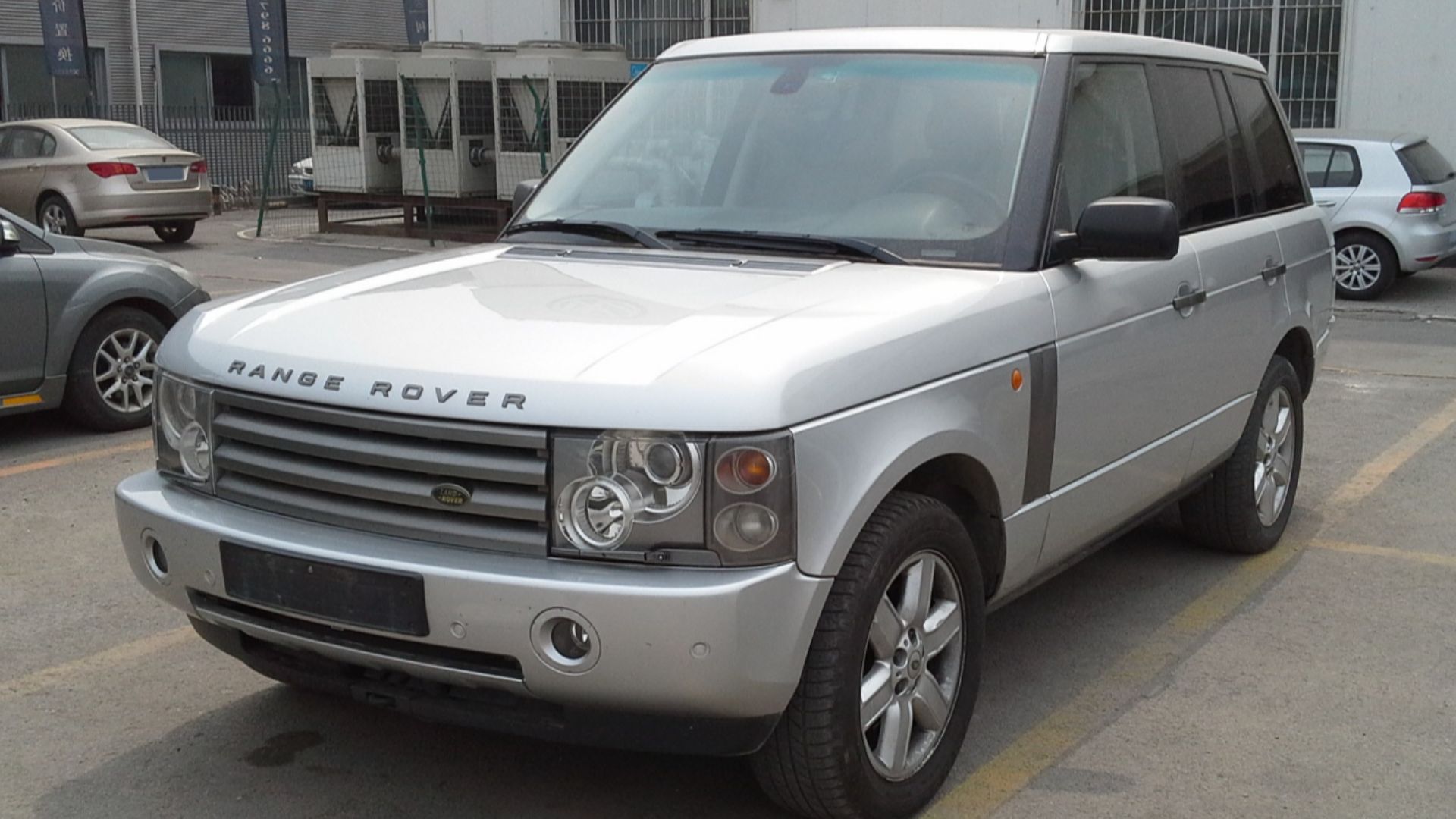
2. Range Rover L322 (2002–2012)
This generation borrowed heavily from BMW engineering early on, then shifted to Ford's platform later, and neither era escaped a reputation for expensive electronic failures. Air suspension repairs alone can run into the thousands, and they rarely happen just once. The interior quality genuinely impressed people, right up until something behind the dashboard stopped working.
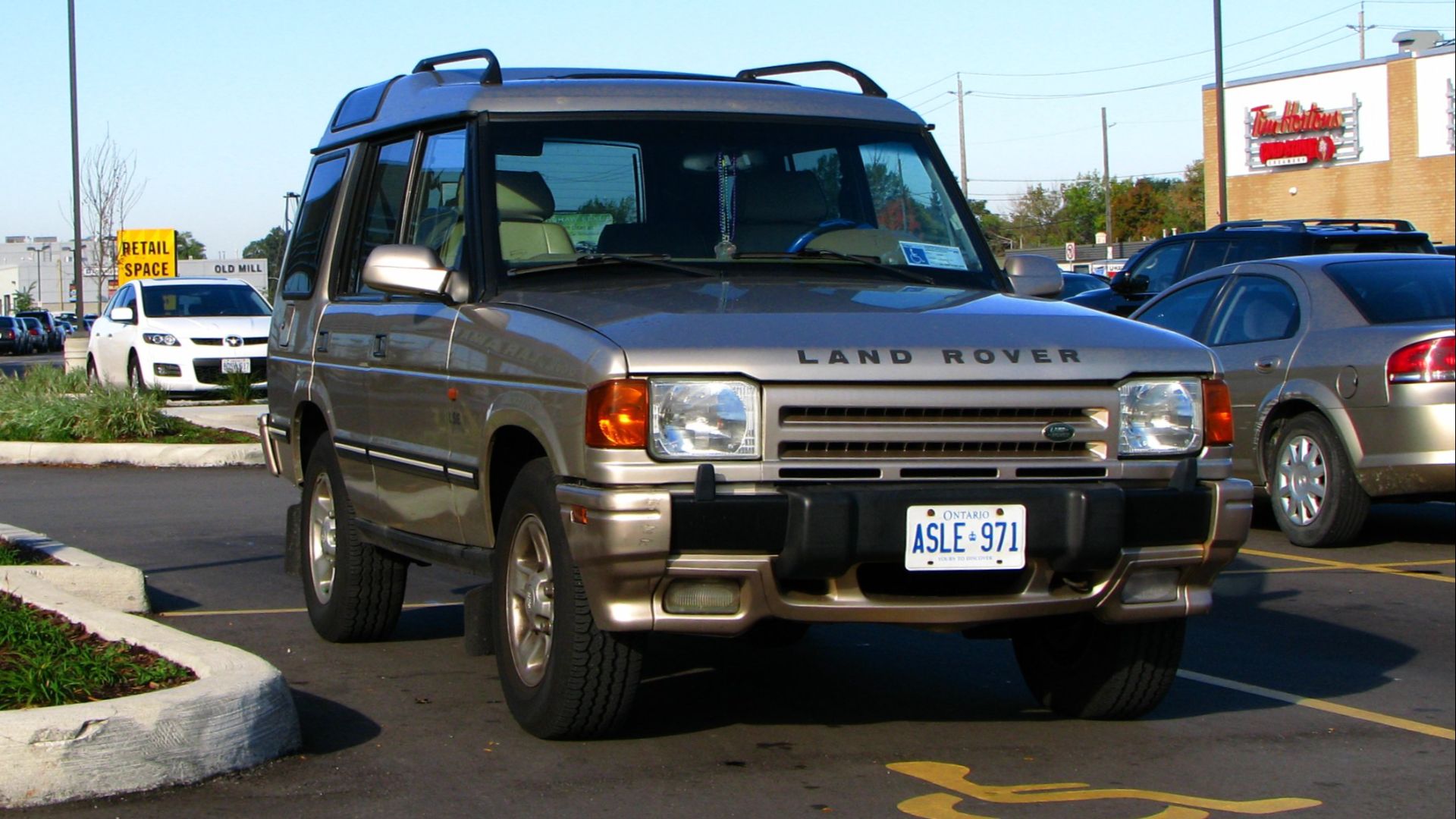
3. Discovery 3 / LR3 (2004–2009)
Land Rover packed this generation with technology that was ambitious for its time, and ambitious technology from 2005 tends not to age gracefully. Air suspension compressors and electronic parking brakes both developed reputations for failing at inconvenient moments. Owners who kept theirs running long-term usually did so by learning to fix things themselves.
 Michael Gil from Calgary, AB, Canada on Wikimedia
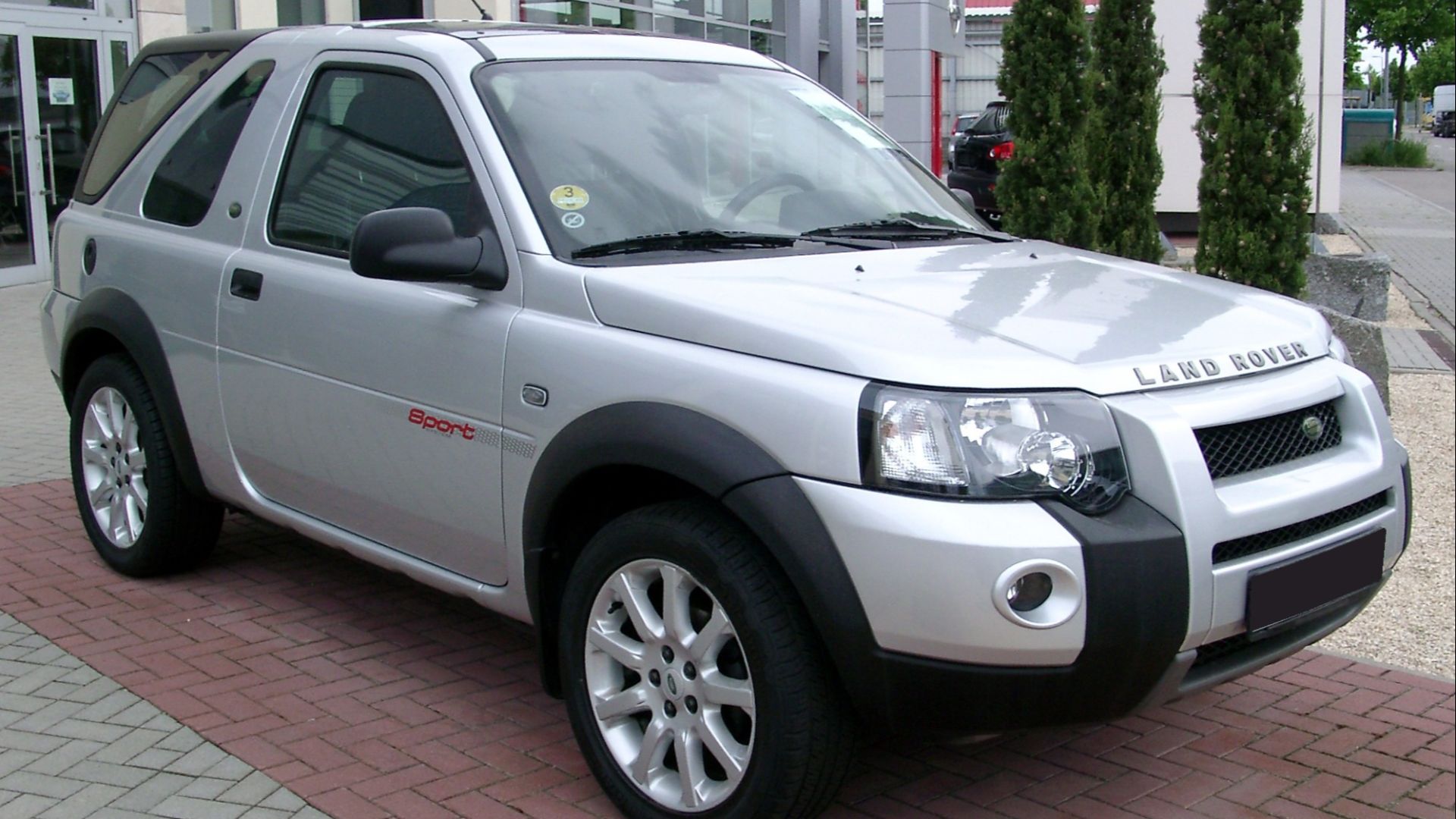
4. Freelander 1 (1997–2006)
Head gasket failures on the K-series engine became so common that some mechanics assumed it was only a matter of time on any given example. Repair costs often approached or exceeded the value of the truck itself. It's remembered fondly by some for its size and handling, but rarely for its dependability.
5. Freelander 2 / LR2 (2006–2014)
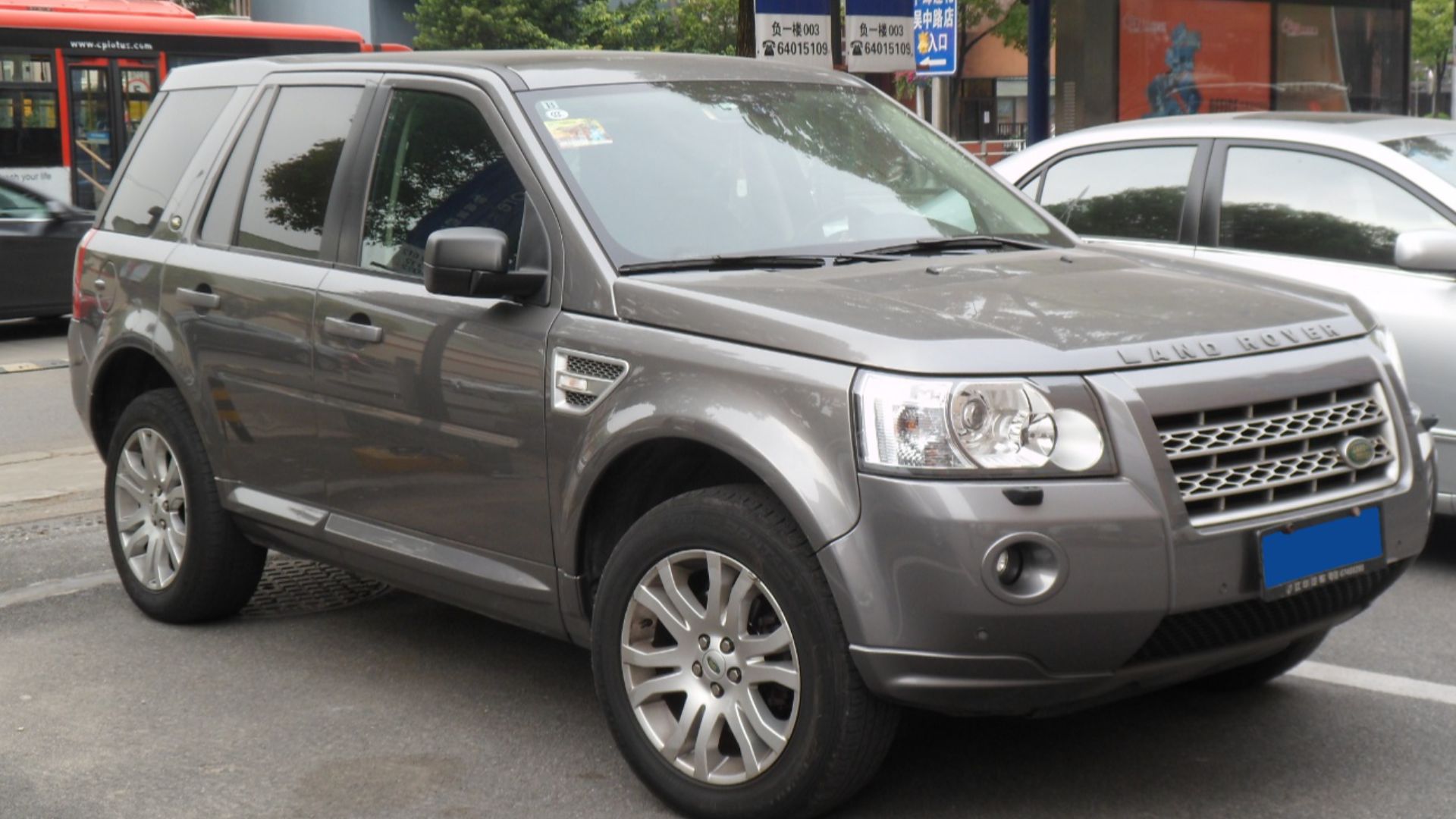
Land Rover improved plenty about this generation, but reliability wasn't really one of the things that got fixed. Timing belt and turbocharger issues showed up often enough on the diesel variants to become a recurring theme in owner forums. Repair costs stayed high relative to the truck's actual resale value.
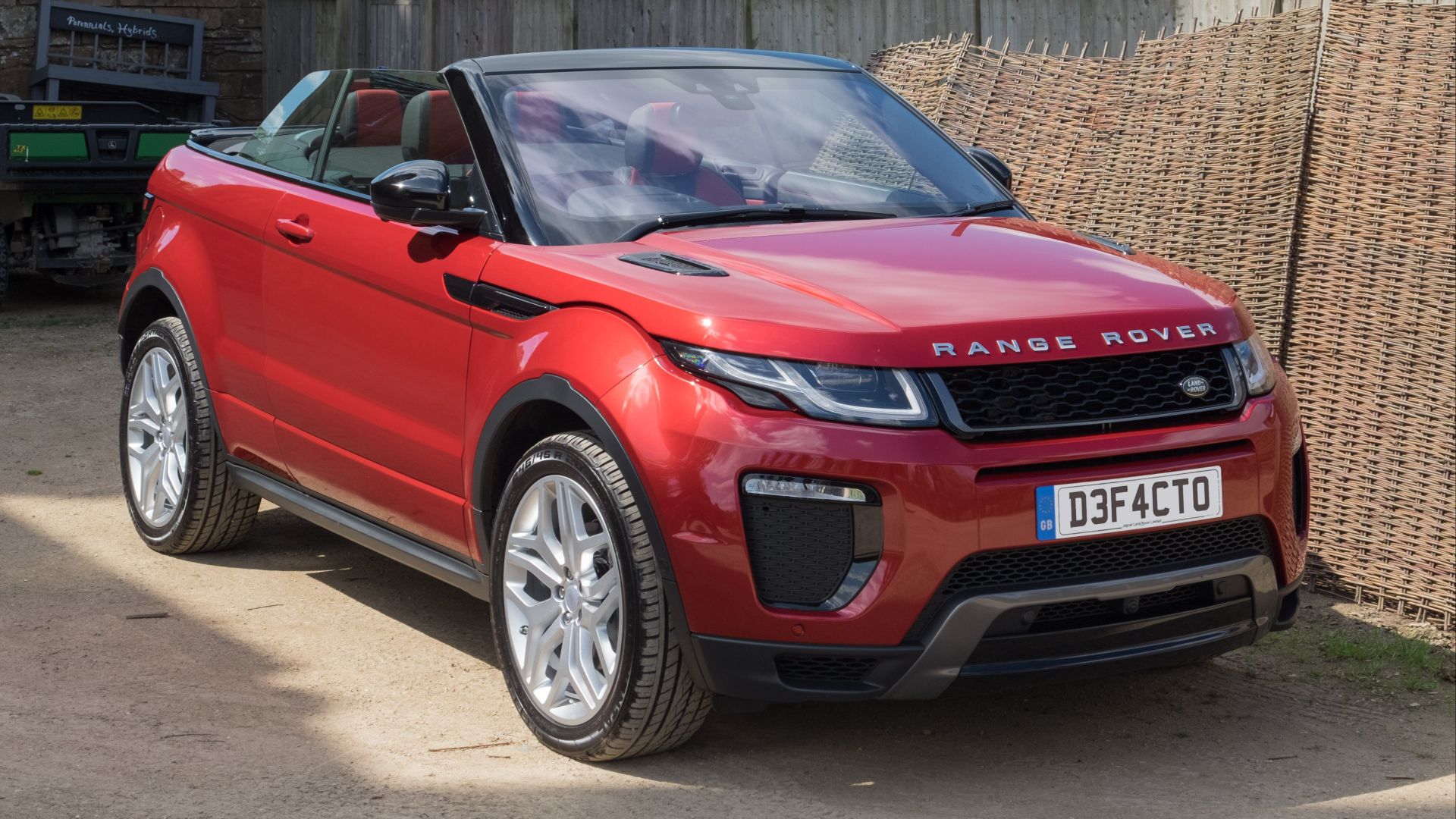
6. Range Rover Evoque, First Generation (2011–2018)
The Evoque turned heads with its styling and briefly made Land Rover cool to a whole new audience, which made the mechanical letdown sting a little more. Nine-speed automatic transmissions in early models developed a reputation for rough shifting and outright failure. Style carried this one further than substance ever did.
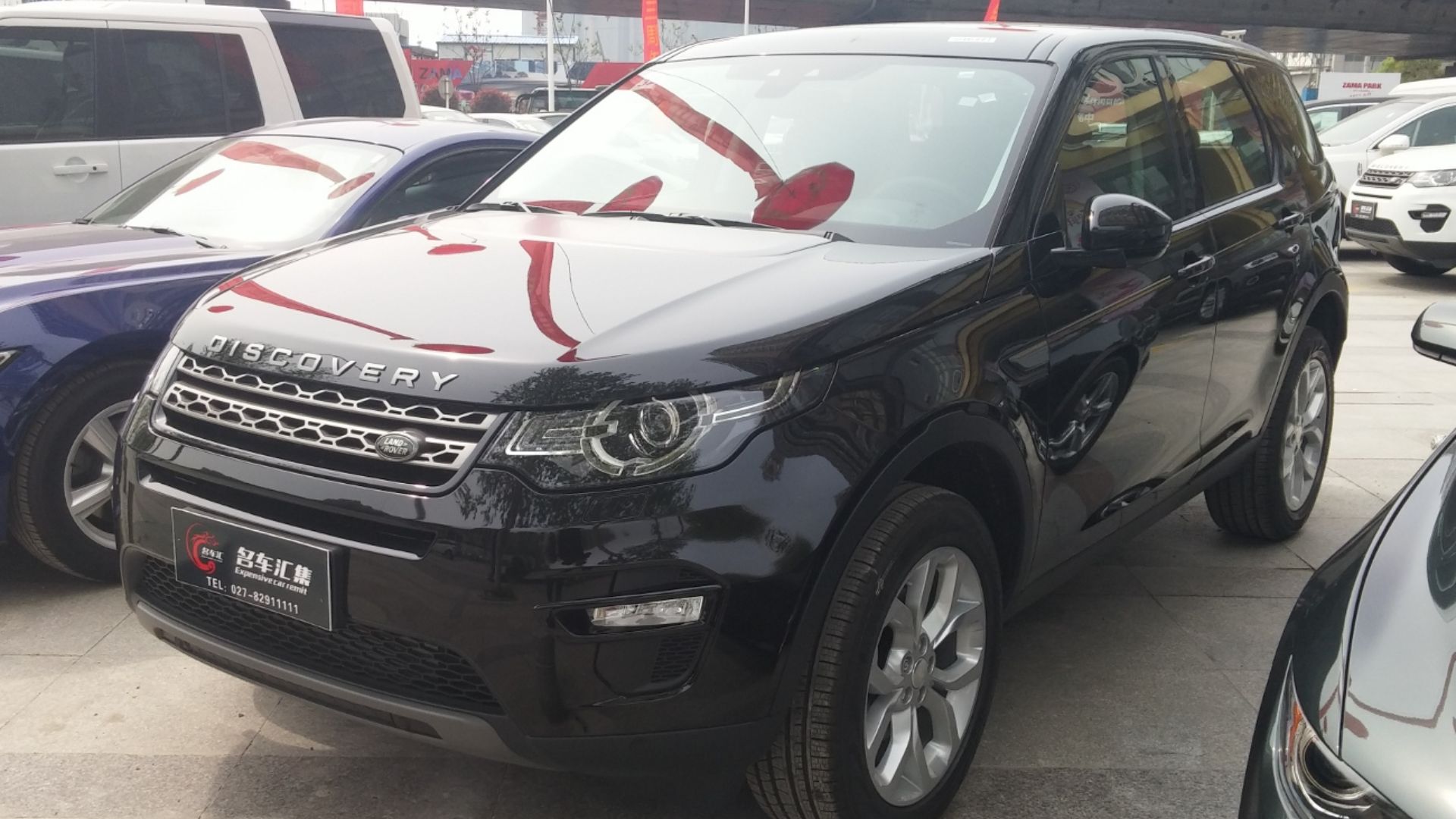
7. Discovery Sport, Early Model Years (2015–2019)
The early versions of this model shared some of the Evoque's transmission troubles, along with an infotainment system that seemed to need a restart more often than it should have. Coolant leaks and sensor failures showed up regularly enough on forums that shopping for a used one meant doing real homework first. It took Land Rover a few years to sort this platform out properly.
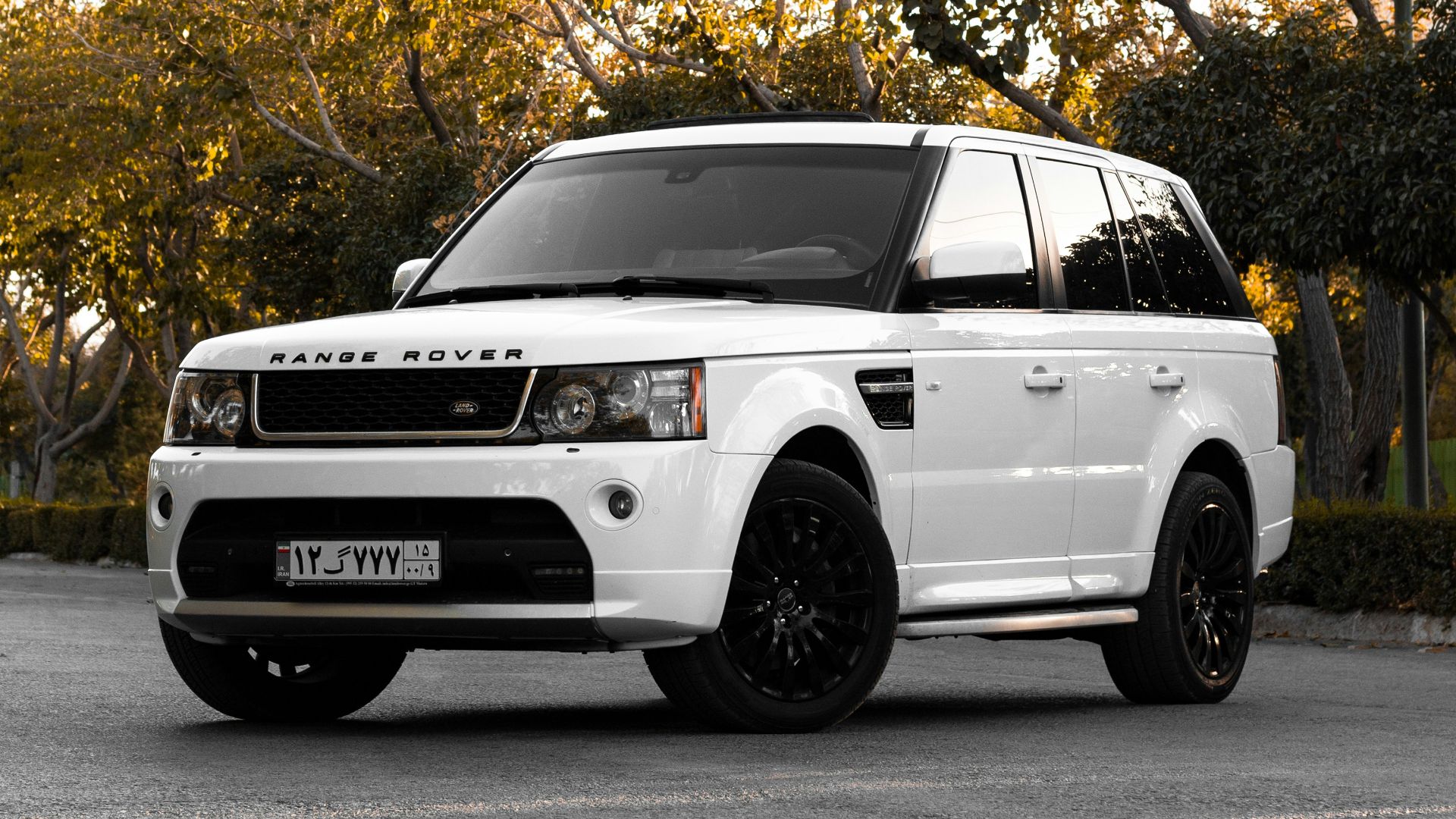
8. Range Rover Sport, First Generation (2005–2013)
Built on the same troubled L322 platform as its full-size sibling, this generation inherited plenty of the same electrical and air suspension headaches. The supercharged V8 delivered real performance, but keeping it running reliably meant budgeting for repairs the way some people budget for groceries. It's a fantastic truck to drive and a genuinely stressful one to own long-term.
9. Discovery 5 (2017–2020)
Land Rover packed this generation with sensors, cameras, and adjustable air suspension, and all of that complexity came with a matching repair bill once the warranty ran out. Owners have reported everything from suspension failures to electronic glitches that dealerships struggled to diagnose on the first visit. It drives beautifully when everything is working, which unfortunately isn't a permanent state for every example.
 Clément Bucco-Lechat on Wikimedia
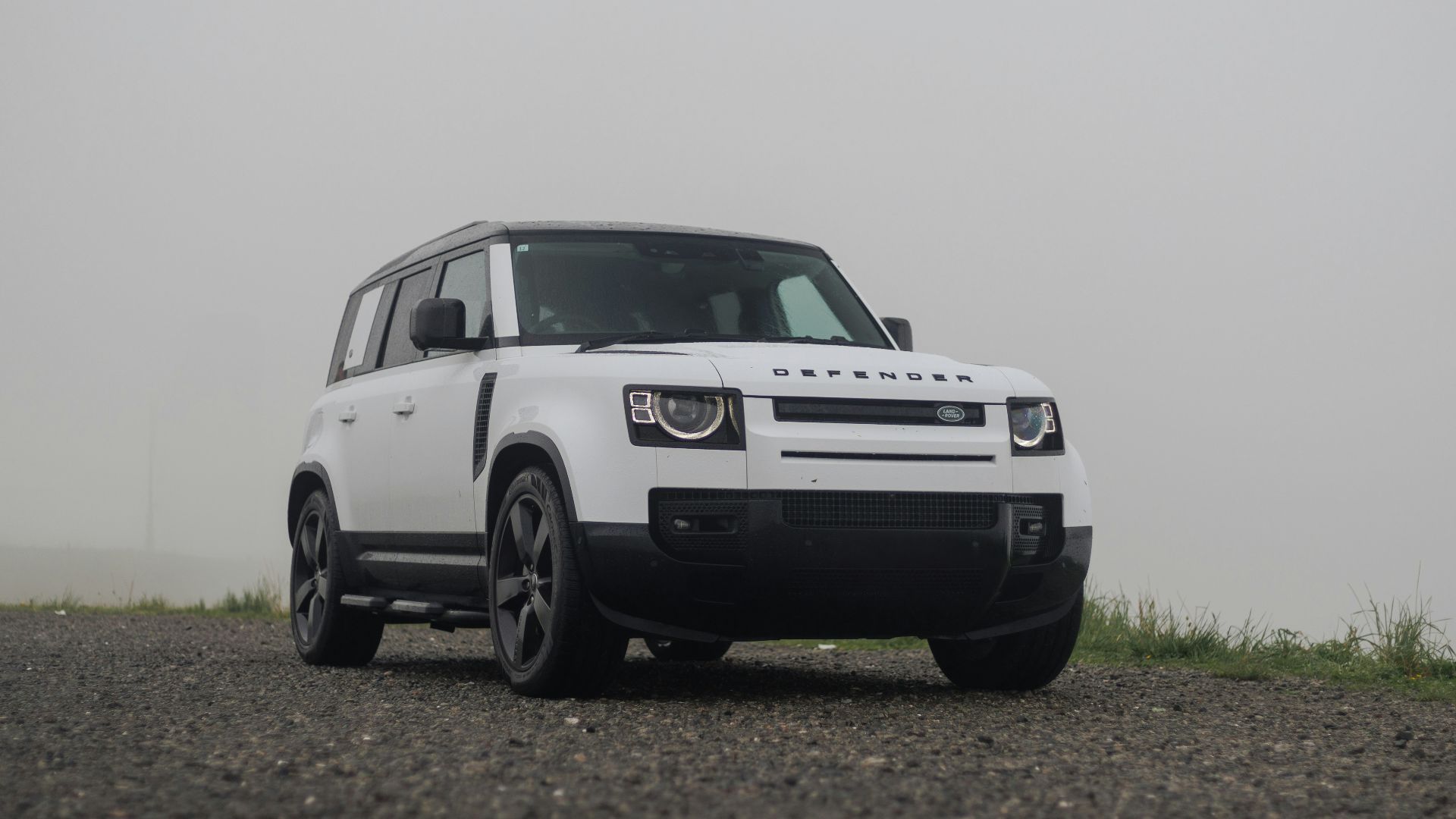
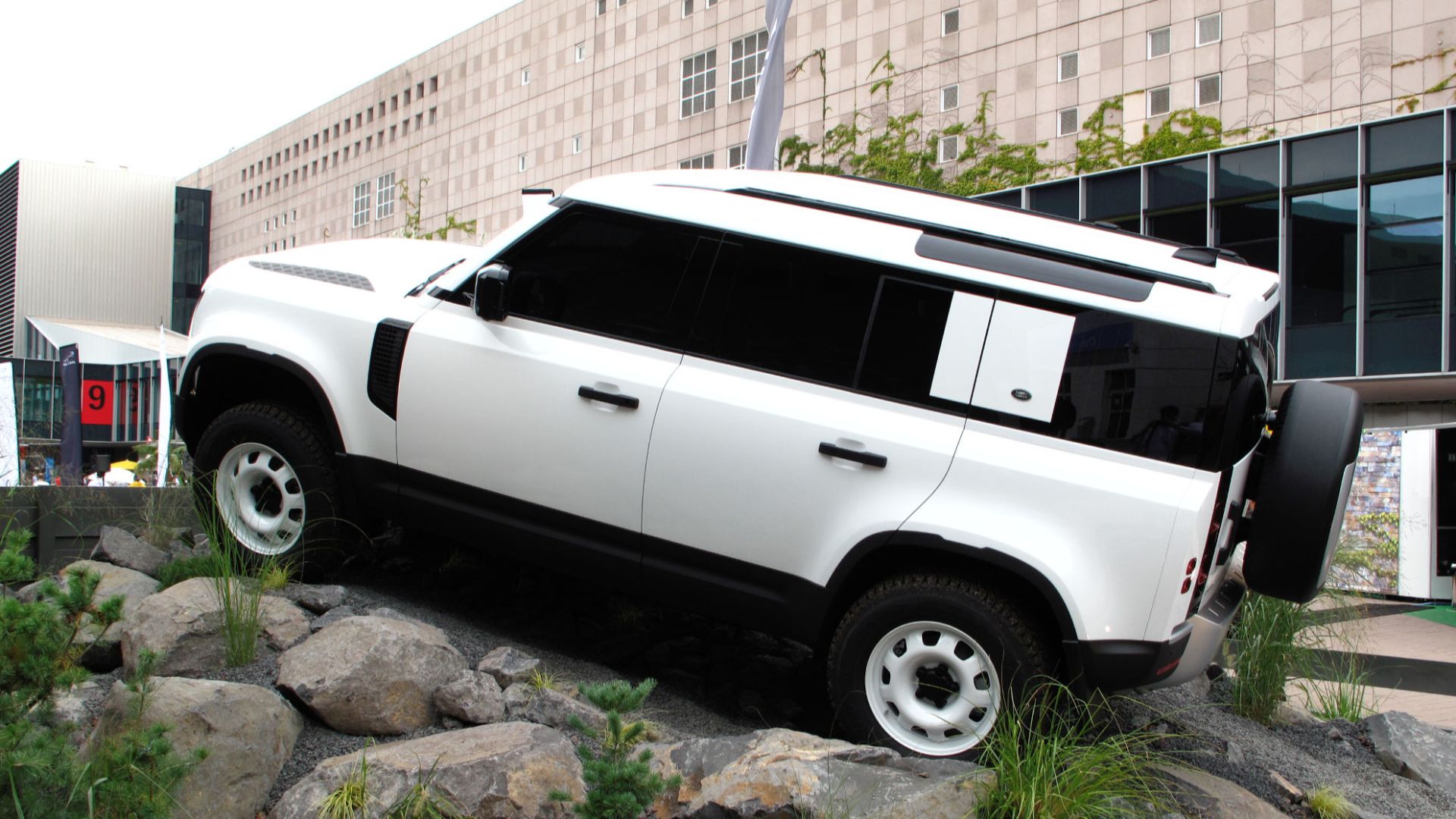
10. New Defender 110 (2020–present)
The modern Defender revived a beloved name and largely delivered on off-road capability, but reliability surveys have not been kind to it. Consumer Reports and JD Power have both flagged this generation for electrical issues and infotainment glitches well above the segment average. It's a genuinely impressive vehicle to drive, right up until a warning light forces a trip back to the dealer.
 Rutger van der Maar from Leiden, The Netherlands on Wikimedia