Sometimes, the best reason to get behind the wheel is having nowhere to go. Whether you’ve had a car since you turned 16 or didn’t hit the road until your 30s, everyone with a set of keys understands the freedom of an open highway. There's no appointment to make, no deadline to meet, and no pressure to arrive anywhere on time.
But for some drivers, these spontaneous outings have become a personal way to unwind and enjoy a little independence. It’s not just about clearing your head—it’s about finding some rejuvenating solace behind the wheel. Rather than treating driving as another chore, they're rediscovering the pleasure of spending time alone on the road. It's a simple idea, but one that can make an ordinary afternoon feel considerably less demanding.
Driving Without a Destination Feels Different
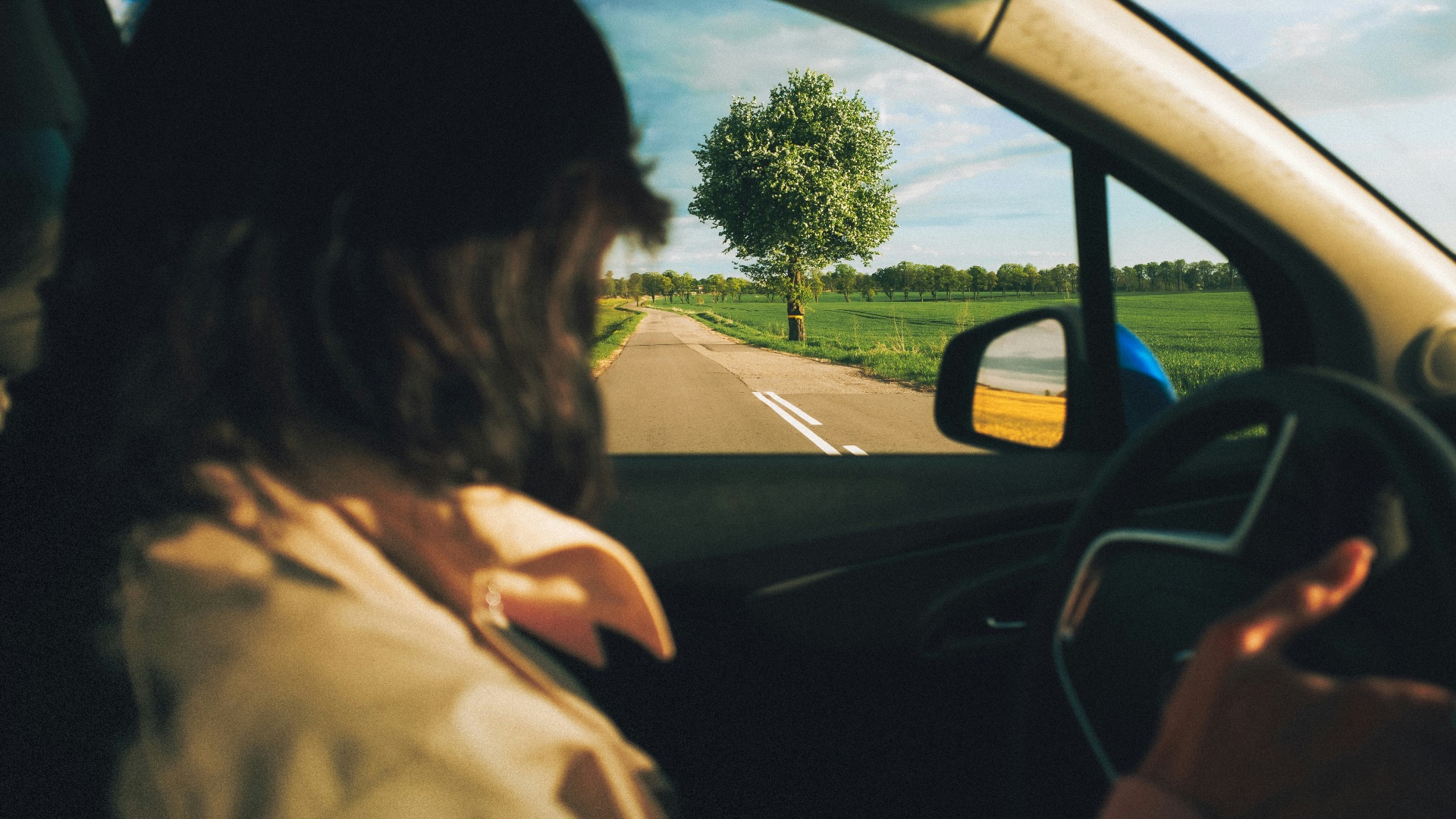
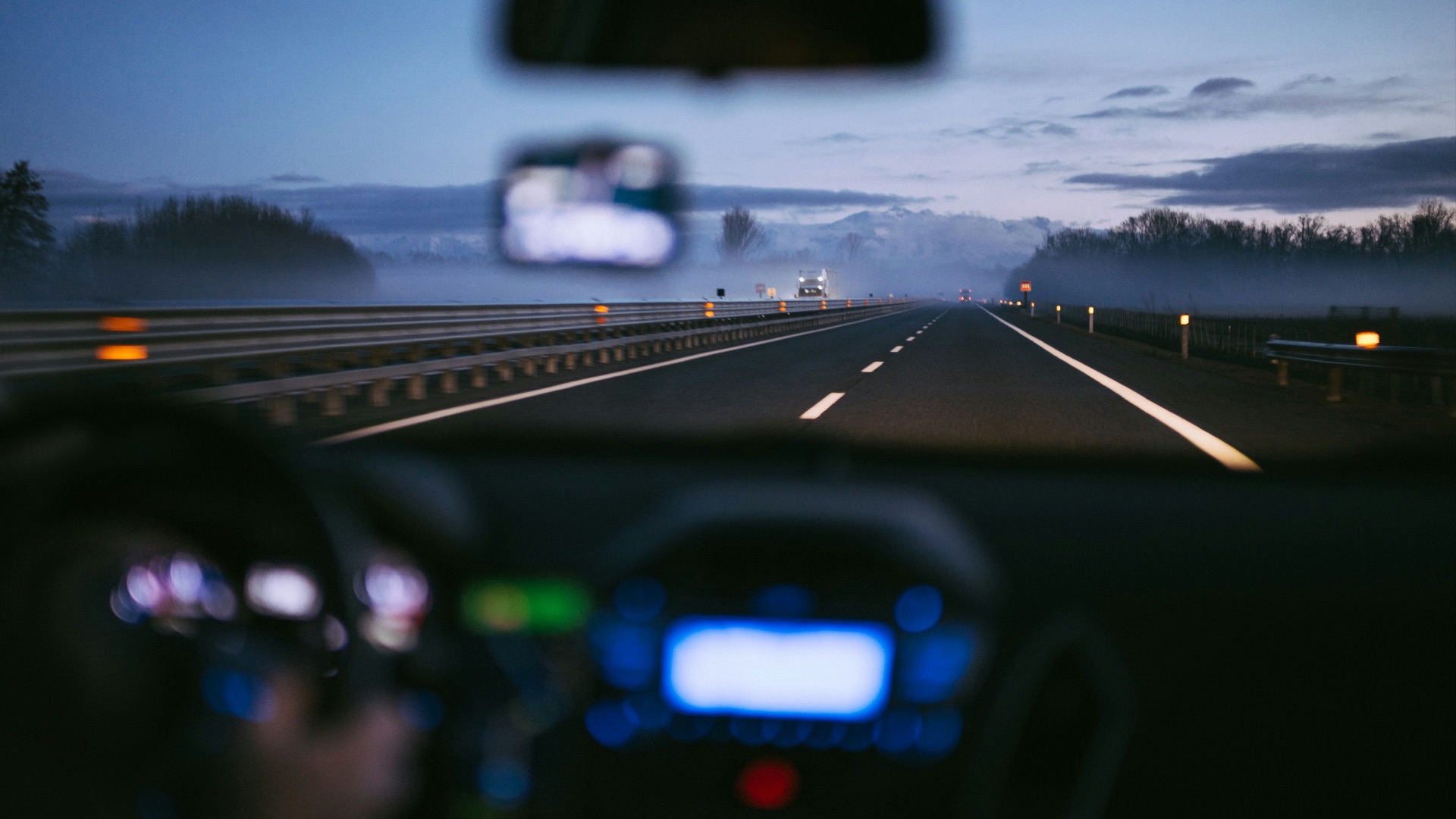 Samuele Errico Piccarini on Unsplash
Most everyday driving revolves around getting somewhere. Okay, yes, we know that sounds obvious, but when driving becomes part of your routine, the headache of traffic or construction becomes second nature, too—even if they’re bad for you. A no-destination drive removes those roadblocks, allowing you to enjoy the experience without constantly checking the clock.
There's also something appealing about having complete control over your immediate surroundings. You decide which road to take, whether to play music, and when it's time to head home. After hours of responding to other people's emails, making a few decisions for yourself can feel especially satisfying.
Interestingly, the concept isn't entirely new, even if its connection to mental wellness is receiving some newfound attention. Americans have enjoyed recreational driving for generations. What's different about approaching these trips as personal downtime is the deliberate decision to prioritize relaxation rather than entertainment or sightseeing. And in a world where the very foundation of our lives sometimes feels like it’s crumbling, that touch of freedom makes all the difference.
The Appeal of Time Alone on the Road
Some people want a passenger princess to fill the time, but you don’t actually need one every time you peel out of the driveway. One attraction of solo driving is the opportunity to enjoy uninterrupted time without feeling obligated to socialize. You don't have to maintain a conversation, entertain passengers, or negotiate anyone else's preferences. The last thing you want when you’re in the middle of a deep thought is to engage in idle chatter.
Music also contributes to the experience, especially when you're free to choose exactly what you want to hear. Some drivers prefer familiar albums that remind them of earlier years, while others appreciate the quiet hum of their vehicle. A comfortable cabin, pleasant temperature, and enjoyable soundtrack can make an otherwise ordinary journey feel more relaxing.
There's a psychological distinction between driving because you have to and driving because you want to. Research into travel and emotional well-being suggests that people's experiences depend partly on circumstances, including journey length and stress. If you think about it, that actually helps explain why a leisurely afternoon outing might feel more pleasant than sitting through rush-hour traffic.
Another benefit comes from intentionally stepping away from digital distractions. When you're driving, your attention belongs on the road instead of incoming messages, social media updates, or another television episode. That doesn't mean your mind should wander away from driving, but it does provide an opportunity to disconnect from the usual stream of online information.
Making a Spontaneous Drive Part of Your Routine
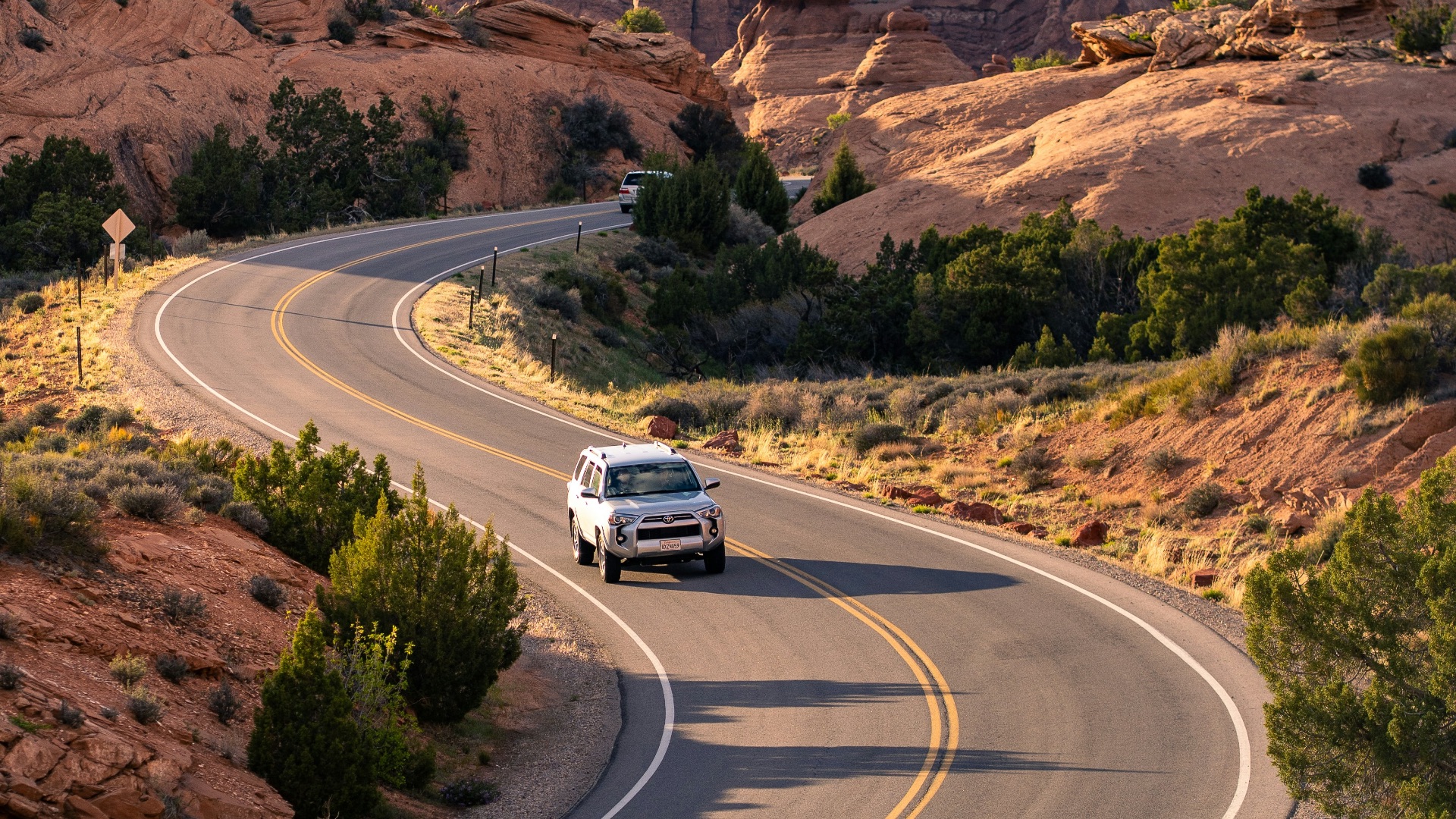
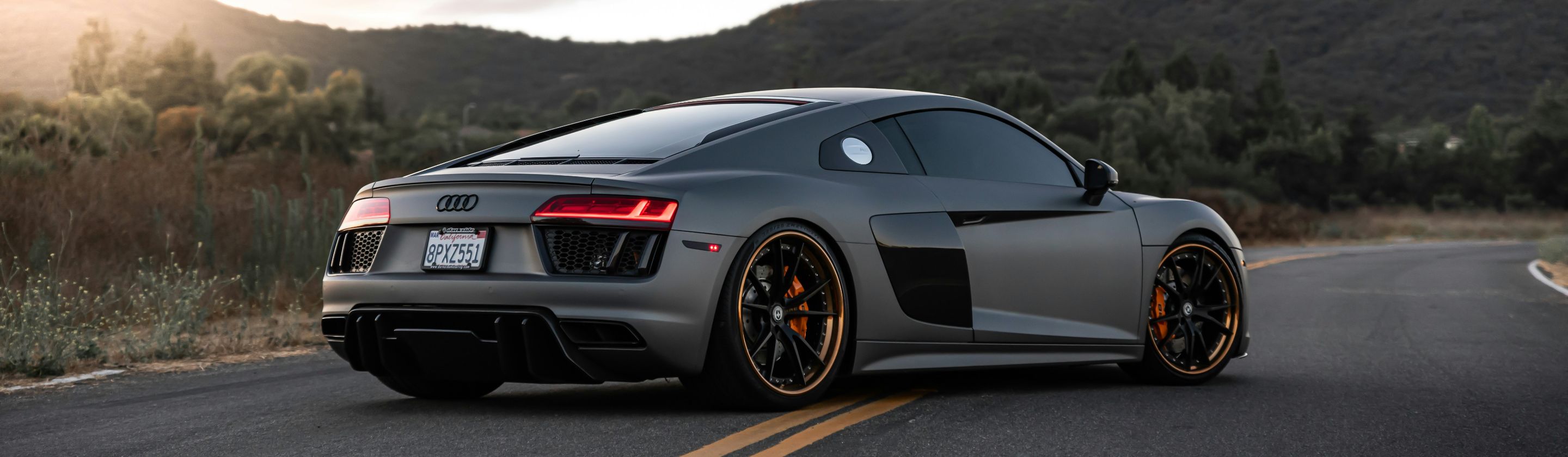
No one said you needed an expensive sports car to enjoy the thrill of driving, either. You don’t even need a particularly scenic highway. A comfortable sedan on familiar suburban roads can offer an enjoyable experience, provided traffic conditions are reasonable. The important thing is choosing somewhere you feel confident driving.
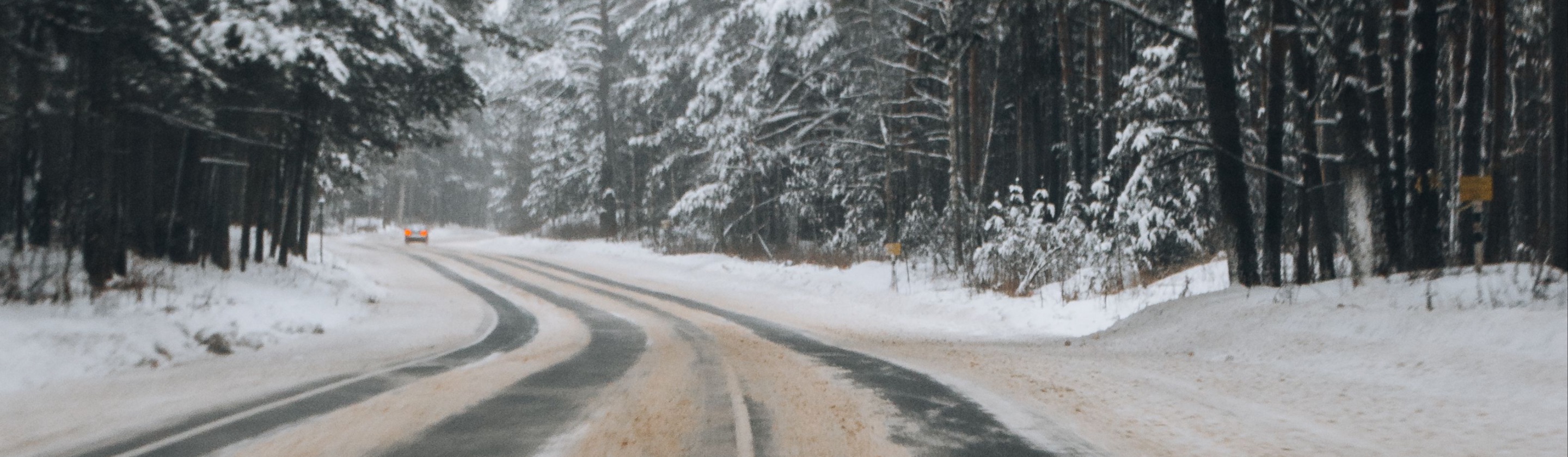
Timing can make a considerable difference, particularly if your goal is to avoid unnecessary frustration. If you’re looking to clear your head, a quiet Sunday morning might offer lighter traffic than a weekday evening, depending on where you live. Choosing daylight hours and checking road conditions beforehand can also make the experience more predictable.
Of course, safety always be at the forefront than relaxation whenever you're behind the wheel. It doesn’t matter if you really need time outside of the house. Don’t forget that driving while exhausted, upset, or unable to concentrate can be dangerous. Sometimes taking a walk or resting at home is the better choice. If those difficulties don’t get better with some downtime, a pleasant drive shouldn't replace appropriate mental health support, either.
A no-destination drive comes from permitting yourself to enjoy an activity without turning it into another obligation. There's no requirement to cover a particular distance, discover somewhere remarkable, or accomplish anything along the way. Sometimes, spending a little time enjoying your car and the surrounding roads is reason enough to leave the driveway.