Truck stops have always offered more than diesel fuel and a place to stretch your legs. But if you’re not a member of America’s lifeblood industry, how would you know what lies just beyond the next rest stop? For most people, they don’t even like to spend too much time in one of these spots, let alone learn more about them!
However, across America's highways, they've developed a food culture that reflects the demanding schedules and appetites of drivers. Sure, fast-food chains have become increasingly common at travel centers, but they don’t hold a candle to the traditional truck stop diners that still hold a special place in American trucking culture. Their menus tell an interesting story about life on the road, where convenience matters and familiar meals mean comfort.
How Truck Stops Developed Their Own Dining Traditions
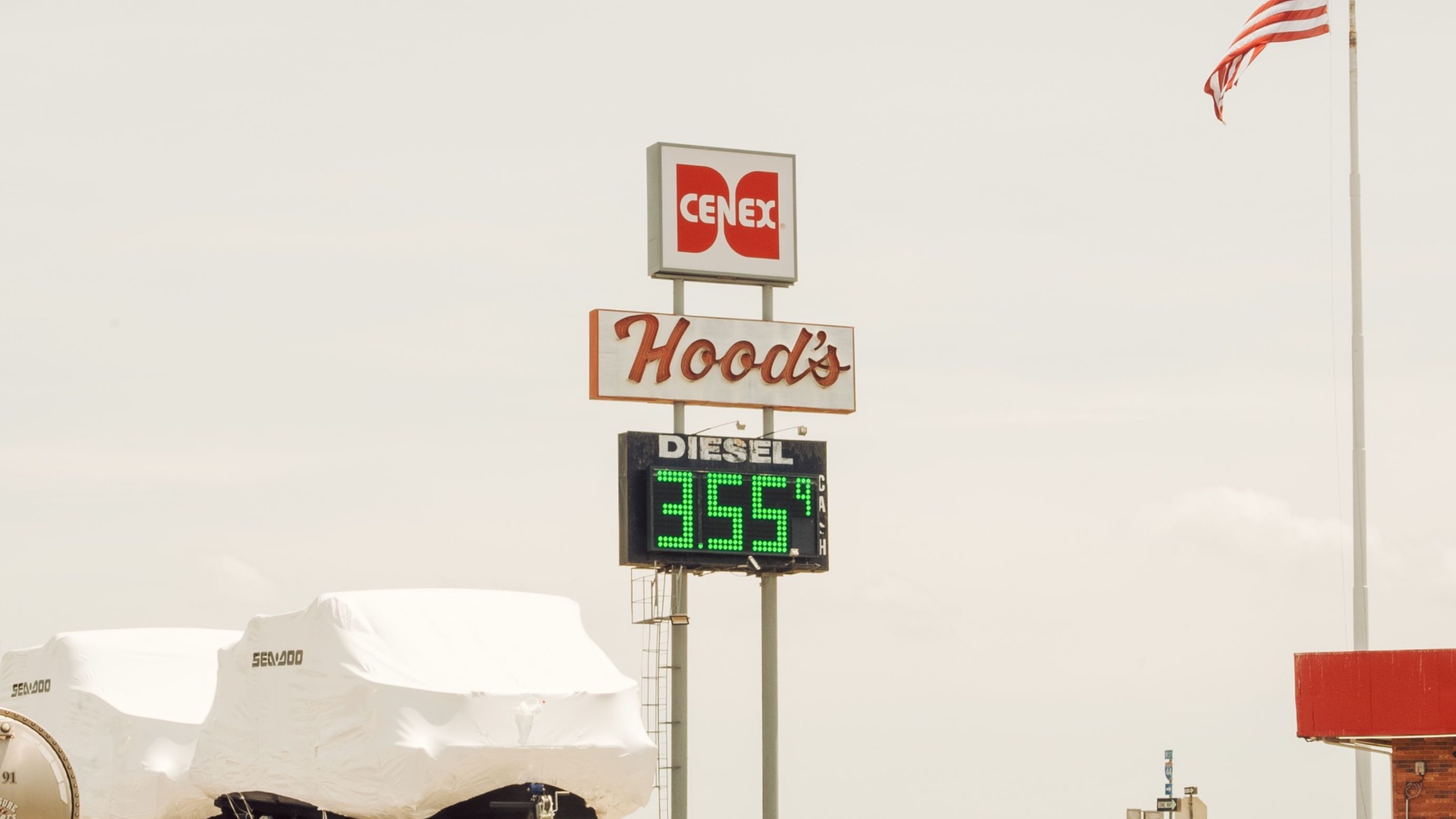
During the expansion of America's highway system, truck stops became essential for drivers stuck plowing through gruelling stretches of road. Restaurants had their work cut out for them; they needed to cater to truckers and provide substantial meals at decent prices, and they needed to do it all outside conventional hours.
One particularly important tradition was quickly born from the off-hours demand: breakfast around the clock. Truckers don't necessarily follow typical working hours, meaning someone finishing an overnight shift might want pancakes at 4 p.m. And where else could they get a hearty plate with a few extra strips of bacon?
Portion sizes also helped establish the reputation. A trucker ordering chicken-fried steak won’t be staring at the business end of some piddly meal. No, they’ll get a generous serving with mashed potatoes, vegetables, and thick gravy—and those giant portions stuck around long after these spots first popped up.
Just take a look at the Iowa 80 Truckstop in Walcott, Iowa. Its humble beginnings started in 1964, and the original restaurant was a modest operation. However, the establishment expanded into a major travel destination, and today, the Iowa 80 Kitchen seats approximately 300 customers and serves homestyle meals around the clock!
The Foods That Define Truck Stop Cuisine
We’ve covered the hours, but what about the food? Surely a quick-and-easy diner won’t have their own menus specifically for those on the road…right? Well, guess again! Chicken-fried steak occupies an important place in classic truck stop cooking, particularly across the Southern and Central United States. It’s also paired with mashed potatoes, providing exactly the sort of familiar, filling meal that made roadside diners so huge.
Biscuits and gravy have earned a similarly prominent position on menus, especially around breakfast. No matter how early you’re up, you can always rely on soft biscuits covered in peppery sausage gravy for an inexpensive, satisfying meal. Alongside scrambled eggs and crispy hash browns, the combo also remains a recognizable example of American diner food that translates particularly well to truck stop dining.
Not everything revolves around traditional sit-down meals, however—truck stop food also includes options designed for busy schedules. That means if you want something filling but affordable, you can easily score roller-grill hot dogs, breakfast sandwiches, burritos, and packaged snacks. Think of it as combining diner cooking and convenience-store food.
Why the Culture Continues to Evolve
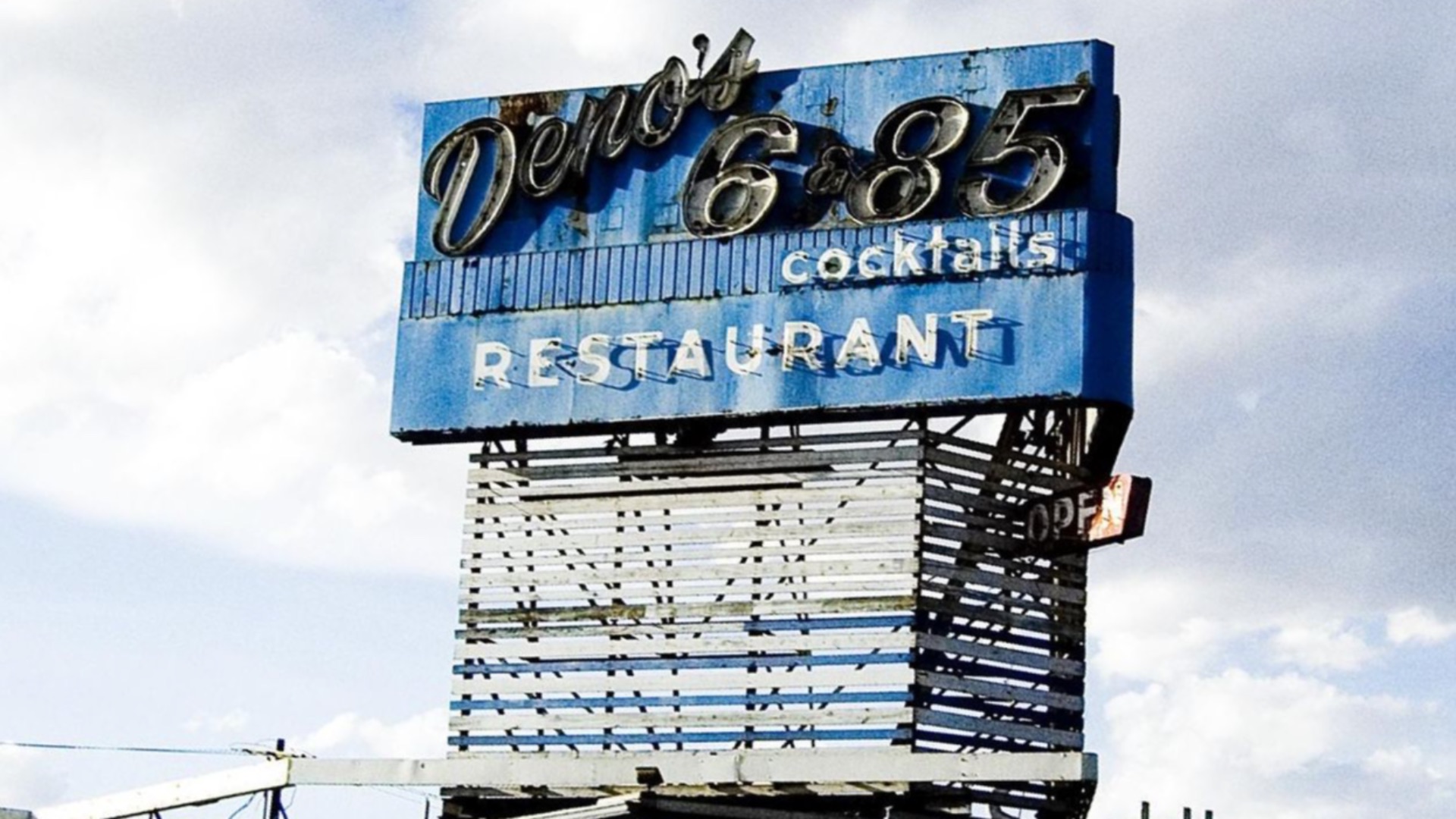
Beyond the food itself, truck stop restaurants have historically provided opportunities for drivers to grab a cup of joe and indulge in a little chatter. A restaurant booth offers somewhere to exchange information, discuss road conditions, and enjoy conversations with people who understand the trucking profession. For those spending weeks at a time away from home, these everyday interactions can be a make-or-break difference.
Modern travel centers also introduced significant changes to the traditional dining experience. Major operations now frequently include recognizable fast-food chains alongside their existing restaurants, providing any hungry belly with even more choices. Iowa 80, for instance, offers options ranging from Wendy's and Taco Bell to its longstanding full-service kitchen, so you’re never without options.
Before you blow past one in search of salad, bear in mind that healthier choices are becoming another important part of the conversation. Drivers spending extended periods behind the wheel may find it difficult to access fresh ingredients or prepare balanced meals. A 2026 Transport Topics report highlighted growing interest in healthier, affordable food options, prompting travel center operators to reconsider their menus.
Whatever it is you’re in the mood for, don’t denounce truck stop cuisine as boring burgers or greasy fries. It actually represents something distinctly American, shaped by working drivers, regional cooking traditions, and the practical realities of highway travel. Its appeal comes from combining familiar comfort food with the flexibility demanded by an industry that operates around the clock. Whether someone orders a full breakfast at midnight or grabs a sandwich before returning to the interstate, that roadside dining culture continues to have a character all its own.