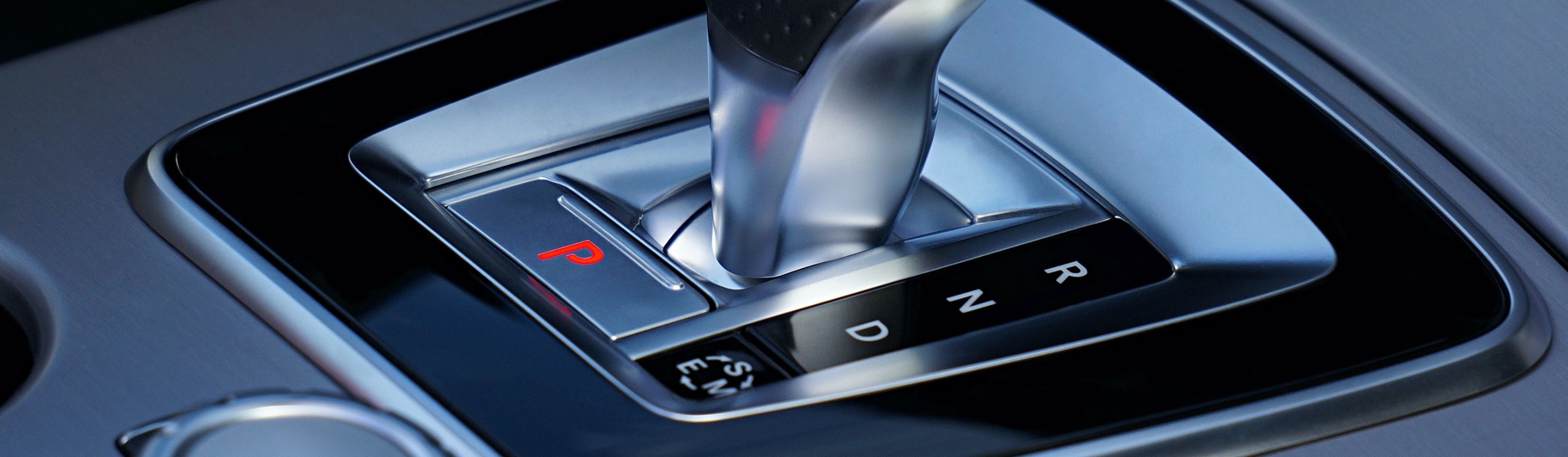
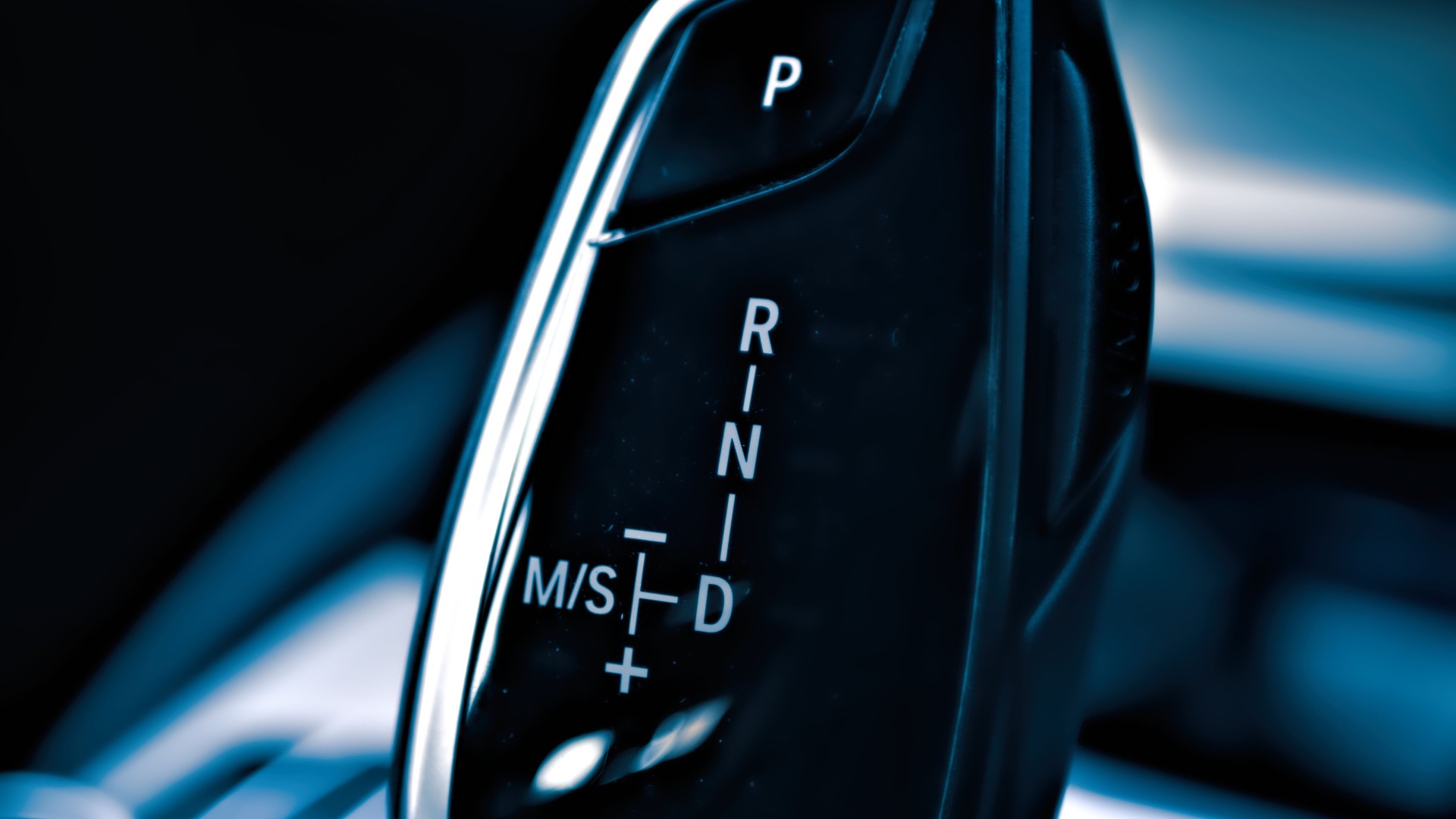
You're probably familiar with the usual gears, like Park, Reverse, and Drive, but Neutral? What does Neutral do? If you drive an automatic, you might rarely use it, anyway. So, what even is the point of including it? Well, as it turns out, Neutral serves several important purposes that, while not necessarily obvious during everyday driving, are still pretty crucial.
To give you a simple rundown, Neutral essentially disconnects the engine's driving power from the wheels, allowing them to rotate without being propelled by the engine. This can therefore be incredibly helpful in situations where you need your car to move freely. Knowing how and when to use Neutral can also help you handle everything from emergencies to idling at red lights.
Waiting at Long Red Lights
Ever been stuck at a particularly long red light? Sure, you're fine keeping your foot on the brake, but you might have wondered whether there was a better way. And in fact, there is: you could shift to Neutral and pull the handbrake. Because this disconnects the engine's power from the wheels while your car remains stationary, this helps give your foot a break and prevents you from accidentally creeping forward if your foot slips.
For drivers with manual transmissions, shifting into Neutral during an extended stop is generally a good habit, too. Rather than keeping the clutch pedal pressed down, which can cause unnecessary strain, you can select Neutral, release the clutch, and secure the vehicle with the brakes.
With automatic transmissions, however, the perks aren't as clear, though drivers can choose to do it anyway during longer waits. However, modern automatic cars are generally designed to remain in Drive during ordinary traffic stops, so bear in mind that repeatedly switching between gears might not be a good thing.
Regardless of your transmission type, remember: Neutral doesn't prevent your vehicle from rolling! If you're parked or stopped on a hill, you should continue applying the brakes or use the parking brake when appropriate. Always make sure you're ready to reengage Drive or first gear before moving as well.
Handling a Stuck Accelerator
Though uncommon, a stuck accelerator is exactly what it says on the tin: your gas pedal gets jammed. It's no surprise that this is a potentially extremely dangerous emergency. So, how should you handle it if this were ever to happen to you? Well, as you've probably guessed, you need to shift to Neutral. Again, this allows you to disconnect the engine's power from the wheels. You're not done, though. After you've engaged Neutral, apply firm, steady pressure to the brakes. The engine may rev loudly because it's no longer under the same driving load, but don't worry—the wheels won't receive additional power from it.
The important thing, above all, is to not panic. We know, we know, that can be pretty hard to do if your accelerator is jammed, but if you make sudden steering movements, that'll only put you and everyone else in more danger. So, make sure to activate your hazard lights, assess the surrounding traffic, and move toward a safe stopping location when possible. Once your car has stopped, kill the engine and arrange for assistance.
You might be wondering: why shouldn't you immediately switch off the ignition instead? But doing so while the vehicle is moving can actually backfire, reducing power assistance for steering and braking and making control even more difficult. Never simply turn the car off!
Moving a Disabled Vehicle Short Distances
Car broke down? Neutral is also your hero in this situation. If your vehicle has stopped on the road, shifting to Neutral allows you to move it a short distance since, again, the wheels will be able to rotate freely, provided the parking brake and any other wheel-locking systems are released.
However, this doesn't mean every disabled vehicle can simply be pushed or pulled wherever necessary. Modern cars may have electronic parking brakes, transmission locks, or automatic Park features that complicate things when the engine isn't running. That's why it's especially important to consult your driver's manual before attempting anything.
Keep in mind, too, that placing a vehicle in Neutral doesn't automatically make it safe for conventional towing. Some transmissions can suffer damage when their driven wheels rotate over longer distances. If your car needs roadside recovery, don't make assumptions on your own—it's best to have a professional determine what method would work best!
While Neutral might not be a gear you use every day, it's nonetheless a pretty crucial feature to have. In some cases, it can even save your life. Of course, just remember that putting your car into Neutral doesn't replace your brakes or parking system or somehow make driving easier or better, and your vehicle's owner's manual should always, always guide how you use it safely.