
Driving on the highway is one of the most common yet demanding parts of everyday transportation. High speeds, multiple lanes, and unpredictable traffic patterns require a level of attention that goes beyond basic driving skills. While most people feel comfortable behind the wheel, comfort doesn’t always equal competence. Becoming a better highway driver takes intention, awareness, and consistent practice.
Many highway-related accidents aren’t caused by extreme recklessness but by small, repeated mistakes. Things like poor lane discipline, distracted driving, or misunderstanding traffic flow add up quickly at higher speeds. The good news is that these habits can be improved with conscious effort. You don’t need to be perfect, but you do need to be deliberate.
Mastering Lane Discipline And Awareness
Understanding how lanes function on the highway is one of the most important skills you can develop. The left lane is generally intended for passing, while the right lanes are meant for steady travel and exiting. Staying in the correct lane helps traffic move smoothly and reduces frustration for everyone involved. When lanes are used improperly, congestion and aggressive driving tend to follow. Good lane discipline also makes your actions more predictable to others. That predictability reduces sudden braking and risky lane changes.
Maintaining awareness of surrounding vehicles is just as critical as staying in the right lane. You should constantly scan mirrors and check blind spots to understand what’s happening around your car. Highway conditions change quickly, and being surprised is rarely safe. Awareness allows you to anticipate rather than react. That anticipation gives you time to adjust calmly instead of making abrupt decisions. Calm responses are far safer at highway speeds.
Avoid lingering in blind spots, both yours and others’. If you can’t see a driver’s mirrors, they likely can’t see you either. Adjusting your position slightly forward or back improves visibility for everyone. Small positioning changes can prevent large problems. This habit becomes especially important around trucks and buses. Giving larger vehicles extra space significantly lowers your risk.
Managing Speed And Following Distance
Speed management isn’t just about obeying posted limits, although that’s the baseline. You also need to match your speed to traffic flow and road conditions. Driving significantly faster or slower than surrounding vehicles increases collision risk. Consistency matters more than raw speed. Weather, construction, and traffic density should all influence your decisions. Adjusting thoughtfully shows strong situational awareness.
Following distance is one of the most underestimated safety tools you have. At highway speeds, a few extra seconds of space can make the difference between a close call and a serious crash. The general recommendation is at least three seconds, increasing in poor conditions. That buffer gives you time to react without panic. Tailgating may feel efficient, but it eliminates your margin for error. Space gives you options when something unexpected happens.
Braking smoothly and early is another hallmark of an experienced highway driver. Sudden braking creates ripple effects that often lead to congestion and rear-end collisions. If you maintain proper distance, hard braking becomes rare. Controlled deceleration keeps traffic flowing more predictably, and predictable behavior helps drivers behind you respond appropriately. Smooth driving benefits everyone sharing the road.
Staying Focused And Making Smart Decisions
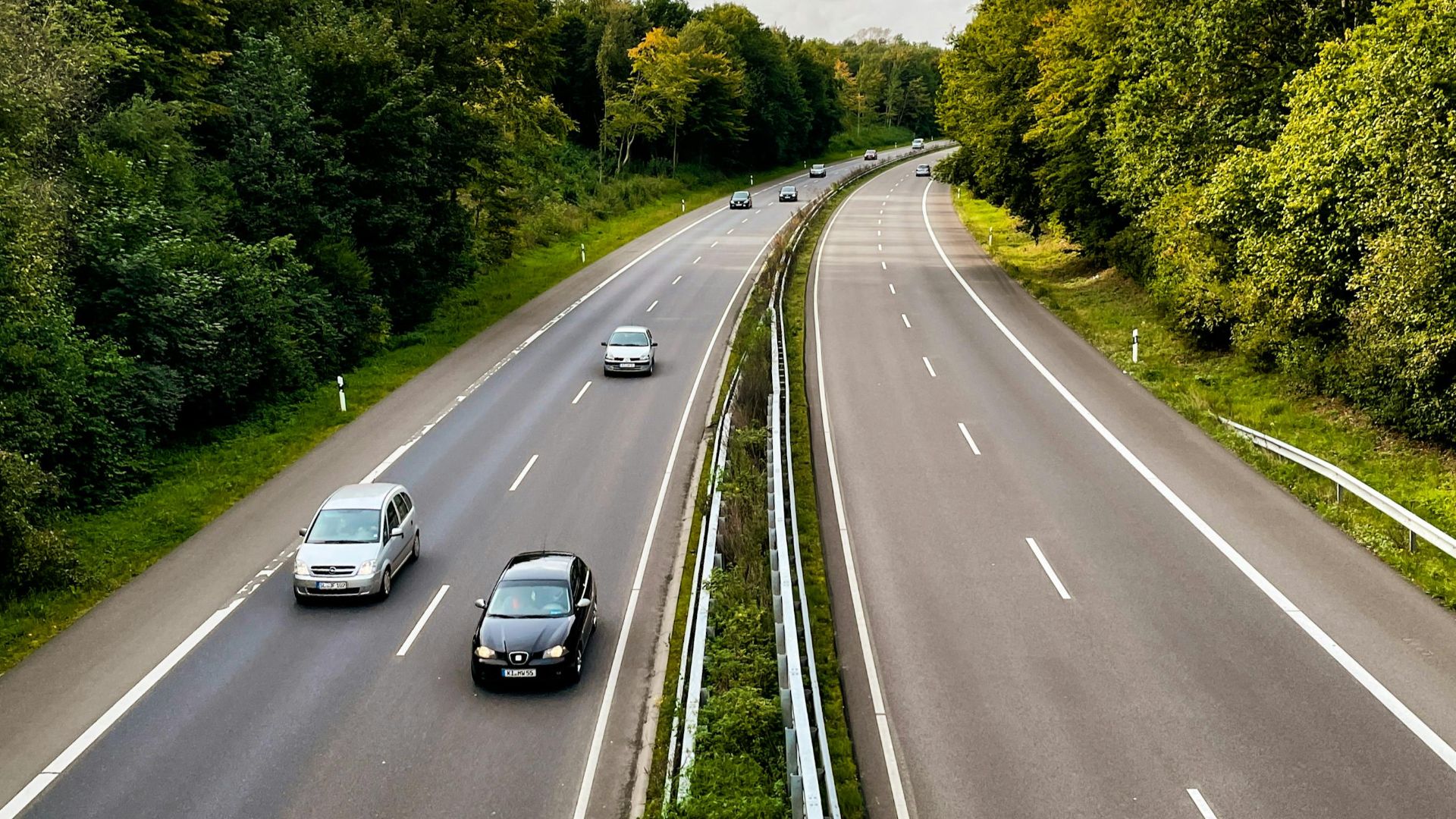
Distraction is one of the biggest threats on the highway, even for experienced drivers. Checking a phone, adjusting controls, or letting your mind wander can have serious consequences at high speeds. A moment of inattention covers more distance than most drivers realize. Staying mentally present is essential, not optional. Highway driving requires sustained focus, not autopilot thinking. Treat it as an active responsibility.
Good decision-making improves when you plan instead of reacting late. This includes knowing your exits, reading signs early, and positioning yourself well in advance. Last-second lane changes are stressful and dangerous. Planning reduces pressure and minimizes risky behavior. Navigation tools can help, but they shouldn’t replace awareness. You still need to understand real-time traffic conditions.
Emotional control plays a larger role in safe driving than many people admit. Frustration, impatience, or competitiveness often lead to poor choices. Staying calm helps you think clearly and respond appropriately. You’re not racing anyone, even if traffic feels tense. Letting minor annoyances go keeps you safer and more relaxed. A steady mindset is one of the most underrated driving skills.
Becoming a better highway driver isn’t about mastering a single trick. It’s about building habits that work together over time. Lane discipline, speed control, awareness, and emotional regulation reinforce one another. Improvement comes from consistency rather than perfection. When you drive with intention, you make the highway safer for yourself, your passengers, and everyone around you.