Some Mornings Help, Others Don’t
Morning drives sit in a strange middle space. Some days, they calm your mind before anything else gets a say. Other days, they test patience before coffee even helps. The same road can feel supportive or exhausting depending on timing, light, temperature, and pressure. This list breaks down why early drives can steady your mood and why they can quietly drain it too. Nothing dramatic, just patterns that add up. Here are 10 ways morning drives can be therapeutic, and 10 reasons they're the last thing you want to start your day with.

1. Sunrise Exposure For Mood Elevation
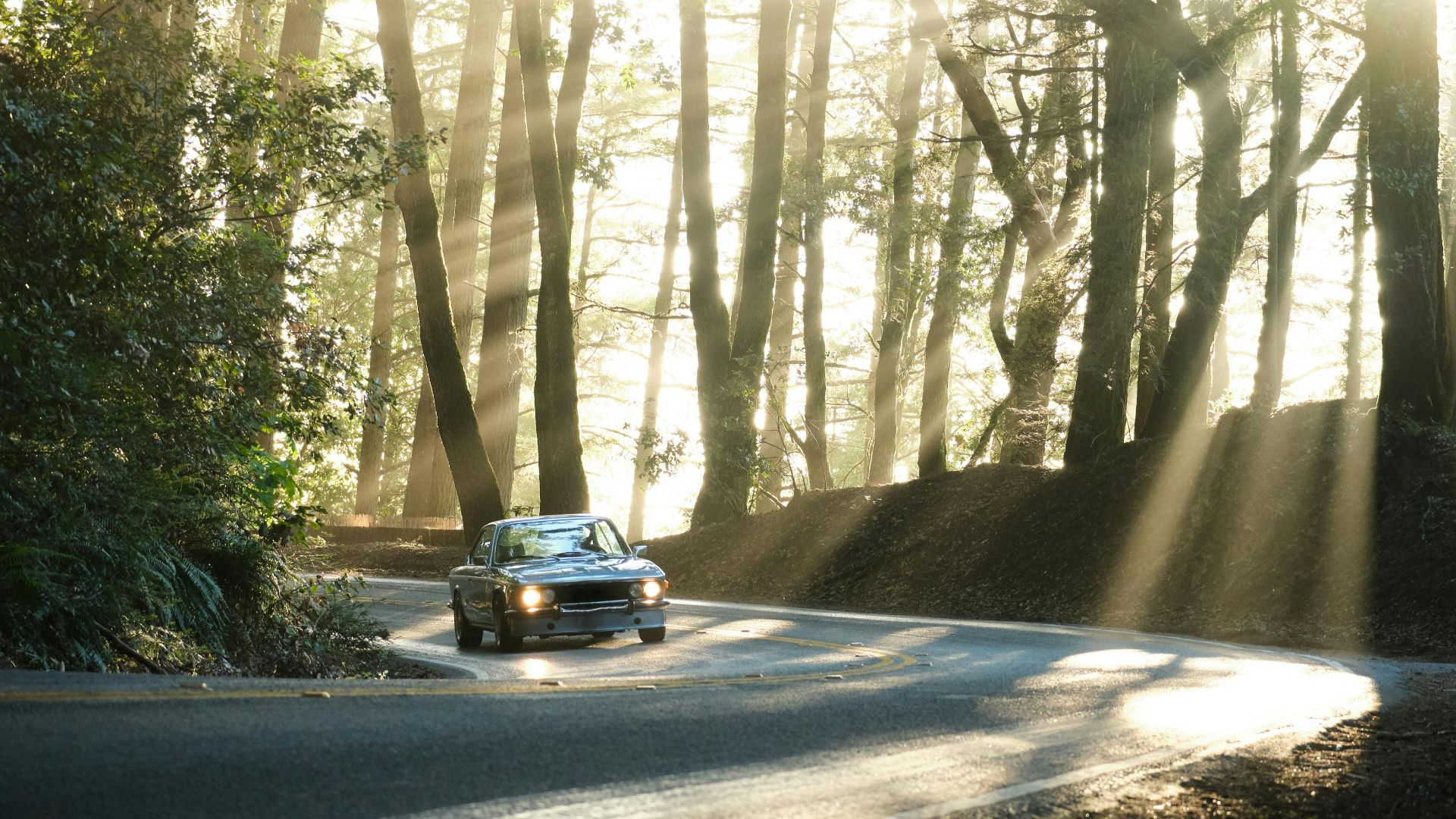
Morning light hits differently when you're already moving. During early drives, sunlight reaches your eyes before screens or stress does. That timing helps reduce melatonin and support serotonin release, which can steady mood and make the day feel lighter before it properly begins.

2. Quieter Roads Promoting Mindfulness
Less traffic also changes how your brain behaves. With fewer sudden stops or threats, attention settles. The calmer environment even allows awareness to stay present instead of reactive by lowering stress and supporting emotional regulation long before the day starts demanding decisions.
3. Fresh Dawn Air Enhancing Alertness
Cooler morning air carries higher oxygen levels and fewer pollutants. Therefore, breathing it during early drives supports alertness and focus by improving oxygen delivery to the brain. Compared to warmer hours, this can reduce sluggishness and help the body wake up more naturally.

4. Podcast Or Audiobook Absorption
Your brain is quieter in the morning. That makes stories, ideas, or learning land better during a drive. Fewer interruptions in the morning make it easier to follow what you hear, and podcasts and audiobooks hold attention longer, so ideas actually stick. Instead of fading into the background sound, the content stays with you after the drive ends.
5. Routine Establishment For Emotional Stability
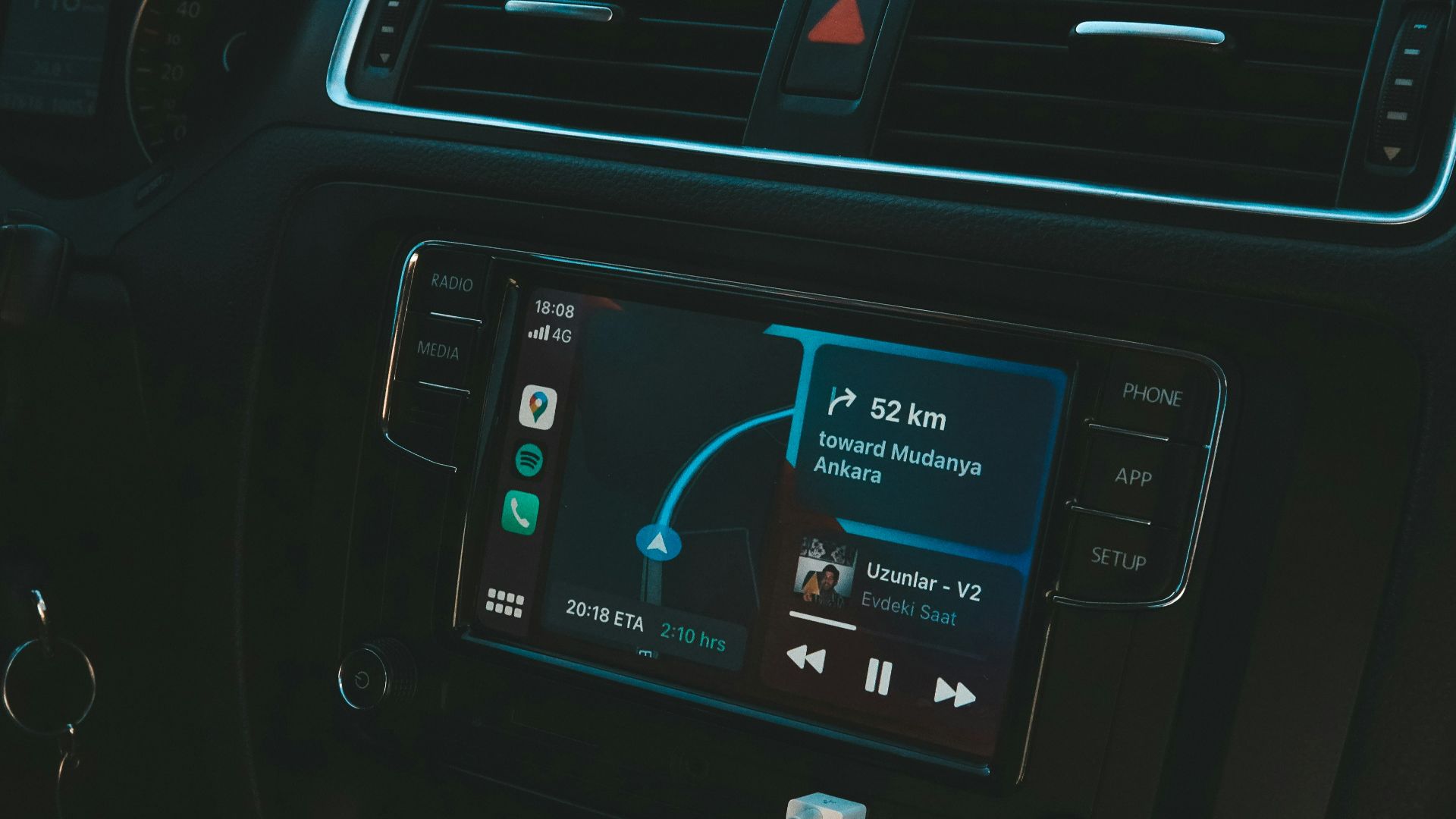
Predictable morning routines reduce uncertainty, which lowers stress hormones. A regular drive creates structure at the start of the day. That consistency supports emotional balance, helps regulate circadian rhythms, and makes the rest of the day feel more manageable rather than rushed.

6. Scenic Dawn Views Inspiring Awe
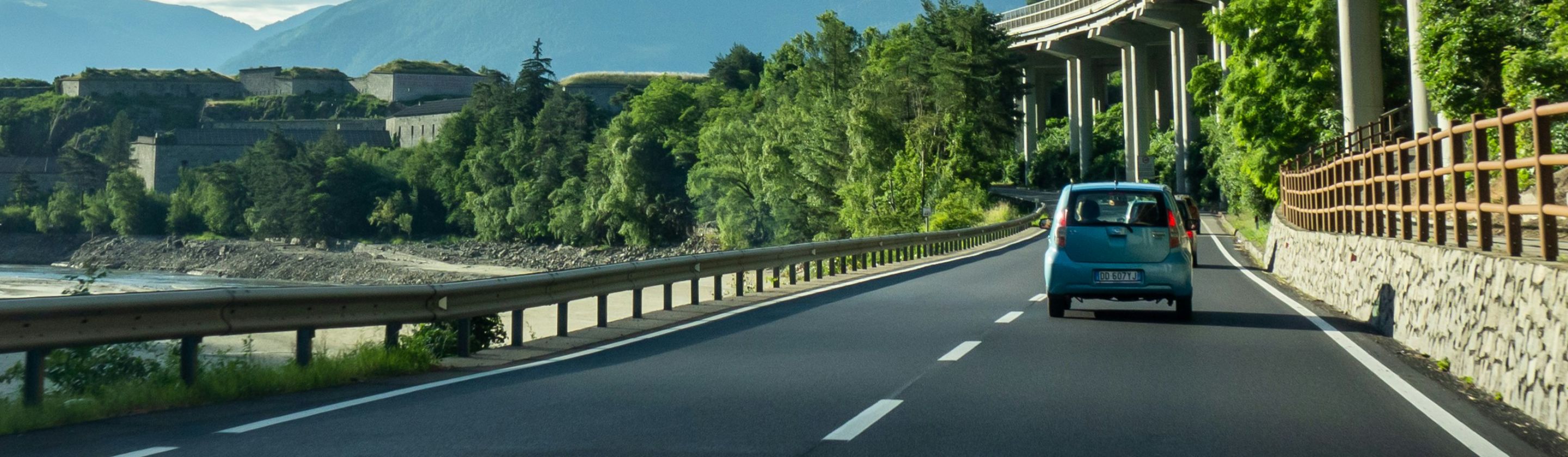
Morning scenery hits differently because nothing is competing for your attention yet. Softer light and open roads naturally slow your pace. Even a brief moment of wonder can soften stress and prepare you for the day ahead.
7. Personal Reflection In Solitude
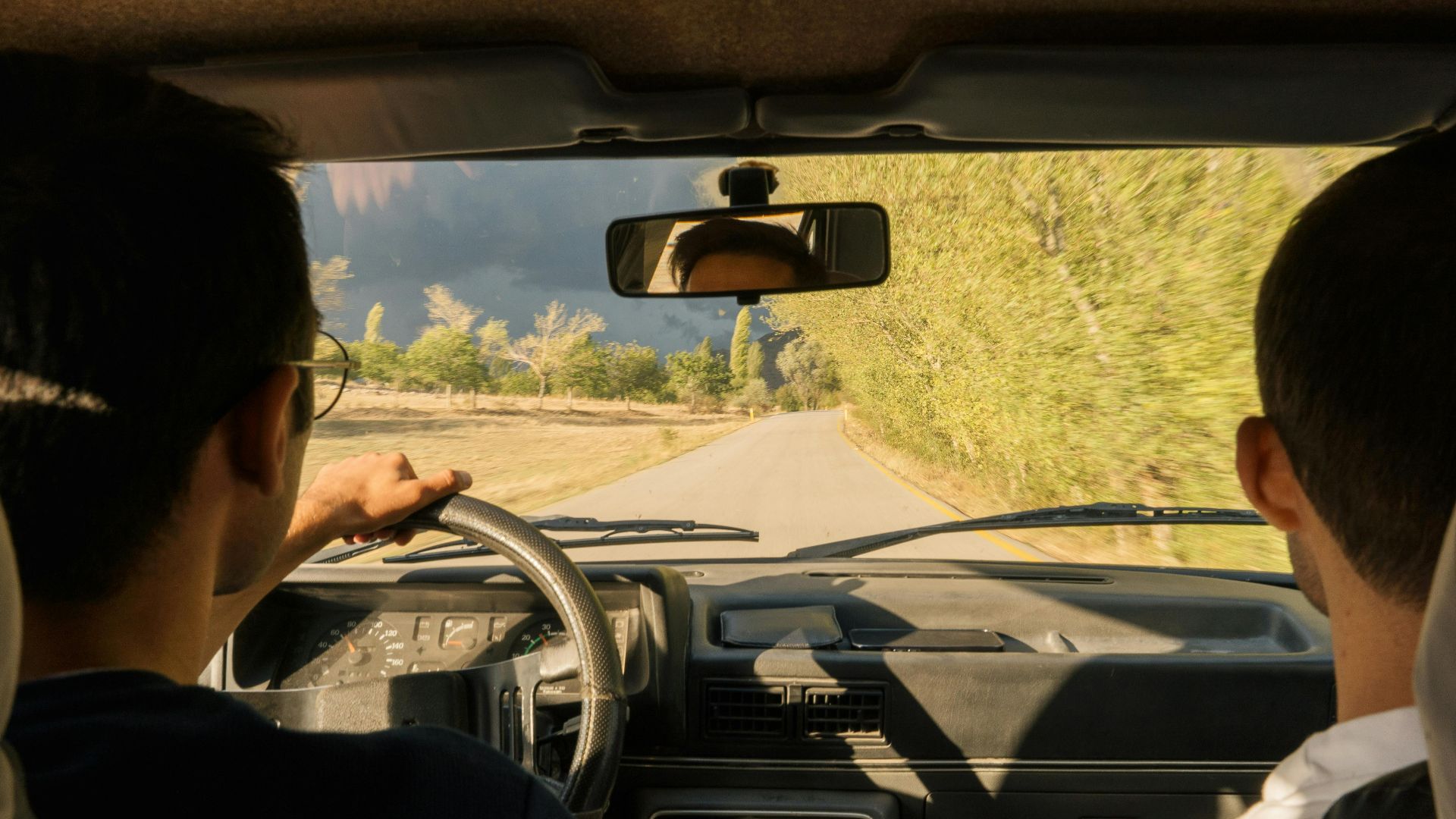
Early drives offer a rare pocket of privacy. Notifications stay quiet, conversations don't interrupt, and thoughts surface without being pushed. Such an uninterrupted space allows emotions to settle on their own, which can make the rest of the day feel less mentally crowded.

8. Gentle Physical Activation After Sleep
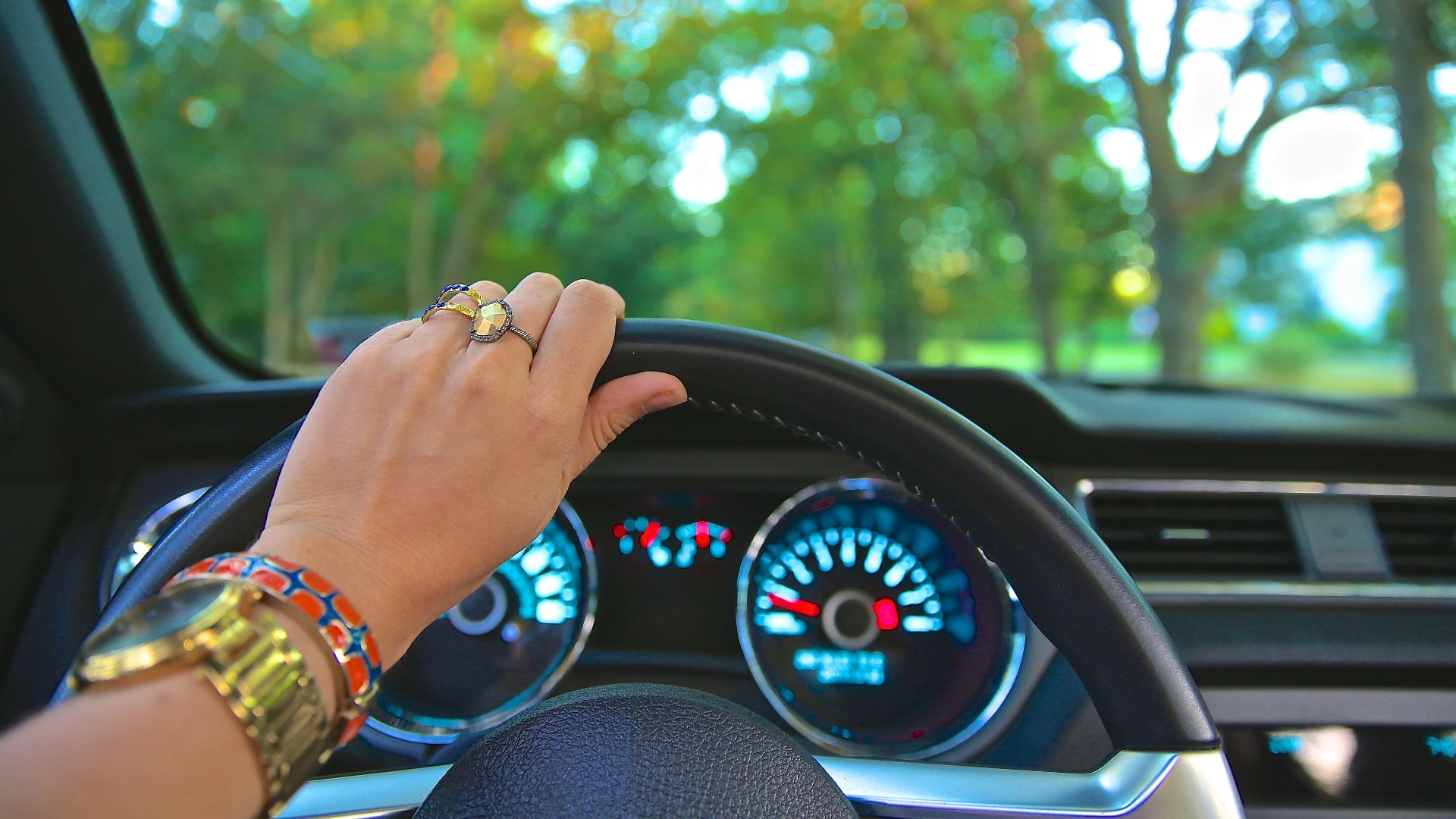
Driving provides low-effort movement after waking up, while small actions like steering and braking increase circulation and reduce stiffness. This gentle activation helps the body transition into alertness without the shock of intense exercise or the drag of staying completely still.
 Daniela Cuevas danielacuevas on Wikimedia
9. Mental Day Planning Without Overwhelm
Morning drives create mental space for planning without pressure. Tasks line up naturally when the brain is still fresh. Because interruptions are limited, priorities feel clearer. That early organization reduces later stress by lowering the number of decisions needed on the fly.

10. Cooler Temperatures Aiding Comfort
Heat has not arrived to complicate things yet. Cooler air keeps your body relaxed, your breathing steady, and your seat tolerance higher. No sweat, no stiffness, no early fatigue. It is one of the few times driving feels physically cooperative instead of demanding.

But the same early hours that offer calm and clarity can also work against you. Once the light, timing, or conditions shift, the drive stops giving and starts taking instead.
1. Post-Wake Grogginess Slowing Reactions
Early driving happens while the brain is still waking up. Reaction time stays slower during sleep inertia, especially within the first hour. That delay affects judgment and coordination, which increases risk on the road before alertness fully catches up.

2. Mental Load From On-Time Anxiety
Unlike later drives, mornings carry consequences for delay. Being late affects work, plans, and perception. This awareness stays active throughout the commute, pulling attention away from the road and making even short distances feel mentally demanding.

3. Cold Vehicle Interiors In Early Hours
Extra cold interiors disrupt focus at the start of a drive. In the colder seasons, windows take time to clear, and hands respond slowly. That brief period before warmth settles pulls attention away from the road and adds tension to the earliest part of the commute.

4. Blinding Sun Glare At Low Angles
Low morning sun sits directly in the line of sight. Plus, visibility drops suddenly during intersection approaches. Eyes strain to adjust, shadows blur detail, and reaction windows shrink. Unlike overhead daylight, glare forces constant correction rather than smooth, confident driving.

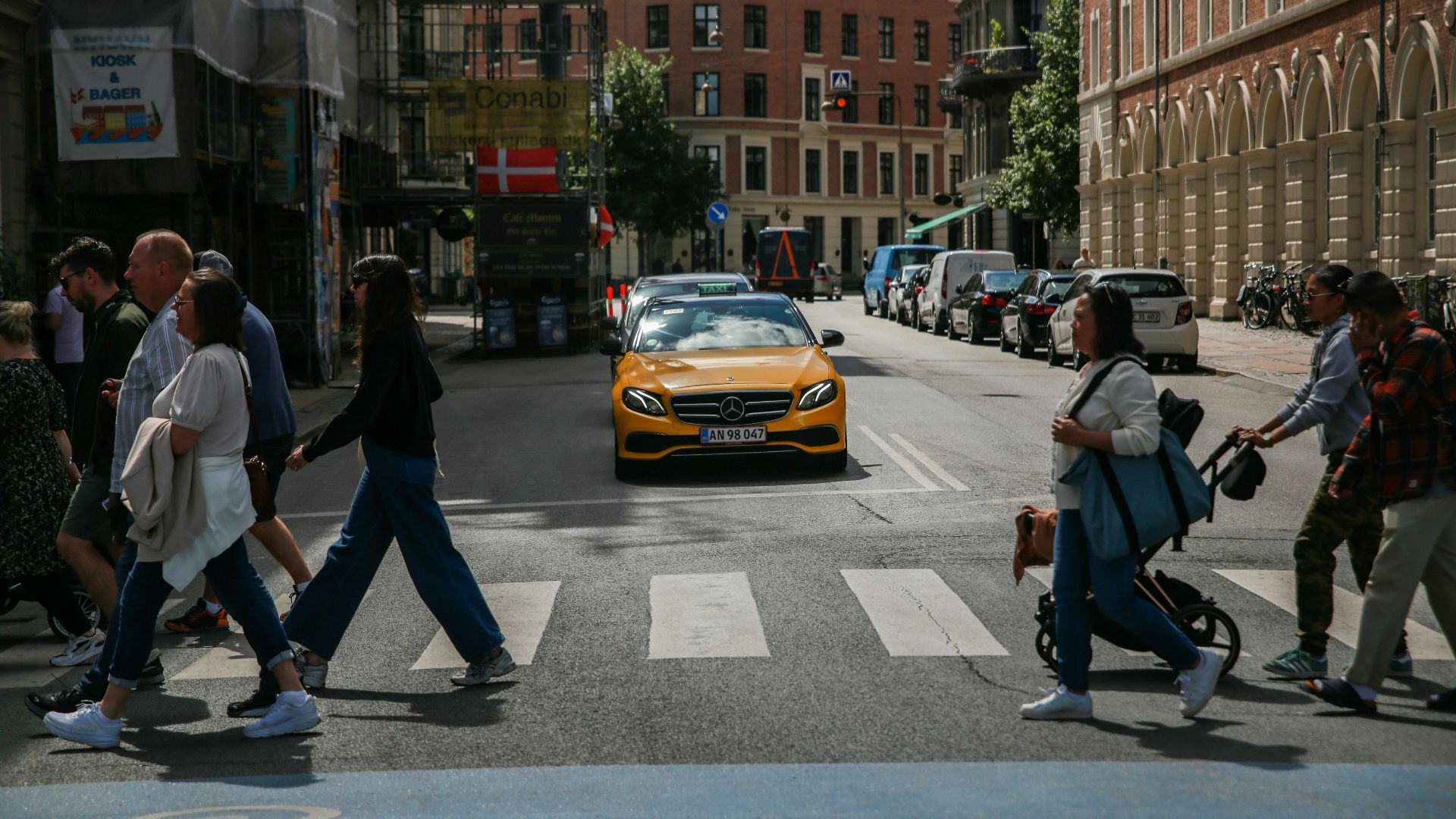
5. School Zones And Pedestrian Surges
Routes change character near schools. Buses stop often, children cross unpredictably, and even parents rush. The pace slows whether you planned for it or not. That added vigilance increases stress, especially when schedules already feel tight early in the day.
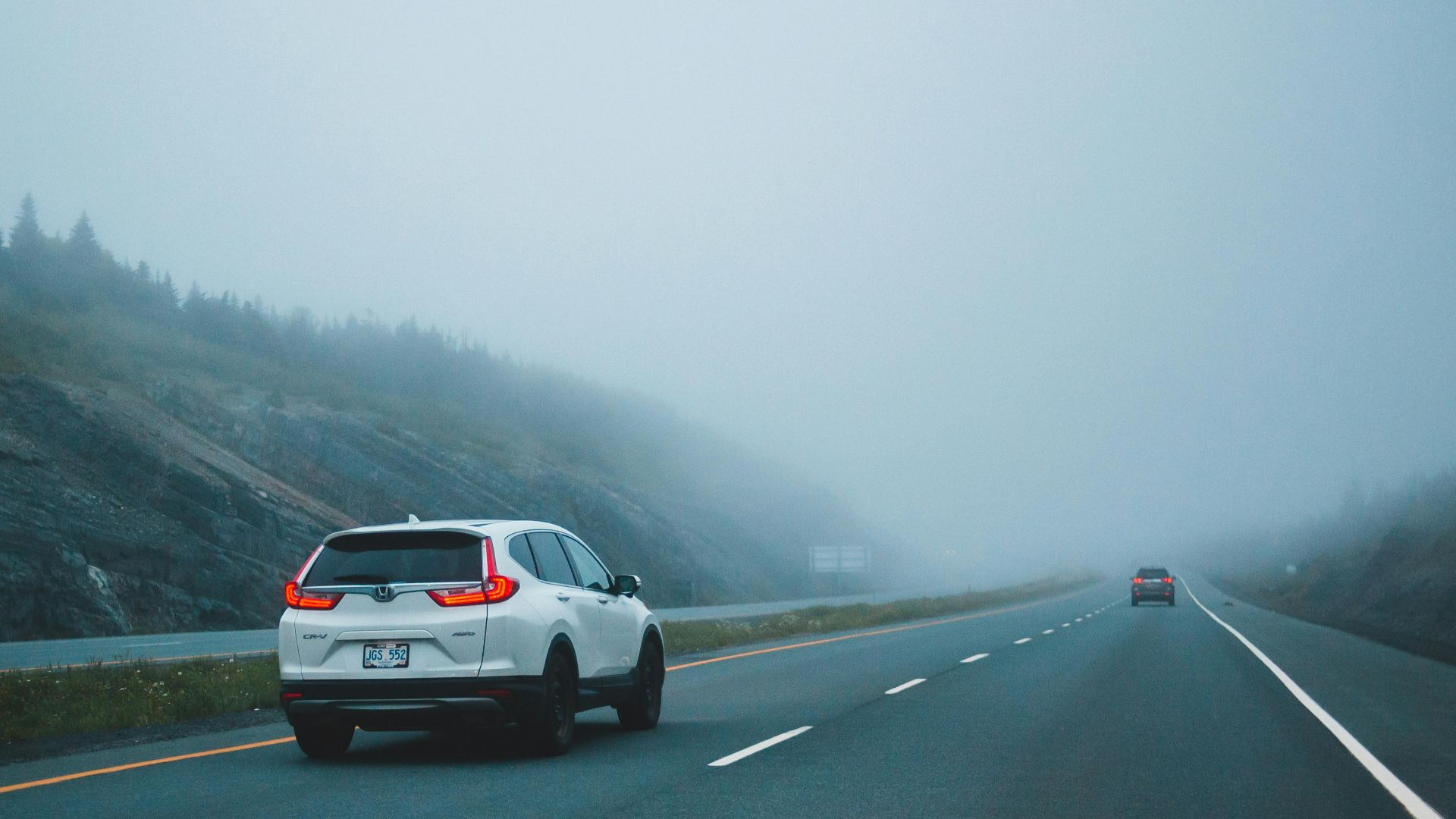
6. Morning Fog Reducing Visibility
Morning fog shortens sightlines and blurs depth perception. Road edges fade, brake lights appear late, and reaction time tightens. Until the air clears, driving requires extra caution, which adds tension and slows progress during an already time-sensitive part of the day.
7. Elevated Pollen Counts Triggering Allergies
Spring mornings bring more than light. Pollen levels peak early, which can trigger sneezing, watery eyes, and congestion behind the wheel. That physical irritation distracts attention and makes concentration harder, especially before medication or relief has had time to kick in.

8. Icy Or Frosty Roads In Winter Dawns
Overnight drops in temperature often leave roads slick well into the morning. Ice can linger in shaded areas even when conditions seem clear. Because traction feels inconsistent, drivers must stay cautious longer, increasing stress and slowing progress during early commutes.

9. Opportunity Cost Of Lost Sleep
Early departures often cut into sleep, where even small losses add up across the week. Reduced rest affects focus, mood, and reaction speed, which makes morning driving harder than it needs to be and lowers energy long before the workday actually begins.

10. Early Construction And Detours
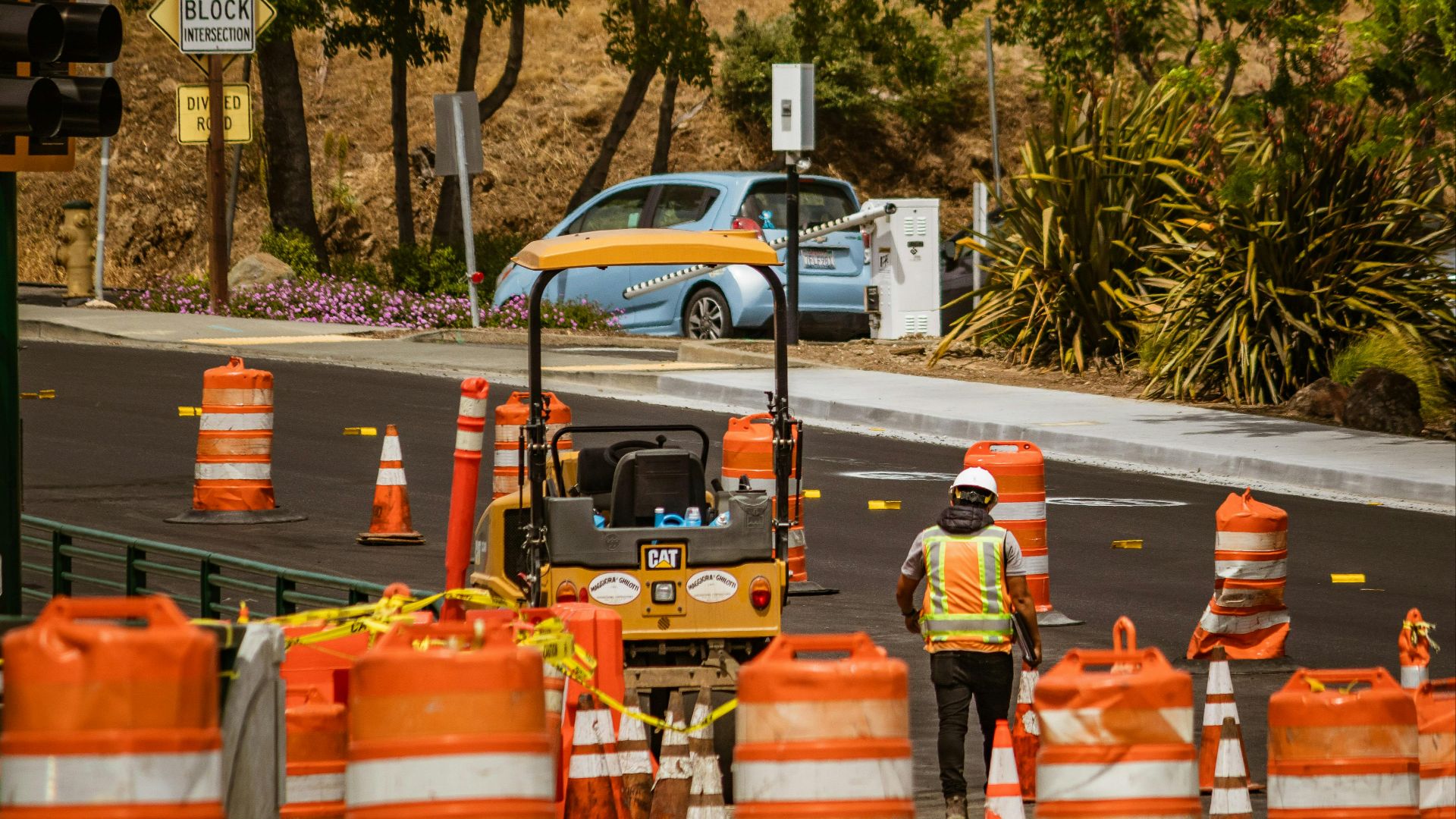
Sadly, roadwork likes early hours. Lanes will disappear without warning. Detours will reroute familiar paths. Progress slows unexpectedly. Sounds like a headache, right? That disruption turns a known commute into guesswork, adding frustration and delay before the day has fully started.