Paying More Than Just The Tag
Like buying concert or airplane tickets, you’re bound to fork out more money than you think you’re going to when buying a new vehicle. While some of these charges are expected, many come as a surprise and feel downright disrespectful. It feels like highway robbery, which only feels worse when what you’re buying is a necessity. If you want to avoid that sinking feeling at the finance desk, it helps to know what these charges are and which ones you can question.
1. Documentation Fee
Dealers often charge a documentation fee for processing paperwork and registration fees, requiring you to pay at least an additional couple of hundred dollars. It’s not tied to the complexity of your deal, so you can pay the same amount even if your purchase is straightforward. You can’t always remove it, but you can often negotiate the overall price to offset it.
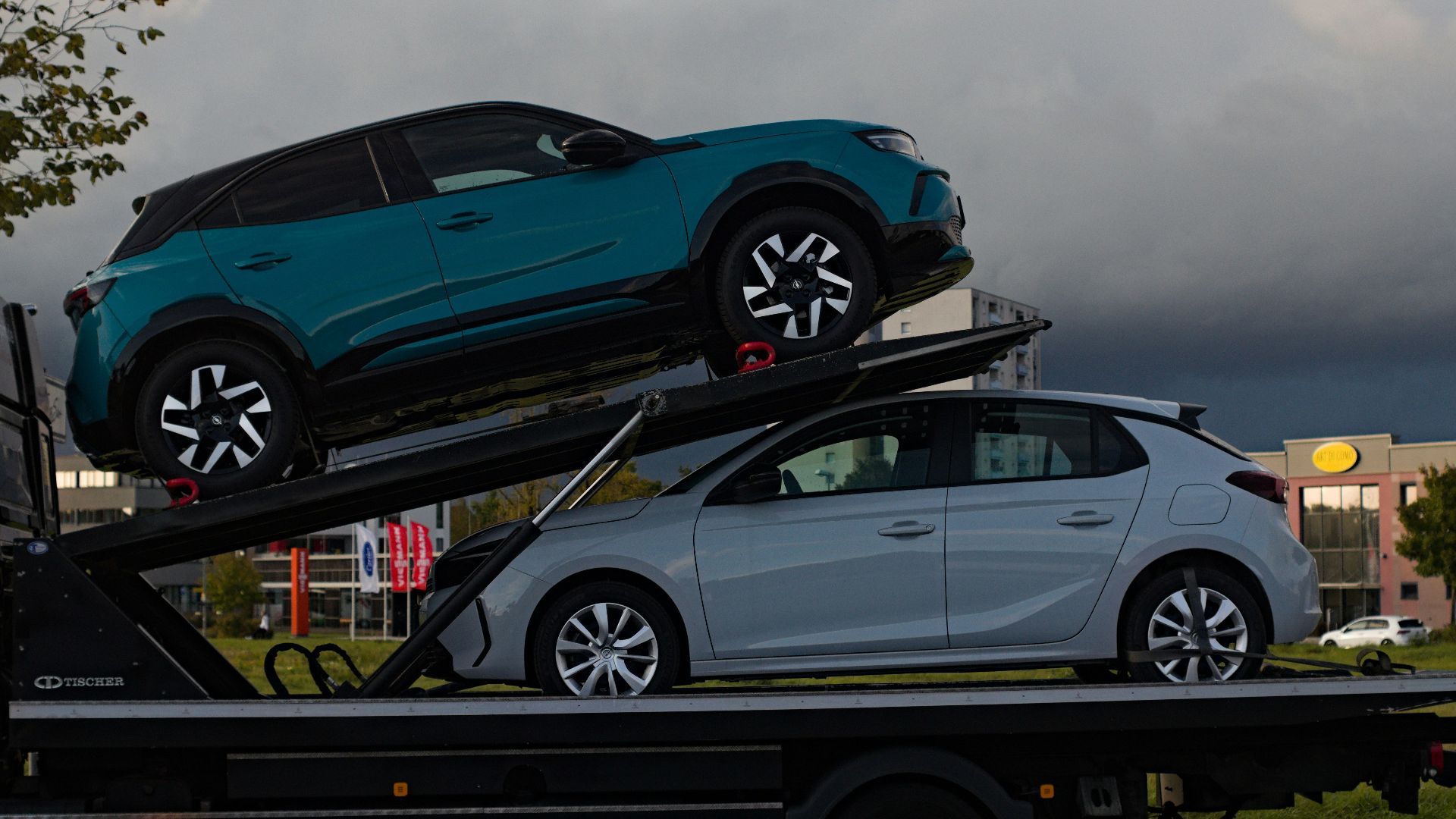
2. Destination Charge
This mandatory manufacturer’s fee covers the shipping of the vehicle from the factory to the dealer. It’s usually listed on the window sticker, and is one of the few hard and fast fees you will need to pay in full. Even if the car was built relatively nearby, you’ll likely still see this charge.

3. Dealer Prep Fee
Sometimes you’ll be billed for “preparing” the car for sale, like removing protective film or topping off fluids. The frustrating part is that this is basically the cost of doing business dressed up as a special service. If you see it, treat it as negotiable fluff unless it’s clearly itemized and reasonable.

4. Advertising Fee
Some dealerships add a regional advertising fee that claims to cover marketing costs. You’re essentially helping pay for the commercials that convinced you to show up in the first place. If it’s presented as mandatory, be sure to push back on it.

5. Market Adjustment
A market adjustment is a fancy way of saying “we’re charging more because we can.” It tends to show up on popular models or low-supply vehicles, sometimes in the thousands. You can try to negotiate it down, shop with other dealers, or be prepared to walk. Usually, dealerships will lower these prices if they see you’re going to walk away.
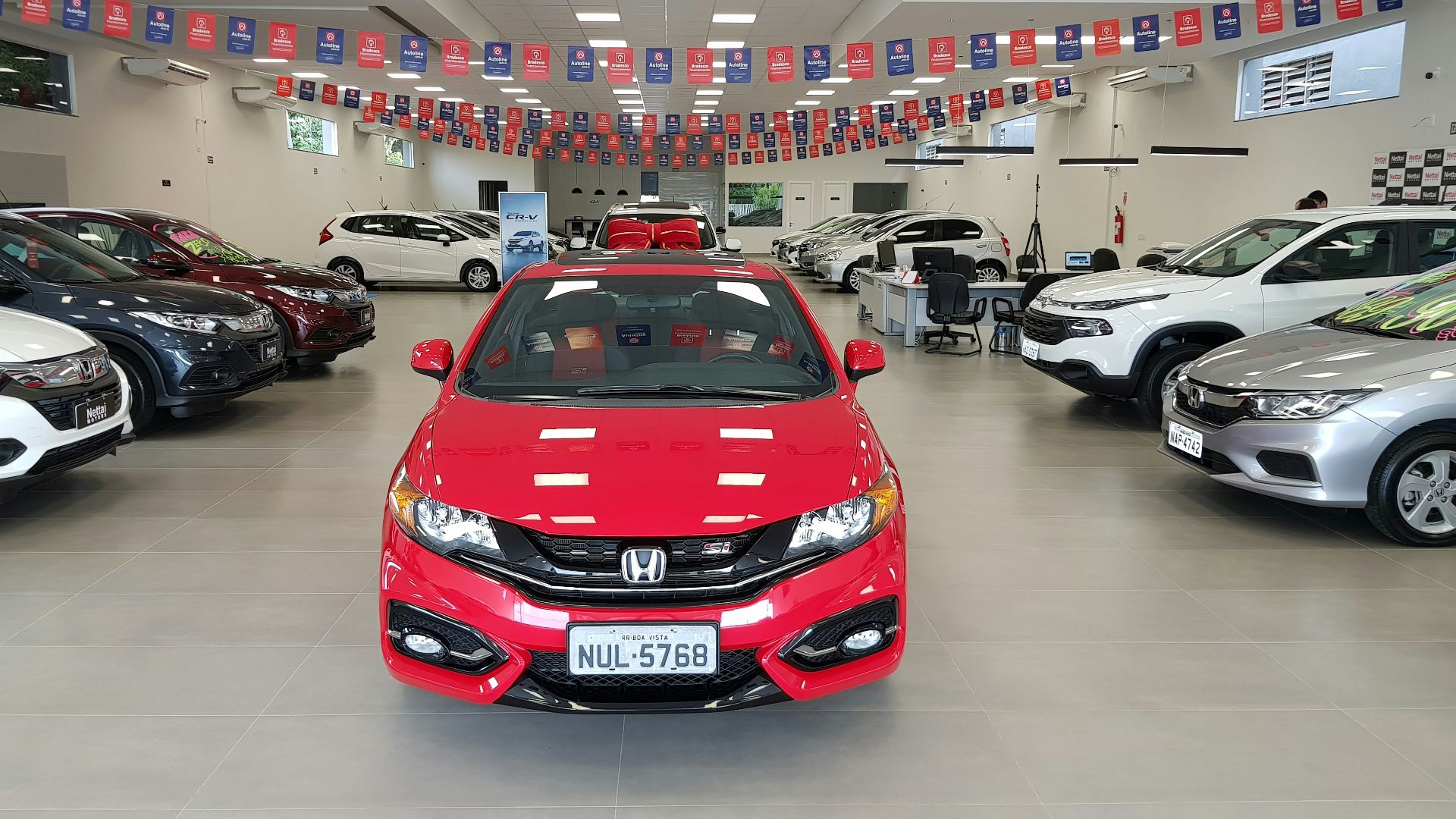
6. Paint Protection Package
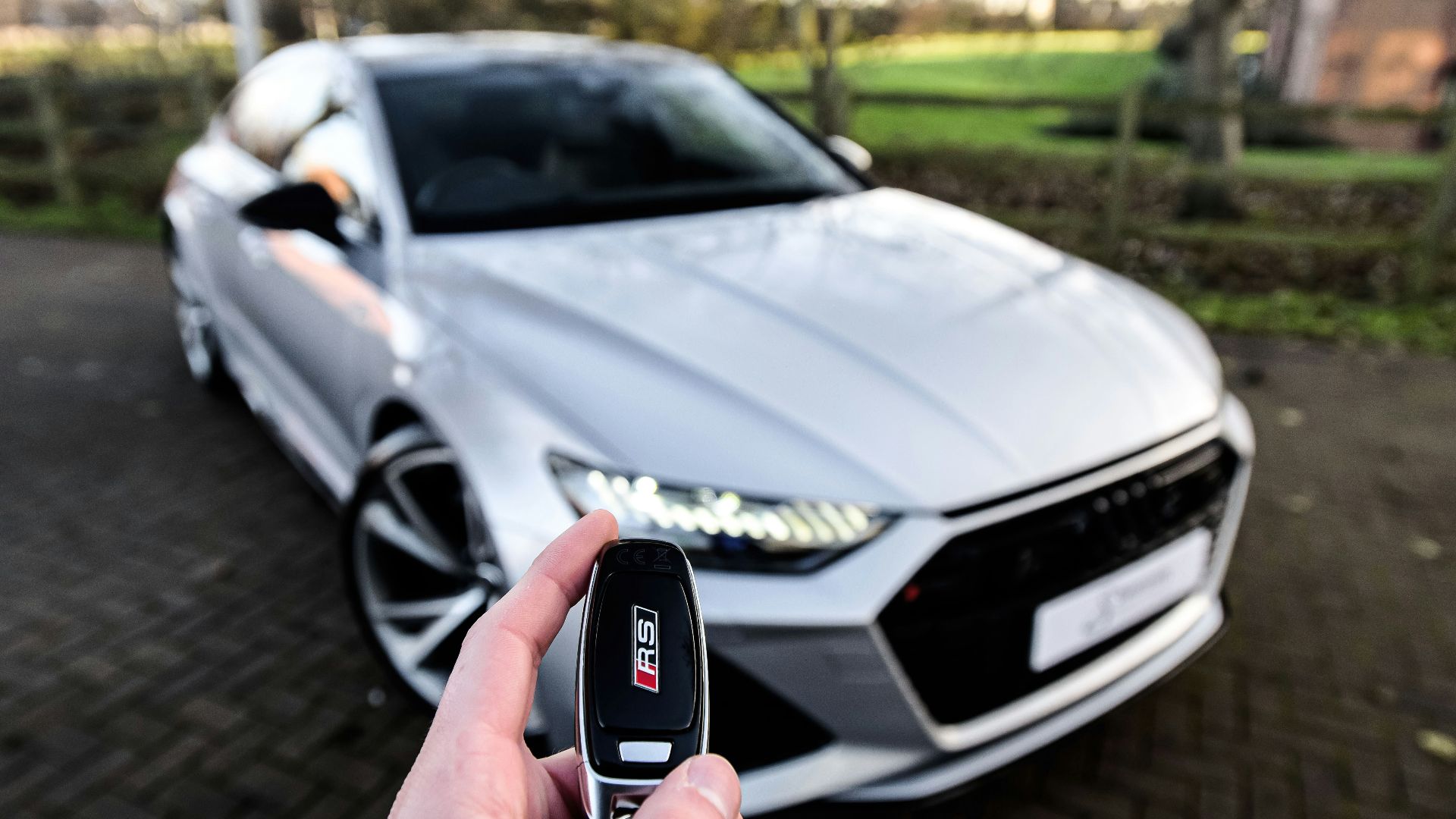
This add-on may include sealants, coatings, or protective treatments that sound premium and cost a lot. The issue is that the value often doesn’t match the price, and you may be able to get similar protection elsewhere for less. It’s probably best to look for this somewhere else, saving you a bit of money in the process.
 Swansway Motor Group on Unsplash
7. Nitrogen Tire Fill
Some dealers charge extra for filling tires with nitrogen instead of regular air. Nitrogen is sturdier than air, but it’s rarely worth the markup for everyday driving. If it’s already in the car, ask for the fee to be removed or discounted.

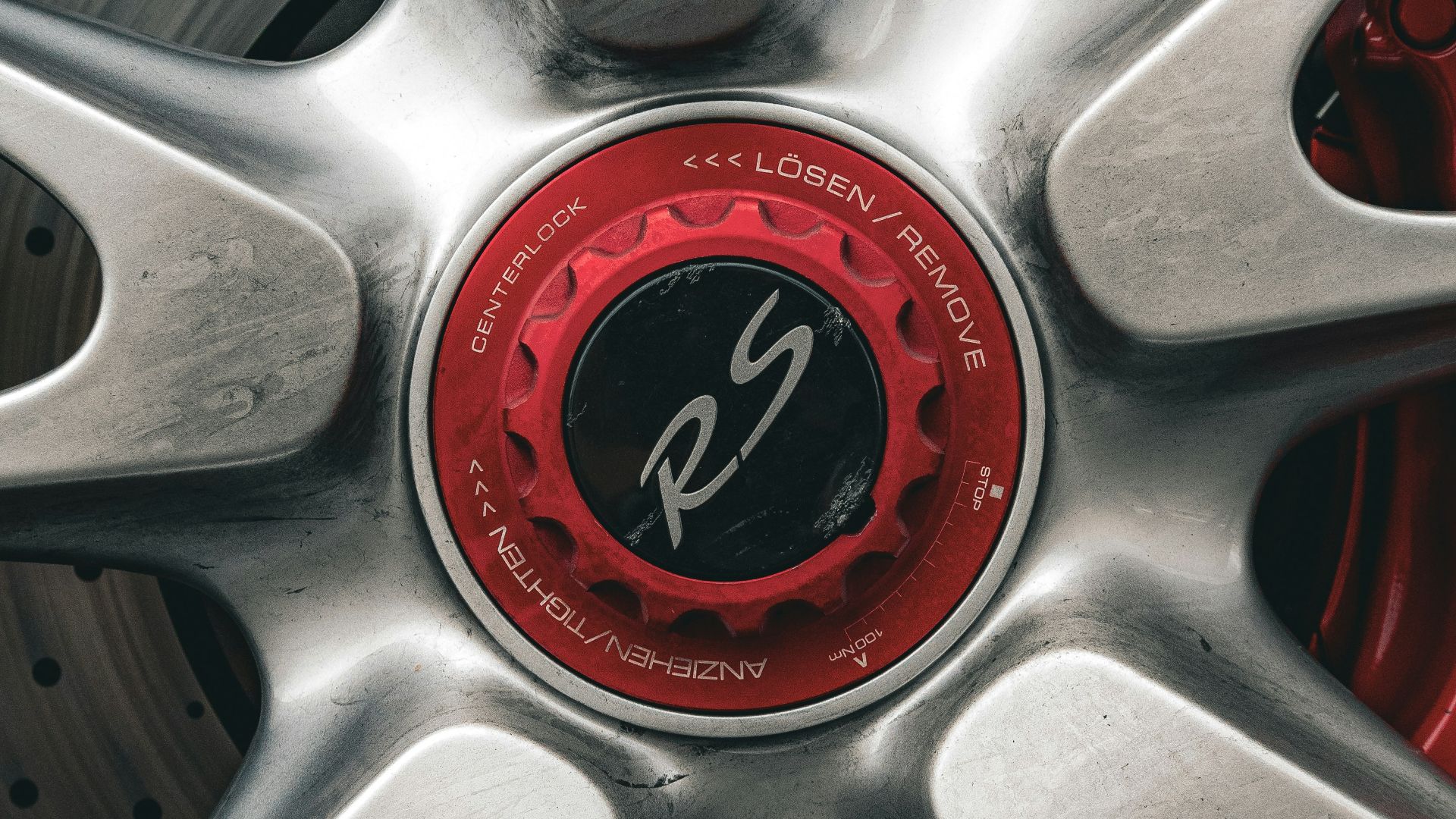
8. Wheel Locks Charge
Wheel locks can be helpful, but they’re often sold as a pricey line item. You might pay far more than you would if you bought them yourself online. If you’re not terribly concerned about your tires, skip this charge before you sign the deal.
9. Window Etching Fee
Window etching usually refers to engraving an ID number into the glass as a theft deterrent. Dealers sometimes price it like it’s a high-tech security system. If it’s optional, you can decline, and if it’s “already done,” you can still negotiate the cost.

10. VIN Protection Plan
VIN protection packages often bundle etching with a small insurance-like promise. The pitch can sound reassuring, but the fine print may be less impressive than the price suggests. Also, if you choose to sell the vehicle before the protection plan ends, the plan stays with the car, not with you.

11. Dealer-Installed Accessories
Things like floor mats, cargo trays, door guards, or splash guards can be pre-installed and marked up. Individually, they seem harmless, but together they can quietly add a lot to the total. If you didn’t ask for them, treat them like negotiable extras.

12. Security System Add-On
A third-party alarm or tracking system may show up as a dealer add-on. Sometimes it’s useful, but sometimes it’s overpriced and not something you’d choose on your own. Ask what it is, who monitors it, and whether you can buy the car without it before committing to anything.

13. Delivery Inspection Fee
You might see a fee tied to inspecting the vehicle upon delivery. In your head, you’re thinking, “Shouldn’t you be doing that anyway?” Dealership inspection fees are usually combined with the freight charge, but if it’s not clearly required and explained, consider it another item to challenge.
14. Title Fee
This is a common state fee to issue the title in your name. It’s legitimate, but it can still surprise buyers who only focused on the sticker price. The good news is it’s usually standardized, so it’s easy to verify.

15. Registration Fee
Registration fees vary by state and sometimes by vehicle value, weight, or type. Dealers often estimate it, which can lead to adjustments later if the estimate was off. This is one of the rare normal fees, but you should still ask for a clear breakdown.

16. Sales Tax Surprises
Sales tax is expected, but the surprise comes from how it’s calculated and what it applies to. In some places, certain fees and add-ons are taxable too, which makes the total jump. If the math looks weird, ask the finance office to walk you through it line by line.
17. Dealer Financing Markup
If you finance through the dealer, the interest rate you’re offered may include a markup above what the lender approved. That extra fraction of a percent can cost you a lot over the life of the loan. Getting pre-approved elsewhere gives you leverage and a reality check.
18. Extended Warranty
Extended warranties can be useful, but they’re also a major profit center. The price is often negotiable, and coverage varies wildly depending on what’s excluded. If you’re considering one, ask for the full contract and compare it to the factory warranty first.
19. GAP Insurance
GAP insurance can help if your car is totaled and you owe more than it’s worth. The fee isn’t always “hidden,” but it’s frequently pushed hard at the finance desk when you’re tired and ready to sign. You can often buy GAP through your insurer for less than the dealership price.
20. Maintenance Plans
Prepaid maintenance plans sound convenient, especially when they’re framed as “locking in savings.” The catch is that you may pay upfront for services you won’t use or could get cheaper elsewhere. If it’s bundled into the loan, it can also increase what you have to finance.