Driving More Without Paying More
High-mileage drivers spend a lot of time on the road, which means their vehicles experience more wear than the average car. However, experienced drivers often learn strategies that reduce repair costs and extend the life of their vehicles. Preventive maintenance, smart driving habits, and attention to small issues can make a major difference over time. These 20 practical approaches help high-mileage drivers keep their cars reliable while avoiding expensive repairs.

1. Following a Strict Maintenance Schedule
High-mileage drivers often stick closely to manufacturer maintenance schedules. Regular oil changes, fluid checks, and inspections prevent small problems from becoming major mechanical failures. Preventive service is usually far cheaper than major repairs. Staying consistent with maintenance is one of the most effective ways to reduce long-term repair costs.

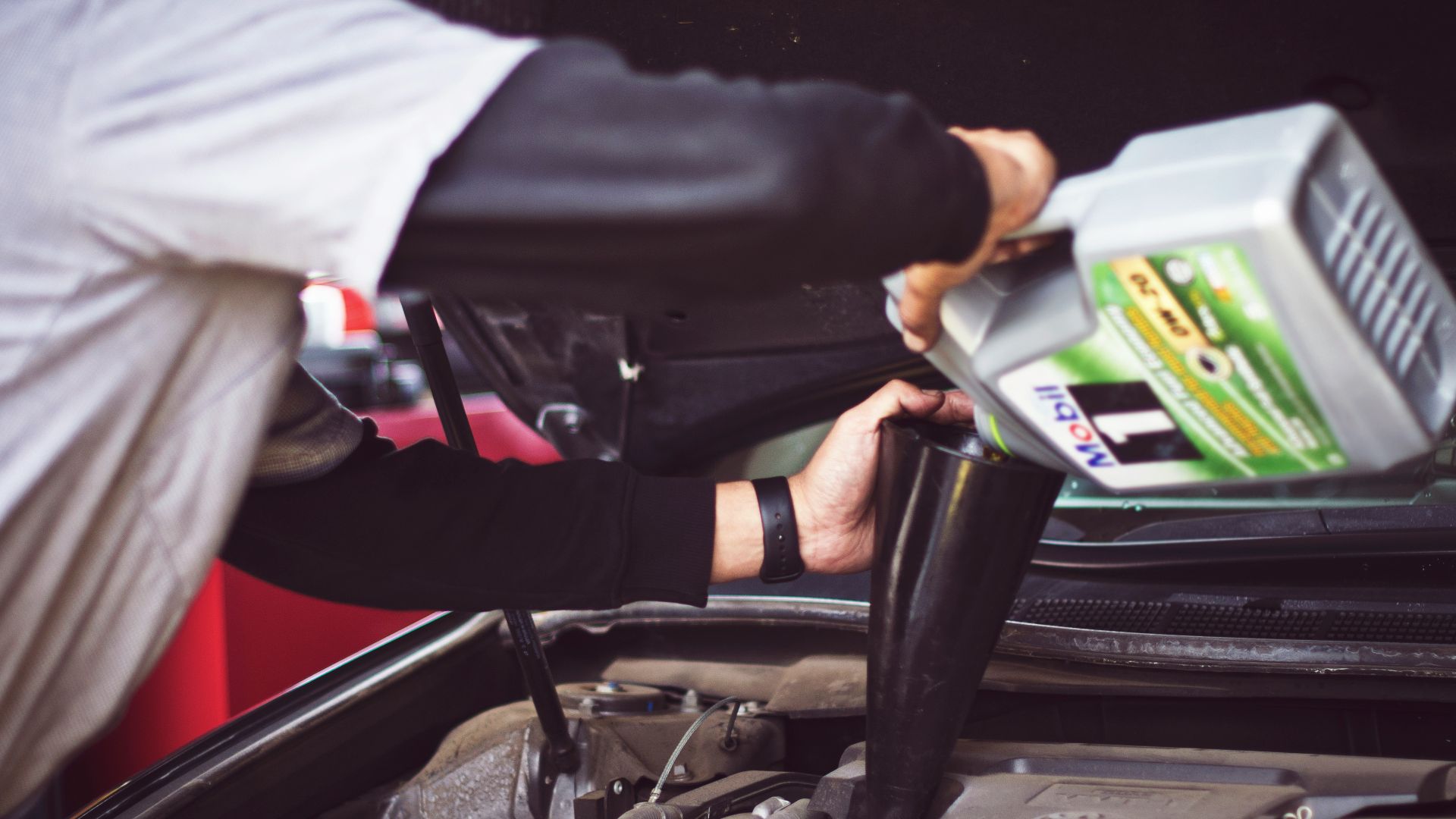
2. Changing Oil on Time
Engine oil lubricates moving parts and prevents excessive wear. High-mileage drivers know that delaying oil changes can lead to serious engine damage. By replacing oil and filters regularly, the engine stays cleaner and runs more efficiently. This simple habit can extend the life of an engine significantly.
3. Monitoring Tire Pressure Regularly
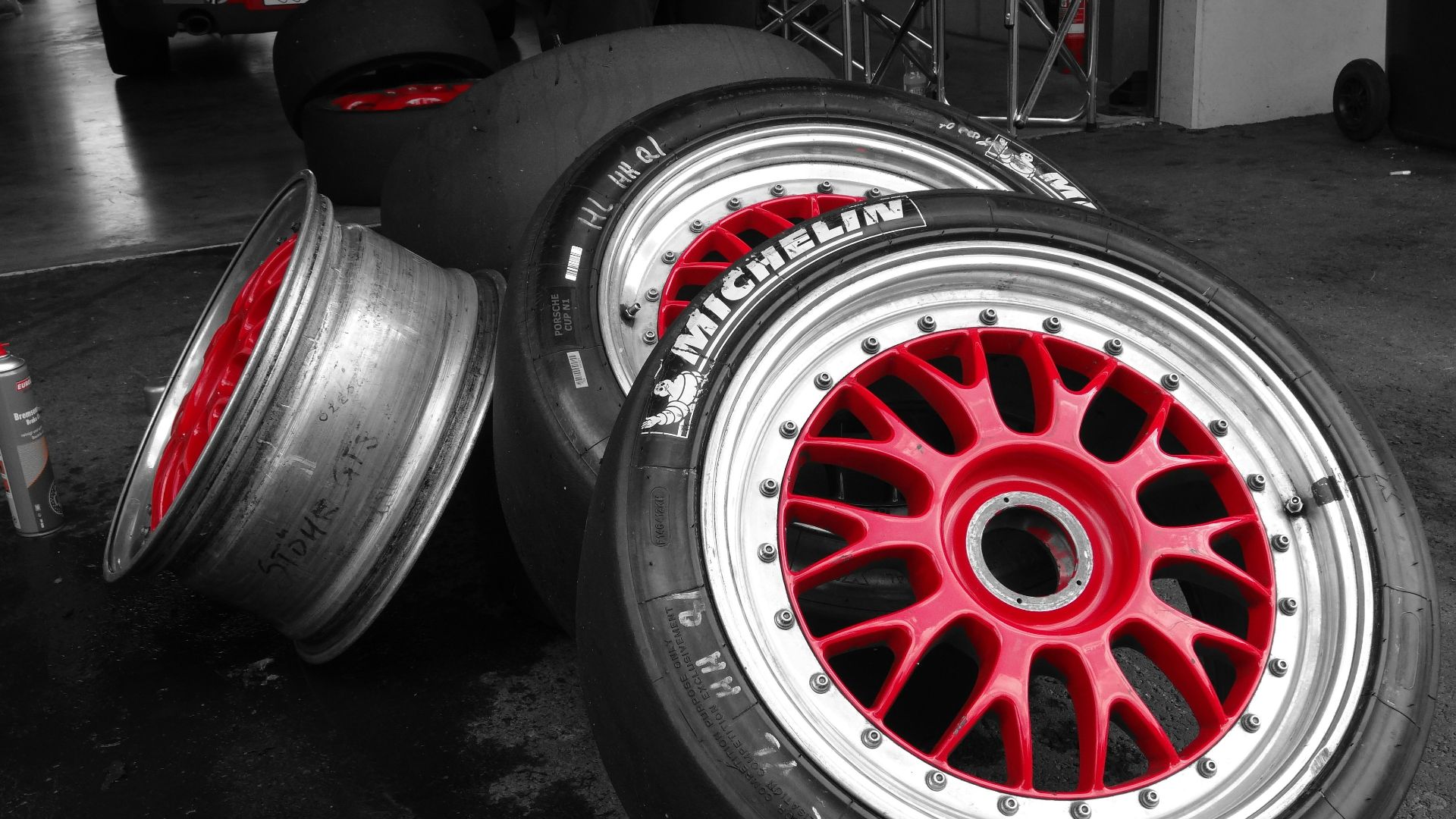
Proper tire pressure reduces uneven wear and improves fuel efficiency. Underinflated tires create more friction and strain on suspension components, so high-mileage drivers often check tire pressure frequently to keep their vehicles running smoothly. Maintaining correct pressure also extends the lifespan of tires.
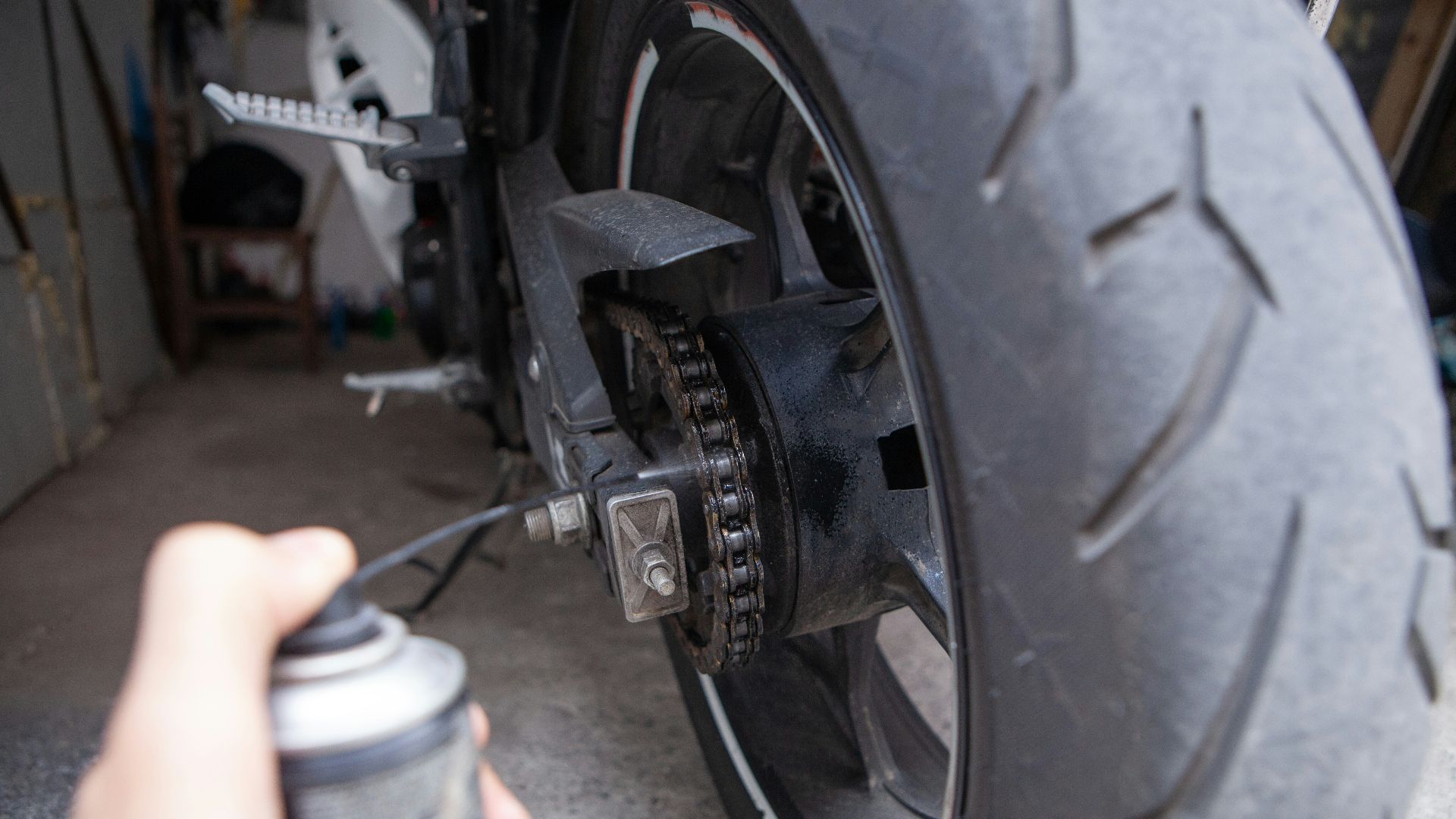
4. Rotating Tires Consistently
Tire rotation ensures that wear is distributed evenly across all four tires. Drivers who spend many hours on highways often rely on this simple step to avoid premature tire replacement. Uneven tire wear can also affect handling and safety. Regular rotation helps maximize the value of each set of tires.
5. Addressing Small Problems Early
Experienced drivers understand that ignoring minor issues can lead to expensive repairs later. Strange noises, warning lights, or small leaks often signal problems that should be inspected quickly. Fixing these issues early is usually much cheaper than repairing major damage. Early attention prevents small faults from escalating.
6. Driving Smoothly and Avoiding Hard Acceleration
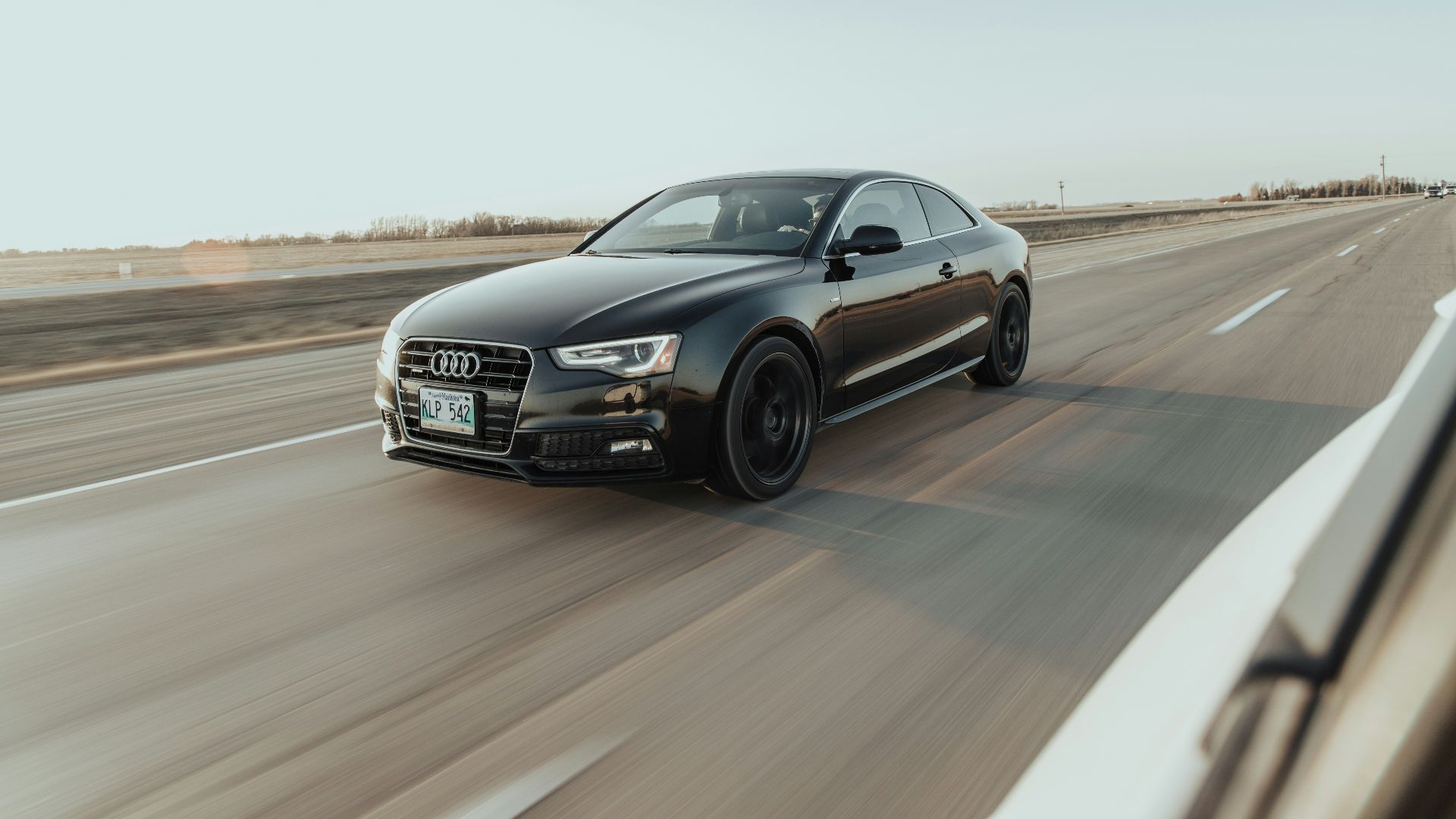
Aggressive driving increases stress on engines, transmissions, and brakes. High-mileage drivers often develop smoother driving habits that reduce unnecessary wear. Gradual acceleration and controlled braking help mechanical components last longer. Over time, this driving style can significantly reduce repair costs.
7. Using Quality Replacement Parts
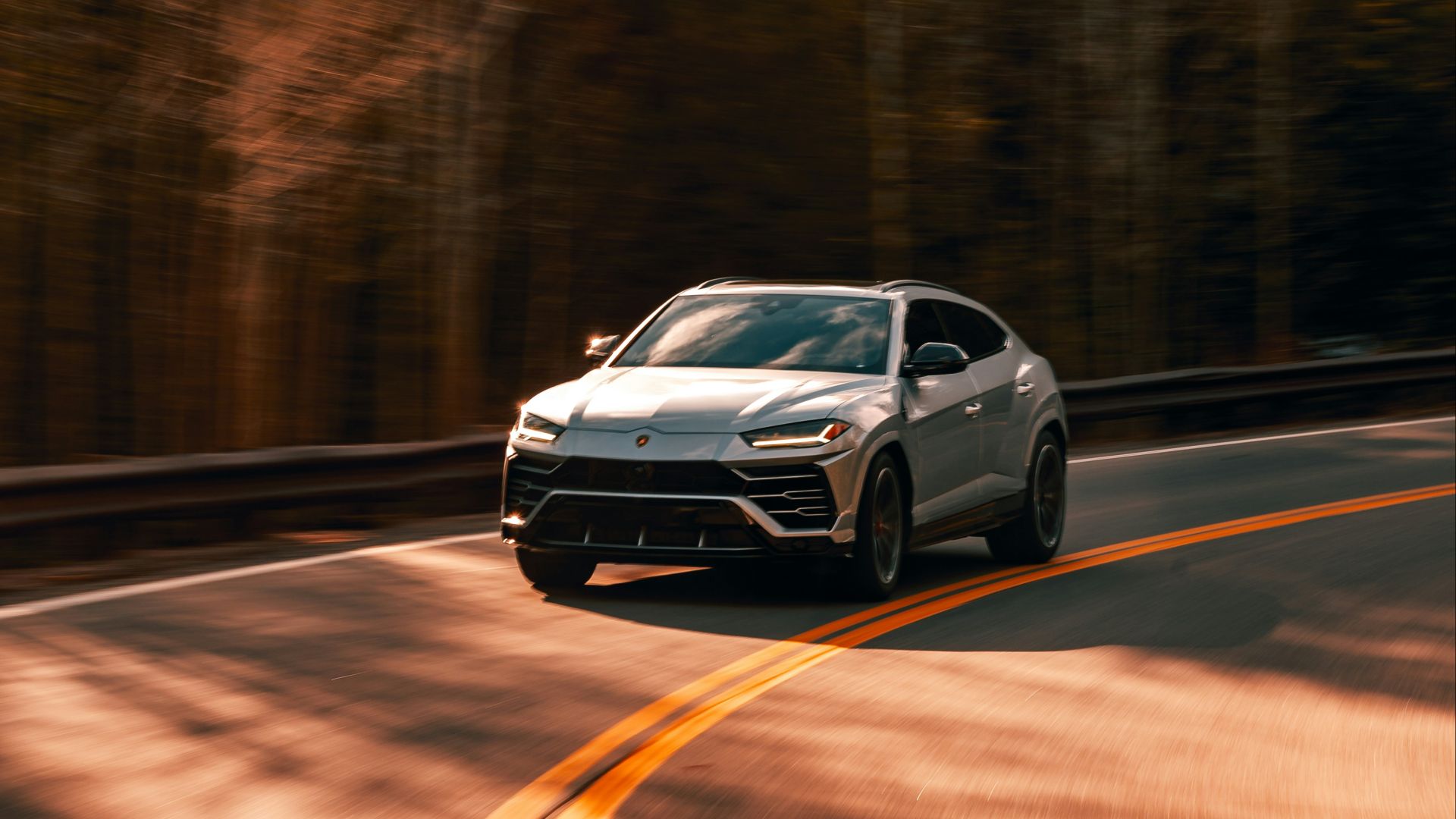
When repairs are necessary, many experienced drivers choose reliable replacement parts rather than the cheapest options available. Higher-quality parts tend to last longer and perform more consistently. This reduces the likelihood of repeated repairs for the same issue. Investing slightly more upfront often saves money in the long run.
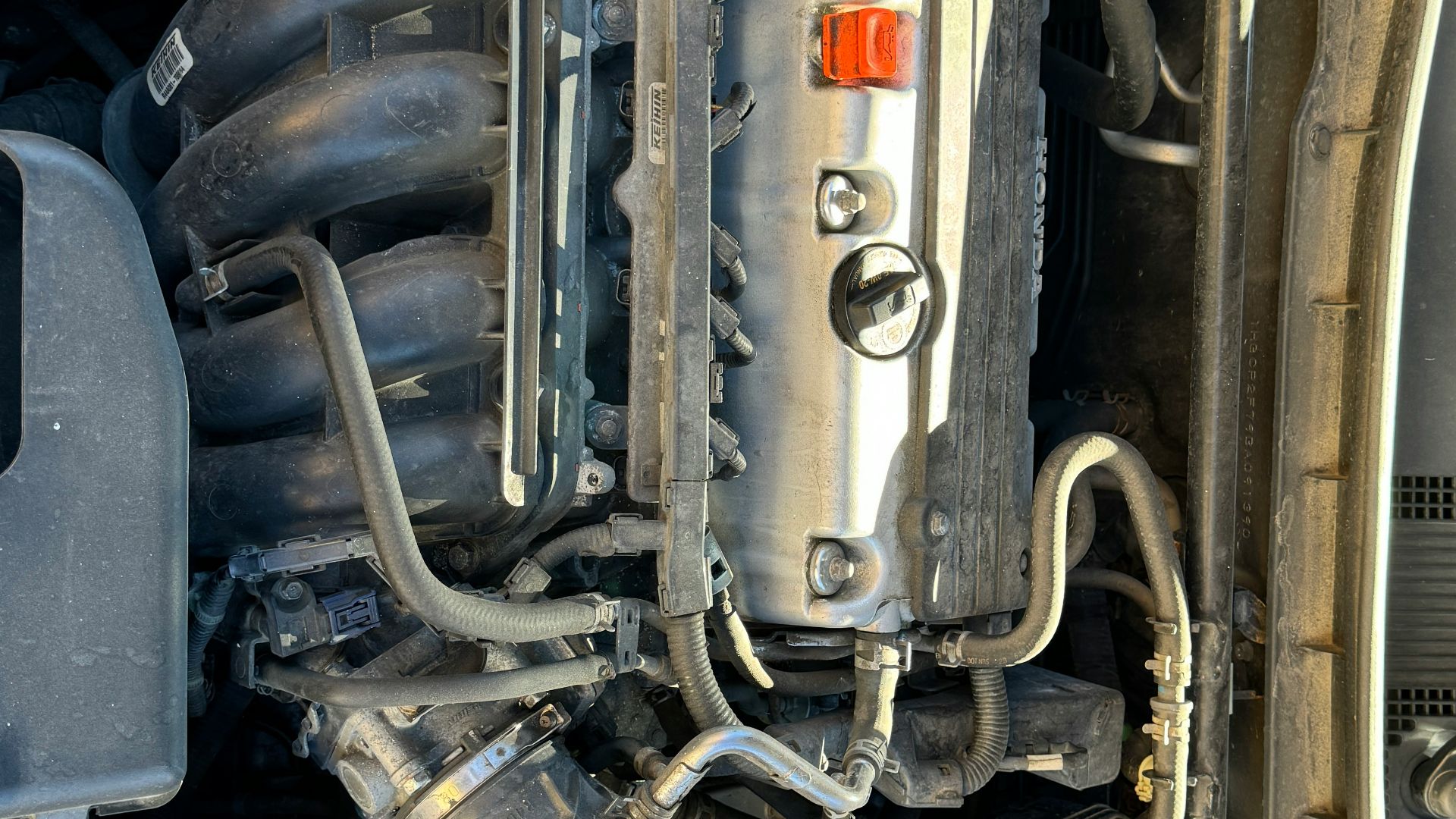
8. Keeping the Cooling System Maintained
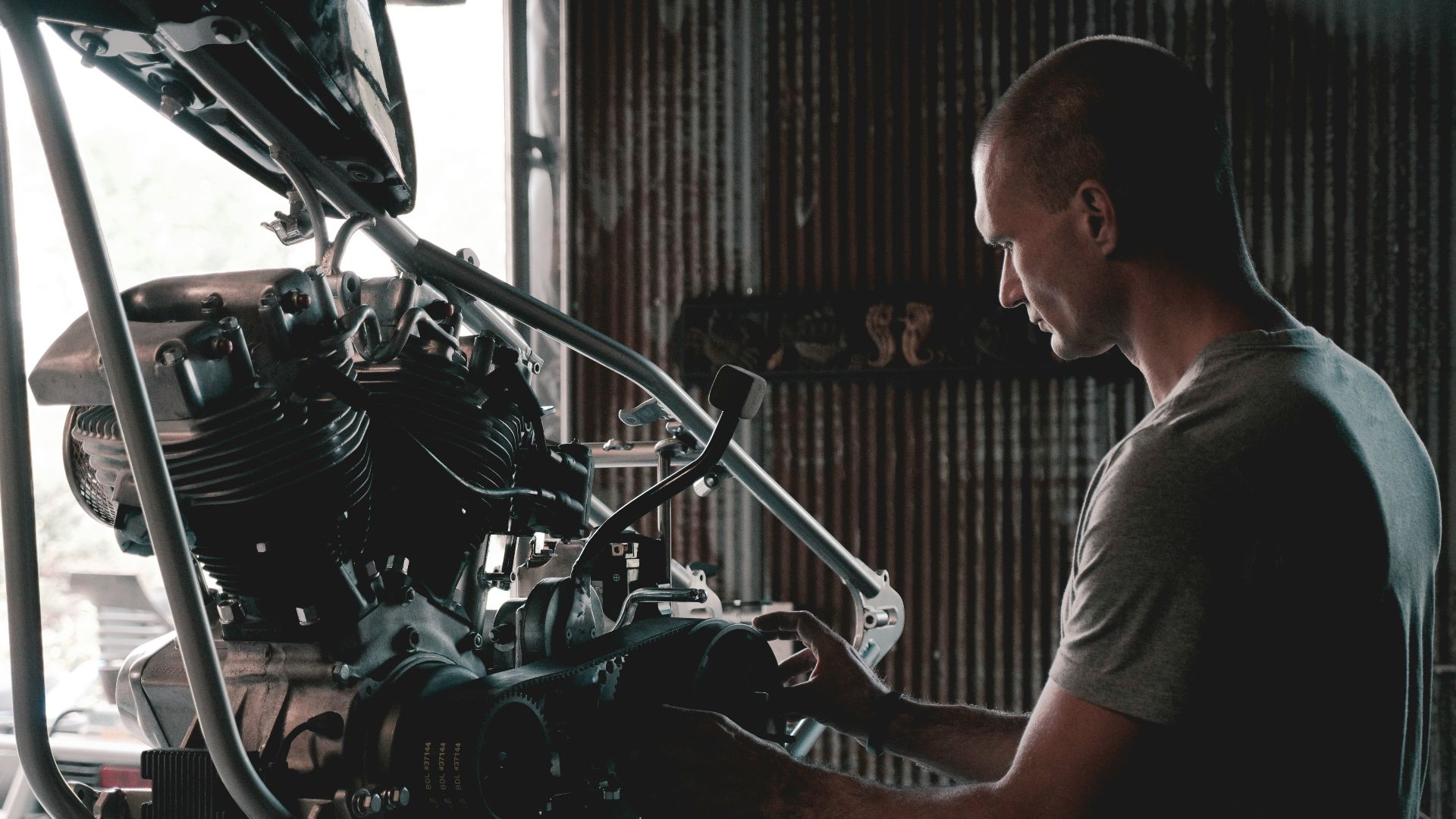
The cooling system prevents the engine from overheating, which can cause severe damage. High-mileage drivers regularly check coolant levels and replace coolant according to recommended intervals. A well-maintained cooling system protects critical engine components. Preventing overheating can avoid extremely costly repairs.

9. Maintaining Brake Systems
Brake pads and rotors wear down over time, especially for drivers covering long distances. Replacing brake pads before they wear completely protects the rotors from damage. This small maintenance step keeps repair costs manageable. Ignoring worn brake pads can lead to much more expensive repairs.
10. Replacing Air Filters Regularly
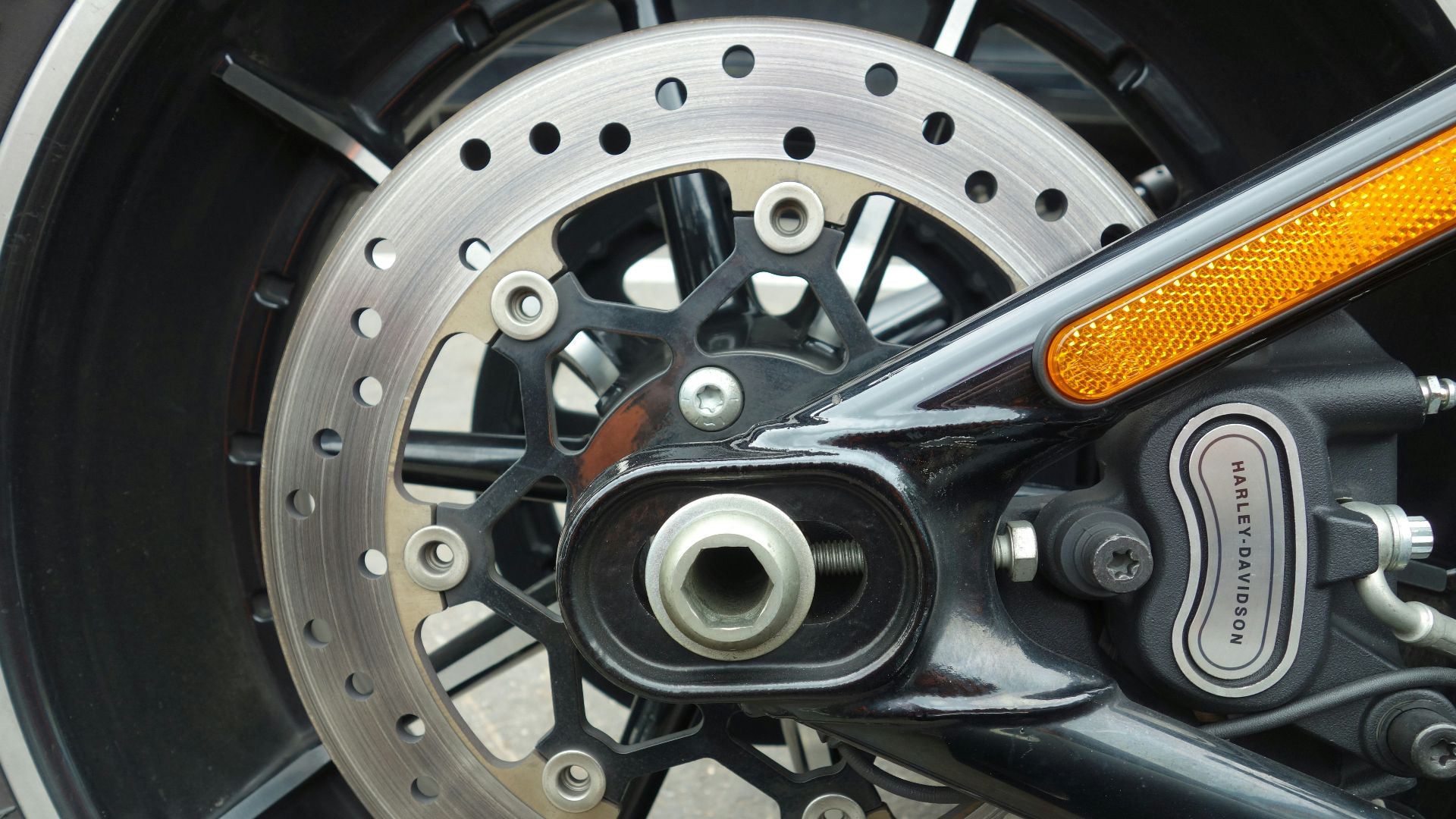
A clean engine air filter allows proper airflow to the engine. When filters become clogged, engines must work harder, and fuel efficiency may drop. High-mileage drivers often replace filters at recommended intervals to keep engines running efficiently. This simple replacement helps prevent performance issues.
11. Keeping the Battery in Good Condition
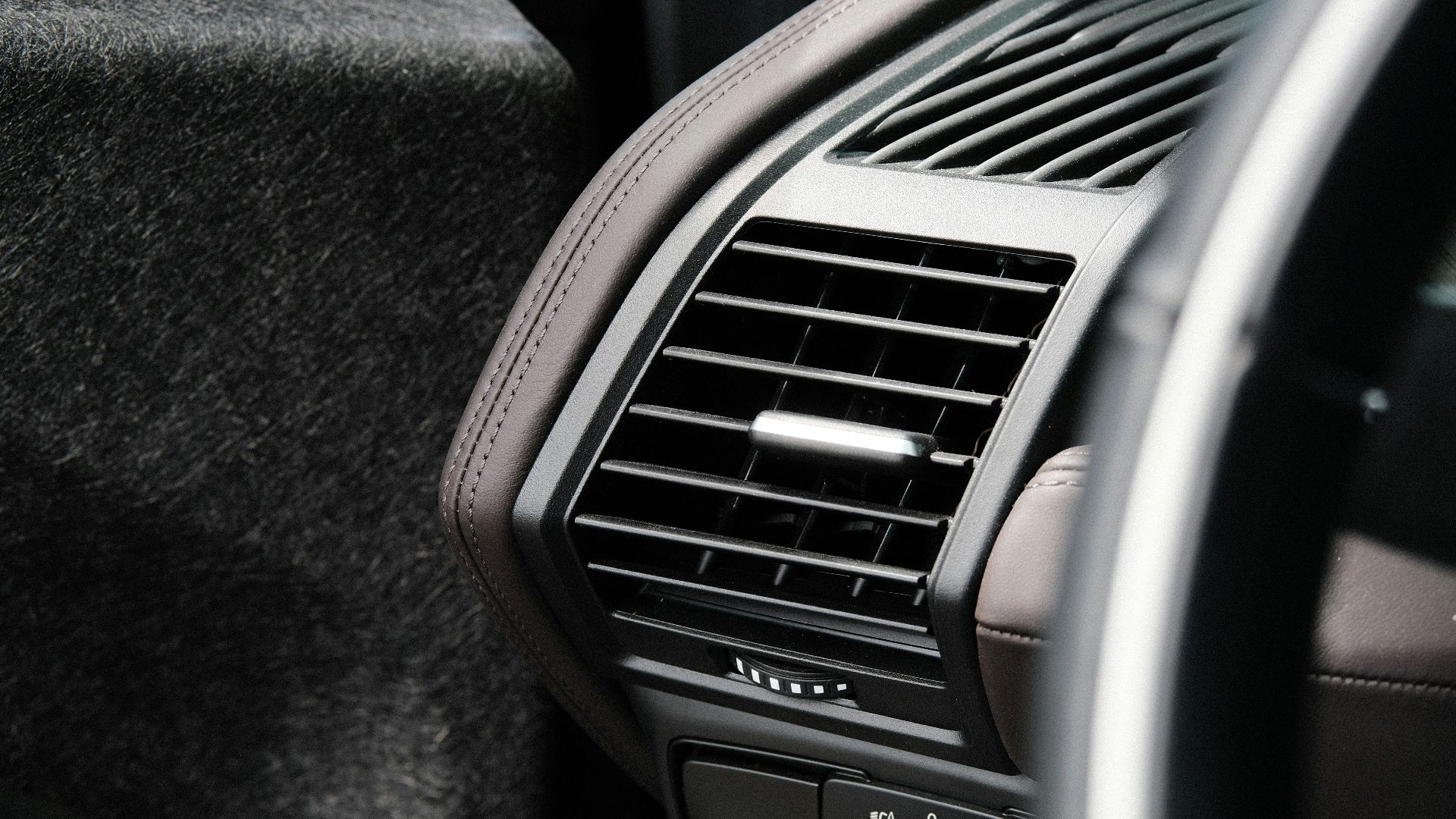
Vehicle batteries wear out over time, especially in extreme temperatures. High-mileage drivers often monitor battery performance and replace it before failure occurs. A reliable battery prevents unexpected breakdowns. Preventive replacement can save money compared with emergency roadside repairs.
12. Performing Basic DIY Maintenance
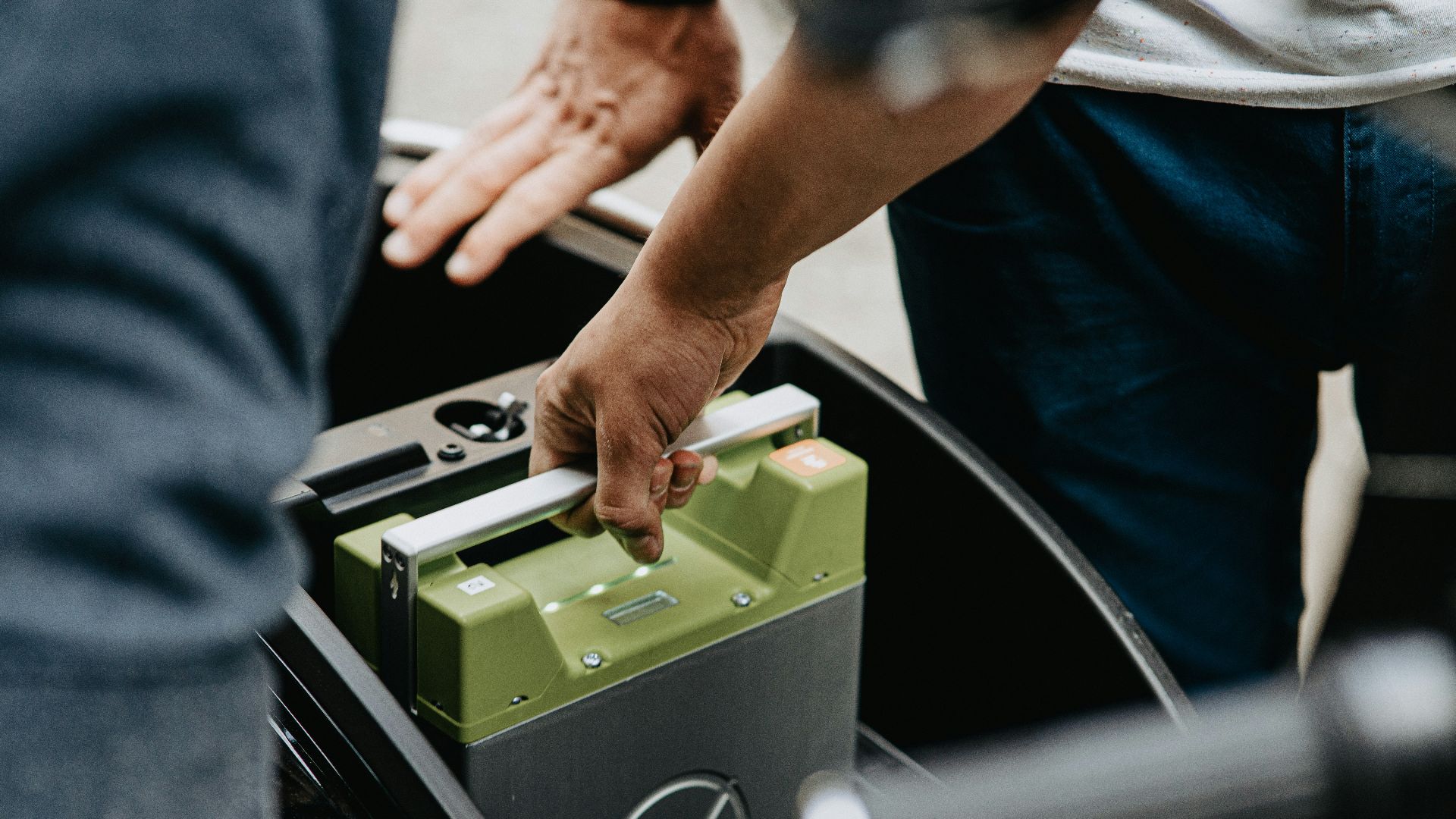
Some high-mileage drivers learn to perform simple maintenance tasks themselves. Changing air filters, windshield wipers, or cabin filters requires minimal tools and time. Doing these tasks at home reduces labor costs from repair shops. Over time, these savings add up.
13. Keeping the Car Clean
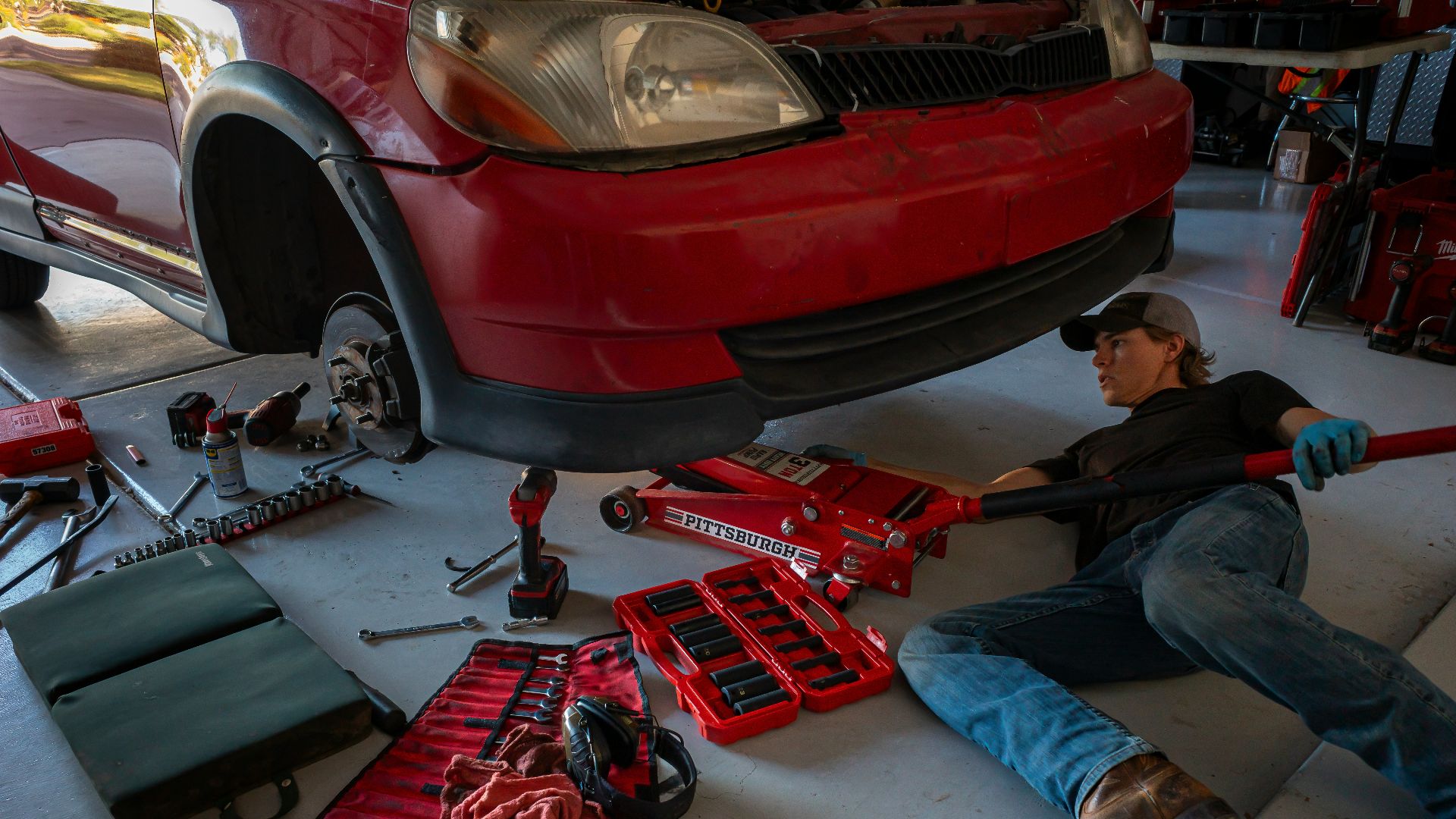
Regularly washing and cleaning a vehicle protects its exterior and undercarriage. Dirt, salt, and debris can contribute to corrosion over time. High-mileage drivers often wash their vehicles frequently to prevent rust. Maintaining the vehicle’s condition can help avoid structural damage and costly repairs.

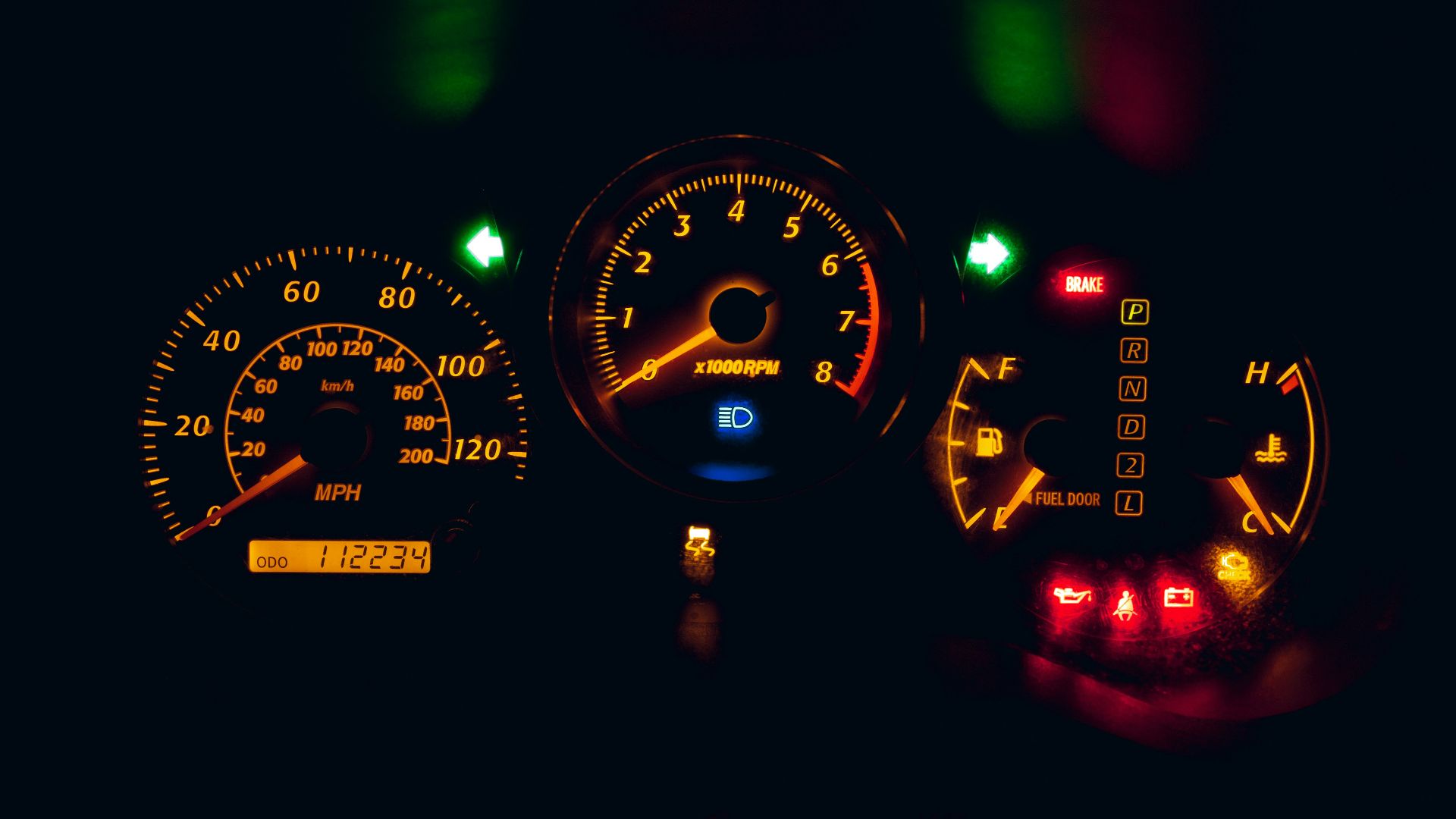
14. Watching Dashboard Warning Lights
Modern vehicles provide early alerts when something needs attention. Ignoring warning lights can lead to larger mechanical issues. High-mileage drivers typically respond quickly to diagnostic alerts. Addressing problems early helps keep repair costs manageable.
15. Maintaining Transmission Fluid
Transmission fluid lubricates gears and prevents overheating inside the transmission system. Drivers who accumulate many miles often replace this fluid at recommended intervals.
16. Avoiding Overloading the Vehicle
Carrying excessive weight increases strain on suspension, brakes, and tires. High-mileage drivers often pay attention to the vehicle’s recommended load limits.
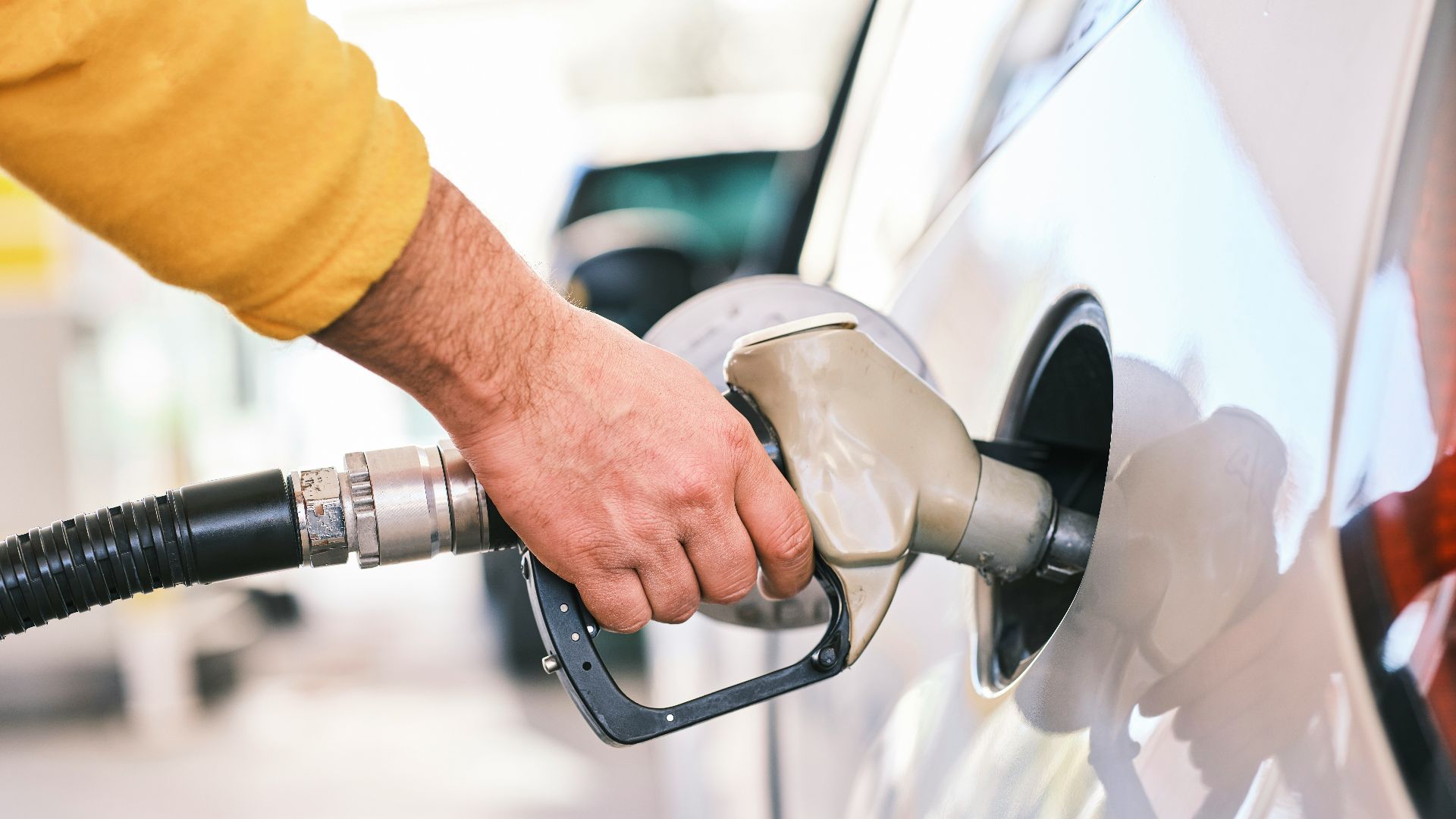
17. Choosing Fuel from Reputable Stations
Fuel quality can affect engine performance and longevity. Experienced drivers often buy fuel from well-known stations that maintain high standards.
18. Keeping Records of All Maintenance
Detailed service records help drivers track when maintenance tasks are due. These records also make it easier for mechanics to diagnose issues.

19. Listening to the Vehicle While Driving
Unusual sounds can indicate developing mechanical problems. High-mileage drivers often become familiar with the normal sounds of their vehicles.

20. Replacing Worn Suspension Components
Suspension parts such as shocks and struts wear out gradually with high mileage. Replacing them at the right time improves ride quality and protects other components.