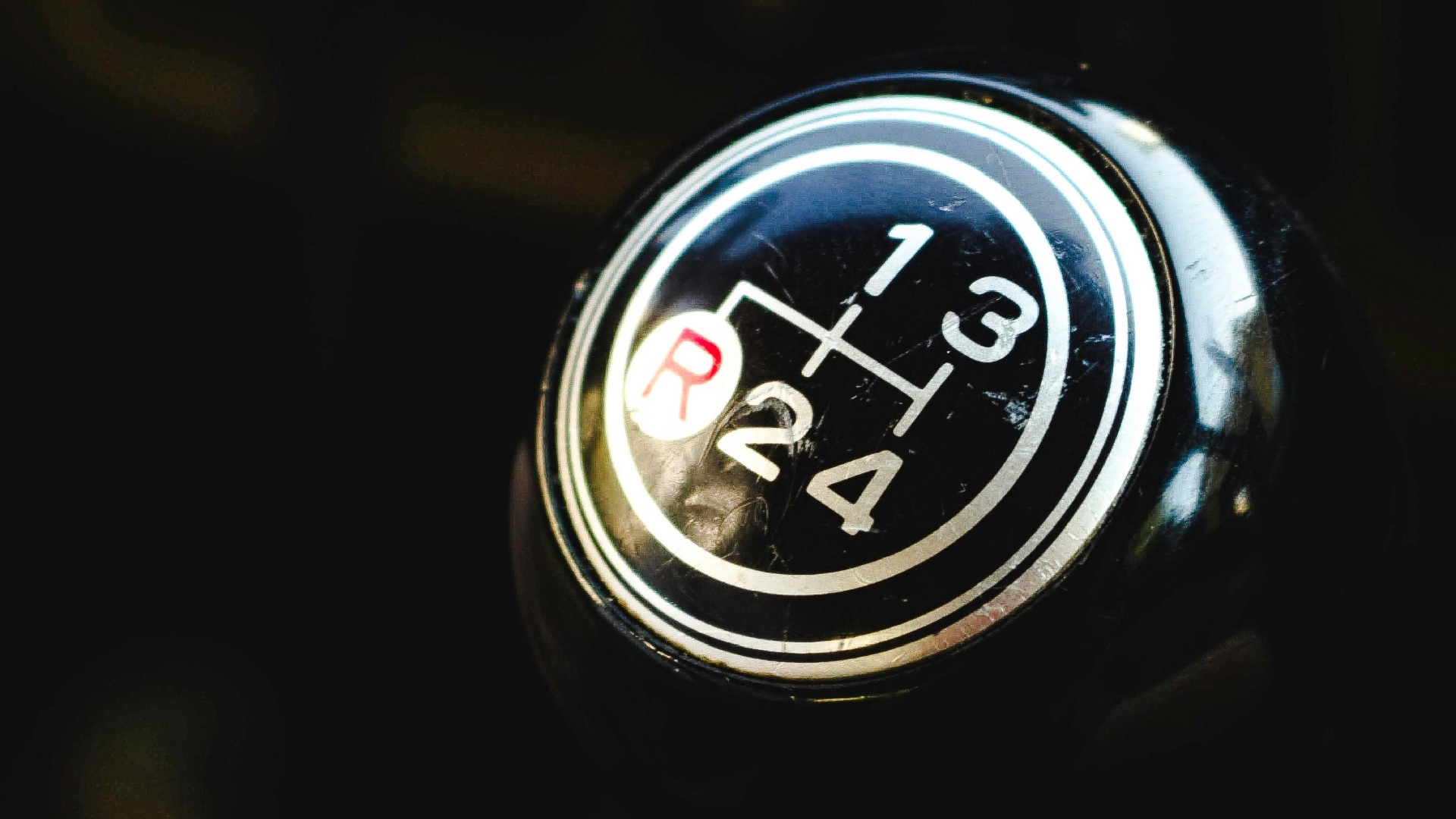
There's a long-running debate among drivers about whether those who learned on a manual transmission are genuinely more skilled behind the wheel. It's a question that tends to stir up strong opinions; stick-shift loyalists will insist that driving a manual makes you more attuned to the road, while automatic drivers point out that their transmission handles the hard part just fine. The truth, as it usually is, sits somewhere in between.
That said, there's real evidence to support the idea that driving a stick shift builds habits and instincts that translate into safer, more informed driving. That's not to say that automatic drivers are inherently careless, but that manual transmission demands a level of active participation that tends to sharpen your skills over time. Curious to see the debate settled once and for all? Here's a closer look at what the data and driving experts actually say.
Manual Drivers Are More Engaged Behind the Wheel
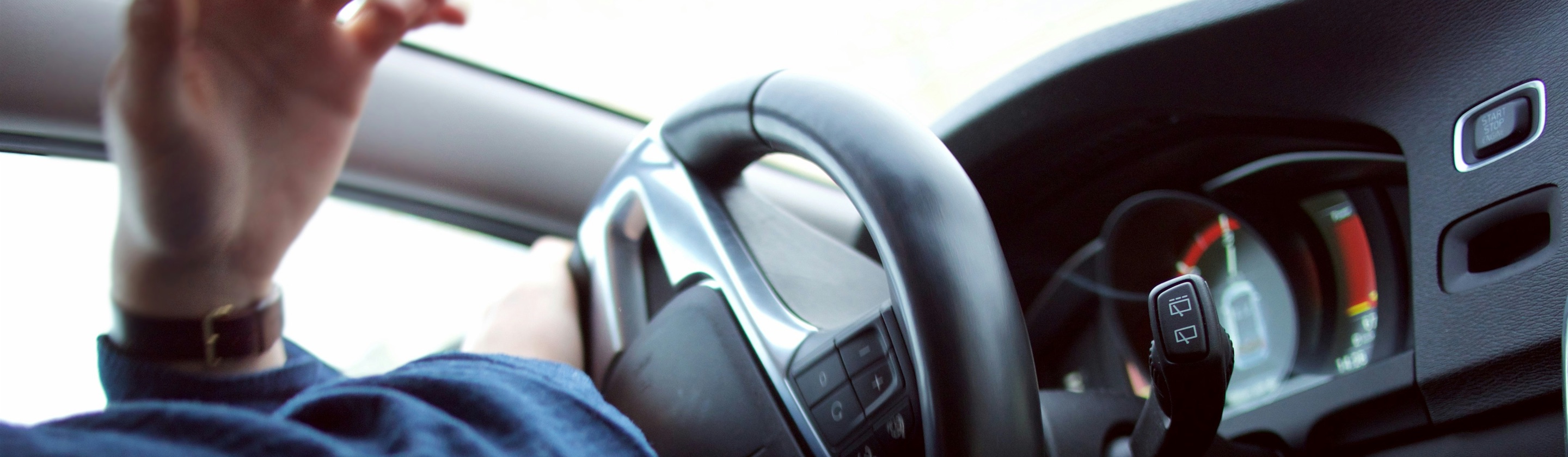
One of the most consistent arguments in favor of manual driving is that it keeps you present. Operating a clutch and gear stick requires constant input from the driver, which means your brain is actively engaged with what the car is doing at all times. Driving stick causes you to be more aware of the road, too, by requiring constant interaction with the vehicle, making you a more engaged driver because it demands more attention and deliberate input.
That sustained engagement matters more than it might seem, especially when you consider how often automatic drivers check out mentally. Distraction remains a significant road safety issue, with more than 3,200 fatalities in the U.S. in 2023 alone. But when your "free" hand and foot are occupied with managing the clutch and gear shift, there's simply less opportunity to reach for your phone, fiddle with your coffee, or drift into autopilot.
Don't just take our word for it—research supports this argument, too. One study involving adolescents with attention-deficit hyperactivity disorder found that drivers operating manual transmission vehicles were far more likely to stay focused and make fewer driving errors, since operating the stick shift required continuous focus. While this doesn't mean all automatic drivers are destined to be distracted, it does highlight that the mechanical demands of a manual create a built-in incentive to stay switched on.
Stick Shift Drivers Develop a Better Feel for the Car
Learning to drive a manual doesn't just teach you how to change gears; it builds a much deeper understanding of how a vehicle actually works. You learn to read engine RPMs, sense when the clutch engages, and anticipate how the car will respond at different speeds and on different terrain. Drivers who learn this way tend to develop superior throttle and brake modulation; they're less likely to ride brakes in traffic or misuse engine power, and this mechanical literacy can be incredibly valuable.
That intuitive grasp of a vehicle's behavior is also what enables manual drivers to use engine braking effectively. Engine braking, the technique of downshifting to slow the car using the engine's resistance rather than stepping on the brake pedal alone, is something stick drivers practice naturally. When done correctly, engine braking can make you a safer driver, since it gives you more control over your deceleration.
This comes in especially handy when descending a steep grade: a manual driver can simply select a lower gear and let engine braking do the work, maintaining consistent speed without constantly pressing on the brakes. In low-traction conditions like snow or gravel, holding a higher gear can also prevent wheel spin during takeoff. These are the types of tricks that an automatic driver just isn't privy to.
The Learning Curve Itself Is Part of the Point
There's something to be said for the fact that manual transmission is harder to master. As we've already mentioned, stick drivers have to learn to pay more attention to road conditions, vehicle speeds, and road grade, and that knowledge sharpens their awareness across all aspects of driving. The process of learning to coordinate the clutch, throttle, and gear shifts trains the brain to put more careful thought behind every input.
That cognitive investment pays dividends beyond just manual driving. Drivers who trained on a stick shift tend to bring a more deliberate mindset to any vehicle they operate; the habits formed when every gear change was a conscious decision don't simply disappear when they switch to an automatic. An engaged, interacting, and alert driver is a safe driver, and that's precisely what the process of mastering a manual transmission is designed to produce.
But, again, all of this doesn't mean that those who operate automatic transmission are inherently bad drivers, though the act of learning and regularly driving a stick shift does build habits of engagement, mechanical awareness, and vehicle control that genuinely do make most people more competent drivers. Whether those advantages outweigh the added complexity, however, still depends heavily on the driver, the conditions, and the road.