10 EV Promises That Fell Apart And 10 That Actually Delivered
Where The Hype Broke And The Tech Held Up
The EV era has always had two soundtracks playing at once. One is the sales pitch: glossy renderings, impossible timelines, and a lot of confident talk about “revolution” from people standing in front of a prototype with tinted windows. The other is the reality: plugging in at home, discovering your commute costs less than a fancy coffee, and realizing the quiet is the whole point. A lot of the loudest promises didn’t just miss the mark, they collapsed under the weight of physics, money, and basic logistics. Still, some bets paid off in ways that now feel normal, which is how real technology usually wins. Here are 10 EV promises that fell apart, and 10 that actually delivered.
1. Battery Swapping Would Become The Default
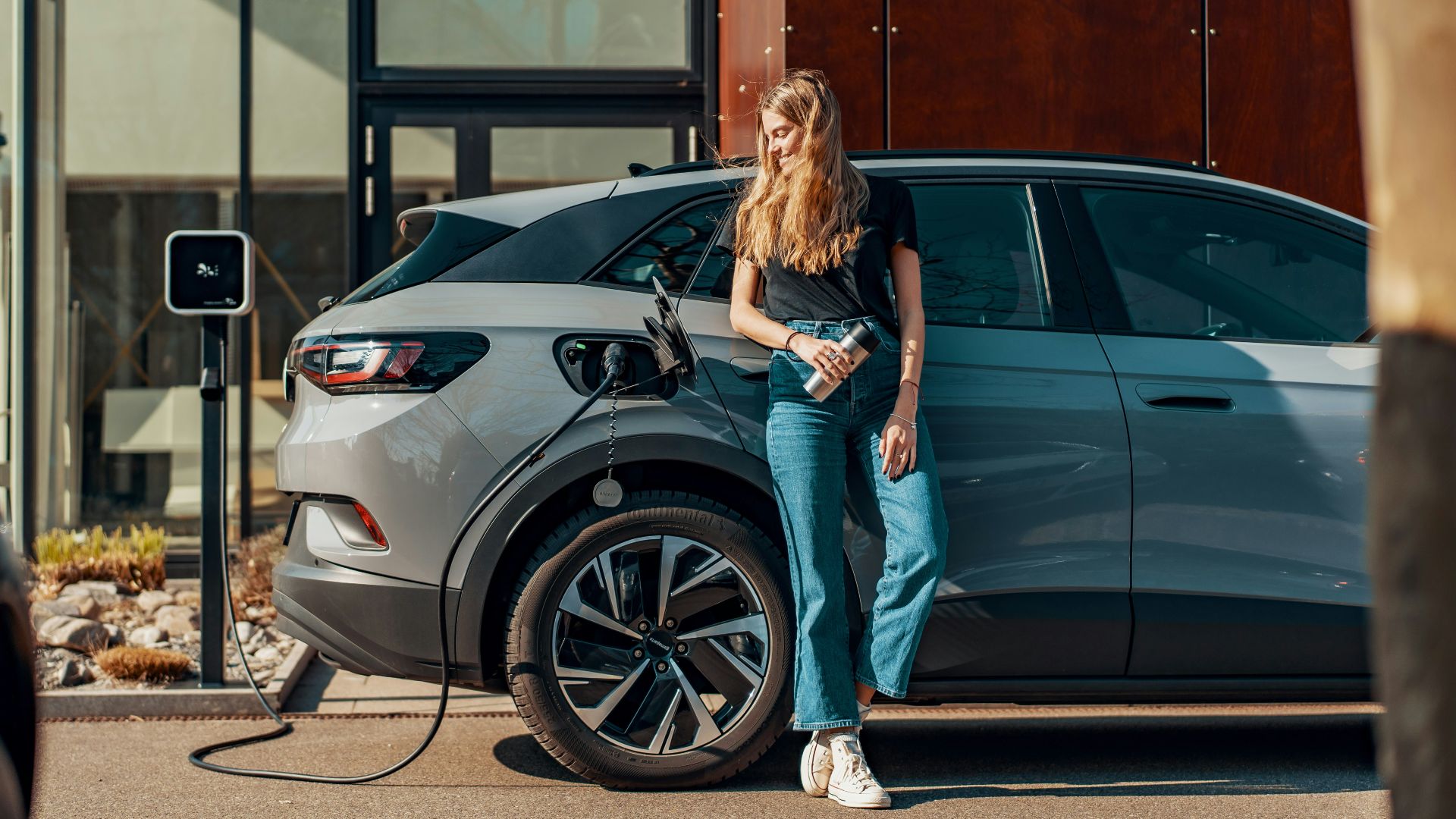
Battery swapping sounded like the perfect cheat code: pull in, swap, leave, and never think about charging again. Better Place built real swap stations and tried to coordinate the whole ecosystem, then went bankrupt in 2013 when costs, timing, and adoption refused to line up.
2. Robotaxis Would Be Everywhere By 2020
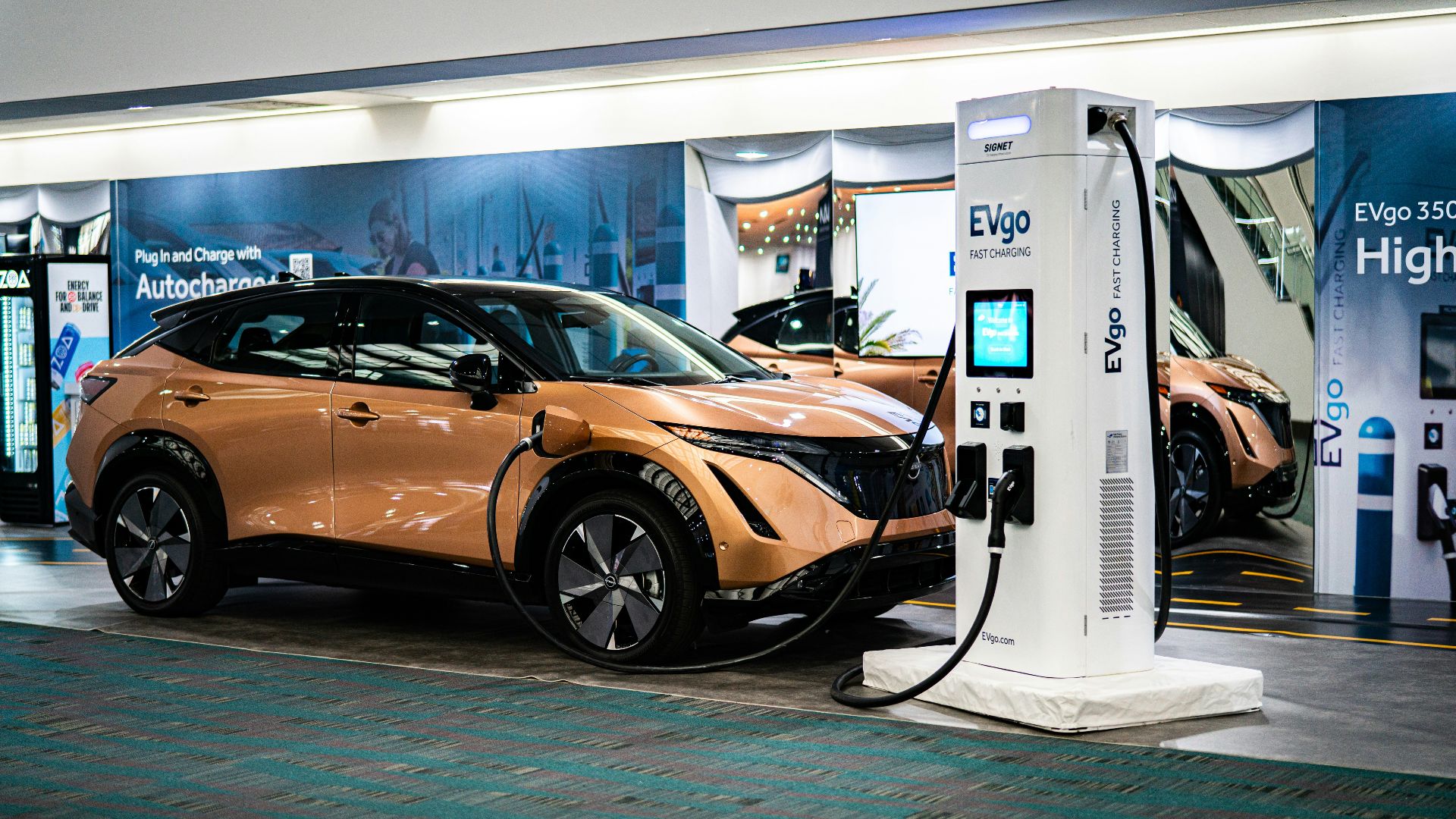
The timeline was delivered with the kind of confidence that makes you check your calendar twice. Tesla publicly talked about a robotaxi network around 2020, and the real world has stayed stuck in supervised driver-assist, limited pilots, and endless qualifiers that never make it into the hype clips.
3. Full Self-Driving Would Arrive As A Finished Product
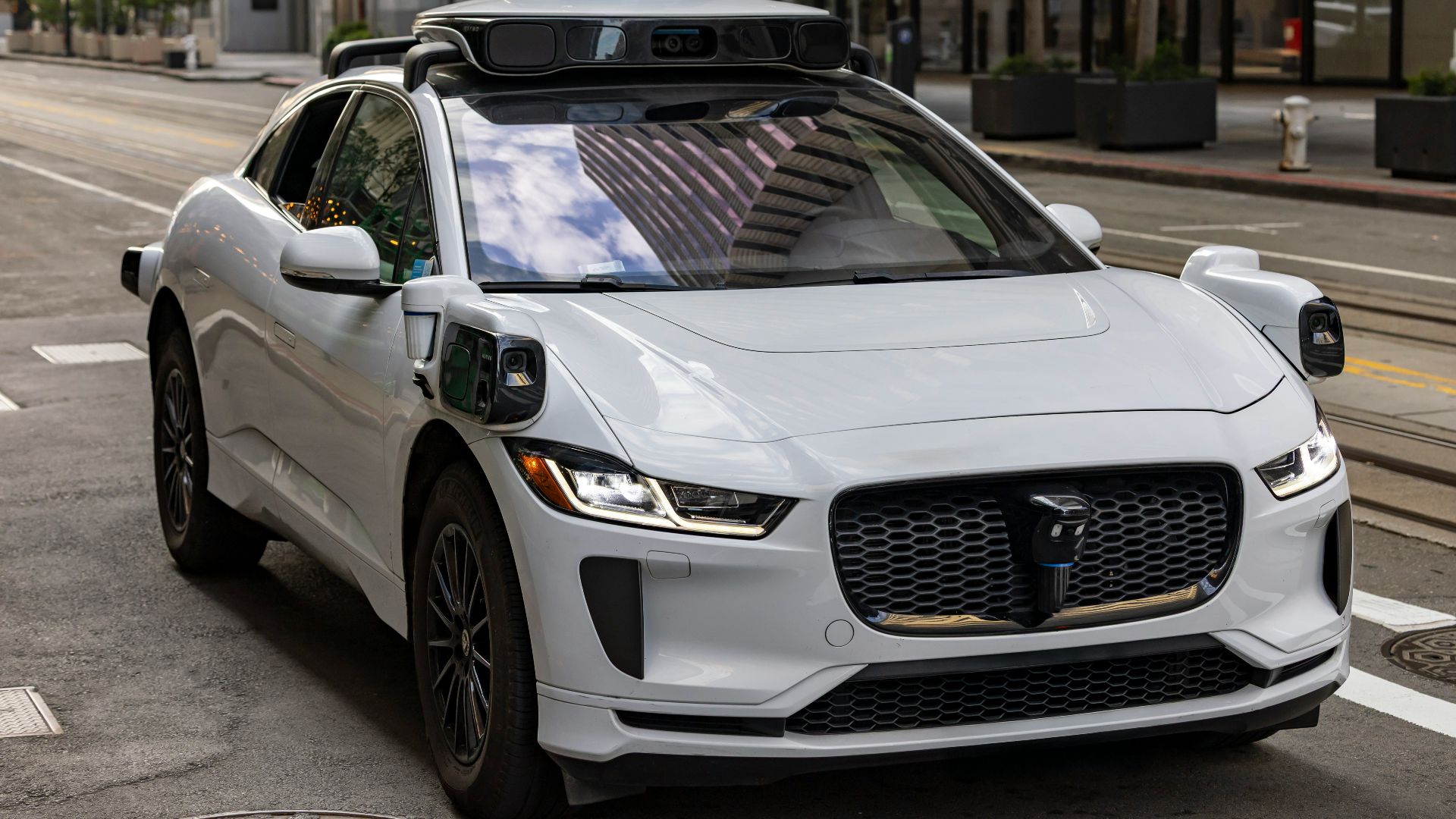
The promise wasn’t just autonomy, it was the idea that you’d buy it once and watch it mature into something hands-off. Years later, FSD is still marketed as supervised, with shifting pricing models and disclaimers that quietly undercut the original story.
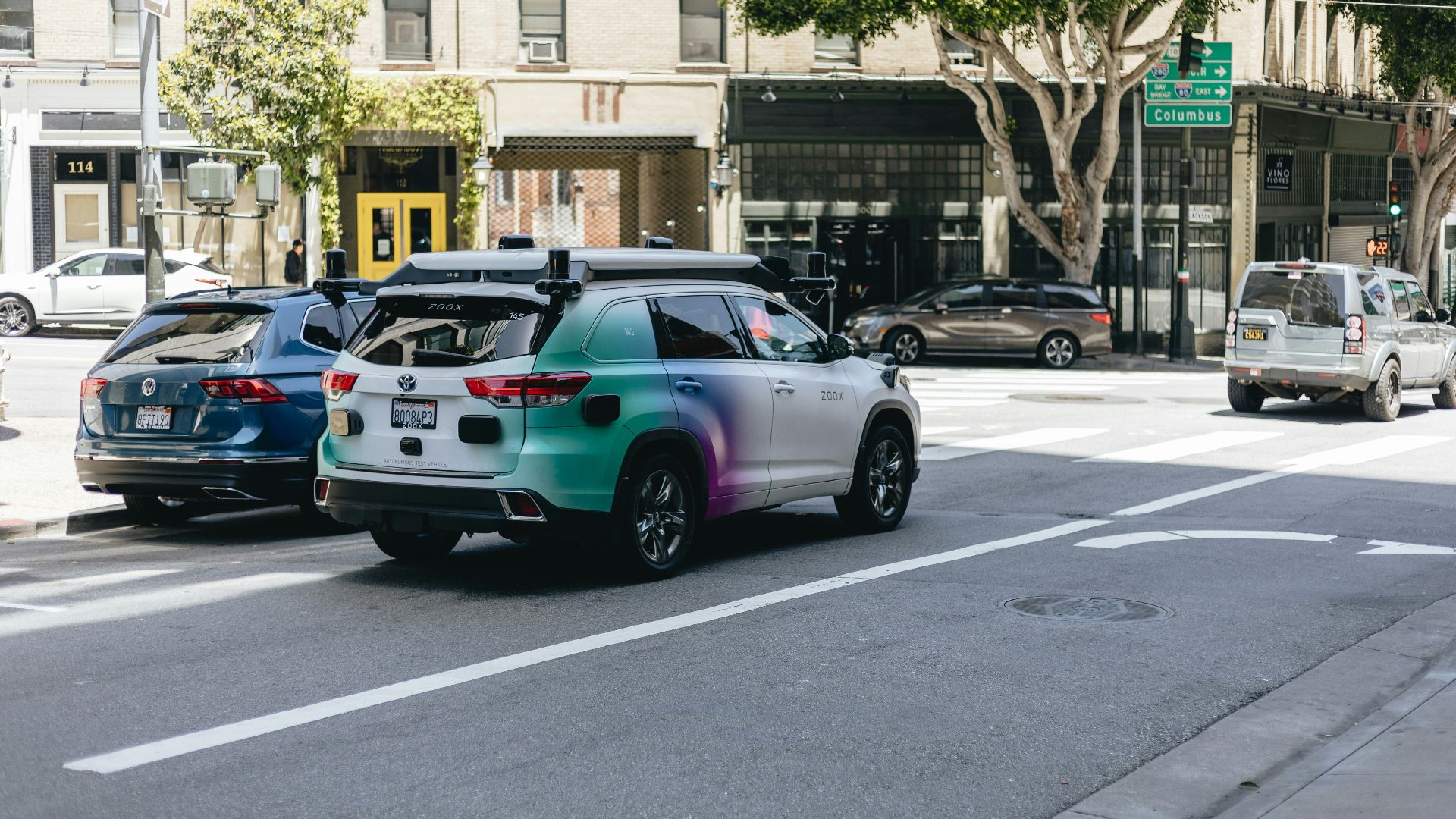
4. Driverless Rollouts Would Scale Smoothly
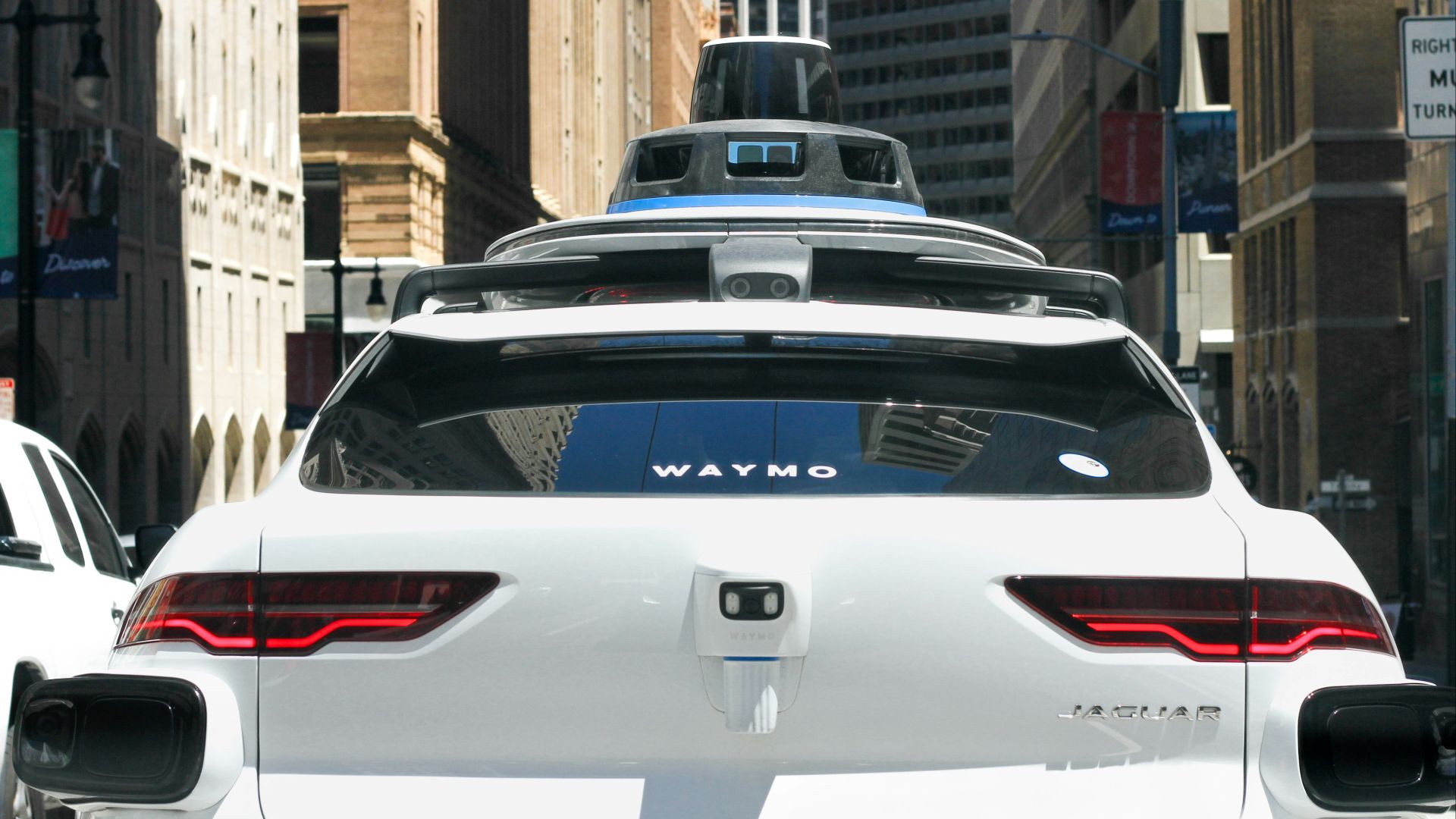
Once a city had autonomous rides, the narrative said the rest would be copy and paste. Cruise showed how fast that dream can unravel, with safety incidents leading to regulatory intervention and a sudden halt that exposed how fragile early autonomy really is.
5. SPAC-Era EV Startups Would Ramp Up
There was a brief period when “production in 18 months” sounded reasonable, as if building cars was just another sprint. Lordstown became the cautionary tale, illustrating that factories, supply chains, and quality control do not care about investor decks.
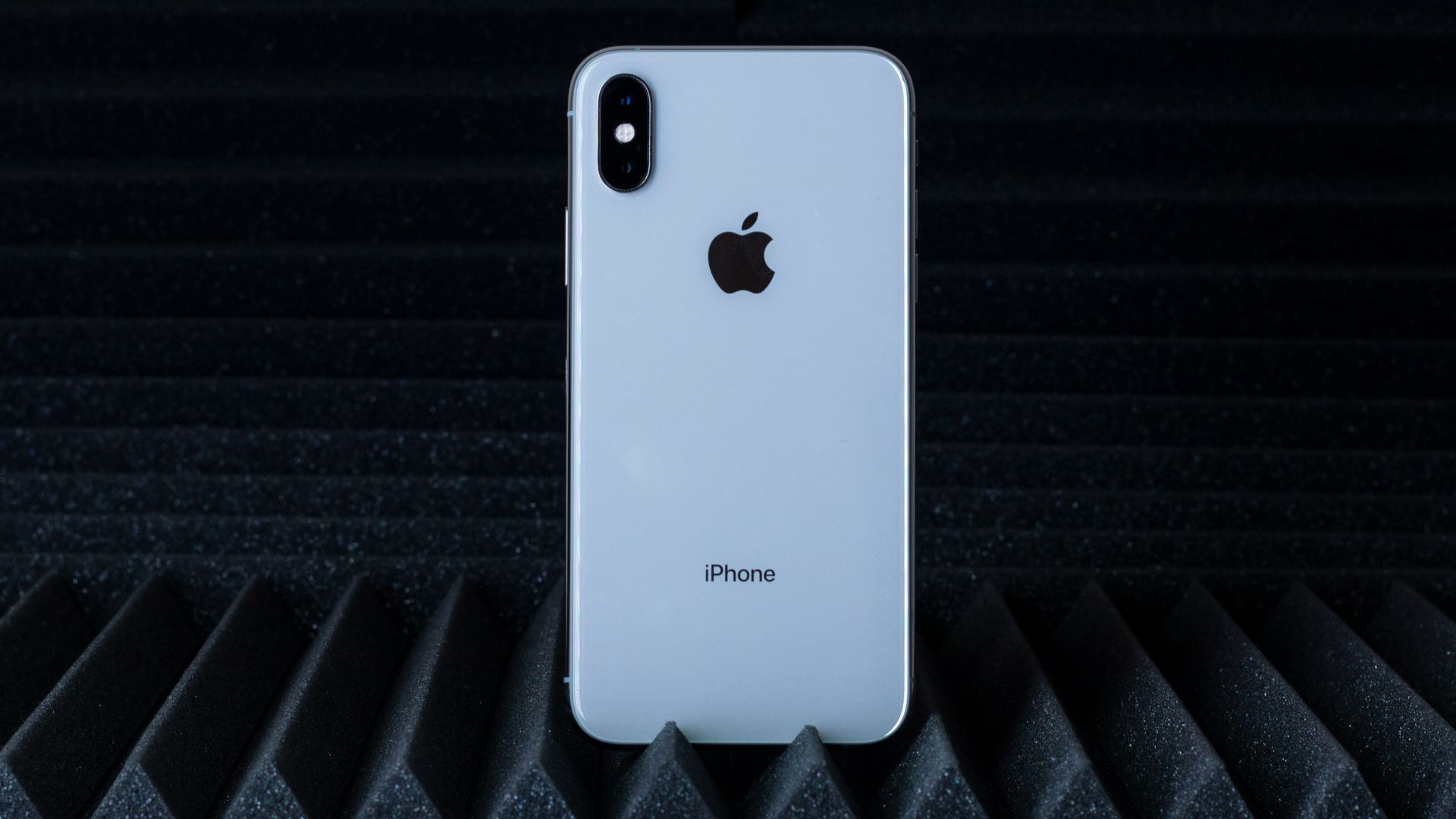
6. The Apple Car Was Basically Inevitable
For years, the Apple car lived in a space between rumor and destiny, like it was already waiting under a silk cover. When Apple killed the project in 2024, it reinforced an old lesson that consumer electronics mastery does not magically solve automotive scale.
7. Cool New EV Brands Would Survive On Vibes And Design
Some startups felt famous before they felt real, which turned out to be a problem. Canoo’s collapse showed how fast attention evaporates once cash runs thin and the difference between concept and execution becomes impossible to ignore.
8. “Asset-Light” Carmaking Would Make EVs Easy To Build
Outsourcing manufacturing sounded clever, efficient, and modern. Fisker’s bankruptcy made it clear that the hard parts of running a car company do not disappear just because someone else tightens the bolts.
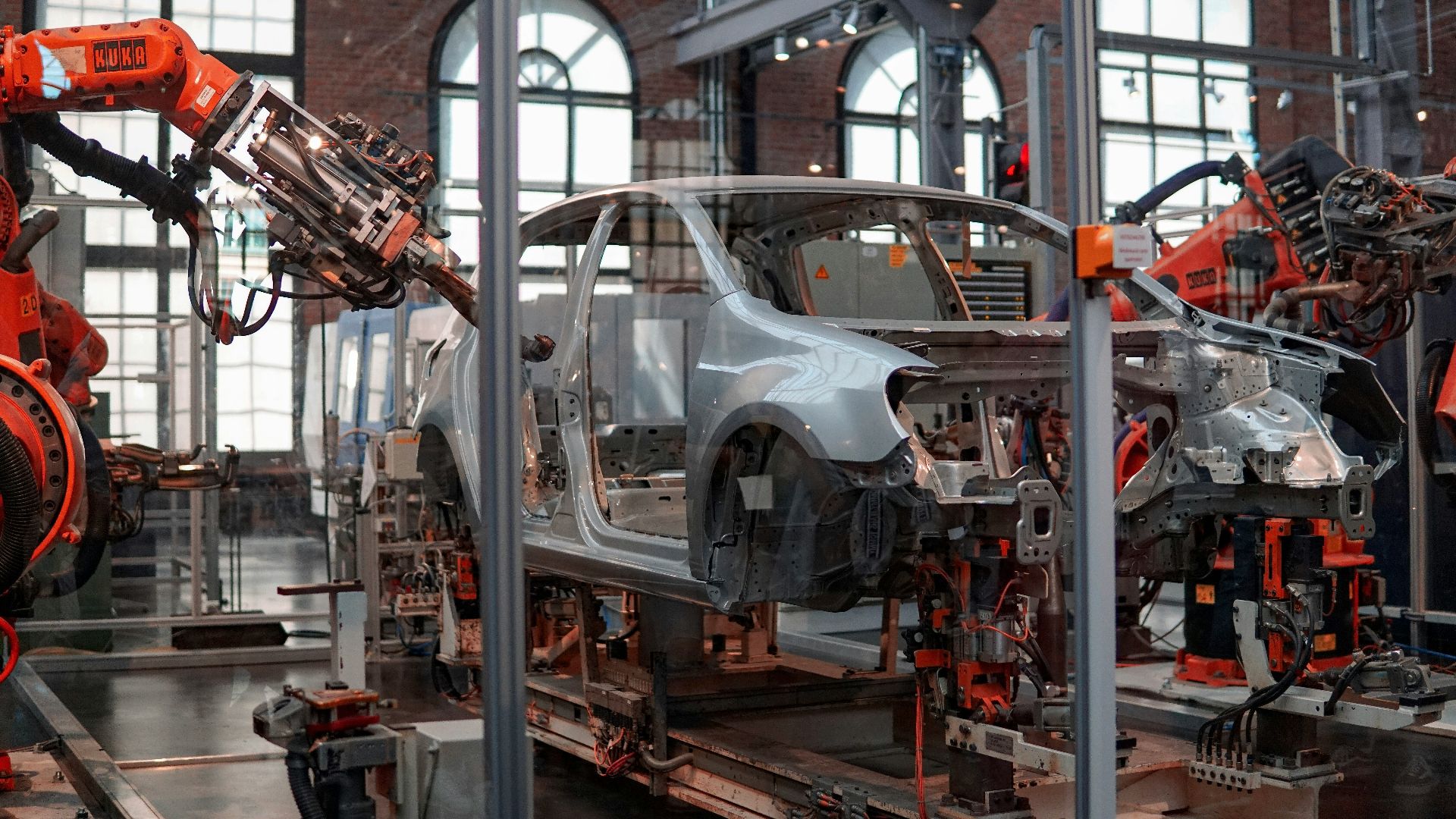
9. Solid-State Batteries Would Be In Driveways By Now
Solid-state batteries have been framed as the leap that fixes everything, from range anxiety to charging time. Years later, they remain a future promise, with timelines drifting further out as chemistry collides with manufacturing reality.
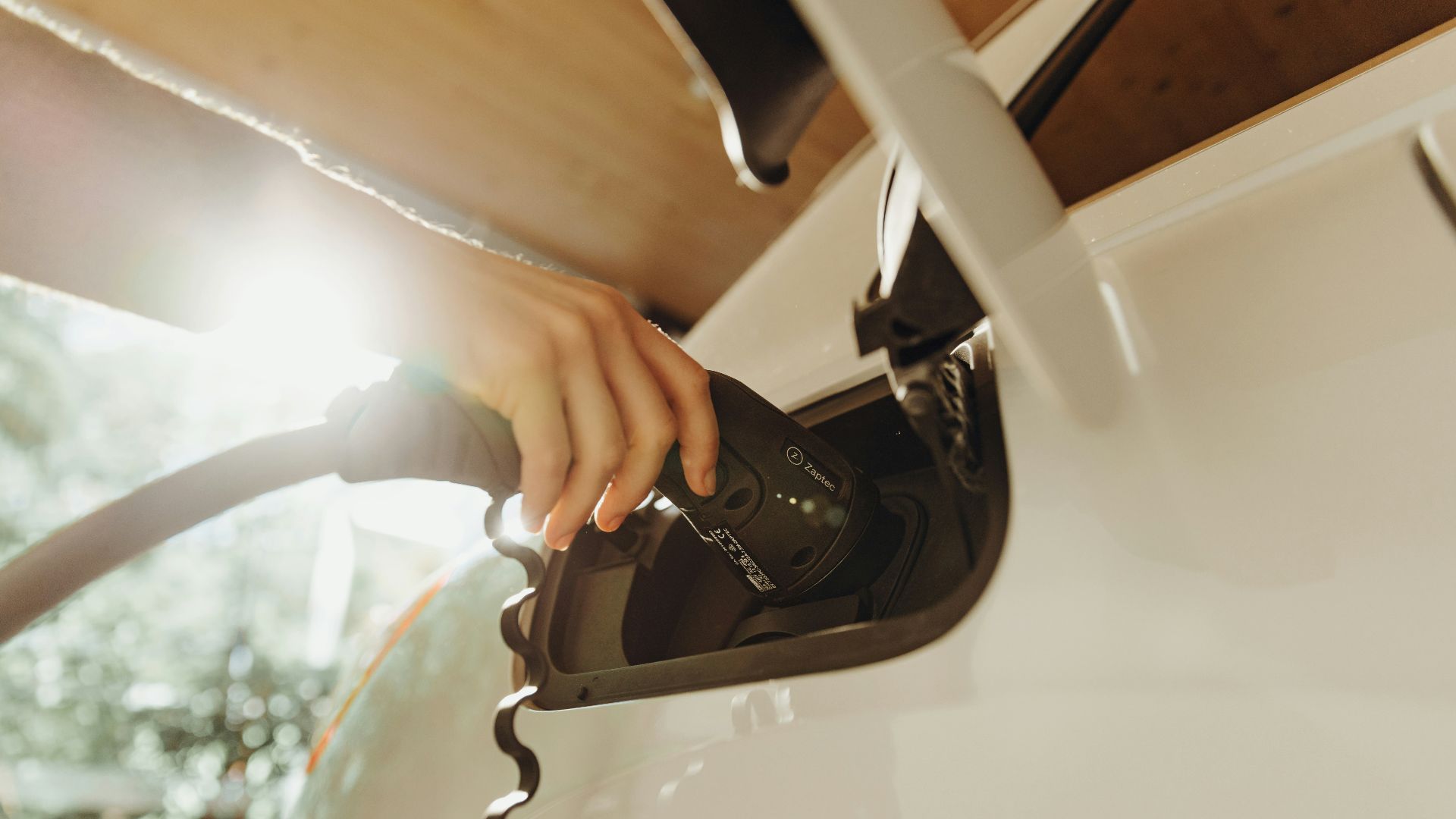
10. The Cheap, Mass-Market EV Would Arrive Fast
The affordable EV was supposed to end the debate by making the choice obvious. Instead, $25,000 cars keep slipping into vague future plans, concept talk, or autonomy-first visions that feel far removed from simple, accessible transportation.
Now for the part that deserves more airtime: a lot of EV promises actually came true, and here are ten that changed daily driving in ways that feel permanent.
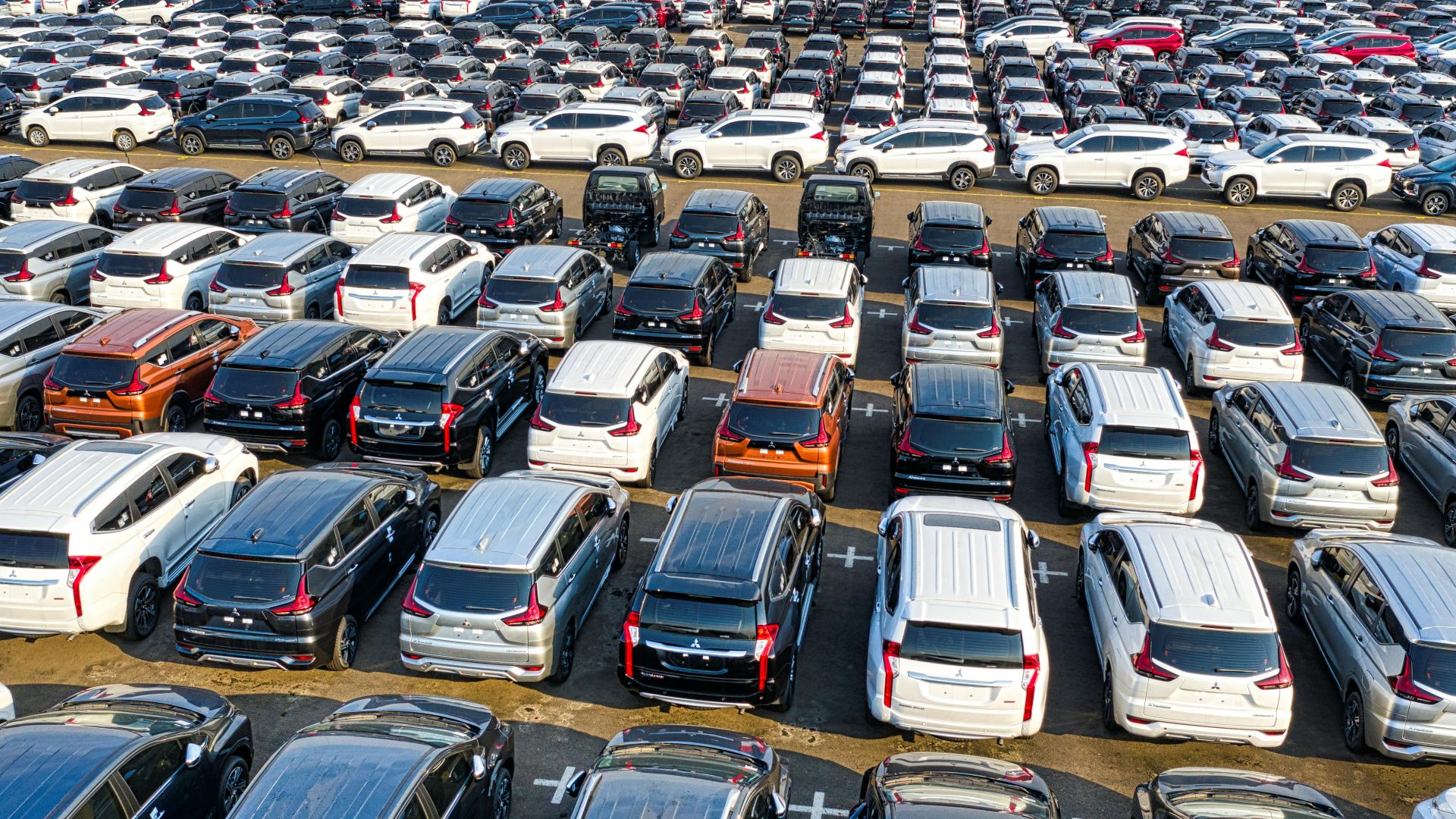
1. Batteries Would Get Cheaper In A Meaningful Way
For a long time, “prices will come down” sounded like something people said to feel better about a lease. Battery costs really did fall, and that drop reshaped the market by making EVs less exotic and more like normal purchases.
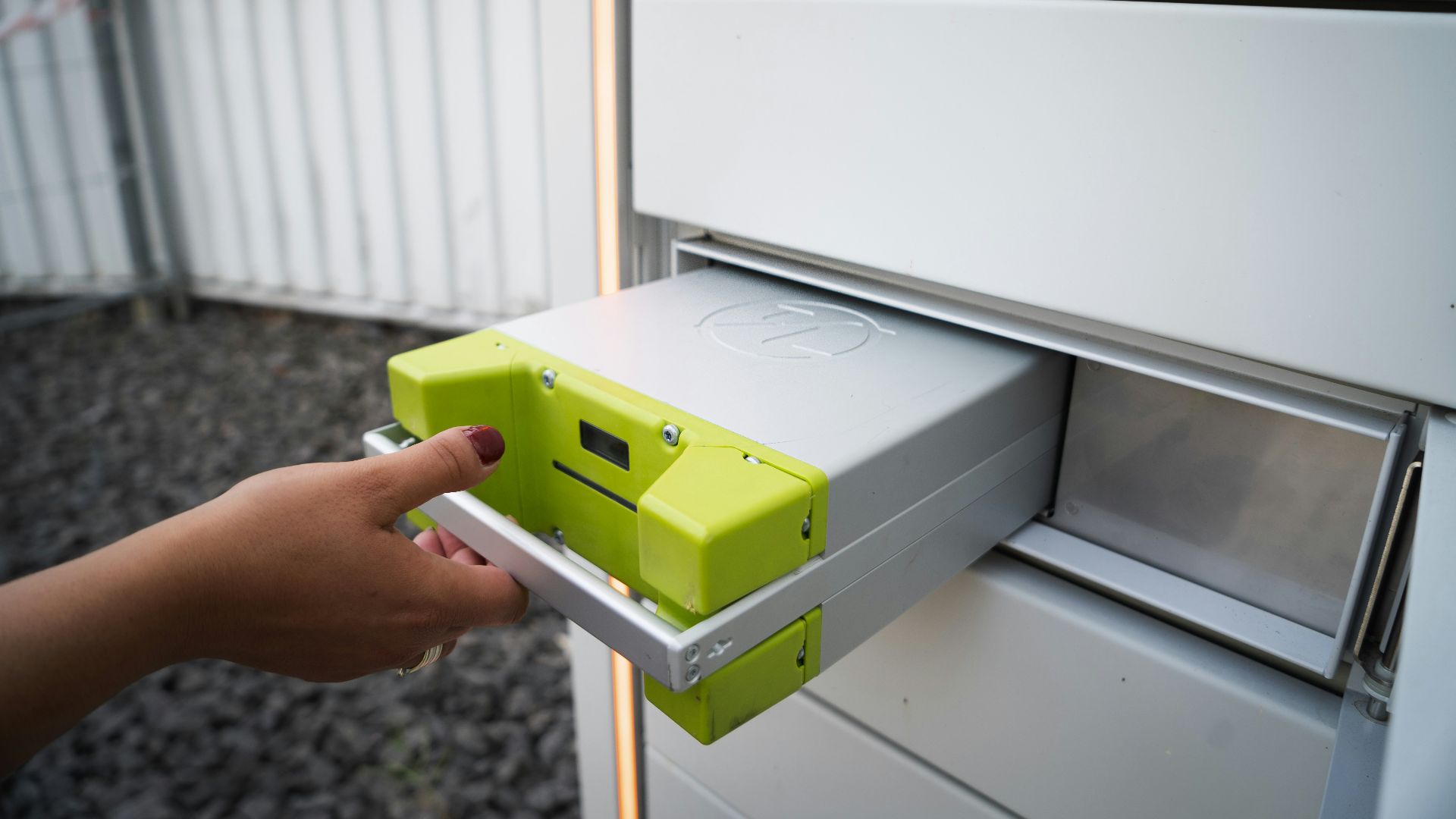
2. EV Sales Would Become A Real Slice Of The Market
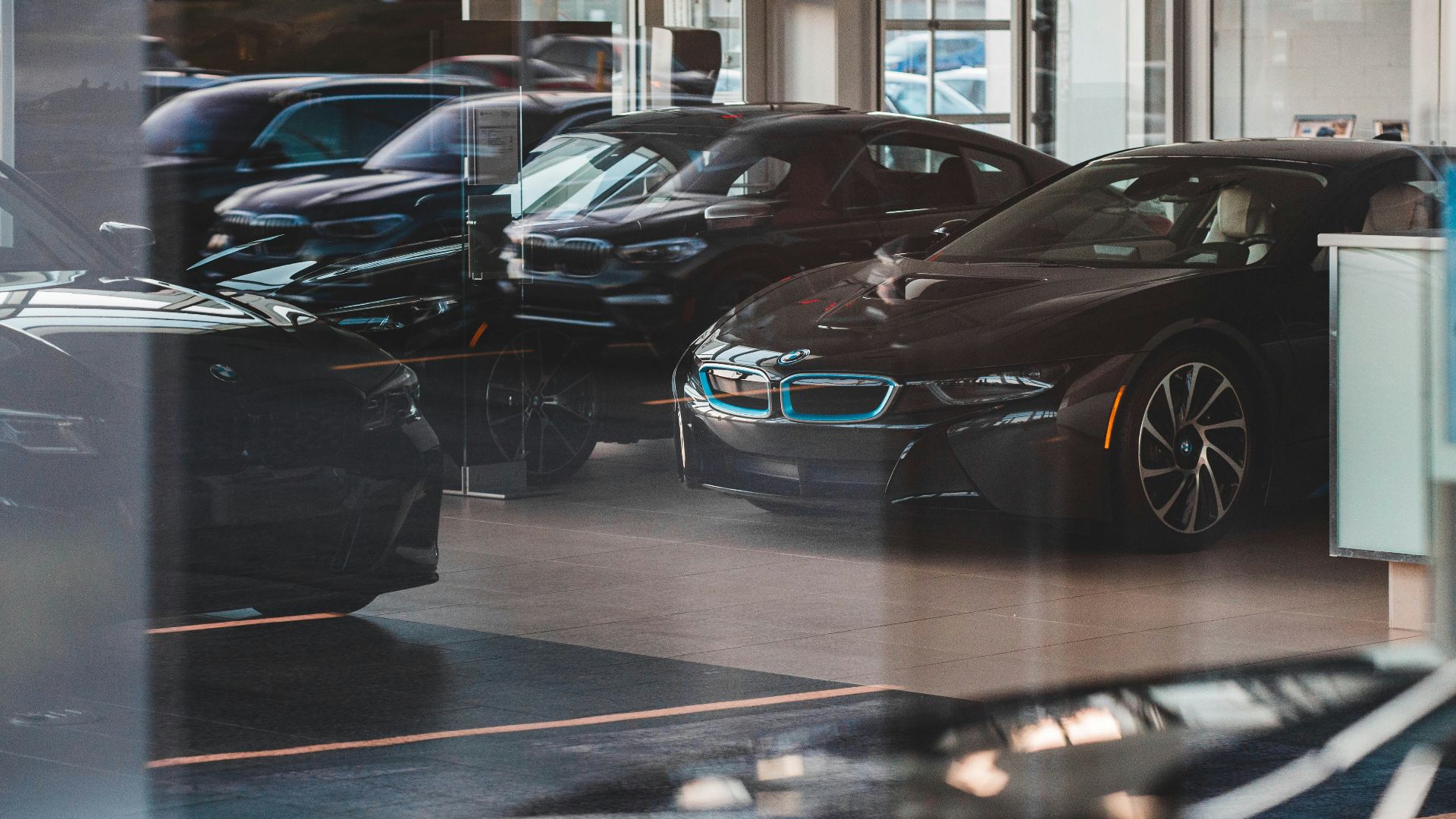
Early EV adoption always felt just around the corner. That corner arrived quietly, and now EVs are common enough that seeing one in a grocery store parking lot barely registers as a novelty.
3. Home Charging Would Be The Real Luxury
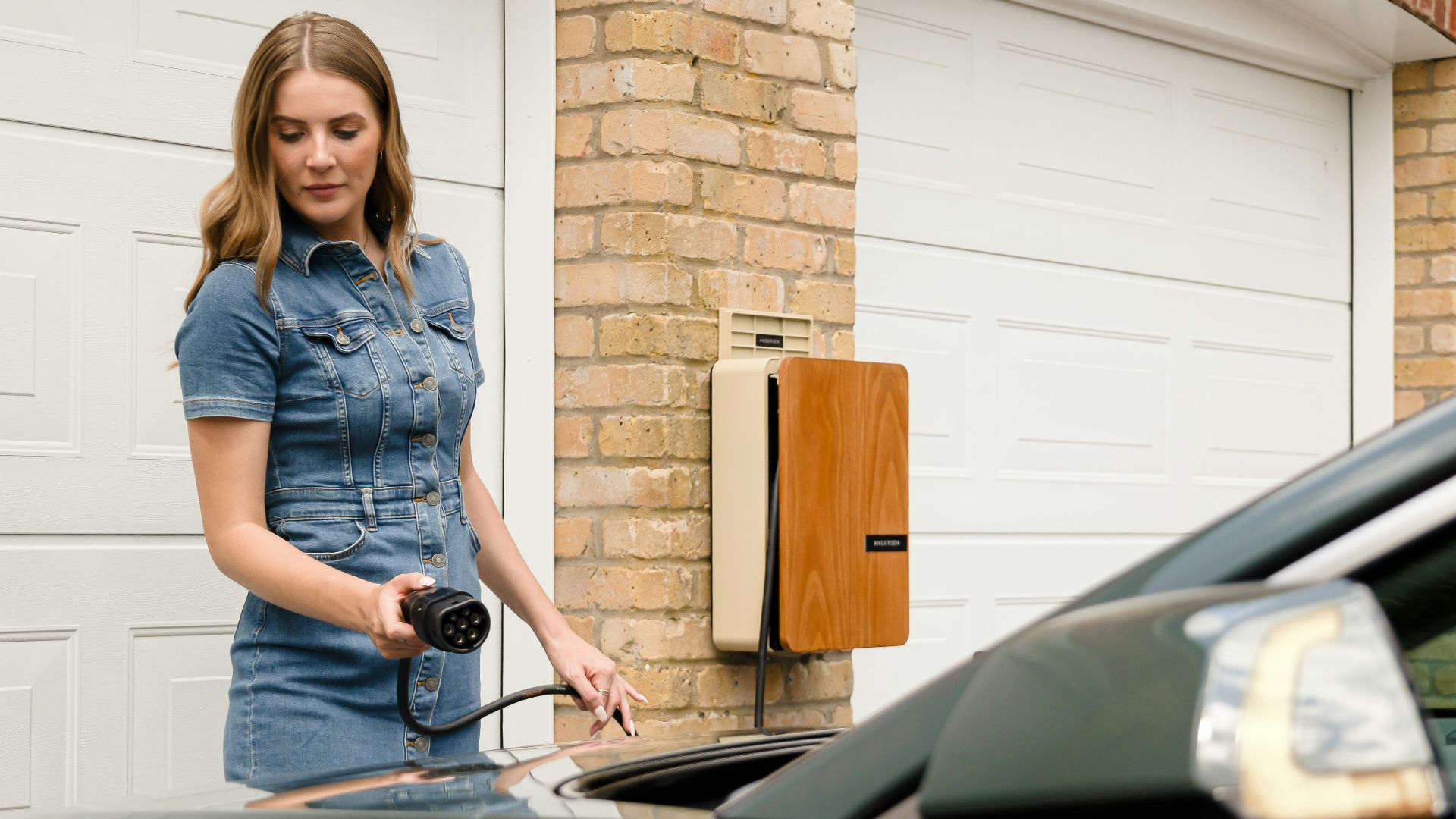
Public charging gets all the attention, but home charging is the feature that actually changes behavior. Waking up to a full battery rewires your relationship with driving in a way no spec sheet can explain.
4. Charging Standards Would Start Converging
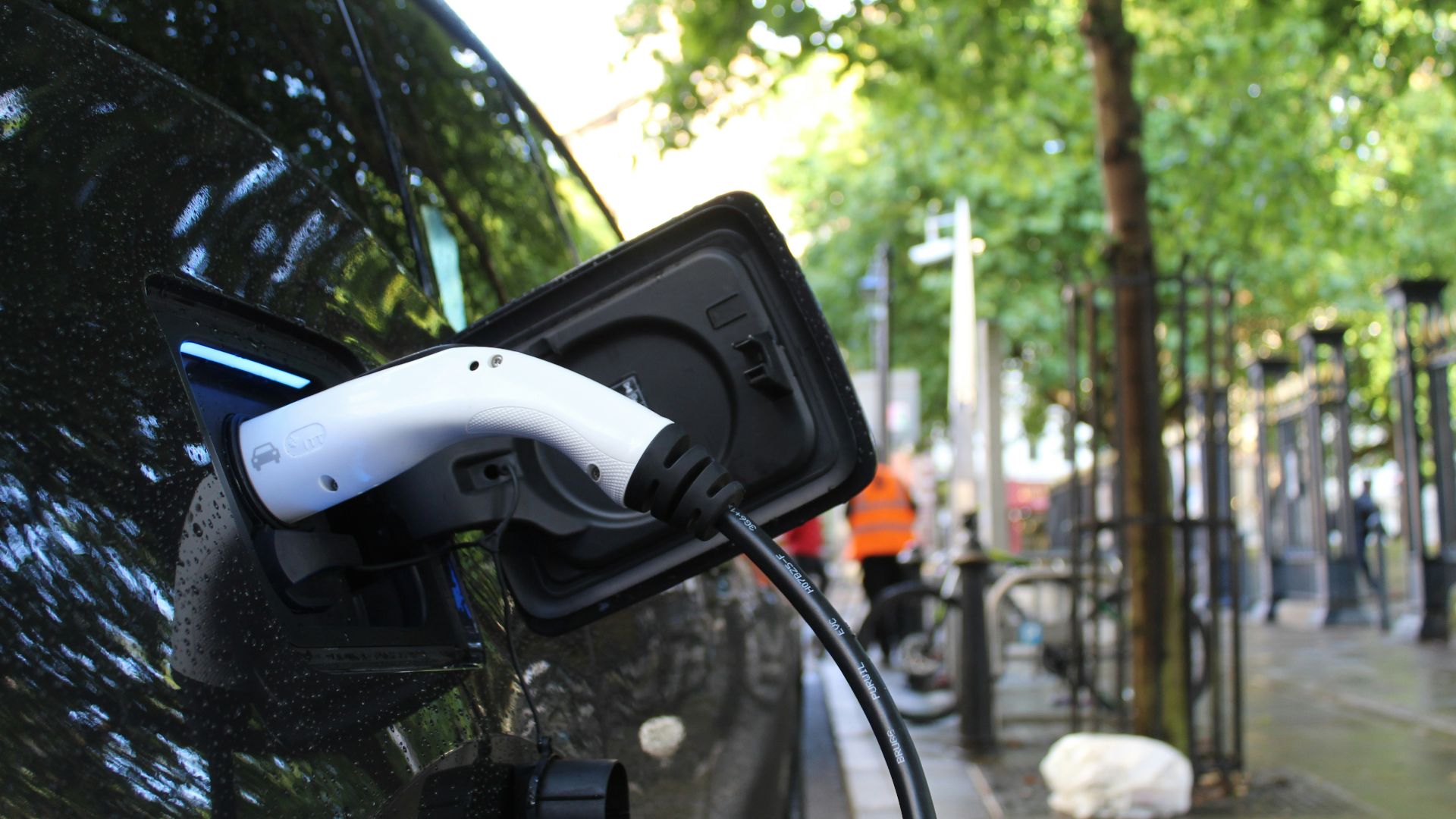
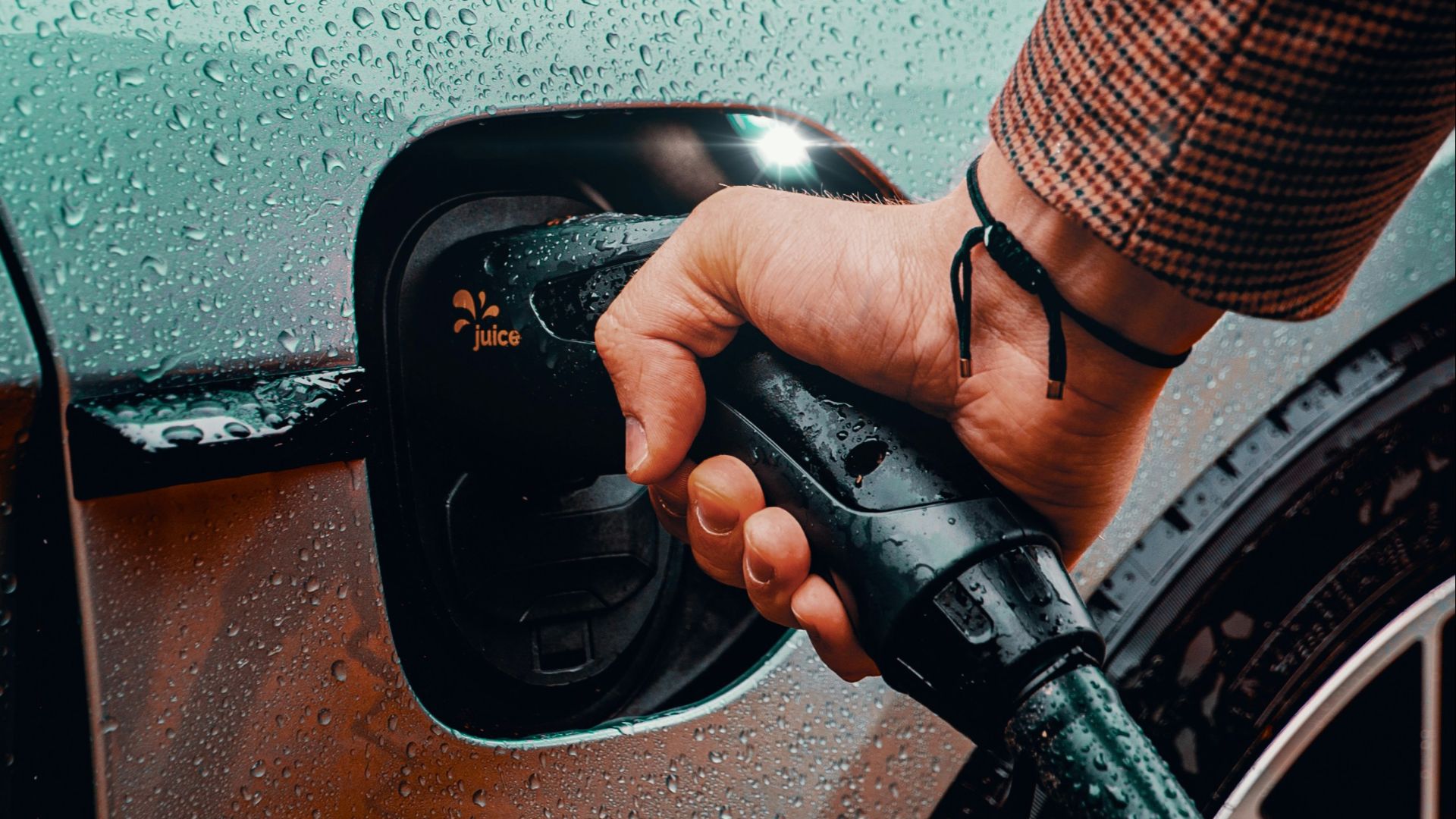
For years, plugs felt like a petty format war that refused to end. The shift toward a common standard in North America finally brought a sense that the industry might be done arguing and ready to build.
5. Fast Charging Would Become Road-Trip Viable
Early fast charging felt like a test of patience more than technology. Newer EV platforms turned charging stops into something that fits naturally alongside coffee, restrooms, and a quick stretch.
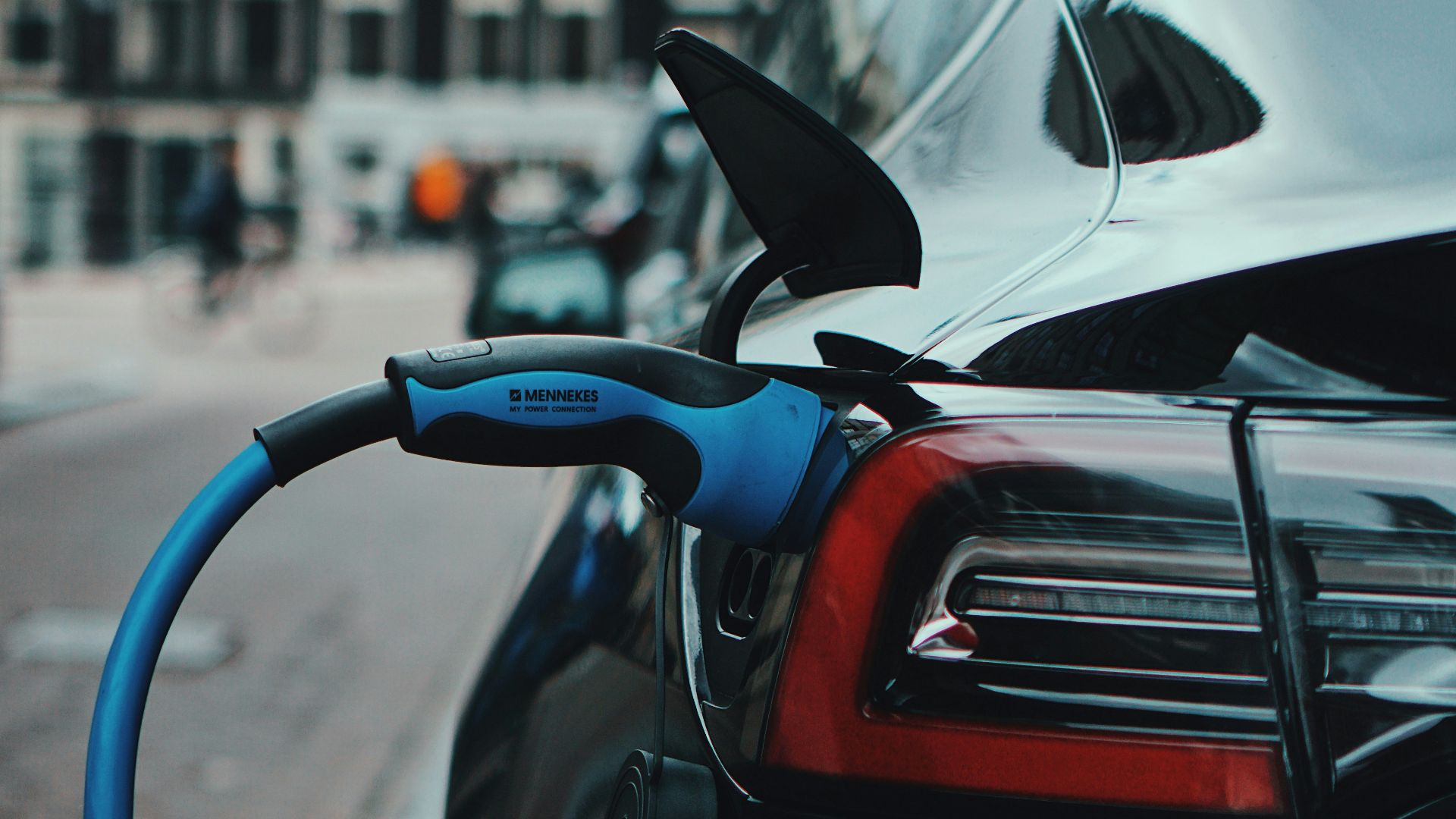
6. Battery Degradation Would Be Manageable
A lot of early fear came from imagining EV batteries aging like worn-out phones. Real-world data showed a slower, more predictable decline, making long-term ownership feel far less risky than many expected.
 Precious Madubuike on Unsplash
7. EV Safety Would Hold Up Under Scrutiny
Skeptics loved framing EVs as rolling experiments. Crash testing and real-world results quietly dismantled that idea, placing modern EVs right alongside traditional vehicles in safety performance.
8. Public Charging Reliability Would Improve
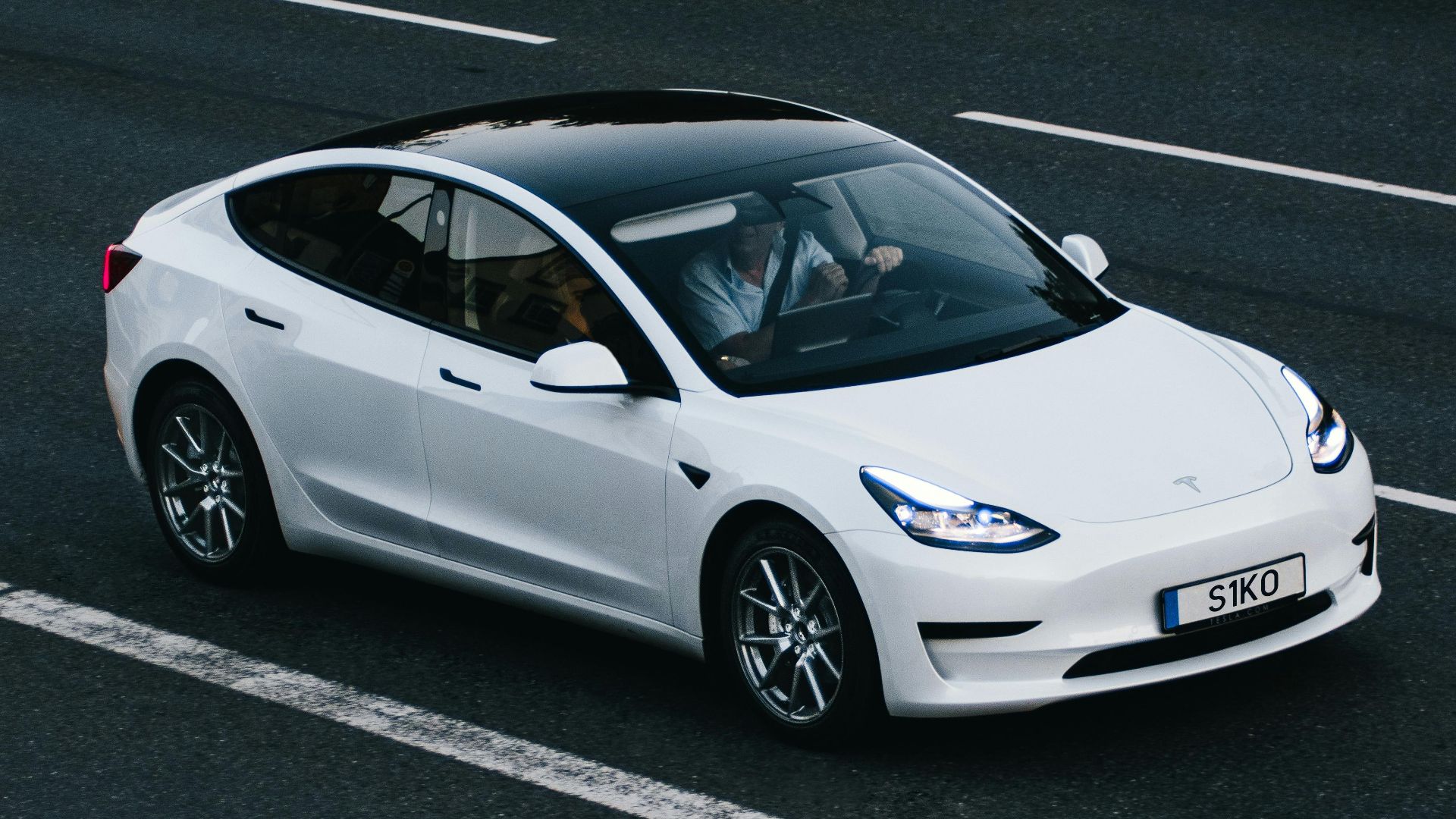
Early public charging experiences created stories people told like cautionary tales. Reliability improved gradually, not dramatically, but enough that charging anxiety shifted from constant fear to occasional annoyance.
9. Plug-And-Charge Would Actually Exist
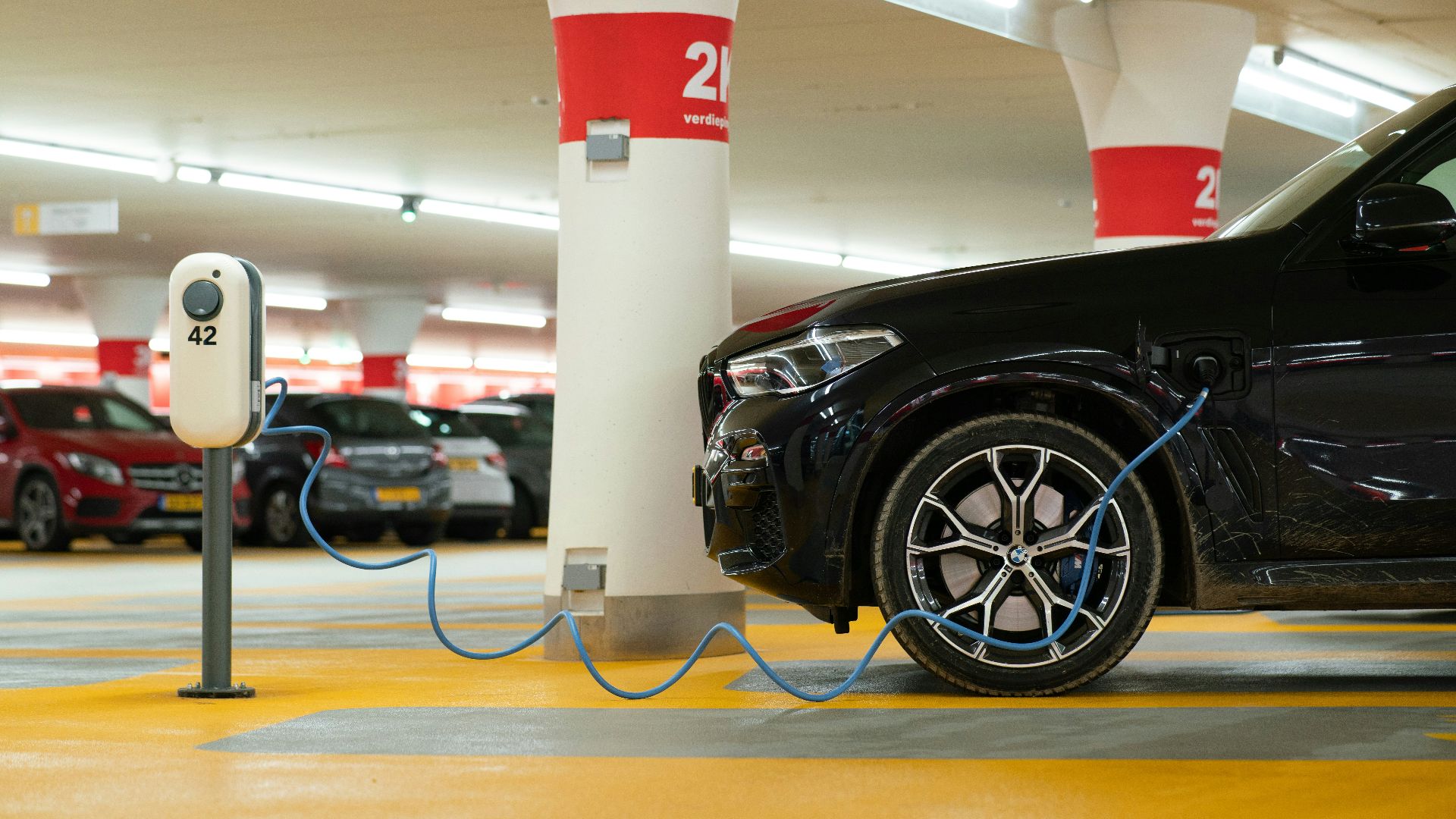
The idea of plugging in and walking away sounded optimistic. It did arrive, even if the back-end complexity means it still works better in some places than others.
 Hyundai Motor Group on Unsplash
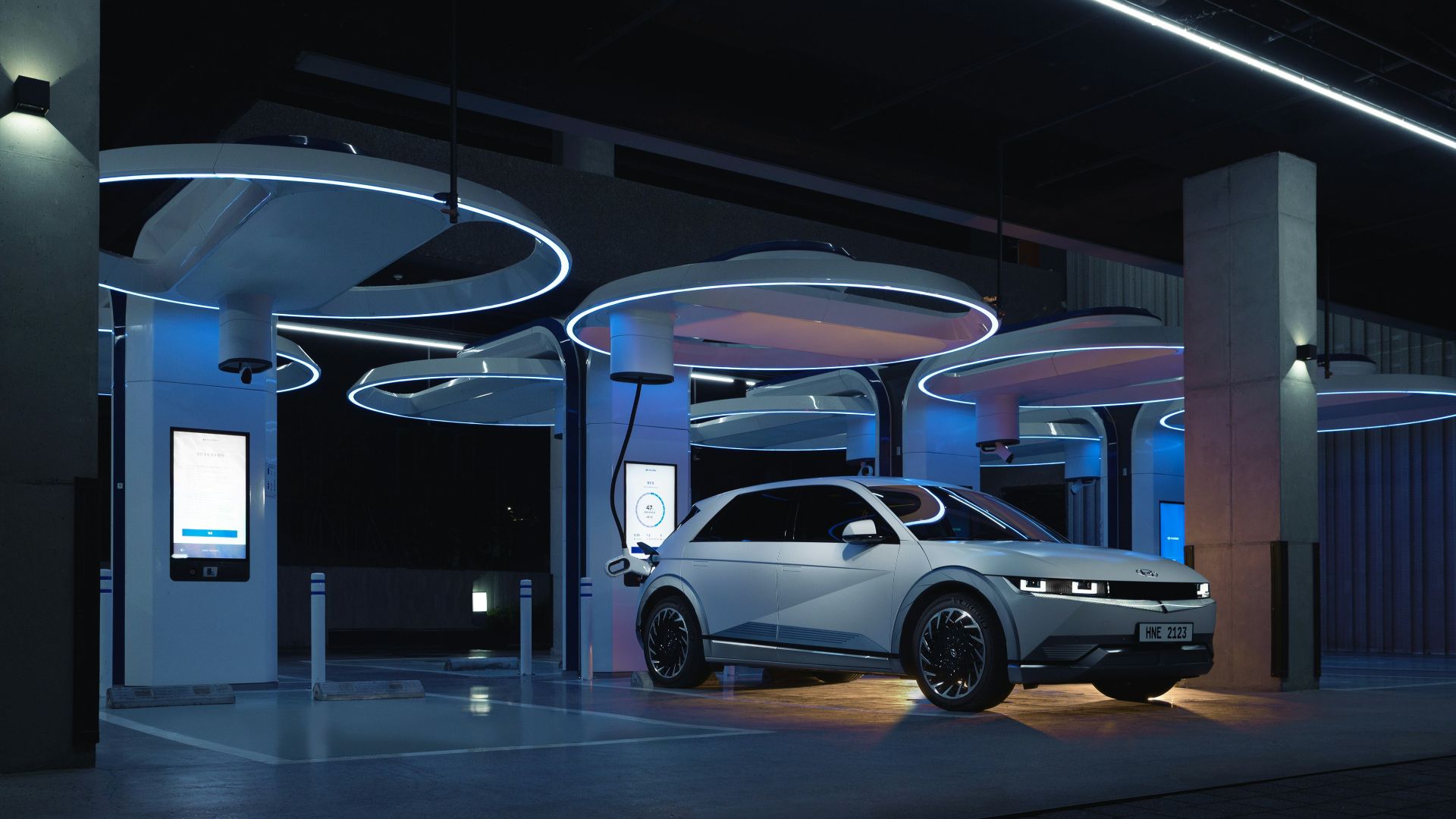
10. EVs Would Start To Feel Normal
At first, EVs looked like science projects or luxury statements. Now they blend into traffic, and that normalcy is the clearest sign the technology delivered, because real revolutions stop feeling weird once they stick.