Choosing the Right Ride for Where You Actually Drive
Not every car is built for the same kind of life, even if the ads try to convince you otherwise. Some vehicles thrive when the pavement ends, and things get dusty, muddy, or steep, while others shine only when parallel parking and tight turns are the real challenges. Knowing the difference can save you money, frustration, and a few regrettable road trips. Here’s a clear breakdown of which cars are happiest off the grid and which ones really belong between stoplights.
1. Subaru Outback
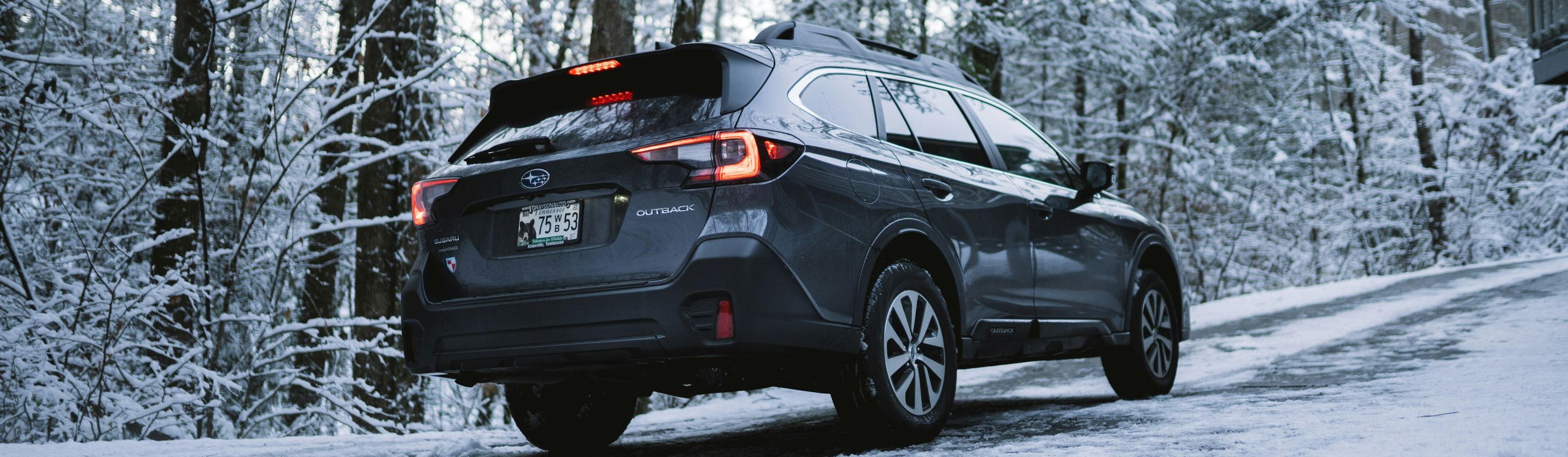
The Outback feels like it was designed by people who actually go outside. Standard all-wheel drive and generous ground clearance make dirt roads feel manageable. It’s practical without being boring, which is why it shows up everywhere from trailheads to campsites. You can load it up without worrying too much about where you’ll end up. That sense of versatility is what keeps owners loyal.
 Connor Scott McManus on Pexels
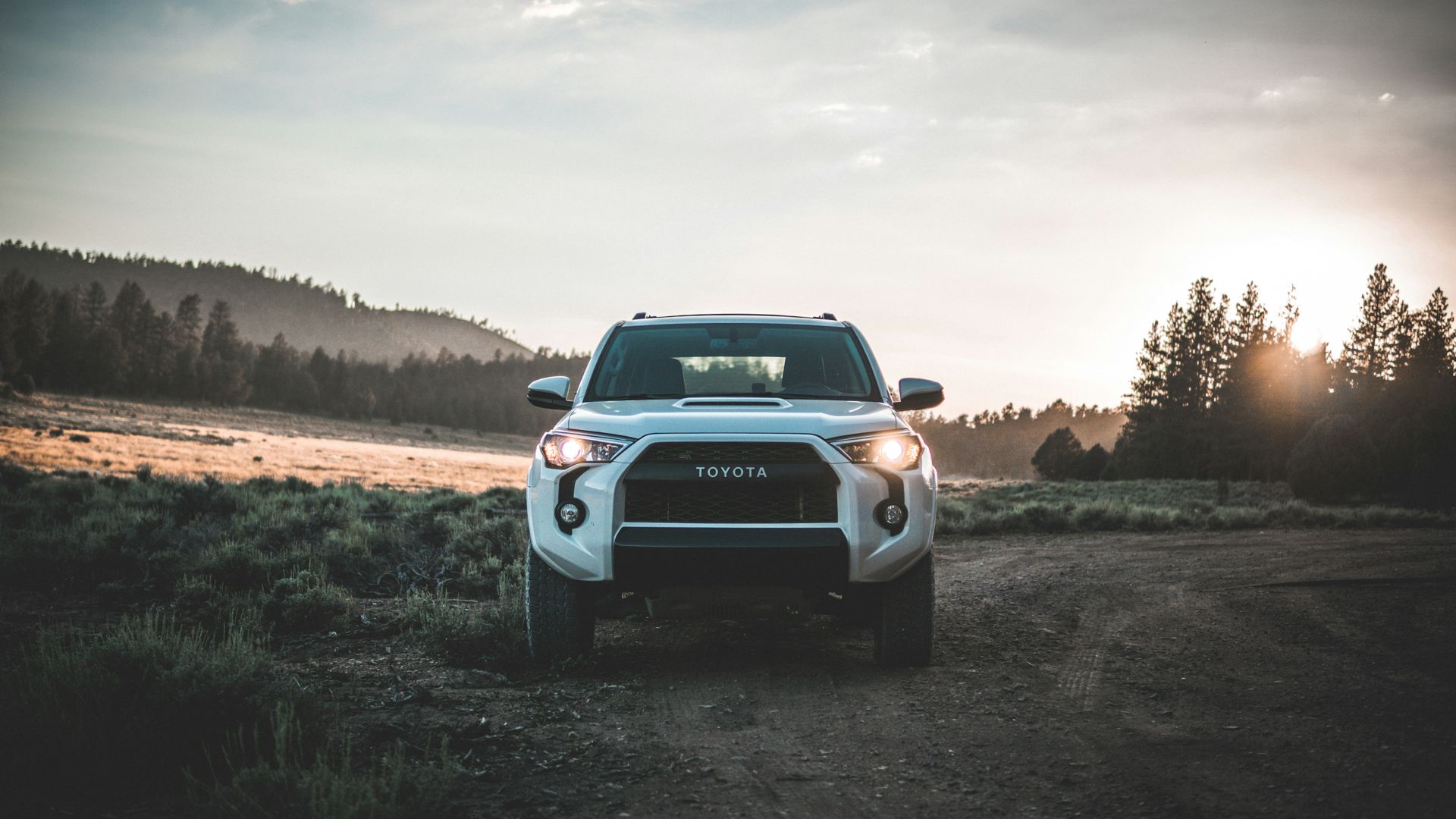
2. Toyota 4Runner
The 4Runner is unapologetically rugged. It handles rough terrain with confidence and doesn’t flinch when conditions get messy. You buy this one knowing it’s built for the long haul. Comfort takes a back seat to capability, and that’s intentional. It rewards drivers who prioritize durability and performance over polish.
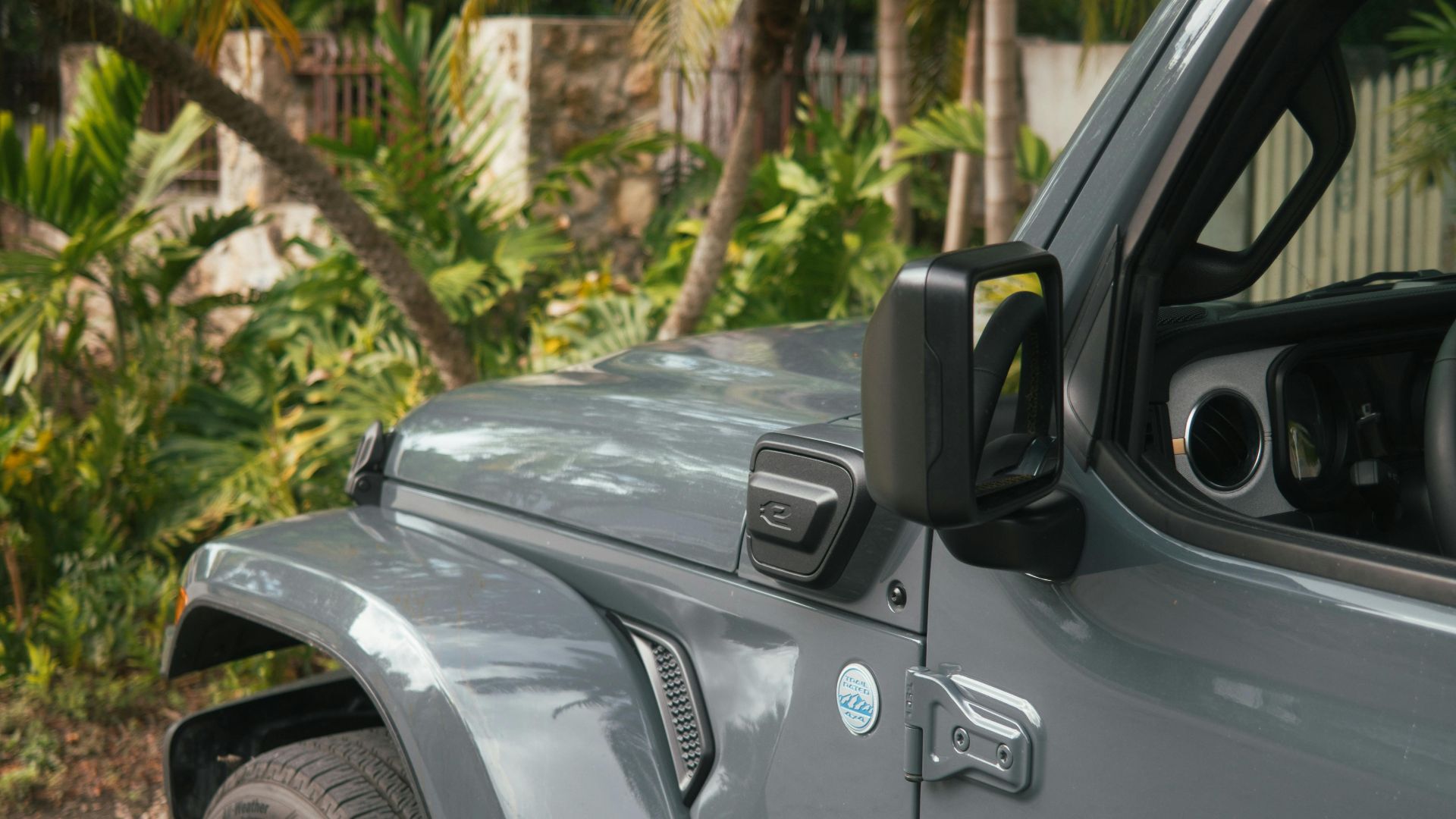
3. Jeep Wrangler
Few vehicles are as purpose-built for adventure as the Wrangler. Removable doors and serious off-road capability make it feel more like gear than transportation. It’s not subtle, and that’s kind of the point. You expect bumps, noise, and unforgettable drives. That rawness is exactly why people love it.
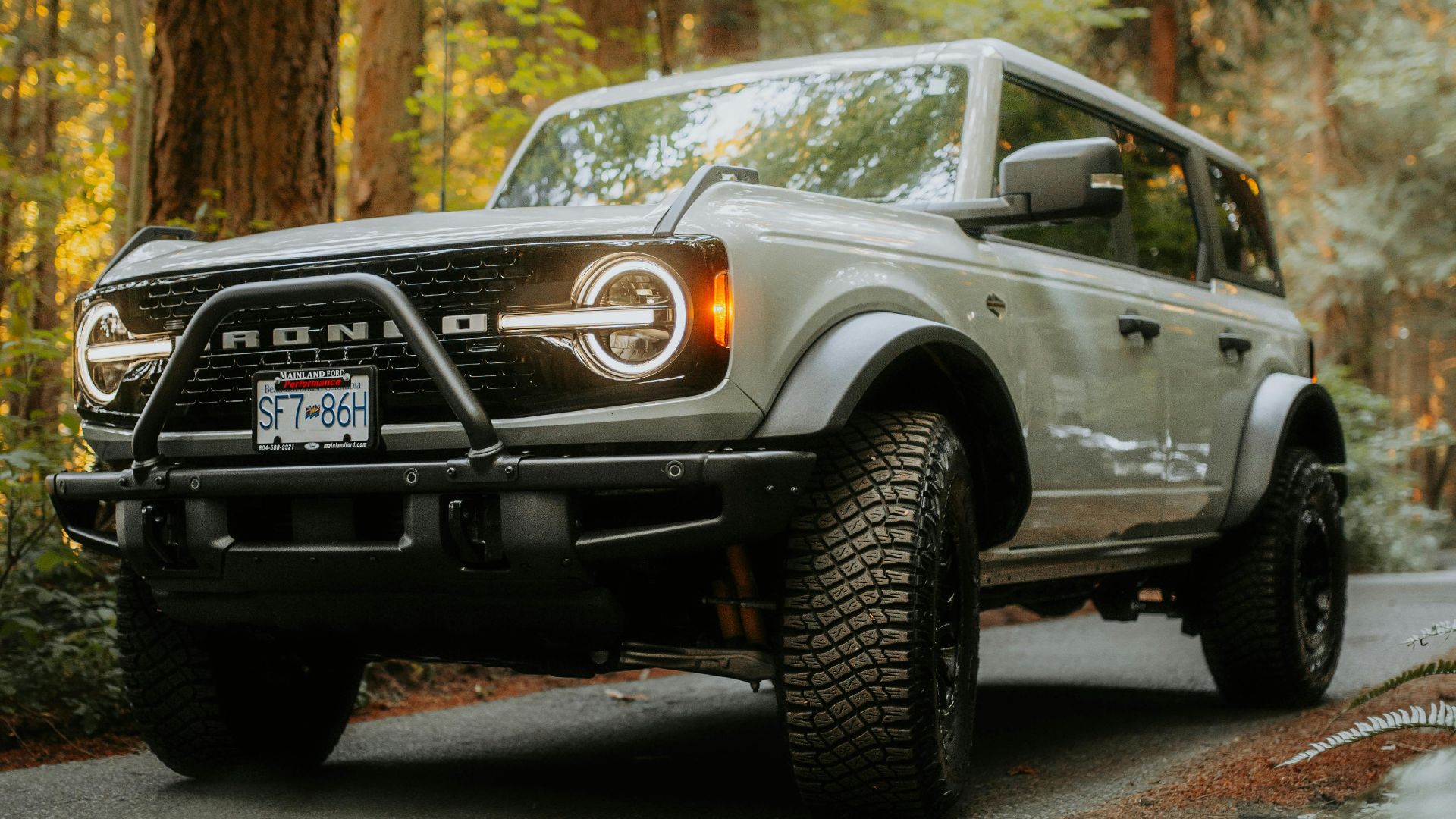
4. Ford Bronco
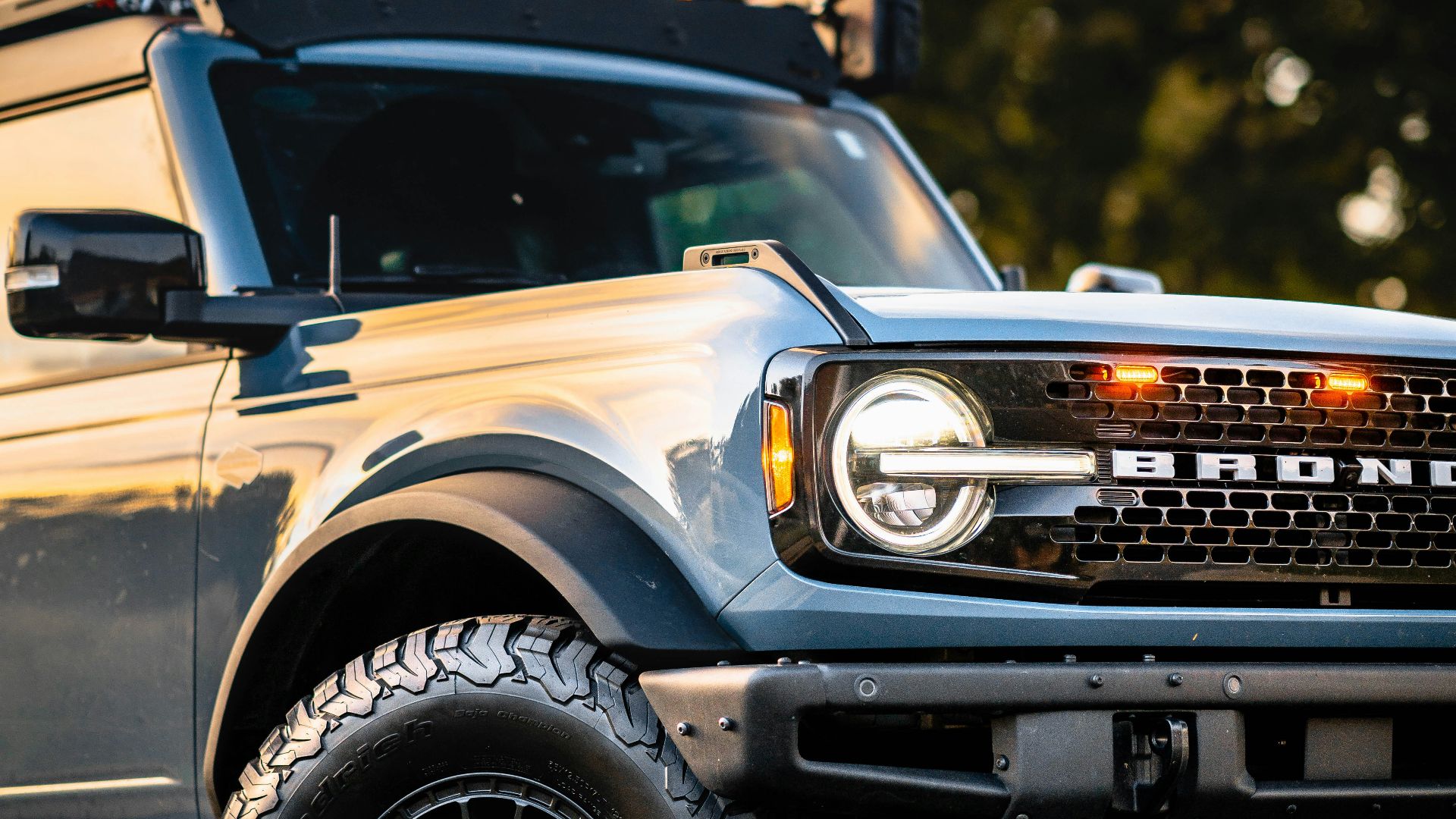
The Bronco’s return came with real off-road credibility. Its suspension and terrain modes are designed for people who leave pavement behind. You can tell it was made to get dirty. It encourages you to take the longer, rougher route without stress. There’s a playful confidence baked into its design.
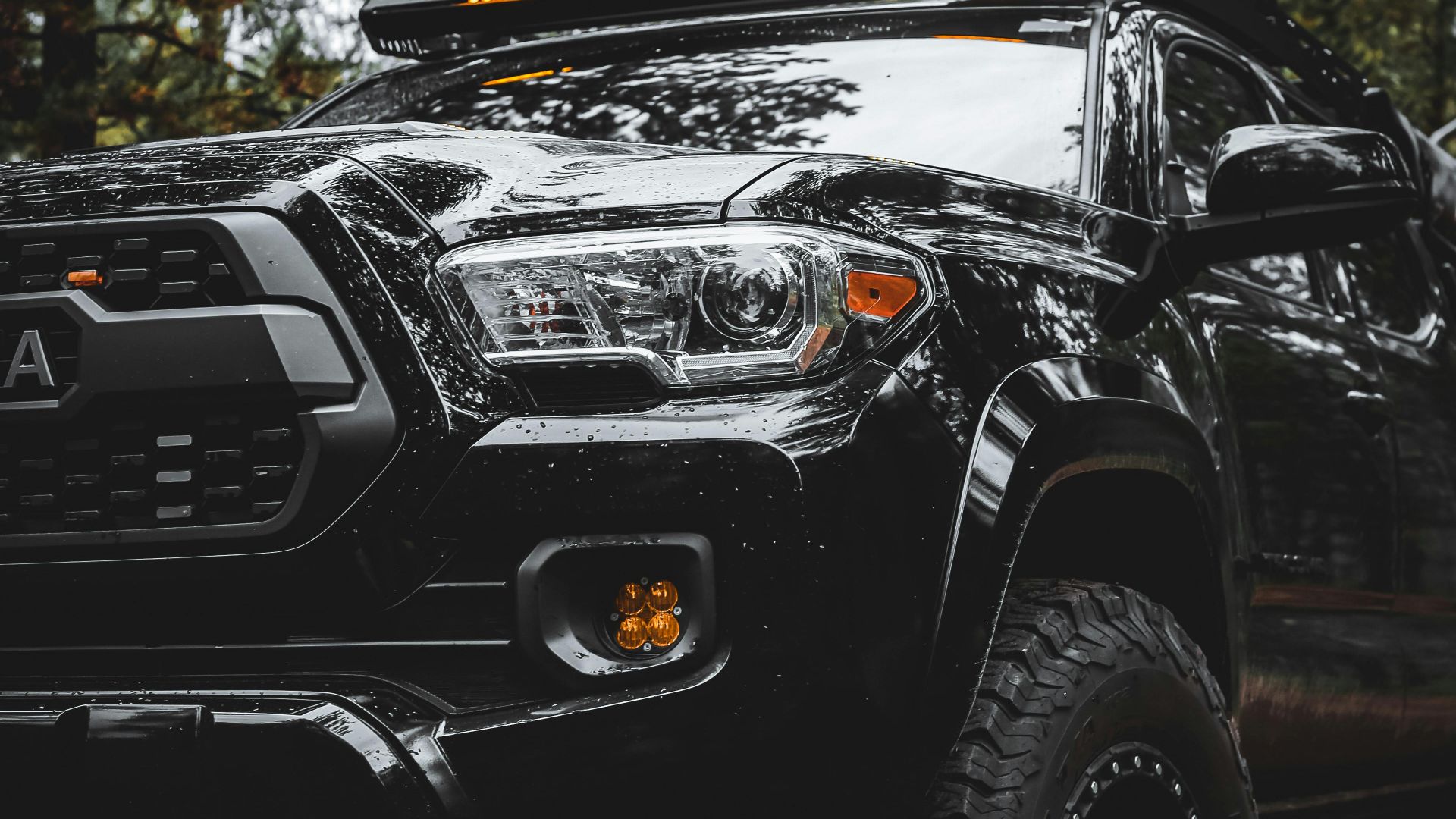
5. Toyota Tacoma
The Tacoma balances toughness with everyday usability. It’s just as comfortable hauling gear as it is navigating mountain trails. Reliability is a big part of its appeal. Many owners keep them for years without hesitation. It earns trust through consistency.
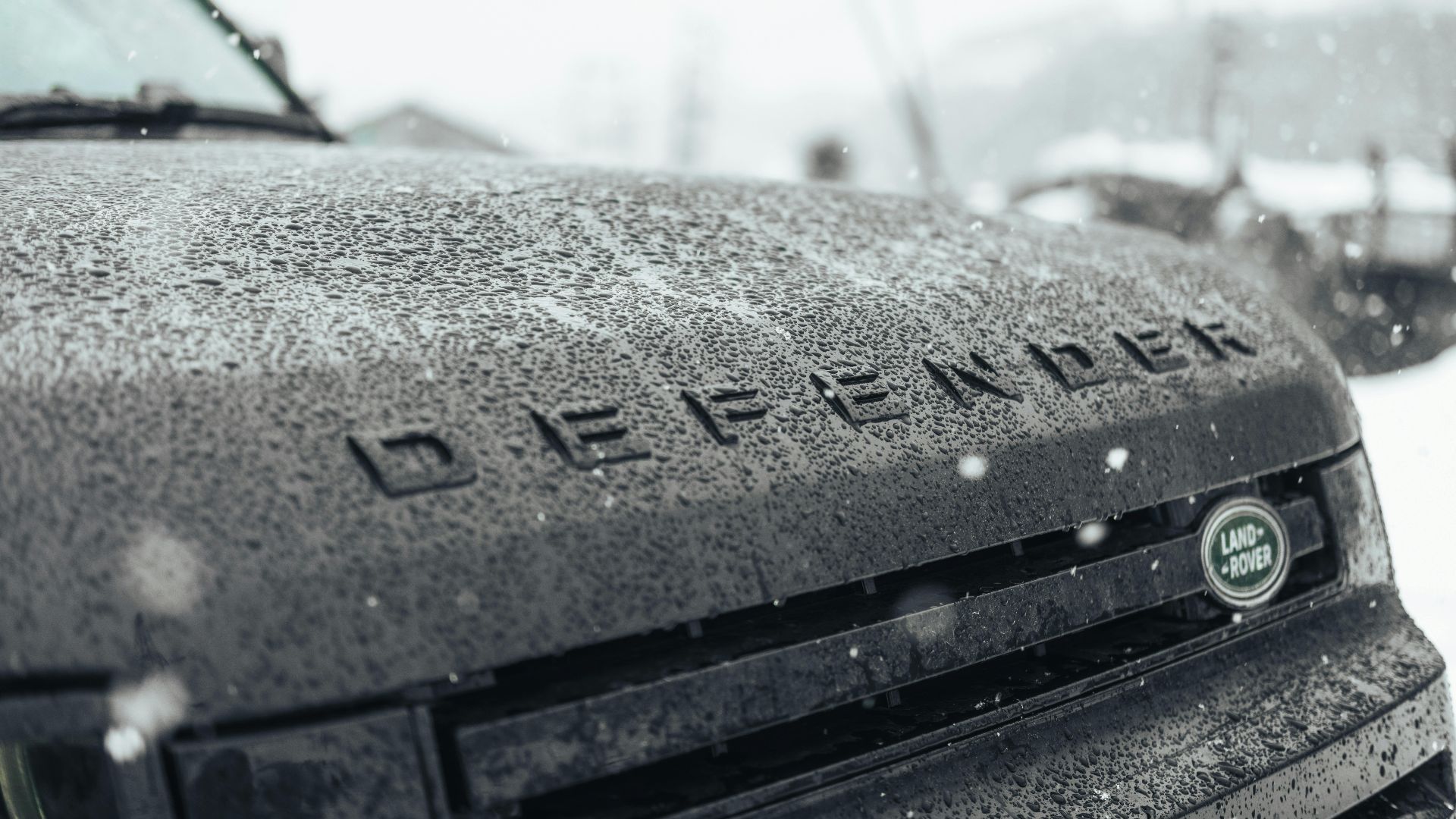
6. Land Rover Defender
The Defender blends luxury with serious capability. It feels refined on the inside but fearless on rough ground. That contrast is what makes it so compelling. It’s built for adventure without feeling bare-bones. You get comfort without sacrificing confidence.
7. Subaru Crosstrek
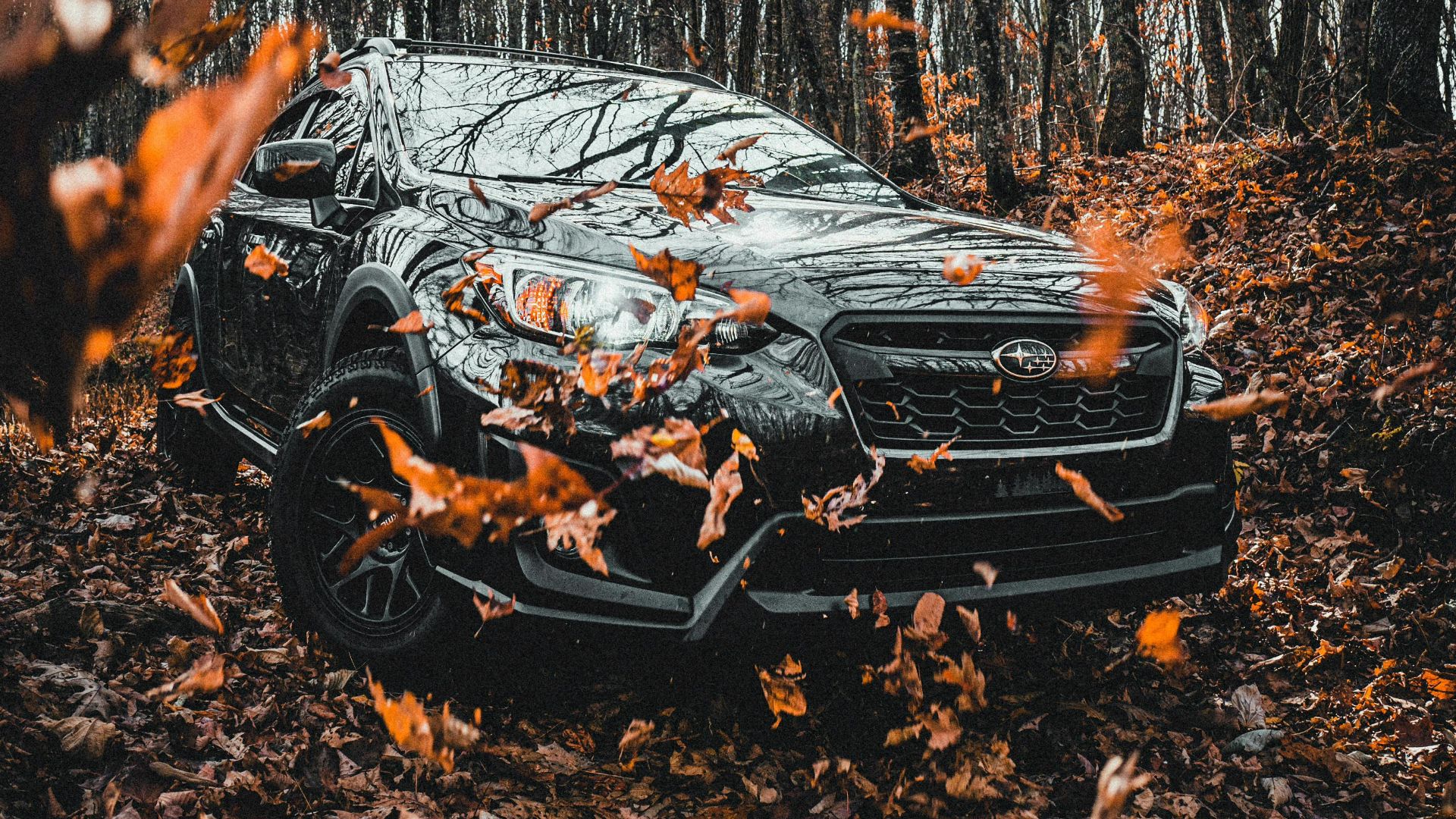
Smaller than it looks, the Crosstrek punches above its weight. All-wheel drive and decent clearance make it trail-friendly. It’s ideal if you want adventure without a massive vehicle. Its size also makes daily driving easier. That balance broadens its appeal.
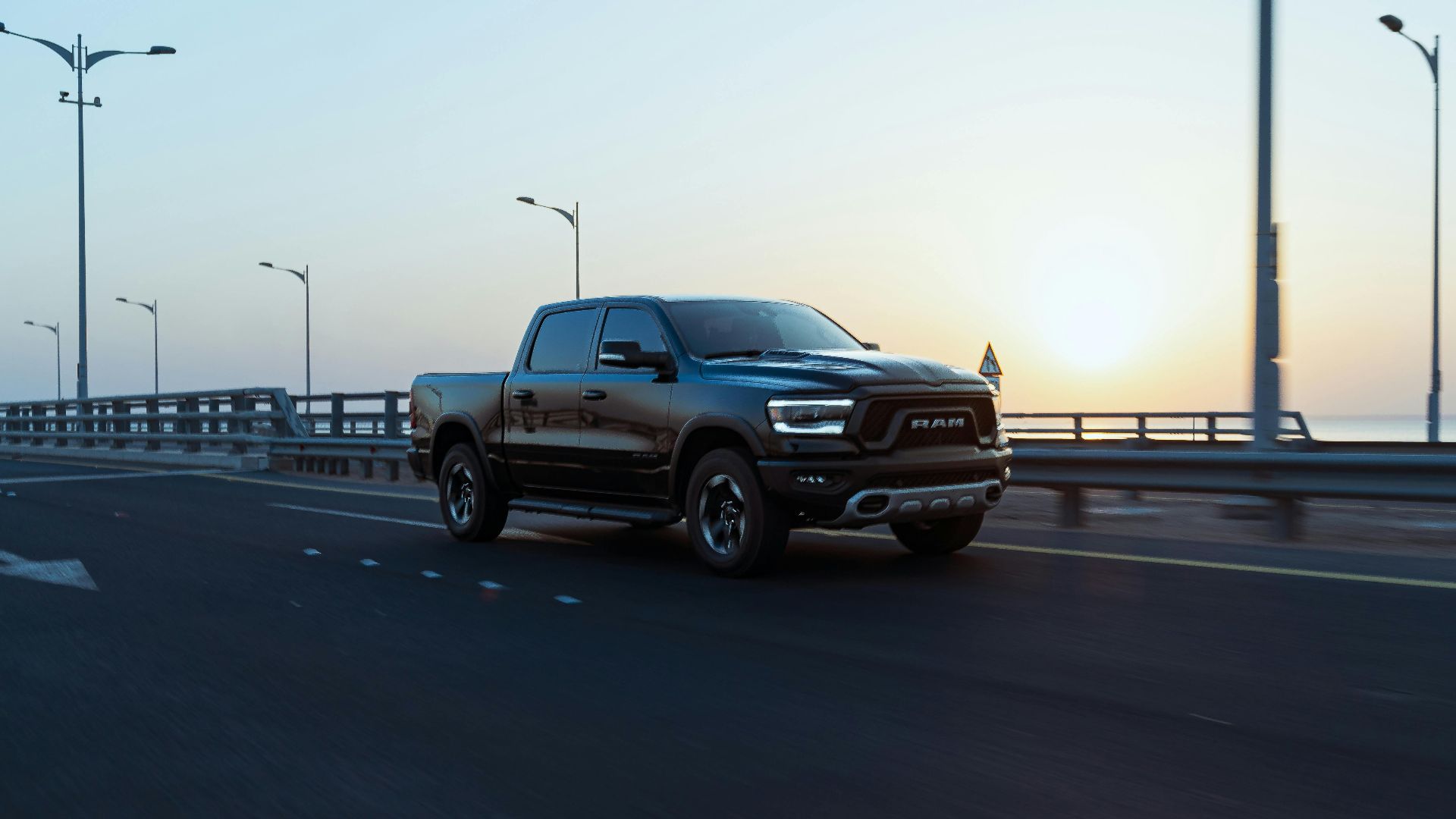
8. Chevrolet Colorado ZR2
This version of the Colorado is built for off-road punishment. Upgraded suspension and skid plates make a noticeable difference. It’s a truck that actually lives up to its reputation. You can feel the engineering when the terrain gets rough. It feels purpose-built rather than dressed up.
9. Lexus GX
The GX hides serious off-road chops under a luxury badge. It’s comfortable on long drives and capable when conditions turn rough. You get refinement without sacrificing toughness. It’s an underrated option for outdoor travel. The quiet cabin makes long journeys easier.
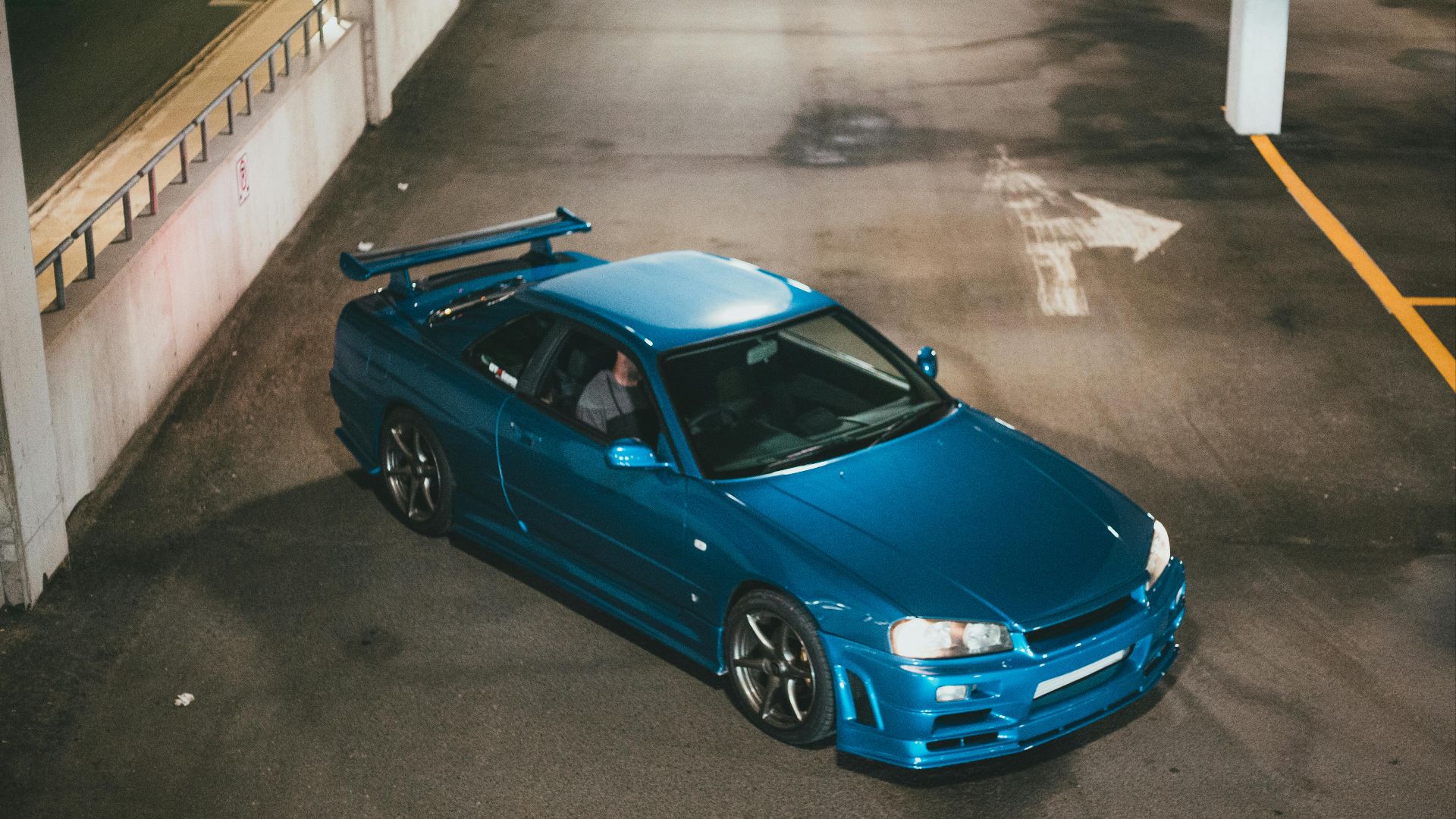
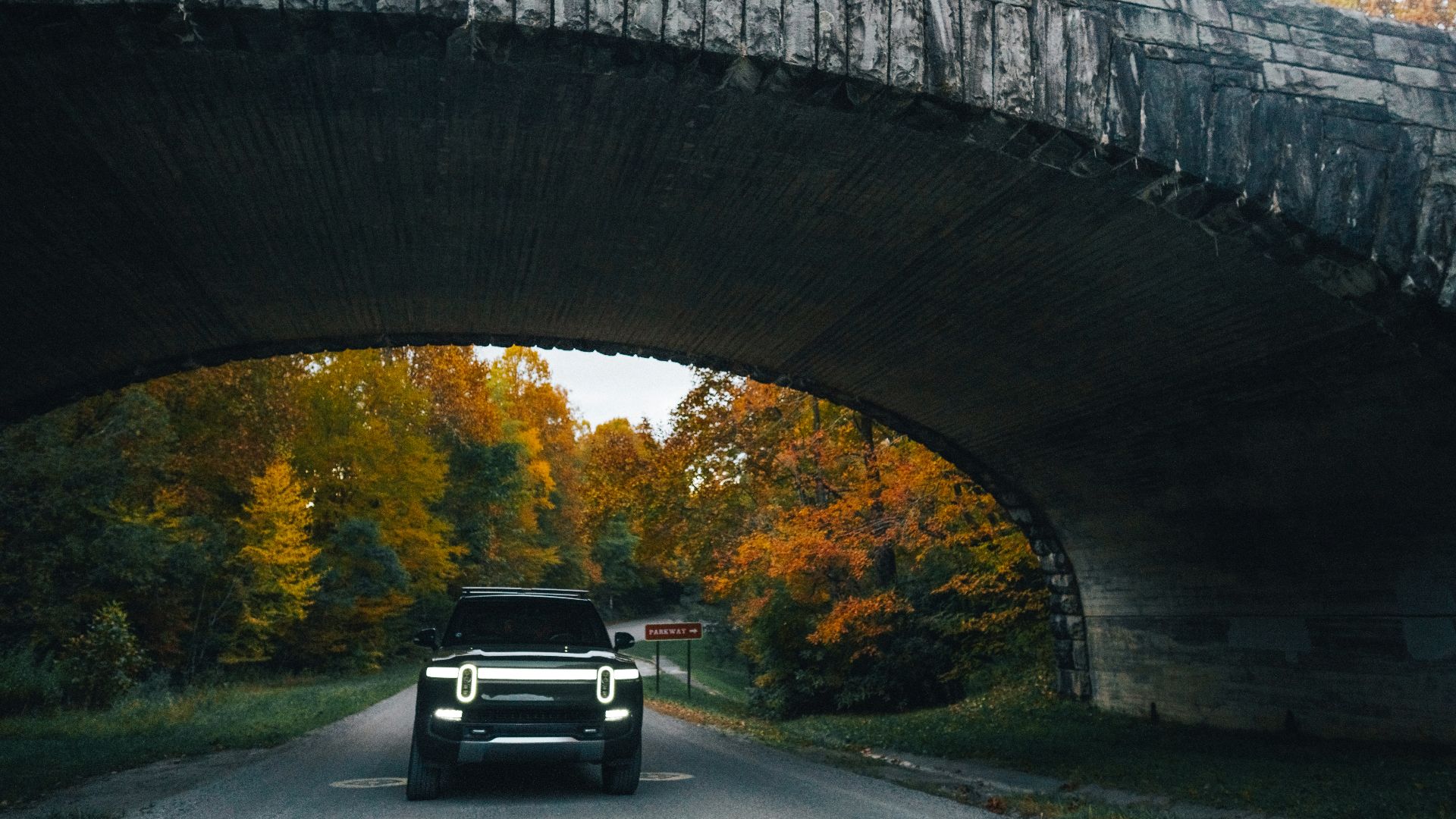
10. Rivian R1T
The R1T proves electric vehicles can handle the outdoors. Its torque and ground clearance are genuinely impressive. It feels like a glimpse into the future of adventure driving. Quiet power changes the whole experience. Technology plays a bigger role than you might expect.
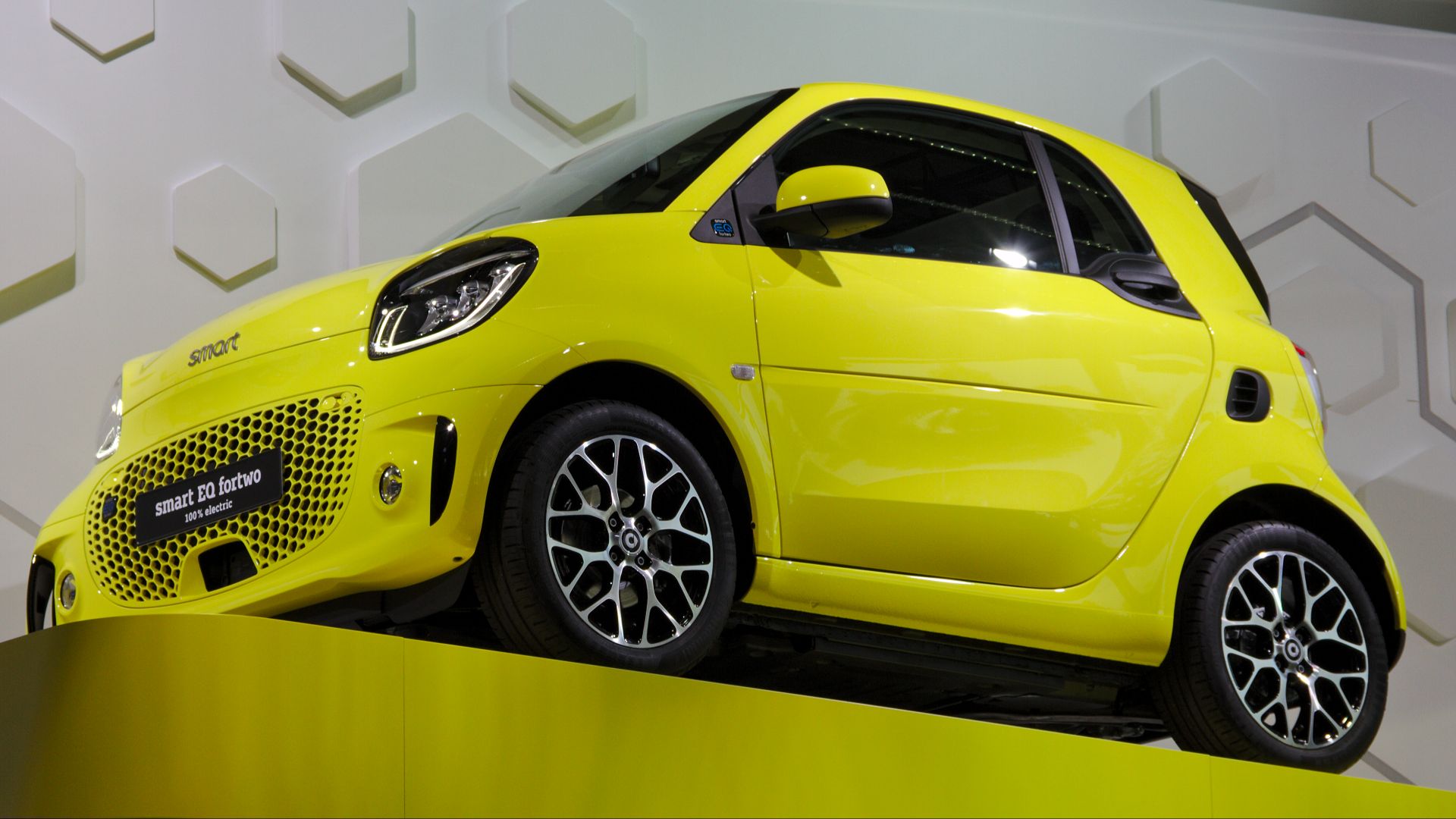
1. Smart Fortwo
The Smart Fortwo is perfectly sized for tight parking spaces. It excels at short trips and crowded streets, and that's about it. Anything beyond that quickly feels impractical. You’re constantly aware of its limitations outside urban areas. Its strengths are very specific.
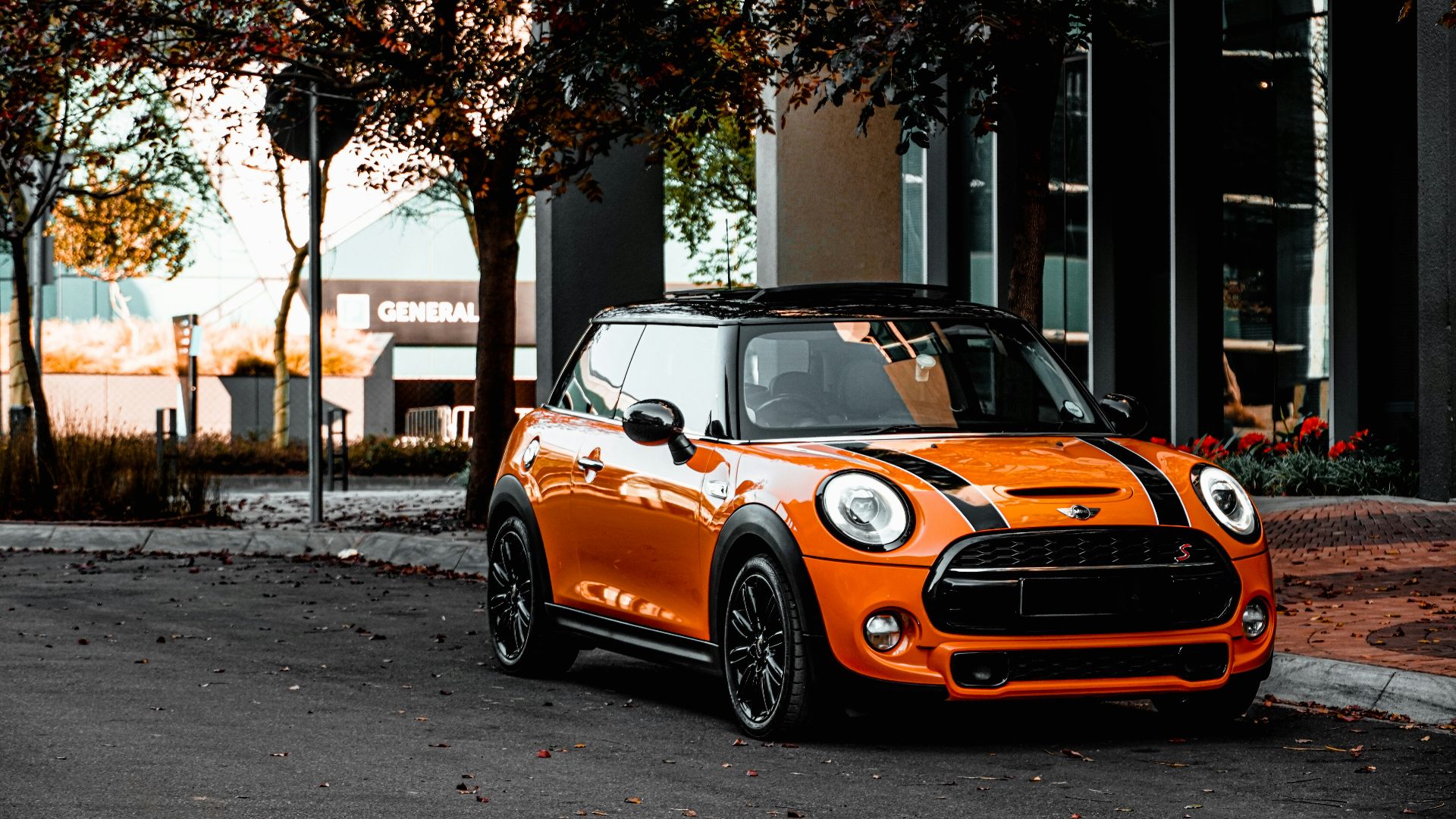
2. Mini Cooper
The Mini Cooper thrives in urban environments. Its small footprint and sharp handling make city driving fun. Rough roads and cargo-heavy trips aren’t its strength. It’s happiest darting through traffic. That agility defines the experience.
 Devon Janse van Rensburg on Unsplash
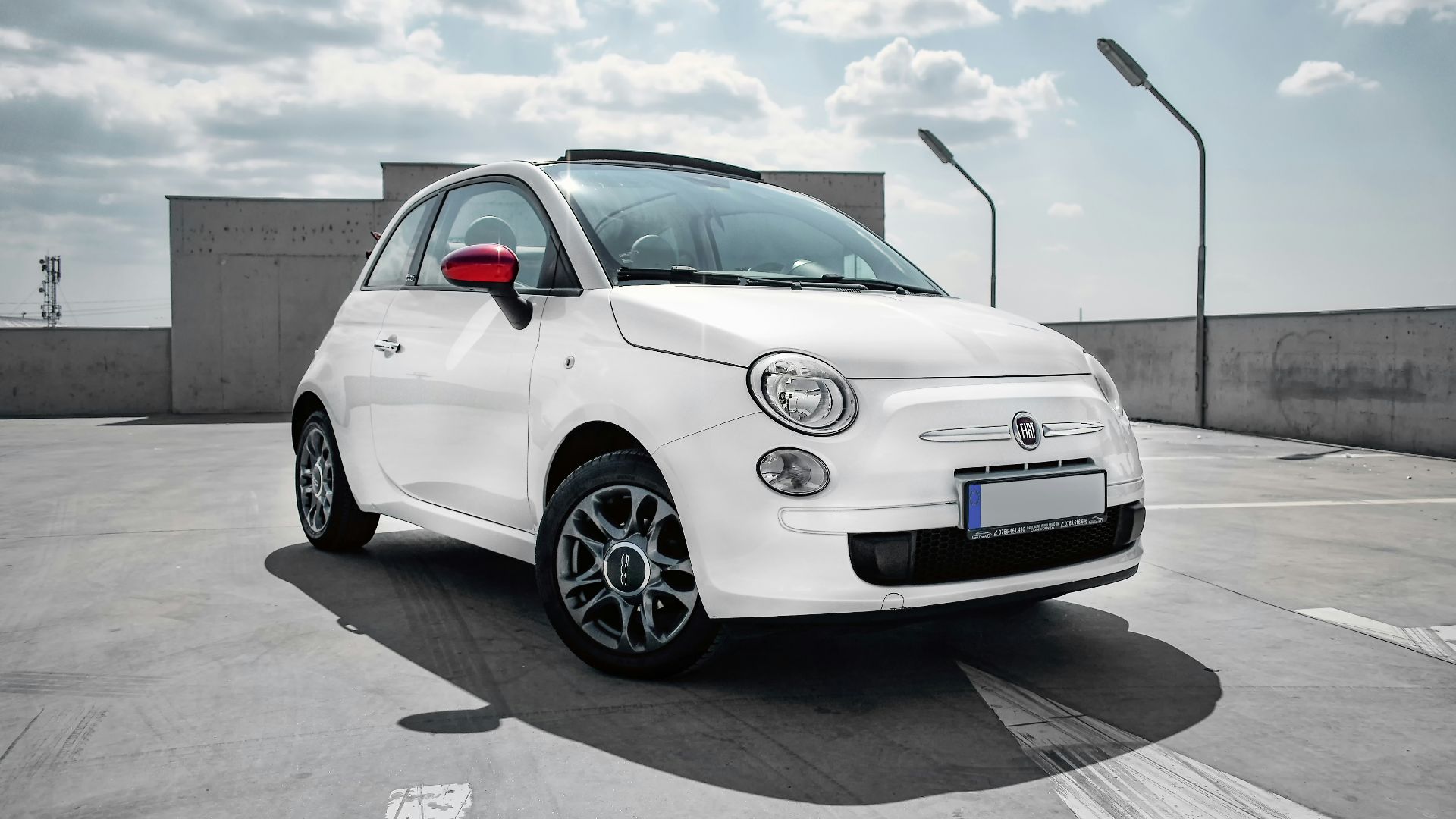
3. Fiat 500
The Fiat 500 is charming and compact. It fits easily into city life and tight garages. Long drives or uneven terrain expose its limitations fast. Style matters more here than versatility, and practicality clearly wasn’t the priority.
4. Honda Fit
The Fit is a city hero when it comes to efficiency and visibility. It’s easy to maneuver and surprisingly spacious inside. Highway-heavy or off-road use pushes it out of its comfort zone. Urban errands are where it shines most. It feels designed for daily convenience.
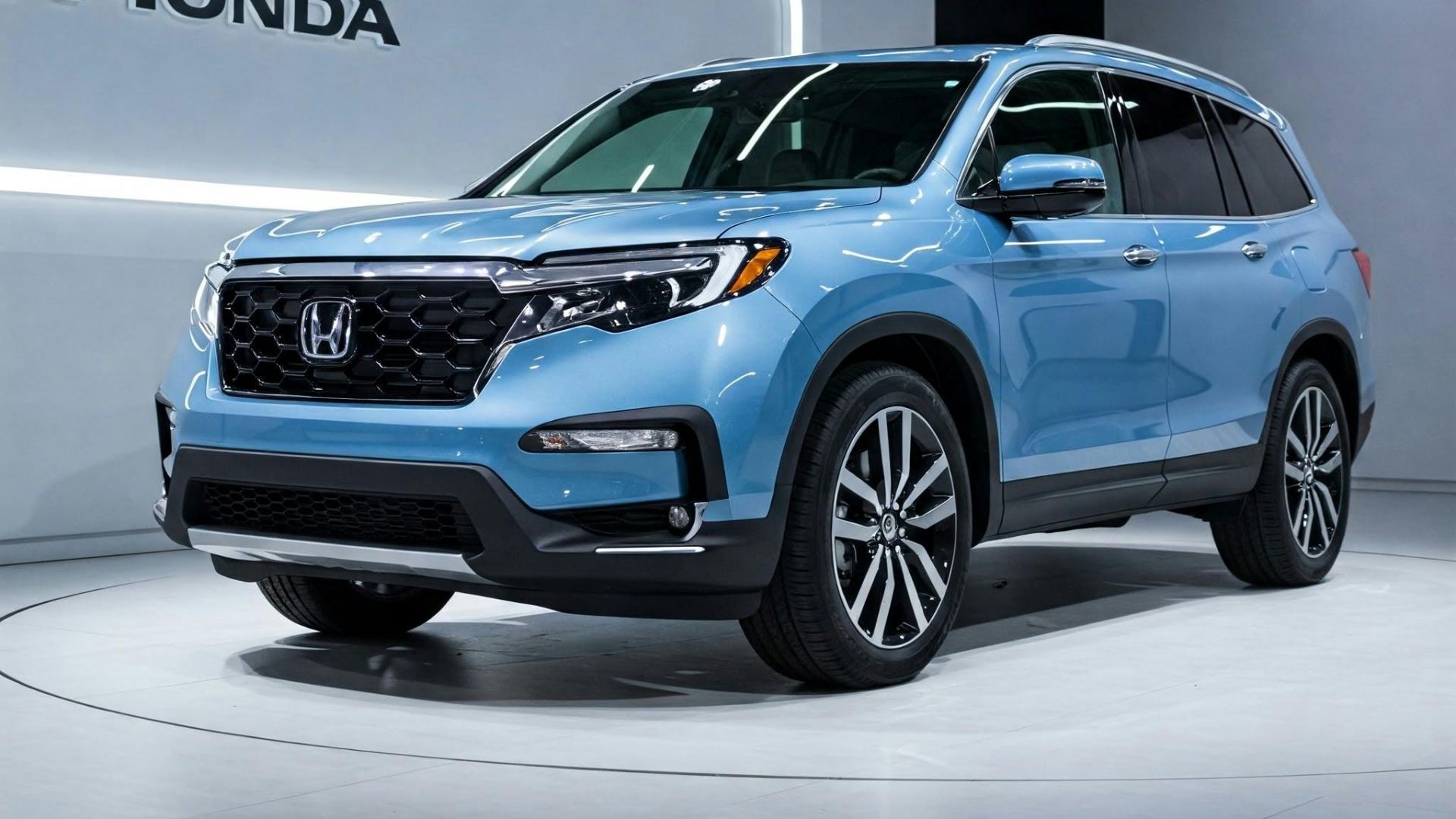
5. Toyota Prius
The Prius was built for stop-and-go efficiency. It excels in traffic and short commutes. Adventure driving was never part of the plan. Fuel savings are its real selling point. It rewards patience, not exploration.
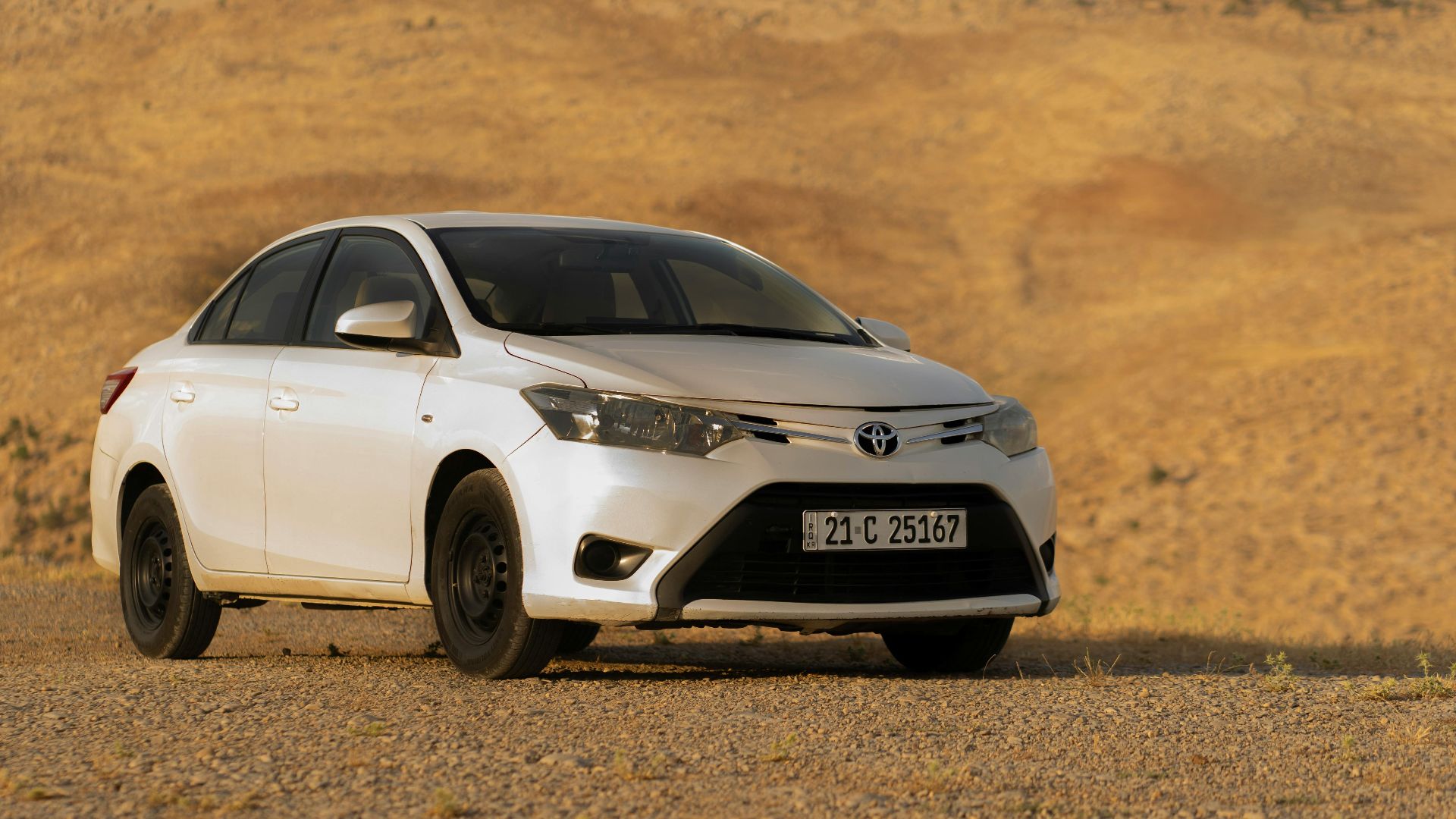
6. Volkswagen Beetle
The Beetle’s appeal is mostly urban and aesthetic. It’s comfortable cruising city streets. Rough conditions quickly remind you what it’s not meant for. Its charm outweighs its practicality. Nostalgia does a lot of the work here.
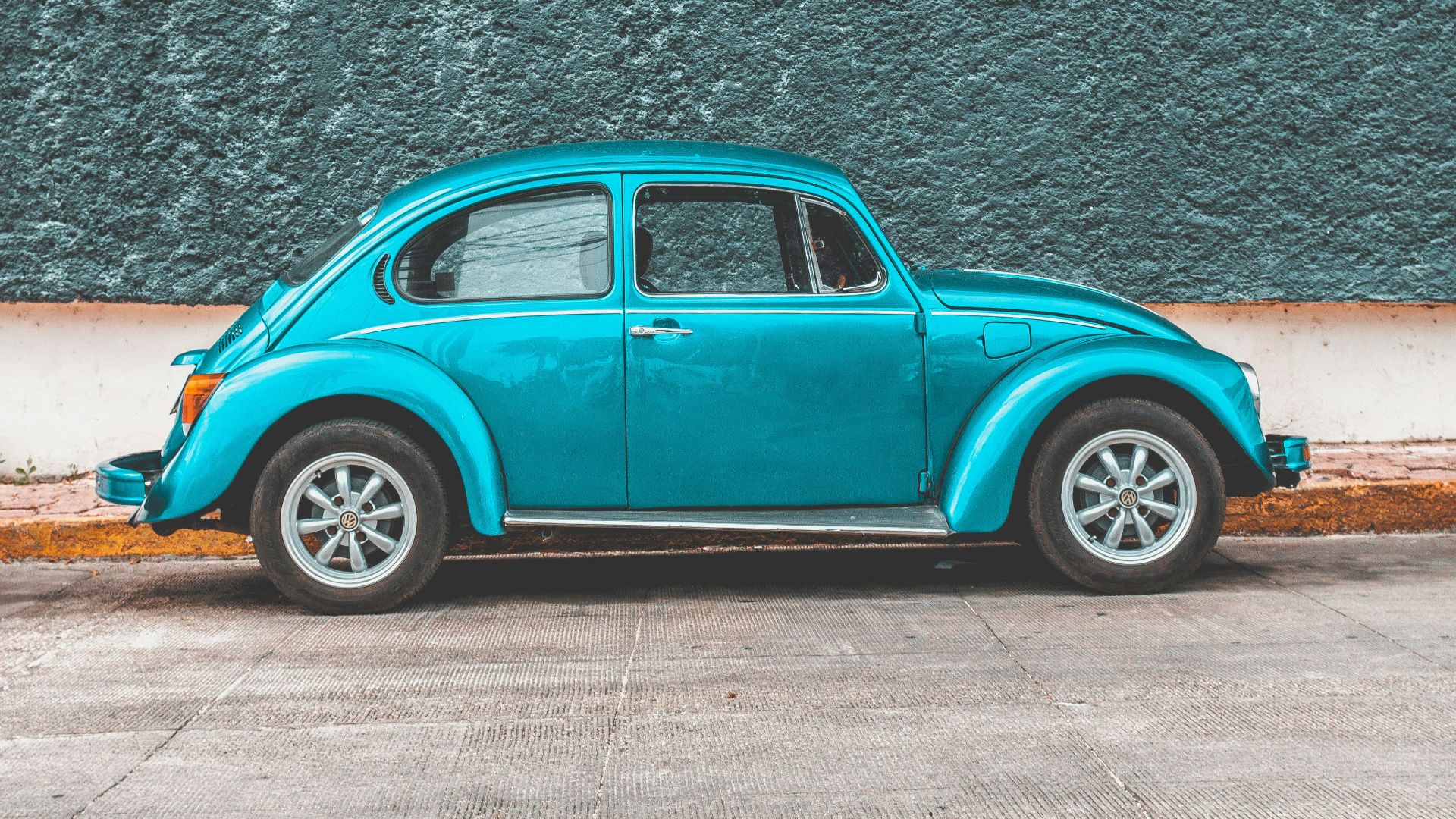
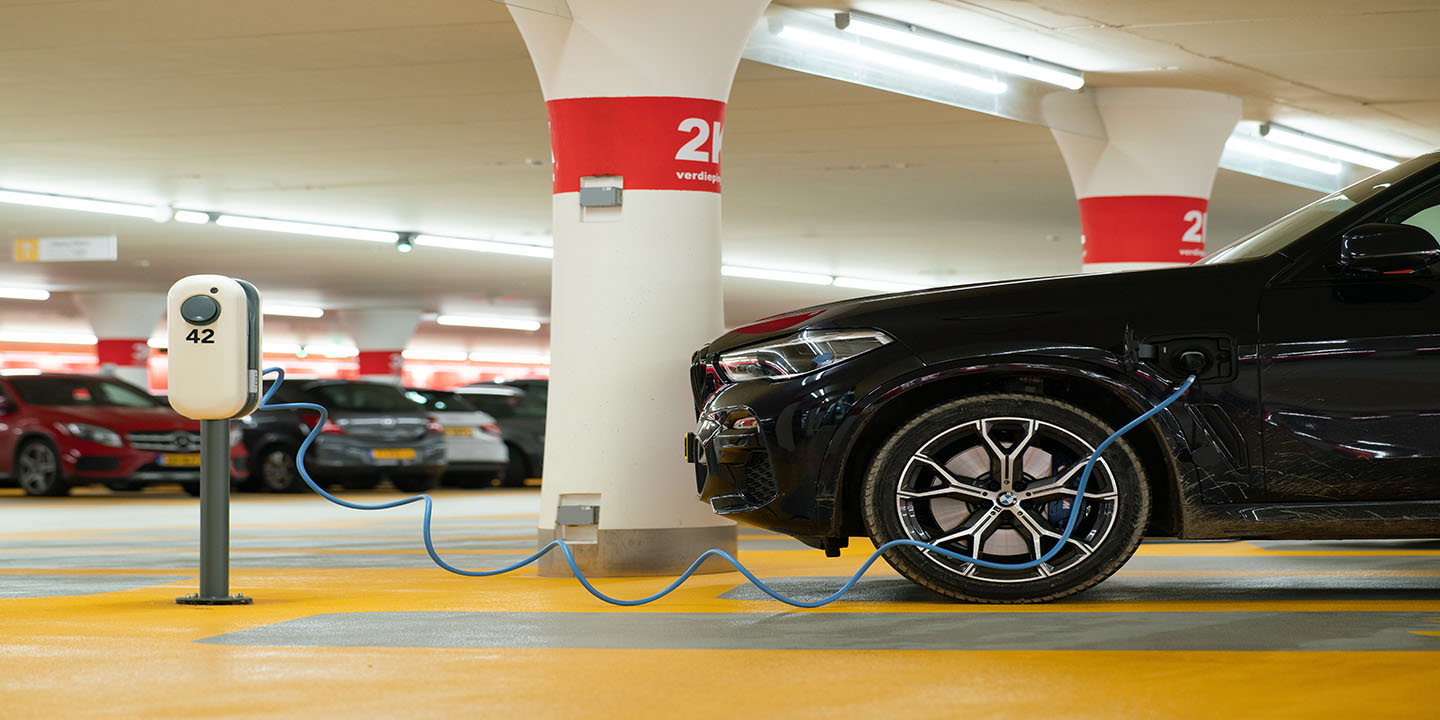
7. Nissan Leaf
The Leaf works best when charging stations are nearby. It’s ideal for predictable daily driving. Remote routes introduce unnecessary stress, and planning becomes essential outside the city. Range anxiety is hard to ignore.
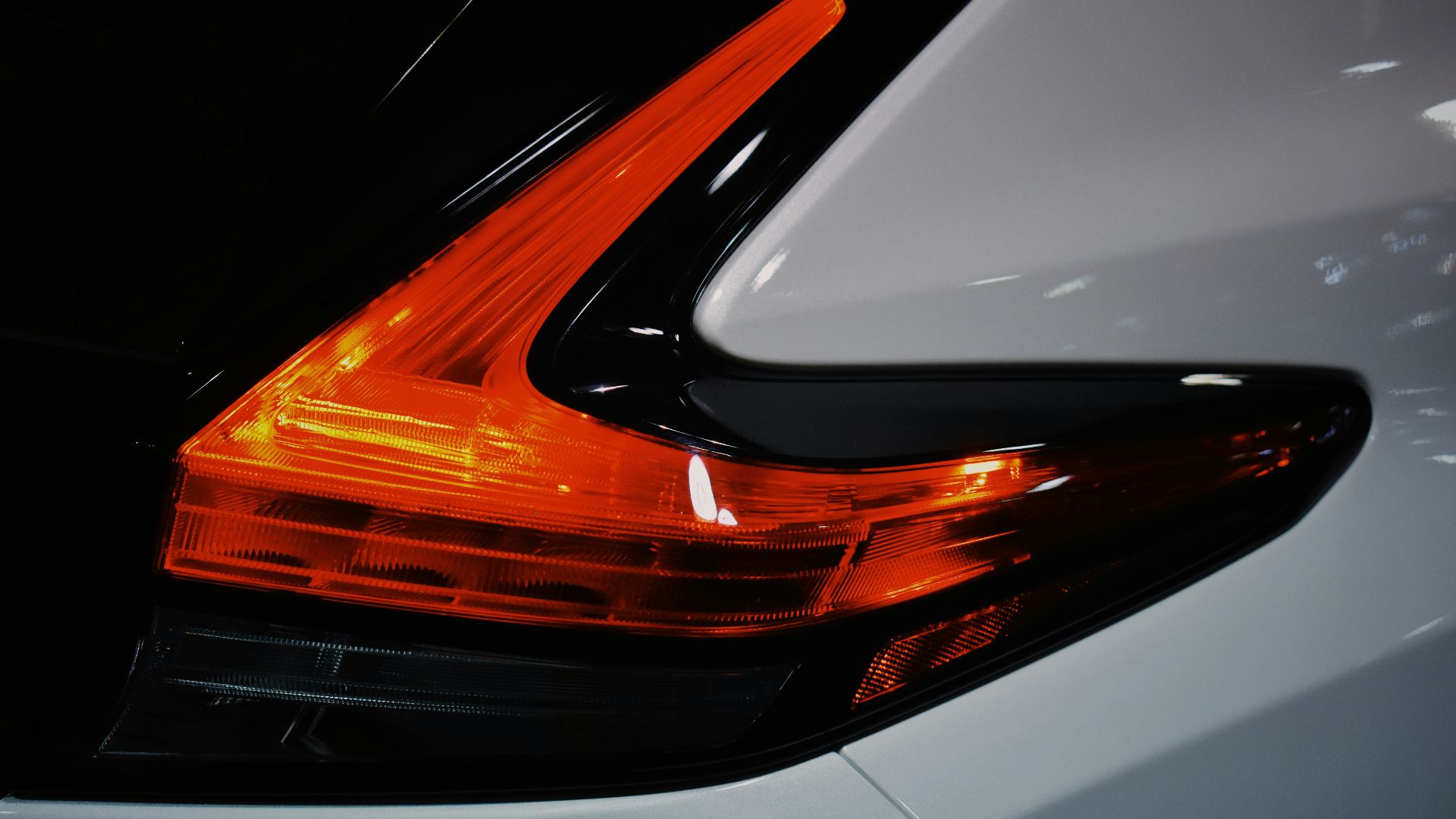
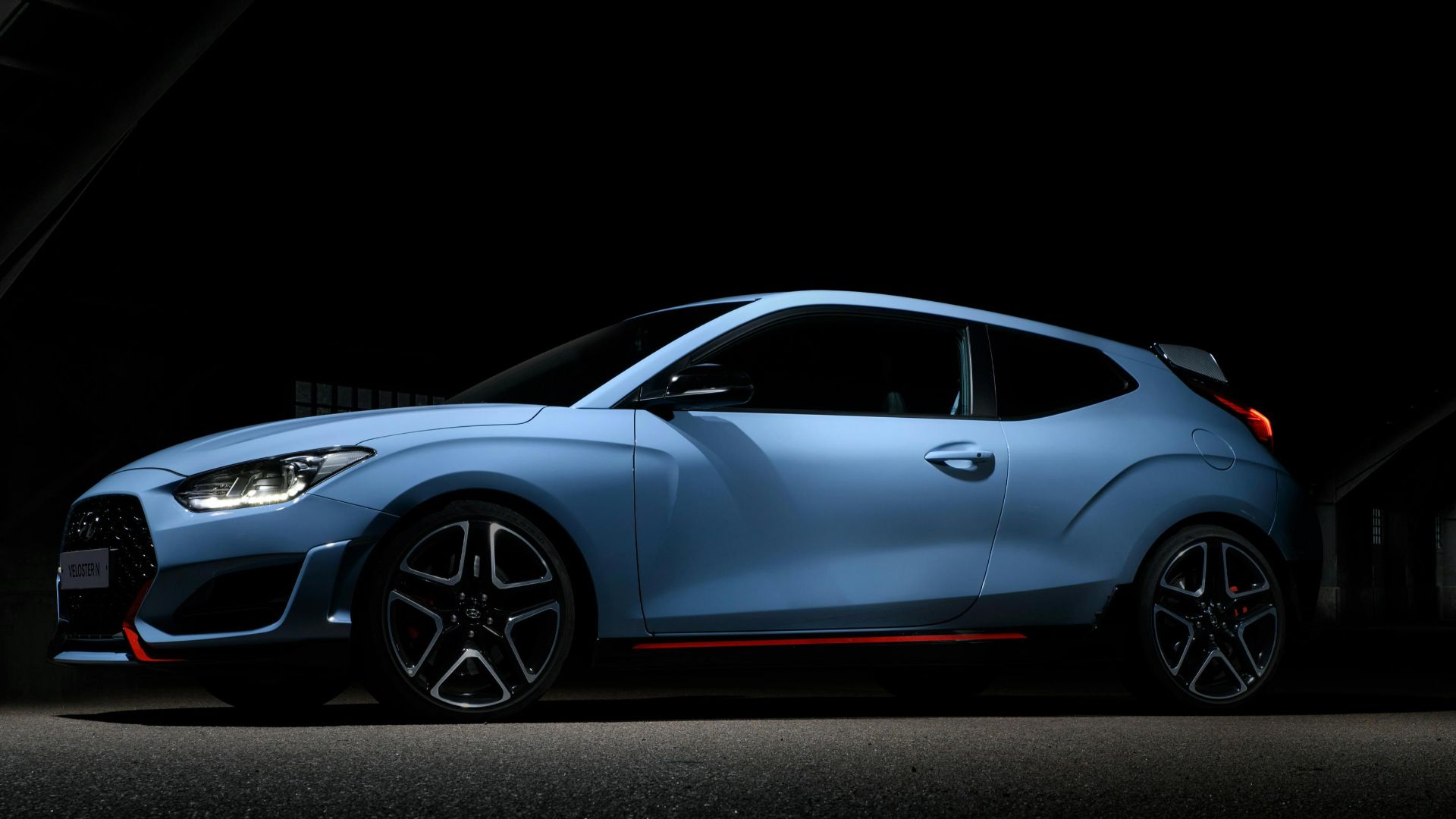
8. Hyundai Veloster
The Veloster feels sporty in an urban setting. Tight handling and compact size suit city roads. Uneven terrain doesn’t match its low stance. It’s designed for smooth pavement and quick turns. Comfort takes a back seat to style.
9. Mazda MX-5 Miata
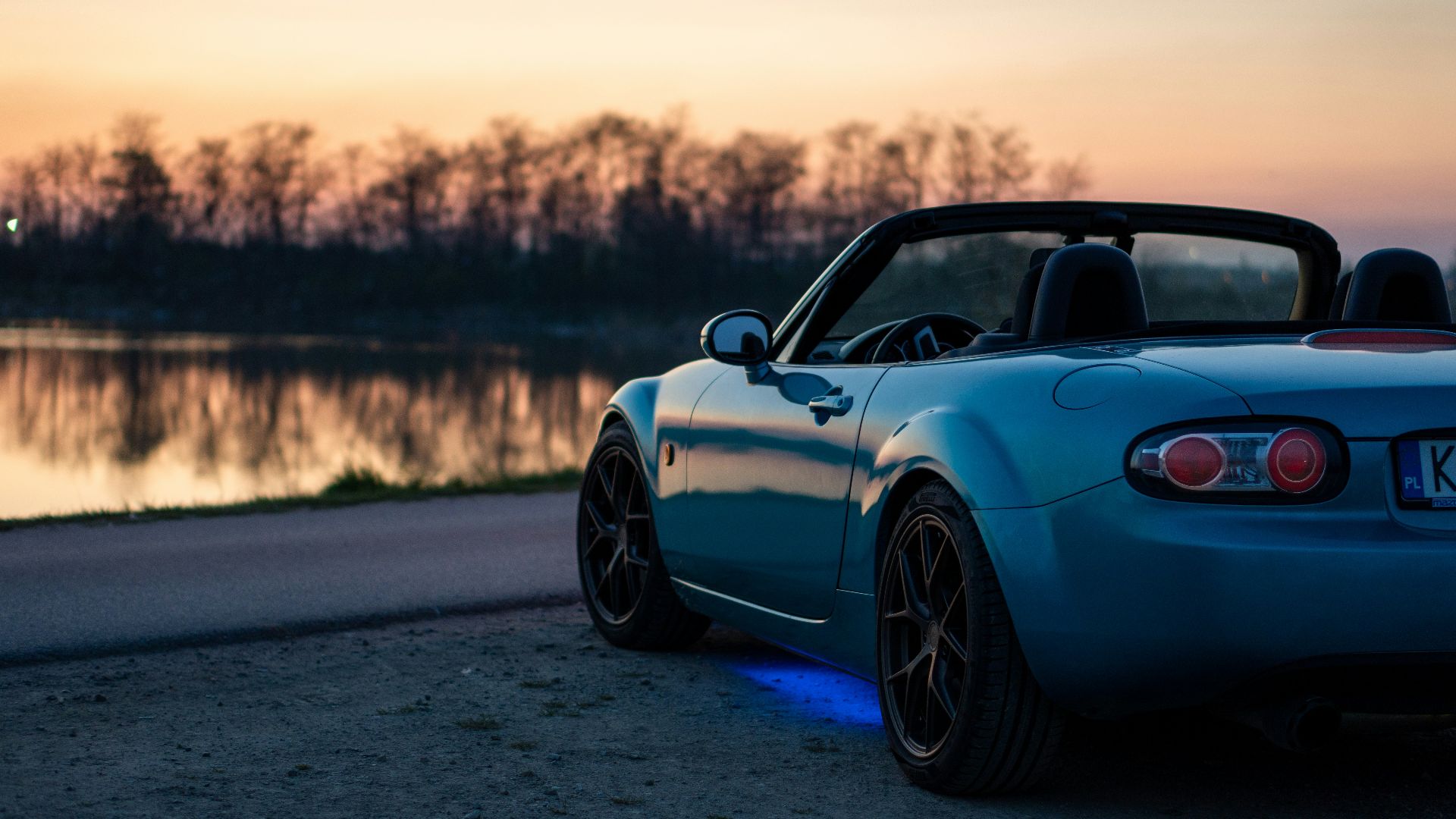
The Miata is built for smooth pavement and winding roads. It’s fun, light, and engaging. Outdoor adventures usually require more clearance and storage. You trade utility for pure driving joy. That trade-off is intentional.
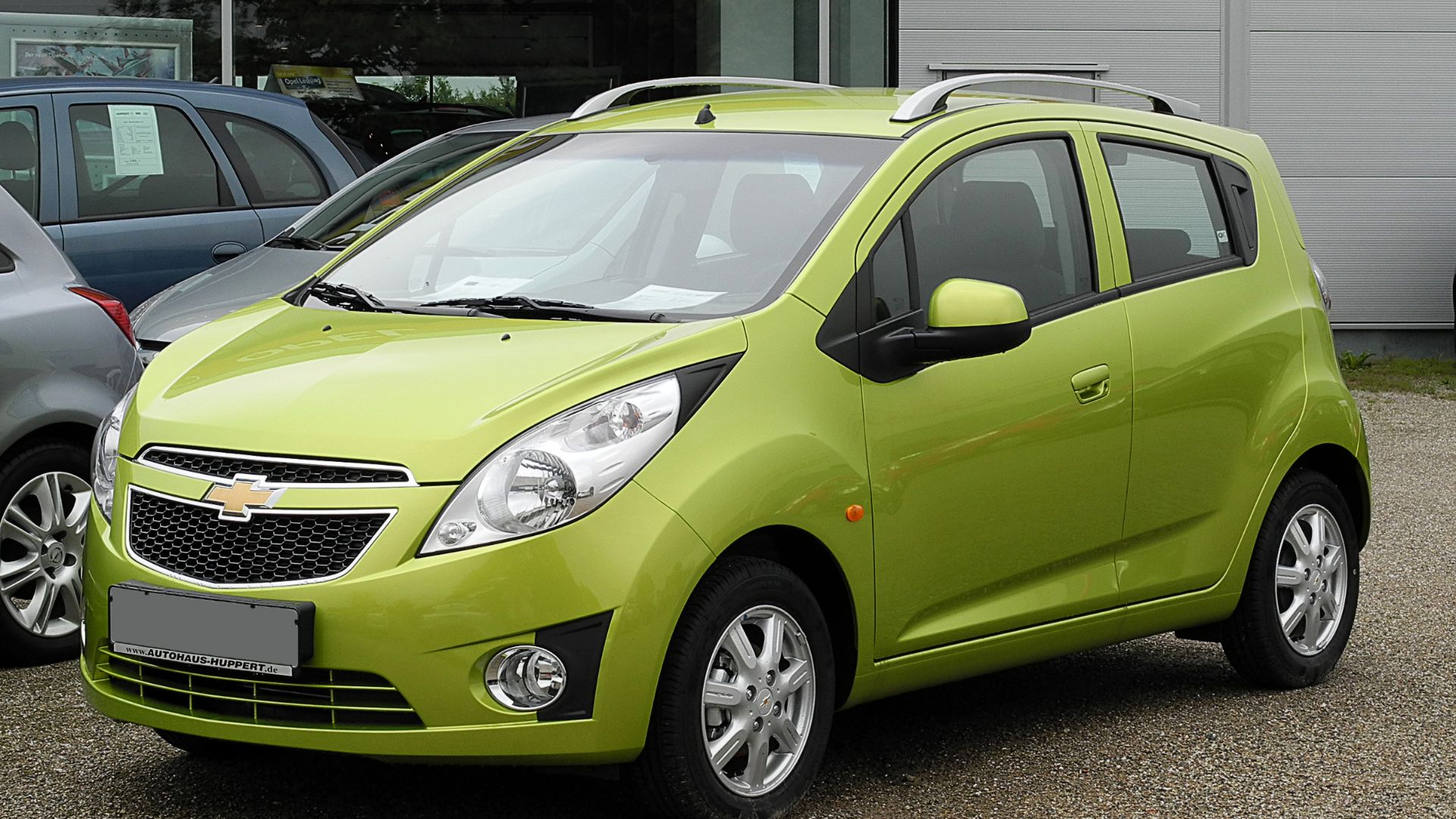
10. Chevrolet Spark
The Spark is all about affordability and simplicity. It handles city driving without fuss. Once roads get rough or distances grow, its limits are clear. It’s best kept close to home, and expectations need to stay realistic.