
The Road To Excellence
Hyundai didn’t start as a car company, and success didn’t happen overnight. From small beginnings in post-war Korea to becoming a global automotive powerhouse, every step shaped the brand’s identity. Vision, resilience, and bold moves turned challenges into opportunities. Tracing its path reveals how perseverance and smart strategy built a modern icon. Let’s explore the story that made Hyundai a household name worldwide.
1. Started As A Construction Company
Chung Ju-yung founded Hyundai in 1947, but cars weren't on his mind at all. He focused on rebuilding Seoul after World War II through construction and engineering projects. The auto industry didn't enter the picture until 1967, twenty years later.
 Marcopolis at English Wikipedia on Wikimedia
2. Founder's Humble Beginnings Journey
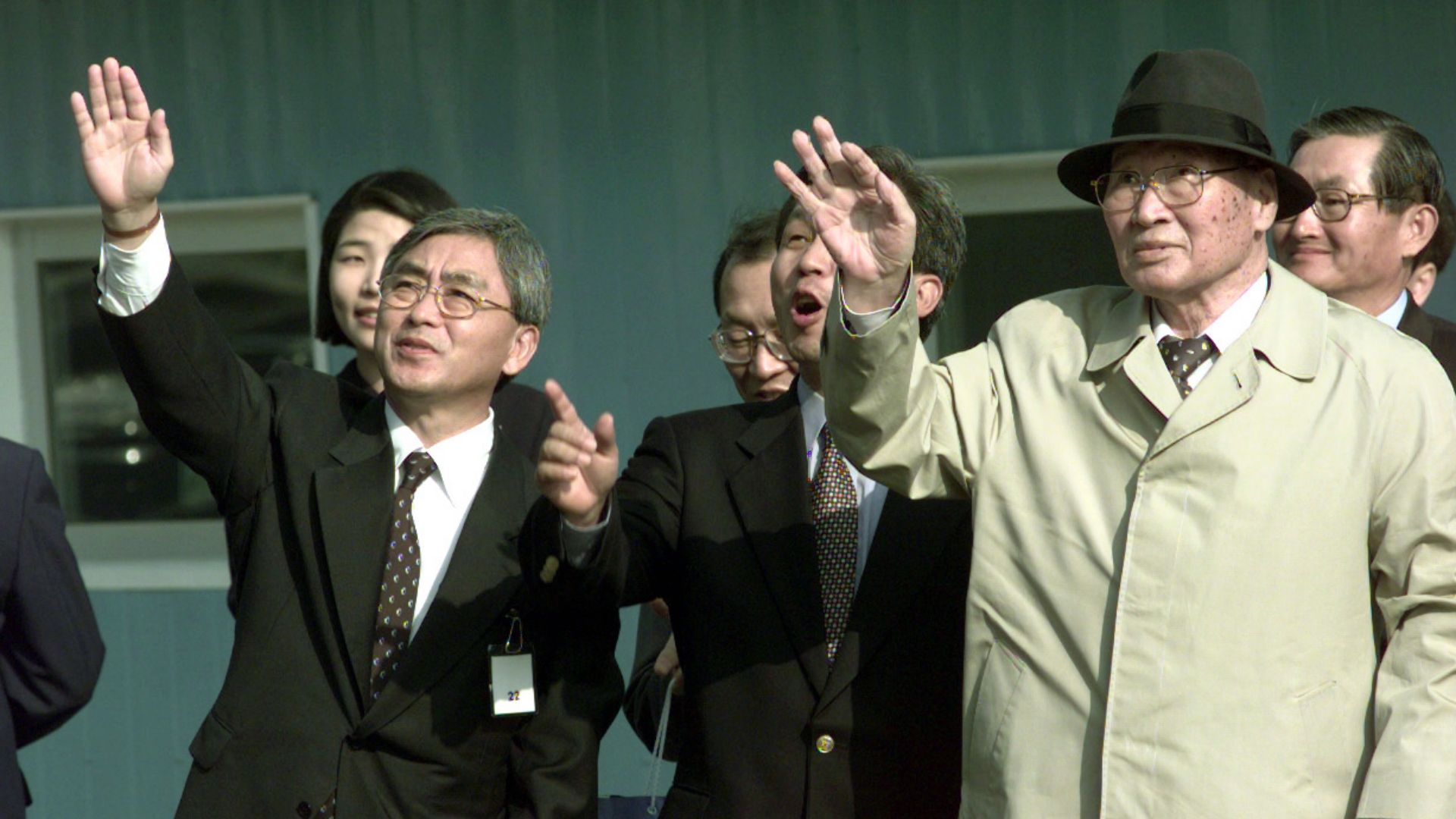
Born into poverty in 1915, Chung Ju-yung fled his farming family as a teenager. He worked as a rice shop delivery boy and construction laborer in Seoul. Those humble beginnings fueled his drive to build one of South Korea's largest business empires eventually.
 TSGT Renee' Sitler on Wikimedia
3. Name Means Modern Progress
Hyundai translates directly to "modernity" in Korean, chosen deliberately in 1947. The name reflected post-war ambitions to industrialize and modernize the entire nation. Progress and forward-thinking became core to the company's identity from day one, shaping everything that followed.
4. First Car Was Ford
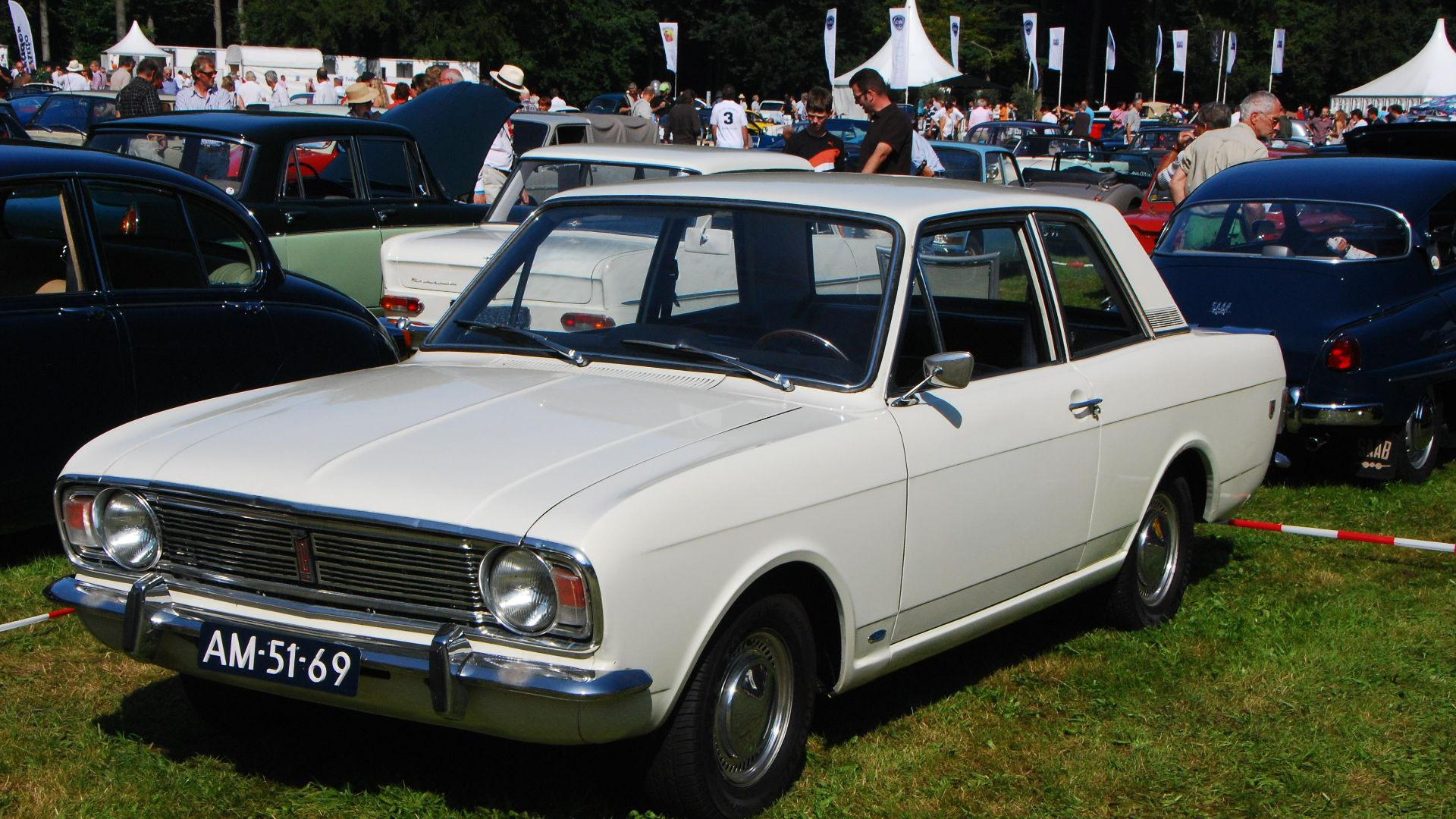
Hyundai entered car manufacturing in 1968 by assembling the Ford Cortina under license. This joint venture used imported parts and Ford's designs to teach basic assembly skills. Building someone else's car laid the groundwork before Hyundai could create independent models successfully.
5. Korea's First Independent Car
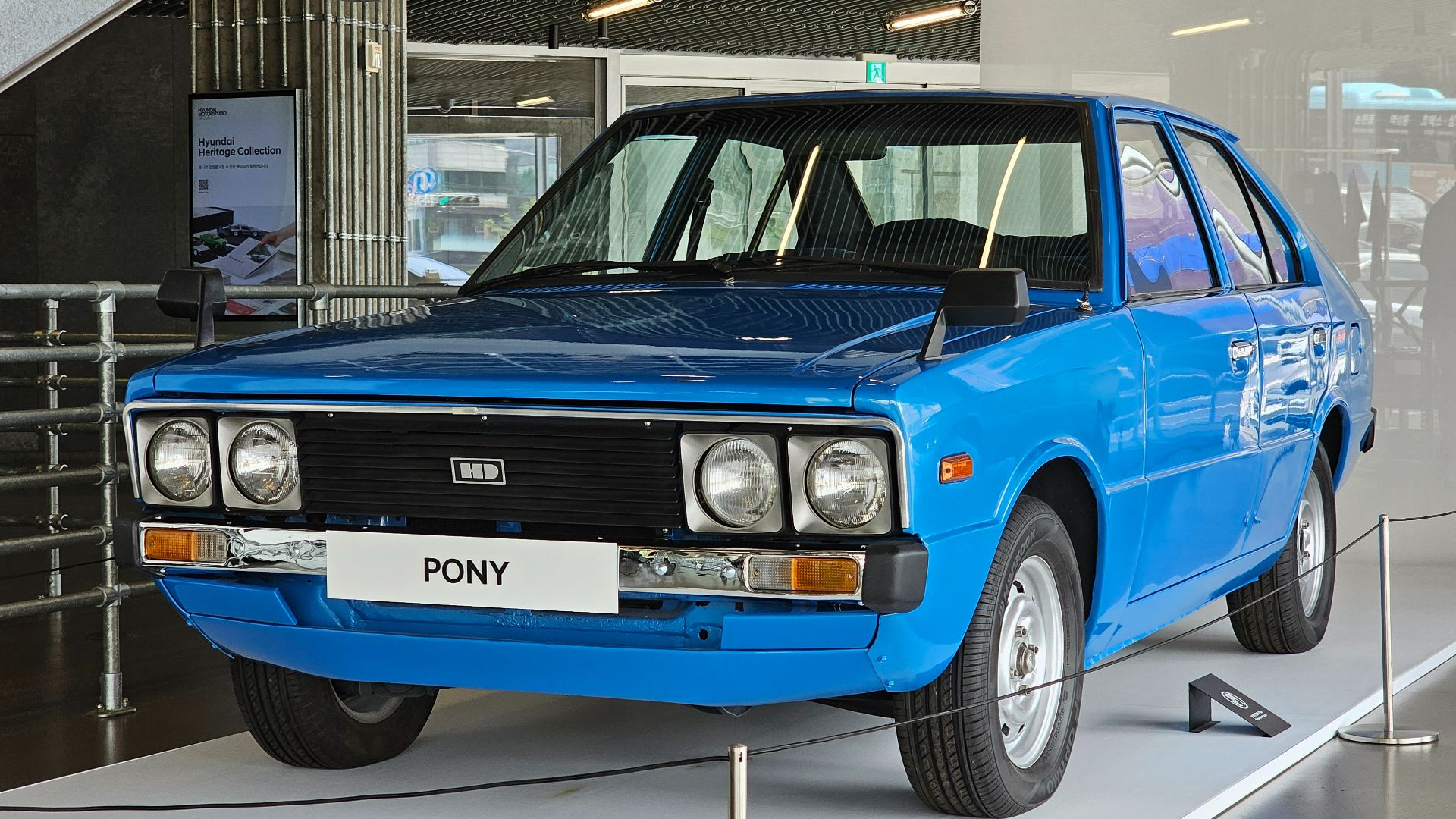
The Pony launched in 1975 as South Korea's first domestically designed mass-produced vehicle. Giorgetto Giugiaro from Italdesign styled it, while Mitsubishi provided engines under license. This car enabled Korea to export vehicles independently for the very first time globally.
6. American Market Entry 1986
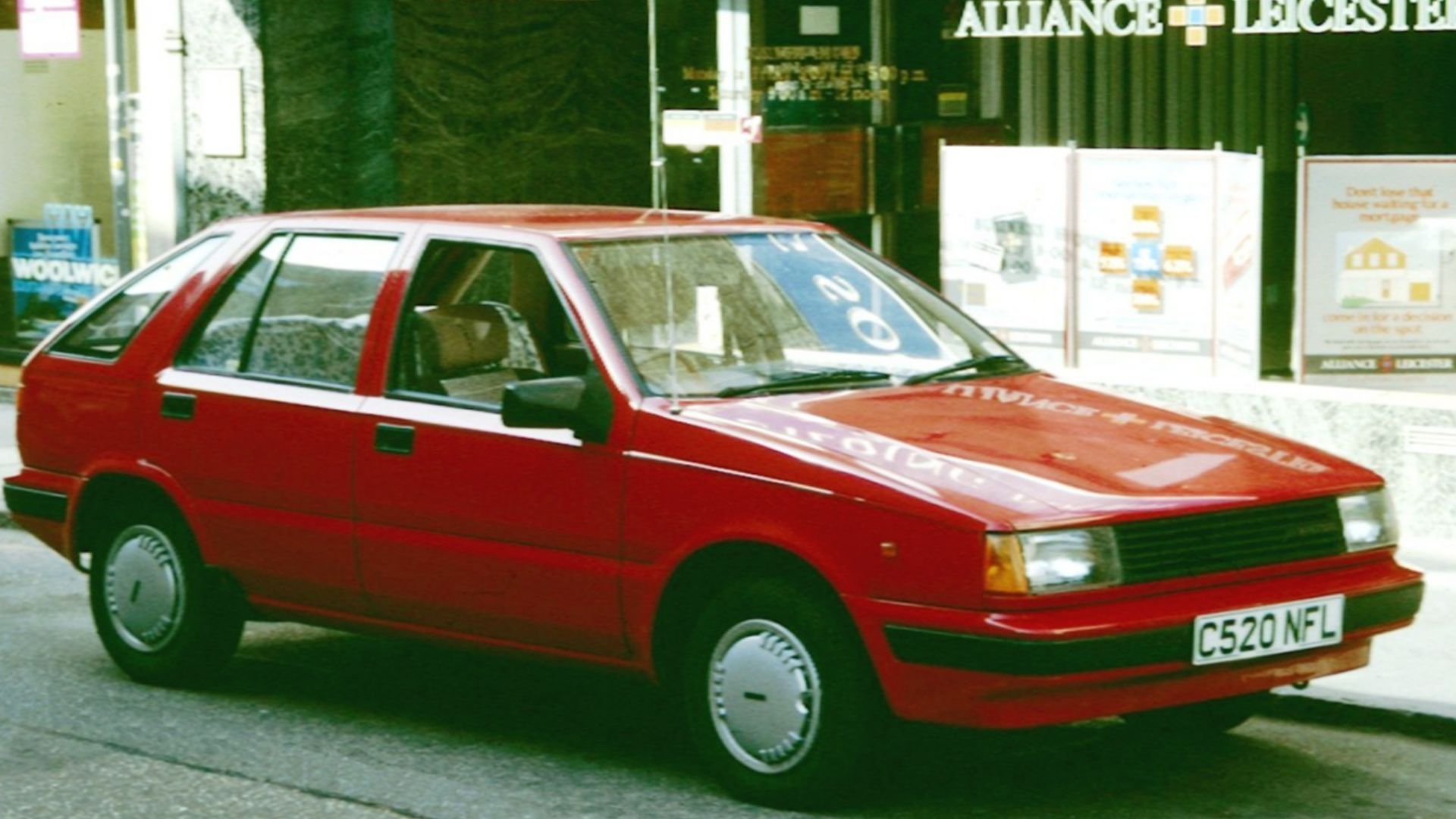
February 1986 marked Hyundai's U.S. debut with the subcompact Excel priced at around $5,000. Budget-conscious buyers jumped on the affordable import option immediately. Over 100 dealers signed up from day one to sell the new Korean brand across America. However, poor build quality and rust problems hammered Hyundai's reputation throughout the early 1990s, and sales dropped sharply after initial excitement faded.
7. Revolutionary Warranty Changed Everything
Hyundai launched the industry's longest powertrain warranty in 1998: 10 years or 100,000 miles. This bold move rebuilt consumer trust after quality disasters. The warranty transformed Hyundai's image dramatically and forced competitors to extend their coverage too.

8. Survived Financial Crisis Stronger
The 1997 Asian Financial Crisis crushed South Korea's currency and economy brutally. Hyundai survived by restructuring operations, slashing costs, and prioritizing exports over domestic sales. The company emerged more efficient and ready for aggressive global expansion afterward.
9. Acquired Bankrupt Kia Motors
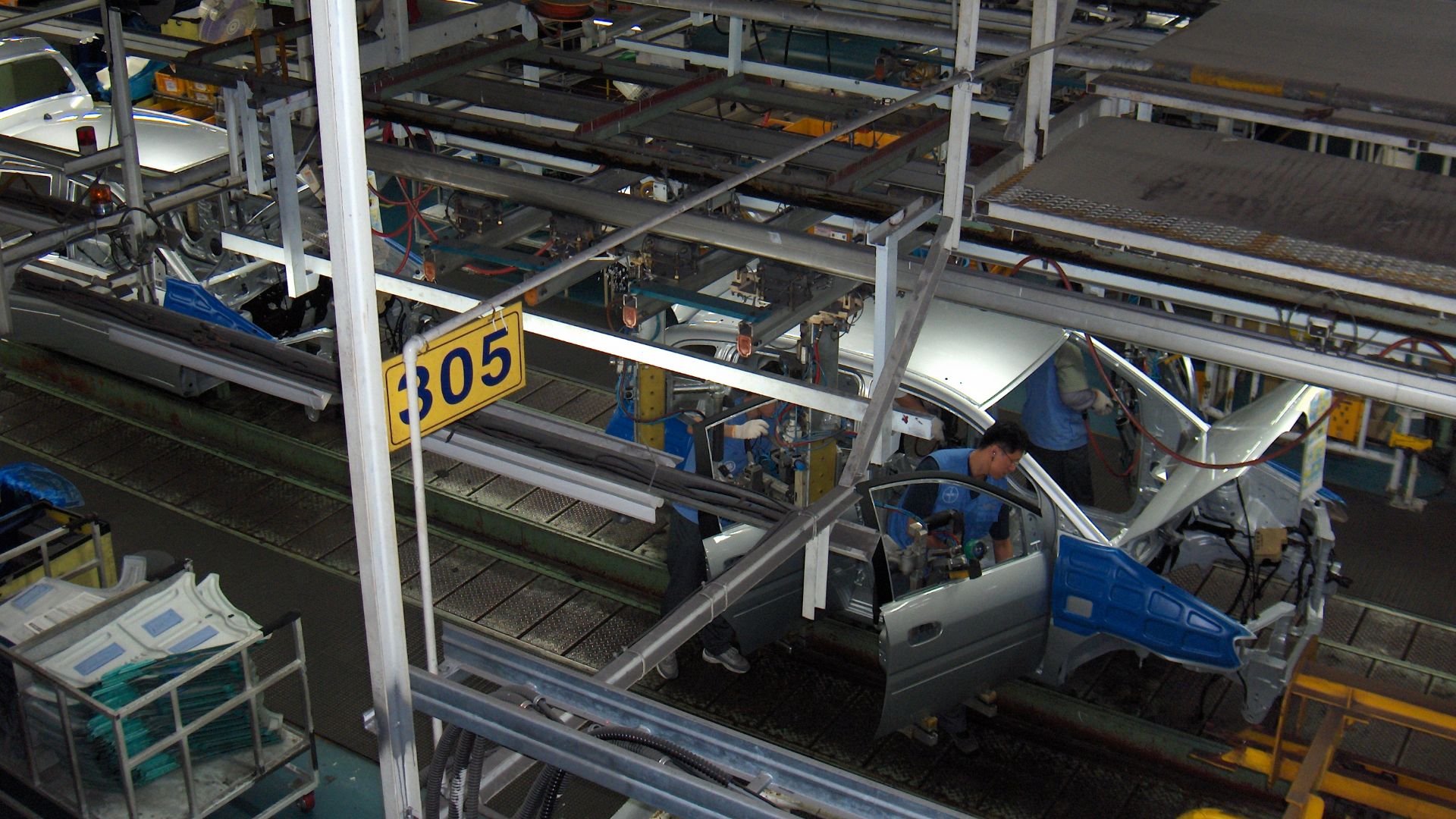
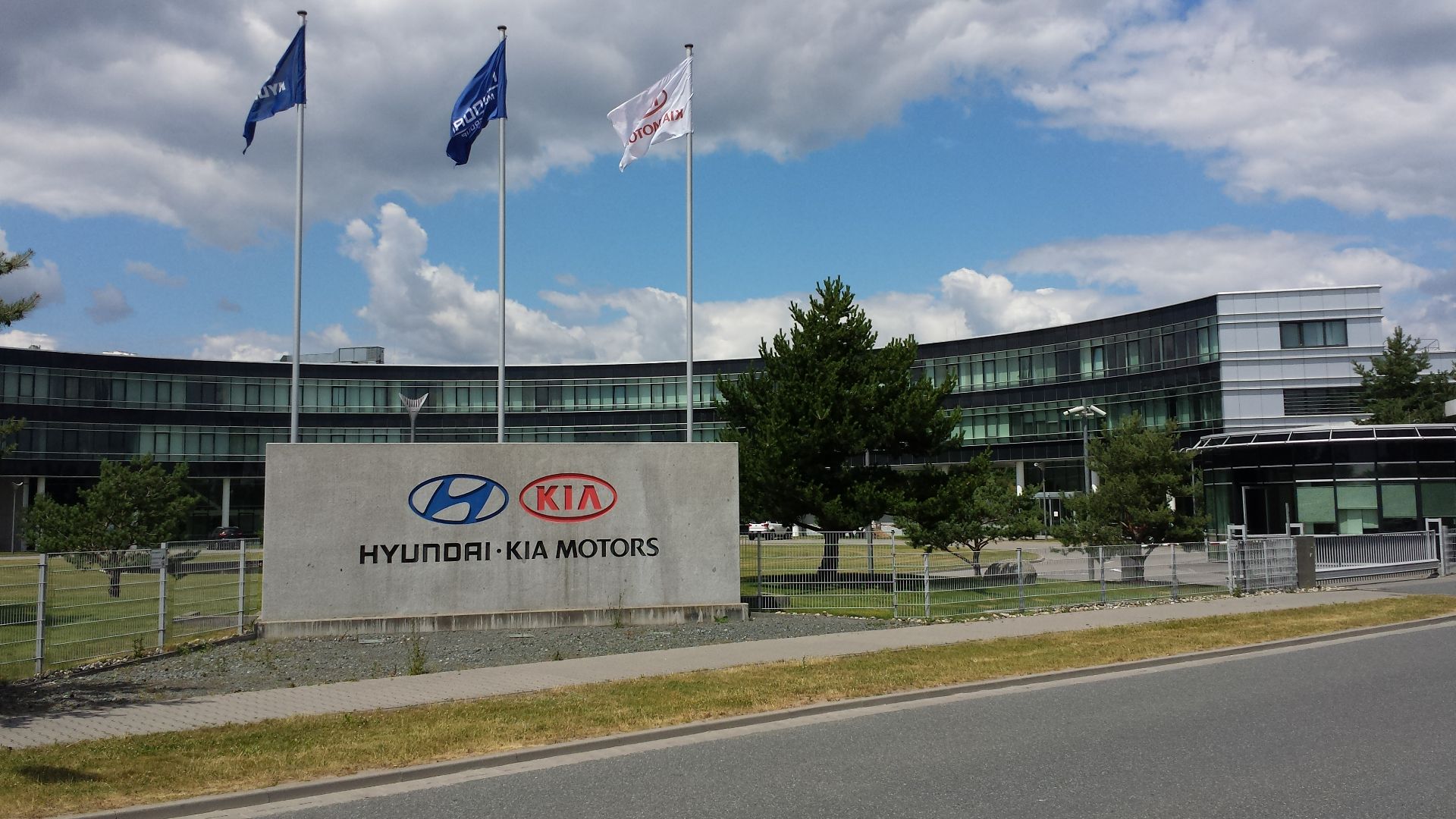
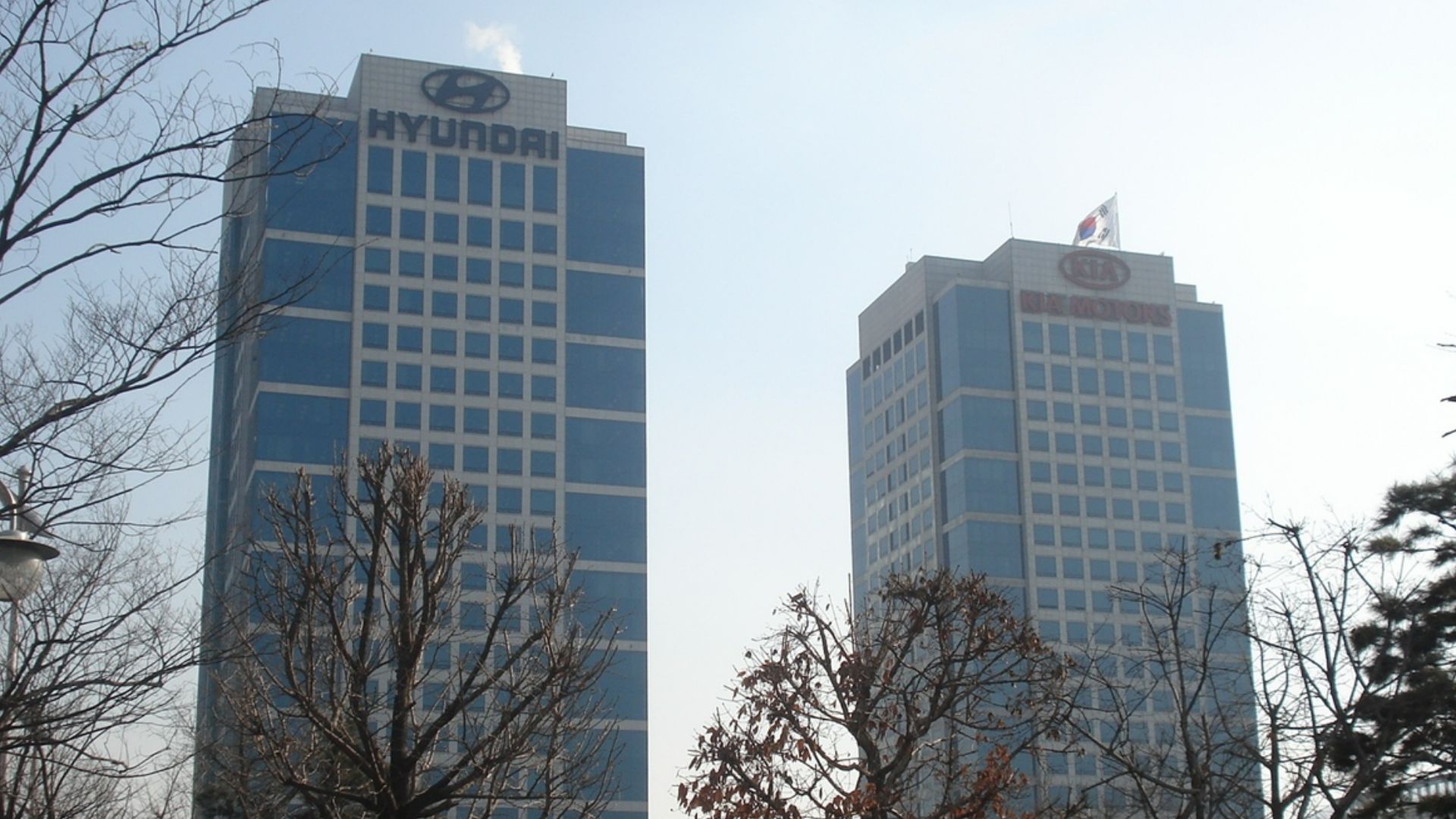
During the 1997–1998 crisis, Kia went bankrupt and needed rescue immediately. Hyundai acquired a controlling stake and completed the merger by 1999. Combined resources made them the world's third-largest automaker group by volume today.
10. Became Independent Motor Group
Hyundai Motor separated from the broader Hyundai Group chaebol structure in 2000. This split created an independent automotive-focused entity with clearer branding. The move helped avoid the collapse that destroyed other Korean conglomerates during economic turmoil.
11. Fluidic Sculpture Design Philosophy
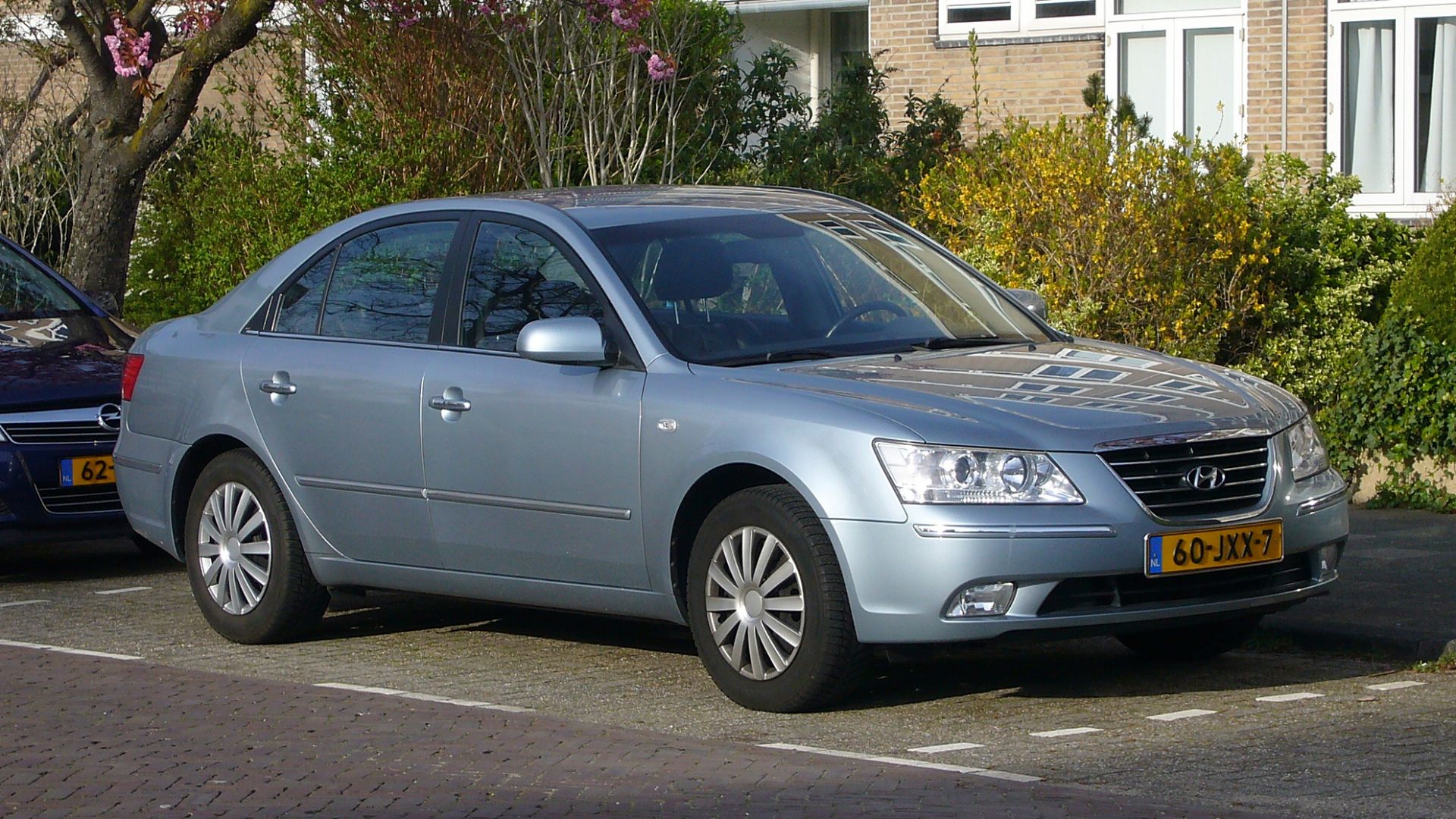
Around 2009, Hyundai introduced the Fluidic Sculpture design inspired by flowing, aerodynamic lines. The Sonata debuted this philosophy that transformed styling from bland to genuinely premium-looking. Hyundai's cars suddenly looked expensive and modern, not budget and forgettable anymore.
 Rutger van der Maar on Wikimedia
12. California Design Center Opened
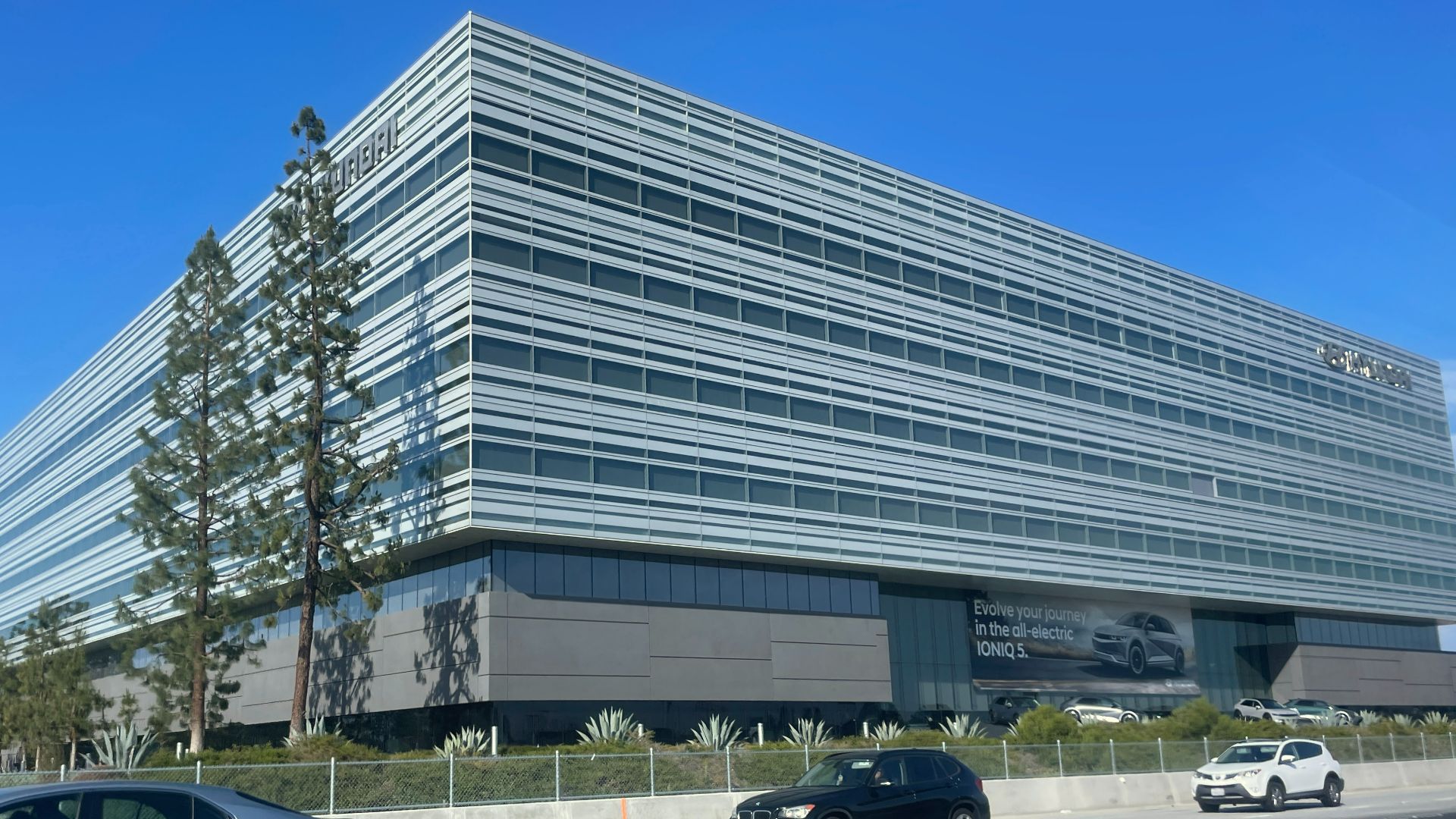
Hyundai opened its first overseas design studio in 1990 in Fountain Valley, before moving to Irvine, California in 2003. Understanding American tastes directly influenced hits like the Veloster and Tucson later. The center proved that local insight creates better global products than guessing from Seoul.
13. Genesis Luxury Brand Launch
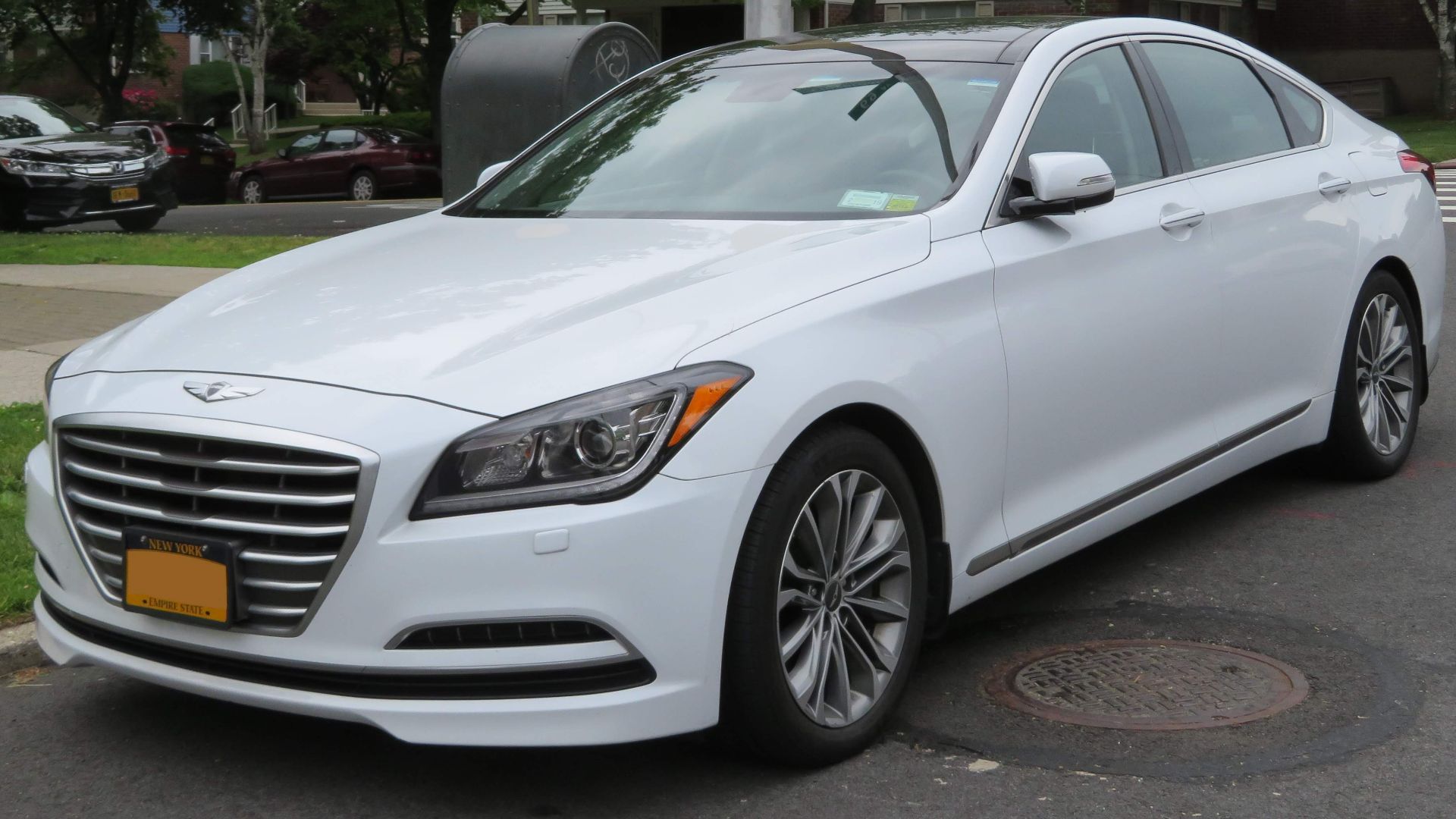
November 2015 brought Genesis as a standalone luxury brand targeting premium buyers. Separating from Hyundai allowed competition with German luxury marques directly. Genesis quickly won quality and design awards and proved Korean brands could rival BMW and Mercedes successfully.
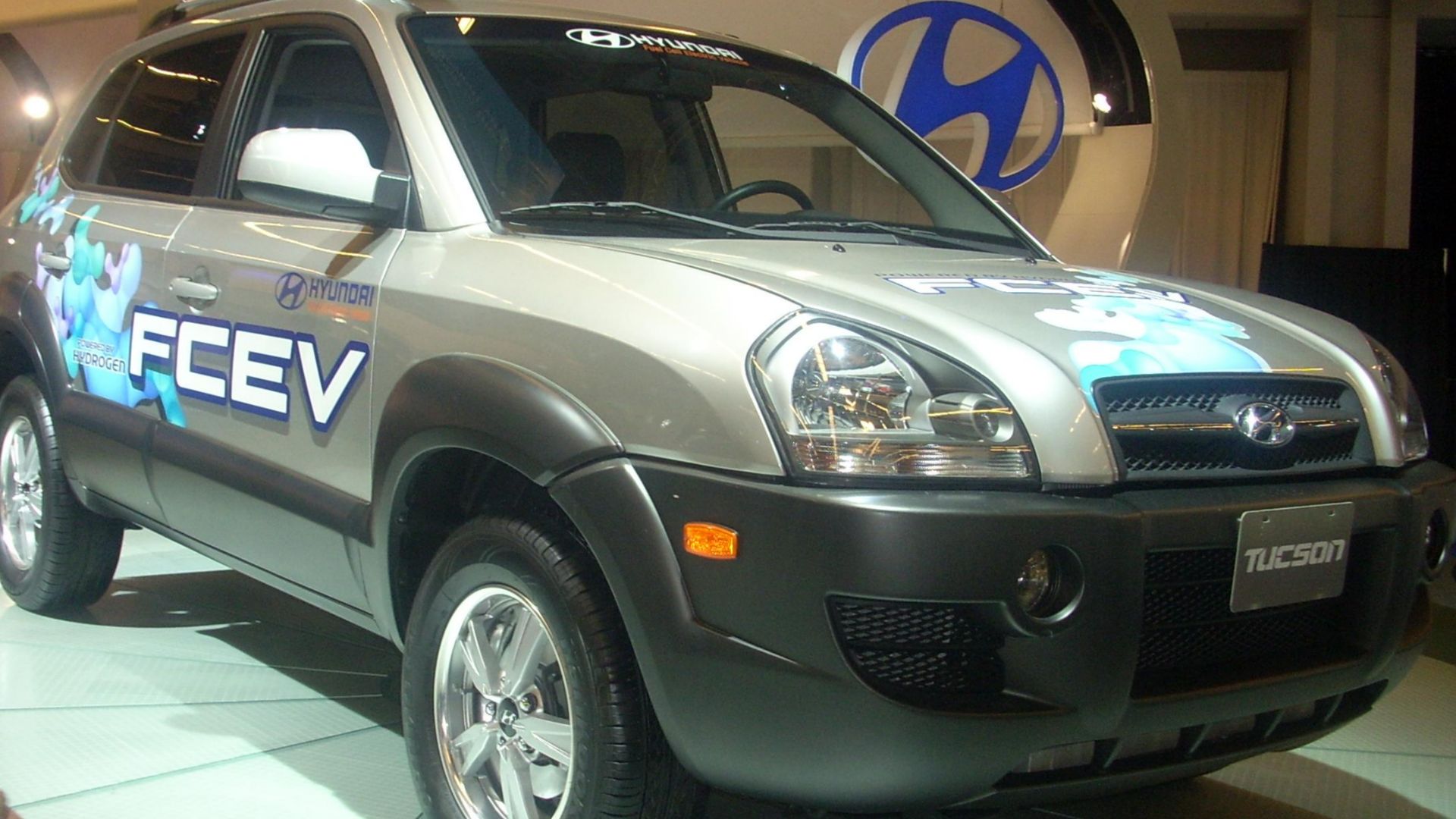
14. Hydrogen Fuel Cell Pioneer
Mass production of fuel cell vehicles started in 2013 with the Tucson Fuel Cell. Hyundai invested heavily in hydrogen, seeing it as a zero‑emission future that complements batteries. The company views fuel cells as ideal for long-range and commercial applications where batteries struggle.
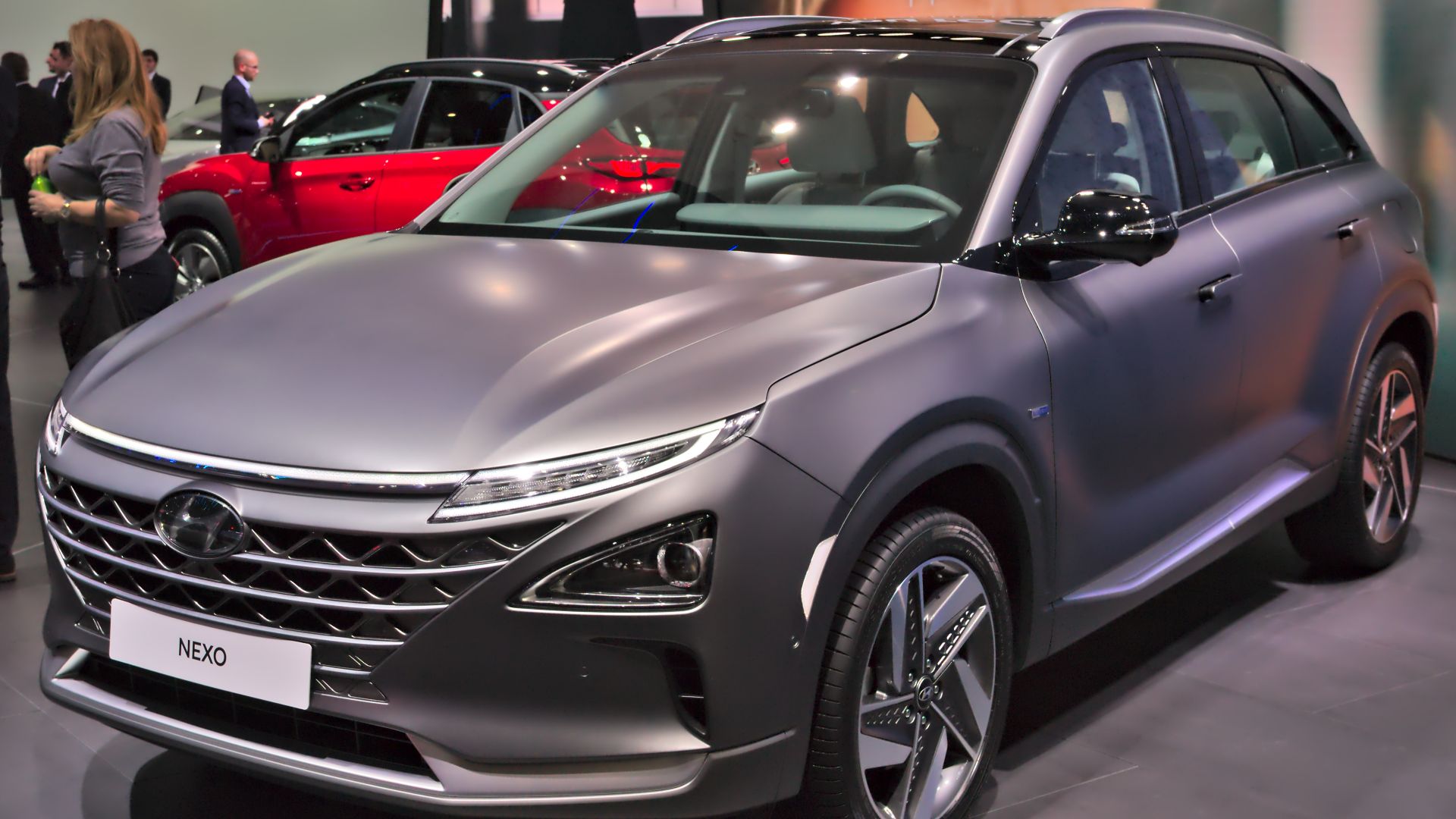
15. First Mass-Produced Hydrogen SUV
The Nexo launched in 2018 as the world's first dedicated mass-produced hydrogen SUV. Improved range and design built on earlier fuel cell experiments. Bizarrely, the Nexo purifies air while driving by filtering out fine dust particles.
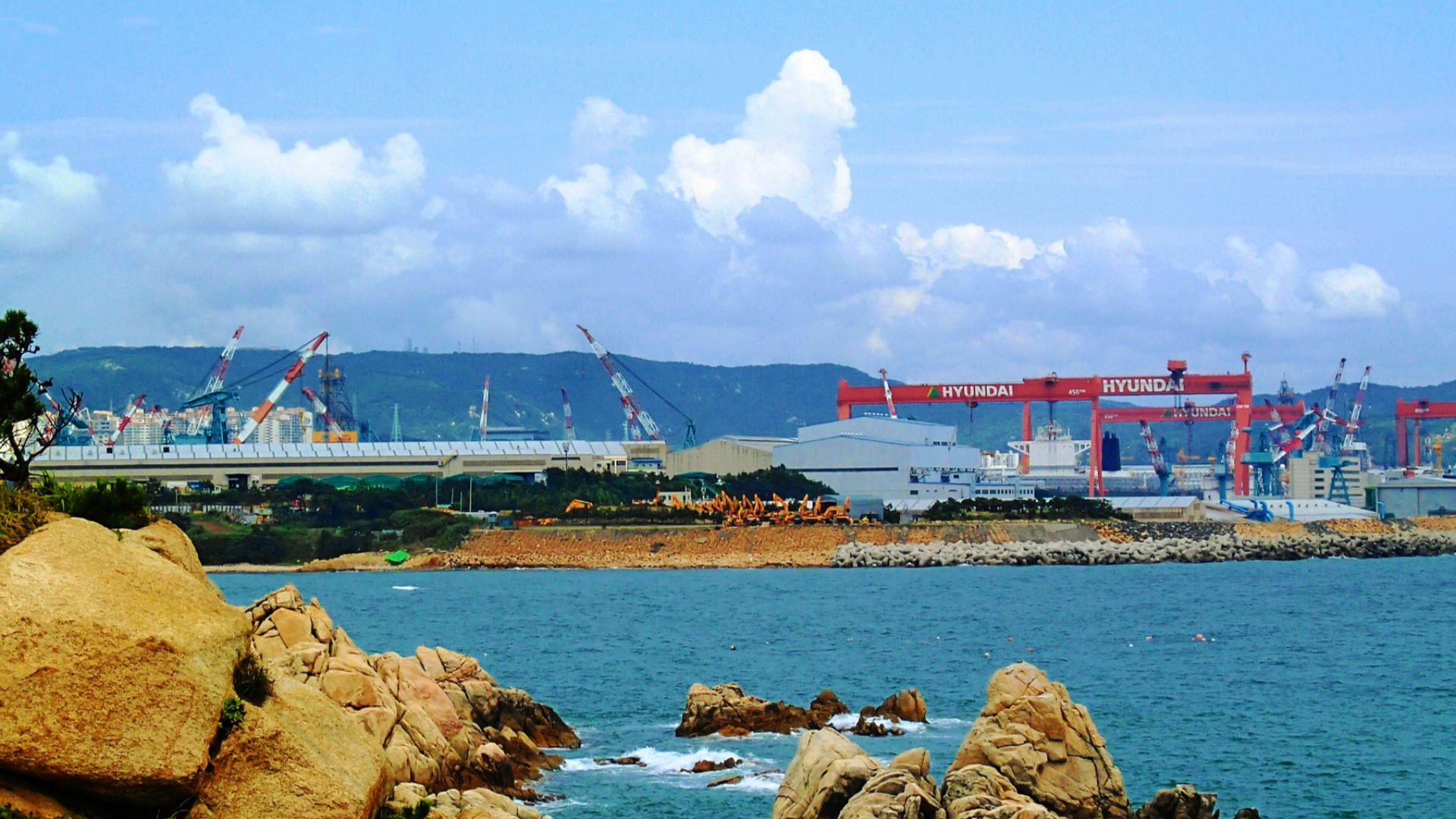
16. Controls Steel Production Vertically
Hyundai owns significant stakes in steel production through affiliates like Hyundai Steel. Controlling raw materials reduces costs and ensures a consistent supply for manufacturing. This vertical integration gives better pricing power than competitors who buy steel externally.
17. Global Manufacturing Network Expanded
Over 10 major production facilities operate across South Korea, the U.S., China, India, Brazil, and more. Local manufacturing serves regional markets while reducing tariffs and shipping costs. Alabama's U.S. plant alone produces hundreds of thousands of vehicles yearly for North America.
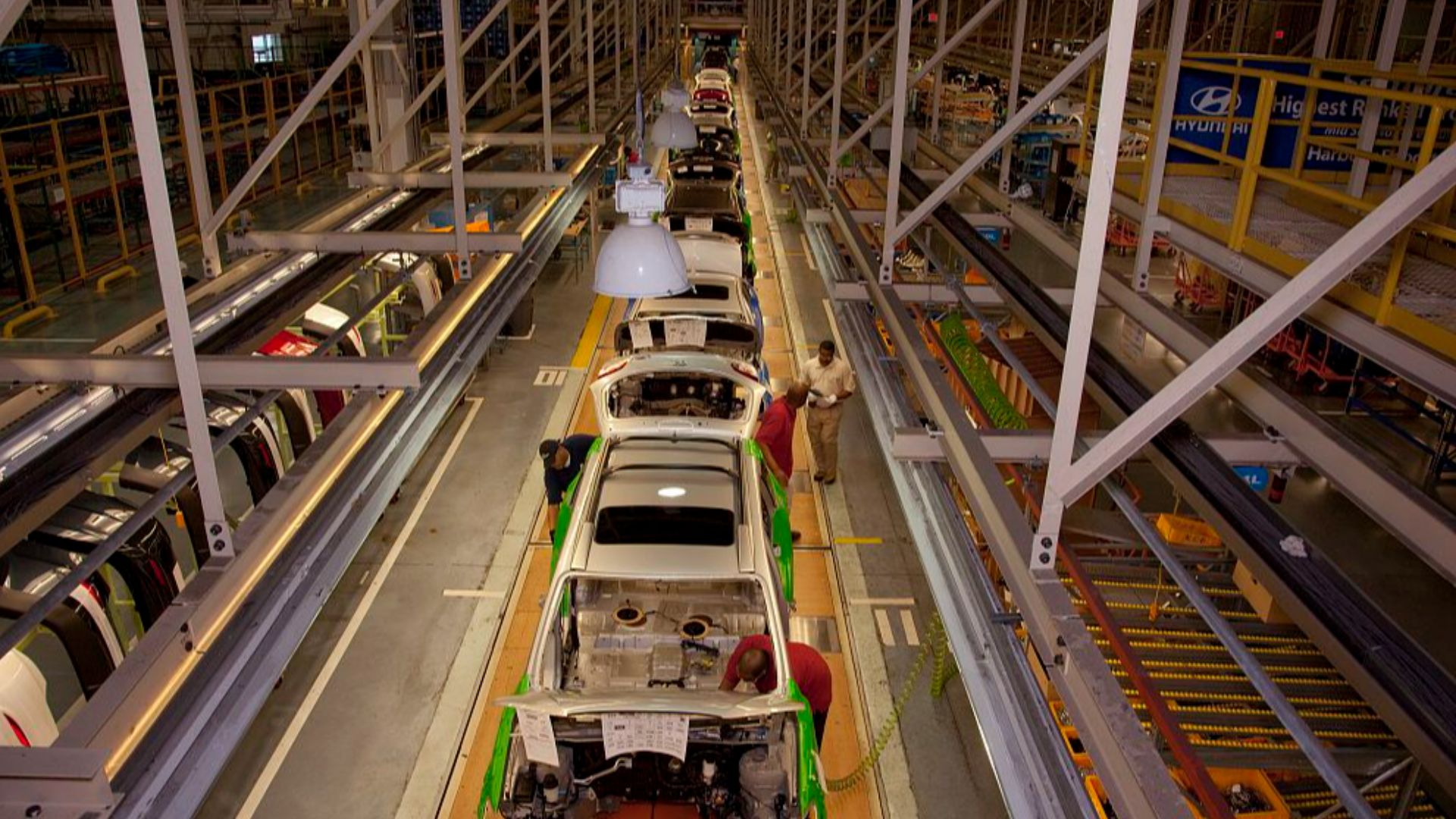 Carol M. Highsmith on Wikimedia
18. Acquired Boston Dynamics Robotics
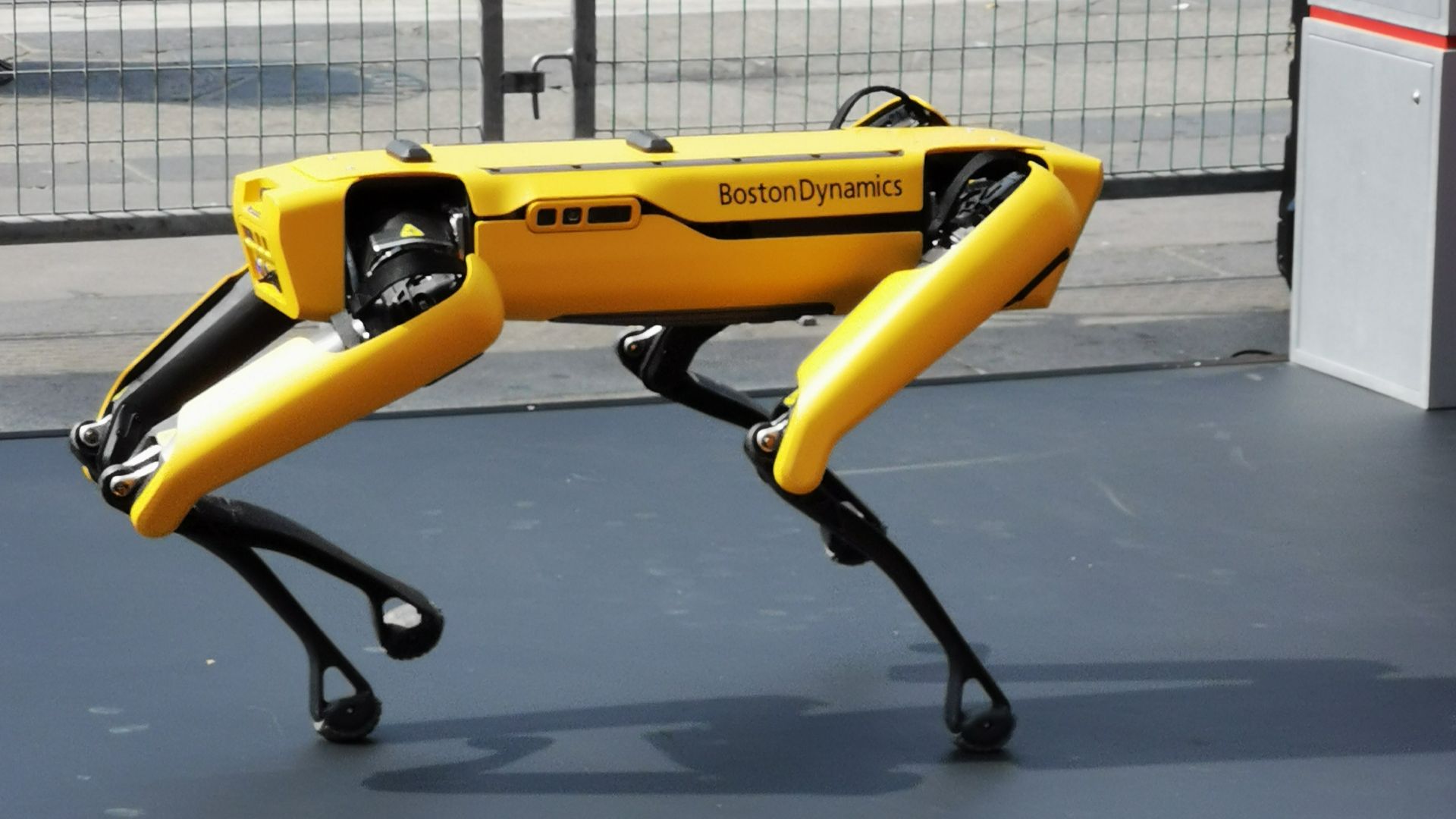
Hyundai bought Boston Dynamics from SoftBank in June 2021 to integrate advanced robotics into its future strategy. The acquisition was aimed at strengthening mobility, logistics, and smart factory operations. Boston Dynamics' Spot robot already inspects Hyundai factories, proving practical applications exist today.
19. Revolutionary CVVD Engine Technology
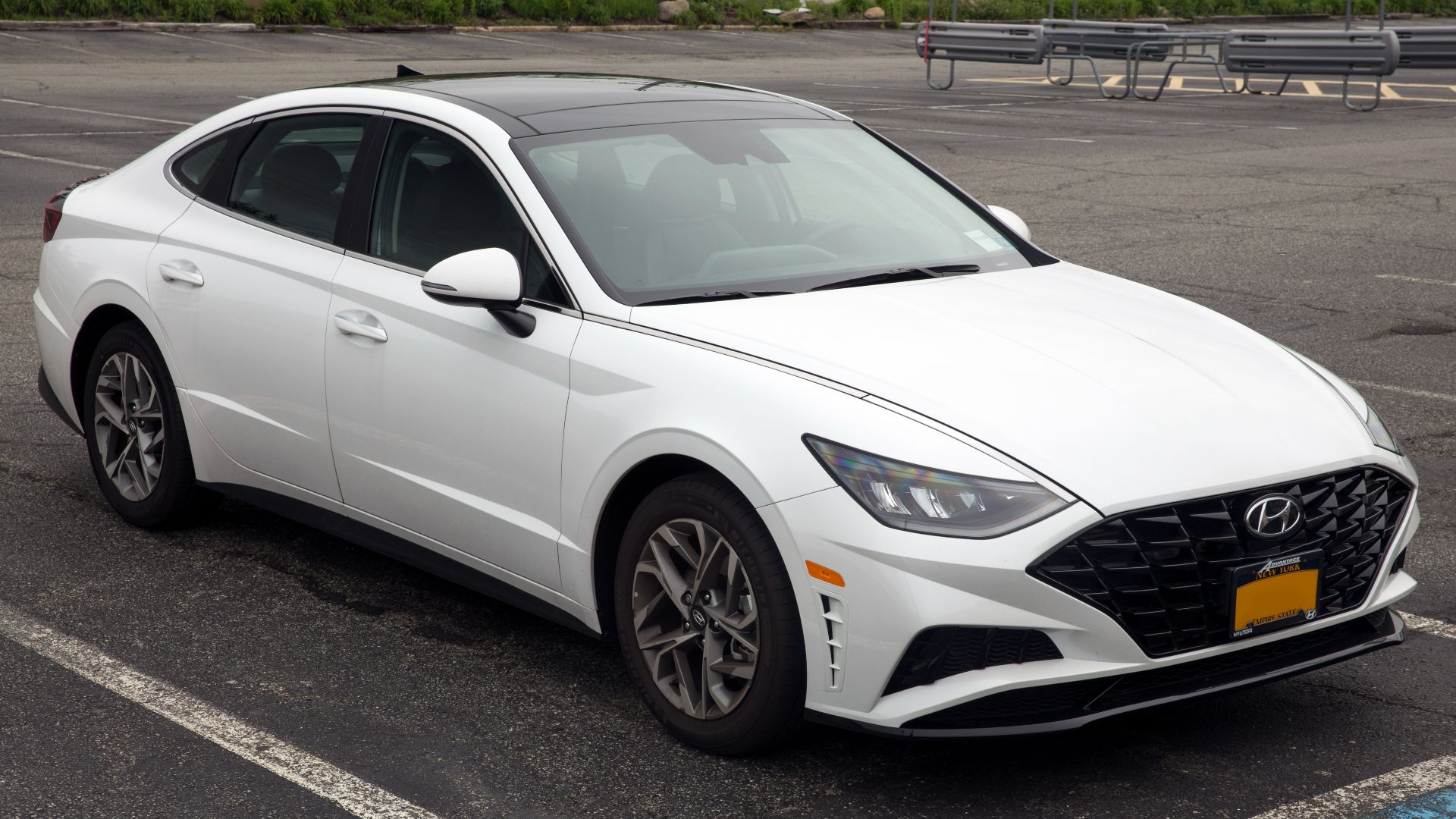
CVVD, or Continuously Variable Valve Duration, debuted in 2019 as a world-first technology. Mass production started with the 2020 Sonata's 1.6L turbo engine. The system improves efficiency and emissions simultaneously by switching seamlessly between performance modes.
20. Dedicated Electric Platform Strategy
The E-GMP electric platform, unveiled in 2020, powers models like IONIQ 5, IONIQ 6, and Genesis GV60 with ultra-fast charging and long range. Guided by its “Hyundai Way,” the company targets 5.55 million vehicle sales by 2030, as highlighted in Hyundai’s 2024 news release.