 Clark Van Der Beken on Unsplash
If you’ve ever shut the door of an older car and thought, “That felt solid,” you’re not imagining the sensation. A lot of newer cars do feel lighter, thinner, and a little more plastic-heavy by comparison. Panels sound different, doors can feel less tank-like, and bumpers seem suspiciously easy to scuff, crack, or pop out of place. That impression is real, even if the conclusion people draw from it—that today's cars are less solid—is not.
The important part is that something feeling sturdier and protecting you better in a crash aren't the same thing. Modern cars are engineered to manage crash energy, protect the passenger compartment, and reduce injury, not to impress you with their heftiness. NHTSA says newer cars are safer than older ones because of improved structural designs and advanced safety technologies, and IIHS crash testing has repeatedly shown how much crashworthiness has improved over time.
New cars are designed to give way in the right places
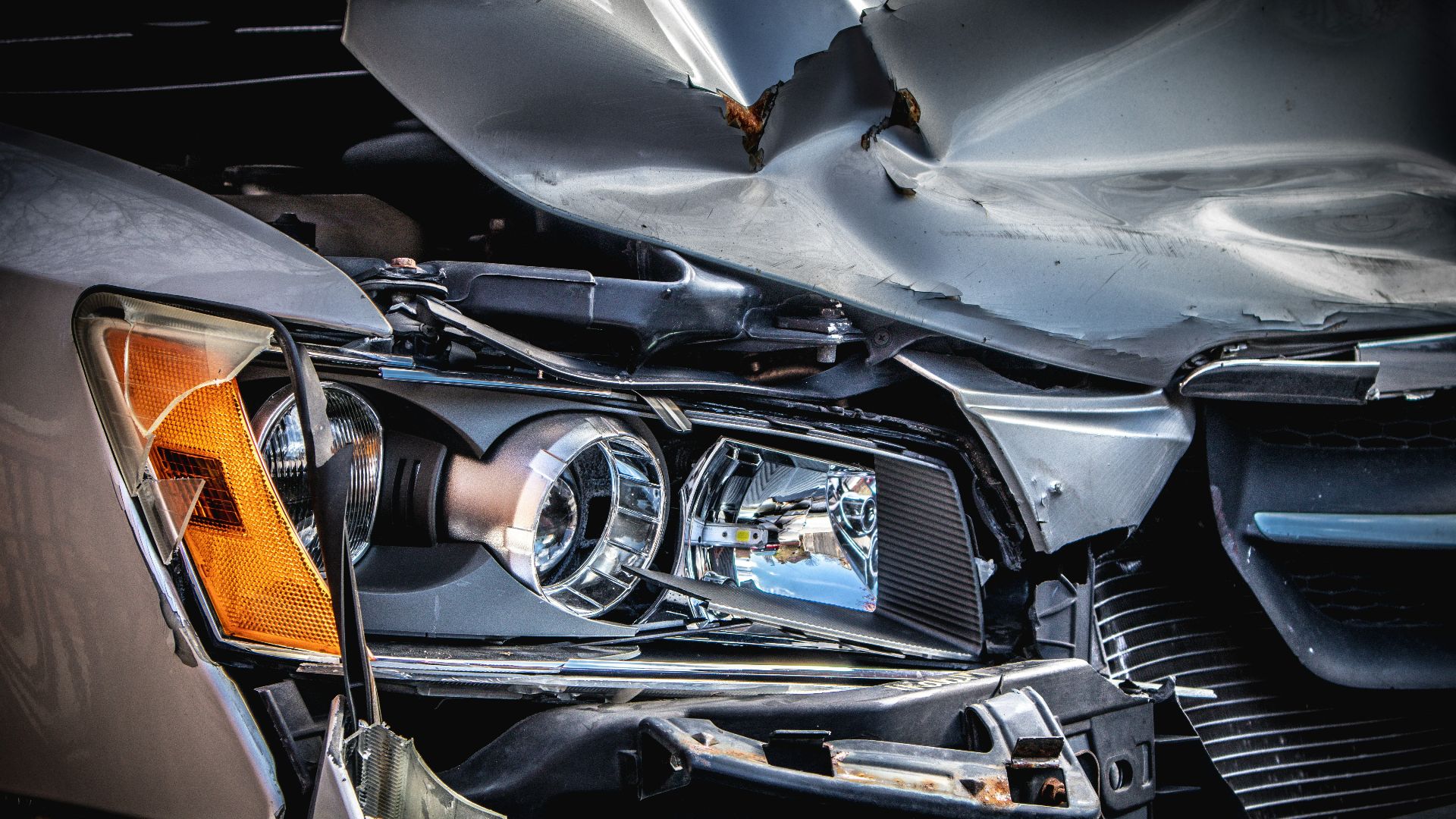
One big reason new cars feel flimsier is that they’re supposed to deform in controlled ways during a collision. That's because the point of a crash structure is not to keep the car looking proud after impact; it's to absorb energy before that force reaches the people inside. NHTSA’s crashworthiness research focuses on exactly that kind of occupant protection, and engineering descriptions of crumple zones define them as structures meant to deform and absorb crash energy rather than pass it straight into the cabin.
That’s why an older car’s rigid, heavy feel can be misleading. A very stiff vehicle may seem tougher in casual daily use, but in a serious crash, too much rigidity can mean more force gets transferred to the occupants. This is demonstrated in IIHS’s comparison between a 1959 Chevrolet Bel Air and a 2009 Chevrolet Malibu, which showed that the newer car protected its occupants far better in a real-world collision, even though the older car looks more massive and “solid” to many people.
Modern cars also split the body into jobs. The outer sections are meant to crush in a controlled way, while the passenger compartment is designed to stay as intact as possible. That’s why newer vehicles can seem oddly delicate at the corners and front ends while still being much better at preserving the interior. What feels flimsy from the outside is often sacrificial by design.
Lighter materials don’t automatically mean weaker cars
Another reason people get suspicious of new cars is that they often use lighter materials and more mixed construction than older models. The Department of Energy says lightweight materials help improve efficiency, noting that a 10 percent reduction in vehicle weight can improve fuel economy by about 6 percent to 8 percent. Carmakers have pushed in that direction for good reason, but that weight reduction doesn't come at the expense of safety. Lighter designs are paired with stronger, more specialized materials and smarter structural engineering.
That's why a modern door skin or hood panel may feel less substantial to your hand, even while the vehicle underneath is more intelligently reinforced. Safety today depends less on making every surface thick and heavy and more on placing strength where it matters most.
There's also a plain sensory issue at work. Older cars often gave you heavier controls, thicker-feeling metal, and a more mechanical, analog feel. Newer ones tend to isolate noise better, use more plastics and composites in visible areas, and emphasize efficiency, packaging, and aerodynamics. So when people say new cars feel flimsy, they're often reacting to touchpoints, sound, and panel behavior more than to the hidden crash structure that actually protects them. That impression is understandable, but it doesn't tell the whole story.
Safety now is built into the whole system
 Transport For NSW on Wikimedia
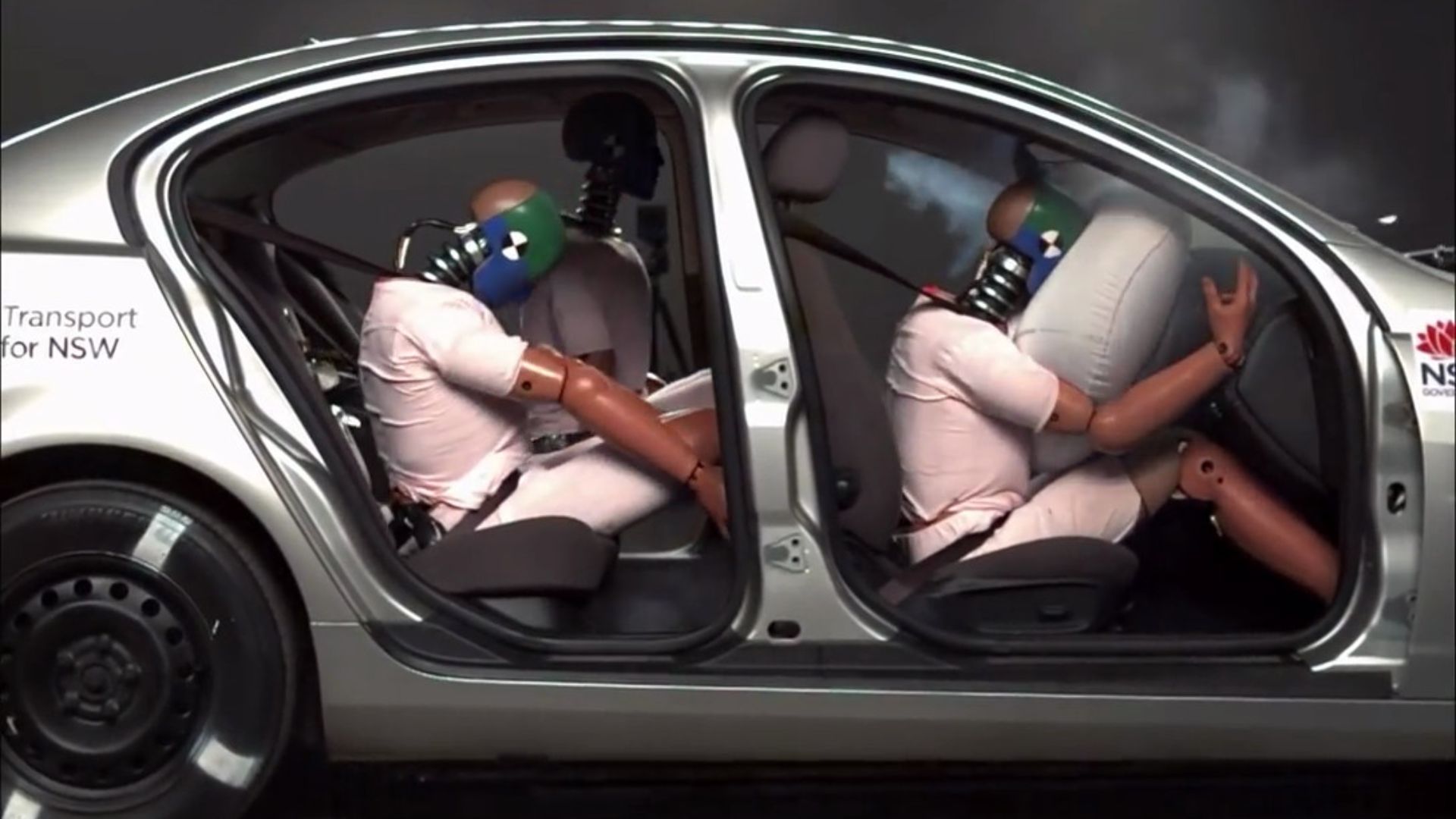
Another major difference is that safety in newer cars is not just about surviving an impact once it happens. IIHS and NHTSA both evaluate not only crashworthiness, but also crash avoidance and mitigation technologies. That means the safety equation now includes features designed to prevent crashes or reduce their severity before the structure ever has to prove itself. In practical terms, a safer car today is part strong cabin, part energy management, and part active technology.
Crash testing has evolved to reflect that broader idea of protection. IIHS explains that its ratings have expanded over time to better address real-world crash scenarios, while NHTSA’s 5-Star program evaluates frontal crash, side crash, rollover resistance, and crash avoidance performance. This means today's carmakers are building to pass a much wider range of safety demands, which changes how the vehicle is designed and how it feels.
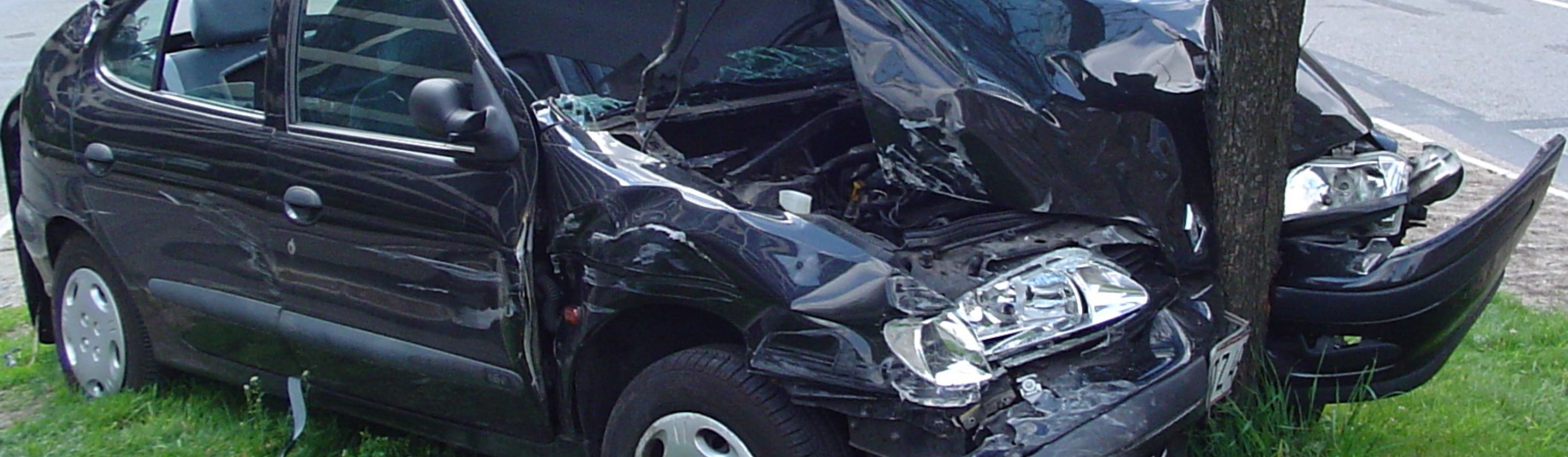
That’s also why damage after even a moderate crash can look dramatic in a new car. People sometimes see a crumpled front end and assume the vehicle was fragile, when in fact the deformation may be evidence that the structure did exactly what it was designed to do. A car that sacrifices expensive outer parts to protect the people inside is doing a better job than one that stays visually tougher while delivering more force to the cabin. It may be less emotionally satisfying for anyone who misses the old tank feeling, but it’s much better news for the people wearing the seat belts.