
Getting the Most From Sports Car Insurance
Owning a sports car comes with excitement, but it also brings higher insurance costs due to performance, repair expenses, and risk factors. The good news is that there are practical ways to reduce premiums without sacrificing protection. Insurance companies consider a range of factors, from driving habits to storage conditions, and small changes can make a noticeable difference. By understanding how policies work and making strategic choices, you can protect your car while keeping costs more manageable. Here are 20 insurance hacks for sports car owners.

1. Choose Agreed Value Coverage
Agreed value policies let you and the insurer set a fixed value for your car upfront. This is especially useful for high-end or rare vehicles that may not depreciate as typically. It ensures you’re compensated fairly in case of a total loss. Standard policies may undervalue specialty cars, so this option provides more predictable and tailored coverage.
 Nirmal Rajendharkumar on Unsplash
2. Bundle Policies for Discounts
Combining your auto insurance with home or other policies can lead to lower premiums. Insurers often reward customers who keep multiple policies with them. This can simplify billing and management as well. The savings can be significant over time, meaning it’s worth comparing bundled versus separate options.

3. Increase Your Deductible Carefully
Raising your deductible can lower your monthly premium. However, it means you’ll pay more out of pocket if you file a claim. It’s important to choose a deductible you can comfortably afford. This approach works best for drivers with a good safety record.

4. Limit Annual Mileage
Driving fewer miles reduces your risk profile in the eyes of insurers. Many companies offer discounts for low annual mileage. Sports cars that are used occasionally may qualify for these savings, but be honest about your usage to avoid issues later. Lower mileage often translates to lower premiums.

5. Store Your Car Securely
Keeping your car in a garage or secure location can reduce insurance costs. Insurers see this as lowering the risk of theft or damage. Some policies may even require secure storage for high-value vehicles. A well-protected car is less likely to result in claims, leading to long-term savings.

6. Take a Defensive Driving Course
Completing an approved driving course can sometimes qualify you for discounts. These courses demonstrate safe driving habits to insurers. They may also help you handle high-performance vehicles more effectively.

7. Maintain a Clean Driving Record
A strong driving history is one of the biggest factors in insurance pricing. Avoiding accidents and violations keeps your premiums lower. Even a single incident can increase rates significantly.

8. Install Anti-Theft Devices
Adding security features like alarms or tracking systems can lower premiums. These devices reduce the likelihood of theft or help recover the vehicle quickly. Insurers often provide discounts for added protection.

9. Consider Usage-Based Insurance
Some insurers offer programs that track driving behavior through apps or devices. Safe driving habits can lead to lower premiums over time. These programs often reward smooth acceleration and careful braking.

10. Choose the Right Coverage Limits
Balancing coverage limits is important for both protection and cost. Higher limits provide more protection but increase premiums. Lower limits reduce costs but may leave gaps in coverage. It’s important to assess your financial situation carefully. A well-chosen policy offers both security and value.

11. Join an Owners Club
Membership in a recognized car club can sometimes lead to insurance discounts. Insurers view club members as more responsible and informed owners. These groups also promote safe driving and proper maintenance.

12. Avoid Unnecessary Modifications
Extensive modifications can increase insurance costs significantly. They may raise repair expenses or make the car more attractive to thieves. Some insurers charge higher premiums for heavily modified vehicles.

13. Compare Specialty Insurers
Standard insurers may not always offer the best rates for sports cars. Specialty insurers understand high-performance vehicles better and often provide tailored policies and pricing. Comparing multiple providers can reveal better options.

14. Pay Annually Instead of Monthly
Paying your premium in one lump sum can reduce overall costs. Monthly payments often include additional fees or interest. If it fits your budget, this option can save money.

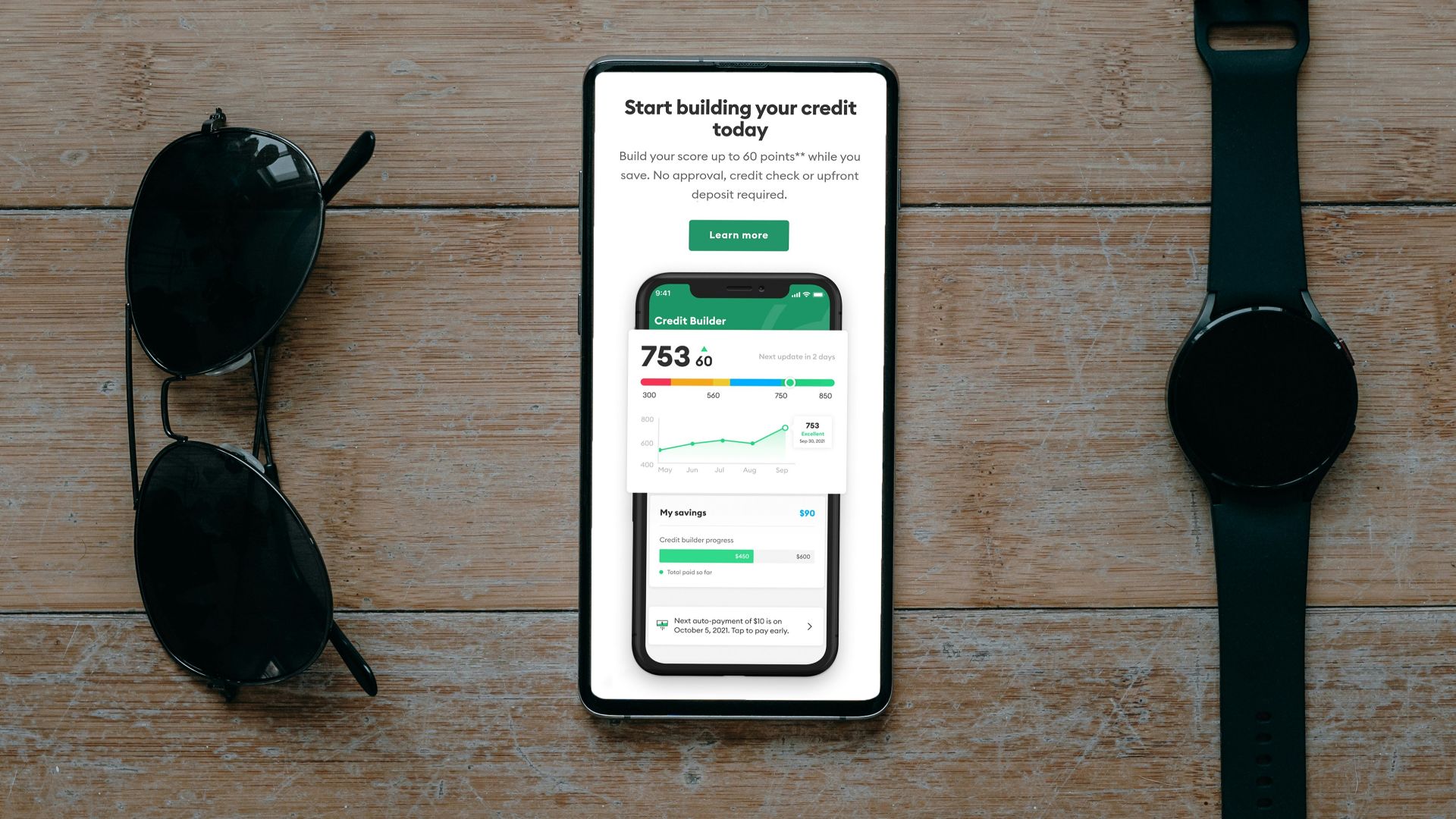
15. Keep Your Credit Score Strong
In many regions, insurers consider credit history when setting premiums. A higher score can lead to lower rates. Maintaining good financial habits can indirectly reduce insurance costs. Not all areas use this factor, but many do. It’s another piece of the overall pricing puzzle.
16. Review Your Policy Regularly
Insurance needs can change over time, especially with vehicle value or usage. Reviewing your policy ensures you’re not overpaying or underinsured. Adjustments can often lead to savings.

17. Opt for Seasonal Coverage Adjustments
If you only drive your sports car during certain months, seasonal policies may help. Some insurers allow reduced coverage during off-season storage. This can lower premiums when the car isn’t in use.

18. Ask About Loyalty Discounts
Staying with the same insurer over time can sometimes lead to discounts. Companies may reward long-term customers with better rates. However, it’s still important to compare options periodically.

19. Use OEM Parts Coverage Wisely
Coverage for original manufacturer parts can increase premiums. While it ensures quality repairs, it may not always be necessary. Weigh the cost against the benefit for your specific vehicle. Some drivers prioritize this for newer cars. It’s a choice that affects both cost and repair quality.
 Jorge Simmons-Valenzuela on Unsplash
20. Work With an Insurance Broker
A broker can help you navigate different policies and providers. They often have access to multiple insurers and specialized plans. This can save time and potentially uncover better rates.