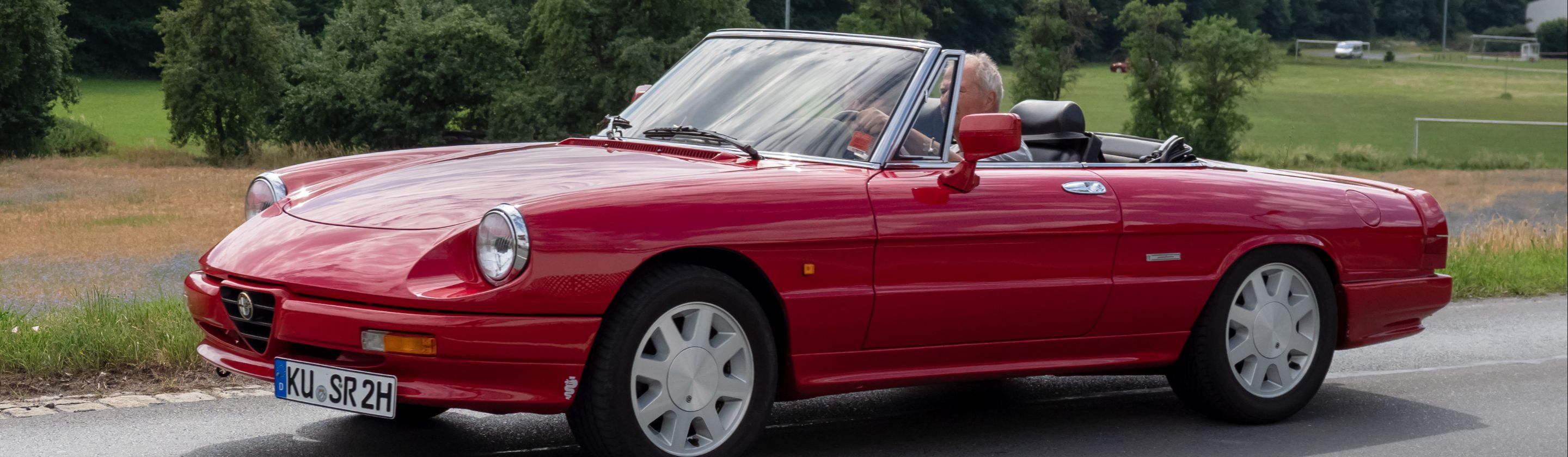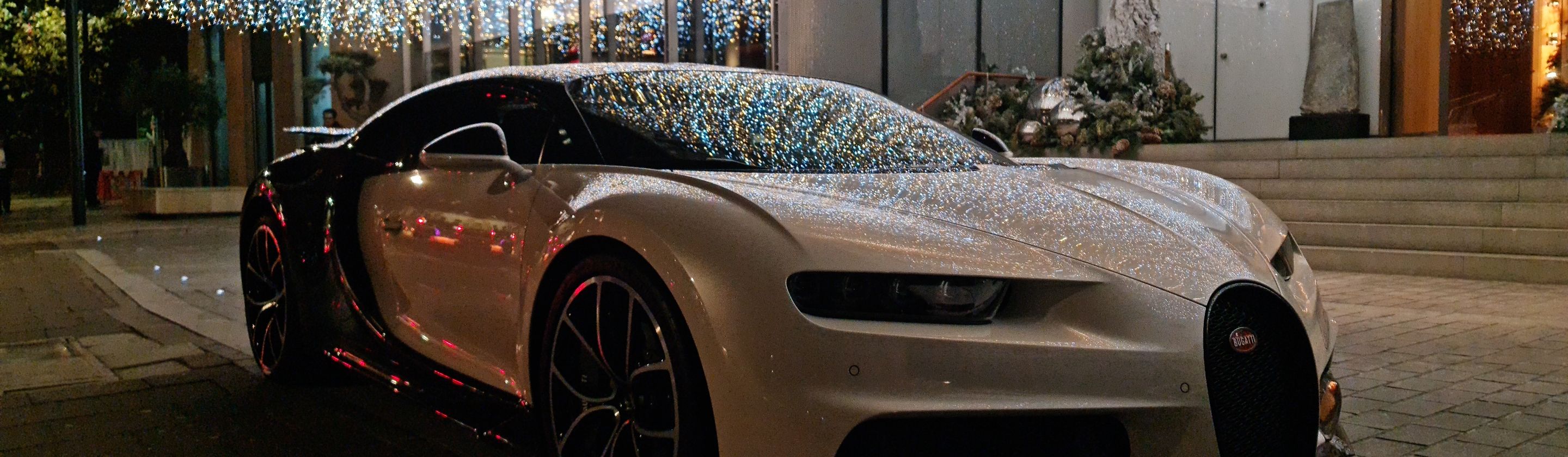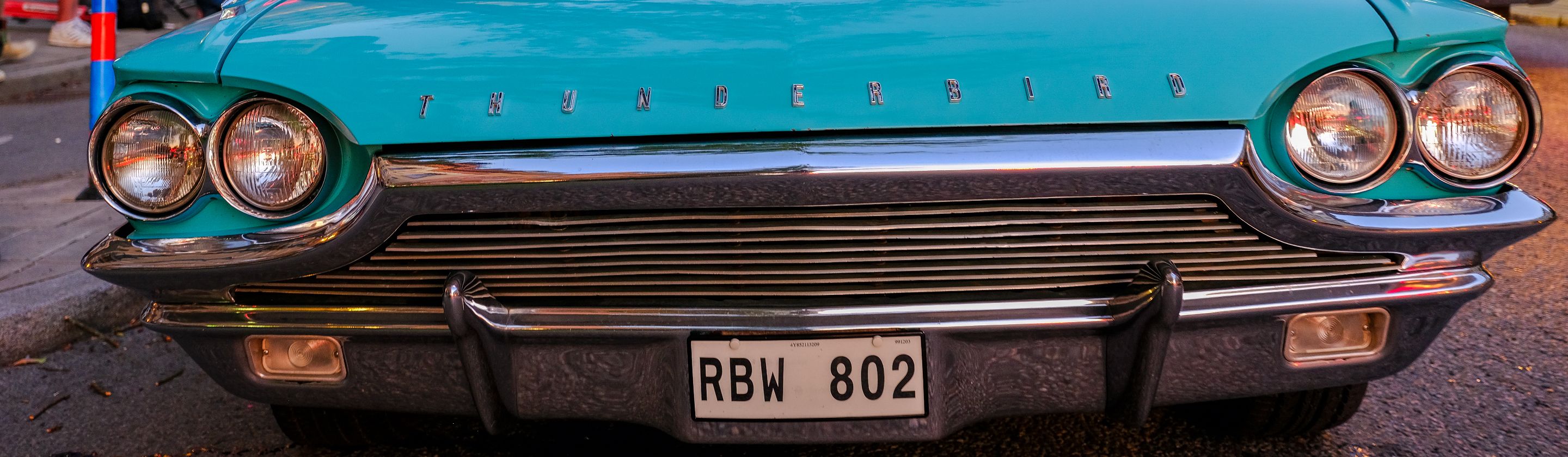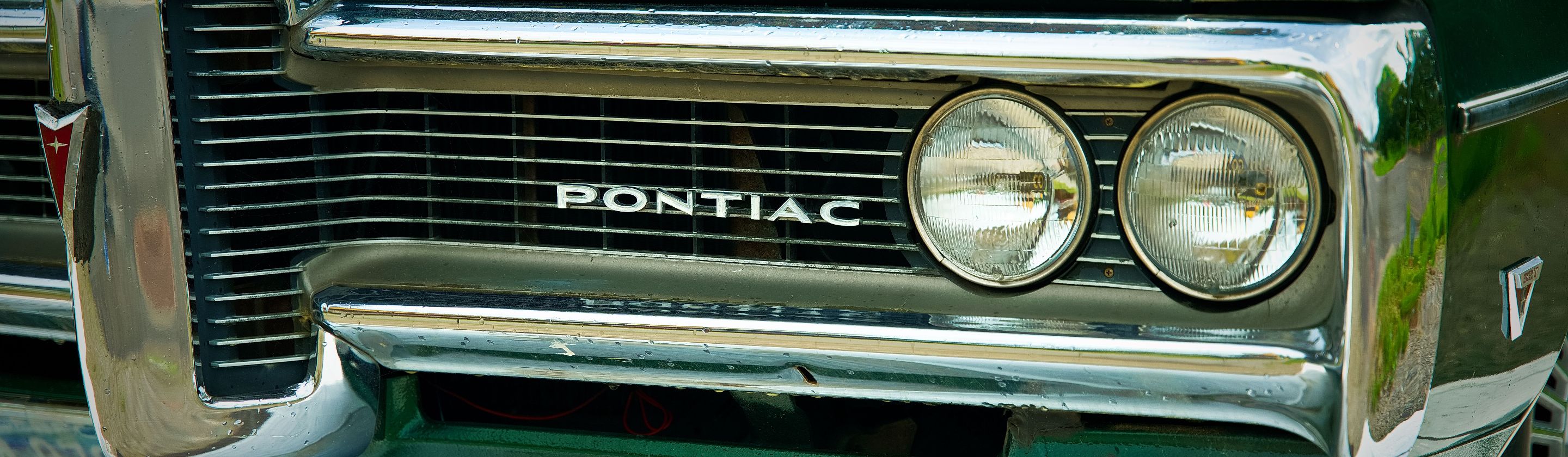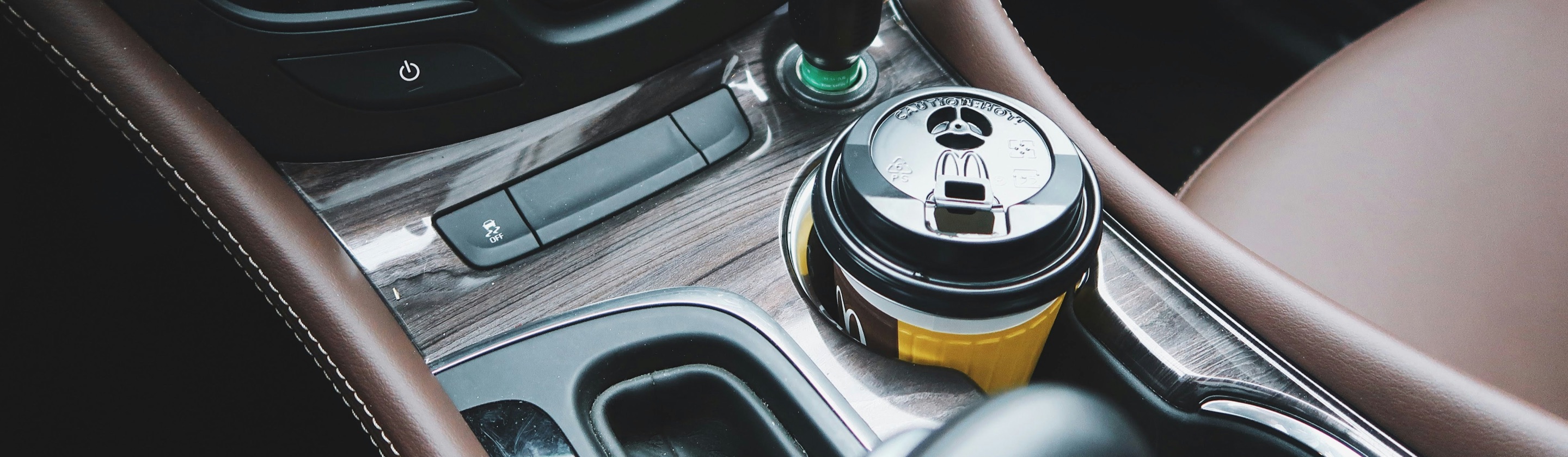

New cars can do almost anything. They'll help keep you in your lane, warn you about cars lurking in your blind spot, brake for you in certain situations, and even park themselves. Most new vehicles also come loaded with big touchscreens, phone apps, backup cameras, and over-the-air software updates. It's easy to see why so many people think modern cars are remarkable.
Yet, a lot of drivers still love older cars for one reason that's hard to put into words. Old cars often feel more connected to the person behind the wheel. More real. More hands-on. More fun in a way that a lot of new cars aren't. That missing feeling is what people usually mean when they say a car has character. And once you feel it, it's hard to unfeel.
What's Actually Missing
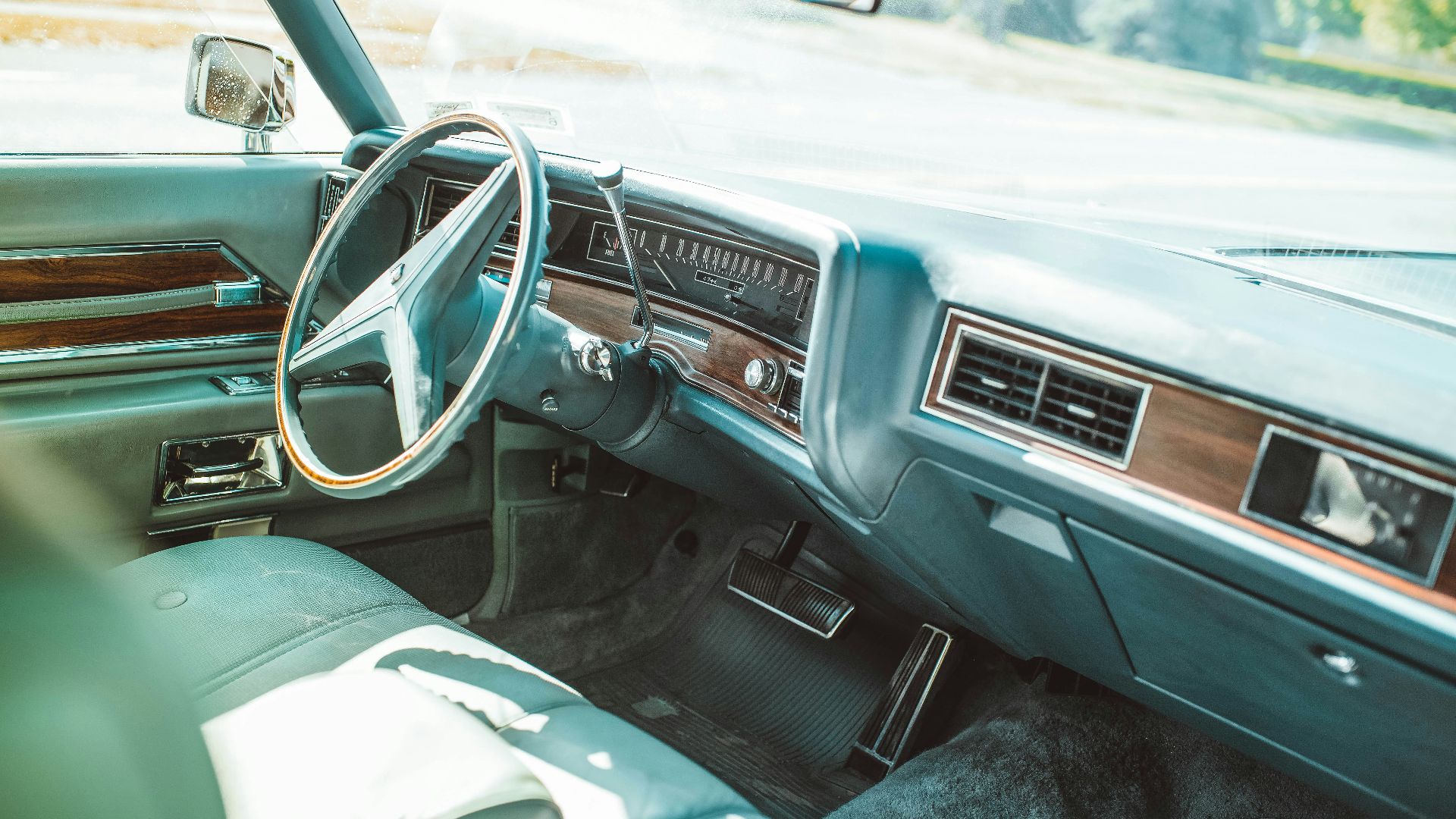
The one thing many old cars still have is connection. When you drive an older car, it often feels like the car is talking back to you. You feel the road more clearly, you hear the engine doing its thing, and you notice how the car responds to every little input. It makes driving feel personal in a way that's hard to replicate.
A lot of drivers say new cars feel smoother, quieter, and easier to live with, but also less exciting. And that's not accidental. Modern cars are deliberately built to filter out noise, bumps, and vibration, making daily driving more comfortable. But sometime during that process, something got taken out of the experience. It's hard to say exactly what. It just feels like... less.
That difference comes down to how the cars are actually built. Older cars used simpler mechanical parts, and your actions fed more directly into the machine. Newer cars lean on computers and software to manage things like steering, throttle response, and safety systems. Those systems help enormously, and there is a valid case to be made about the safety of these modern vehicles. 40,901 people died in motor vehicle crashes in the United States in 2023, and driver-assistance features like lane support and automatic emergency braking do prevent crashes. New cars are unquestionably better at protecting people. They just don't always feel as personal while doing it.
Why Older Feels Better
Older cars often feel better to drive because they ask more from you. You have to pay closer attention to the steering, the brakes, the sound of the engine, and the way the car shifts its weight through a corner. That extra involvement is exactly what some drivers love. It makes them feel like they're actually driving.
Even a simple drive can feel like something in an old car. A quiet back road, a small town, a Sunday morning with nowhere urgent to be. The ride might be a bit rough and the cabin a bit loud, but a lot of drivers will tell you that's part of it.
The physical parts of the cabin play an important role as well, although it’s hard to realize what you’re missing until its gone. In older cars, you can turn on the heat or change the radio station by feeling around for the little buttons and knobs without taking your eyes off the road.
And then there's the manual gearbox. Shifting yourself gives driving a steady rhythm. You're listening, timing, reacting. A modern automatic might be faster and smarter, sure, but faster and smarter doesn't automatically mean more fun. A lot of drivers still enjoy doing part of the work themselves.
Why The Bond Lasts
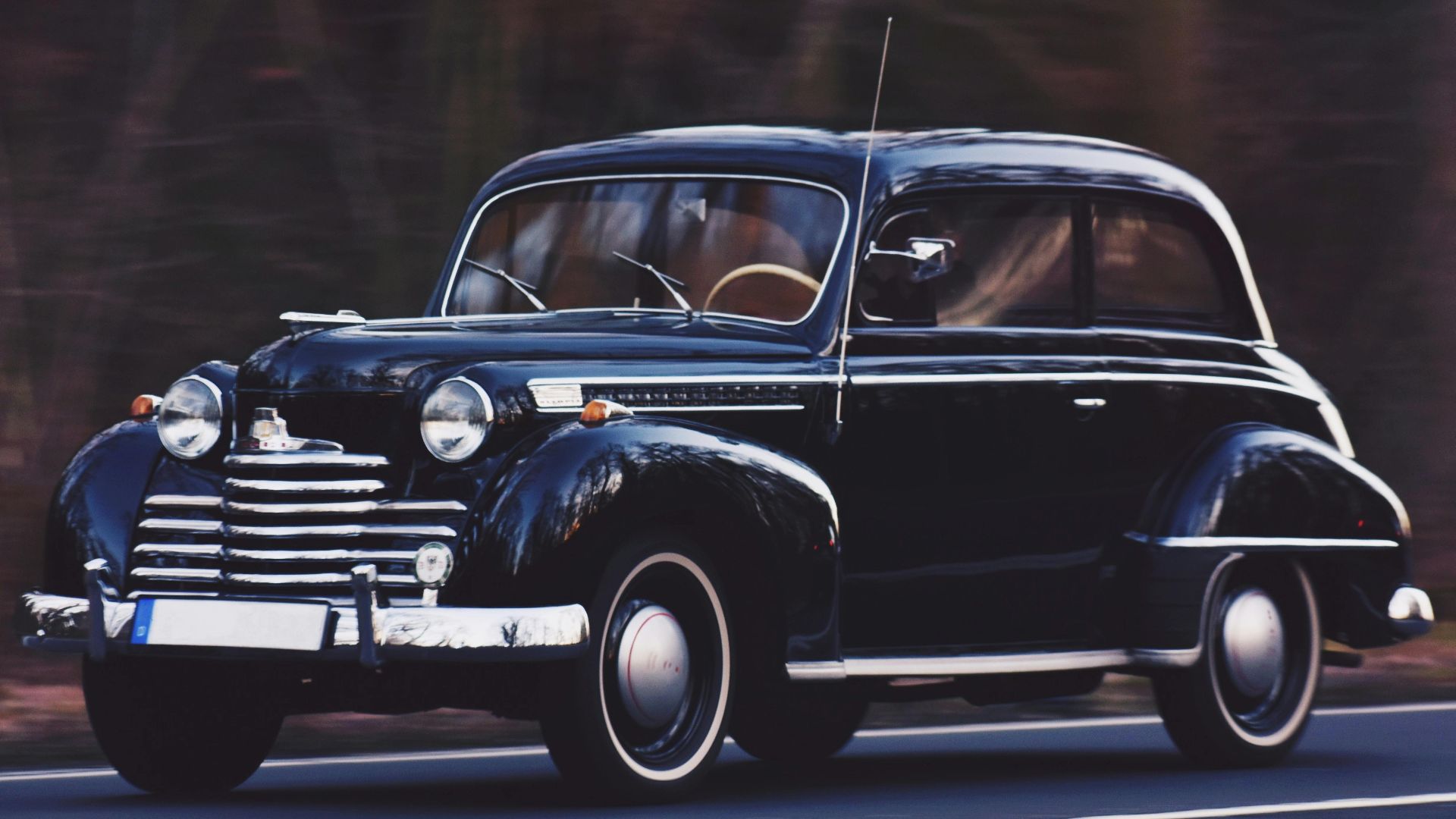
The connection with an older car doesn't stop when the drive is over. Many old cars are easier to understand and easier to work on. Fewer sensors, fewer hidden modules, fewer things that require a specialist to look at. Owners can learn how the car works and fix things themselves, saving them time and money at the mechanic.
Working on a car also builds pride. When you fix a leak yourself, swap out a worn part, or bring a tired interior back to life, the car stops being just a car. It becomes something you know. Something you've put time into. That kind of bond doesn't happen as naturally with newer vehicles, where many repairs need special tools, proprietary software, or a trip to the dealership. The FTC studied these repair restrictions and the ways manufacturers can make fixes harder for everyday owners and independent shops, as modern repairs can mean laptops, adapters, and confusing software instead of basic tools. That kind of ownership feels very different from just opening the hood and getting on with it.
Old cars aren't perfect, obviously. Rust, worn-out rubber, hard-to-find parts, and the general chaos that comes with age are all a part of the deal. Anyone buying one has to go in with eyes open. But a lot of people are willing to deal with all that, because the car gives them something a new one doesn't seem to offer in quite the same way.
New cars really do have almost everything. Safer, smarter, more comfortable, packed with things that would have seemed like science fiction a generation ago. And yet, drivers keep coming back to this same conversation, asking the same questions, reaching for the same feeling. Some things are hard to engineer away, no matter how hard you try.