Some cars stay in their lane as transportation, and some take over the culture around them. The DeLorean did the latter, which is impressive for a machine that was never really a sales triumph or a performance monster. Long before nostalgia became a part of the culture, the DMC-12 was already teaching a generation how to dream bigger than the spec sheet.
For plenty of kids, teens, and future car obsessives, the DeLorean arrived as a fantasy first and a real automobile second. Its silver skin, dramatic doors, and strange, expensive aura made it feel less like a product and more like a prophecy of the future. What started as a poster car turned into a lesson about style, ambition, failure, reinvention, and why people keep falling for machines that promise tomorrow.
The Car That Sold A Dream
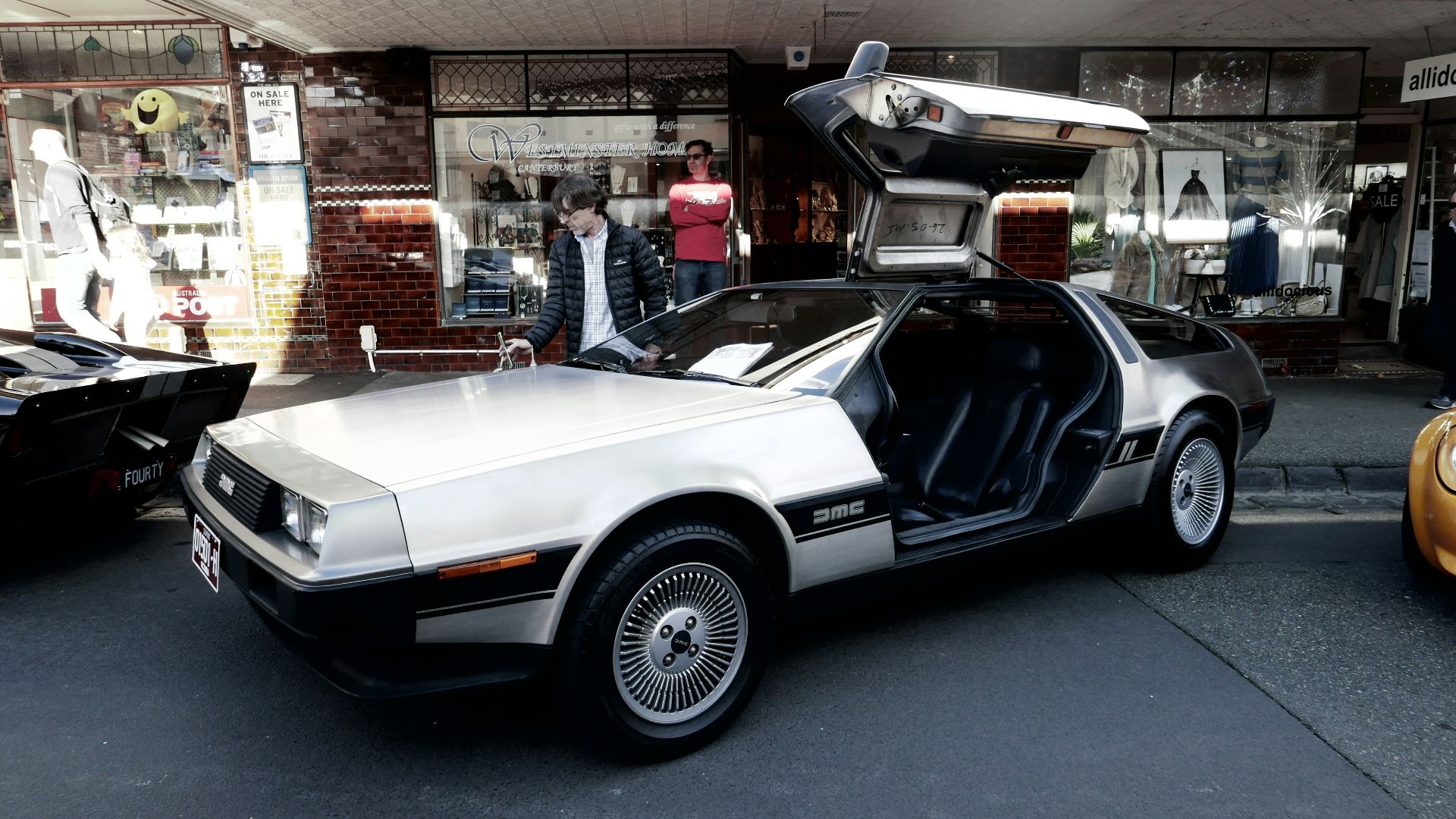
John DeLorean didn't pitch the DMC-12 like any other sports car. After leaving General Motors, he set out to build an "ethical" car company, with a vehicle that emphasized safety and longevity while bringing jobs to Northern Ireland through a new factory.
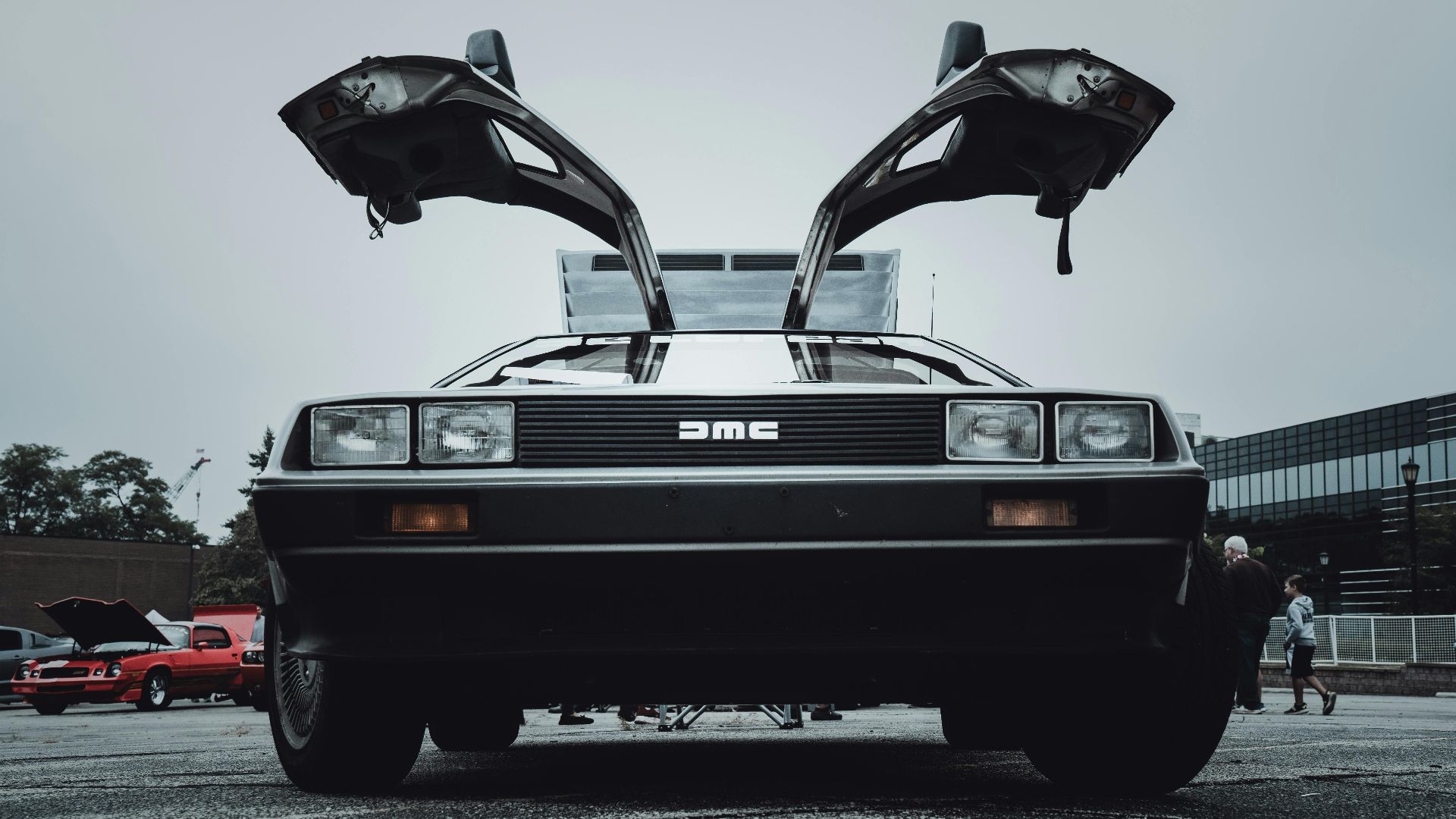
Reality, naturally, had other plans. The DMC-12 looked sensational with its stainless-steel body panels, wedge profile, and gullwing doors, but the driving experience never quite matched the fantasy. Its Peugeot-Renault-Volvo V6 made about 130 horsepower, and the car's weight left it feeling slower and softer than buyers expected from something so exotic. The gap between appearance and performance became part of the story, and maybe part of the appeal.
Even the company's collapse helped build the legend. Production lasted only a short time in the early 1980s, and the DeLorean shifted quickly from commercial disappointment to collector curiosity. That transition taught car culture a durable lesson about scarcity, branding, and the strange afterlife of failure. Sometimes a car doesn't need to win in its own moment to matter later.
The Movie Machine That Rewired Imagination
This is where Hollywood got involved. Back to the Future turned the DeLorean into a time machine, and it was one of those perfect casting decisions that make everything else look obvious in hindsight. The brushed-metal finish already looked futuristic, and the gullwing doors added the drama of a spaceship landing to every entrance.
For kids growing up in the 1980s and 1990s, the DeLorean became shorthand for possibility. It stood for invention, rebellion, and the thrilling idea that technology could break open the boring rules of ordinary life. The car showed up in toys, posters, games, fan art, and endless references that kept it alive between movie viewings. Plenty of people learned what "the future" looked like from that silhouette alone.
What makes the DeLorean especially sticky is that it bridges generations without trying too hard. Parents remember seeing it in theaters, older siblings remember VHS rewatches, and younger viewers keep seeing it through streaming, memes, and fan builds. Very few cars can pass that kind of cultural baton without losing their identity.
The Design Language Of Tomorrow
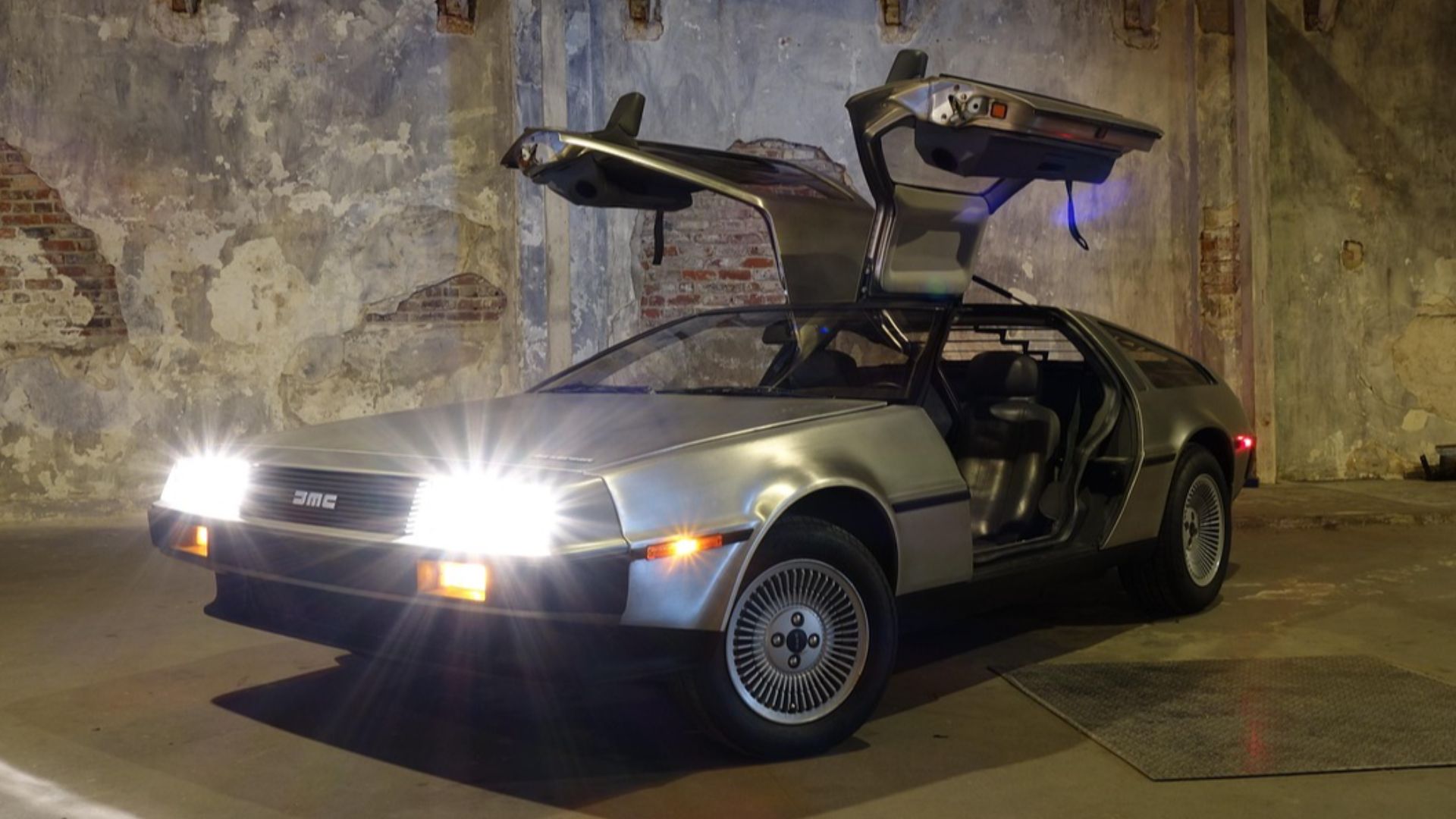
Part of the DeLorean's power comes from how it trained people to read design. Stainless steel sounded industrial, looked expensive, and reflected light in a way that felt both clean and mechanical. The sharp lines weren't soft, nostalgic, or romantic; they told audiences that the future would be metallic, angular, and just a little cold.
That visual code spread far beyond the original car. Later films, retro-futurist artwork, concept vehicles, and high-tech consumer products all borrowed from the same basic playbook of smooth surfaces, crisp edges, and dramatic motion. Gullwing-style doors became a visual shortcut for innovation, even when they were impractical, fussy, or both.
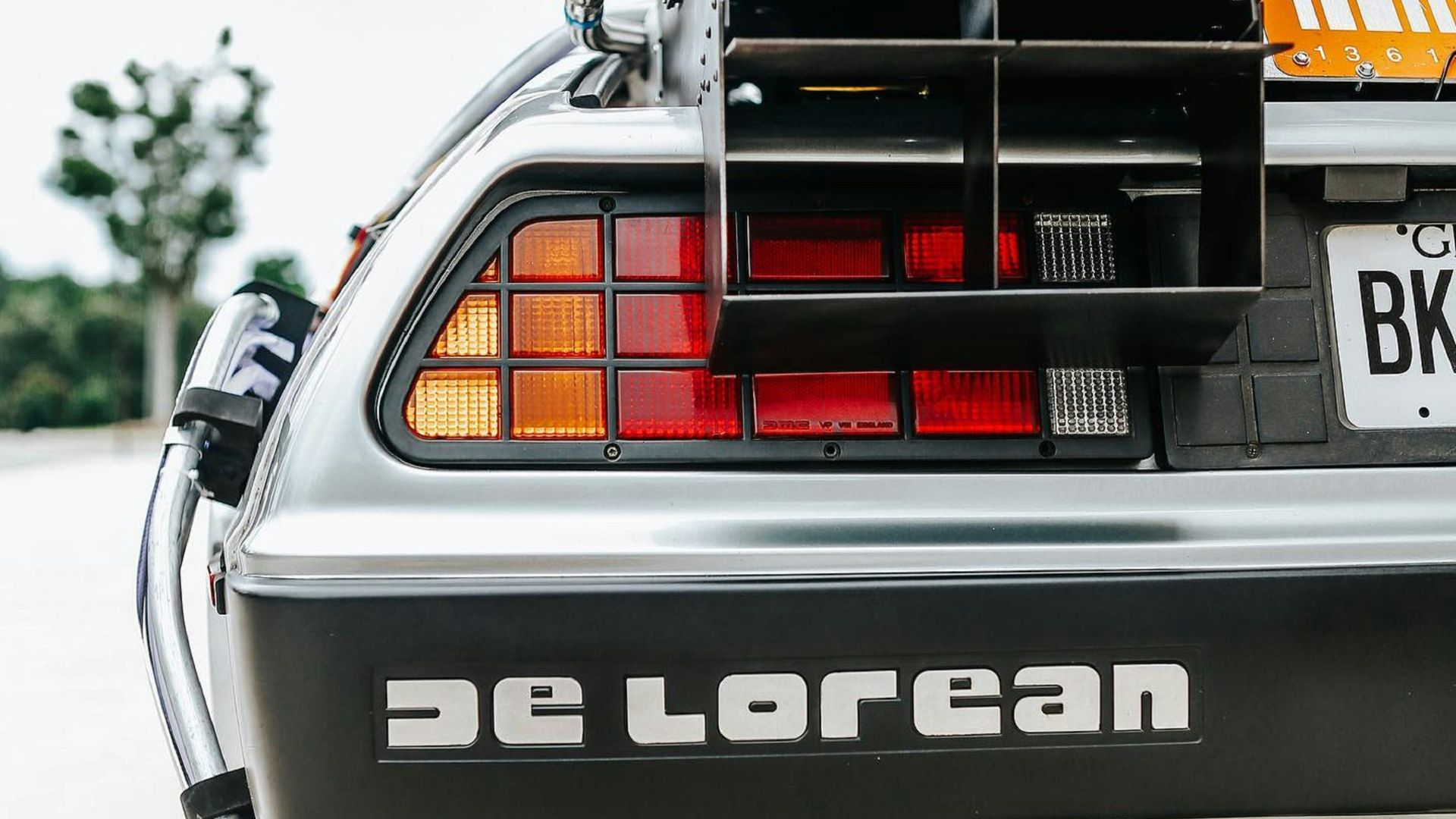
There's also something deeply charming about how analog the DeLorean really was. It came from an era of mechanical engineering, physical switches, and old-school manufacturing headaches, yet it somehow became a mascot for digital-age imagination. That tension keeps the car relevant now, especially in restomods, EV reinterpretations, and themed builds that remix the original fantasy. The DeLorean lives at the exact point where retro and futuristic started to blend together.
The Grown-Up Lessons Inside The Legend
The older the DeLorean story gets, the more layered it becomes. John DeLorean's rise from Detroit executive to celebrity entrepreneur, followed by the company's financial collapse and his involvement in a high-profile drug trafficking sting, gives the car a much darker edge than childhood memories usually allow. Adult viewers tend to see labor politics, government incentives, startup risk, and media spectacle, where kids once saw a cool movie prop.
Seen that way, the DMC-12 becomes a case study in how vision alone never closes the deal. Strong ideas about safety, durability, and social good can still be wrecked by cost overruns, production delays, quality issues, and bad timing. Car people recognize that lesson instantly, because the industry is full of brilliant concepts that died under the weight of execution.
Its afterlife may be the most generous part of the story. Enthusiasts restore original cars, build screen-accurate replicas, trade repair knowledge, and keep the myth moving across generations and continents. New DeLorean-inspired projects, including modern reinterpretations and EV concepts, keep circling back to the same idea of second chances. That may be the real reason the DeLorean raised us: it taught us that style matters, dreams matter, and none of it means much unless somebody can actually make the thing work.