
The Secret Maintenance Habits Of Drivers Who Never Buy New Cars
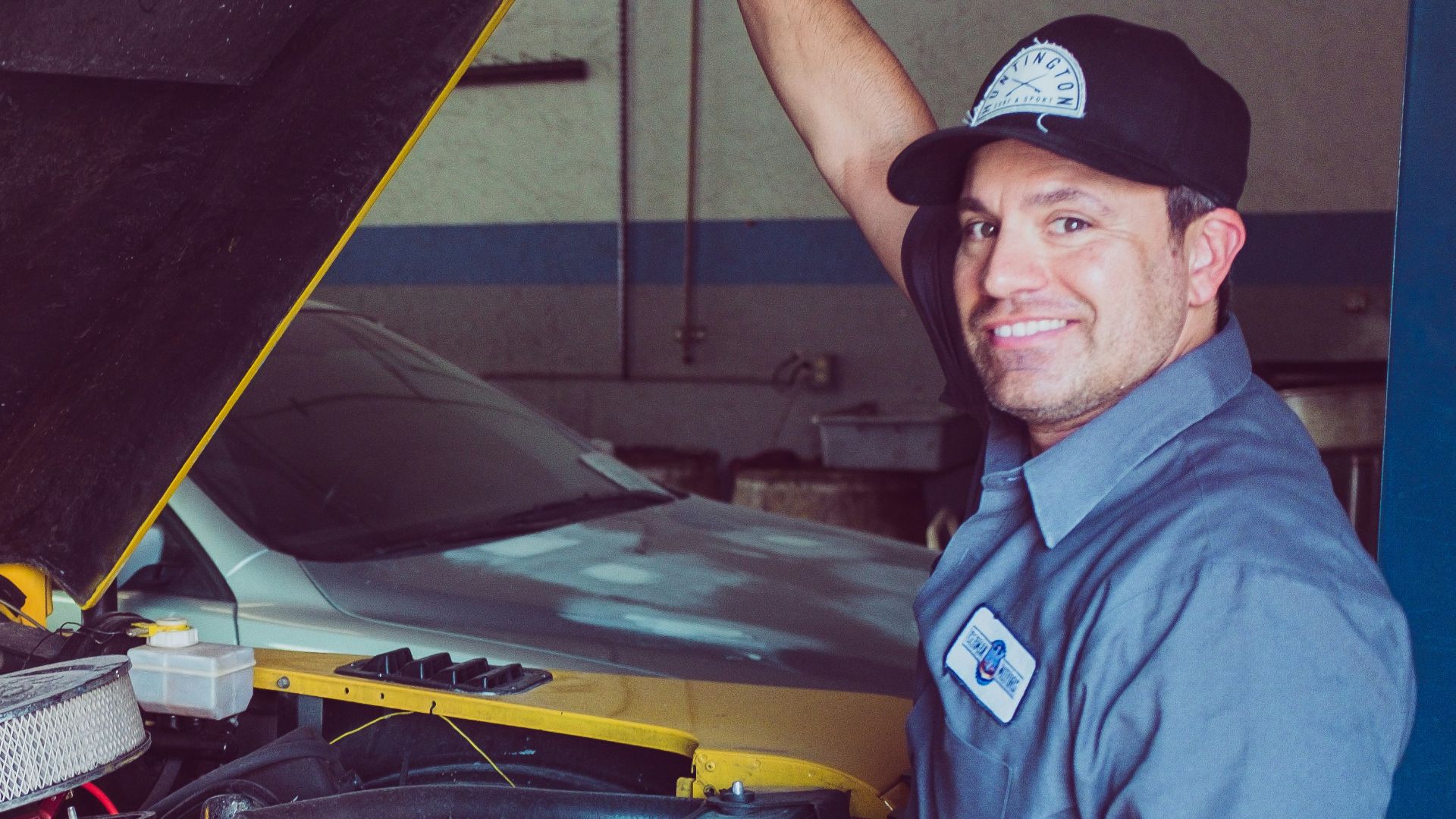
If you’ve ever pulled up next to a twenty-year-old sedan that looks like it just rolled off the showroom floor, you might wonder what kind of sorcery the owner is practicing. While most people view cars as disposable appliances that should be traded in the moment the warranty expires, a select group of savvy drivers knows better. These individuals understand that the key to avoiding a monthly car payment isn't just luck; it’s a disciplined approach to mechanical care that keeps their vehicles humming long after the odometer hits the quarter-million-mile mark. You don't need a degree in engineering to join their ranks, but you do need to shift your perspective on what "routine maintenance" actually means for a long-term automotive relationship.
Keeping an older car on the road for decades requires more than just the occasional oil change at a local quick-lube shop. It’s about developing a proactive mindset where you anticipate problems before they leave you stranded on the side of the highway. These drivers treat their vehicles as long-term investments rather than temporary transport, focusing on the small details that prevent catastrophic failures down the line. You’ll find that the "secrets" of these high-mileage heroes are actually quite simple, yet they require a level of consistency that most modern consumers simply aren't willing to provide. Let’s take a look at the specific habits that allow these drivers to skip the dealership for a lifetime.
Mastering the Art of Fluid Management

Passionate drivers who keep their cars forever pay close attention to their fluid levels and chemistry. While many people know that engine oil is important to change frequently, dedicated long-term owners never neglect their transmission fluid, coolant, or brake line hydration. They realize that these fluids are designed to lubricate components, as well as transfer heat and prevent rust that can destroy internal engine surfaces from within. Most change their fluids at much shorter intervals than what manufacturers claim as "lifetime."
Long-term drivers will also frequently inspect their driveway for weeping seals or small leaks. Recognizing the first drop of transmission fluid or coolant is a driver's first sign that a seal is going bad. Rather than waiting for a low-fluid condition to destroy their engine by overheating or ruin a gearset by running dry, they seal the leak and save thousands down the road by spending $20 on a gasket.
Furthermore, these drivers often opt for high-quality synthetic oils and premium filters that provide better protection against the thermal breakdown caused by stop-and-go traffic. They aren't interested in the cheapest option available because they know that saving five dollars at the parts counter is a poor trade-off for engine longevity. They also make it a point to flush their cooling systems every few years to prevent the buildup of scale and sludge that can clog a radiator. This commitment to "clean insides" is the primary reason their engines remain quiet and efficient even as the years and miles continue to pile up.
Protecting the Chassis and Suspension Integrity
A car's engine might be strong, but if the frame rusts or the suspension collapses, the vehicle is effectively headed for the scrap heap. Savvy long-term owners are particularly diligent about washing the undercarriage, especially if they live in regions where road salt is used during the winter months. They know that salt is a silent assassin that can turn a solid steel frame into a pile of orange flakes in just a few seasons. By applying undercoating treatments or simply being thorough with a garden hose, they keep the structural integrity of their ride intact for decades.
You’ll also notice that these drivers are very sensitive to the way their car handles, listening for the faint clunks or groans that signal a worn-out bushing or ball joint. They don't wait for a wheel to start wobbling before they decide to visit a mechanic for a suspension check-up. By replacing worn shocks and struts promptly, they prevent uneven tire wear and reduce the stress placed on other expensive components like the steering rack. It’s a holistic approach that ensures the car remains safe and comfortable to drive, which makes the idea of "new car smell" much less tempting.
Rubber components like serpentine belts, radiator hoses, and vacuum lines are also high on their priority list because they tend to get brittle with age. A driver who plans to keep their car for twenty years will often replace these items every six or seven years as a preventive measure. They’d much rather spend a Saturday afternoon in the garage swapping out a suspicious-looking belt than wait for it to snap during a family road trip. This proactive replacement of "wear items" is what separates the people who drive old cars from the people whose old cars are constantly broken down.