 dimitrisvetsikas1969 on Pixabay
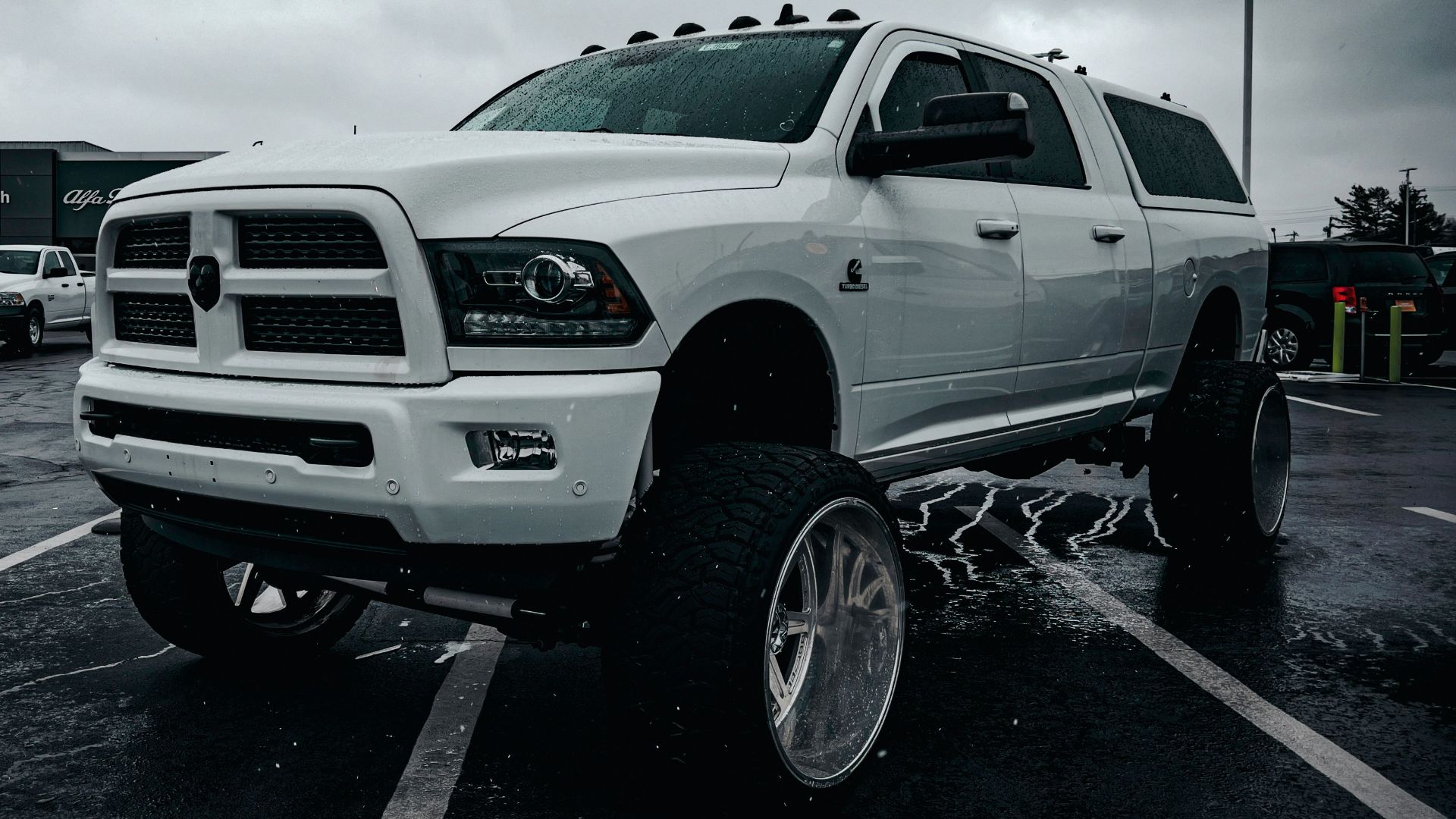
America is facing a serious obesity problem, but it isn't people that are getting bigger and bigger—it's cars. "Autobesity" or "car bloat" refers to the trend of cars increasingly astronomically in size since the 1990s. Not only have the size of cars gone up, but the prices too, along with a whole host of other problems.
According to a 2024 study by the BBC, cars are growing 0.4 inches wider every two years. That may not seem like a lot, but those inches add up. Stateside, more than 75% of all new cars purchased in 2024 were SUVs and pickup trucks.
What Is Autobesity?
While car bloat really started to pick up in the 1990s, car sizes have been steadily ballooning since the 1970s. In order to make cars safer with crumple zones and airbags, manufacturers had to make cars bigger to include these features. However, this alone was not responsible for the autobesity we see today.
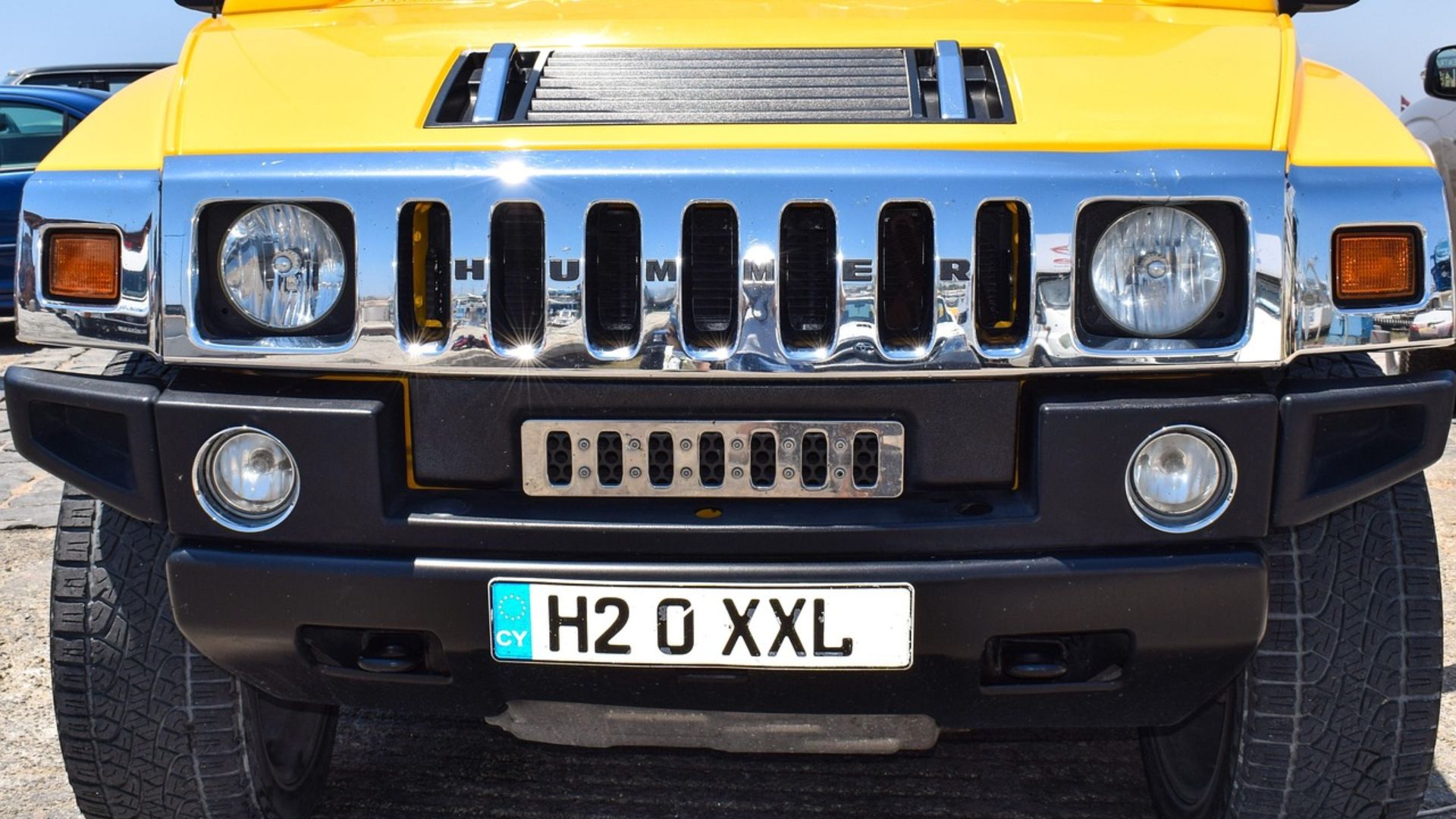
If you're on the road in a two-seater and everyone around you is driving a Hummer, you're naturally going to feel unsafe. To combat this, you yourself choose a bigger car to make yourself feel safe. However, you may not be as safe as you think you are.
While big vehicles seemingly have empty space to compensate for crumple zones, those crumple zones come with a cost. Big cars, especially trucks, may keep you safe in rear-end collisions, but they may be more dangerous if you slide off the road. Some of the biggest EVs on the market are too heavy for the highway.
Deadly Driving
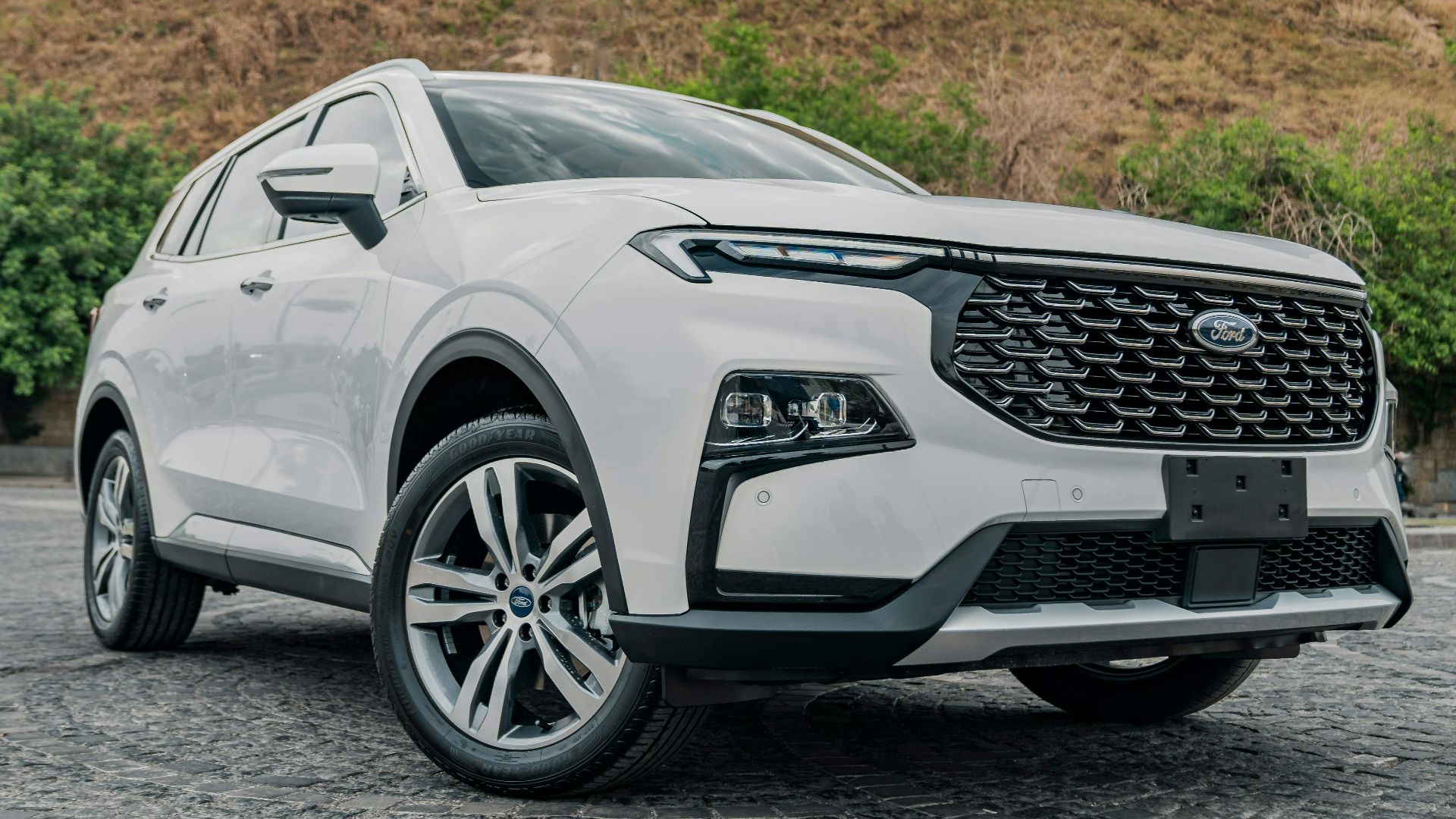
Instead of being saved from treacherous terrain by guardrails, these massive EVs weighing in at nearly 10,000 lbs, crash straight through the rails. This contributes to more than 10,000 fatalities each year. Additionally, while you may be okay if your tank hits someone, the same cannot be said of the person on the other end of the collision.
Do you really want your safety to come at the expense of someone else's? Drivers aren't the only ones at risk of these so-called "killer cars". Because these cars are as tall as they are wide, it can be difficult to see pedestrians and cyclists, particularly children.
Pedestrian deaths have doubled since 2010. For a developed nation, America's roads are among the most dangerous in the world. It isn't hard to understand why, when everyone is driving the equivalent of a garbage truck to the mall.
Besides the deadly potential of these bloated vehicles, there are a host of other problems with autobesity.
Other Problems With Autobesity
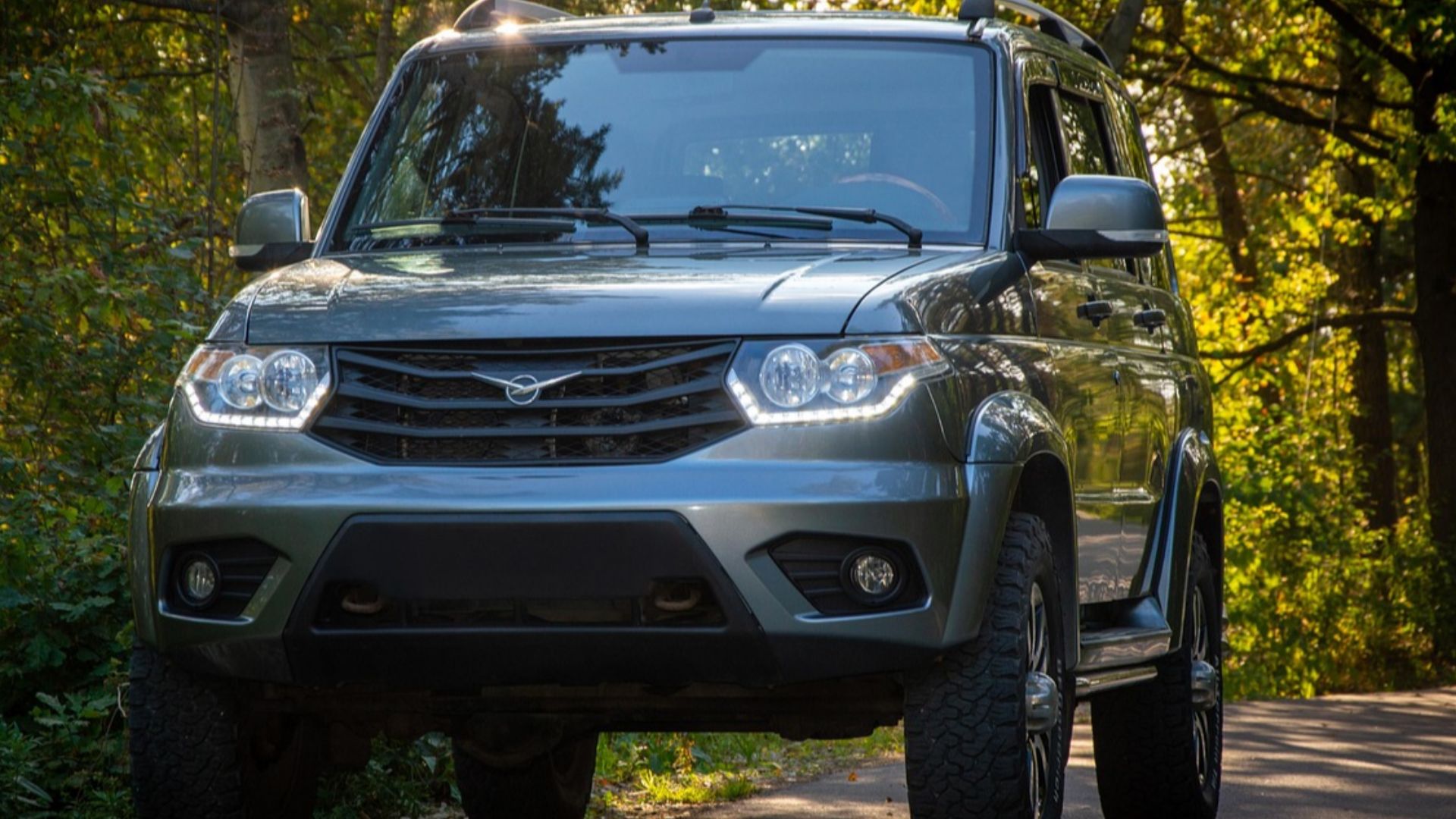
For starters, big cars, like big dogs, need more space to roam. This means widening parking spaces and highways, cutting into cycling lanes and sidewalks. An inability for these big cars to share the road only leads to more fatalities when pedestrians and cyclists stand no chance against super-sized vehicles and have nowhere else to go.
The money for these improvements doesn't appear out of thin air. The weight of these super cars also causes roads to wear down more frequently, requiring more maintenance. Funds that we could put into improving our communities, are funneled back into repairing and widening roads that need more and more maintenance.
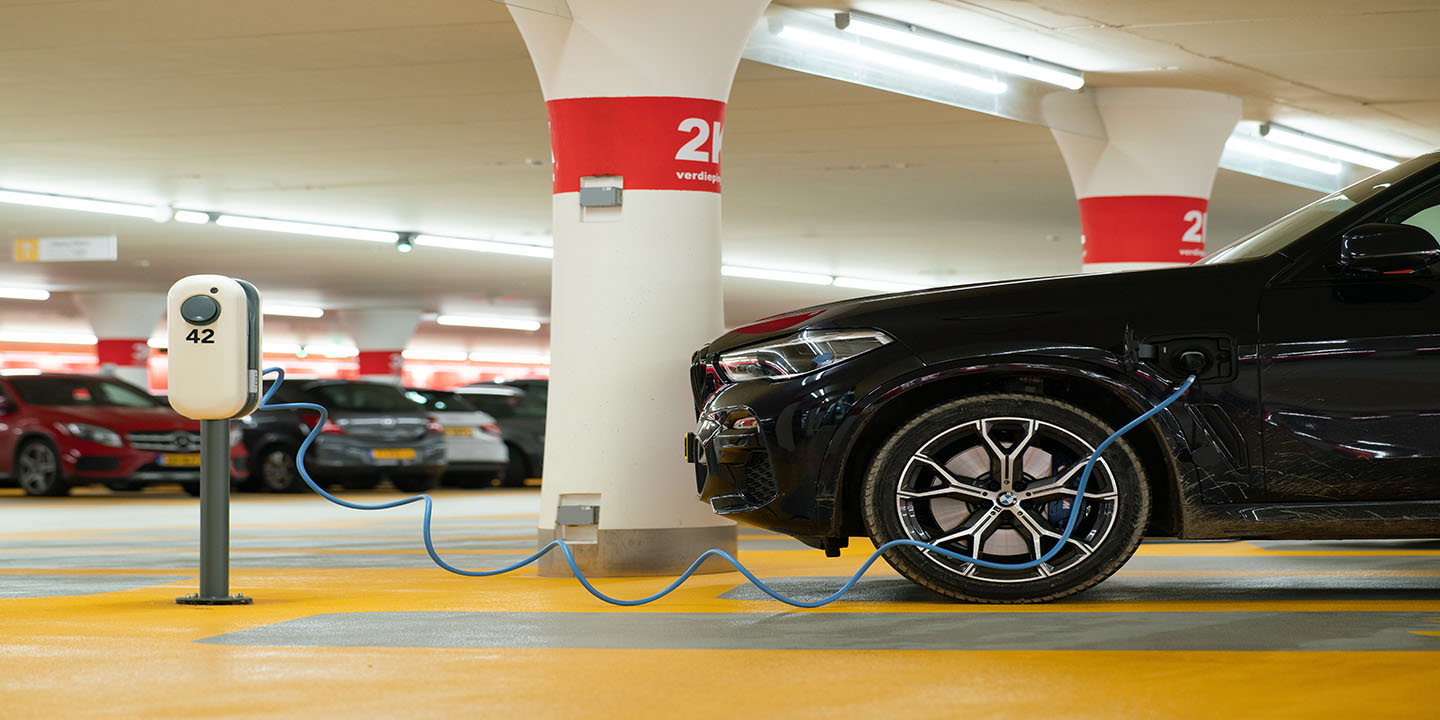
The other major problem with big cars is that they have a big carbon footprint. Even EVs that tout themselves as being eco-friendly, do immense damage to the environment with their size alone. Big cars emit pollute 20% more than standard-sized sedans.
Big cars means bigger fuel tanks. While these gas-guzzlers may seem more efficient if you have to fill up less frequently, the opposite is actually true. The heavier a car is, the more fuel it needs to make the tiniest movements.
In short, autobesity harms all of us. It harms our wallets and municipal infrastructures; it harms our planet and pedestrians. And, autobesity ultimately harms other drivers, whose safety is seen as expendable.