Choosing A Car That Actually Fits Your Life
If you're on the market for a new car, the experience can be exciting, but also a little overwhelming. Once you start comparing prices, features, fuel types, and sizes, you might find it's hard to find what's best for you. So if you're struggling to pick out the right car for you, here are 20 tips to help you decide what it is that you exactly need on the road.

1. Look At Your Daily Driving Routine
Looking at where you drive most often will say a lot about what kind of car makes sense. If you mostly take short city trips, a compact car or hybrid may be easier to park and cheaper to fuel. If you spend hours on highways, comfort, safety features, and good fuel economy may matter more. Your everyday driving habits will, and should, guide your decisions for what car to buy.

2. Set A Realistic Budget First
It's easy to fall for heated seats, glossy paint, or a giant touchscreen, which is why before you get swayed by luxury features, you should decide how much you can comfortably spend first. Make sure your budget includes the monthly payment, insurance, fuel, maintenance, registration, and possible repairs, too!

3. Think About Passenger Space
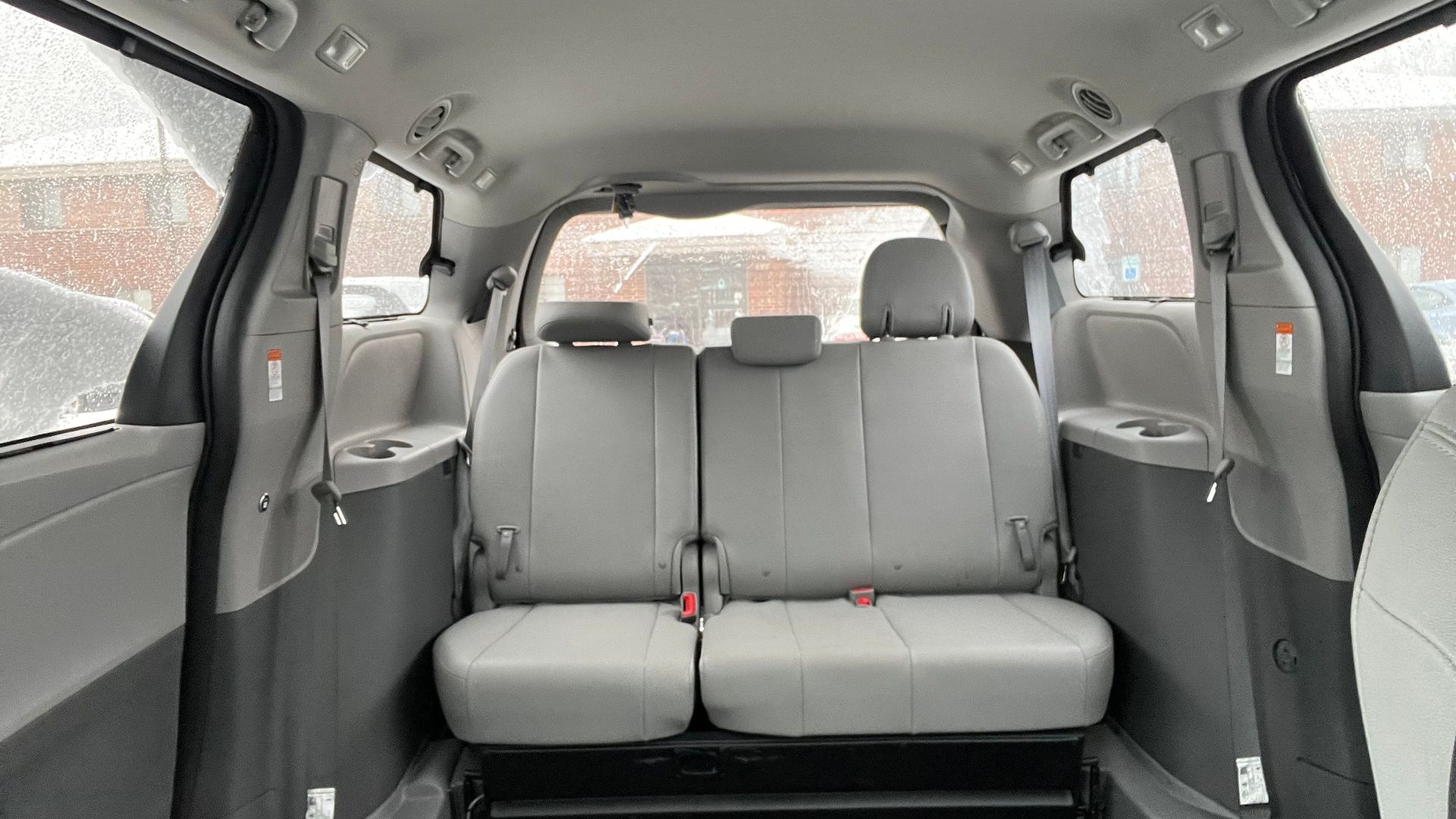
Remember, this car likely isn't just for you! Consider how many people you regularly drive around, not just how many people might ride with you once a year. If you have kids, coworkers, relatives, or friends in your car often, backseat comfort becomes more important than it may seem at first.
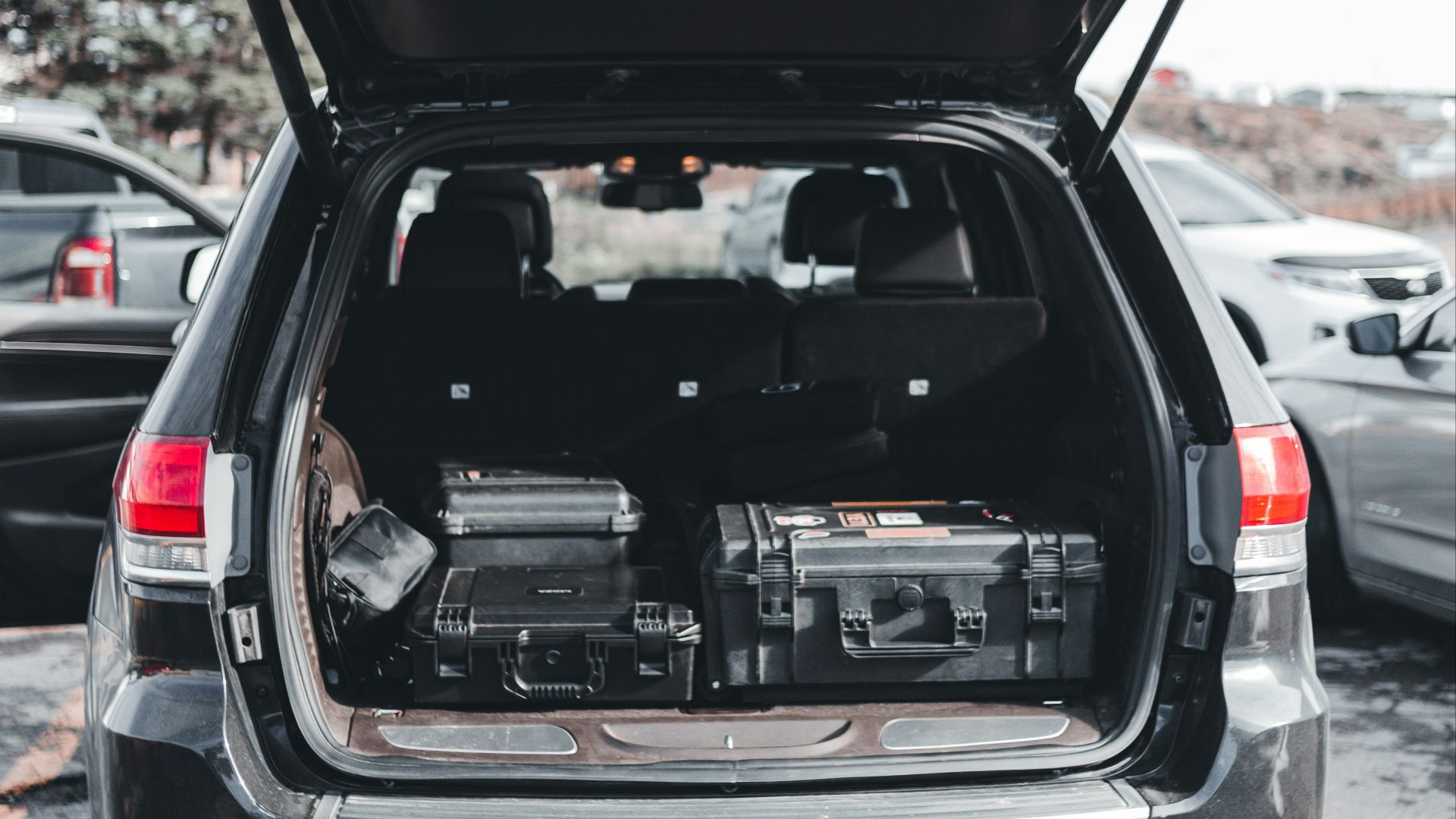
4. Consider Your Cargo Needs
How much space do you need for your car on a daily basis? Think groceries, sports gear, strollers, tools, luggage, and pet supplies, because all of these may affect what kind of vehicle you need. After all, a sedan may be enough for light errands, but you're going to need a hatchback, SUV, or even a van for larger loads.
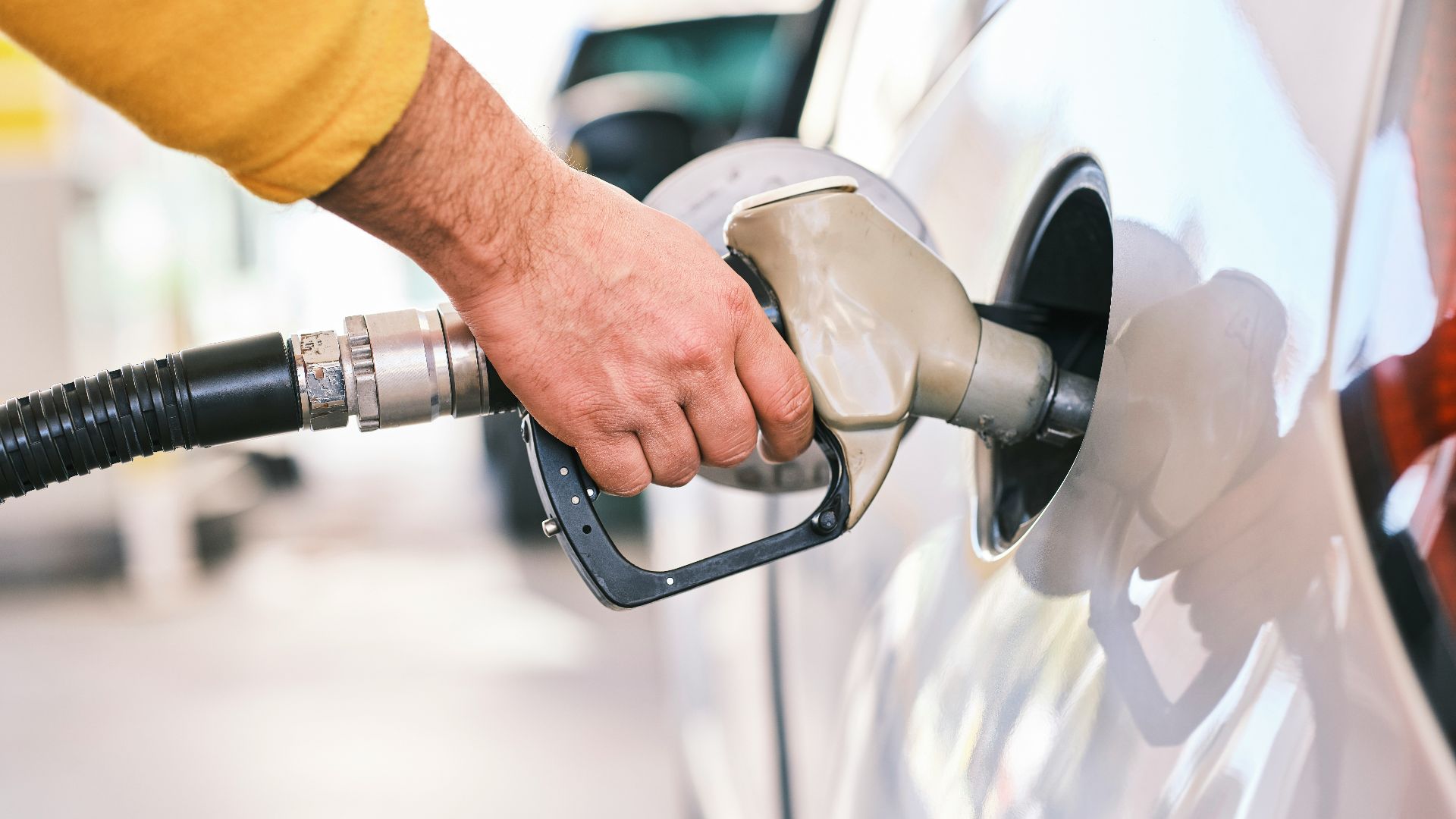
5. Decide If Fuel Economy Matters Most
Fuel costs can add up quickly, especially if you drive often or have a long commute, so decide early on if saving money at the pump matters to you. Larger SUVs and trucks can be useful, but they usually cost more to fuel, which may lead you to consider sedans, hybrids, or even electric options.
6. Decide Whether You Need All-Wheel Drive
All-wheel drive can be helpful if you live somewhere that makes you deal with snow, rain, steep roads, or rougher conditions on a regular basis. Just keep in mind though that it can also increase the price of the vehicle and sometimes reduce fuel efficiency. The key is choosing based on your actual climate, not just what sounds better.

7. Match The Car To Your Parking Situation
Don't neglect your parking situation! If you live in a busy city, have a tight garage, or a small driveway, you're going to need a car that matches those conditions. Because while a large SUV may feel comfortable on the road, it'll be terribly annoying if you’re always squeezing into tight spaces.

8. Think About Long-Term Reliability
A car can look great on a test drive, but reliability is what keeps you happy years later. Don't be drawn in by the flashy features, do your part to research brands and models known for lasting well and having reasonable repair costs. A dependable vehicle can save you money, time, and plenty of irritation.
9. Consider How Long You Plan To Keep It
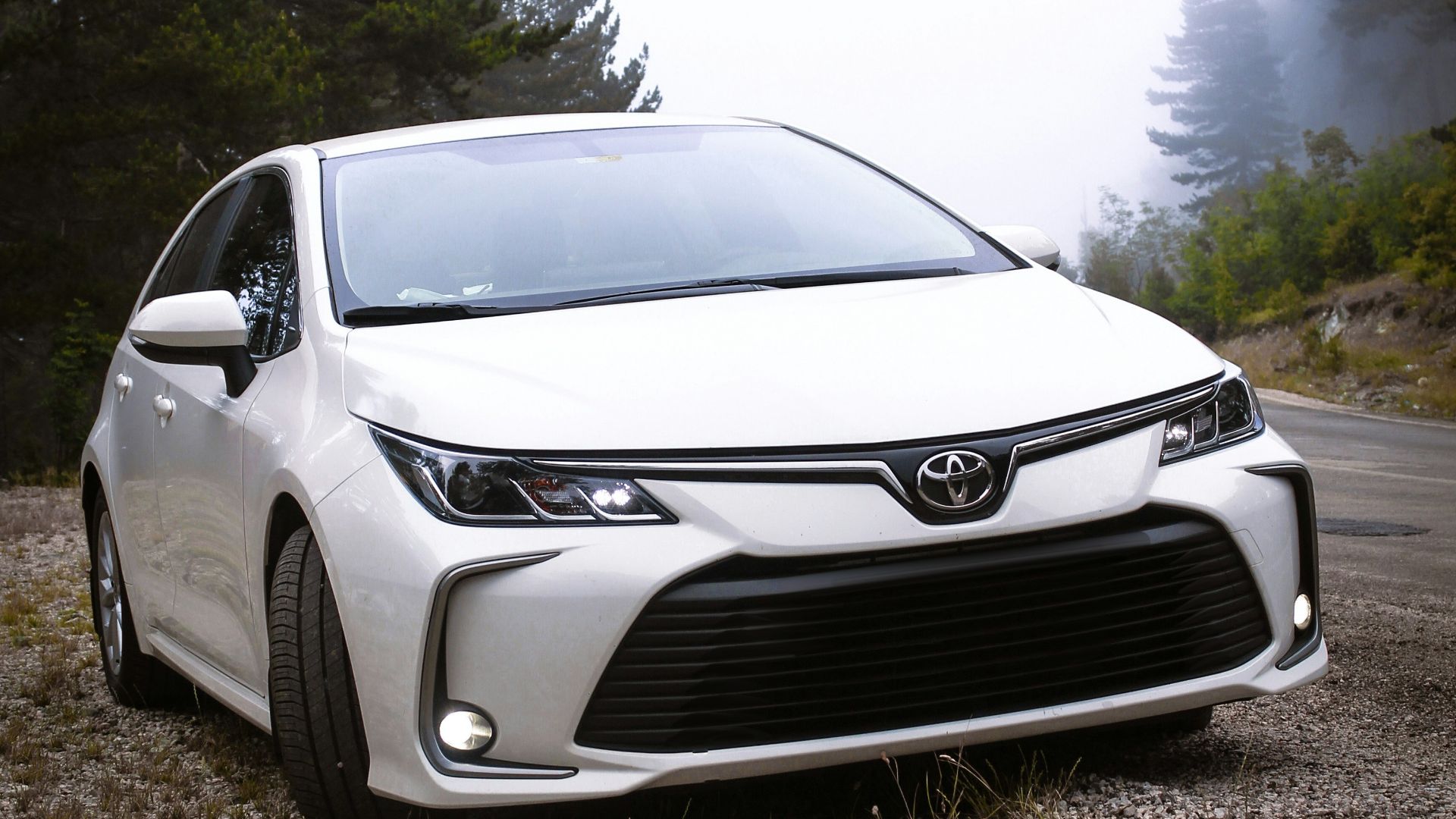
Before you lock down the plan for your car, you should remember there are multiple options and you should pick the one that best fits your needs. If you like switching cars every few years, leasing might make sense, but if you want to keep a car for a decade, long-term durability and repair costs become more important. The right choice depends on whether you want flexibility or long-term ownership.
10. Be Honest About Your Driving Style
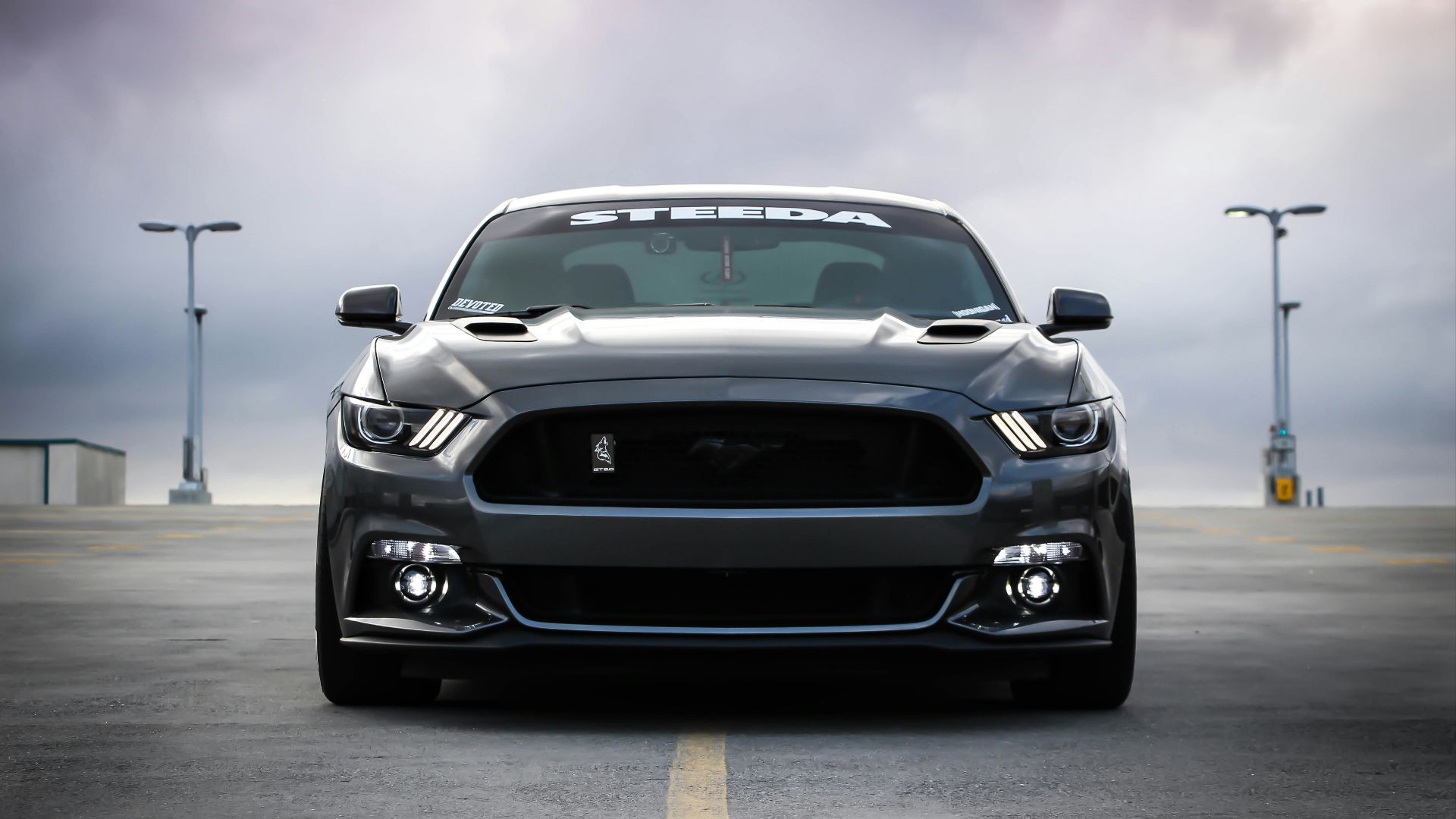
Some drivers want a smooth, quiet ride, while others care more about quick acceleration and responsive handling. That's why before heading to the dealership, figure out what are your top priorities. Is it comfort and visibility? Or speed and enjoyment?
11. Check Safety Features Carefully
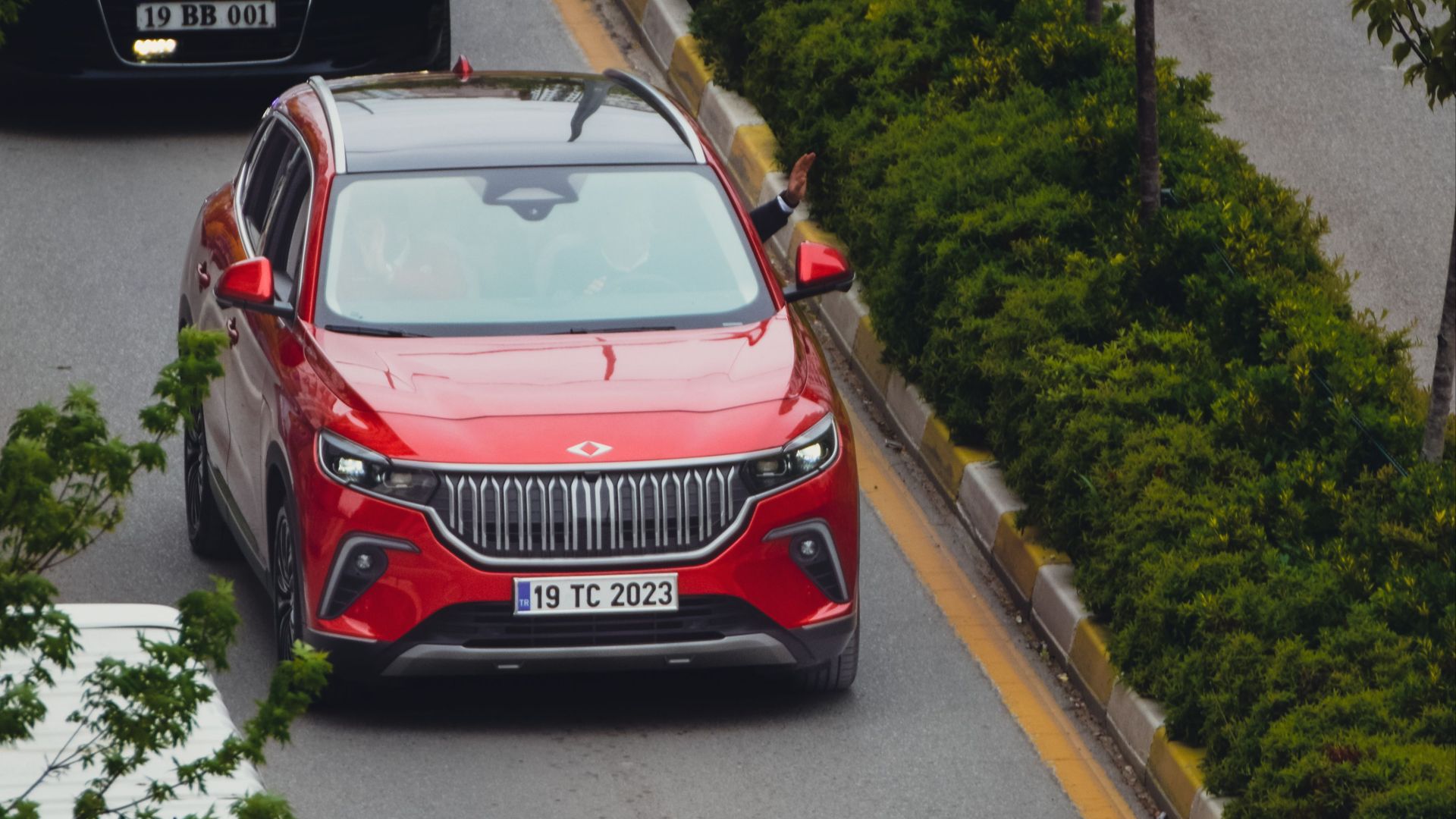
If there's one feature you shouldn't ignore, it's the safety features. Modern cars typically come with plenty, but not every model includes the same equipment. Look for features like automatic emergency braking, blind-spot monitoring, lane-keeping assistance, and strong crash-test ratings. A safer car is a decision you’ll rarely regret.
12. Think About Maintenance Costs
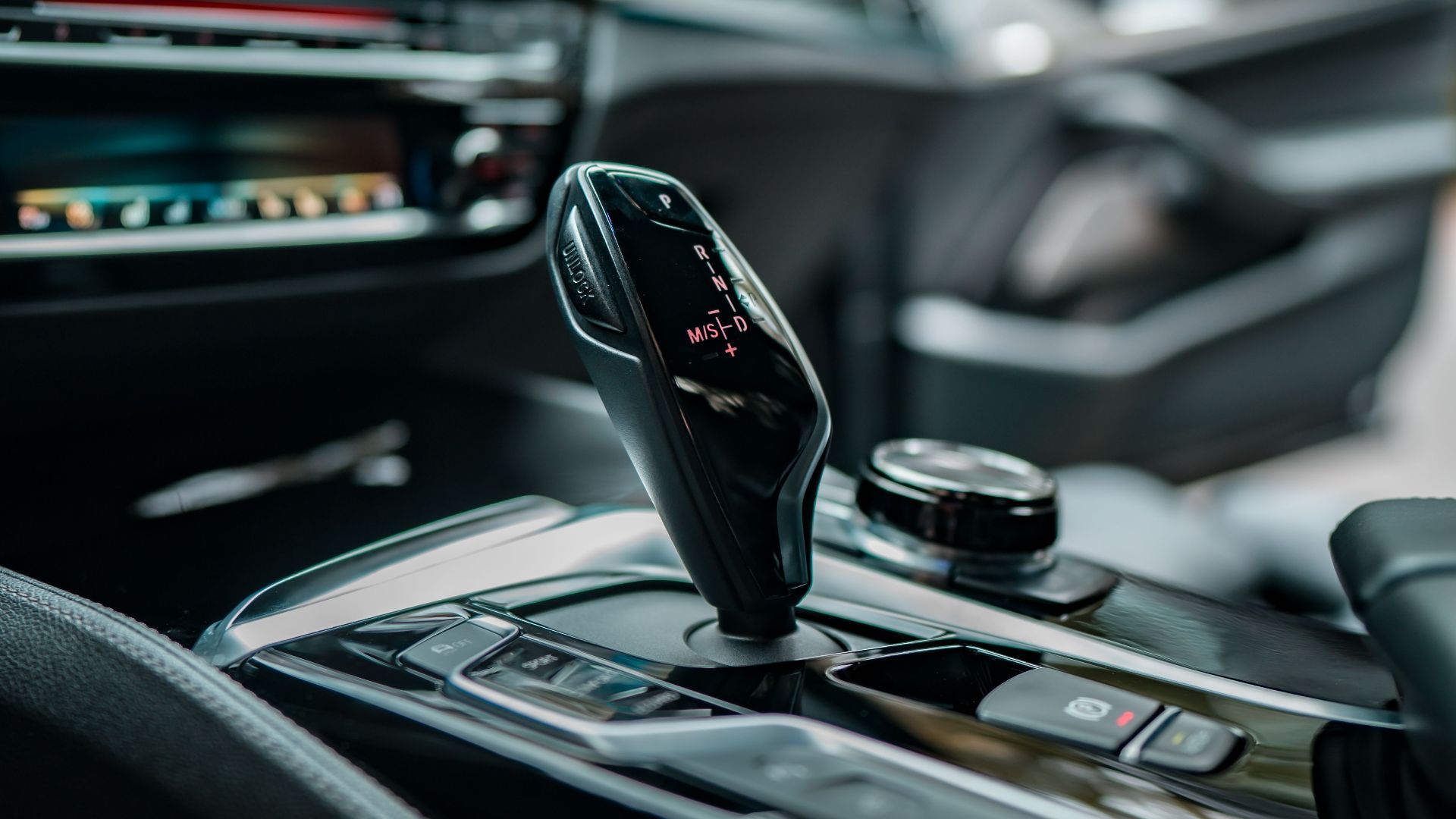
Remember, the purchase price is only part of the story when choosing a car. Some vehicles are inexpensive to buy but costly to maintain, especially if parts are rare or repairs require specialized service. Checking estimated maintenance expenses early on can help you avoid unpleasant surprises later.

13. Decide If You Need A New Or Used Car
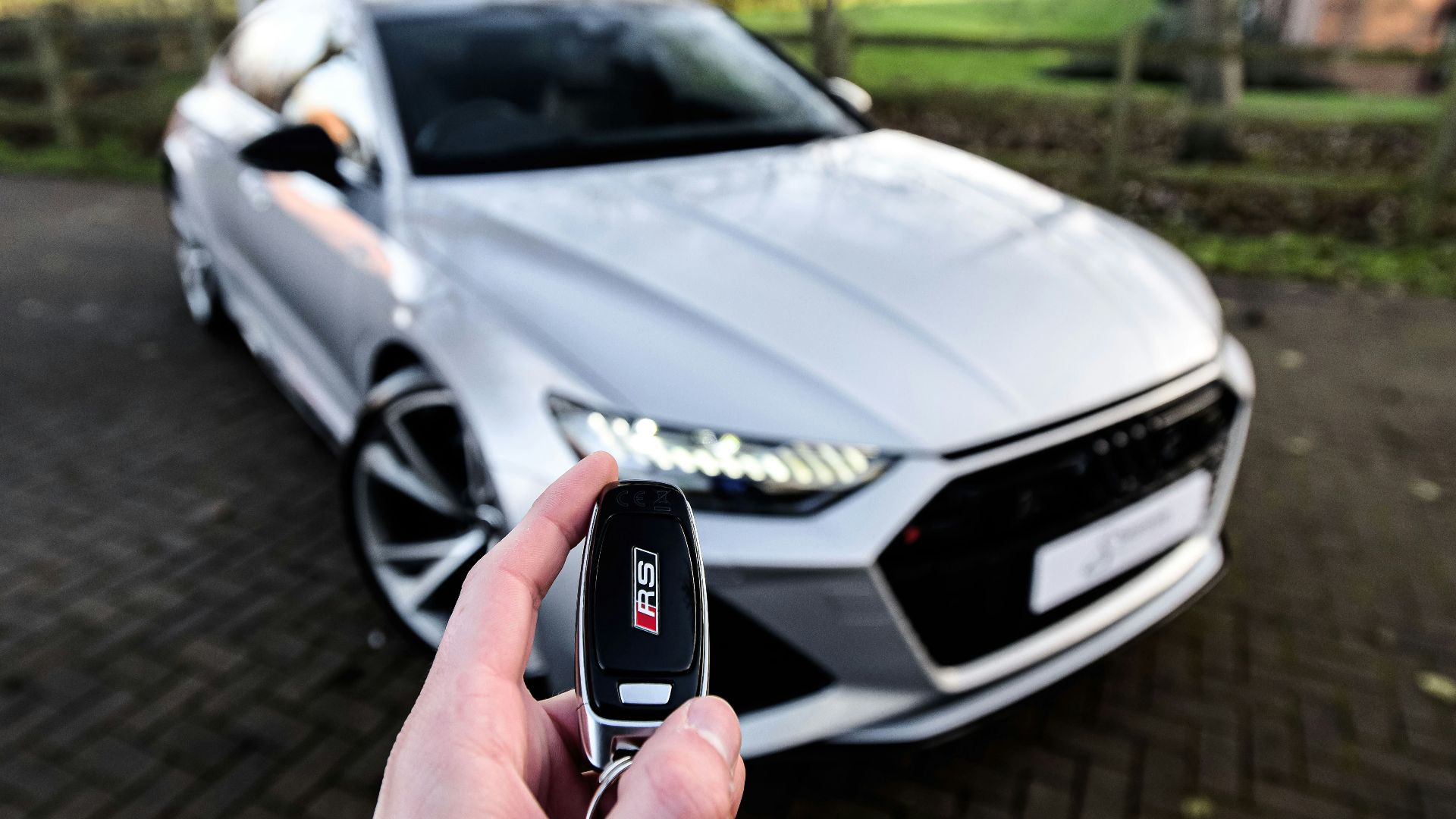
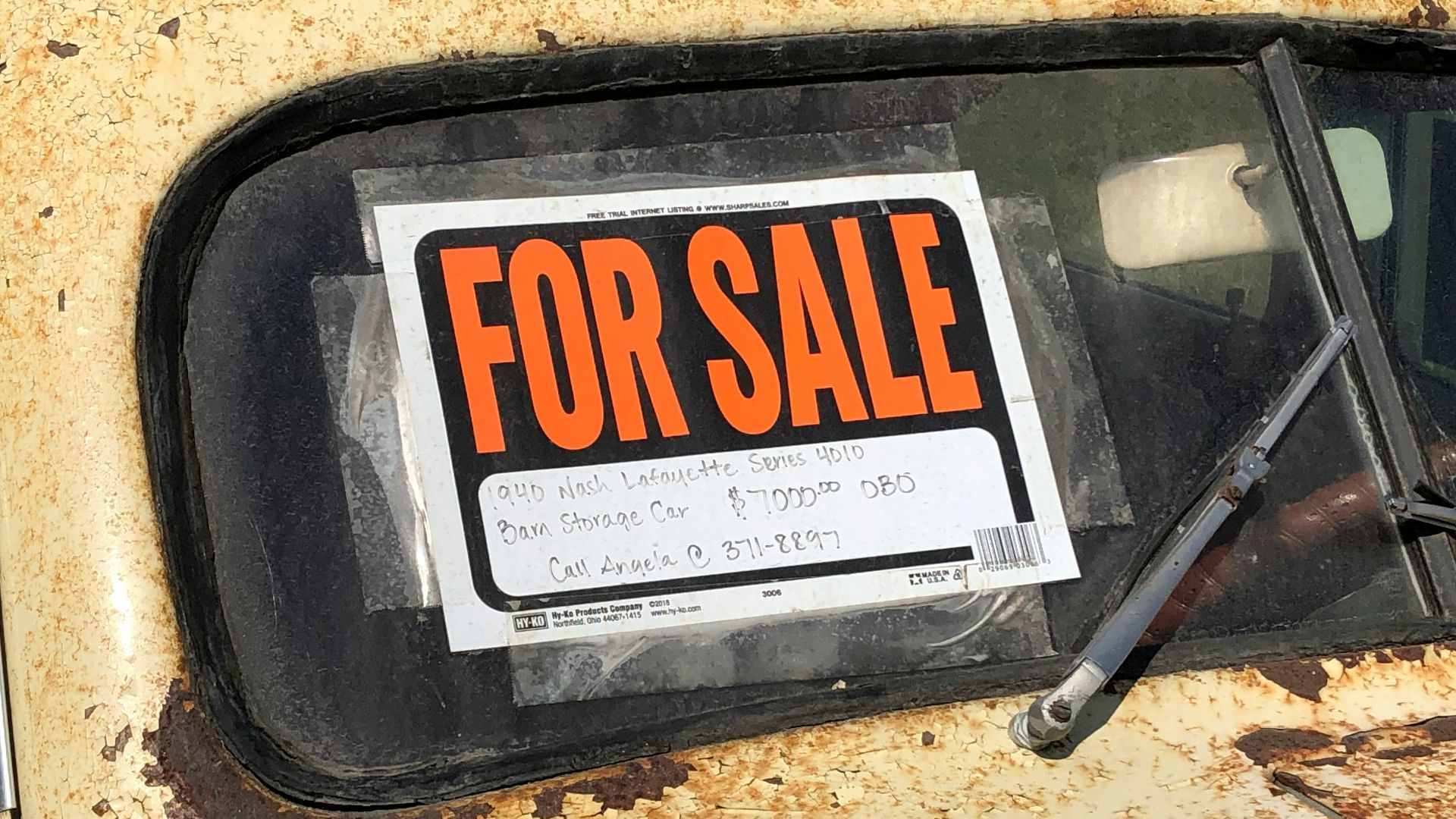
A new car might give you the latest features, a full warranty, and that satisfying feeling of being the first owner, but a used car can cost much less and may give you more value for your budget. The best choice will always depend on your comfort level, budget, and need for peace of mind.
 Swansway Motor Group on Unsplash
14. Consider Your Family Plans
You might be a house of one or two right now, but it might not always look that way. A growing family or a pet can all affect what kind of vehicle makes sense. Buying a tiny car right before needing car seats or extra storage could lead to another expensive change soon, so make sure you plan ahead.

15. Test Drive More Than One Option
Never just settle on the first car that looks perfect online. You need to test drive several vehicles to help you really compare comfort, visibility, controls, braking, and road noise. Sometimes, you need to actually sit in the car to see what's wrong with it.

16. Pay Attention To Visibility
Visibility is easy to overlook until you’re changing lanes, backing out of a space, or driving at night. Which again, is why test driving is so important! Some cars have thick pillars, small rear windows, or awkward blind spots that can make driving less comfortable.
 Samuele Errico Piccarini on Unsplash
17. Think About Technology You’ll Actually Use
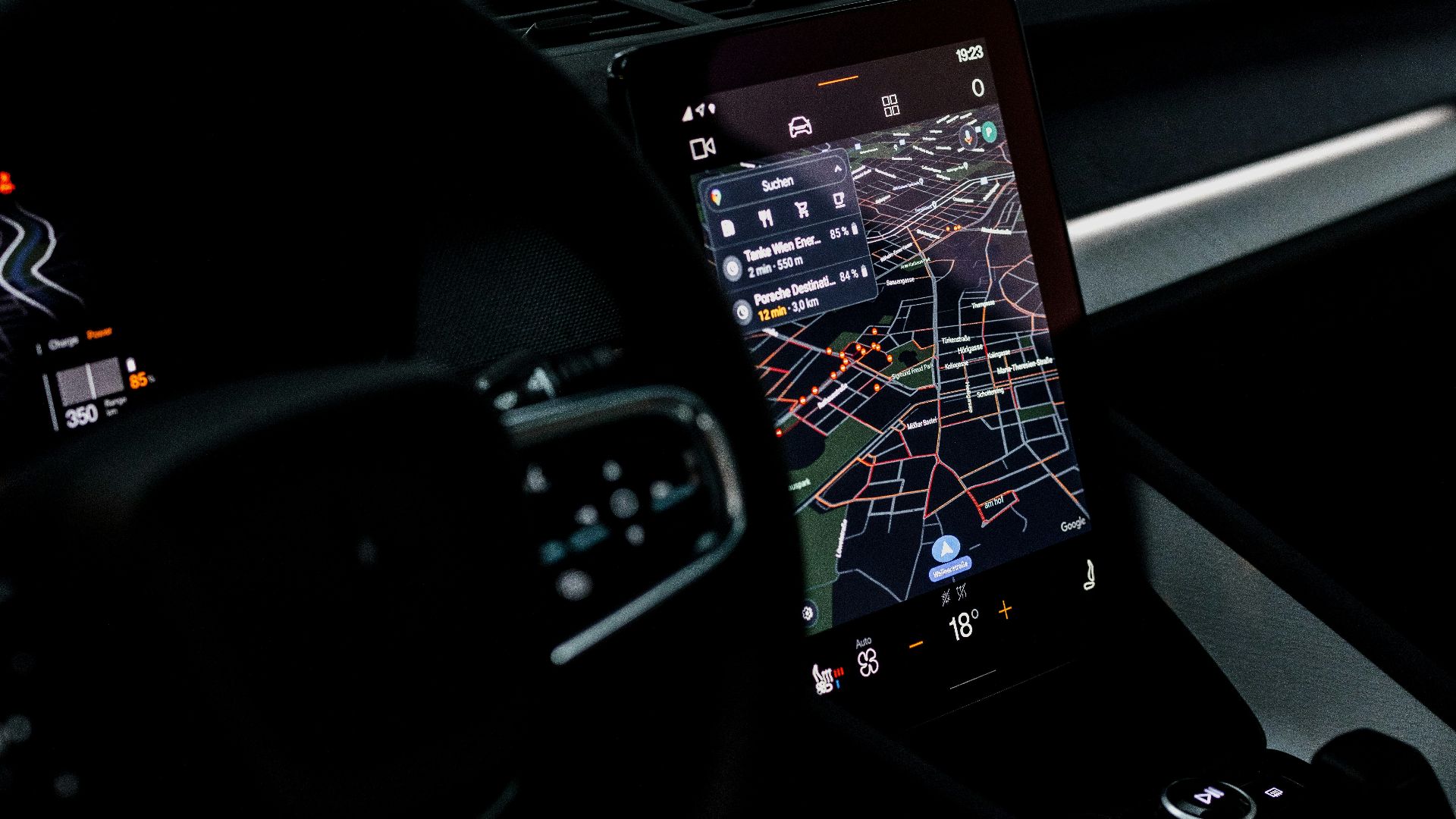
Car technology can be useful, but only if it fits your habits. Features like smartphone integration, navigation, backup cameras, and parking sensors may make your daily drive smoother, but complicated menus and touch controls can get annoying if you prefer simple buttons. Don't spend extra on tech you don't need.
 Patrick Langwallner on Unsplash
18. Compare Insurance Costs
Insurance prices can vary a lot from one car to another, even when the vehicles seem similar. Sports cars, luxury models, and frequently stolen vehicles can cost more to insure, so before making a final decision, get quotes for the cars you’re seriously considering.

19. Think About Resale Value
Even if you plan to keep your car for a while, it's still a good idea to look into resale value. Some vehicles hold their value better because they’re known for reliability, practicality, or strong demand, and thinking ahead can help you make a more financially sensible decision.
20. Choose The Car That Makes Daily Life Easier
At the end of the day, the best car is simply the one that fits your real needs the most. It should feel comfortable, affordable, safe, and practical for the way you actually live. A vehicle doesn’t, and shouldn't, need to impress everyone else to be the right choice for you.