Wheels Make or Break Everything
Car culture spends a lot of time debating engines, horsepower, and lap times, and not nearly enough time on wheels. It's an oversight, because nothing changes the character of a car faster. The wrong set can make a six-figure machine look like a rental. The right set can elevate something ordinary into something you remember. The examples below cover both ends of that spectrum, from wheels that became inseparable from the cars they were bolted to, to wheels that left enthusiasts wondering what anyone was thinking. Here's 20 cars that prove the point.
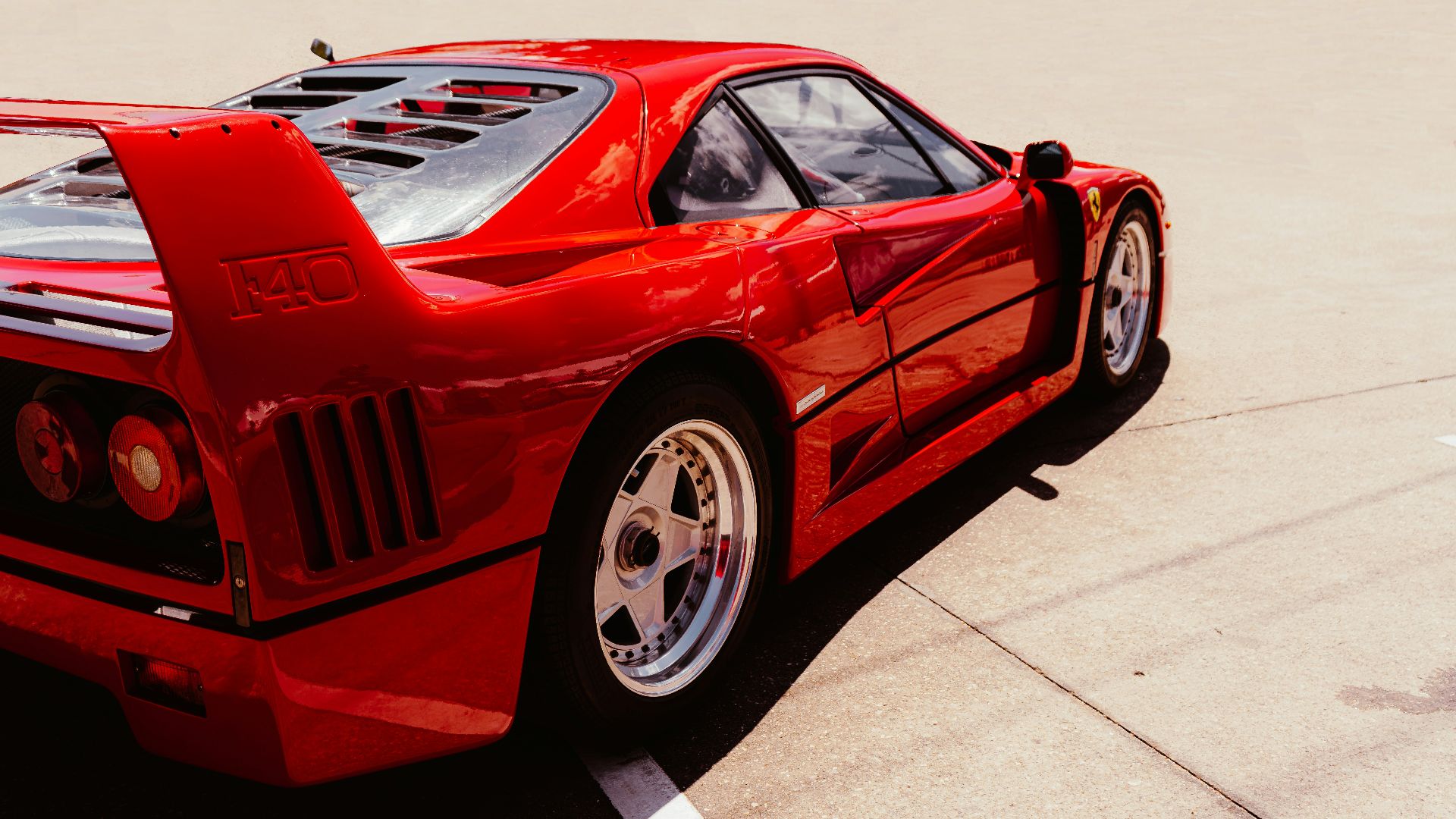
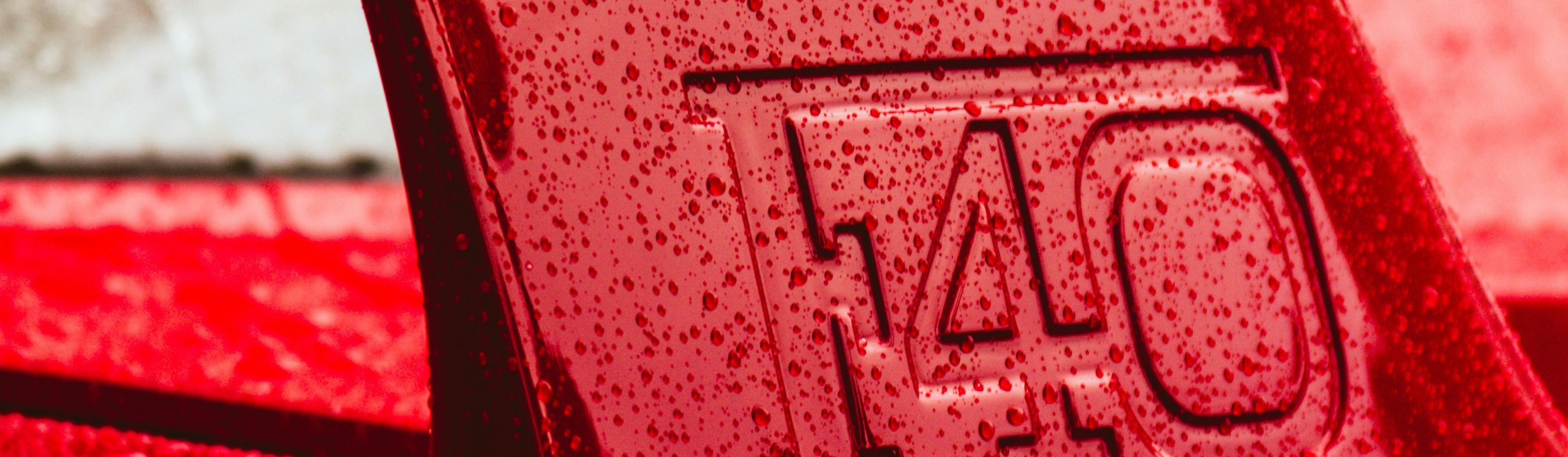
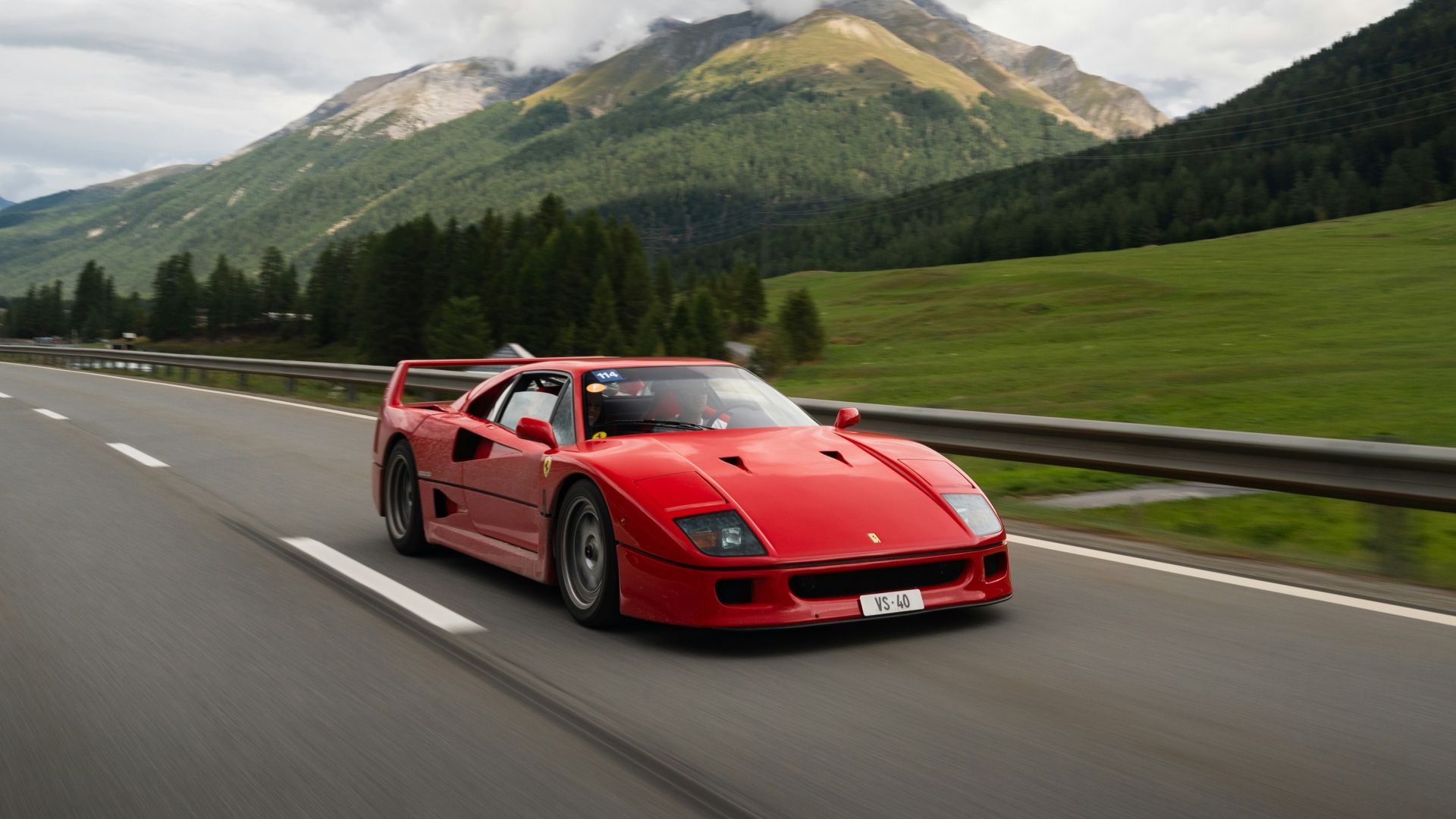
1. Ferrari F40
The F40's five-spoke modular wheels are so correct for that car that it's almost impossible to imagine it wearing anything else. They're light, purposeful, and completely without decoration. On a car that was already stripped of everything unnecessary, the wheels felt like the same person made every decision.
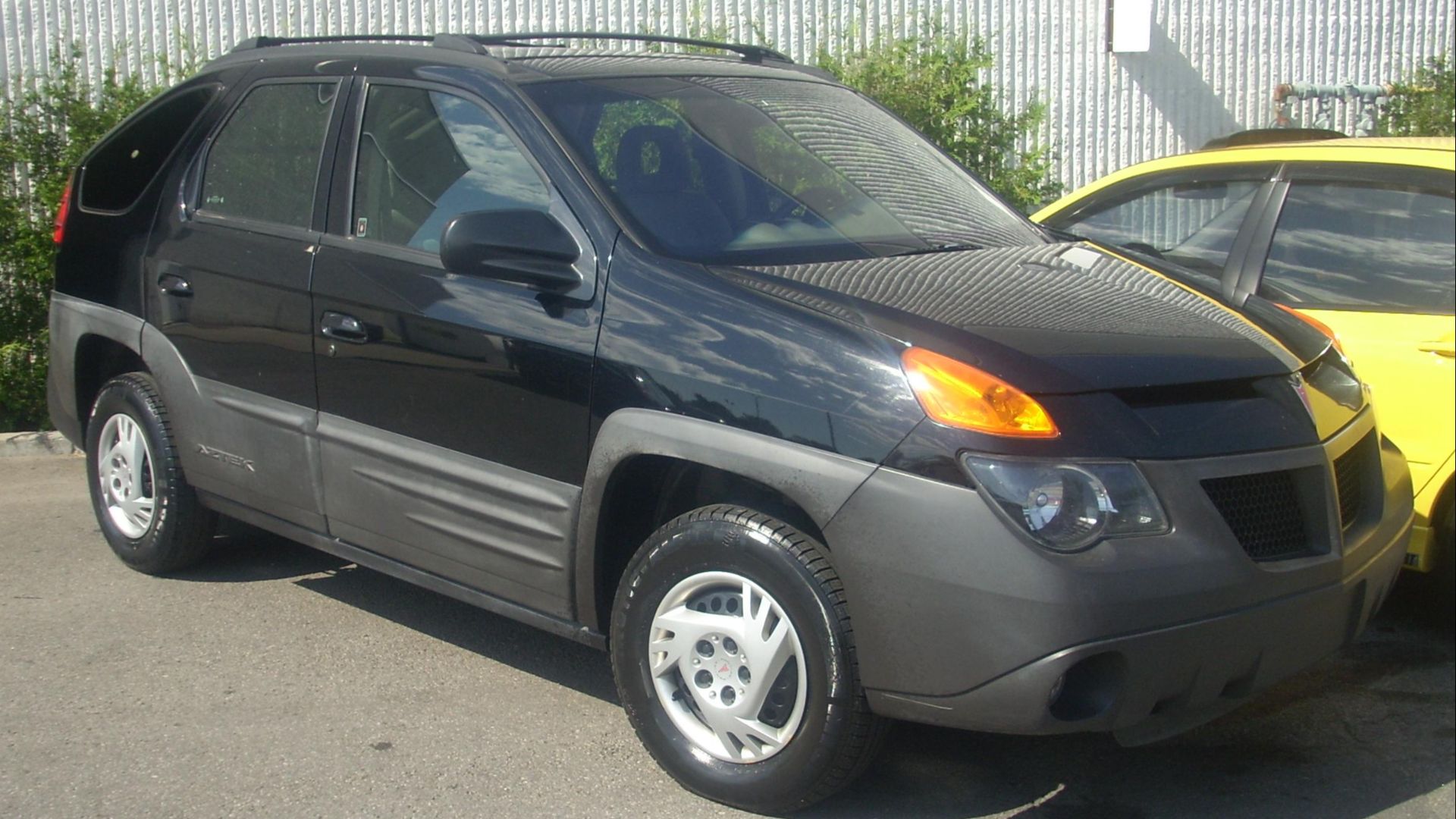
2. Pontiac Aztek
The Aztek had enough problems without its wheels, but the standard silver plastic cladding around the wheel arches combined with the undersized alloys made everything worse. The proportions never worked, and the wheels had a way of drawing attention to exactly the parts of the car that needed it least.
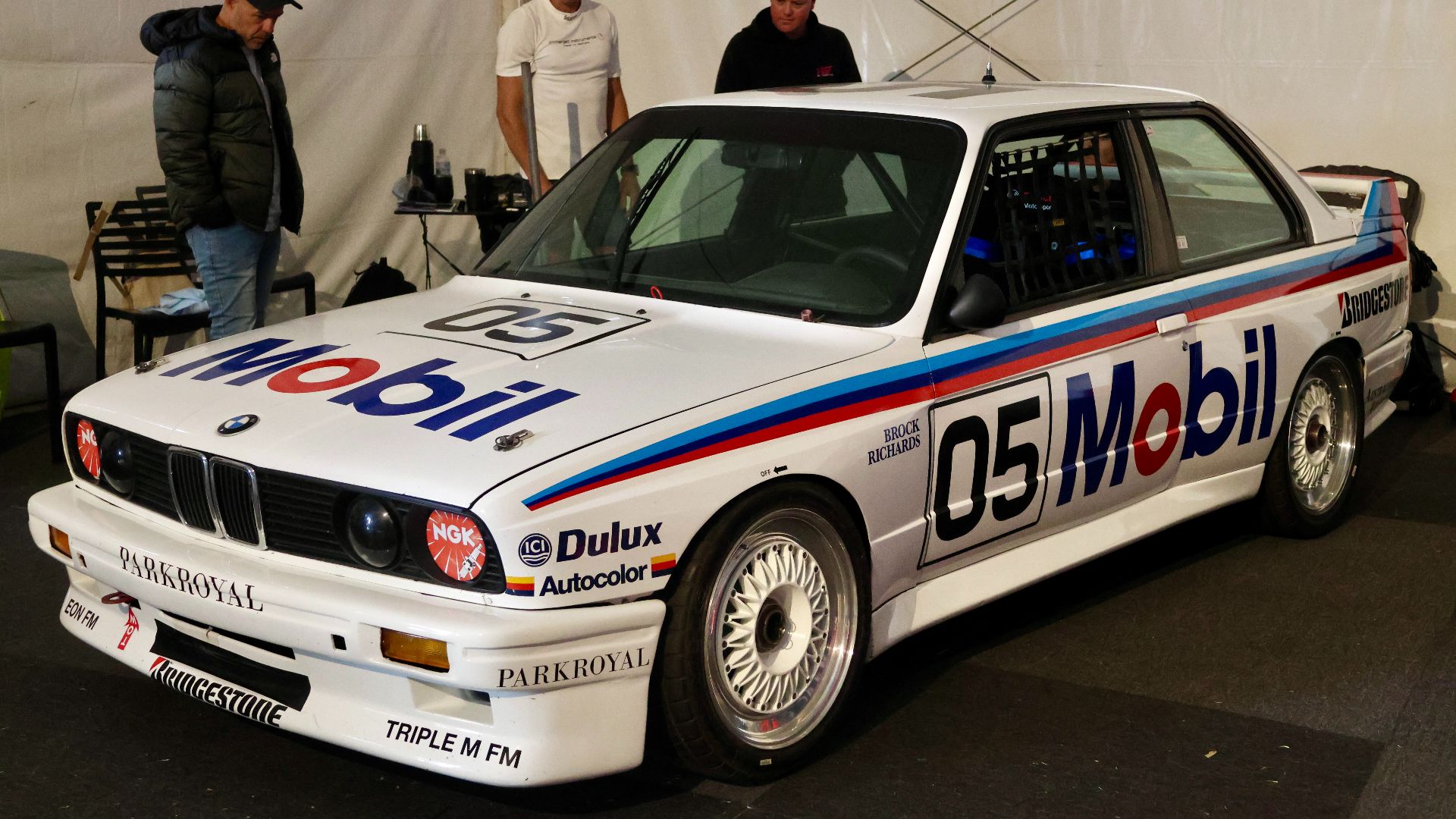
3. BMW E30 M3
The E30 M3's original BBS cross-spoke alloys are one of the better wheel-to-car matches in automotive history. They were wide enough to fill the arches properly, light enough to matter mechanically, and the design aged without becoming a period piece. Thirty years later they still look right.
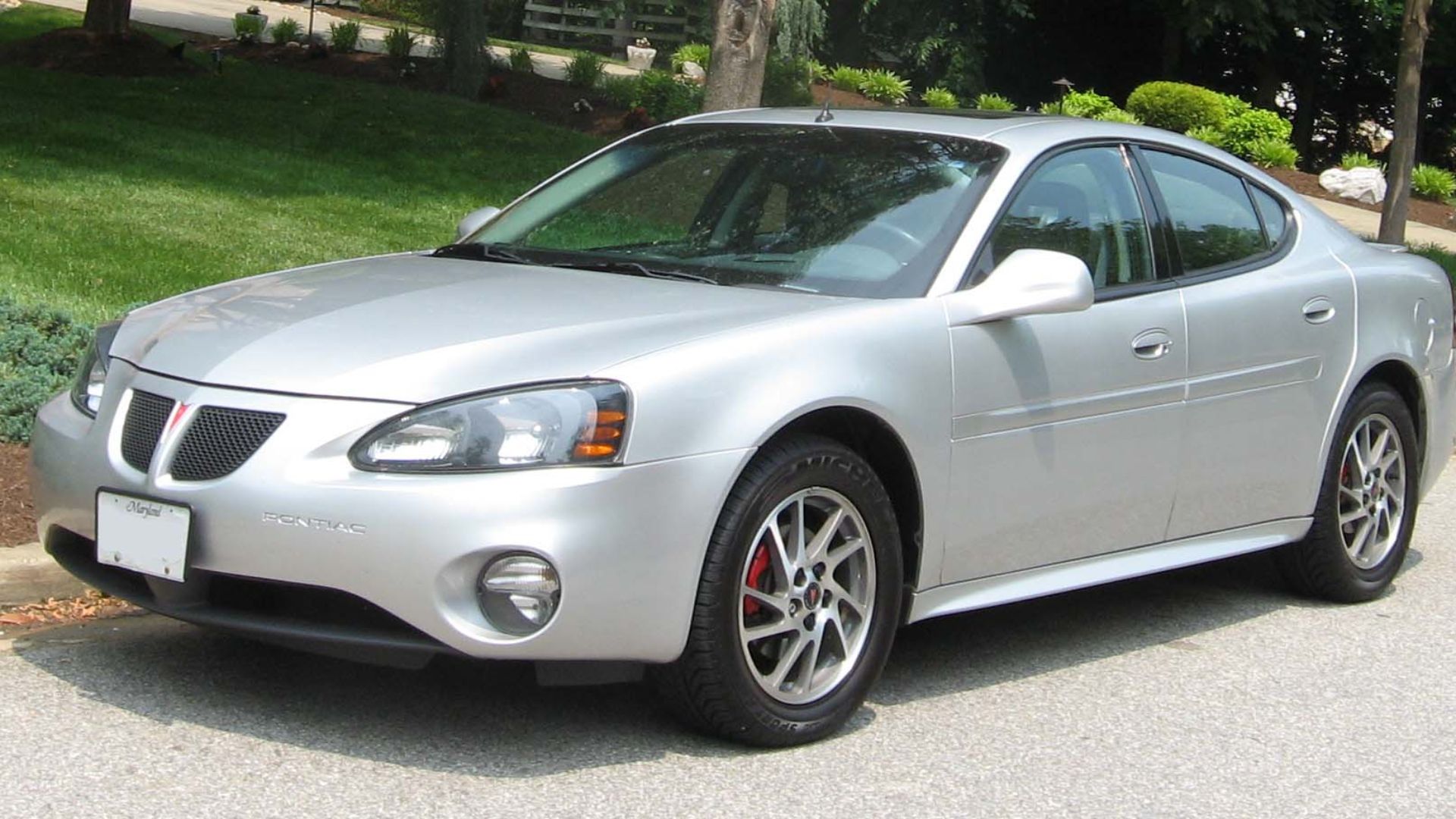
4. Pontiac Grand Prix (2004-2008)
The chrome wheels that came standard on higher trims of this generation Grand Prix were too large, too shiny, and too busy for a car that was already trying too hard. Chrome was having a cultural moment in the mid-2000s, and GM leaned into it in a way that hasn't aged gracefully.
5. Porsche 911 (993 Generation)
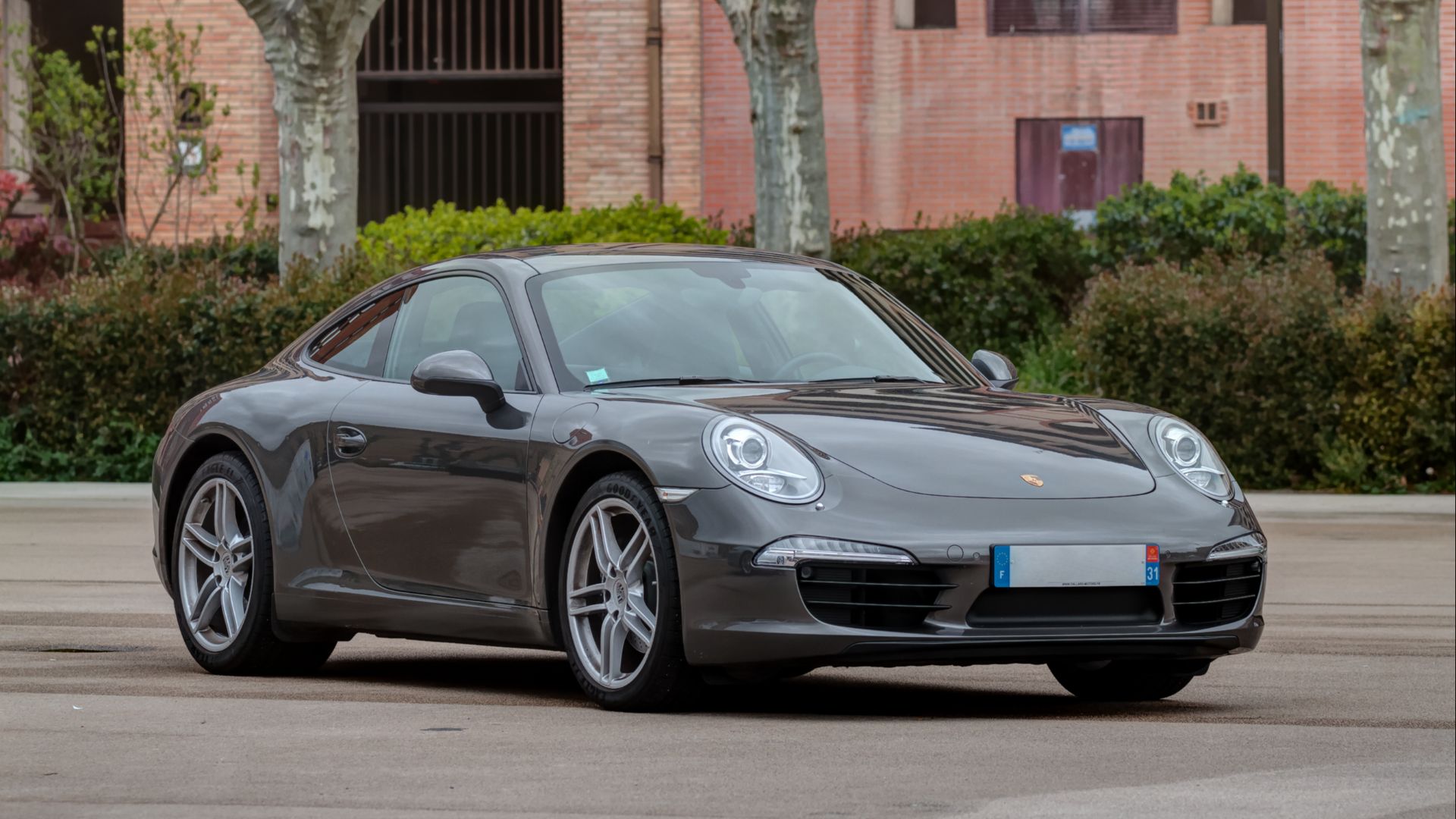
The 993's Cup wheels are a masterclass in restraint. Five spokes, slightly dished, sized correctly for the arch. They communicate something about what the car does without needing to shout about it. When Porsche eventually moved away from that design language, enthusiasts noticed immediately.
 Pierre-Selim Huard on Wikimedia
6. Fiat Multipla
The Multipla was already one of the most visually polarizing cars ever made, and its small, spindly wheels sitting under those enormous bulbous arches made the proportional problem impossible to ignore. The car looked like it was standing on its tiptoes. A wider, more substantial wheel might not have saved it, but it would have helped.

7. Lamborghini Miura
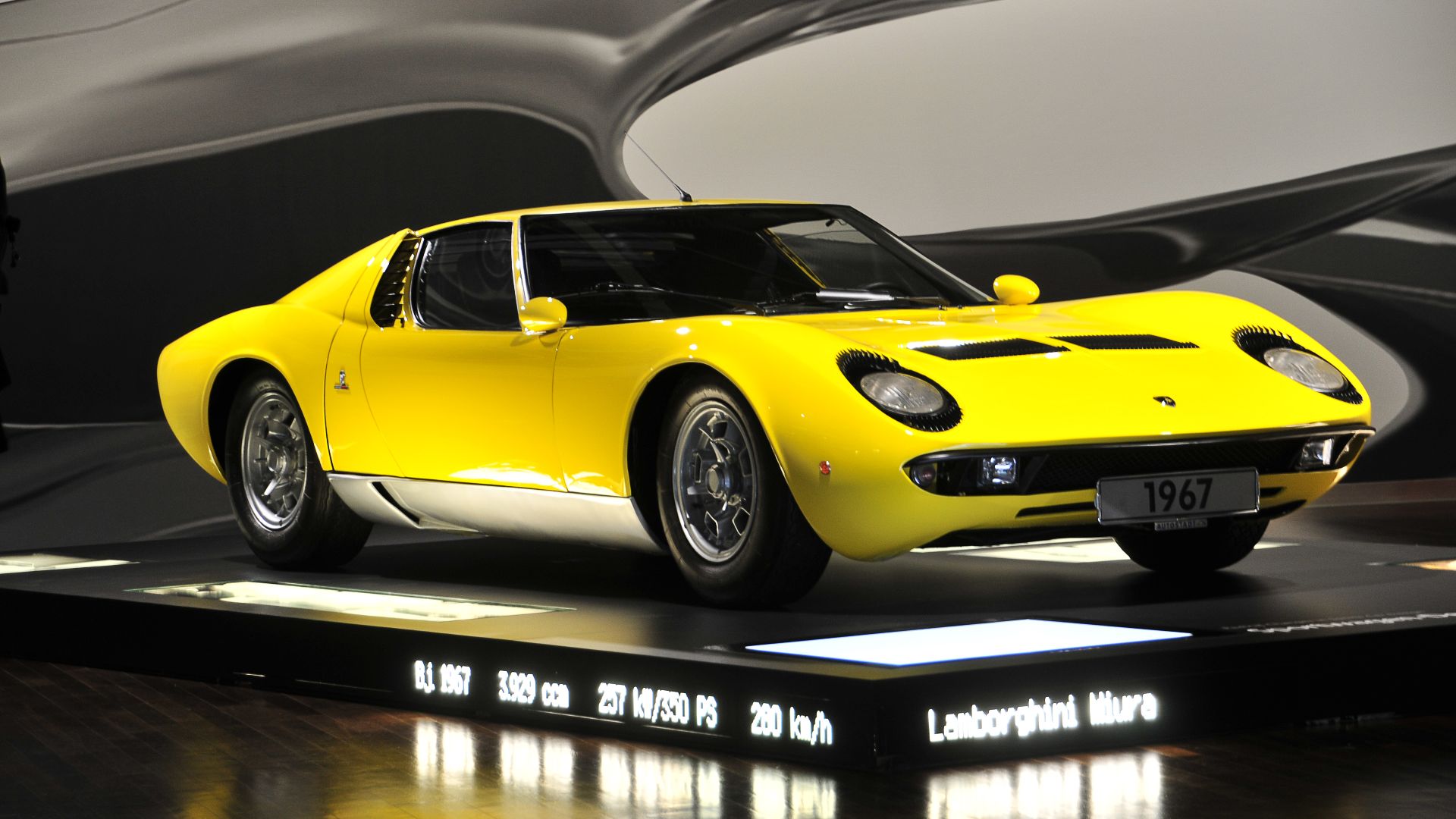
The Miura's Campagnolo wheels are among the most beautiful ever fitted to a production car. Slotted, lightweight, and perfectly sized, they look like they were designed by someone who understood that the wheel is part of the sculpture. On a car this dramatic, that kind of restraint took confidence.
 Ralf Roletschek (talk) - Wissensmanagement mit Wikis on Wikimedia
8. Lincoln Navigator (First Generation)
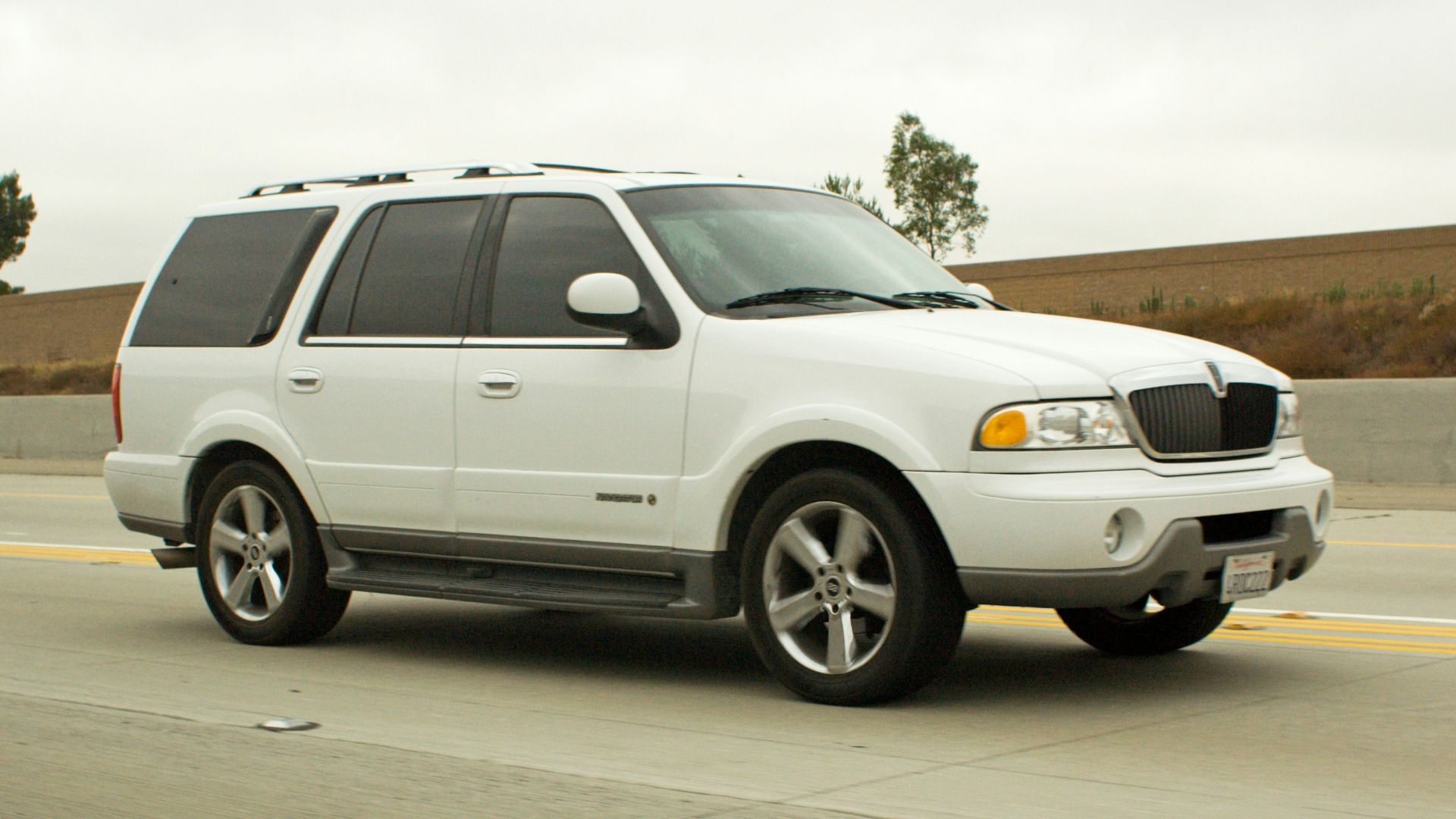
When the first-generation Navigator launched in 1998 with its chrome five-spoke wheels, it defined a specific aesthetic that became enormously influential in ways Lincoln probably didn't fully anticipate. The wheels were large for the time and unapologetically shiny. Whether that reads as iconic or as a cautionary tale probably depends on when you grew up.
9. Jaguar E-Type
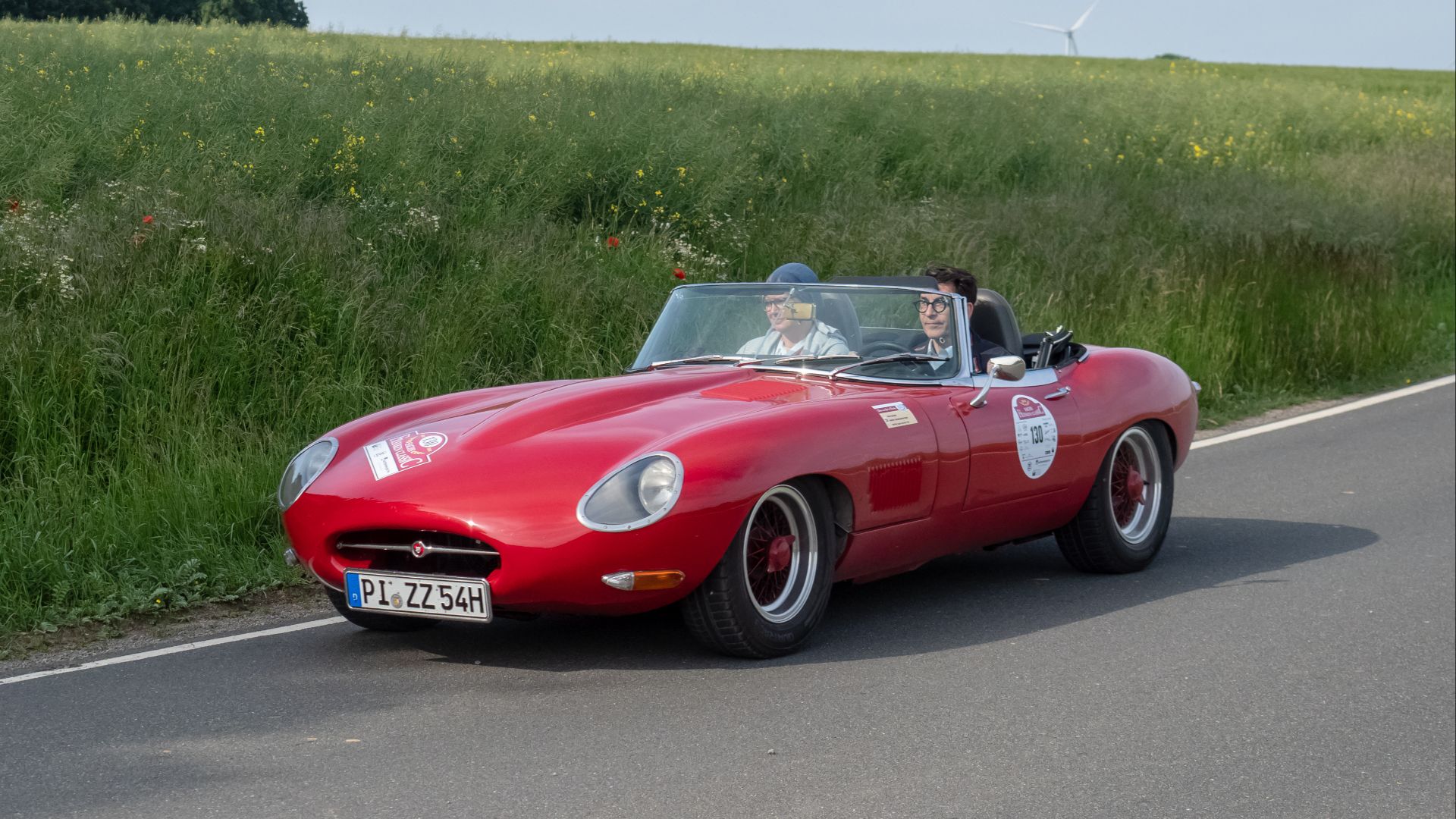
The E-Type's wire wheels are so embedded in its identity that seeing one on aftermarket alloys feels like a category error. The spoked design suits the long hood and the overall delicacy of the bodywork in a way that something more modern simply doesn't. They're also genuinely finicky to maintain, which feels appropriate.
10. Chrysler PT Cruiser
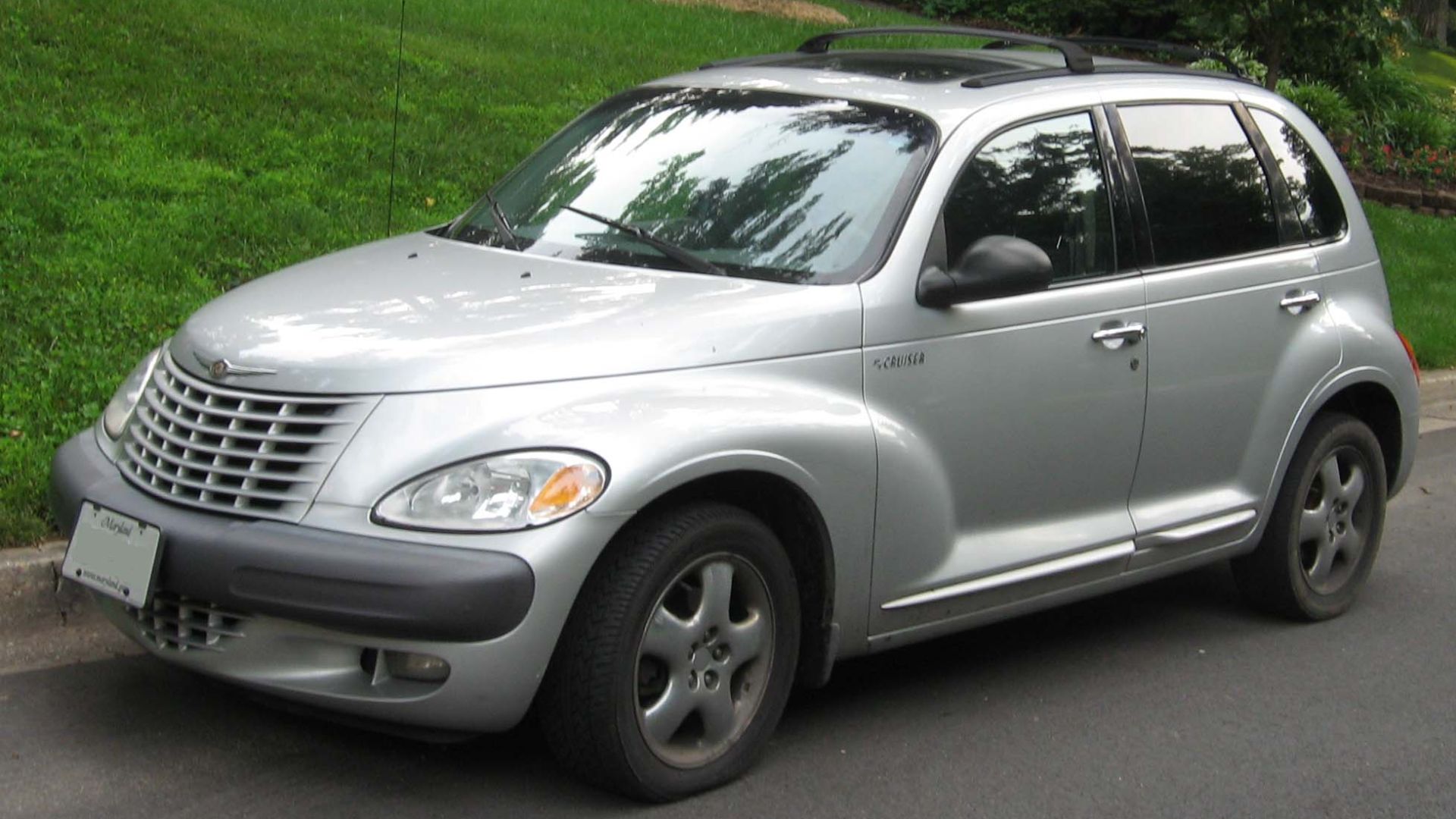
The PT Cruiser arrived with genuine retro appeal and squandered some of it on wheels that couldn't commit to the bit. The standard alloys looked like they came from a completely different car, too modern and too generic for a vehicle that was supposed to be channeling something from another era. Aftermarket wheels improved it noticeably, which is a quiet admission that the originals weren't right.
11. Dodge Viper (First Generation)
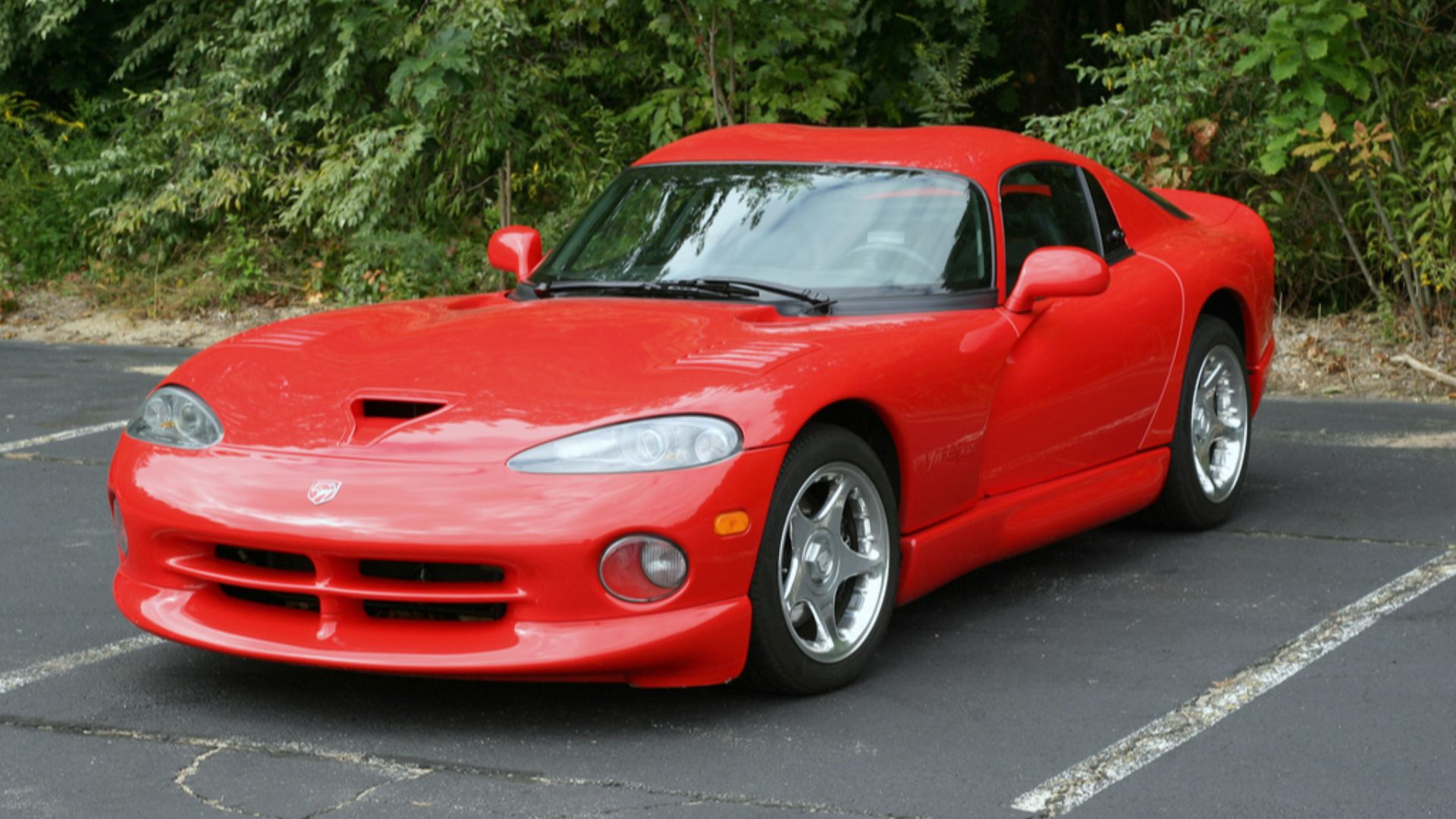
The first-generation Viper's three-spoke alloys were bold in exactly the way the car demanded. They were wide, simple, and looked like they meant business. On a car with no traction control and enough torque to get you into serious trouble, the wheels looked like they understood the assignment.
 The original uploader was NineKnuckles at English Wikipedia. on Wikimedia
12. Cadillac Escalade (2002-2006)
The Escalade's factory chrome wheels became a cultural shorthand for a certain kind of excess during this period, and they earned that status. They were large, reflective, and impossible to miss. Whether they ruined the car or defined it is genuinely contested, and that ambiguity is probably the most interesting thing about them.
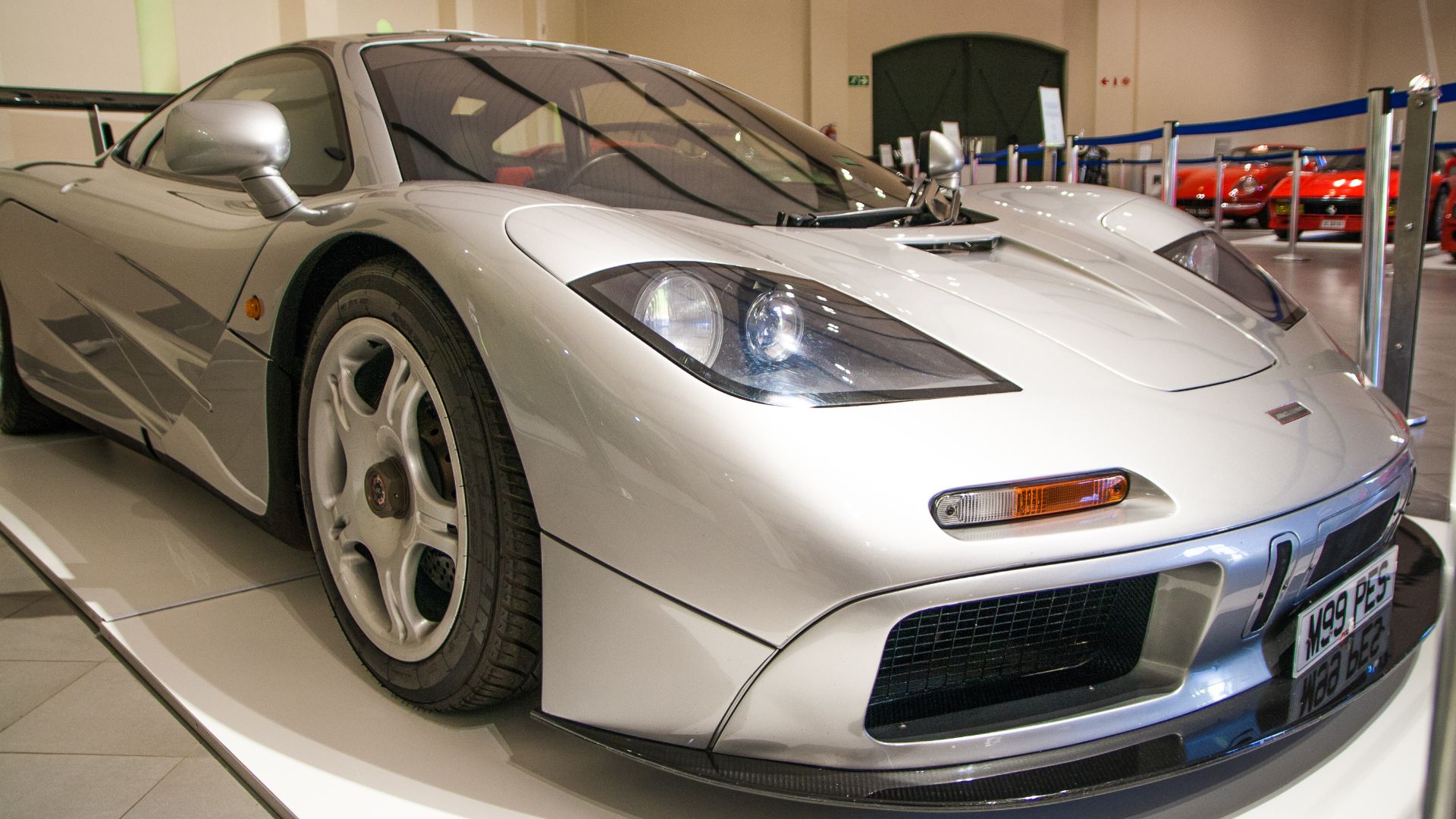
13. McLaren F1
The F1's magnesium alloy wheels were developed specifically for the car and reflect the same obsessive weight reduction philosophy that shaped every other component. They're not showy. They're just exactly right, and you can tell that the person who signed off on them was thinking about the same things as the person who designed the engine.
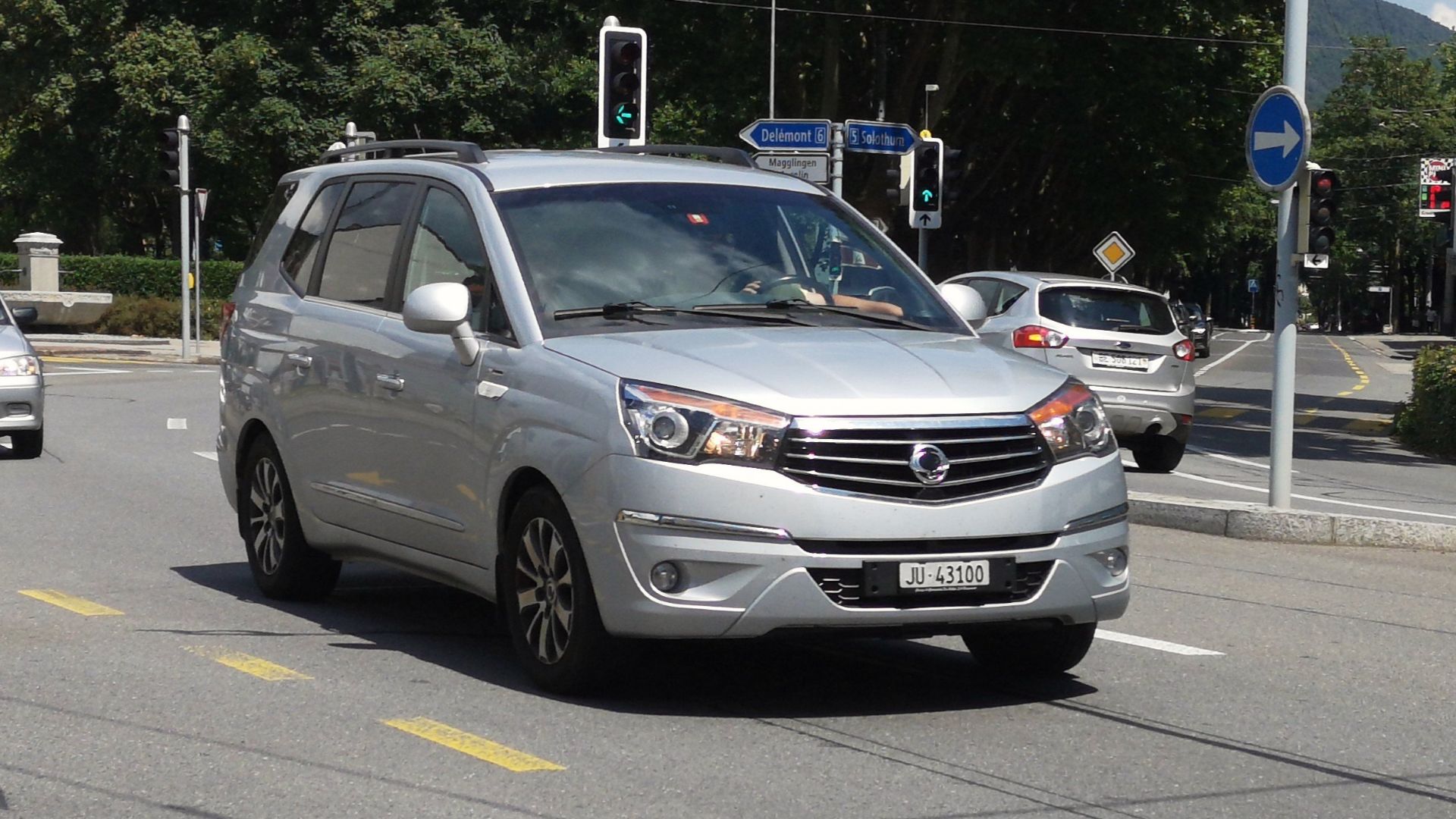
14. Ssangyong Rodius
The Rodius is frequently cited as one of the worst-designed cars ever put into production, and its small, decorative wheels did nothing to anchor the chaotic bodywork above them. A car this visually busy needed something to ground it. What it got instead made the whole thing feel more unresolved.
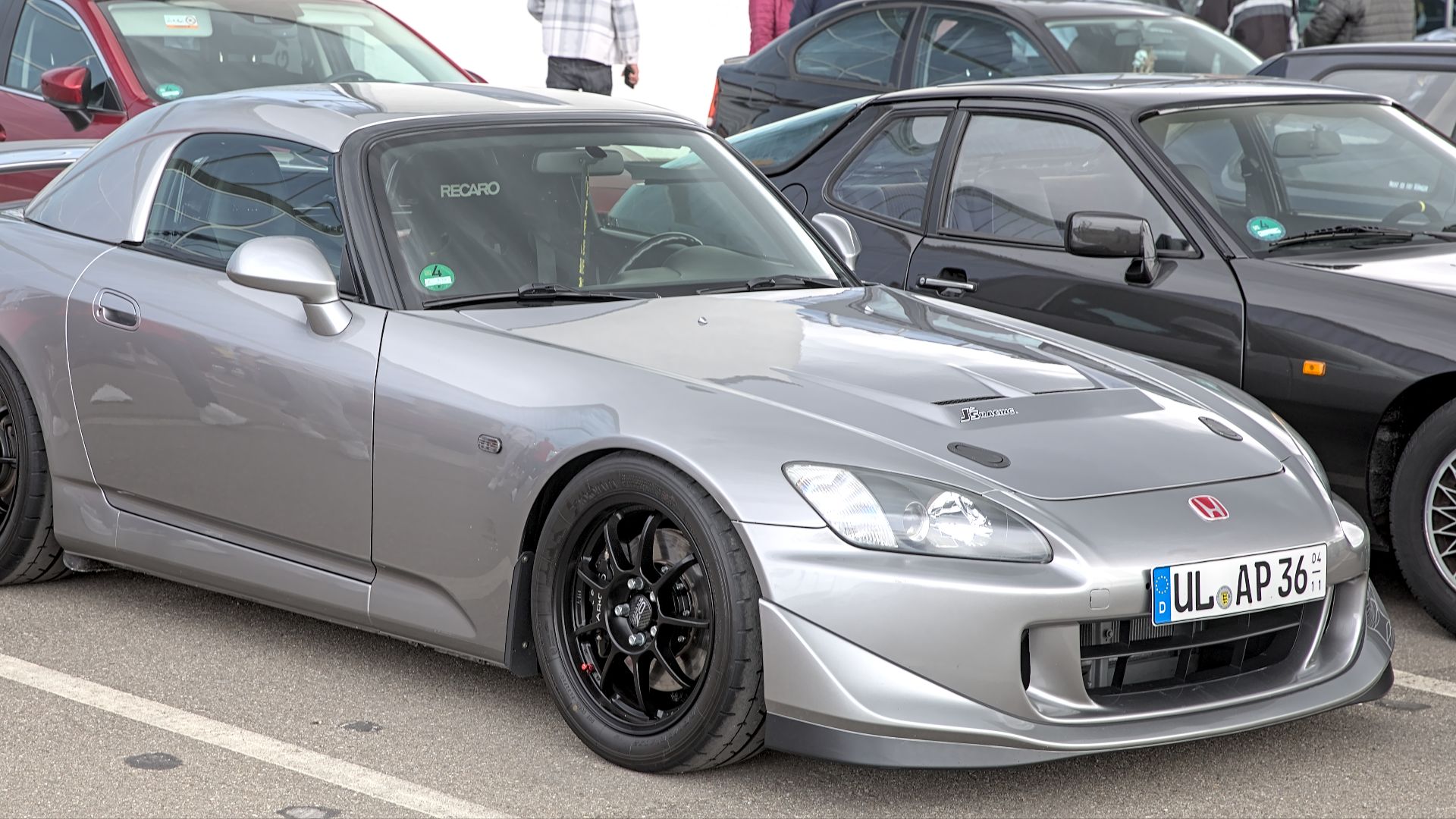
15. Honda S2000
The S2000's stock wheels were competent but never quite matched the car's character. Enthusiasts figured this out quickly, and the aftermarket responded accordingly. It became one of the more commonly modified aspects of the car, which is the market's way of saying the factory got it slightly wrong.
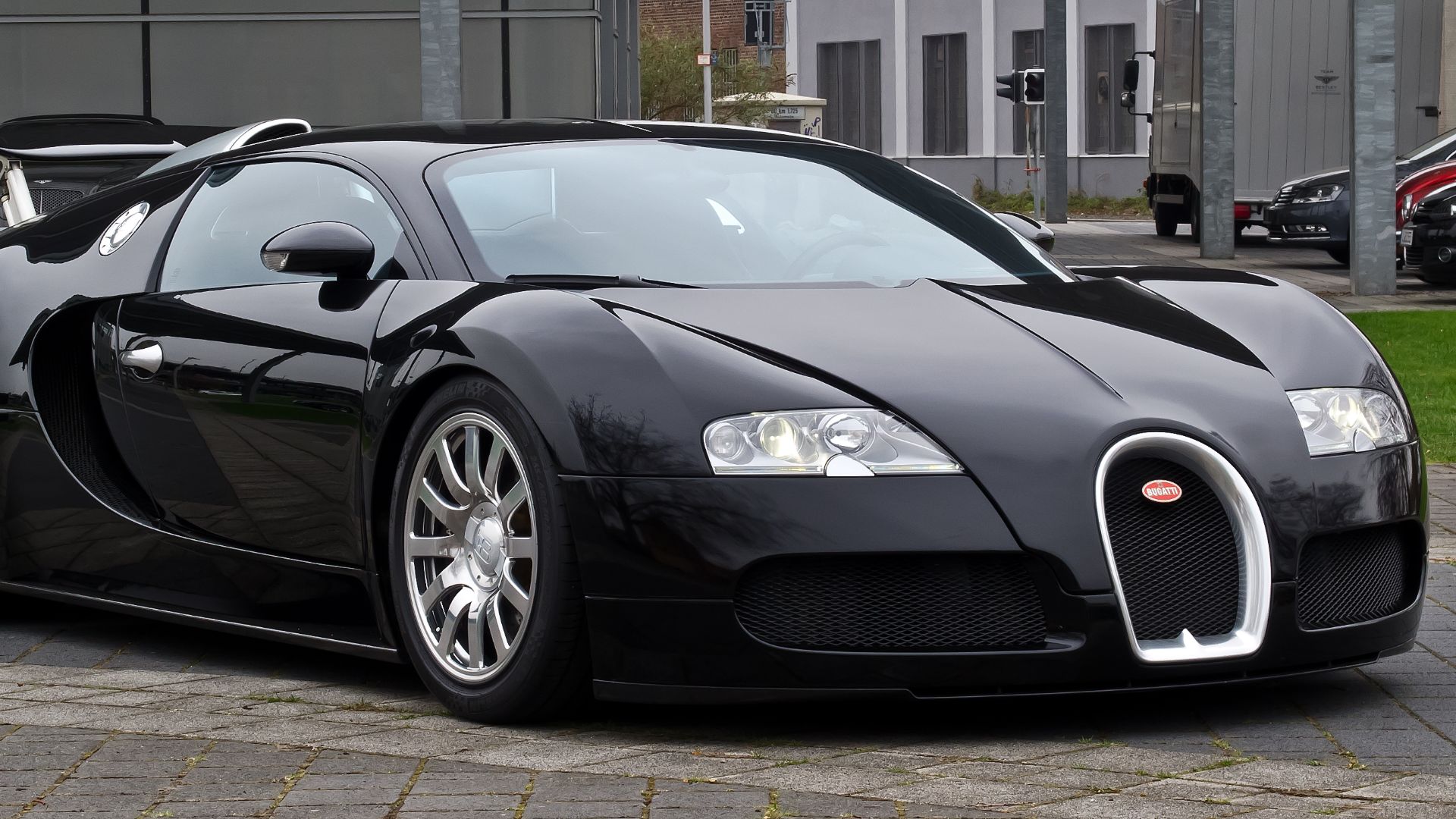
16. Bugatti Veyron
The Veyron's wheels had to meet engineering requirements that most wheels never encounter, handling speeds above 250 mph and the weight of a car that tipped the scales at over 4,000 pounds. That they also looked appropriate on a car of that visual ambition is an achievement worth noting. Function that also reads as form is harder than it looks.
17. Ford Pinto
The Pinto's standard steel wheels with their plastic hubcaps were fine for what the car was, which was a cheap economy car in a period when cheap economy cars weren't expected to look like much. The problem is that the hubcaps had a tendency to depart the vehicle at highway speeds, which added a specific kind of excitement to ownership that nobody had asked for.
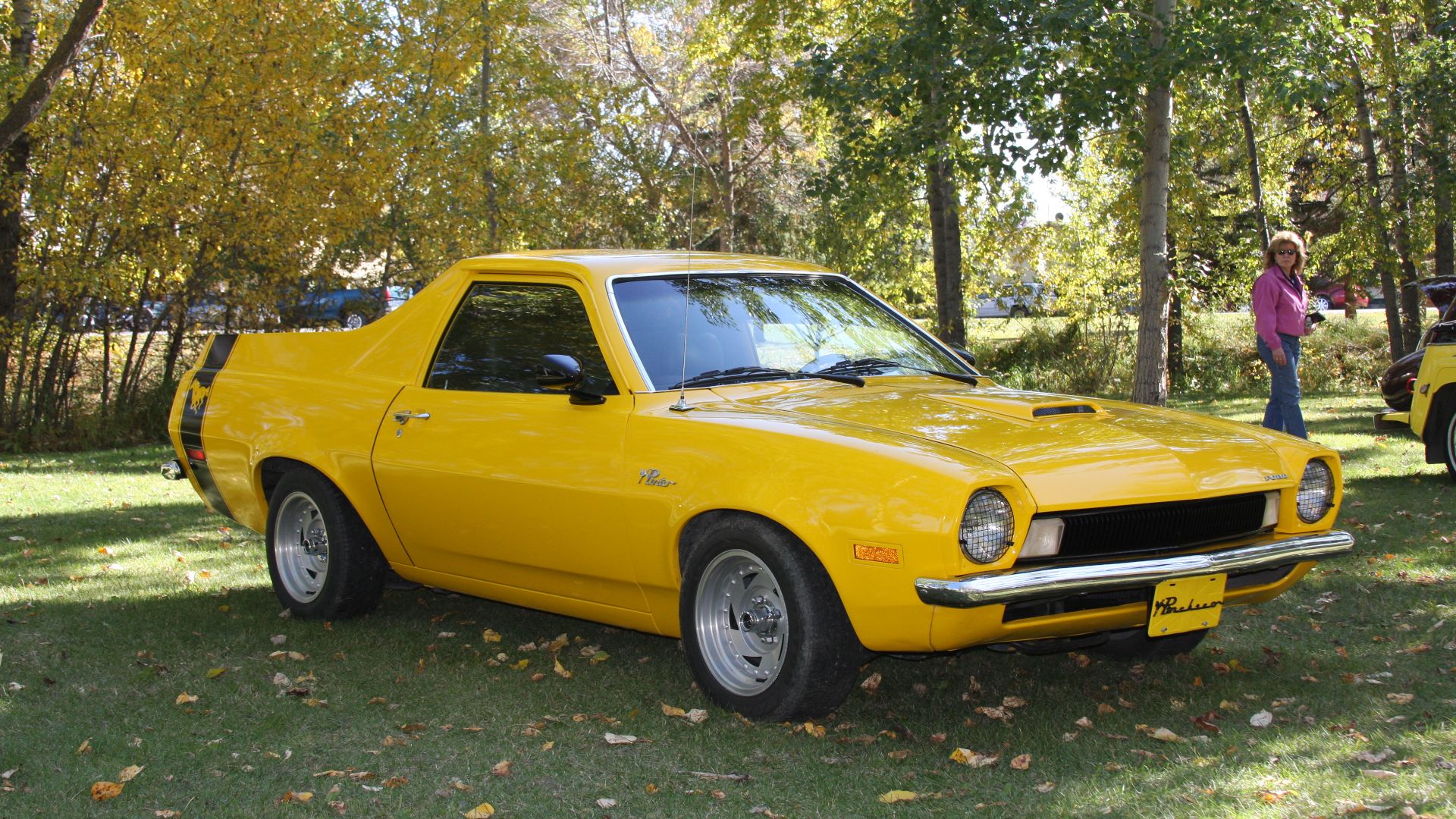 dave_7 from Lethbridge, Canada on Wikimedia
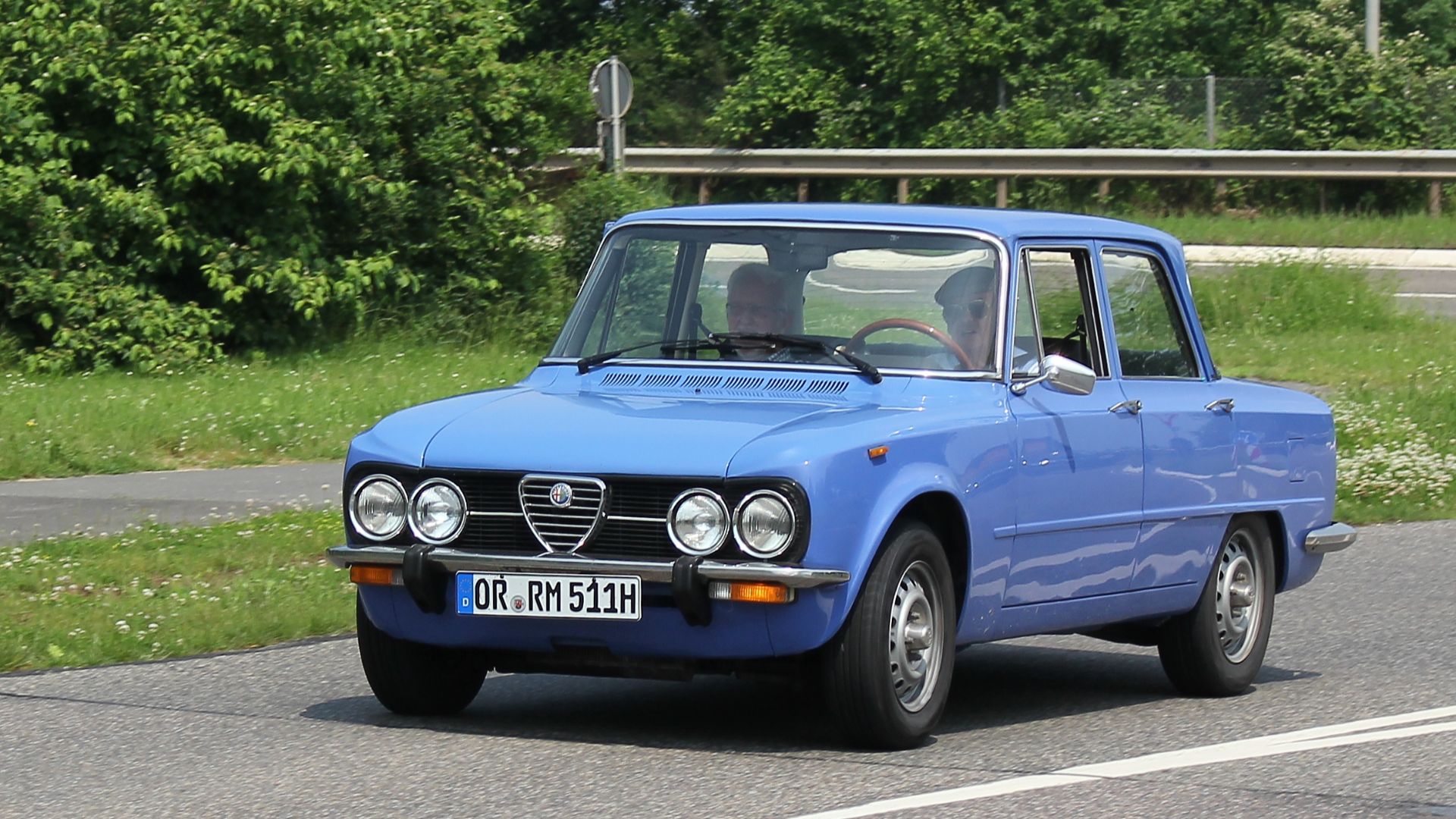
18. Alfa Romeo Giulia Quadrifoglio
The Giulia's standard alloys are good. The optional dark finish wheels are better, and the reason is proportional rather than cosmetic. The darker finish reduces visual weight in a way that lets the bodywork read more cleanly. It's a small thing that makes a noticeable difference, which is exactly the kind of detail Alfa has always been better at than most.
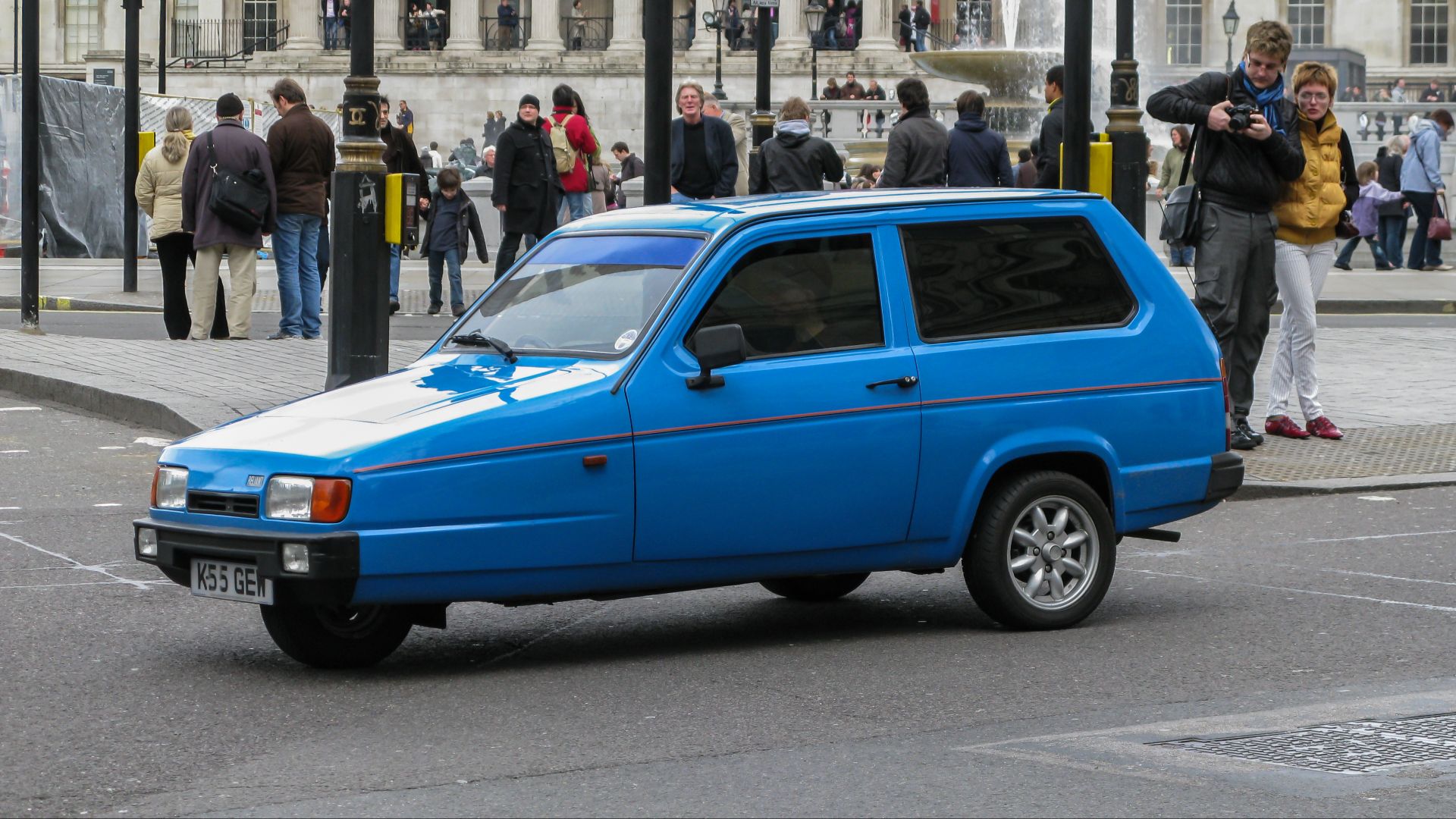
19. Reliant Robin
The Robin rode on three wheels by design, which is its own conversation, but the specific wheels it used were undersized in a way that made the car look perpetually unfinished. Given that the engineering was already asking a lot of the public's goodwill, wheels that looked more intentional might have helped the cause.
20. Porsche 918 Spyder
The 918's forged magnesium wheels were developed in-house and saved meaningful unsprung weight at each corner, which mattered on a car where every engineering decision was made with lap times in mind. They also looked like a natural evolution of Porsche's design language rather than something grafted on. On a car that had to justify a million-dollar price tag on merit, the wheels did their part.