A Tiny Camping Icon
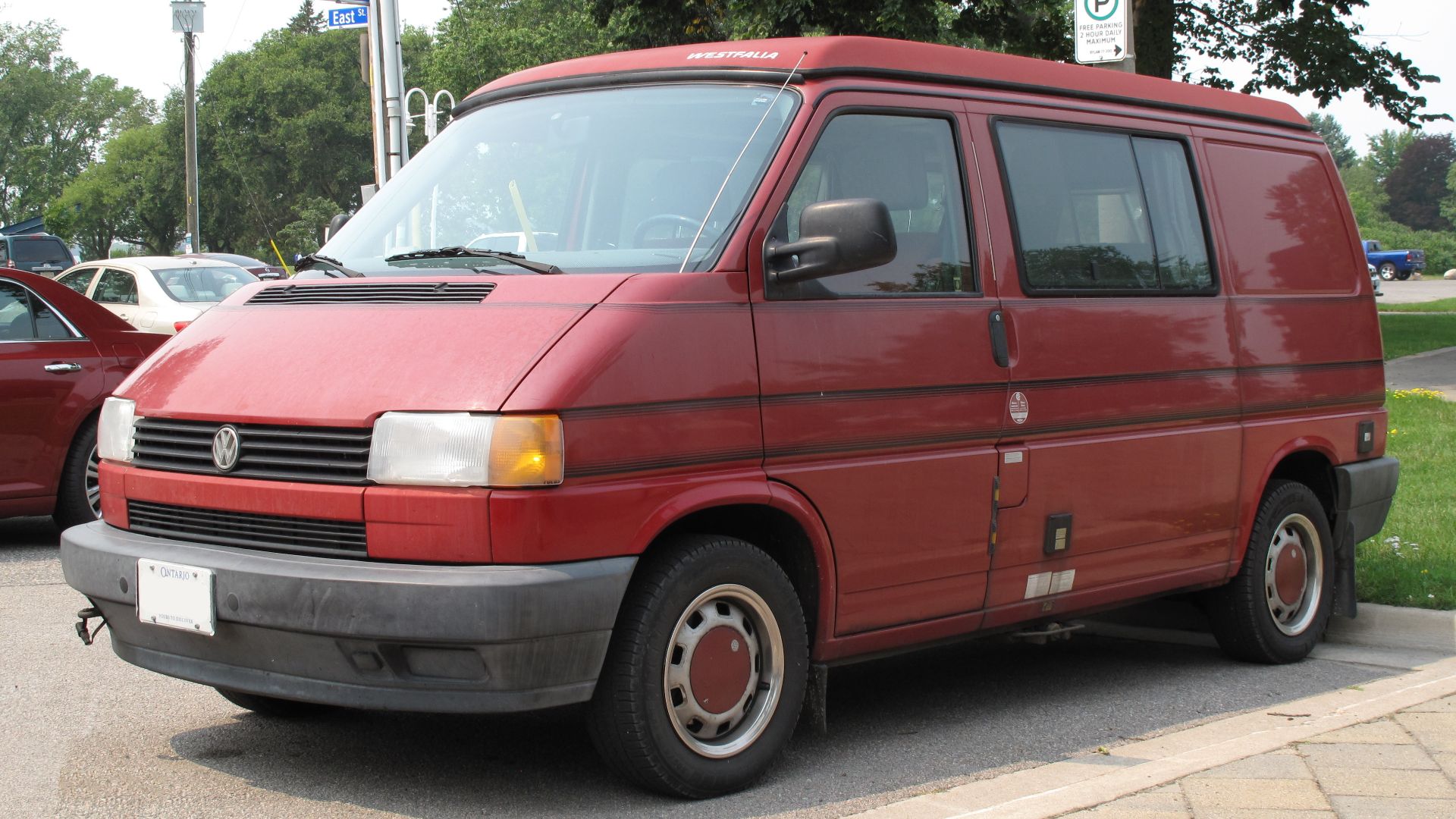
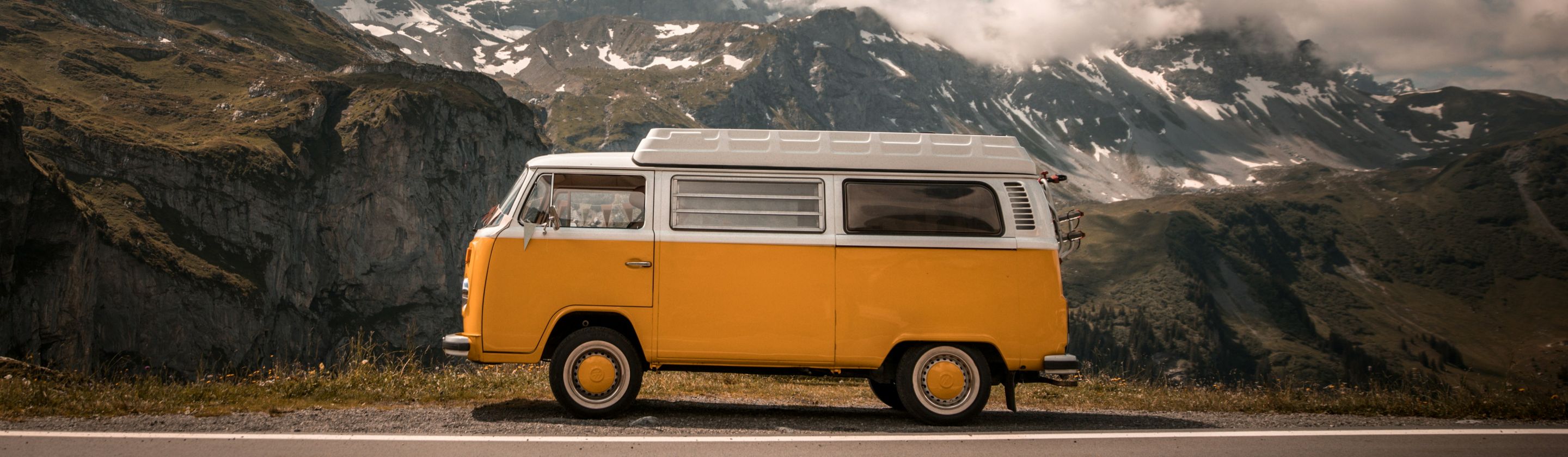
The Volkswagen Westfalia possesses a charm that makes people take a second look. It’s small, friendly-looking, and not particularly fast, which contributes to its honest appeal. The concept was simple yet clever: take a practical Volkswagen van and transform it into a compact space for sleeping, storing gear, cooking simple meals, and embarking on adventures without the need to book accommodations. This mix of straightforward engineering and cozy travel design has helped Westfalia secure a lasting place in car culture. Here are 20 facts that illustrate why the Volkswagen Westfalia remains so beloved.
 Greg Gjerdingen from Willmar, USA on Wikimedia
1. Westfalia Was the Camper Converter
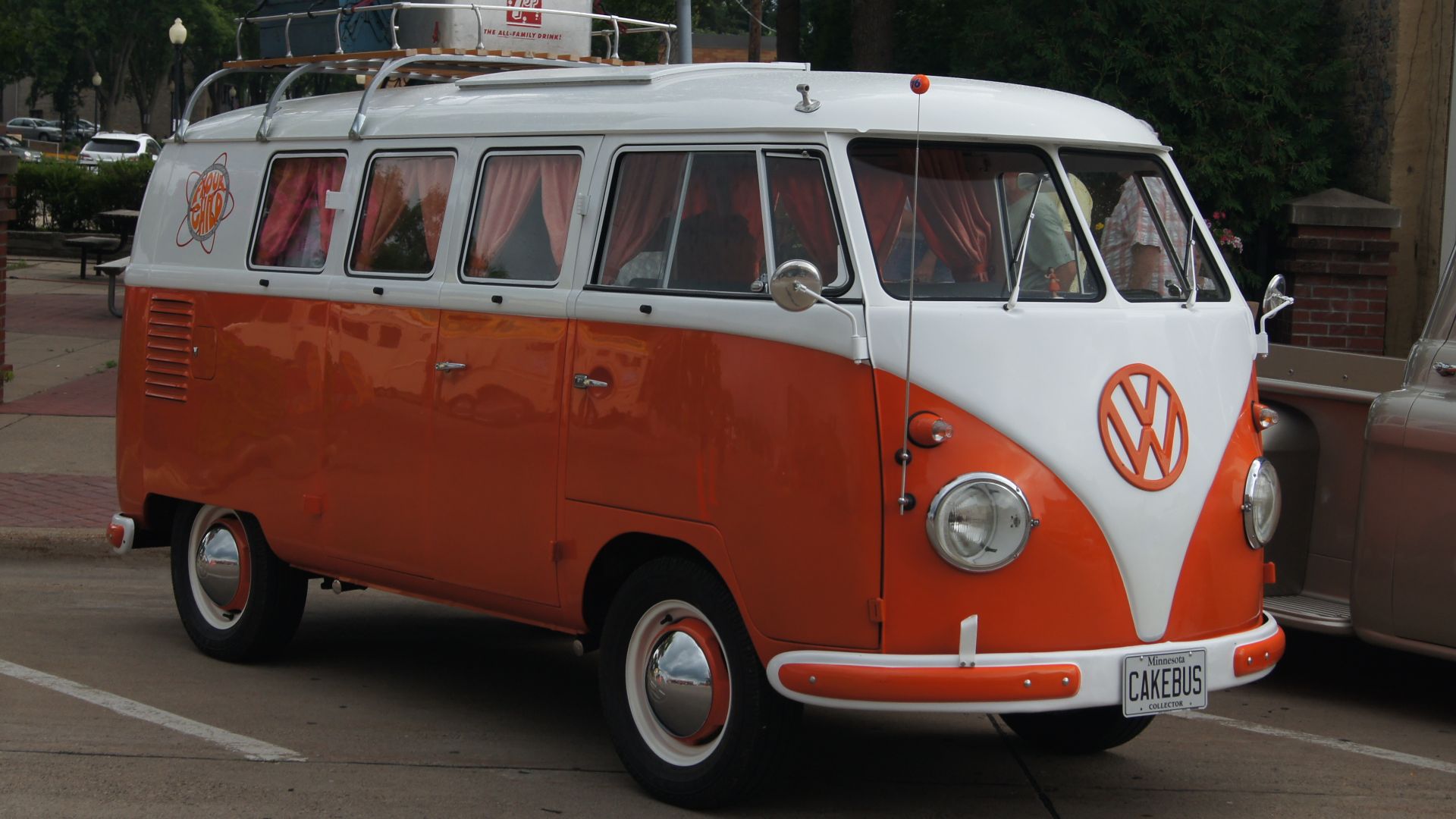
The Volkswagen Westfalia wasn’t created entirely by Volkswagen. The company built the Transporter van, while Westfalia was responsible for converting it into a camper by adding furniture, sleeping areas, storage, and travel equipment, giving the van its unique identity when parked.
2. The Westfalia Name Has a Long History
Westfalia’s origins date back to the 19th century, long before it became associated with Volkswagen campers. Initially, the company focused on practical industrial work, such as heavy horse-drawn carts and agricultural equipment, which aligns with its later reputation for producing useful travel gear.
3. The Camper Story Took Off in 1951
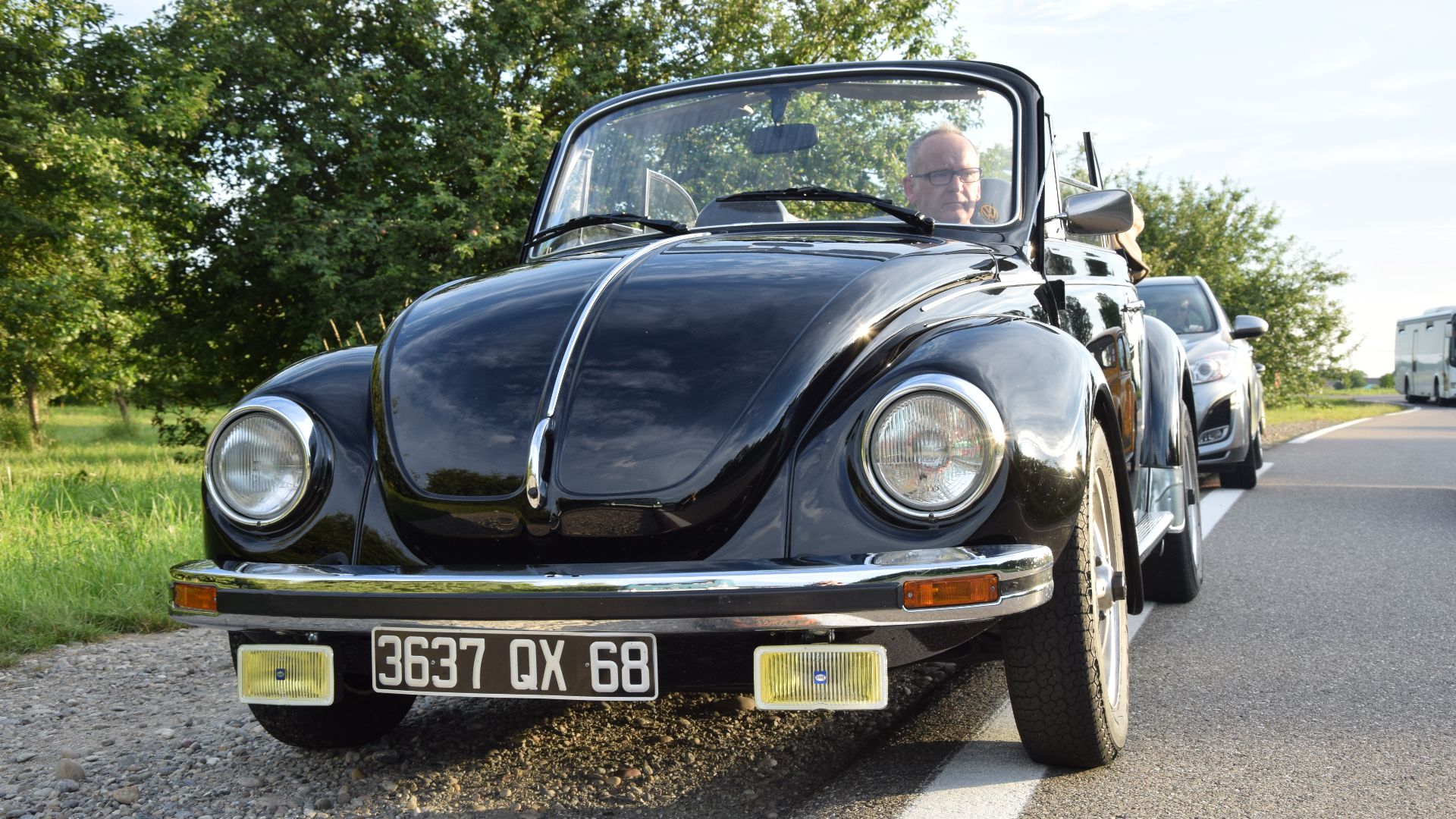
The story of Westfalia campers began in 1951. A request for a VW van that included sleeping, living, and working space led to the creation of the first Camping Box conversion, transforming a standard van into a flexible means of travel.
4. The Camping Box Set the Standard
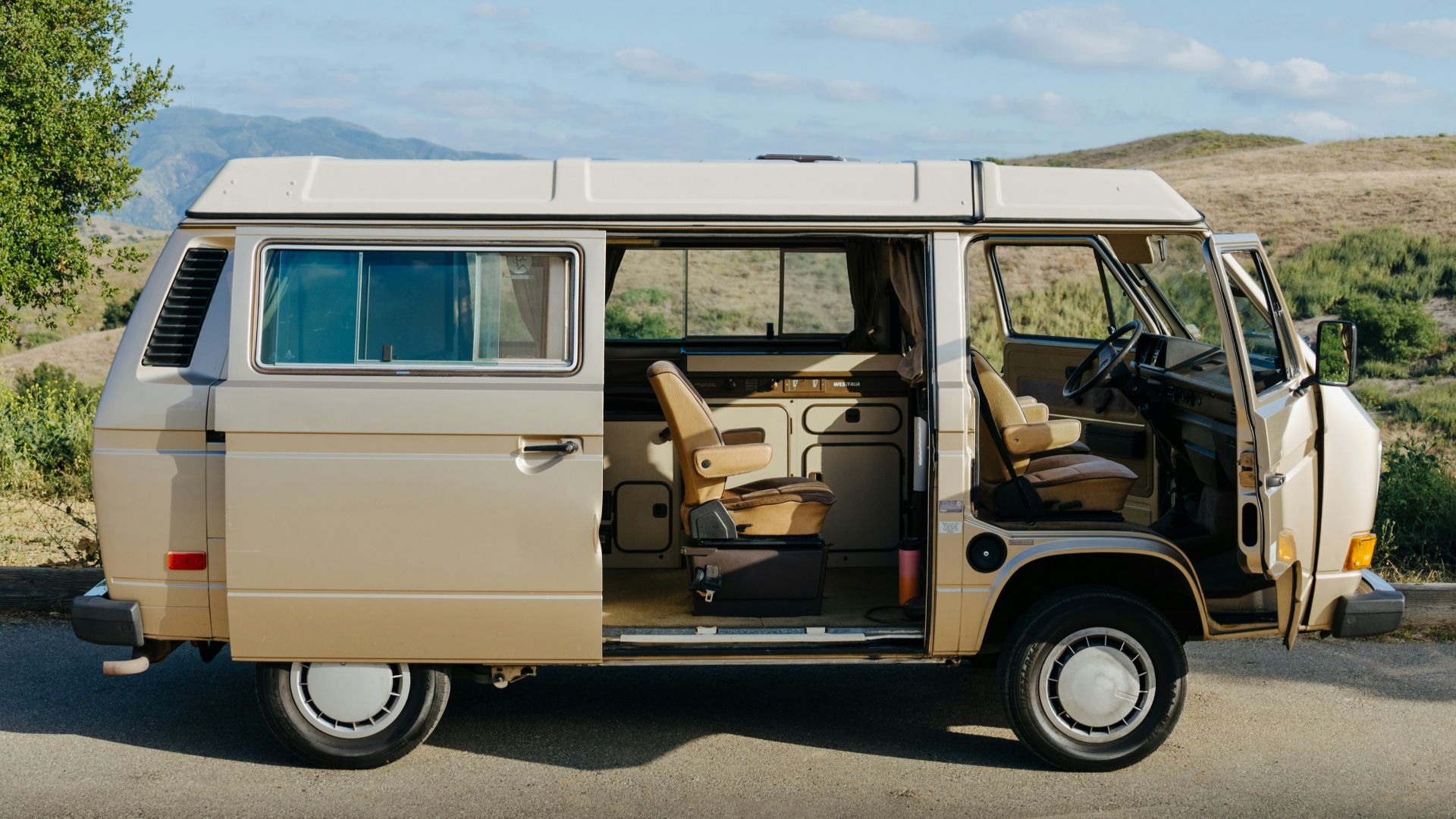
The early Camping Box established the Westfalia blueprint. It featured removable furniture, compact storage, and foldaway sleeping areas, making a small Volkswagen van much more functional. This innovative thinking continues to influence modern camper designs.
5. Westfalia Wasn’t the First VW Camper Builder
While Westfalia is often regarded as the original Volkswagen camper converter, the story is slightly more nuanced. Another coachbuilder converted a VW Transporter before Westfalia; however, Westfalia’s significant achievement was turning the idea into a repeatable product.
 Retired electrician on Wikimedia
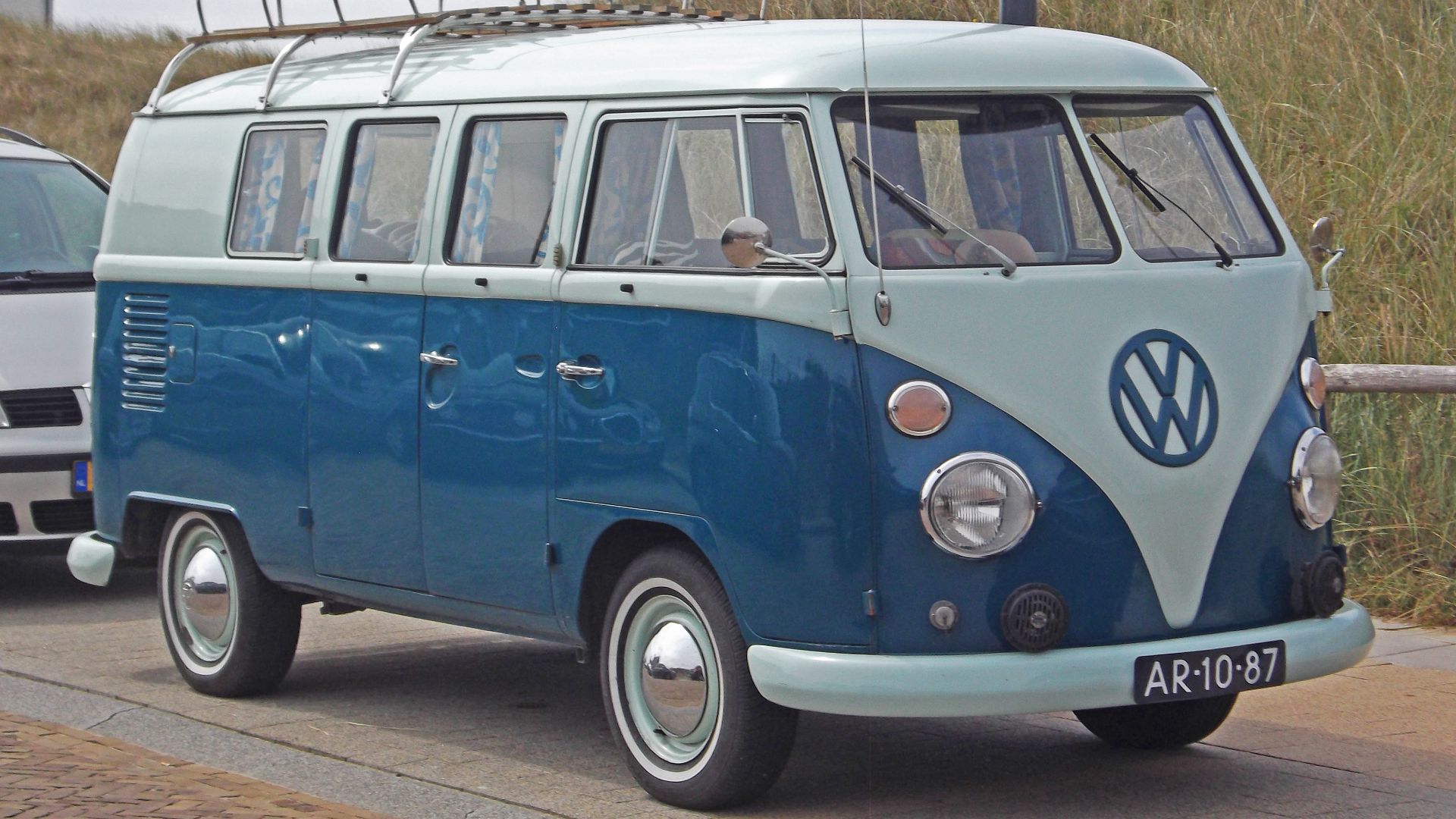
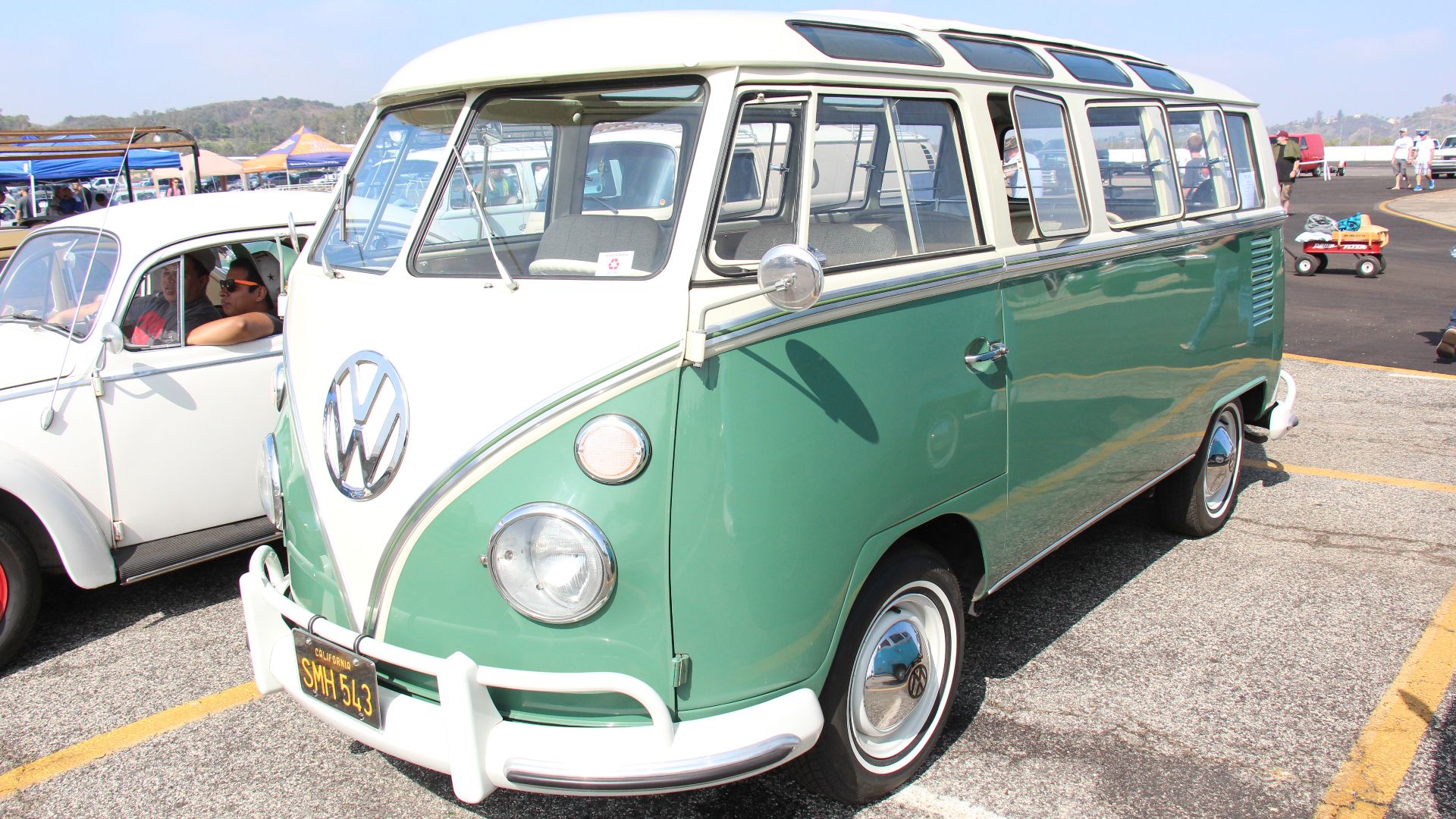
6. The T1 Gave It a Classic Look
The first-generation Volkswagen Transporter, commonly known as the T1, provided early Westfalias with their iconic appearance. Its split windshield, upright body, rear-engine layout, and rounded proportions made it easily recognizable, even for those not deeply versed in vintage Volkswagens.
7. The Beetle Connection Was Built In
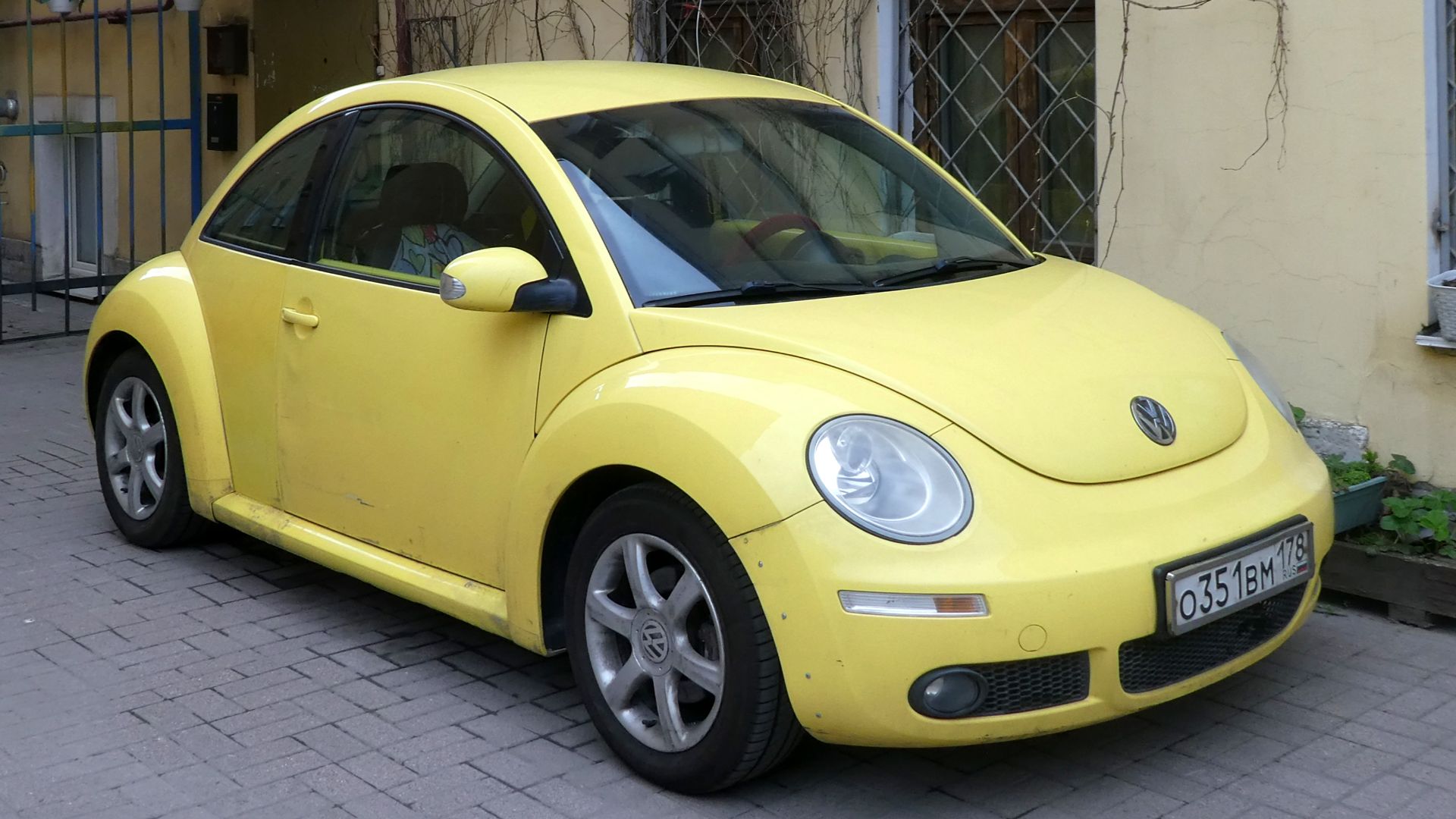
The early Transporter shared essential mechanical components with the Volkswagen Beetle, including its engine and gearbox. This connection helped keep the van simple, familiar, and accessible, which was important for owners who desired a camper that felt approachable.
 Екатерина Борисова on Wikimedia
8. The Bulli Nickname Became Part of the Legend
In Germany, the Transporter earned the affectionate nickname “Bulli.” Elsewhere, it has been known by various names, such as Kombi, Microbus, Type 2, VW bus, or camper, reflecting the many roles the van has played around the world.
9. Early Campers Were Seriously Compact
Early Westfalia campers were quite small by modern RV standards. Many were based on standard-height vans, which meant owners had to contend with limited headroom and a tight footprint, making clever interior design all the more crucial.
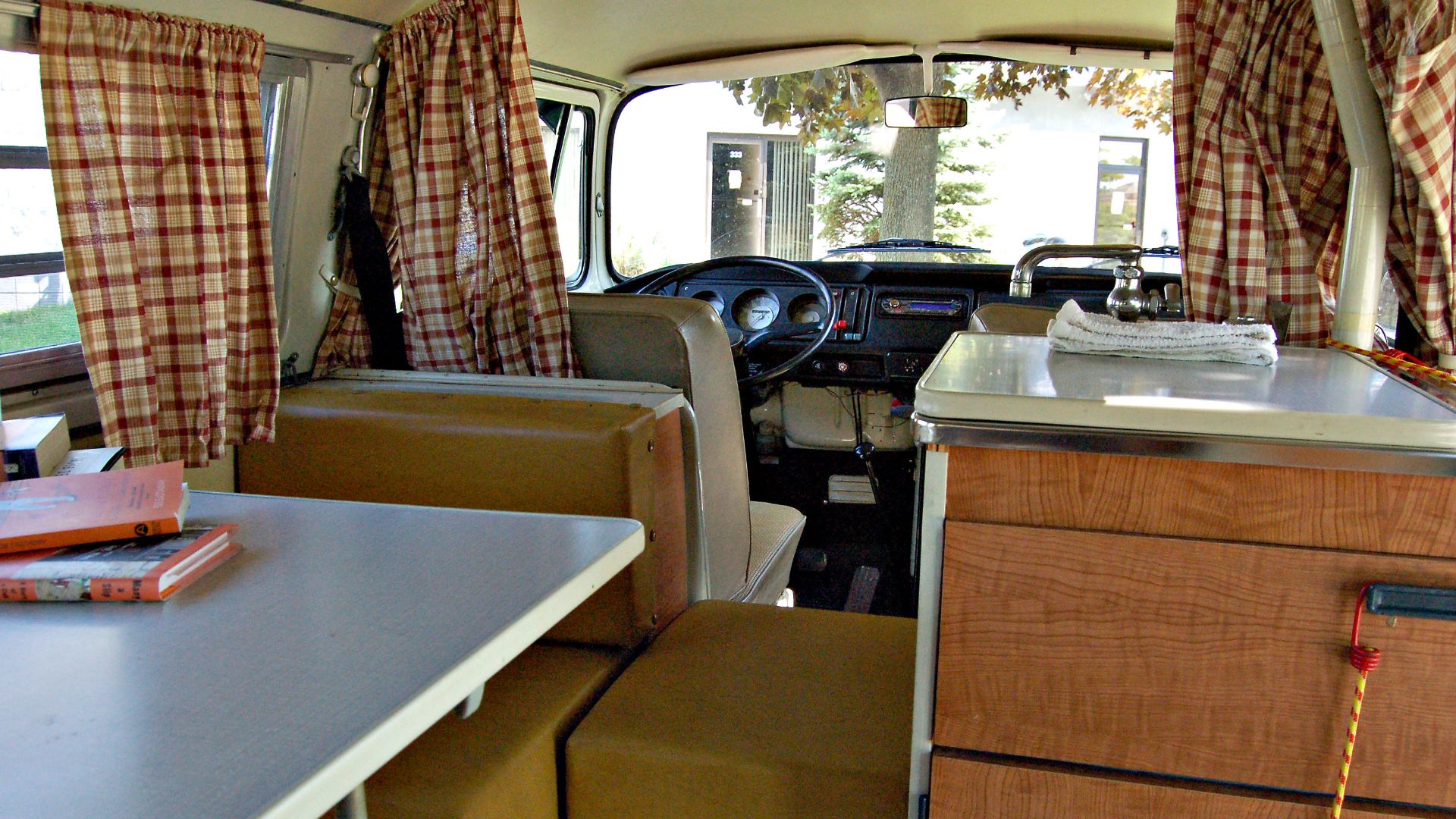
10. The Interior Was the Real Selling Point
A Westfalia wasn’t about speed, luxury, or flashiness. Its standout feature was the interior, where seats could convert into beds, tables could fold away, and cabinets provided storage for loose items. This clever design transformed the van from simple transportation into a small, private travel space.
 ArronX is the photographer on Wikimedia
11. “SO” Codes Are Important for Collectors
Many early Westfalia layouts featured “SO” codes that corresponded to special equipment packages. These codes are essential for identifying the camper’s layout, trim, and original configuration, which is crucial for collectors examining vans that may have been restored, modified, or rebuilt over time.
12. The SO-34 and SO-35 Had Distinct Designs
Two well-known early camper layouts, the SO-34 and SO-35, had different interior finishes. The SO-34 featured a white laminated interior, while the SO-35 showcased a warmer finished wood look, giving each version a slightly different ambiance.
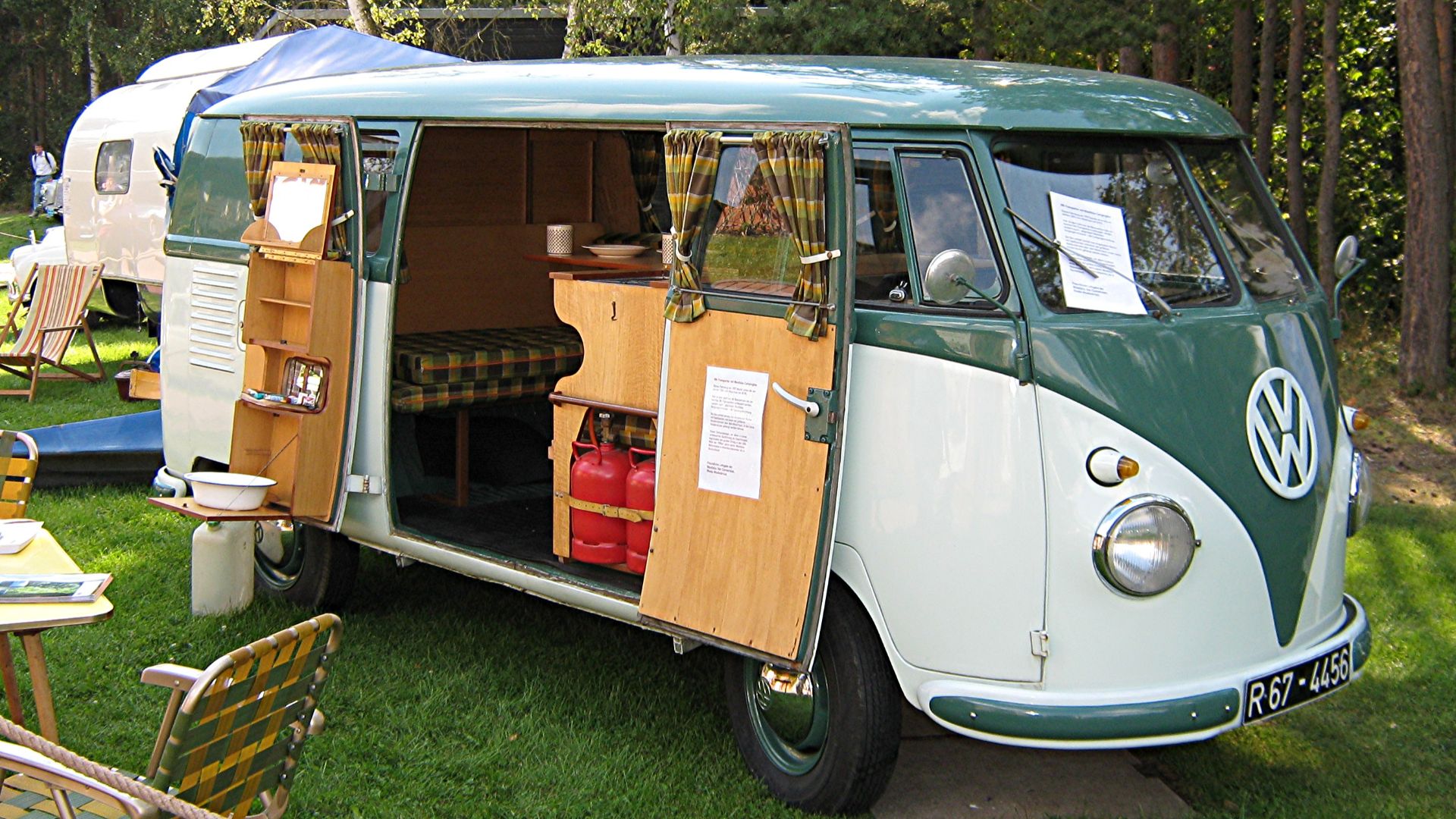
13. The Details Were Stunning
A period-correct Westfalia interior can resemble a small design museum. With elements such as birch plywood, laminated folding tables, plaid seats, yellow curtains, child hammocks, and accessory awnings, the van’s character is enhanced, making it highly valued among enthusiasts for its originality.
 Norbert Schnitzler on Wikimedia
14. Accessories Made the Van More Livable
Given the compact nature of the Westfalia, accessories were crucial to its usability. Awnings, side tents, roof racks, and camping add-ons increased the van’s utility once parked, providing essential storage for wet shoes, bedding, luggage, and cooking gear.
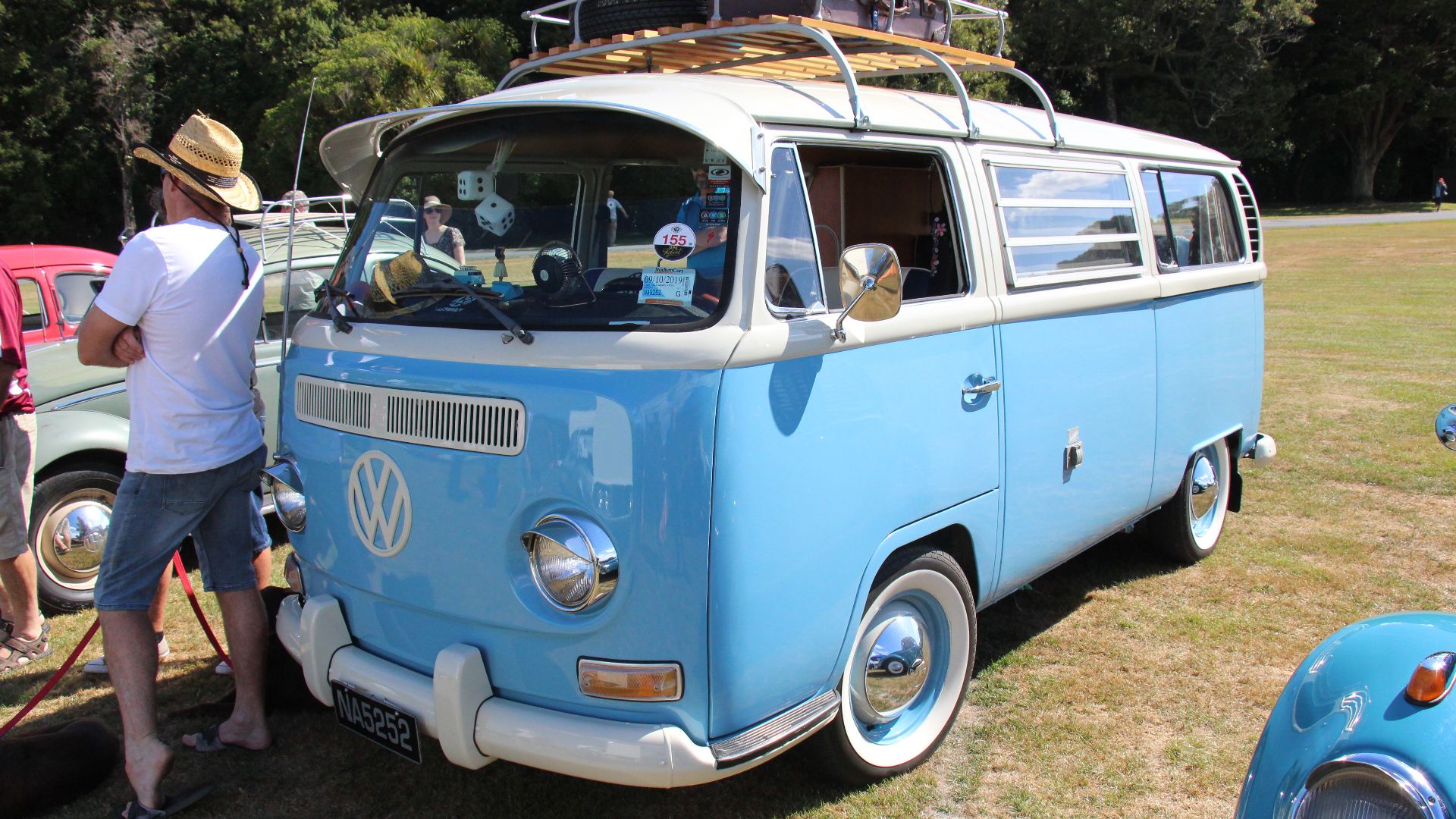
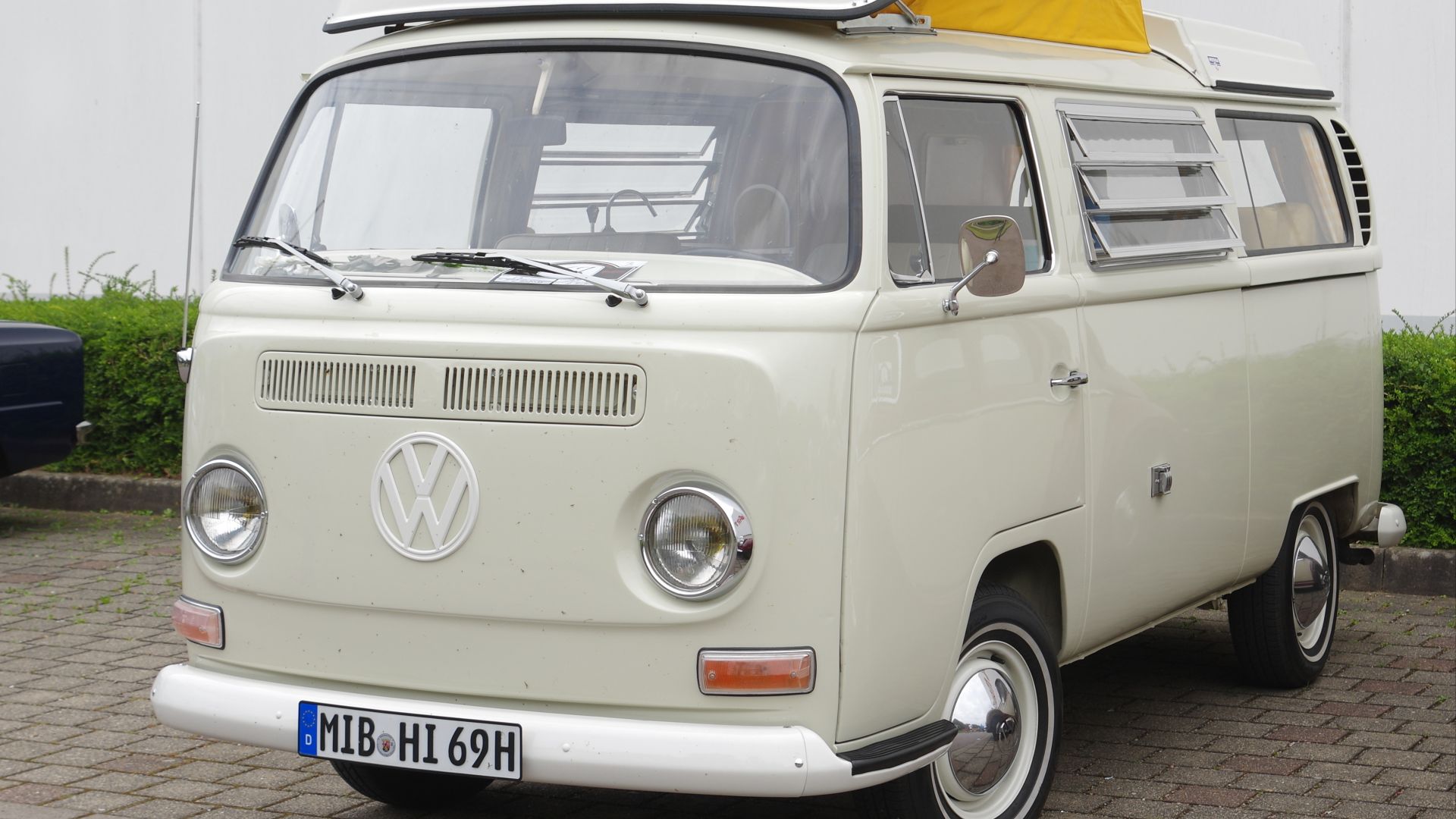
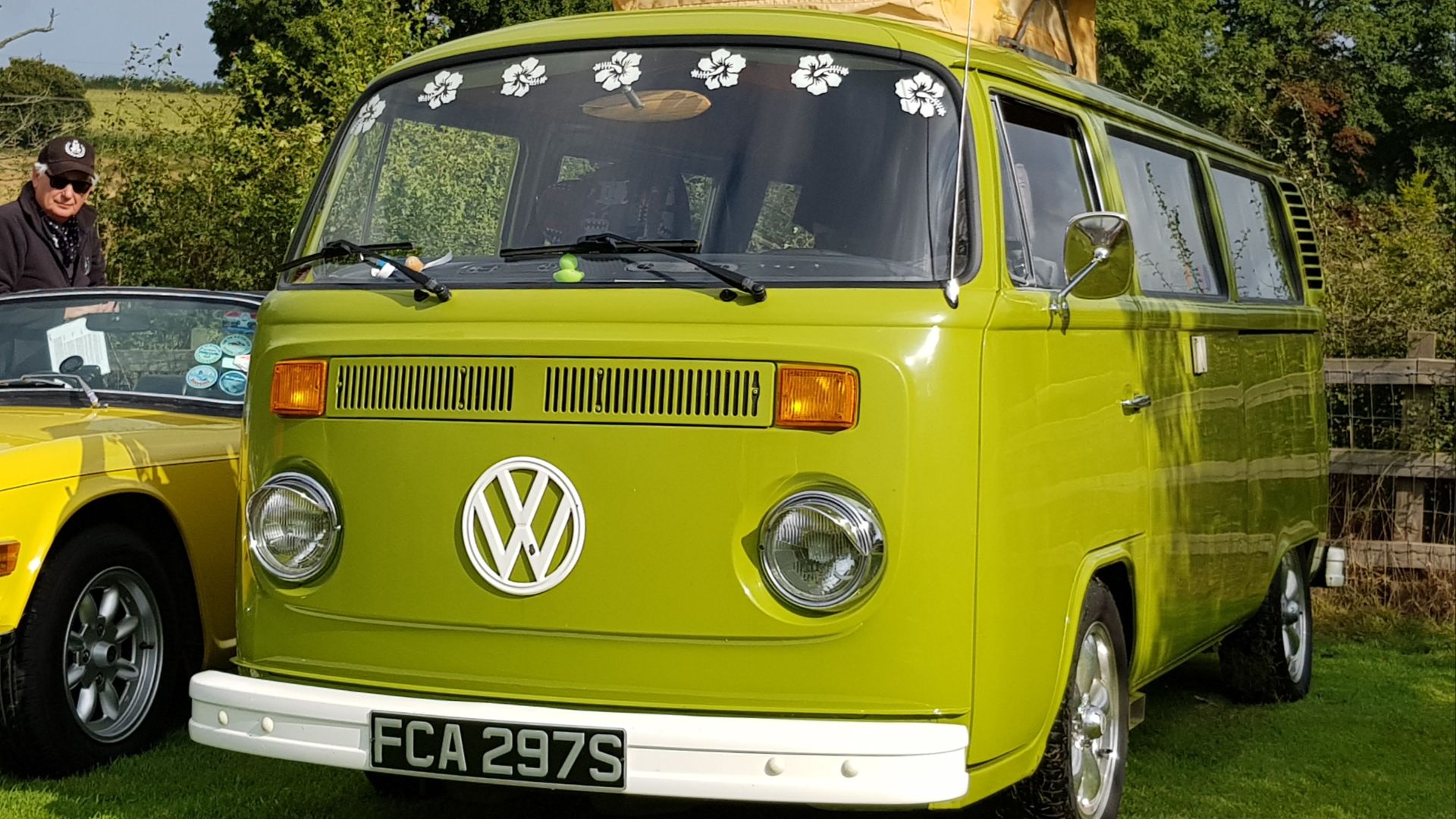
15. The T2 Introduced the Bay-Window Design
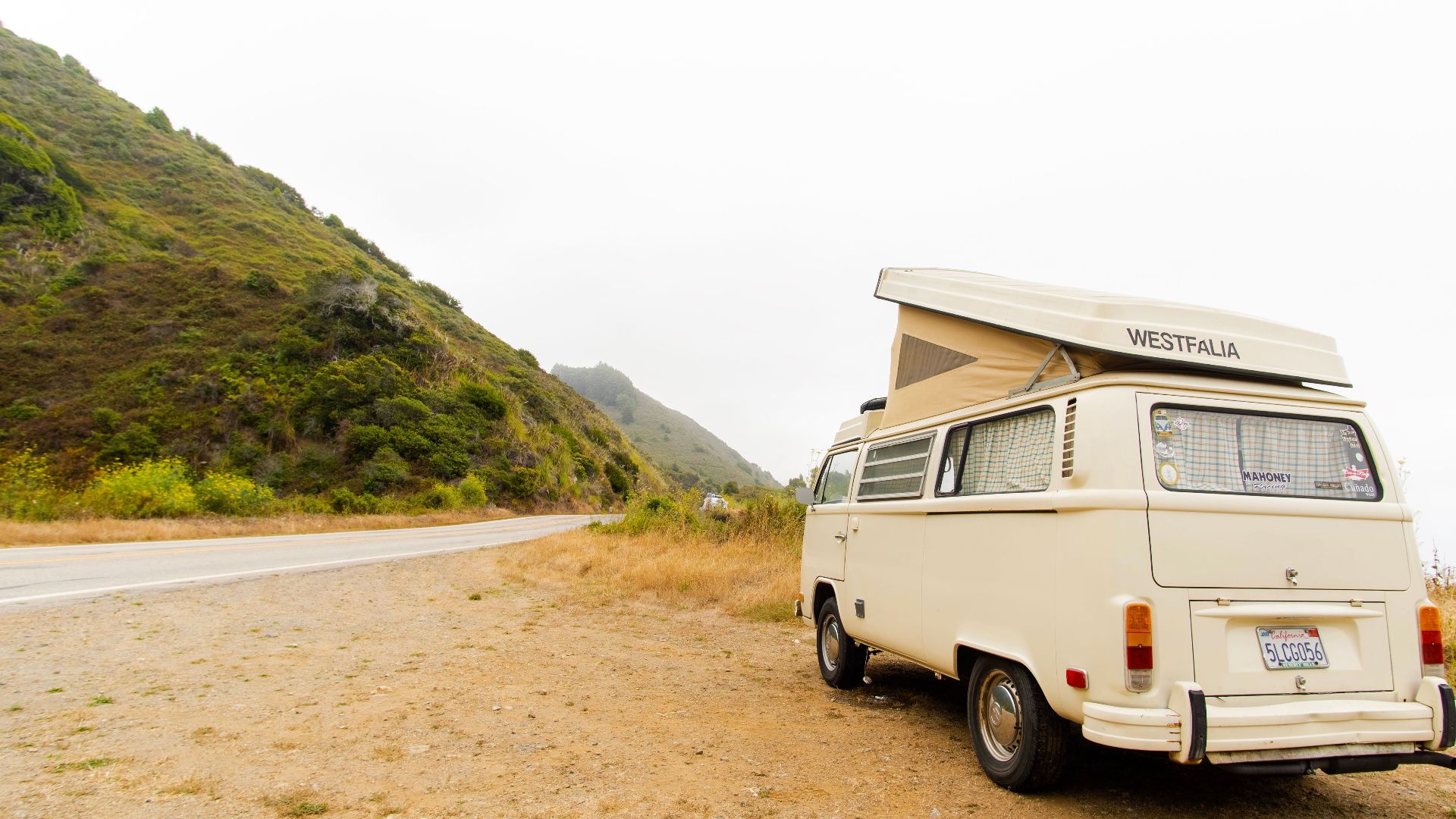
The second-generation Transporter replaced the split windshield with a bay-window front end. While retaining the basic VW camper spirit, it presented a more modern appearance, making the T2 the iconic pop-top camper for many enthusiasts.
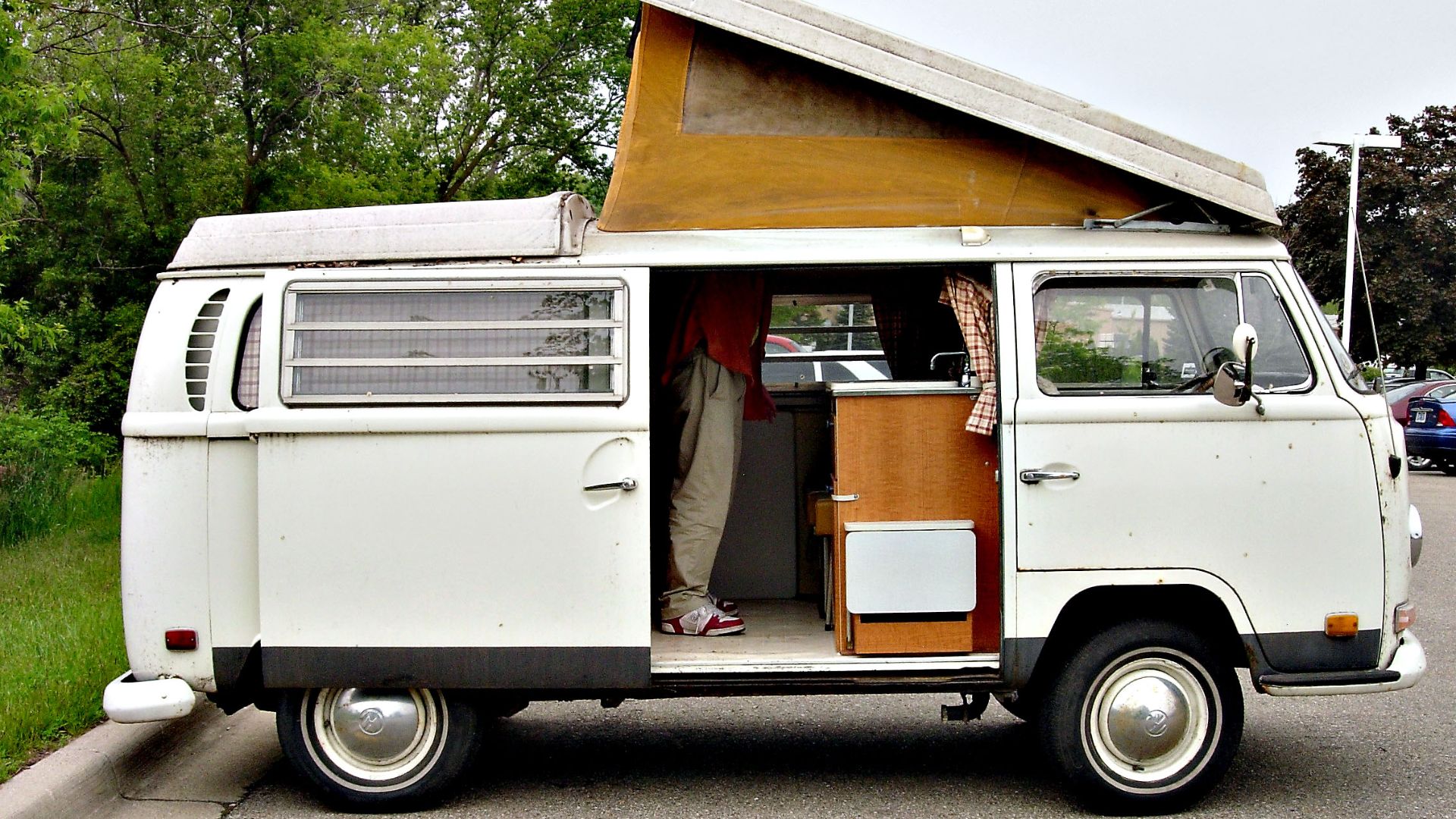
16. The Sliding Door Was a Significant Improvement
The T2 generation introduced the sliding side door as standard. Though this may seem like a minor change, it greatly improved loading, camping, and everyday access, especially in a camper where space is at a premium.
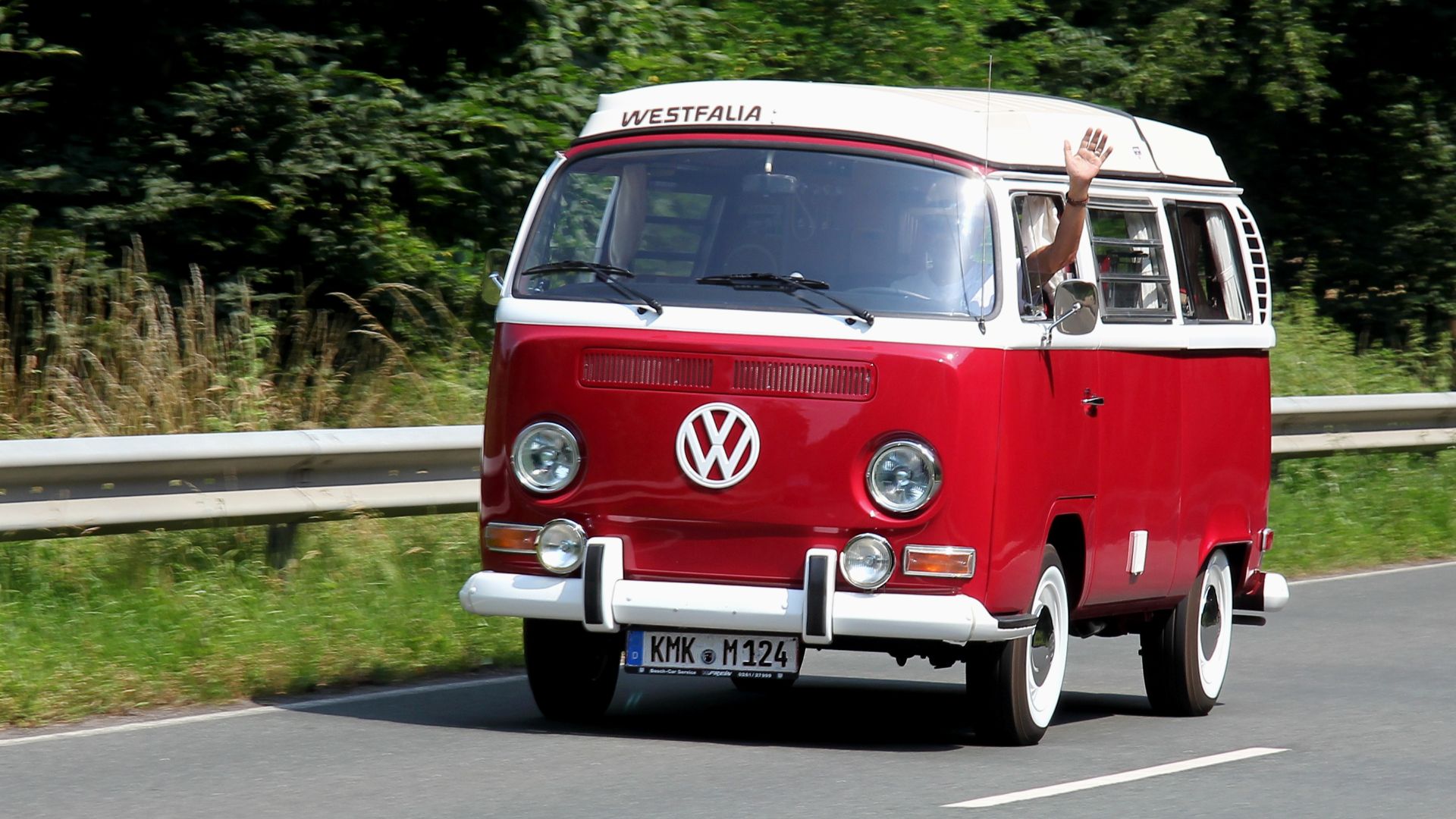
17. The T2 Enjoyed a Long Production Life
German production of the T2 ended in the late 1970s, but its story continued elsewhere. Production in São Paulo persisted until the 2010s, demonstrating how a simple, practical design can remain relevant over time.
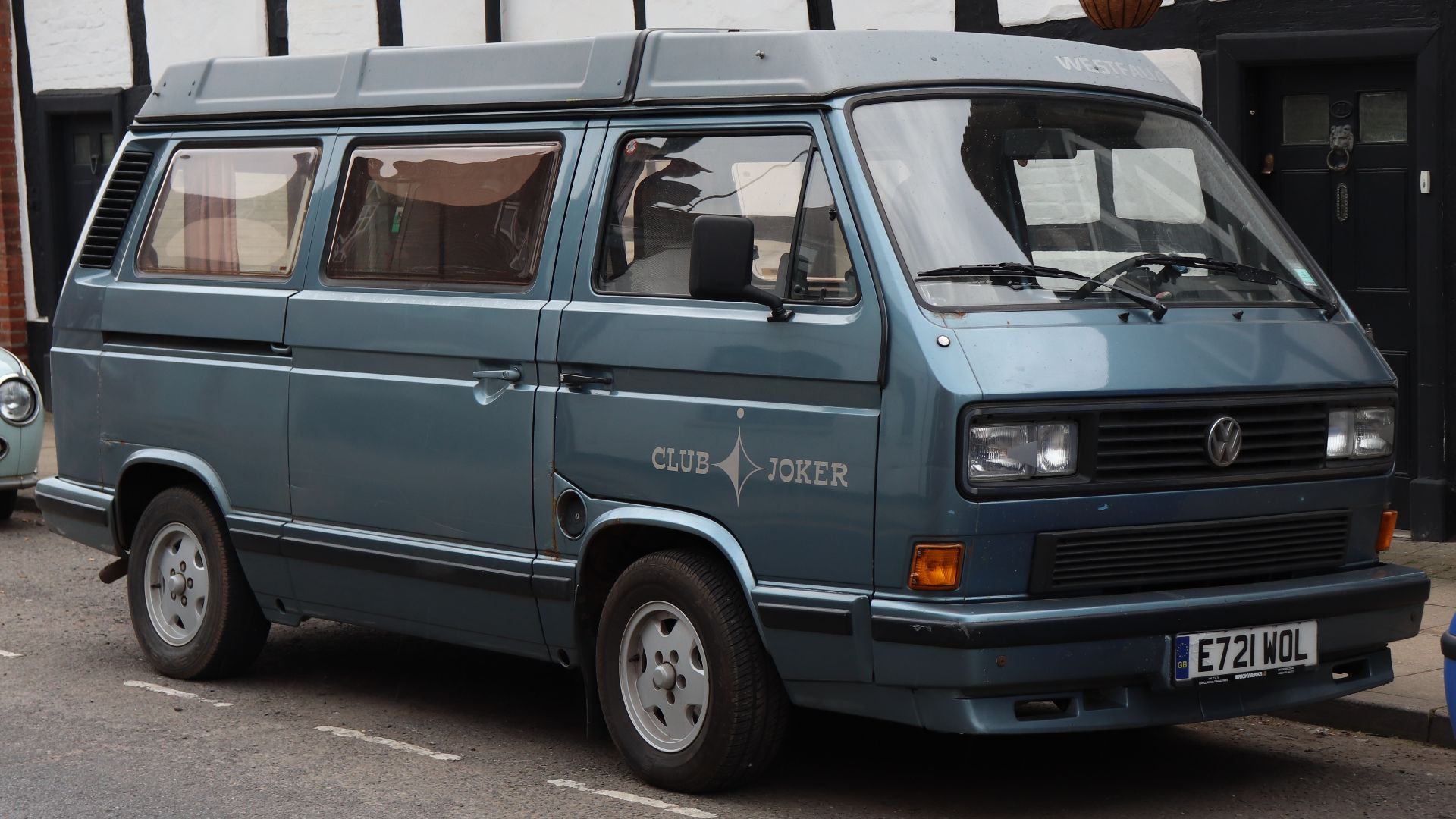
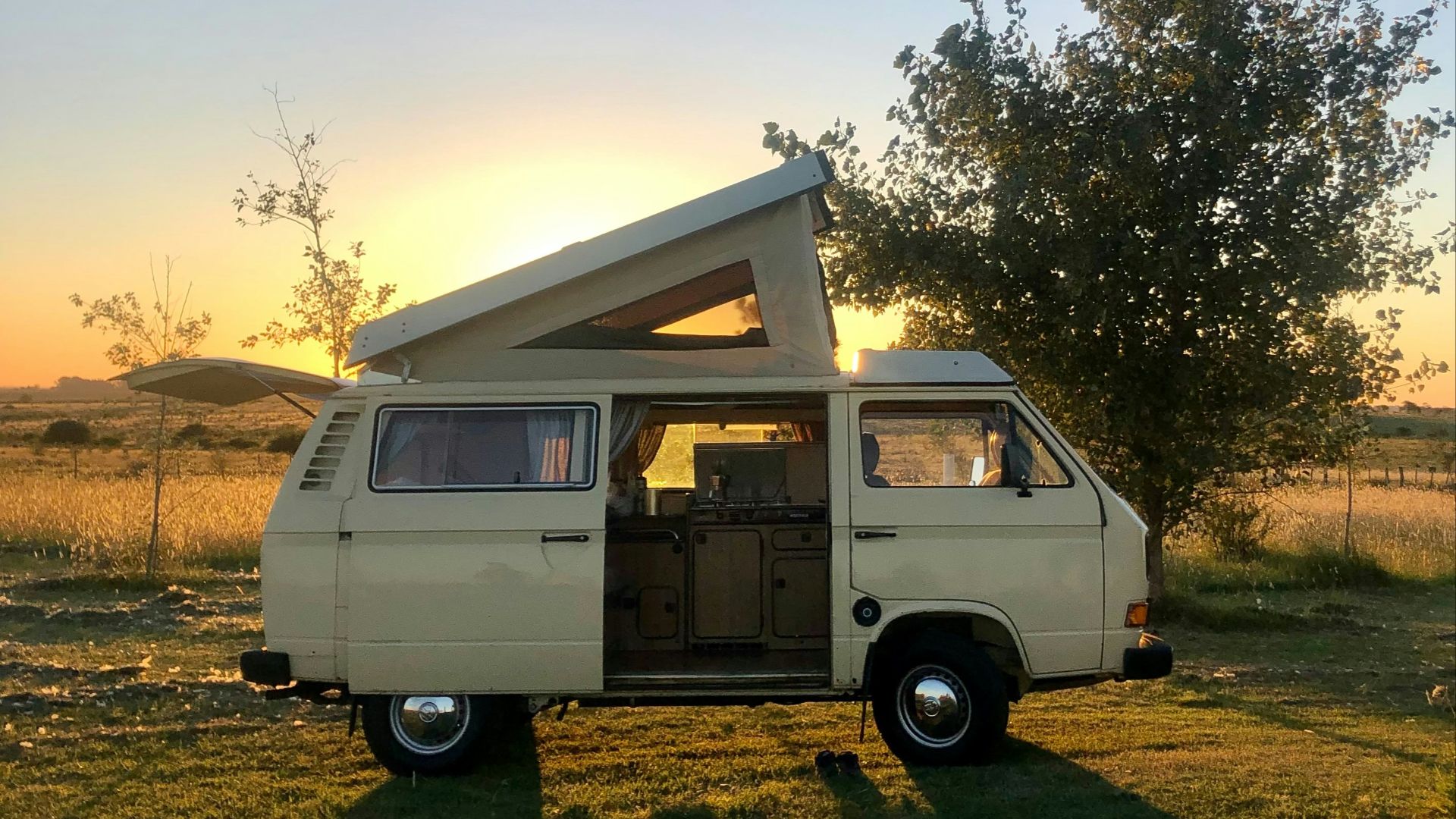
18. The T3 Became Known as the Boxy Westy
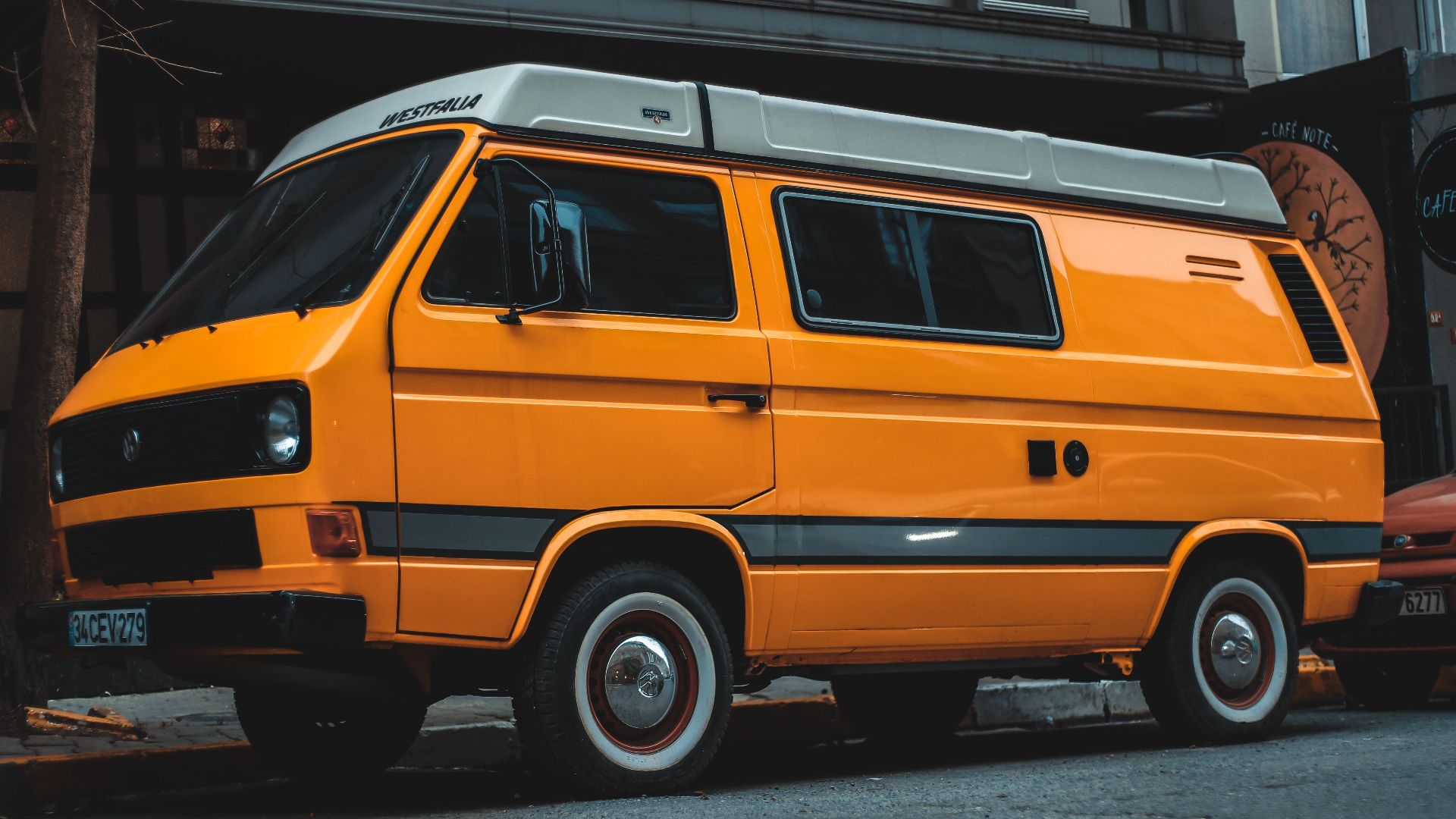
The T3 shifted the Transporter into a wider, squarer shape while maintaining the rear-engine layout. In North America, this generation is widely recognized as the Vanagon, with its camper versions popularly referred to as Westies.
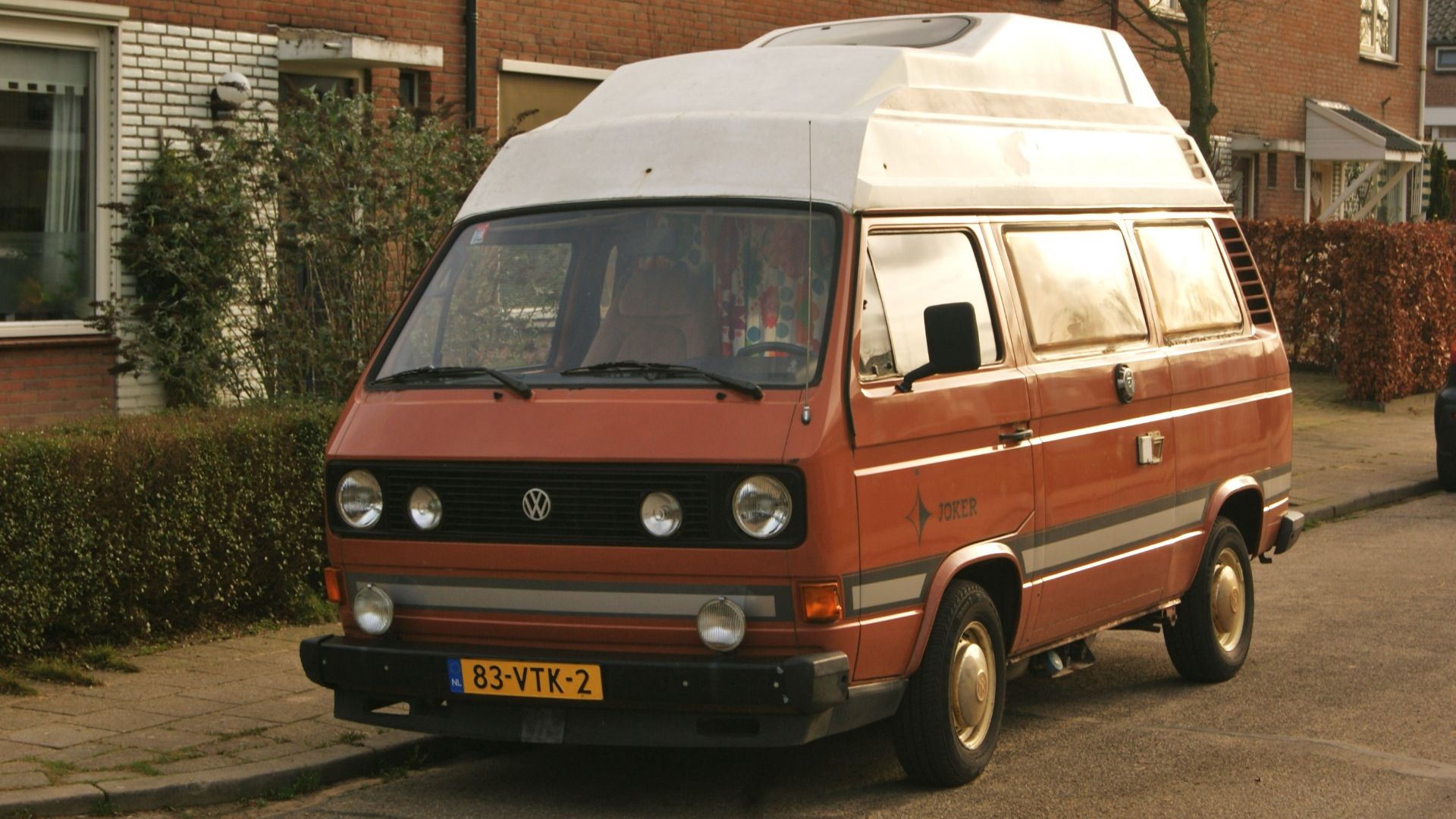 Niels de Wit from Lunteren, The Netherlands on Wikimedia
19. Later T3 Models Became More Versatile
As the T3 evolved, the Transporter line received modern enhancements and a wider range of mechanical options. Diesel engines, improved handling, catalytic converters, turbocharged variants, and all-wheel drive emerged during this generation, making later Westfalia campers more adaptable.
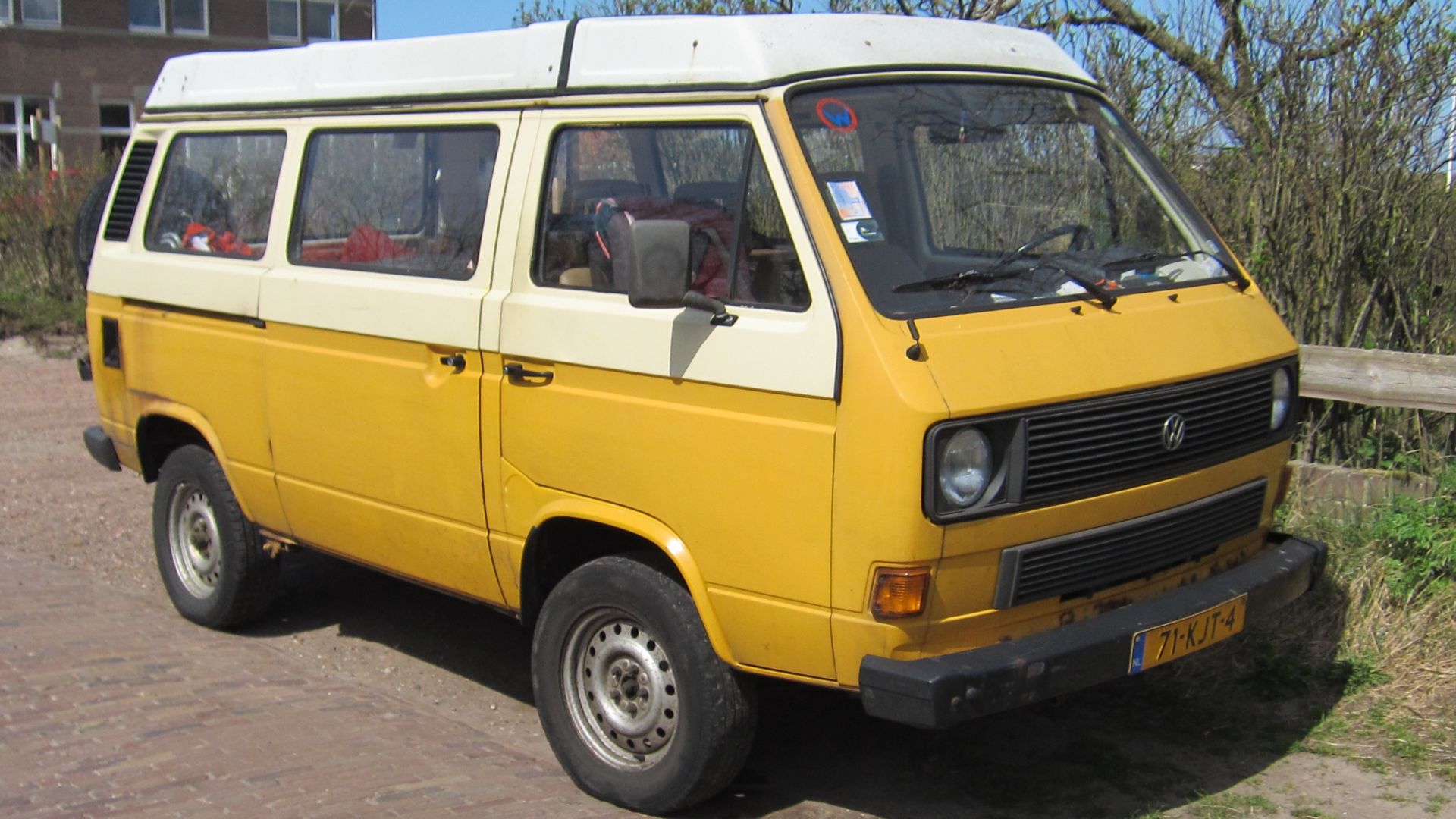 Rutger van der Maar on Wikimedia
20. The T4 Introduced a Completely New Layout
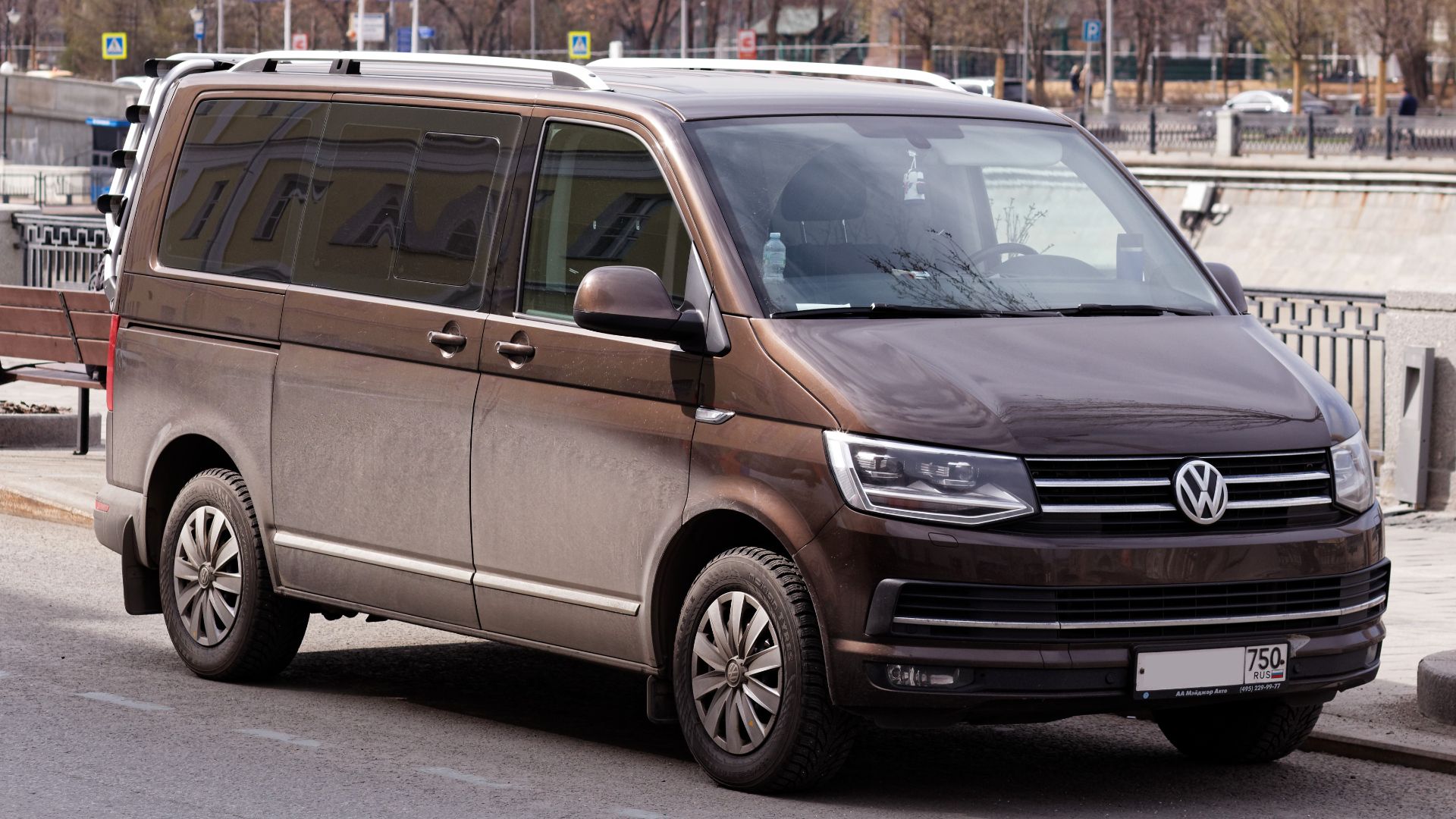
The T4 marked a significant departure from the traditional rear-engine Volkswagen van design. It transitioned to a front-engine, front-wheel-drive setup, providing a more modern driving experience and a conventional mechanical layout while keeping the core camper concept intact.