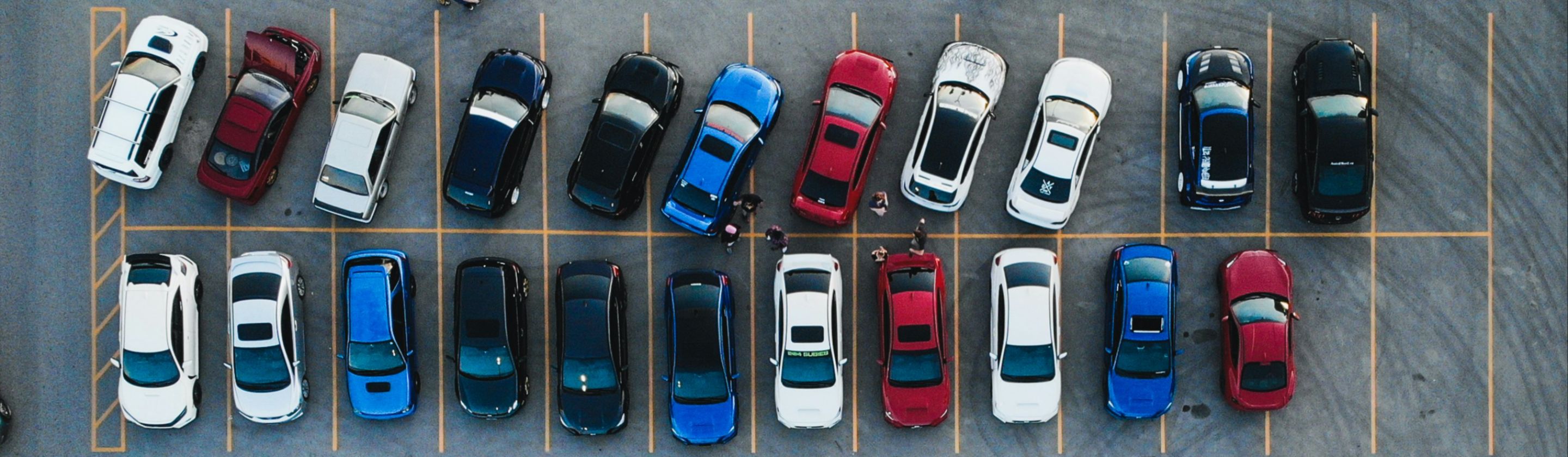
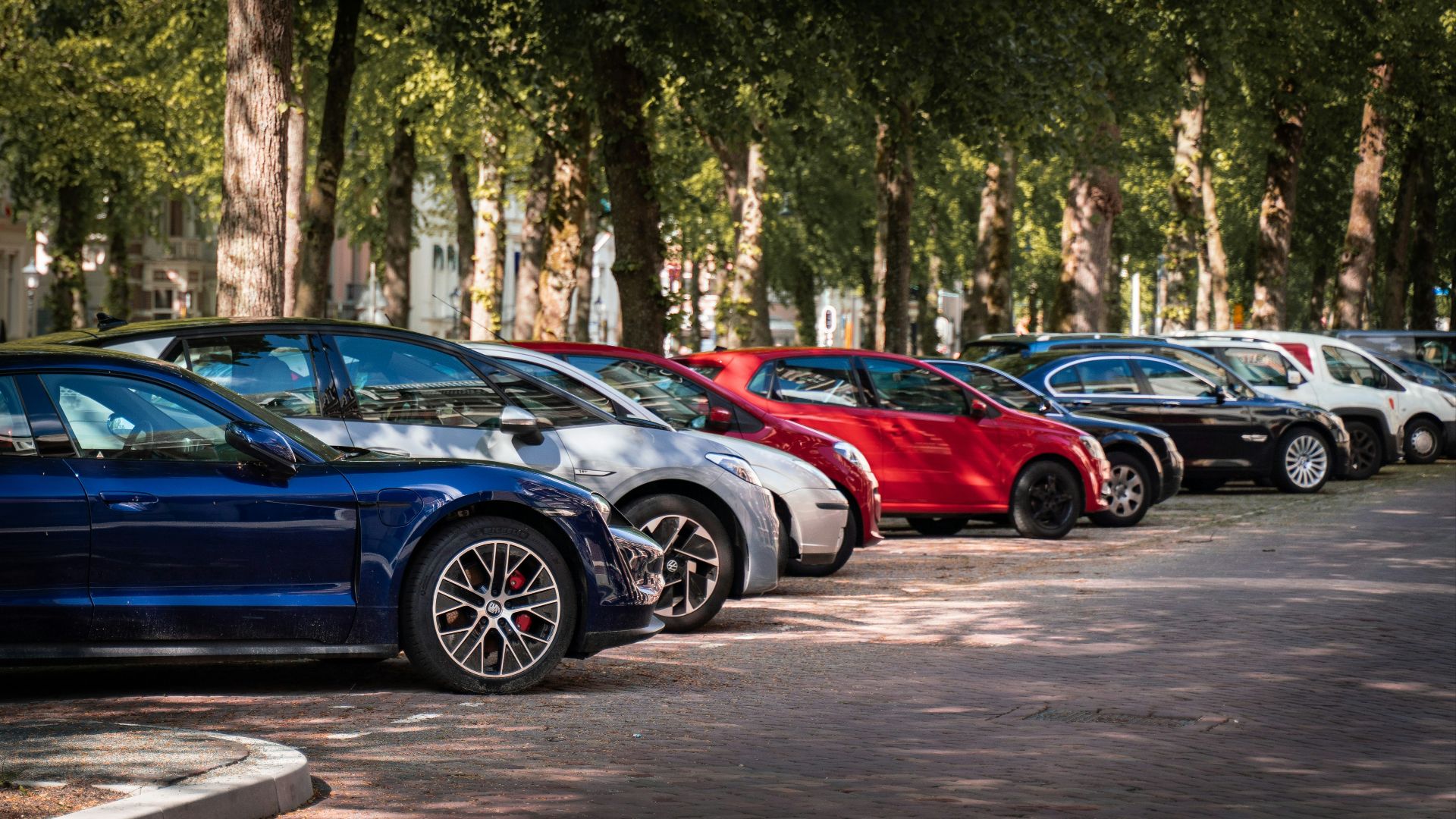
Parking never seems to be a frequently thought-about part of driving. That is, until you find yourself stuck behind someone taking their fourth shot at a space outside Costco. Some drivers back in like they’ve been doing it forever, some pull nose-first into the first open spot, and some park so far away that you half expect them to pack snacks for the walk in. All this to say, how you park says a lot about your patience, confidence, caution, and basic manners.
Of course, no one's personality can be judged by one parking job. A crooked car might mean the lines were faded, the space was tight, or the driver was feeling a little fed up. Parking habits still matter, though, because lots and garages and lots are still busy spaces, and potentially dangerous if you're not careful.
How You Pull Into A Space
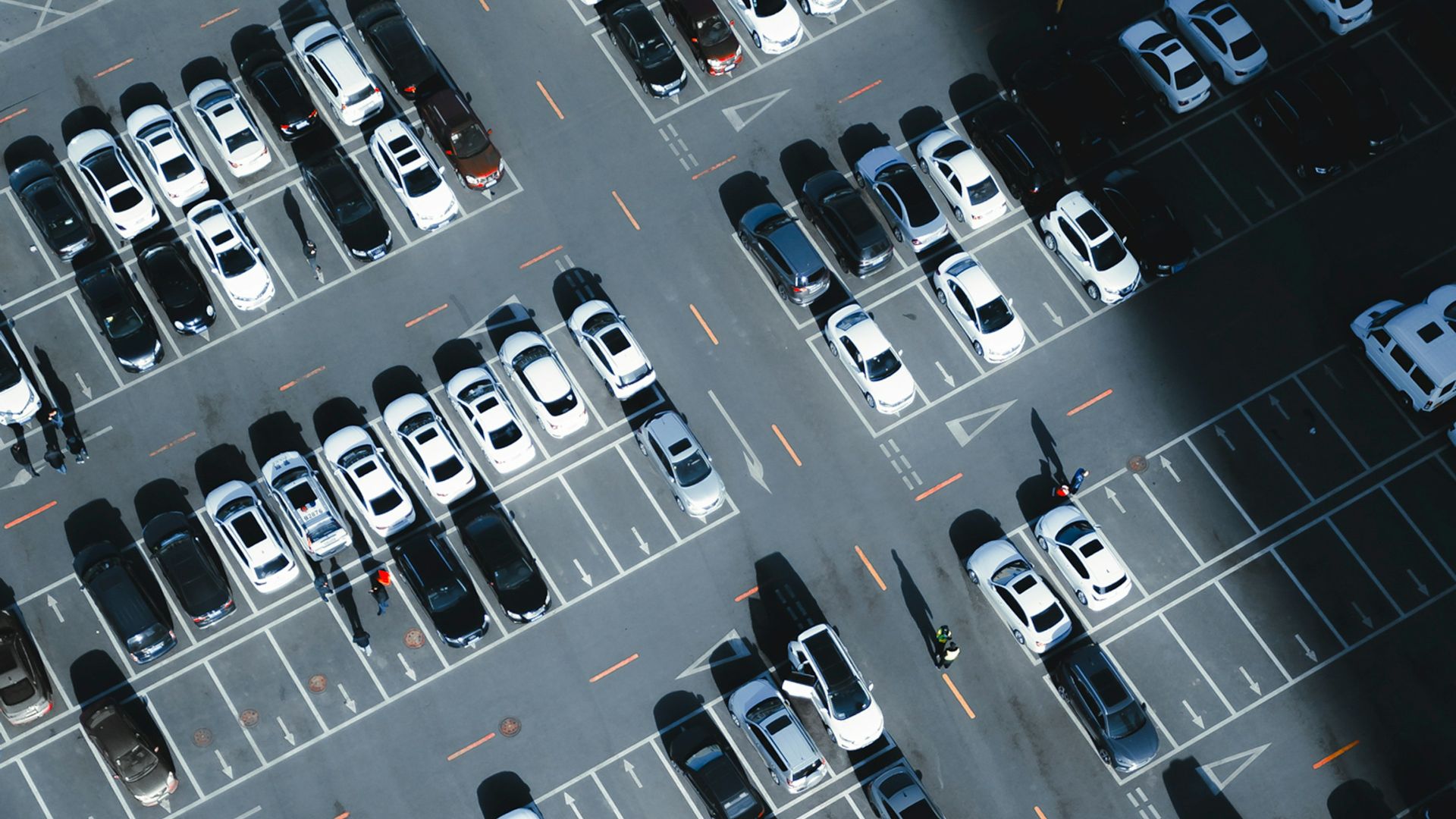
If you reverse into a space, that usually tells us you're one step ahead of everyone else. Backing into a space takes a little more patience, especially when someone’s waiting behind you with a blinker on. AAA recommends reversing into parking spaces whenever possible, unless local laws or parking-lot rules don’t allow it. The reason’s simple: when you leave, pulling forward can give you a better look at traffic, pedestrians, carts, and people moving through the lot.
This particular habit usually means you prefer to get the hard stuff out of the way first. You might be the person who notices where the doors are at a packed venue, keeps a charger in the glove box, and doesn’t love letting the gas tank run down to fumes. Reverse parking still needs to be slow, legal, and considerate, especially in a crowded lot. Done well, though, it shows a driver who’d rather handle the harder part while the space is clear.
The pull-through parker has the same basic idea, just with less fuss. When two open spaces line up, this driver rolls through and ends up facing outward without backing in. The National Safety Council also advises drivers to pull through on arrival when possible and when it fits the traffic flow. Nose-in parkers, meanwhile, are choosing the quick and familiar option, though backing out later can be harder when taller vehicles, garage pillars, carts, or people block the view.
Revealing Your Patience
If you often prefer to park further away from where you're going, it could mean that you're trying to protect your vehicle. Maybe you just got a new paint job, or your car is particularly expensive. Or, maybe, you'd rather take a few extra steps instead of getting caught up in the chaos of the busy section. Parking far away can seem like a lot of effort, but there’s a practical reason behind it. AAA Via advises parking away from clusters of cars when possible to improve visibility while backing out and help avoid door dings.
It's a fair trade-off. The front rows often come with more carts, pedestrians, sudden stops, and drivers waiting for spaces that may not open anytime soon. For anyone who cares about their car’s paint, doors, or bumpers, the logic is easy to understand. A few extra steps can feel like a pretty fair trade.
Then there’s the driver who needs a few adjustments to get the car straight. They pull in, straighten, back up, correct again, and finally...finally, settle in between those painted lines. These drivers can test everyone’s patience when cars are waiting, but it’s still better than leaving the vehicle at a bad angle. Crooked parking becomes a bigger problem when it happens all the time, and the NSC reports that drivers admit to making calls, programming GPS systems, texting, using social media, and sending or receiving emails while driving through parking lots.
The Worst Of The Worst
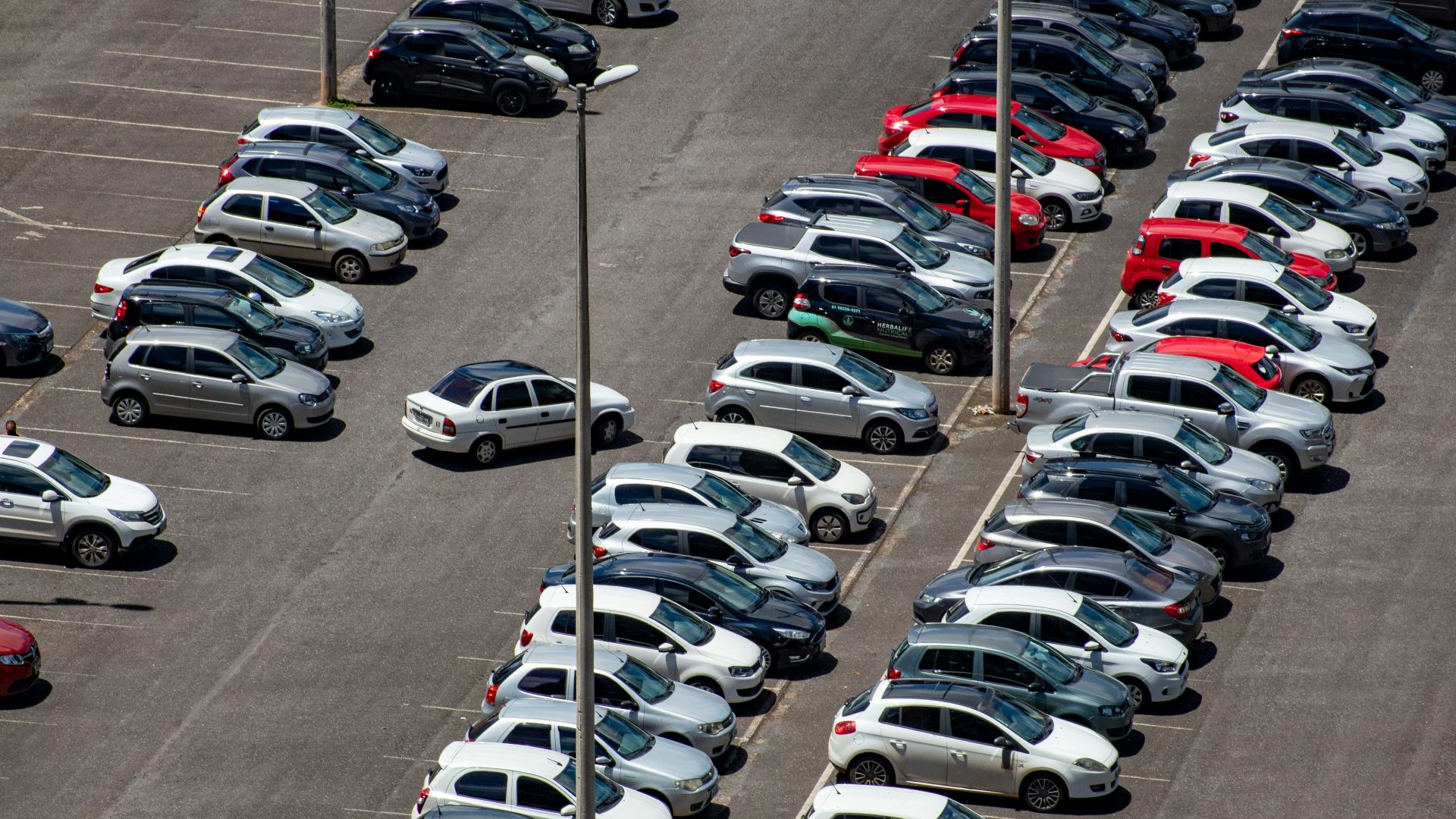
The line-straddler may be the least popular person in the lot. We understand wanting to take up multiple spaces to protect your precious car, but all it does is make you look like a jerk. In an almost empty lot, people may sigh and keep moving. In a crowded one, it's selfish.
Courtesy matters more in parking lots than people like to admit. The AAA Foundation for Traffic Safety says road etiquette and good manners appear to be protective factors against aggressive driving, and drivers who strongly value courtesy report lower aggressive-driving tendencies. One bad parking job doesn’t create road rage by itself. Small habits like signaling, leaving room, stealing spaces, and staying between the lines help keep an already annoying place from getting worse.
For better or for worse, technology also plays a role in how someone parks. NHTSA’s rear-visibility rule required all new vehicles under 10,000 pounds manufactured on or after May 1, 2018, to include rear-visibility technology. IIHS has reported that rearview cameras reduce police-reported backing crashes, and other IIHS research found that rear automatic braking bundled with a rearview camera and parking sensors can substantially reduce backing-crash rates. The NSC cautions drivers not to rely only on technology, and to look over their shoulder and use mirrors while backing up, so the best parking style is still the one that leaves room, keeps visibility clear, and makes the lot easier for everyone else.