Car theft might feel like something that happens to other people, but the numbers tell a different story. According to the National Highway Traffic Safety Administration, more than 650,000 vehicles were stolen in the United States in 2025, which works out to a vehicle being stolen every 48 seconds. That implies it's a constant occurrence happening in driveways, parking lots, and street parking spots across the country every single day.
What makes this especially frustrating is that a sizable chunk of these thefts isn't the result of sophisticated criminal masterminds outsmarting advanced security systems. They're the result of simple, avoidable habits that hand thieves an easy opportunity. Below are three common mistakes that put your car at serious risk, along with what you can do instead to keep your vehicle right where you left it.
Leaving Your Keys or Fob Inside the Vehicle
It sounds almost too obvious to mention, yet it remains one of the biggest reasons cars get stolen every year. The National Insurance Crime Bureau found that more than 100,000 vehicles were stolen with their keys left inside between 2019 and 2021 alone, exacerbated by the common practice of "puffing," when drivers leave their car running unattended. Drivers tend to assume this only happens to careless people, but the habit is more common than most would like to admit. You might, for example, be guilty of letting your car warm up in the morning while you finish getting ready.
Part of the problem comes from how convenient modern key fobs have made everyday driving. People leave their fob in the cup holder while running into a gas station, or they forget it's sitting on the passenger seat after unloading groceries. Researchers note that the real figures are likely even higher than reported, since many drivers don't admit to making this mistake when filing a police report or insurance claim. That underreporting suggests the true scale of the issue is worse than the official statistics show.
The fix here isn't complicated, but it does require building a habit. NICB recommends that drivers lock the vehicle, set the alarm, and take all keys or fobs with them every time they step away, even for a quick errand that feels harmless. It's also worth avoiding the temptation to leave a car running and unattended while you warm it up or duck into a store, since that gives an opportunistic thief everything they need to drive off in seconds.
Leaving Your Car Unlocked or Valuables in Plain Sight
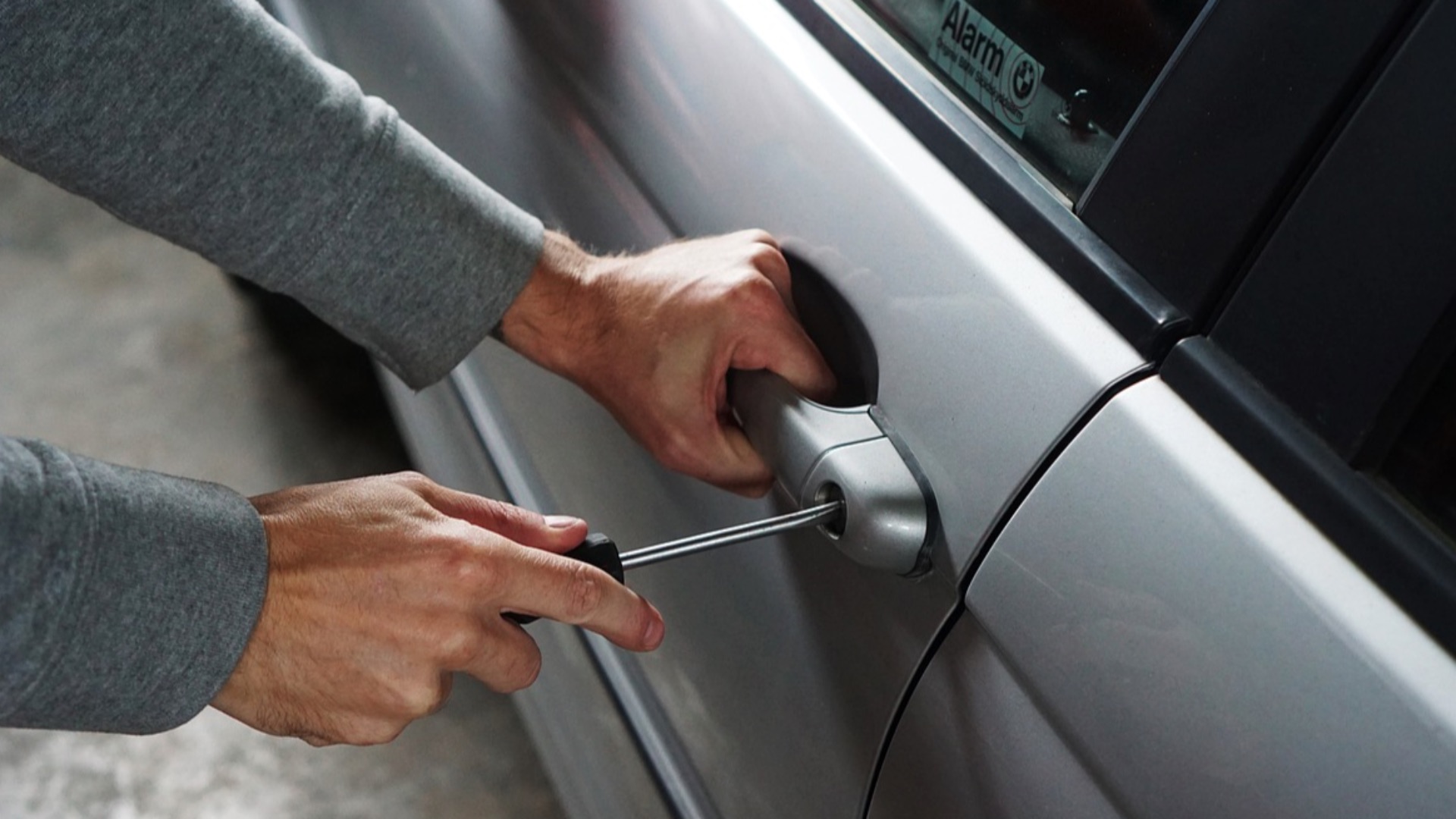
An unlocked door can be the difference between a thief walking past your car and a thief walking away with it. Many people think they wouldn't be so forgetful as to leave their vehicle unlocked, but more often than not, they rely purely on their habit; that means they might believe they locked their doors as soon as they stepped out, but actually didn't. Some drivers have even worse habits: they'll sometimes skip the step entirely when running into a store or back home for "just a minute." That brief window is exactly the kind of opportunity a thief is looking for.
NHTSA's guidance is straightforward on this point: drivers should close and lock all windows and doors every time they park, and avoid leaving valuables in the vehicle, especially anything visible from outside. Items like laptops, purses, and electronics sitting on a seat can turn a parked car into a target even if the thief had no intention of stealing the vehicle itself. GPS units, cell phones, tablets, and purses are among the most commonly stolen items from vehicles, and a broken window to grab one of those items can also mean a damaged car you'll need to repair.
Parking location matters here, too. A car parked in a dimly lit area or tucked away from foot traffic gives a thief more time and privacy to work without being noticed. NHTSA specifically recommends parking in well-lit areas whenever possible, since visibility alone can be enough to discourage someone looking for an easy target. Choosing a busier, brighter spot over a quiet, secluded one is a small decision that can make a real difference.
Ignoring the Risks of Keyless Entry and Signal Vulnerabilities
Keyless entry systems were designed for convenience, letting drivers unlock and start their cars without ever touching a button on the fob. Unfortunately, that same convenience has created an opening for a theft method known as a relay attack. Thieves use signal amplifiers to capture and extend the range of your fob's signal, sometimes from inside your house, tricking your car into thinking the key is nearby even when it's sitting on a kitchen counter.
This isn't a rare or theoretical risk anymore. Vehicle theft data from cities like Minneapolis shows that criminals are increasingly relying on programming devices and cloned fobs rather than traditional break-ins, with police reporting a 20% jump in automobile thefts driven partly by this kind of technology. Officers in that city have also noted that some of the devices recovered from stolen vehicles were tablets capable of cloning a fob's signal directly from the car itself, which shows just how quickly theft tactics are evolving alongside vehicle technology.
Thankfully, a few inexpensive precautions go a long way toward closing this gap. Storing your fob in a Faraday pouch blocks the signal from being captured by a relay device, essentially neutralizing the vulnerability altogether. Pairing that habit with a visible deterrent like a steering wheel lock, or even a hidden kill switch that interrupts the starter circuit, adds extra layers that make your car a far less appealing target compared to one without any of these protections in place.
Ultimately, while car theft can feel random, the patterns behind it really aren't. By making small adjustments to your daily habits, like locking up every time, keeping valuables out of sight, and protecting your fob from relay attacks, you can meaningfully lower your risk. Your vehicle might be a beauty, but to keep it yours you'll have to make it a much less attractive target for anyone else.