These Three Chinese Automakers Are Slowly Taking Over the World
Chinese automakers used to be treated as distant competitors, the kind of companies Western car buyers heard about but rarely saw in their own neighborhoods. That's changed quickly. Chinese brands are now building cars that are cheaper, more tech-heavy, and increasingly competitive in design, safety, battery range, and software. If you haven't noticed them yet, there's a good chance your local car market won't let you ignore them much longer.
The biggest names aren't all following the same playbook. BYD is charging ahead with electric and plug-in hybrid vehicles, Chery is quietly building a massive export machine, and Geely is spreading through a web of brands that already feel familiar in many countries. Together, they show why China is becoming one of the places that defines where the industry goes next.
BYD Is Turning EV Ambition Into Global Scale
BYD is probably the Chinese automaker most likely to make traditional car companies nervous. It began as a battery company before becoming a major automaker, and that background gives it a real advantage in the electric age. BYD makes many of its own key components, which helps it control costs and move quickly.
The company’s growth has been hard to miss. BYD has become the world's largest EV manufacturer, and it's expanding aggressively outside China. Its cars are already visible in places like Europe, Latin America, Southeast Asia, and Australia, and it's currently the best-selling EV brand in the UK. You may not see BYD passenger cars in American showrooms yet, but globally, the brand is becoming much harder to dismiss.
BYD’s biggest advantage is that it doesn't only sell expensive electric cars for early adopters. It offers a broad lineup, from affordable city cars to family SUVs and luxury models under sub-brands. That gives it reach across very different markets, which is exactly what a global automaker needs. If EVs are going mainstream, BYD wants to be there before everyone else finishes the meeting.
Chery Is Winning by Exporting Everywhere
Chery doesn't always get the same attention as BYD, but it may be even more important in the export story. The company has spent years building a presence outside China, especially in markets where buyers want affordable SUVs, crossovers, and increasingly electrified options. Its strategy is less about one glamorous halo car and more about showing up in many places at once. That's not flashy, but it's extremely effective.
The brand has been especially strong in emerging markets. Chery has built recognition in parts of Latin America, the Middle East, Africa, and Asia, often by offering well-equipped vehicles at prices that undercut more established rivals. In many countries, the old assumption that Chinese cars were cheap but unimpressive is fading. Buyers are starting to see them as practical, modern, and surprisingly competitive.
Chery is also getting smarter about global partnerships and local production. Its work with Jaguar Land Rover on the revived Freelander brand, along with production plans in places like Spain, shows that it wants more than simple export growth. Local assembly can help avoid tariffs, reassure buyers, and make a brand feel less foreign. Chery’s rise may be quieter than BYD’s, but quiet does not mean small.
Geely Is Expanding Through a Whole Brand Universe
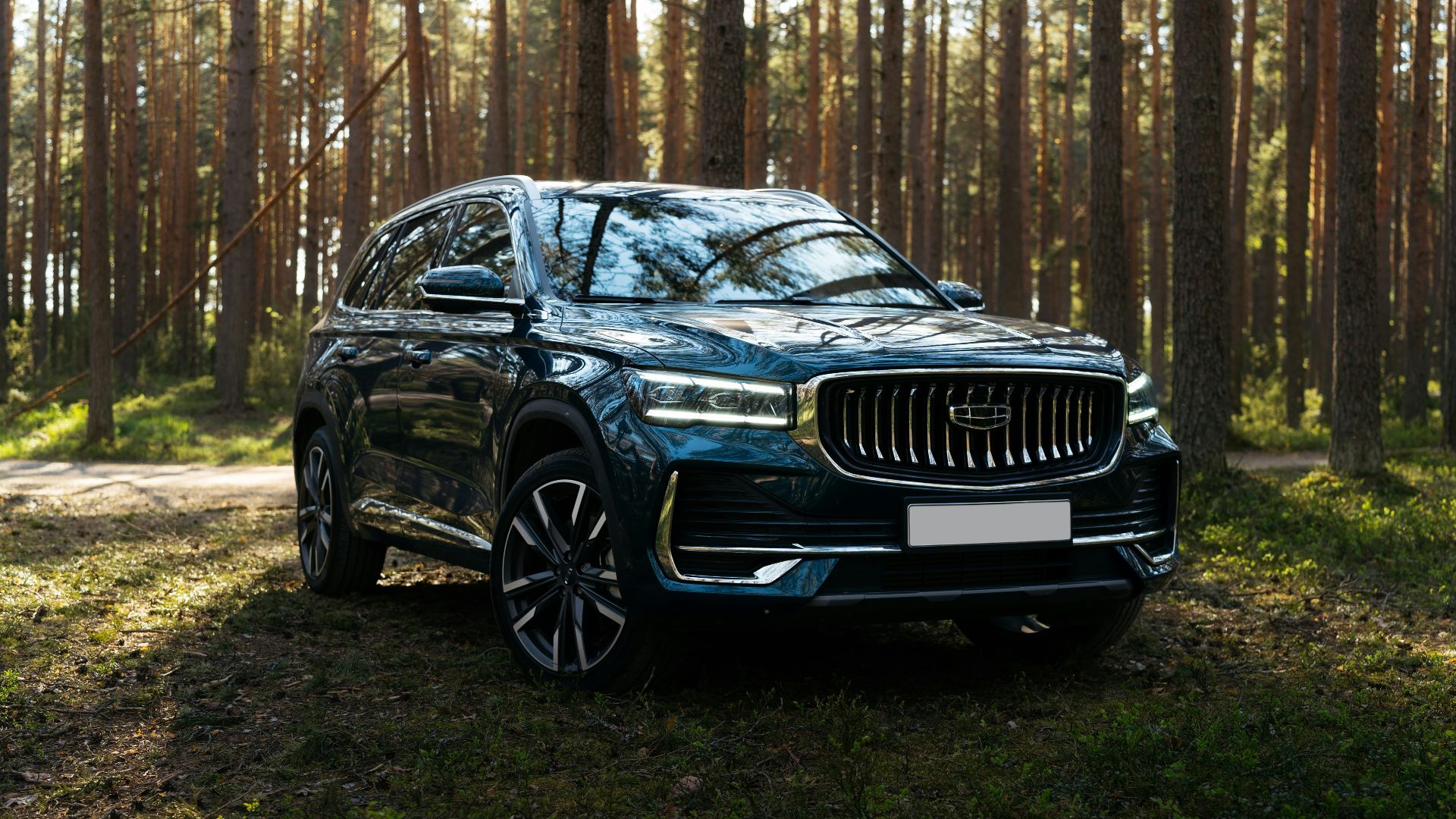
Geely’s global strategy is different because it does not rely on one badge doing all the work. The company has built or acquired a portfolio that includes Geely Auto, Lynk & Co, Zeekr, Volvo Cars, Polestar, Lotus, Proton, smart, and other brands. That gives it access to mainstream buyers, premium shoppers, EV fans, and commercial markets. Instead of knocking on the global door with one model, Geely brought a whole guest list.
Volvo gave Geely credibility in safety, engineering, and premium-market experience. Lotus added performance prestige, while Zeekr and Lynk & Co helped the group aim at younger, tech-focused buyers. Proton gave it deeper roots in Southeast Asia, and Smart gave it another recognizable urban EV name. It's a clever approach because many customers may not even realize how much Geely sits behind the scenes.
Geely also benefits from global engineering and design networks. Its brands work across China, Europe, and other markets, making the company feel less like a traditional national automaker and more like a global mobility group. That matters because car buyers increasingly care about software, charging, interiors, safety systems, and brand image as much as engine size. Geely is trying to win in all those areas at once.
Of course, none of these companies has a guaranteed path to world domination. Tariffs, politics, safety rules, software concerns, brand skepticism, and local competition can all slow Chinese automakers down. The U.S. and Canada remain difficult markets, and Europe is pushing back with tariffs and tighter scrutiny. Still, BYD, Chery, and Geely have already changed the conversation.