Cars That Introduced Tomorrow Before Anyone Was Ready
Some automobiles became instant successes, while others arrived years before buyers fully appreciated what they offered. Whether through groundbreaking technology, unconventional engineering, or bold design, these vehicles introduced ideas that later became industry standards. Looking back, it's clear these 20 cars weren't failures because they lacked innovation. They were simply ahead of their time.
1. Citroën DS
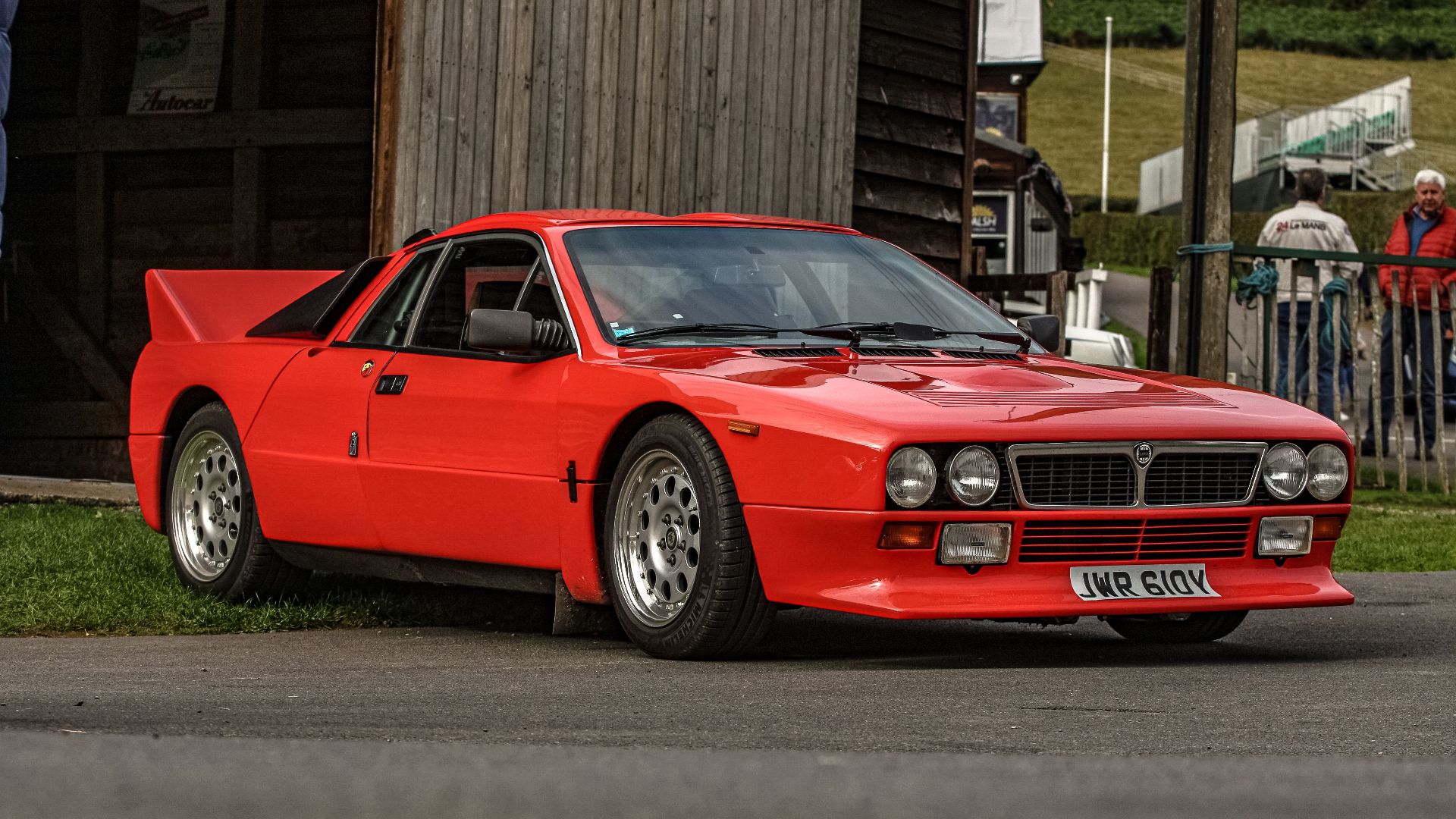
When it debuted in 1955, the Citroën DS looked like it belonged decades in the future. Its hydropneumatic suspension, aerodynamic body, and power-assisted controls were unlike anything competitors offered. Many of its engineering ideas later became common in premium automobiles.
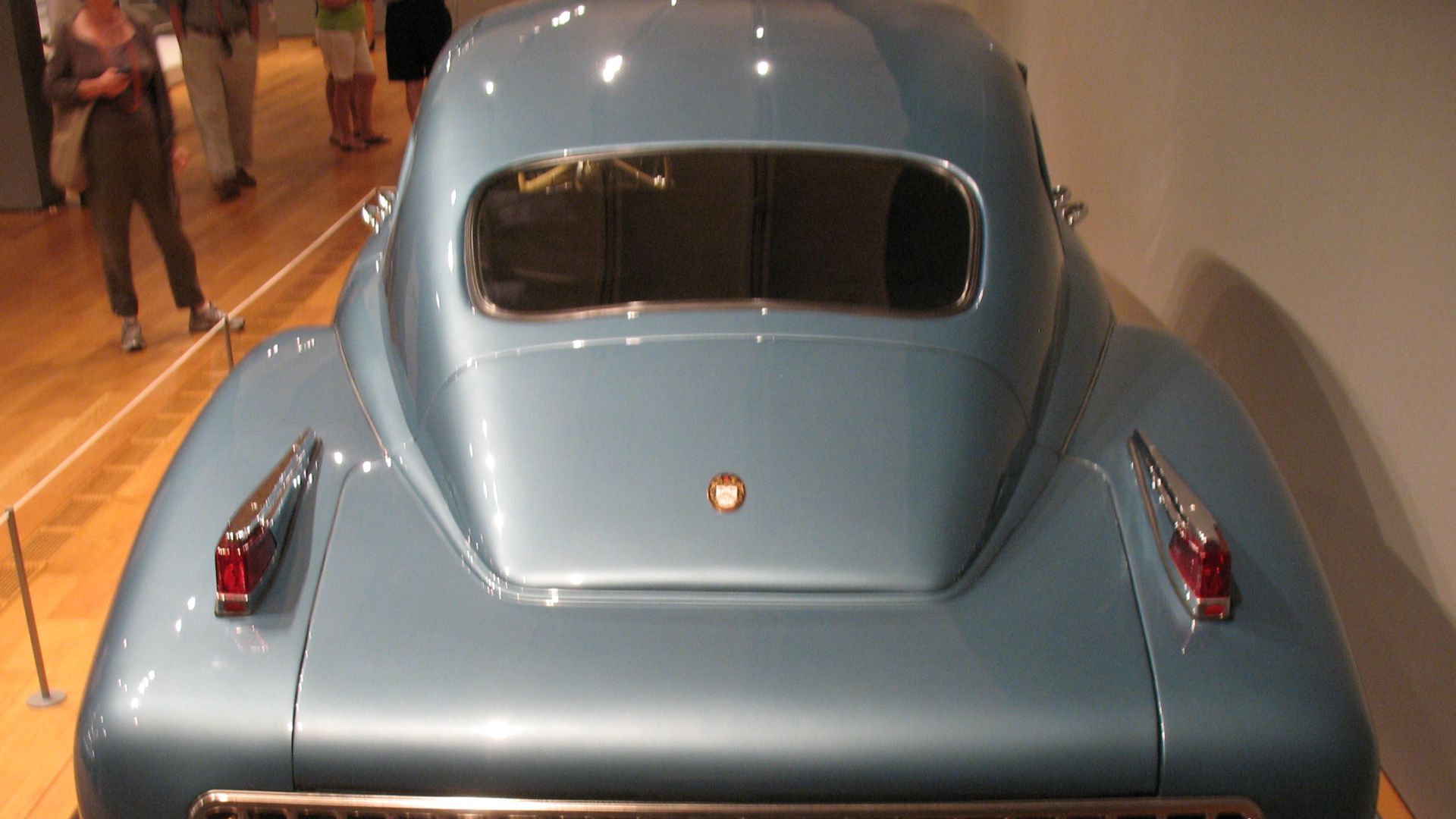
2. Tucker 48
The Tucker 48 packed safety innovations that most manufacturers wouldn't adopt for years. Features like a padded dashboard, a pop-out windshield, and a center-mounted steering headlight showed remarkable foresight. Although production was brief, its influence on automotive safety remains significant.
 James Emery from Douglasville, United States on Wikimedia
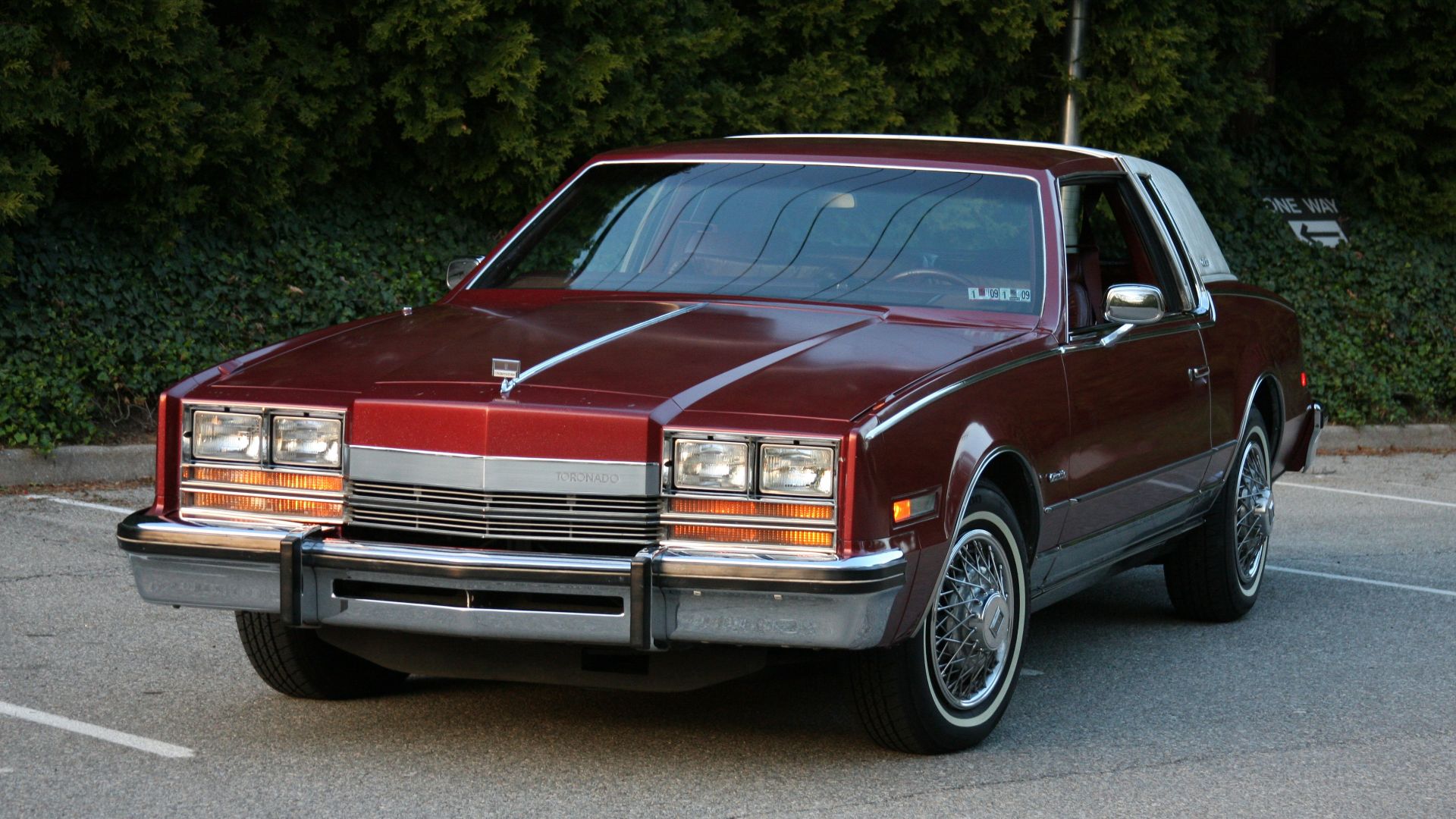
3. Oldsmobile Toronado
The 1966 Toronado proved that front-wheel drive could successfully handle the power of a large American V8. The layout improved interior space while maintaining strong performance. Front-wheel drive would later become the dominant configuration for passenger cars.
4. Lancia Lambda
Introduced in the early 1920s, the Lambda pioneered unit-body construction instead of the traditional body-on-frame design. It also featured independent front suspension that greatly improved ride quality. Both innovations eventually became industry standards.
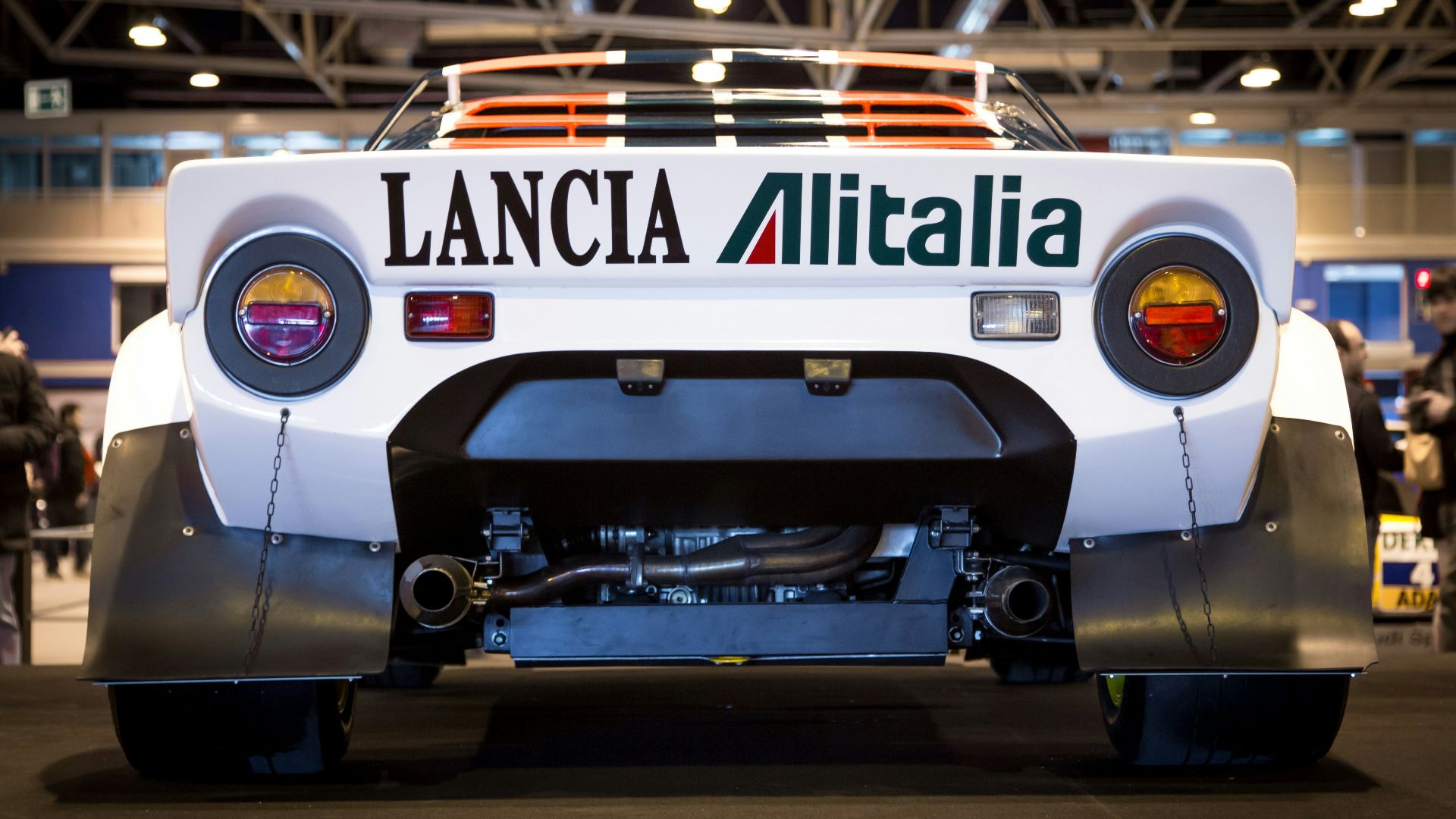
5. Audi Quattro
The original Quattro demonstrated that permanent all-wheel drive could transform performance on both roads and rally stages. Before its arrival, the technology was rarely associated with sports cars. Today, performance-oriented all-wheel-drive systems are common across the industry.

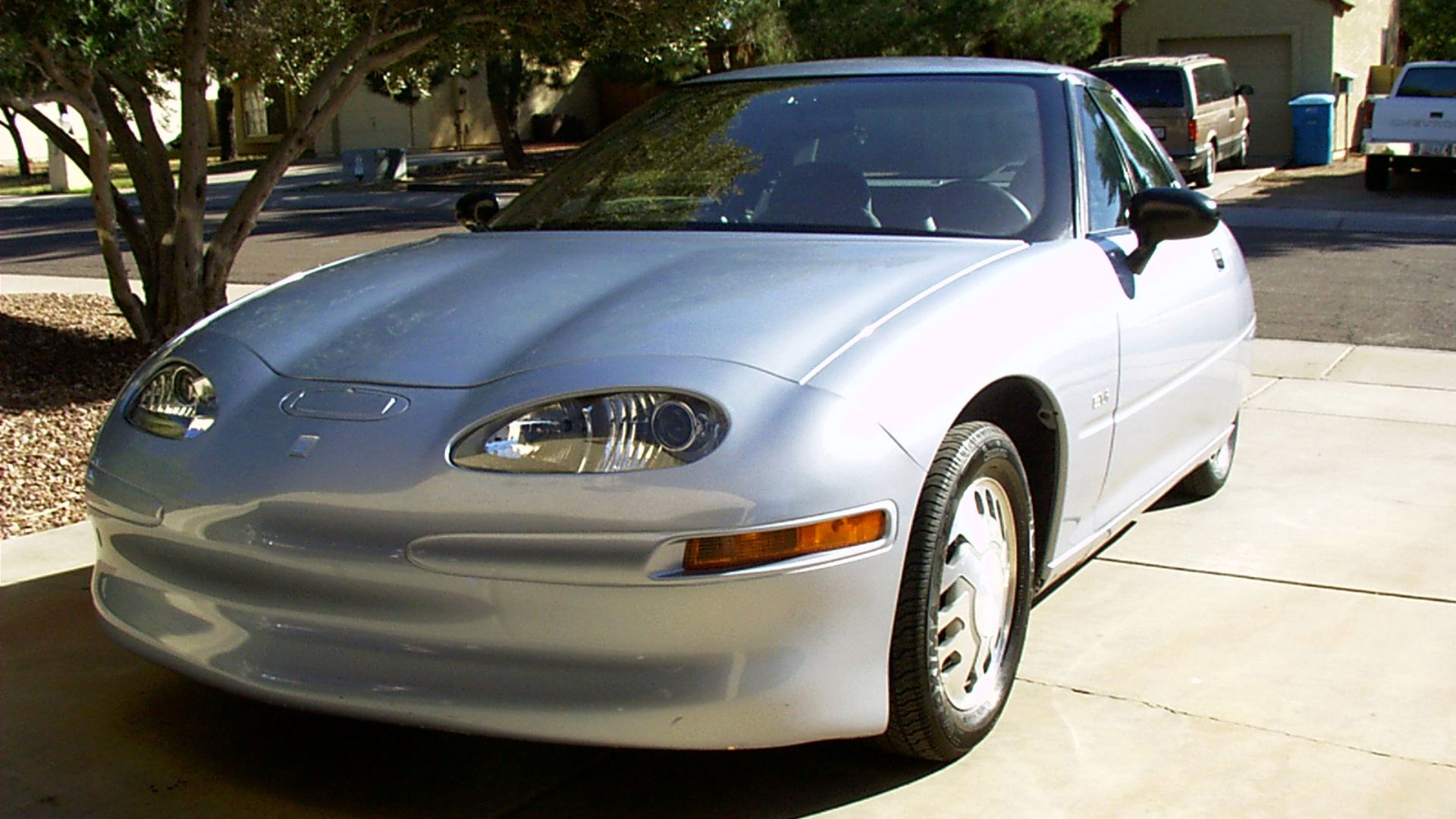
6. GM EV1
General Motors launched the EV1 years before electric vehicles became commercially viable. Its aerodynamic design and battery-powered drivetrain previewed many concepts found in today's EVs. While the project ended early, it showed that the future was possible.
 RightBrainPhotography (Rick Rowen) on Wikimedia
7. Chrysler Airflow
The Airflow embraced aerodynamic engineering during an era when styling followed very different priorities. Engineers focused on efficiency, weight distribution, and passenger comfort instead of tradition. Its ideas became much more common decades later.
 Chandler Cruttenden on Unsplash
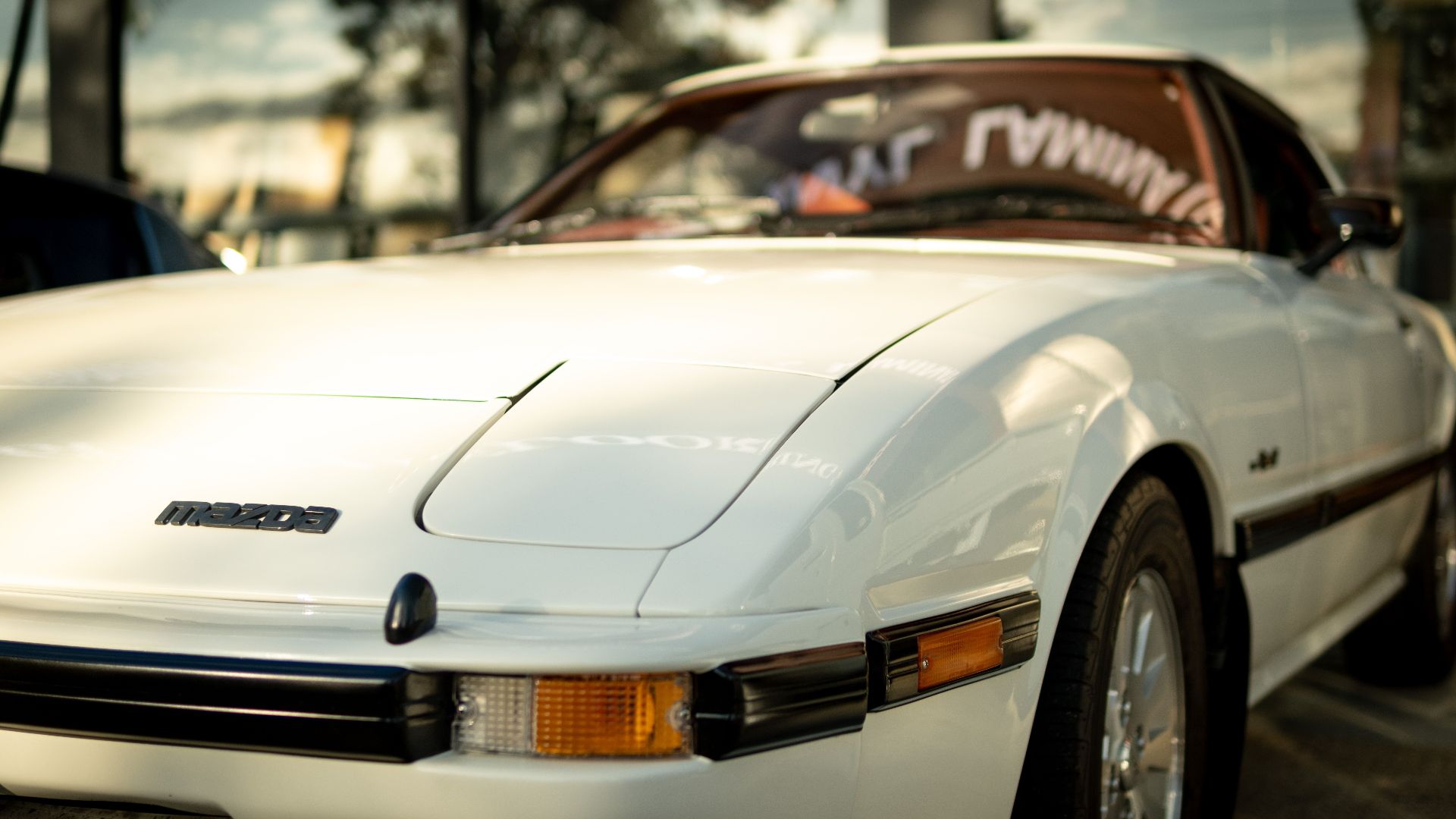
8. Mazda Cosmo Sport
The Cosmo Sport introduced the rotary engine in a sleek production sports car. Its lightweight design and smooth power delivery created a driving experience unlike anything else on the road. Although rotary engines remained uncommon, the engineering was undeniably bold.
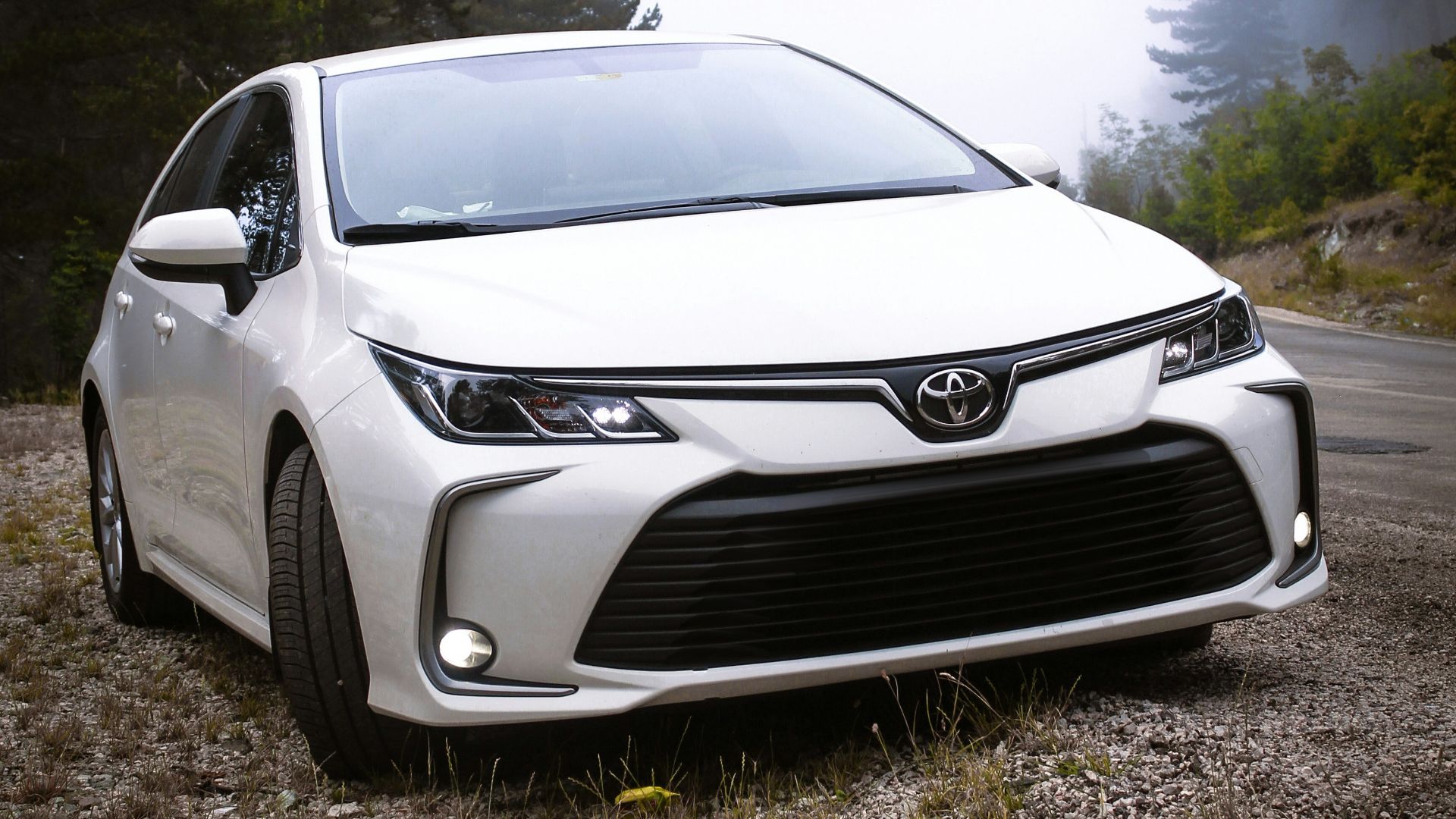
9. Toyota Prius
The Prius helped make hybrid technology practical for everyday drivers. Long before electrification became a major industry focus, it demonstrated that efficiency and reliability could coexist. Its success encouraged nearly every major manufacturer to develop hybrid models.
10. Mercedes-Benz 600
The Mercedes-Benz 600 featured sophisticated hydraulic systems that powered everything from the windows to the trunk. It also offered exceptional ride quality and luxury during the 1960s. Many of its convenience features eventually filtered down into mainstream vehicles.

11. NSU Ro 80
The Ro 80 paired futuristic styling with a rotary engine, front-wheel drive, and a semi-automatic transmission. Its advanced engineering impressed critics, even though reliability problems hurt sales. Its clean design influenced European sedans for years afterward.

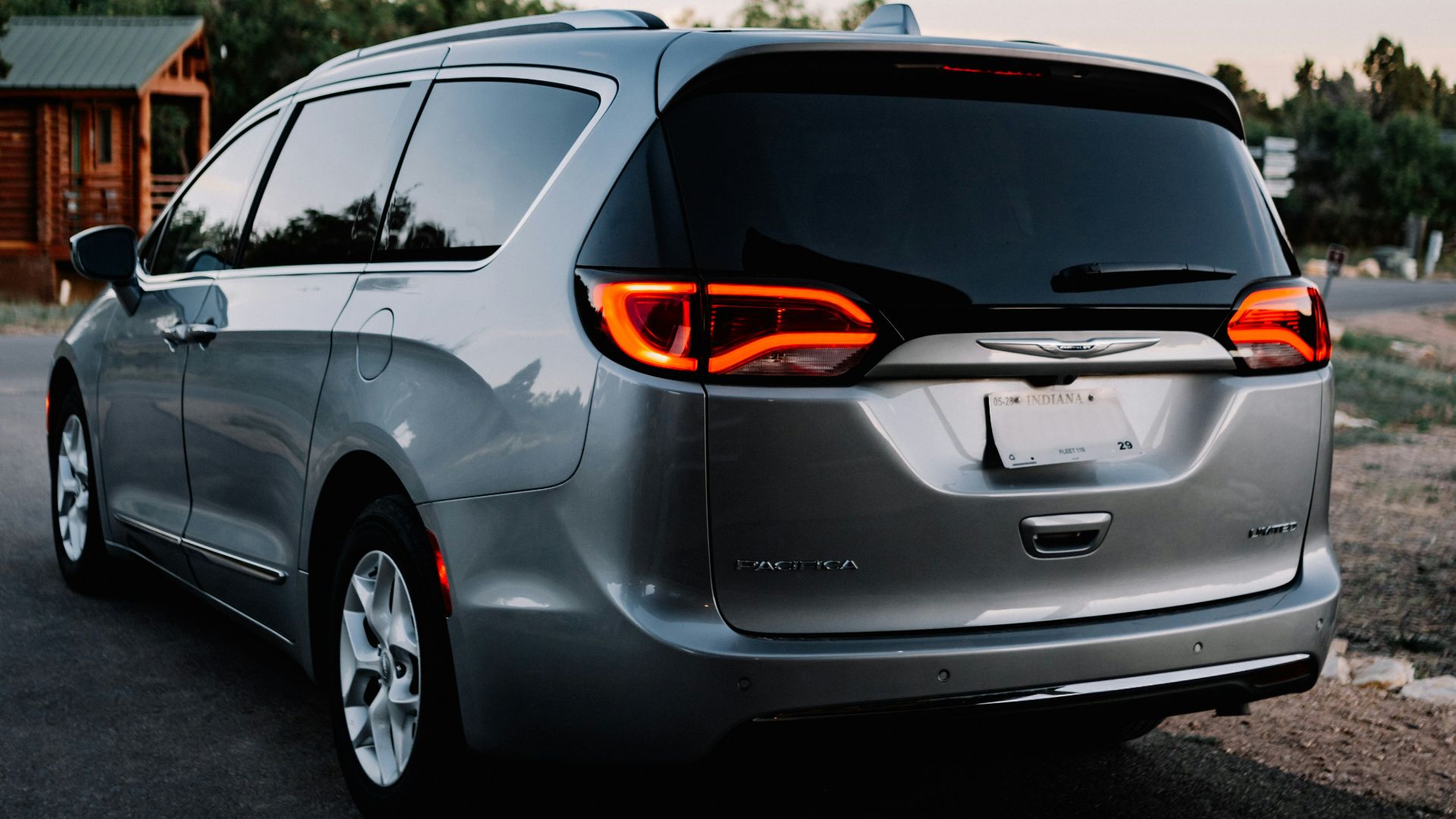
12. Chrysler Minivan
Chrysler's modern minivan changed family transportation almost overnight. Its front-wheel-drive platform maximized interior room while remaining easy to drive and park. The formula became the blueprint for countless family vehicles.
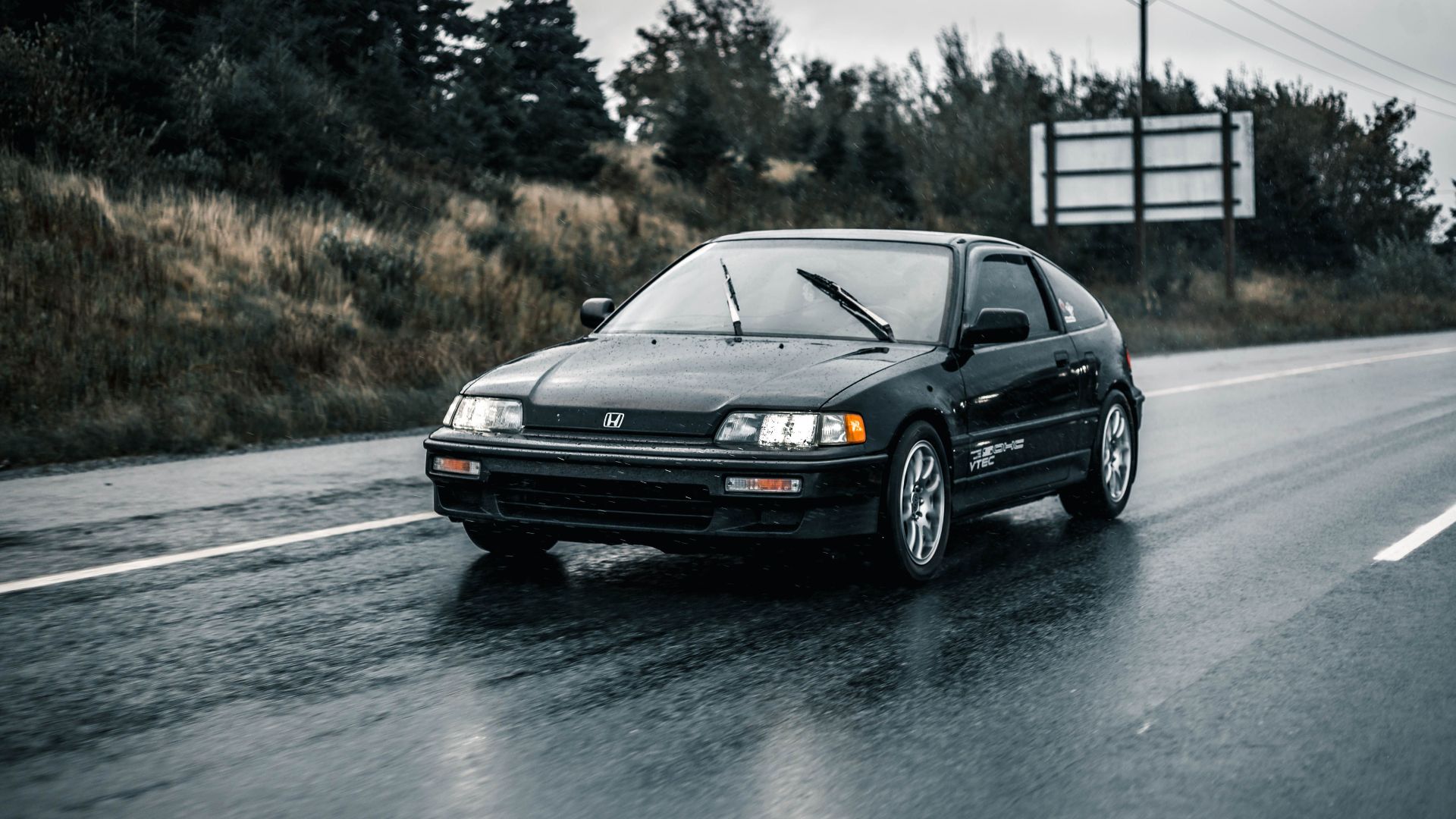
13. Honda Insight
The first-generation Insight combined lightweight aluminum construction with hybrid technology to achieve exceptional fuel economy. Its aerodynamic shape reflected a focus on efficiency rather than styling trends. Many of its engineering principles anticipated today's economy-focused vehicles.
14. Tesla Model S
The Model S transformed public expectations for electric vehicles by delivering luxury, long driving range, and remarkable acceleration. Over-the-air software updates and a technology-focused interior also set new standards. Many competitors have since adopted similar approaches.

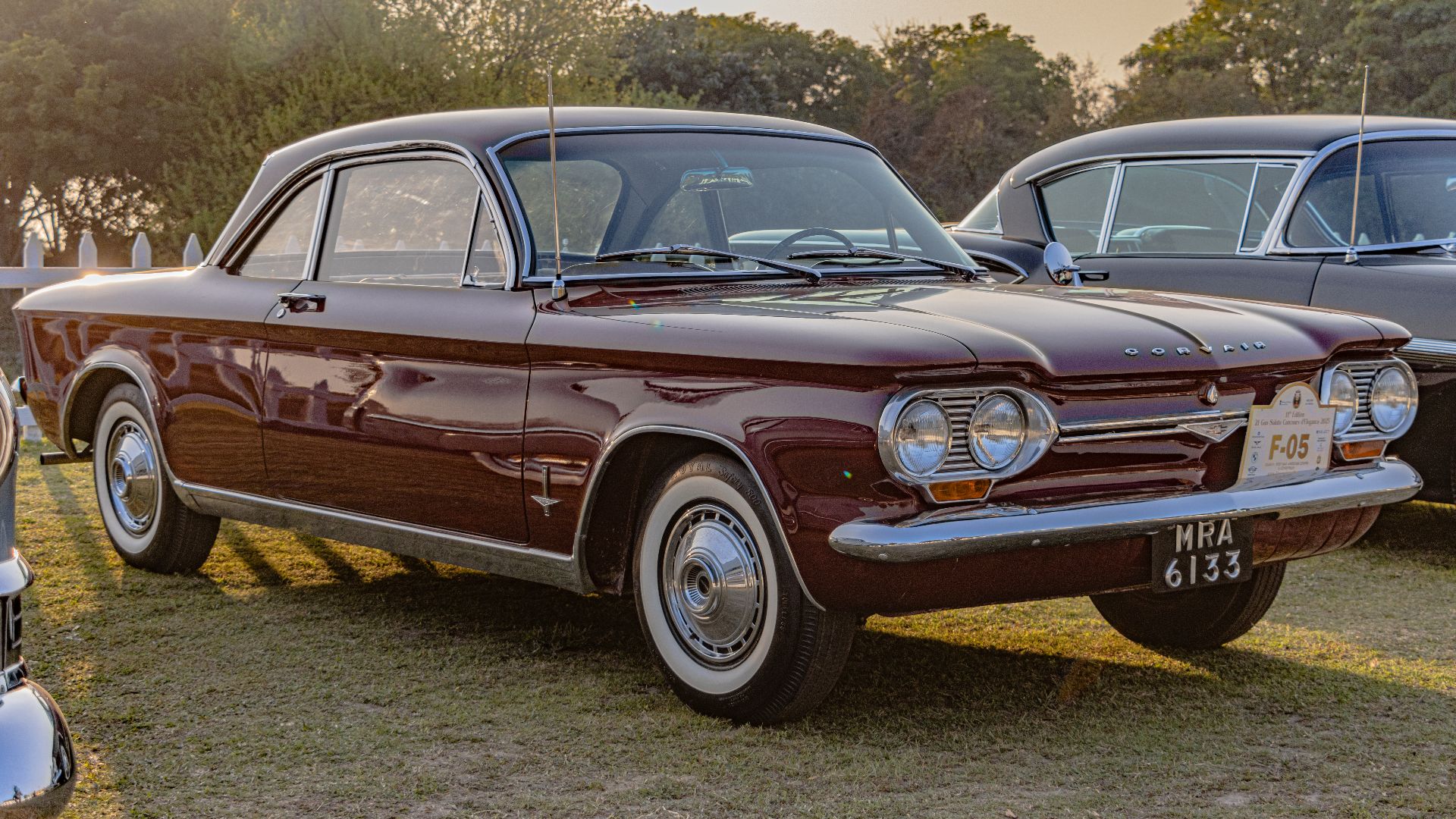
15. Chevrolet Corvair
Its rear-mounted, air-cooled engine made the Corvair one of America's most unconventional production cars. The unusual layout created packaging advantages that stood apart from traditional domestic designs. It remains one of the boldest engineering experiments by an American automaker.
16. Renault Espace
The Renault Espace popularized the modern European multi-purpose vehicle with its flexible cabin and family-focused design. Instead of emphasizing style alone, it prioritized practicality and interior versatility. Many crossover and minivan concepts owe something to its influence.
 Alexis AMZ DA CRUZ on Unsplash
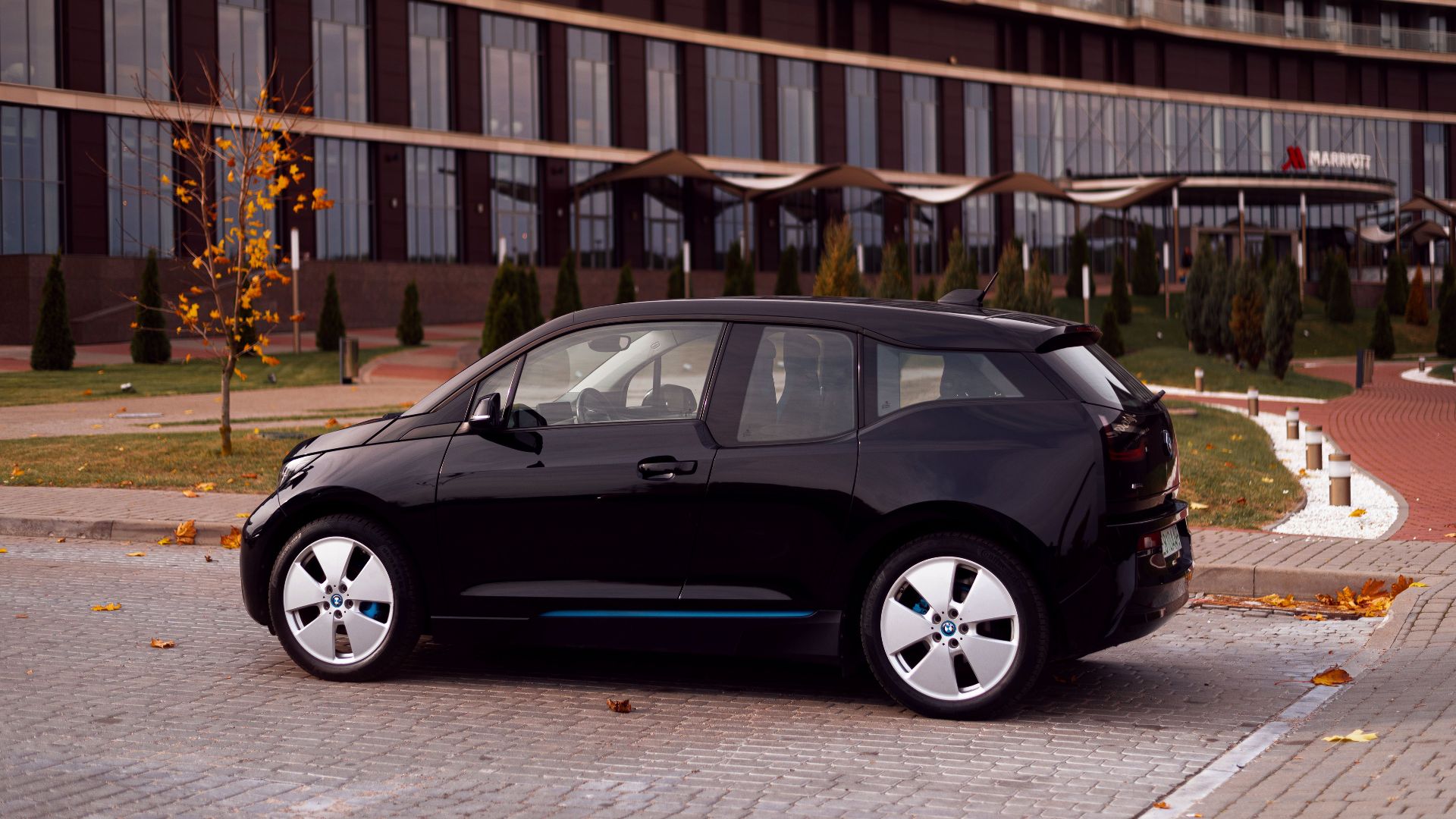
17. BMW i3
The BMW i3 combined an electric drivetrain with a lightweight carbon-fiber passenger cell, something rarely seen in mass-produced cars. Its upright design maximized interior space while reducing weight. Many of its sustainability-focused ideas were years ahead of industry trends.
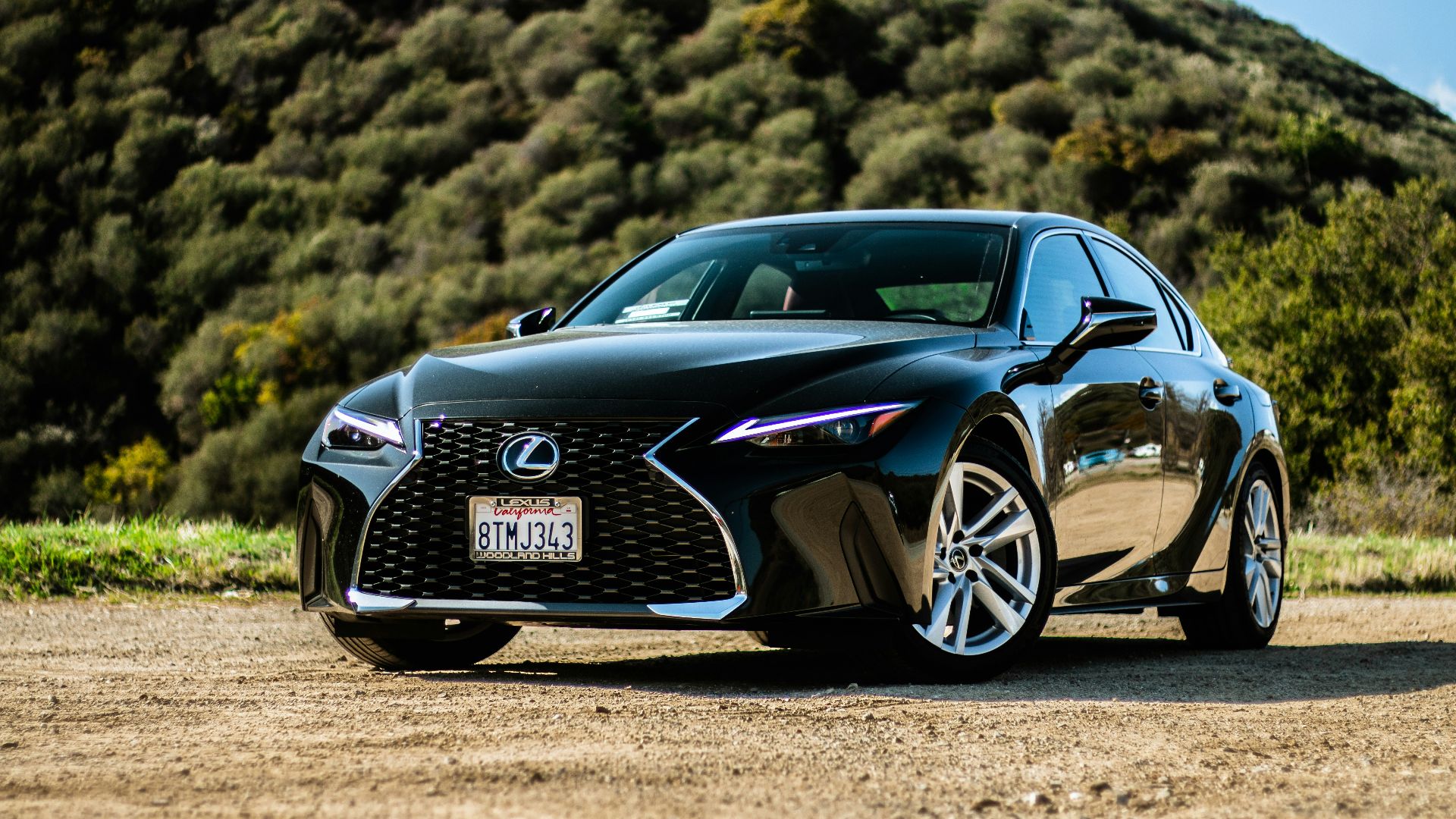
18. Lexus LS 400
When it debuted in 1989, the LS 400 challenged established European luxury brands with remarkable refinement and reliability. Its engineering quality forced competitors to rethink their own standards. The model permanently changed expectations in the luxury segment.
19. Nissan Leaf
The Leaf became one of the first electric vehicles to reach mainstream buyers in significant numbers. It proved that battery-powered transportation could work as a practical daily commuter rather than a niche experiment. Its early success helped accelerate broader EV adoption.

20. McLaren F1
The McLaren F1 introduced advanced carbon-fiber construction, a central driving position, and extraordinary engineering in the early 1990s. Many of its technologies later appeared in modern supercars and hypercars. Even decades after its debut, it still feels remarkably forward-thinking.