What Shows Up When You’re Behind the Wheel
A car feels like a neutral space at first, just a way to get from one place to another without much thought. But spend enough time in one, and it begins to reflect things back at you in ways that feel surprisingly personal. The way you react in traffic, handle small frustrations, and organize the space around you slowly adds up to something more revealing than you’d expect. Driving doesn’t feel like self-reflection while it’s happening, but it has a way of bringing your habits to the surface all the same. Over time, those patterns become hard to ignore once you’ve noticed them. Here are 20 things your car ends up teaching you about yourself.

1. How You Handle Delays
Traffic has a way of stripping things down to basics. You either settle into it or fight it the entire time, even when there’s nothing you can do. The reaction tends to mirror how you deal with delays everywhere else.
2. Your Relationship With Control
Driving puts you in charge, but only up to a point. Other drivers, road conditions, and timing all push back against that control. How you respond says a lot about how comfortable you are not being fully in charge.

3. Your Tolerance for Small Frustrations
A missed turn, a slow light, someone cutting in—none of it is a big deal on its own. But stacked together, they test your patience quickly. The way you absorb or amplify those moments tends to carry over into the rest of your day.
4. How You Treat Shared Spaces
The road is one of the most consistent shared environments you’re in. Whether you merge smoothly, let people in, or push your way forward says something about how you move through other shared situations.
5. Your Default Pace
Some people rush even when there’s no real reason, others naturally settle into a steady rhythm. The speed you gravitate toward often reflects how you approach time in general. It’s less about the road and more about your internal clock.
6. Your Comfort With Silence
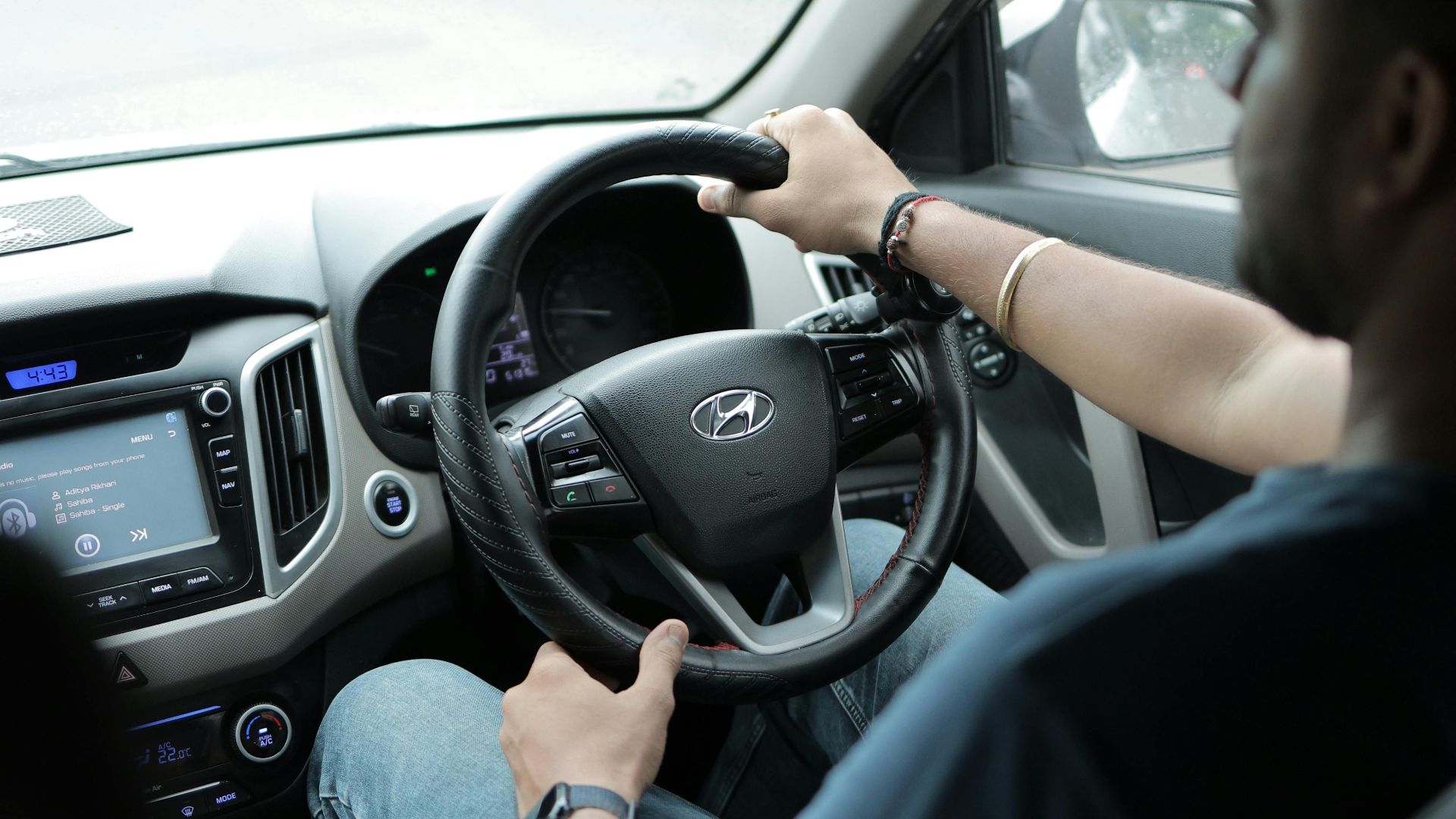
Driving alone leaves space for quiet, which not everyone handles the same way. You might fill it with music, calls, or constant noise, or you might let it stay empty. That choice tends to show how you relate to stillness.
7. How You Respond to Mistakes
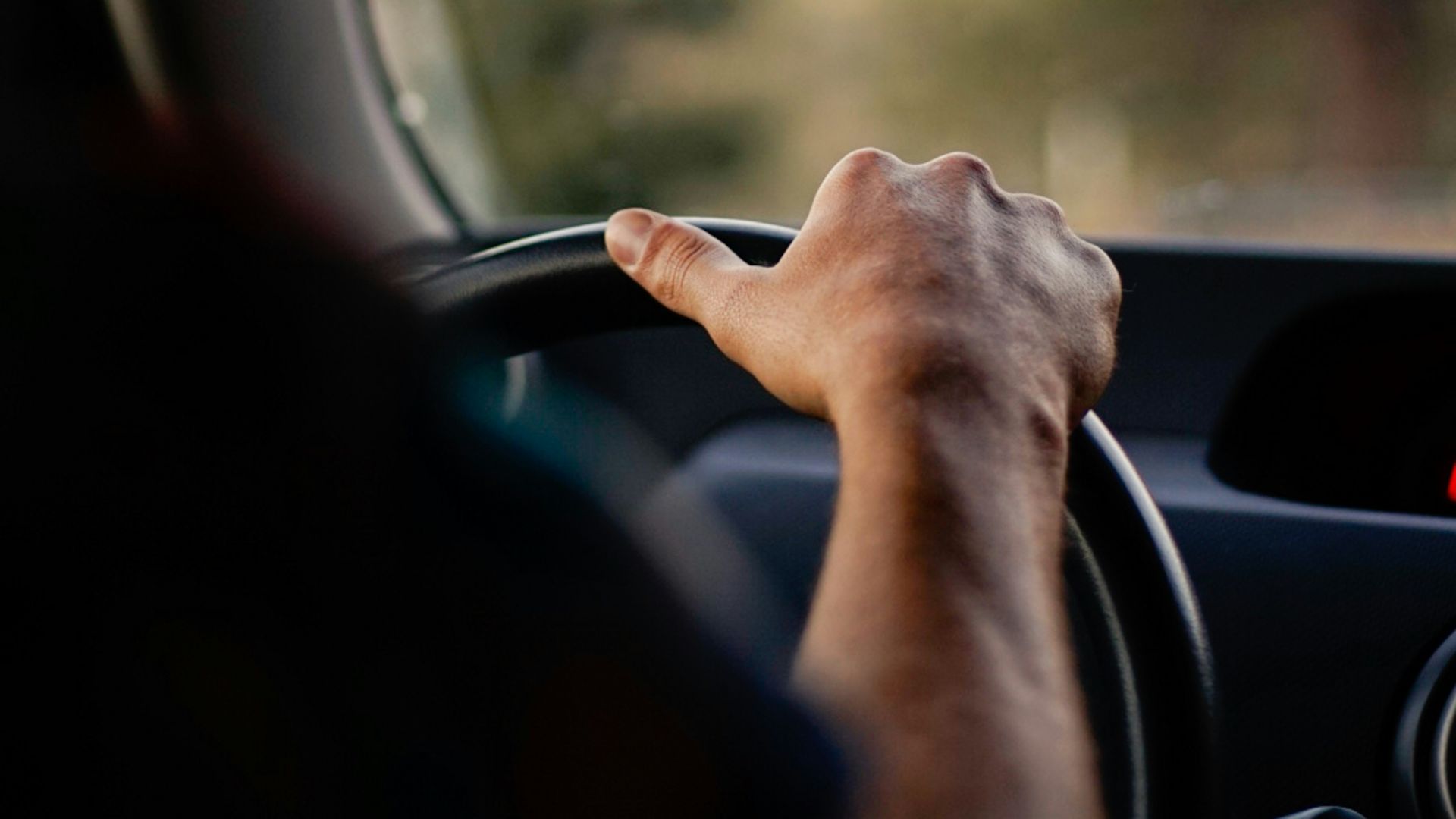
Miss a turn or take the wrong exit, and you get a quick test in how you react. Some people adjust immediately, others dwell on it longer than necessary. The pattern usually isn’t limited to driving.
8. Your Attention Span
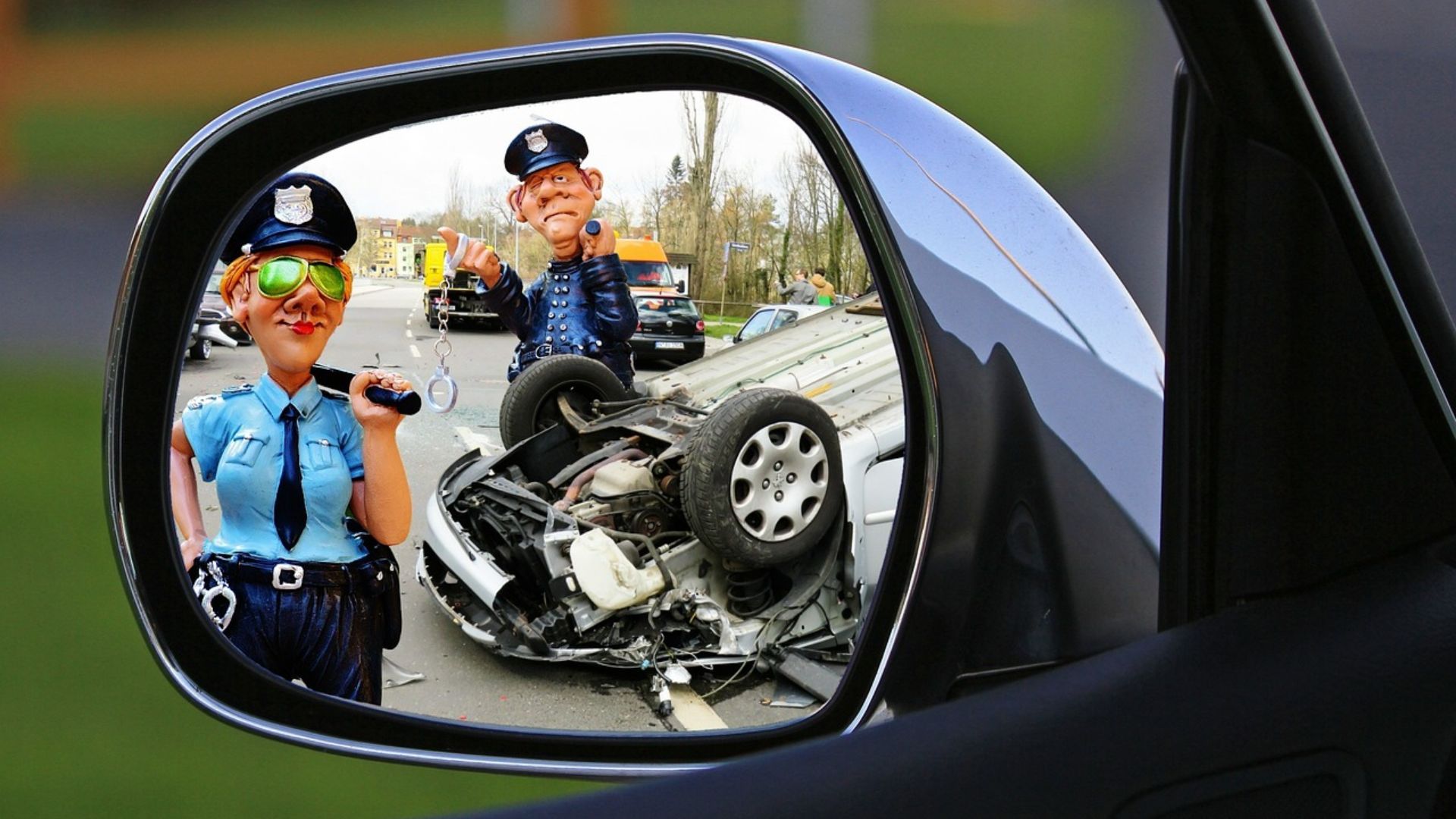
Staying focused on the road requires a steady kind of attention that’s easy to underestimate. If your mind drifts constantly, it shows up quickly. It’s a quiet measure of how present you tend to be.
9. How You Manage Stress in Real Time
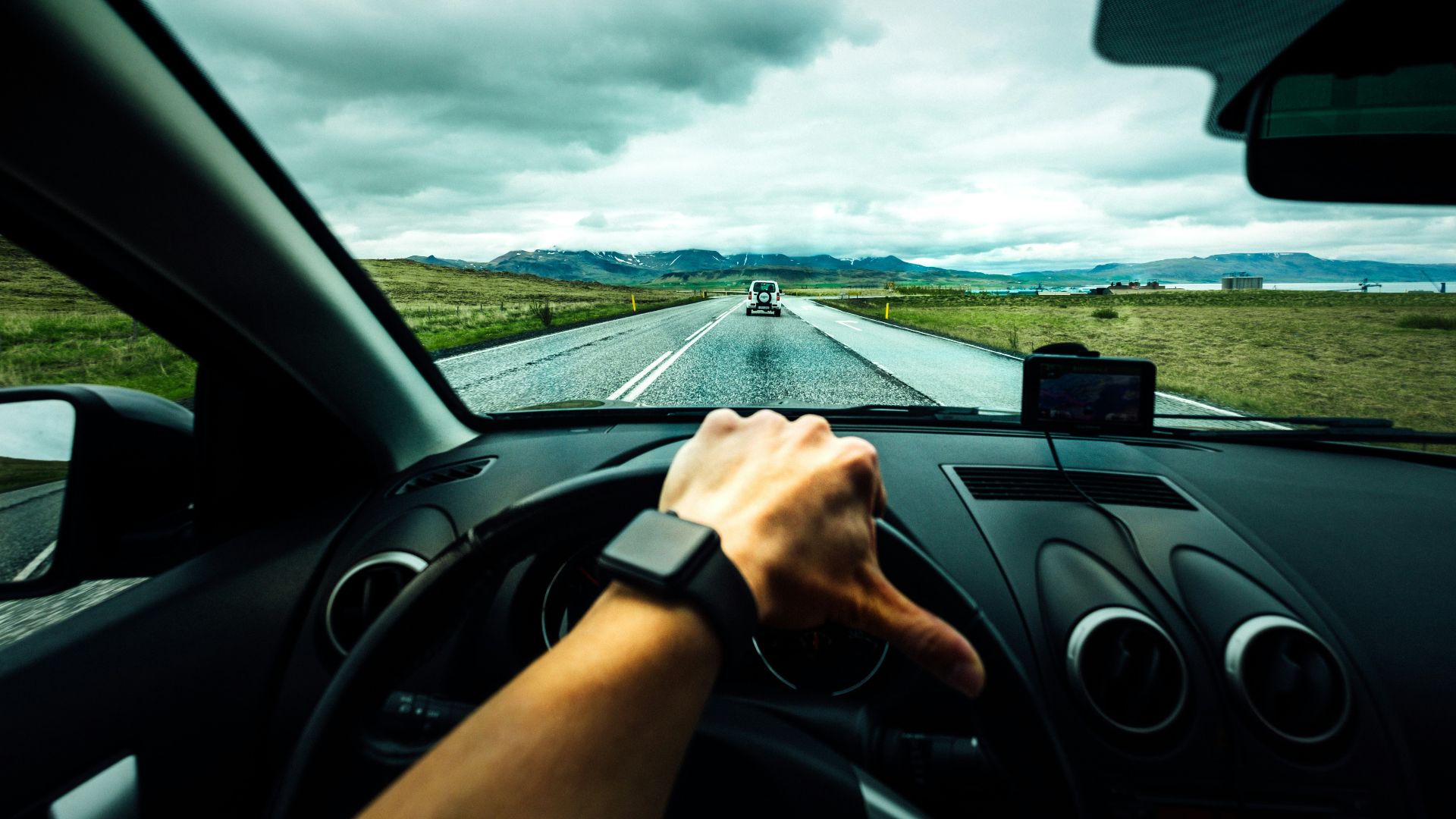
Driving can turn stressful without much warning. The way you regulate yourself in those moments—breathing, slowing down, or escalating—reveals how you handle pressure elsewhere. It’s immediate and hard to fake.
10. Your Level of Preparedness
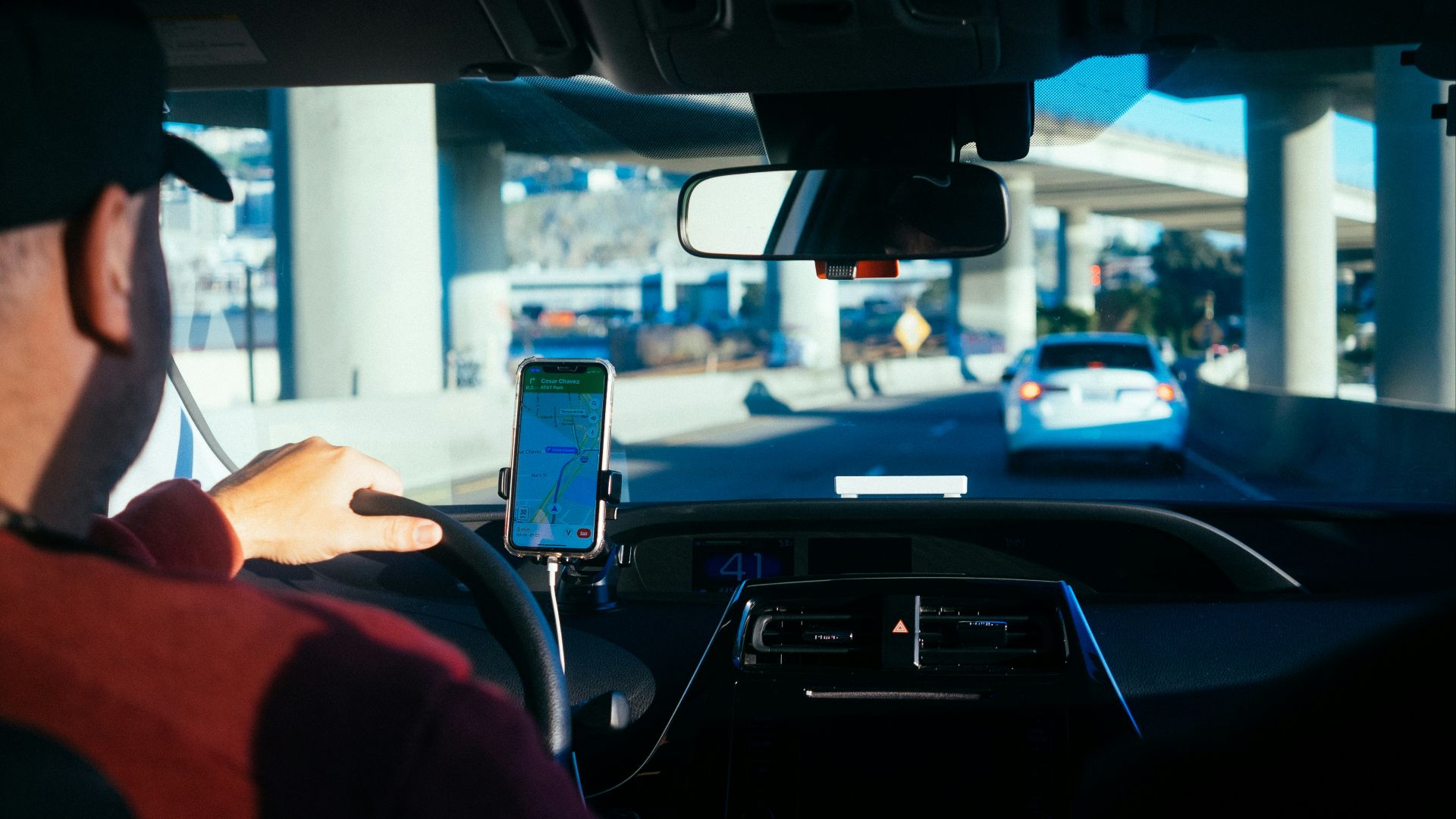
Whether your car is fueled, maintained, and ready to go says something about how you plan ahead. Running close to empty or staying fully prepared reflects a broader approach to responsibility. It’s a pattern, not a one-off.
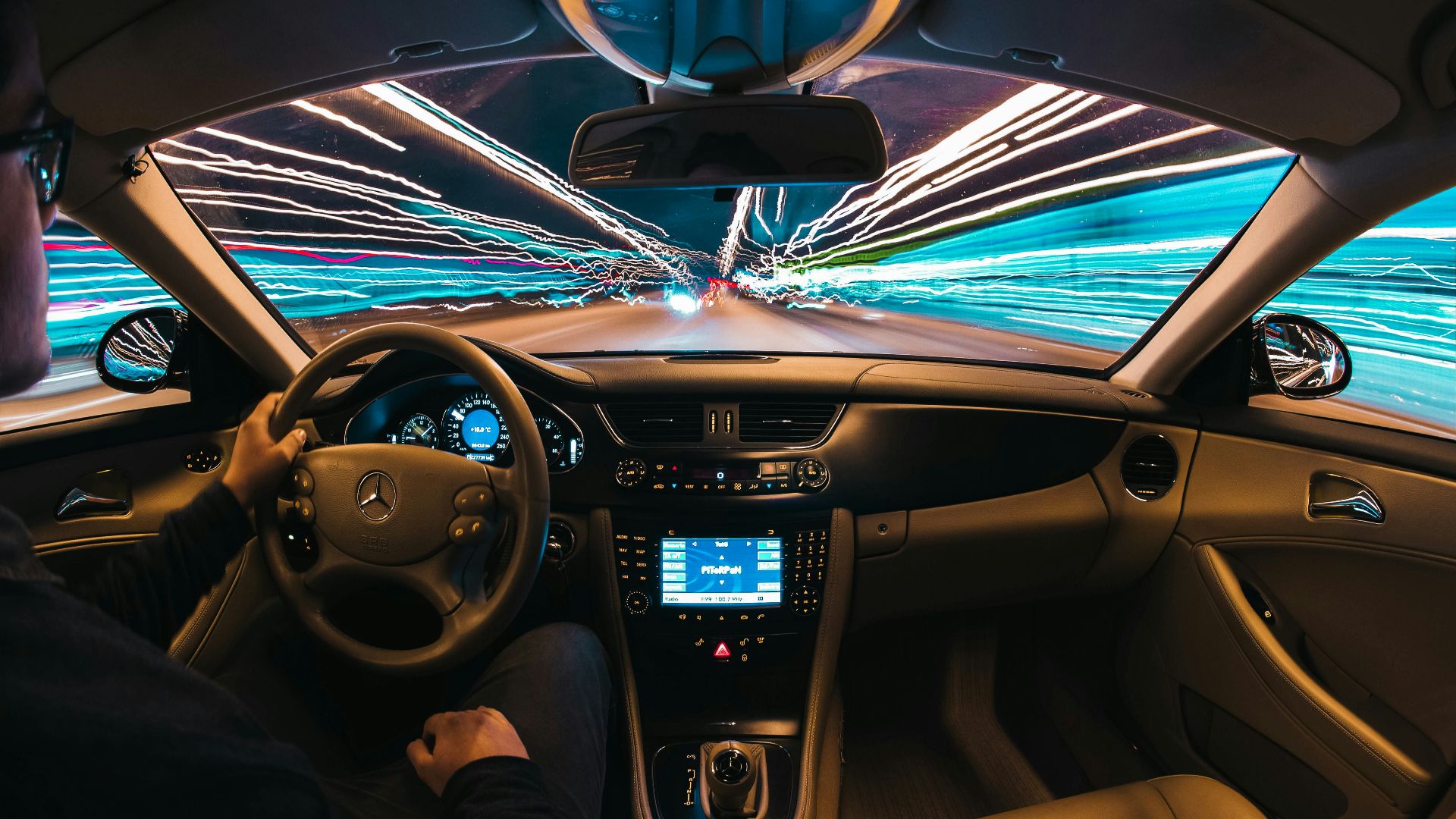 Samuele Errico Piccarini on Unsplash
11. Your Relationship With Routine
Daily drives can become automatic or stay slightly intentional. Some people move through them without thinking, others stay engaged with the process. It shows how you handle repetition.

12. How You Use Small Windows of Time
A short drive can feel like wasted time or like a chance to reset. What you do with that space—thinking, listening, or just sitting—reveals how you treat in-between moments. It’s more telling than it seems.
13. Your Threshold for Risk
Every decision on the road carries some level of risk, even small ones. Whether you play it safe or push limits shows up in subtle ways. It often mirrors choices you make outside the car.
14. How You React to Other People’s Behavior
Other drivers will do unpredictable things, and you don’t get to control that. Your response—frustration, patience, or indifference—says more about you than it does about them. It’s a constant test of perspective.
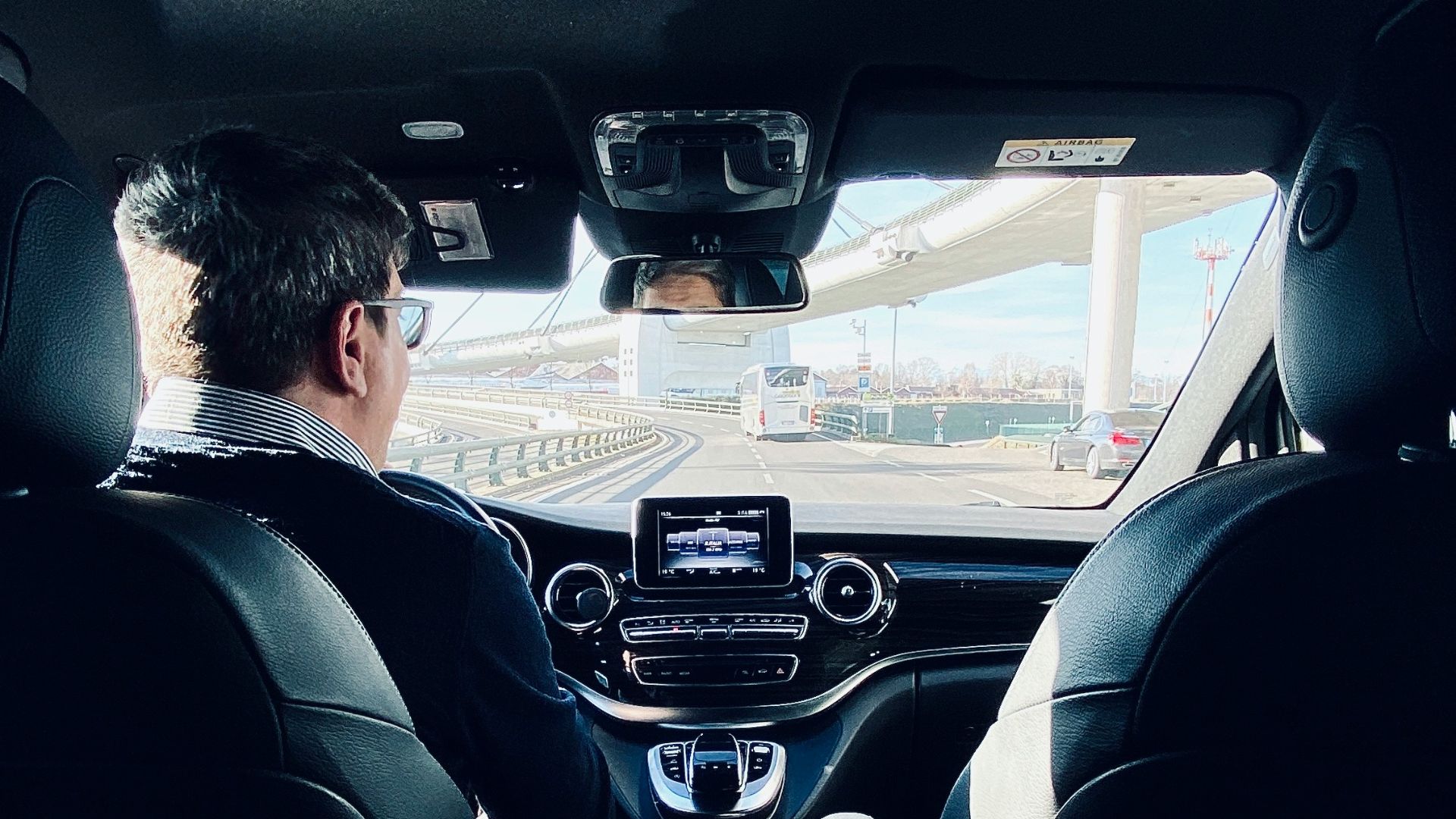
15. Your Organizational Habits
The inside of your car tends to reflect your baseline level of order. Clean and minimal or cluttered and scattered, it usually isn’t random. It’s a small extension of how you manage your environment.
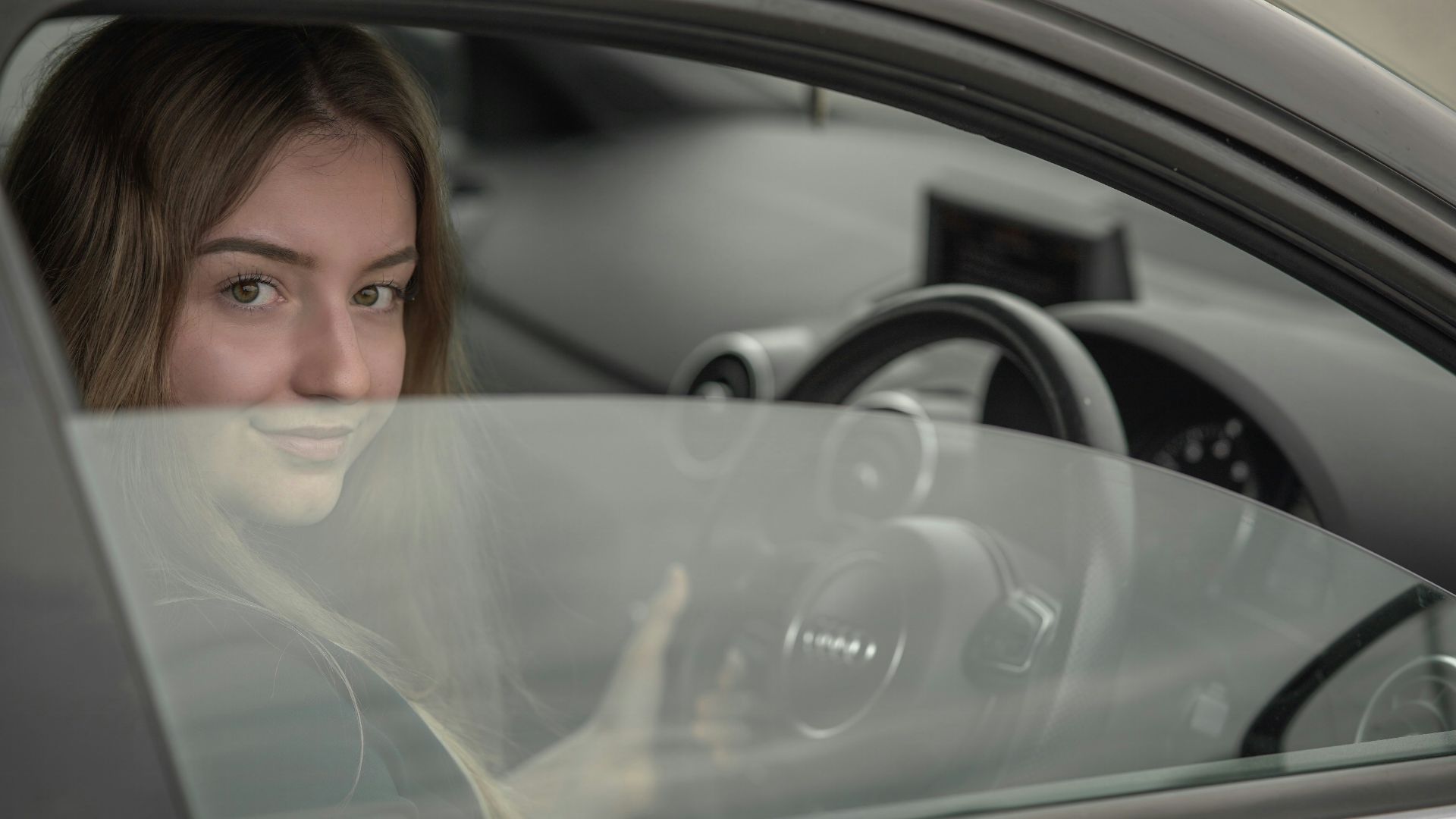
16. Your Need for Efficiency
Some people optimize every route, tracking time and avoiding delays. Others take a more relaxed approach, letting the drive unfold. It reveals how strongly you prioritize efficiency in general.

17. How You Transition Between Roles
The car often sits between different parts of your day—work, home, errands. How easily you shift from one mindset to another during that time says a lot about your flexibility. Some people carry everything with them, others reset.
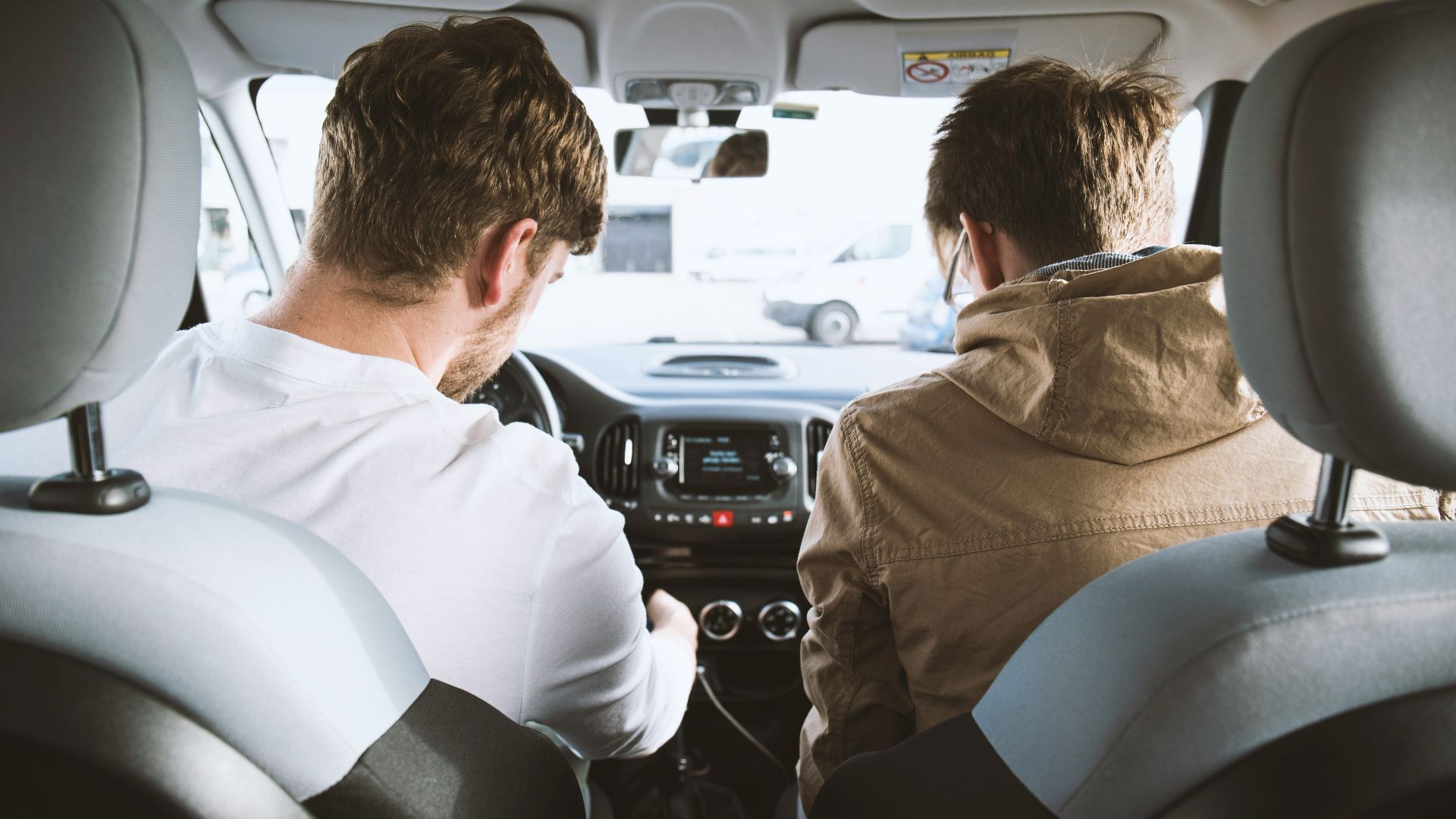
18. Your Emotional Carryover
Whatever you’re feeling tends to follow you into the car. The drive either amplifies it or gives you space to let it settle. How that plays out shows how well you process emotions in motion.
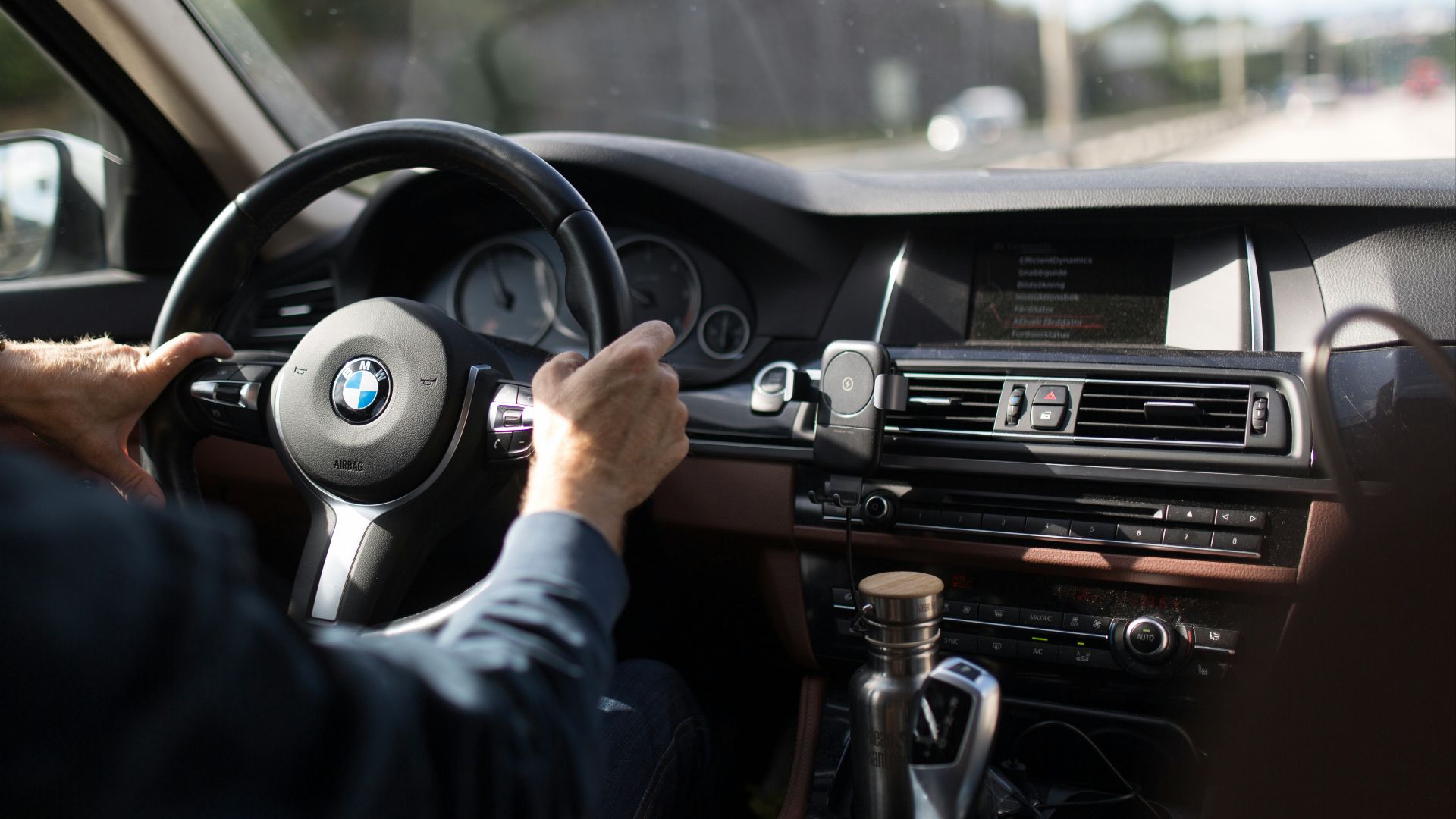
19. Your Awareness of Surroundings
Good driving requires noticing small details—movement, distance, timing. The level of awareness you bring to that reflects how observant you tend to be overall. It’s attention in practice.

20. Your Ability to Let Things Go
On the road, holding onto every irritation just makes the drive worse. Letting things pass is often the only way forward. That ability—or difficulty—usually shows up far beyond the car.