Don't Get Caught Off-Guard at the End of a Lease
Leasing a car can feel straightforward at the beginning, but the end of the term often comes with details that many drivers don’t fully anticipate. Fees, inspections, and contract terms can lead to unexpected costs if you’re not prepared. The good news is that most of these surprises are avoidable with a bit of planning and awareness. Here are twenty common lease-end surprises and how you can stay ahead of them.
 Antoni Shkraba Studio on Pexels
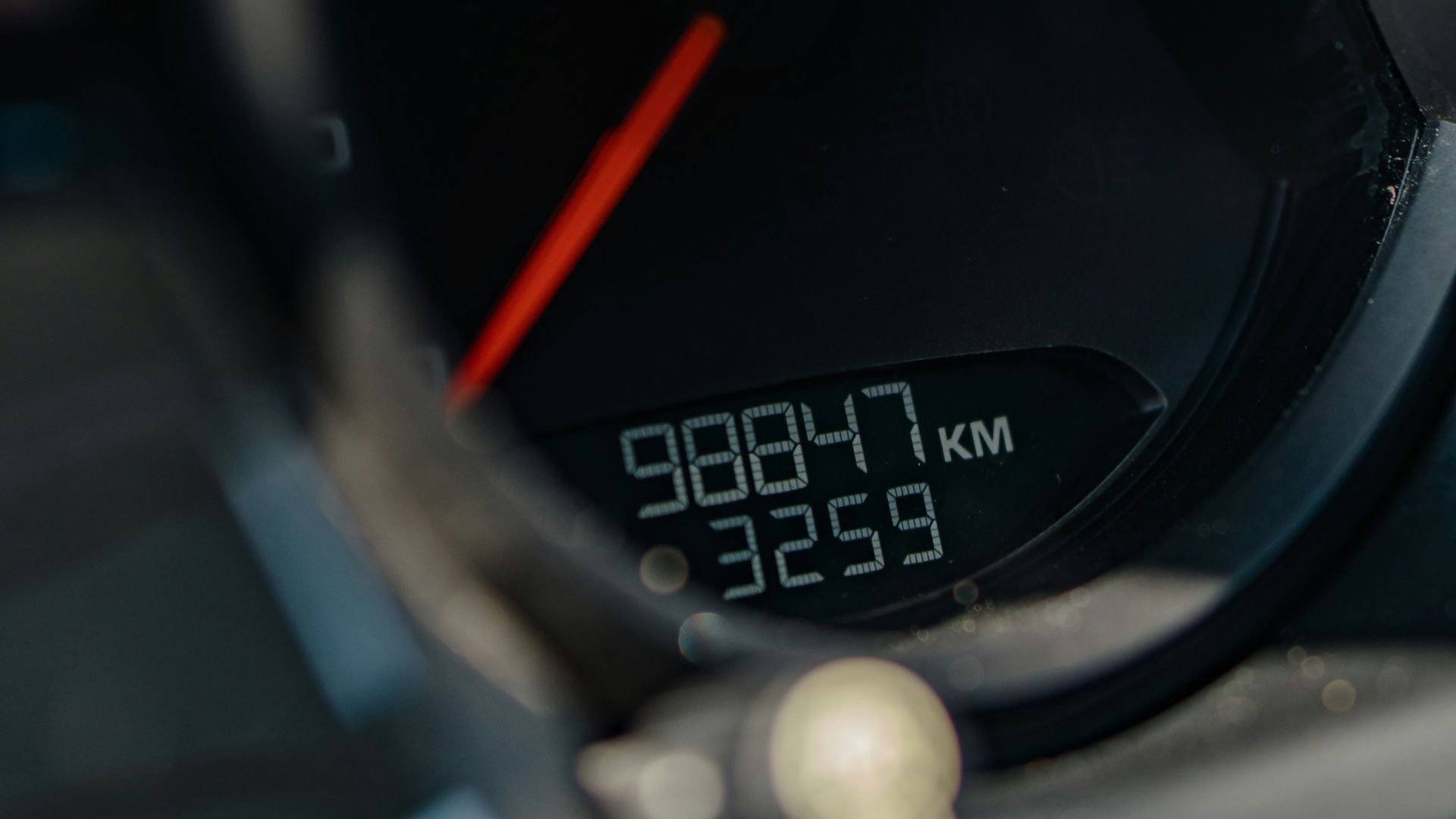
1. Excess Mileage Charges
Going over your mileage limit can result in per-mile fees that add up quickly. These charges are clearly outlined in your lease agreement, but are easy to underestimate over time.
2. Unexpected Wear-and-Tear Fees
Small dents, scratches, and interior damage can lead to charges at lease-end. What seems minor to you may be classified as excessive by the leasing company. These costs can vary depending on the severity and location of the damage.

3. Tire Condition Penalties
Leases typically require tires to meet minimum tread depth standards. Worn-out tires can result in replacement charges at dealership pricing. These costs are often higher than what you’d pay elsewhere. Many drivers overlook tire wear until the final inspection. Checking tire condition a few months before your lease ends can help. Also, replacing them at a trusted shop may save you money.

4. Disposition Fee
This is a standard fee charged when you return the vehicle and don’t lease or buy another one from the same brand. It covers the cost of preparing the car for resale. Many drivers aren’t aware of this fee until the end. It’s usually listed in your contract, but easy to forget. Some dealerships waive it if you stay with the brand. Asking about this option ahead of time can help you plan.

5. Missing Maintenance Records
Failing to keep up with scheduled maintenance can lead to penalties. Leasing companies expect proof that the car was properly cared for. Without records, they may assume neglect, resulting in additional charges or reduced value. Keeping receipts and service logs is important throughout the lease. Staying on schedule also helps avoid larger issues later.

6. Early Termination Fees
Ending your lease before the agreed term can be expensive. These fees often include remaining payments and additional penalties. Many drivers underestimate how costly early termination can be.

7. Lease-End Purchase Price Confusion
The buyout price is set at the beginning of the lease, but some drivers expect it to reflect the current market value. This can lead to confusion if the price feels higher than expected. The residual value is fixed and non-negotiable in most cases. Understanding this early helps manage expectations. Reviewing your contract will clarify the amount, and comparing it to market prices can help you decide whether to buy.

8. Cleaning and Detailing Charges
Returning a vehicle in poor condition can lead to cleaning fees. Excess dirt, stains, or odors may require professional detailing. These costs can be higher than expected.

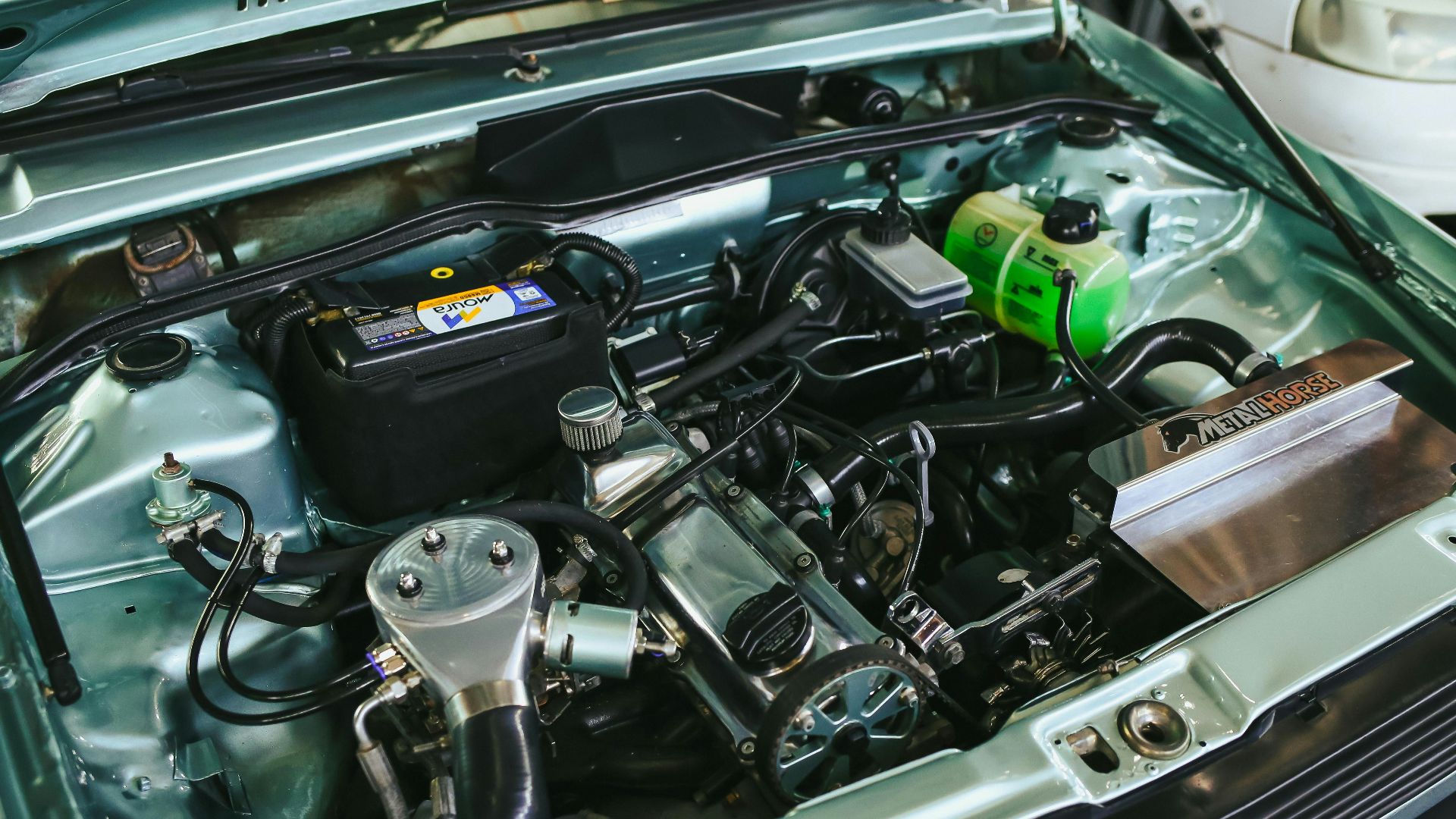
9. Aftermarket Modifications
Adding custom parts or modifications can lead to penalties if the car isn’t returned to its original condition. Leasing companies expect the vehicle to match factory specifications. Removing modifications can take time and money.
10. Lease-End Inspection Surprises
The final inspection can reveal issues you didn’t notice, leading to unexpected charges. Many drivers are caught off guard by the results. Be aware that the standards may feel stricter than anticipated.

11. Excessive Interior Wear
Stains, tears, or damage to seats and trim can result in fees. Interior condition is assessed just as closely as the exterior. Every day use can sometimes lead to unexpected wear.

12. Unreturned Accessories
Missing items like keys, floor mats, or cargo covers can lead to replacement charges. These items are expected to be returned with the vehicle. Losing them over time is more common than you might think. Replacement costs through the dealership can be high, so keeping all original items in a safe place is a good habit.

13. Registration or Ticket Issues
Outstanding tickets or registration problems can delay the lease return process. These issues may also result in additional fees. Some drivers forget to resolve them before returning the car.

14. Gap Between Lease and Next Vehicle
If your lease ends before your next car is ready, you may face transportation challenges, as this gap can lead to unexpected rental costs. Timing isn’t always as smooth as expected and planning can help avoid inconvenience. Discussing extension options with your leasing company is useful.

15. Insurance Coverage Changes
Letting your insurance lapse before returning the vehicle can create complications. Coverage is typically required until the lease officially ends. Some drivers cancel too early.

16. Wear on Brakes and Mechanical Parts
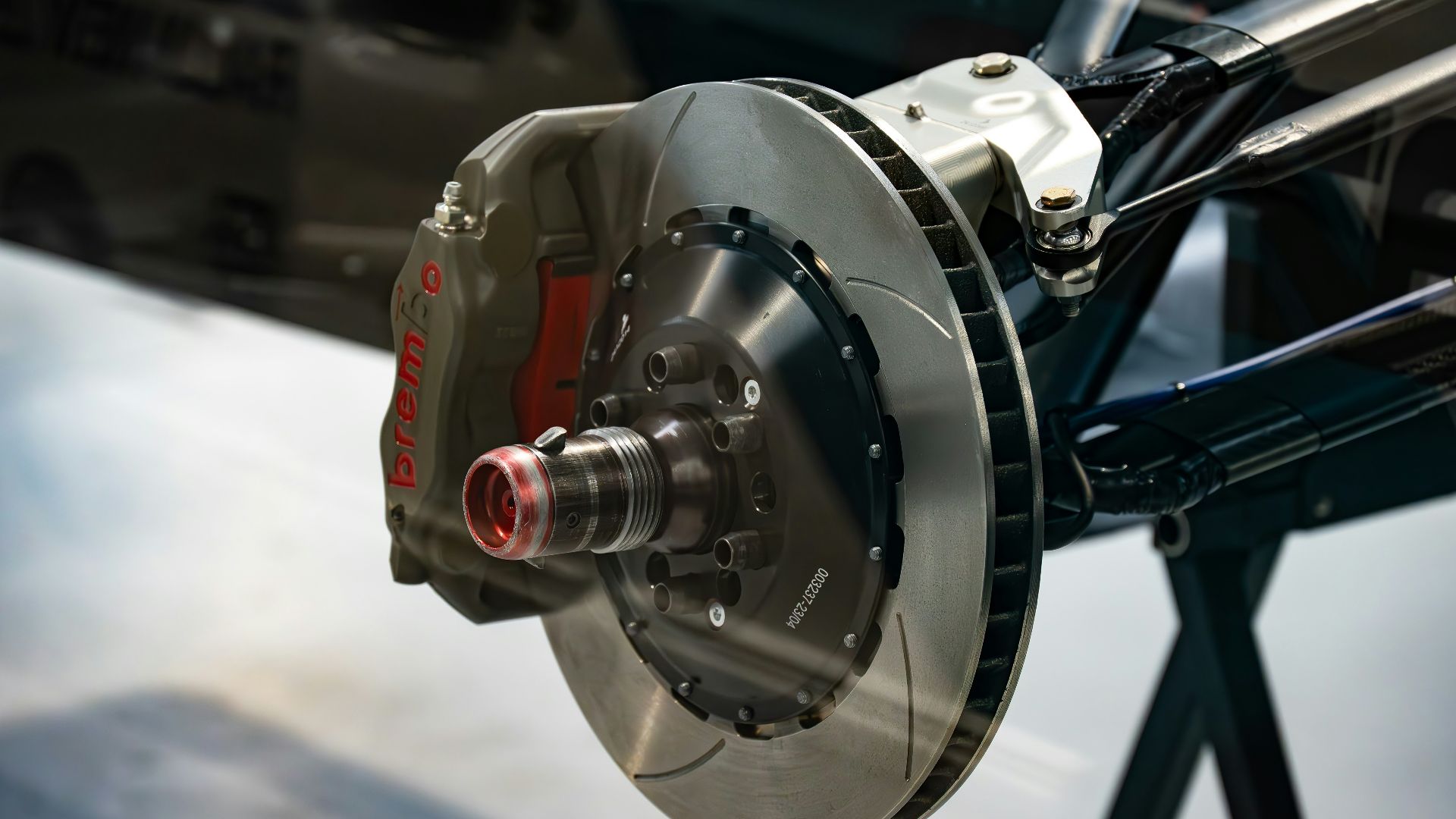
Excessive wear on components like brakes may result in charges. These parts are expected to be in reasonable condition. Delaying maintenance can lead to higher costs later.
17. Fees for Late Return
Returning the vehicle after the lease term can result in daily fees, and even a short delay can lead to added costs. Some drivers assume there’s a grace period. This isn’t always the case.
18. Confusion About Lease-End Options
Some drivers aren’t fully aware of their options at the end of the lease. These can include buying, returning, or leasing another vehicle. Lack of clarity can lead to rushed decisions.

19. Market Value Misalignment
The car’s market value at lease-end may differ from expectations. In some cases, the buyout price may be higher or lower than the current value. This can influence your decision.

20. Documentation Delays
Missing or incomplete paperwork can slow down the return process. This may lead to additional time or fees. Drivers sometimes underestimate how much documentation is required.