What The Car Tells You
Shopping for a used car is less about what’s listed on the page and more about what the car quietly reveals once you’re standing in front of it. Mileage, year, and trim only tell part of the story—the rest comes down to how it was treated day in and day out. Some cars feel tight, consistent, and predictable, like they were driven and maintained with a bit of care. Others give off small warning signals almost immediately, things that don’t quite add up or feel slightly off even if you can’t name it right away. The difference usually comes down to habits, not luck. Here are ten signs a car has been pushed too hard, and ten signs that it's been properly looked after.
 Swansway Motor Group on Unsplash
1. Worn Driver’s Seat And Steering Wheel
Heavy wear on the driver’s seat and steering wheel can tell you more than the odometer does. If the seat is deeply creased, flattened, or sagging while the mileage seems moderate, it often points to long, hard use—think constant commuting, rideshare driving, or just someone who spent a lot of time behind the wheel without much care for the interior. The steering wheel can be even more revealing, especially if it’s overly shiny, peeling, or unevenly worn, suggesting frequent, rough handling rather than normal daily driving.

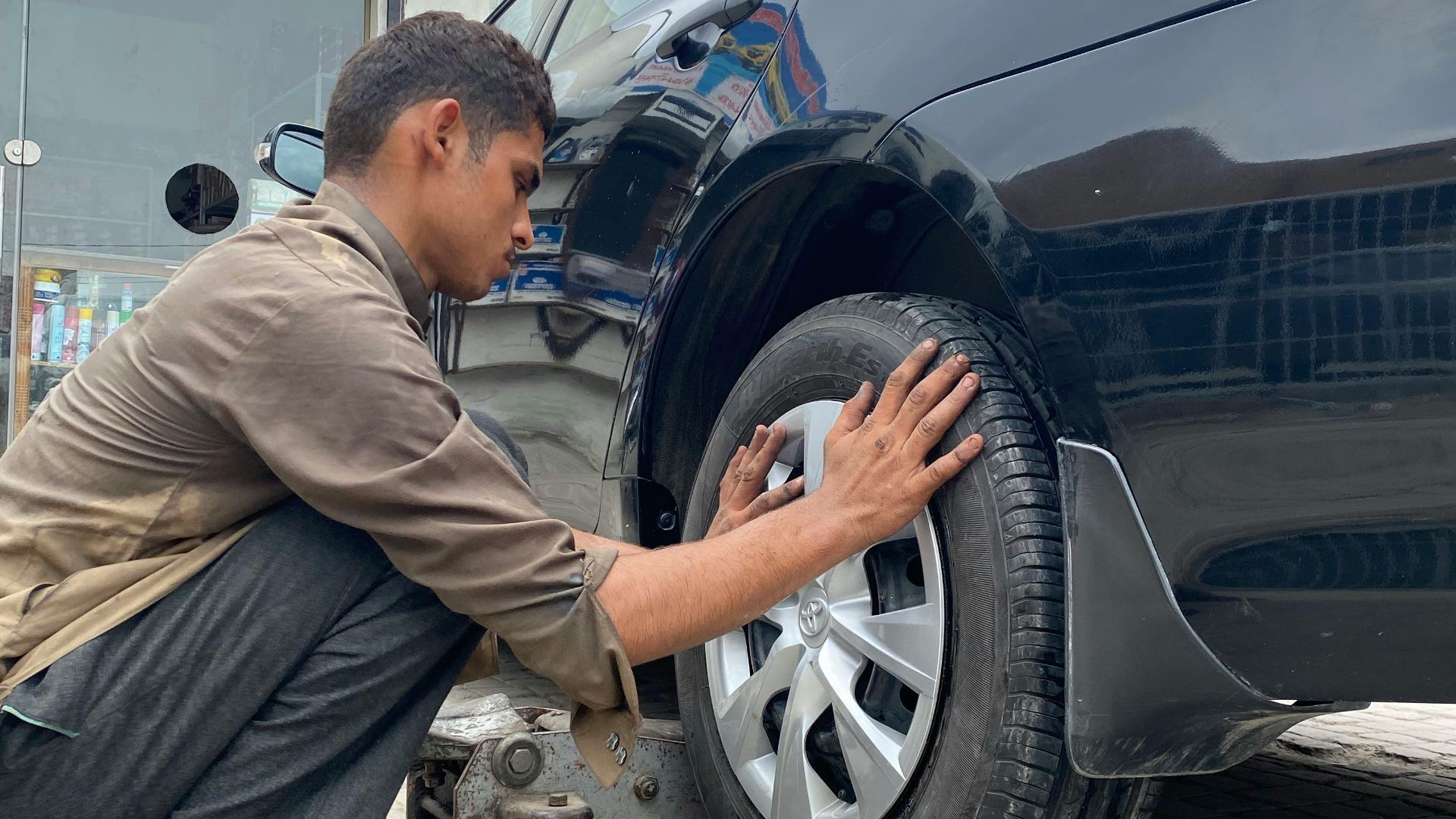
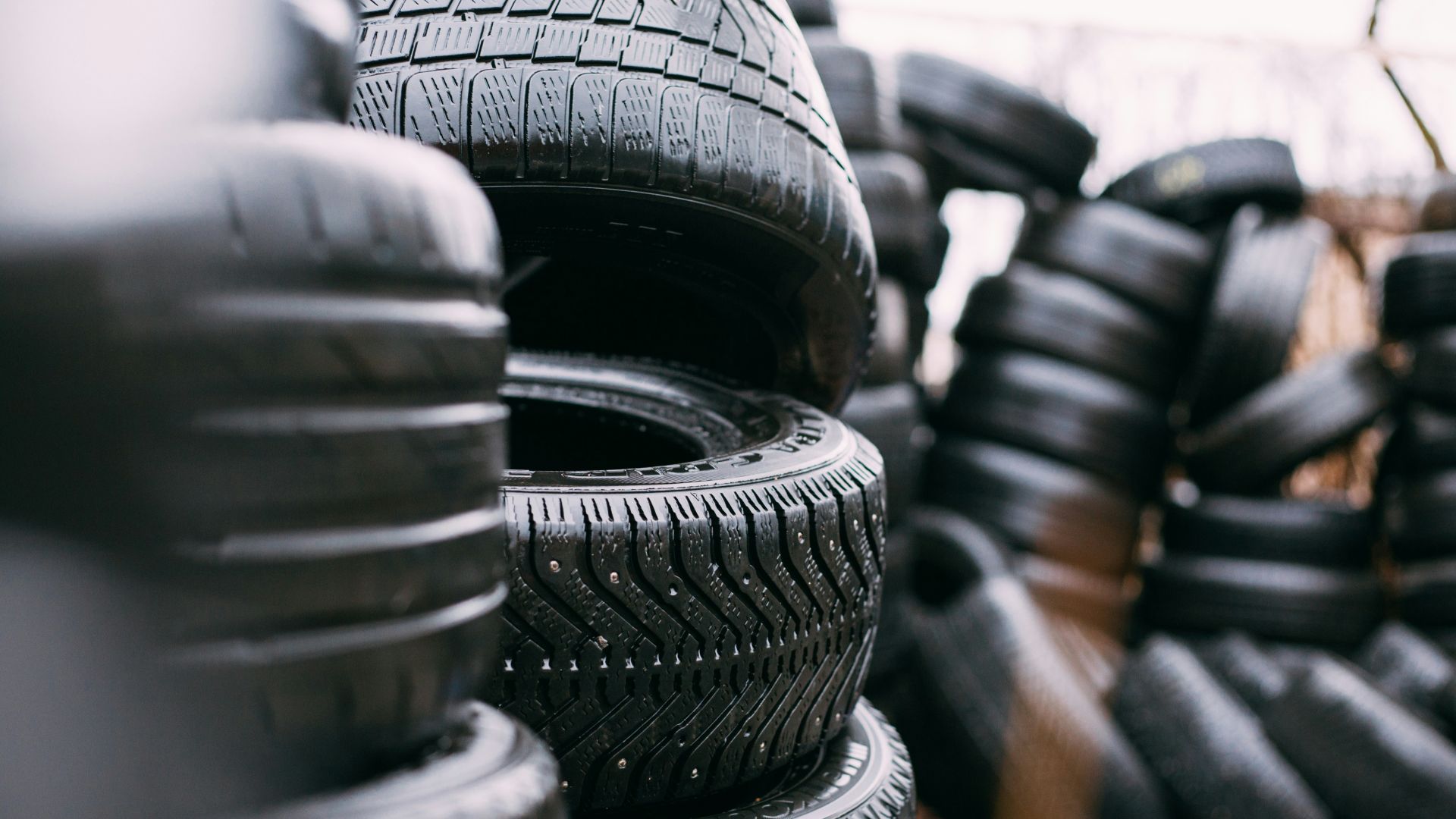
2. Uneven Tire Wear
Tires rarely lie. If you notice one side more worn than the other, or inconsistent wear across all four tires, it usually points to neglected alignment, skipped rotations, or aggressive cornering habits. It’s the kind of thing that doesn’t happen overnight, which means it often reflects a pattern of ignoring routine maintenance rather than a one-off issue.
 Muhammad Khawar Nazir on Pexels
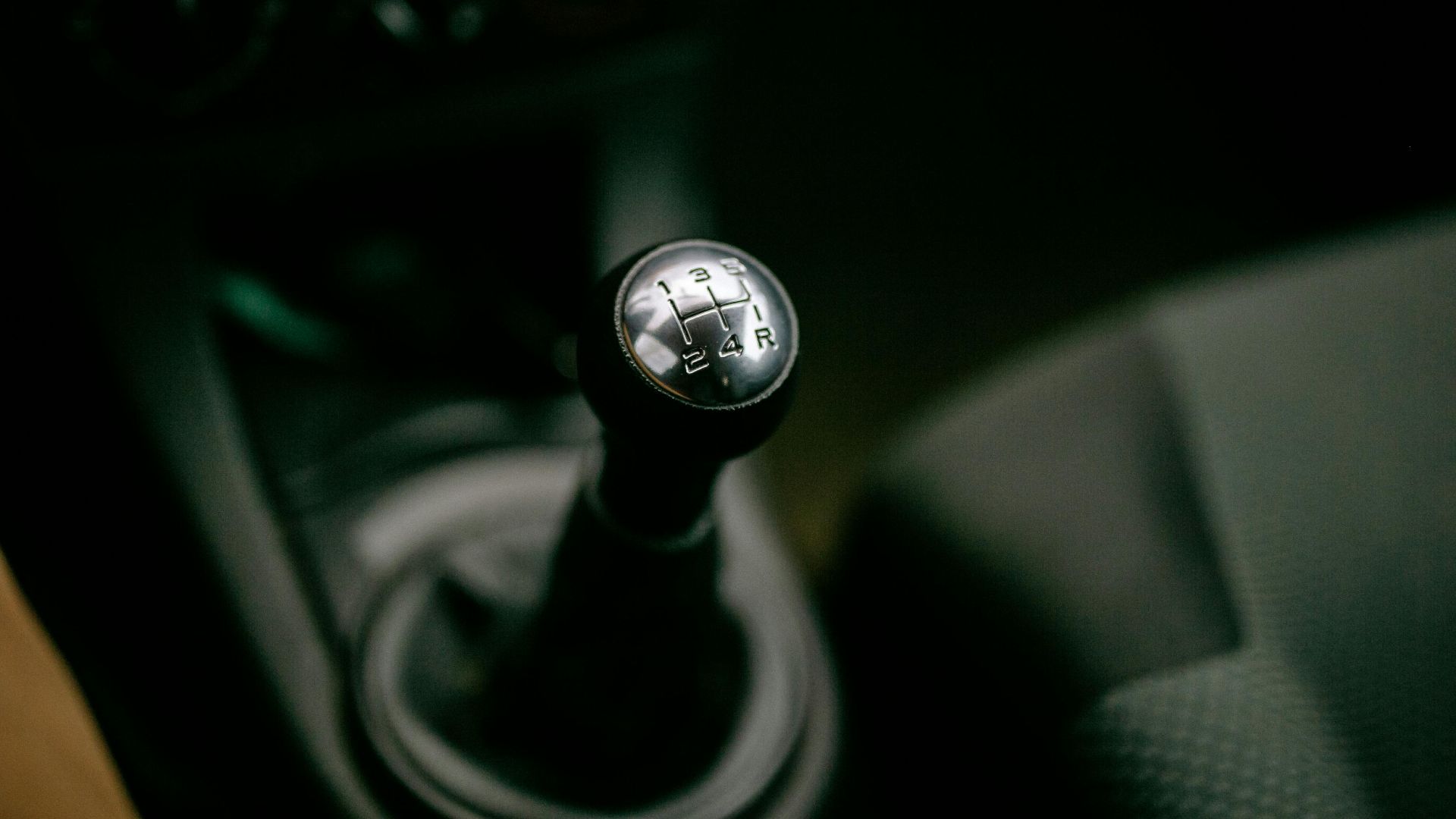
3. Rough Or Delayed Shifting
During a test drive, a transmission that hesitates, jerks, or shifts unpredictably is a major red flag. It can signal hard driving habits, like rapid acceleration or inconsistent throttle use, but also missed servicing intervals that slowly wore the system down. Even subtle delays or clunky transitions between gears can hint at deeper wear that won’t fix itself.
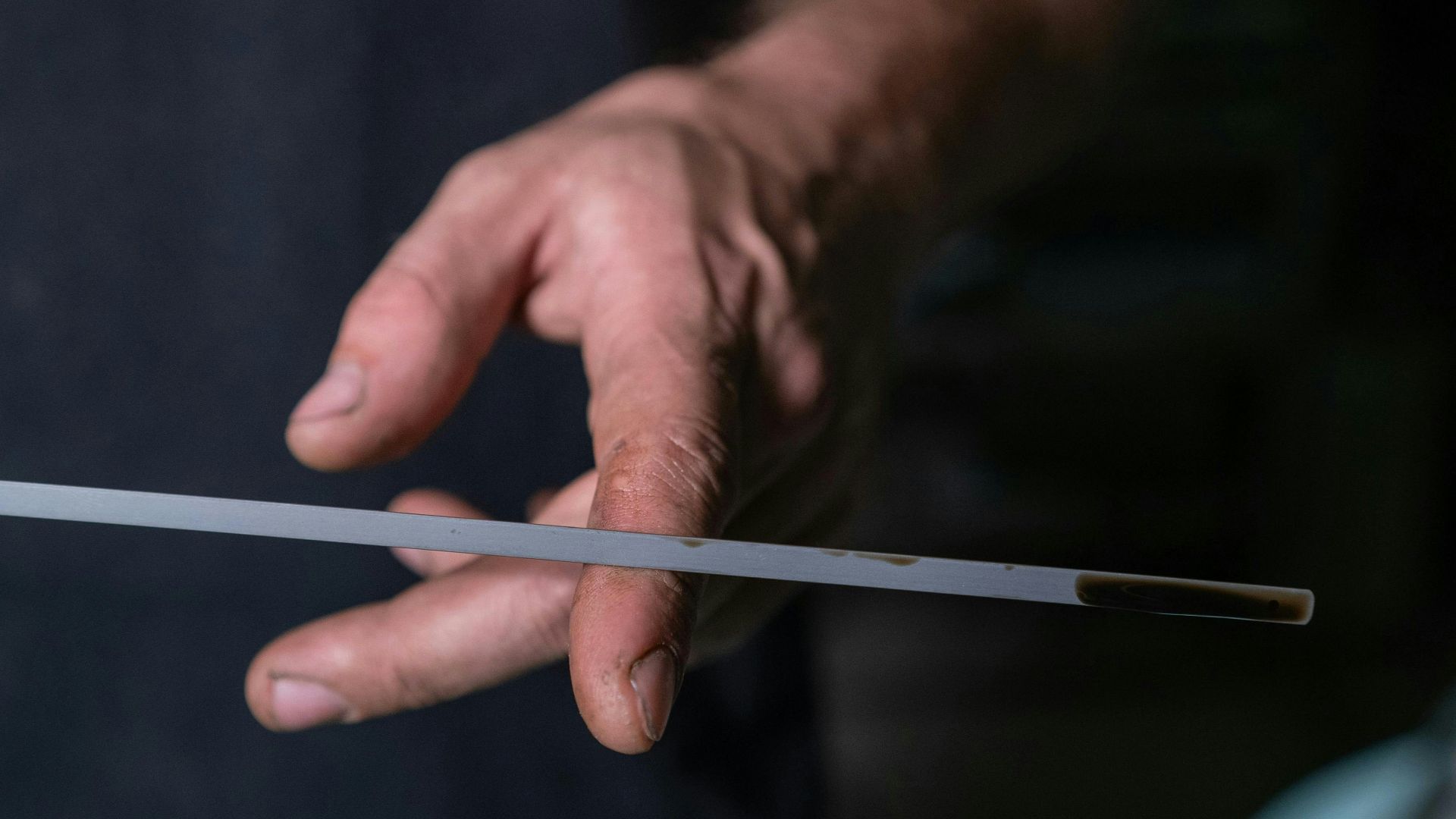
4. Burnt Or Dirty Oil
Checking the oil takes seconds but can reveal years of neglect. Oil that’s thick, dark, or smells burnt suggests it wasn’t changed regularly, which allows internal components to wear faster than they should. Over time, that kind of neglect builds up into problems that don’t always show immediately but tend to surface later, and often expensively.
 Tepalai Automobiliams on Unsplash
5. Mismatched Or Cheap Parts
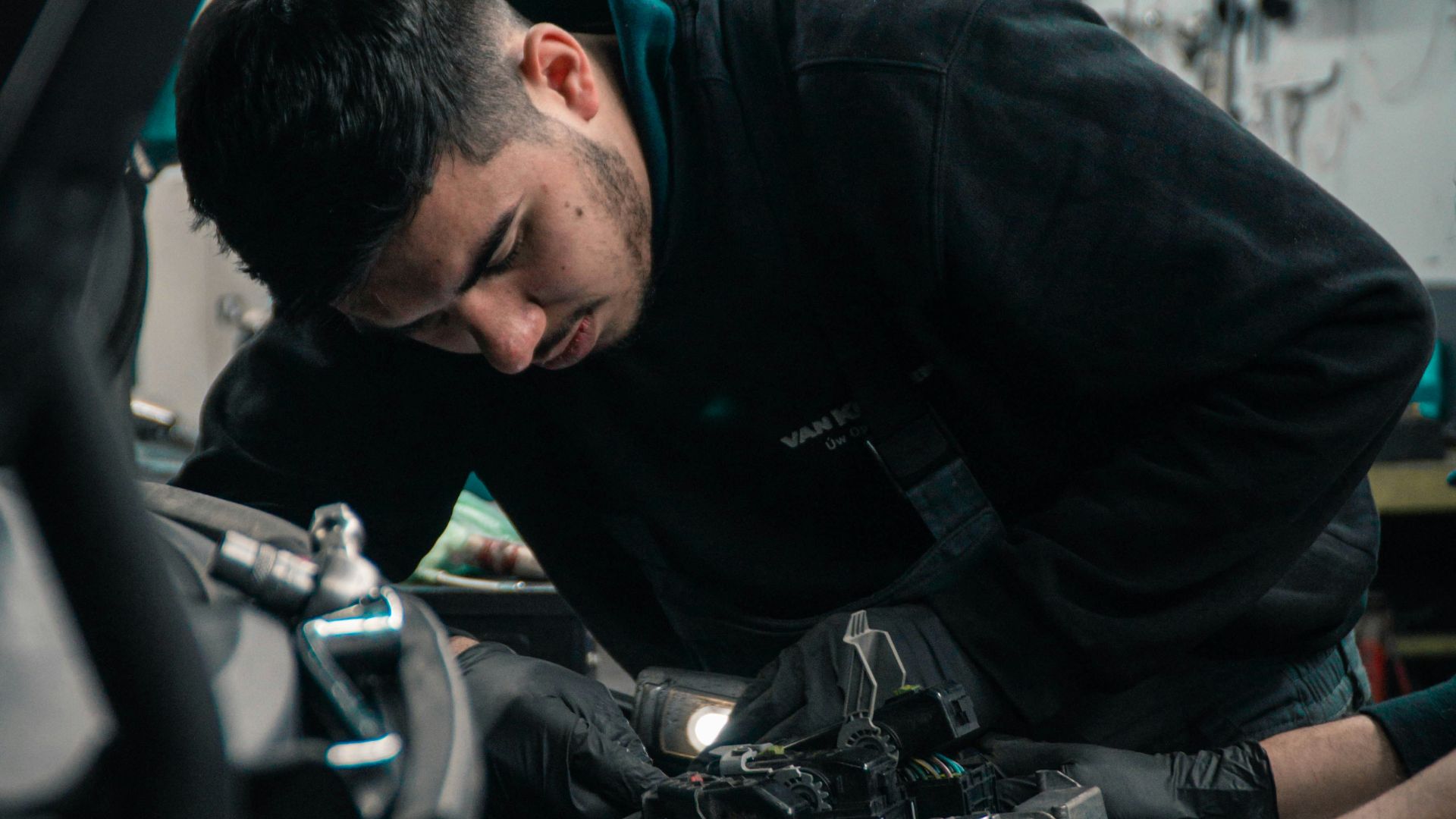
Pop the hood and look for inconsistency—different brands of components, low-quality replacements, or parts that don’t quite match. This often points to quick, budget repairs instead of proper maintenance, where the goal was to get the car running again rather than keep it running well long-term. It’s not always a dealbreaker, but it’s rarely a good sign.

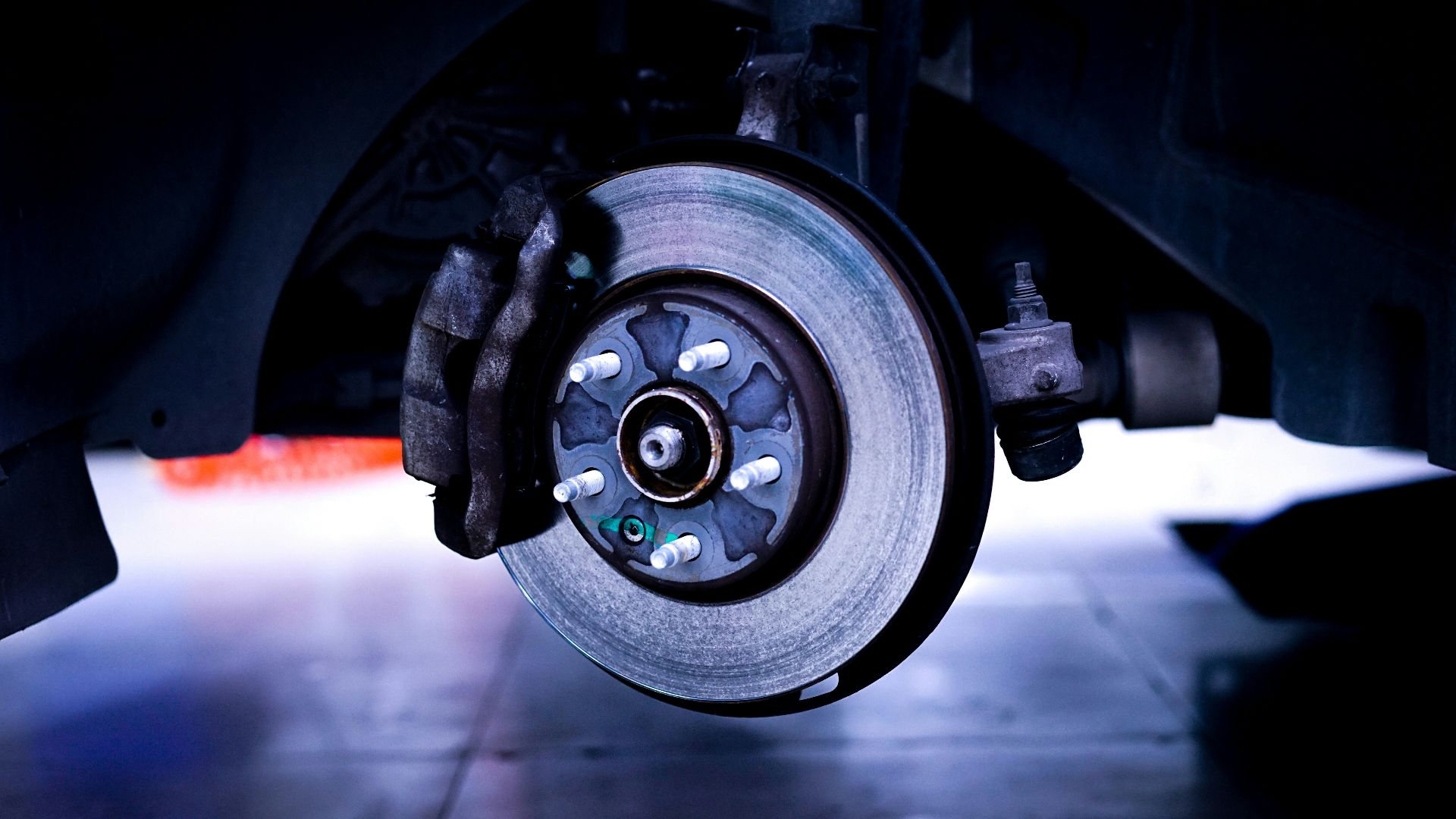
6. Excessive Brake Wear
If the brakes feel soft, make noise, or seem worn out sooner than expected, it can reflect both driving style and maintenance habits. Frequent hard braking, delayed pad replacements, or ignoring warning signs all leave a trace here. It’s one of the more immediate ways abuse shows up, because brakes don’t hide neglect for long.
7. Neglected Interior
The interior often mirrors the owner’s overall approach to the car. Stains, odors, worn carpets, and general clutter aren’t just cosmetic issues—they suggest a pattern of neglect. If the owner didn’t bother keeping the inside clean, there’s a fair chance the mechanical side wasn’t a priority either.

8. Engine Noise At Idle
A healthy engine should sound steady and controlled, even at idle. Knocking, ticking, or uneven vibrations can indicate wear from poor maintenance, low oil levels, or internal damage that’s been building over time. These aren’t the kinds of sounds you want to ignore, especially if they’re noticeable without trying.
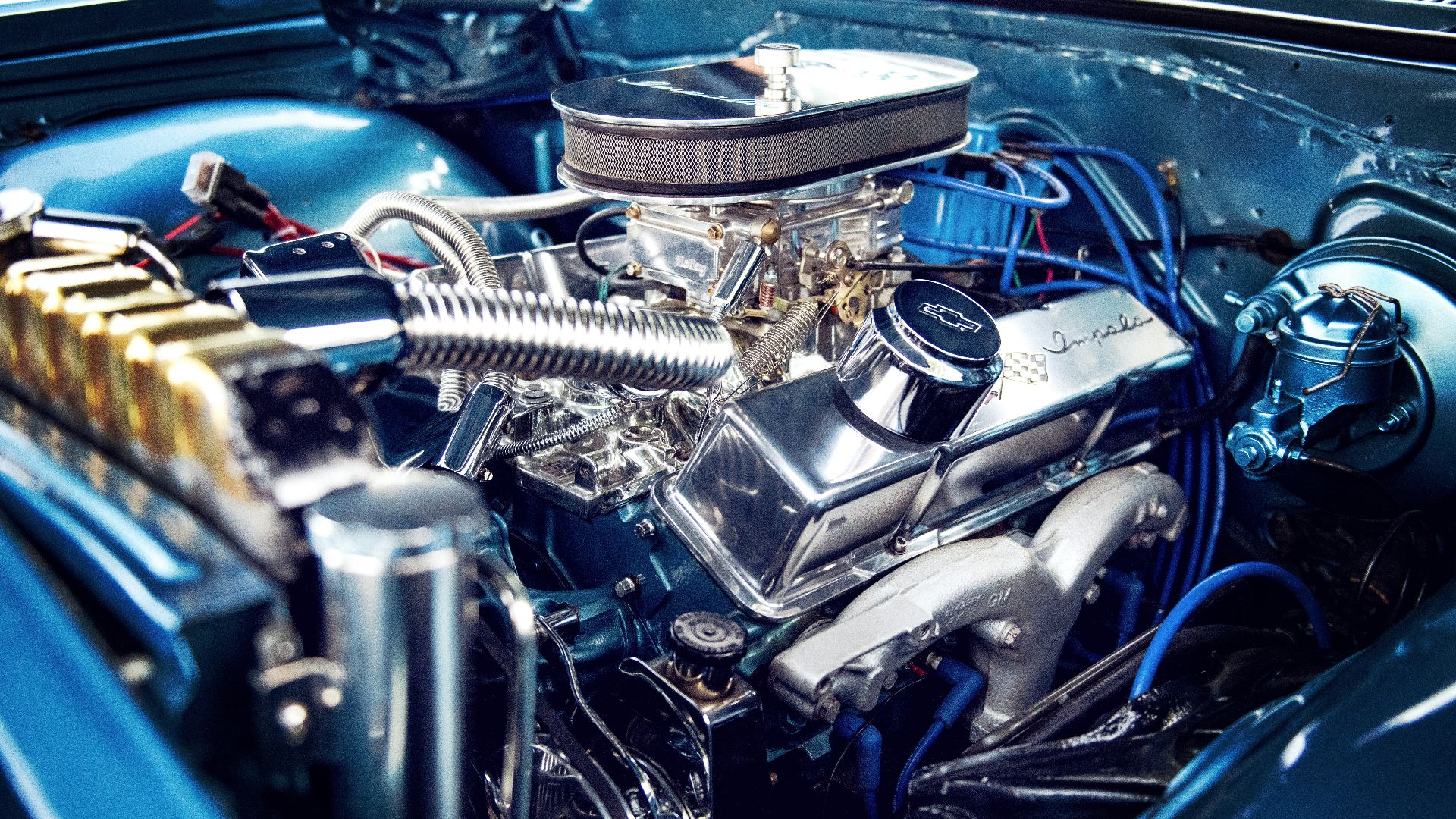
9. Poor Aftermarket Modifications
Not all modifications are bad, but sloppy ones usually are. Cheap performance upgrades, poorly installed parts, or visible wiring shortcuts can suggest the car was driven harder than intended and not always put back together properly. It adds uncertainty, especially if you can’t trace what was changed or why.

10. Missing Or Spotty Service Records
A lack of service history makes everything else harder to trust. When records are incomplete or inconsistent, it often means maintenance was skipped or done irregularly rather than just poorly documented. You’re left guessing about what was actually done, which is rarely where you want to be.
Some cars, though, tell a completely different story the moment you start looking a little closer. Here are ten signs a car wasn't cared for all that well.

1. Consistent Service Records
A complete set of service records is one of the clearest signs a car was cared for properly. Regular oil changes, documented inspections, and timely repairs show that the owner stayed ahead of problems instead of waiting for them to appear. It reflects a mindset that values longevity over convenience.
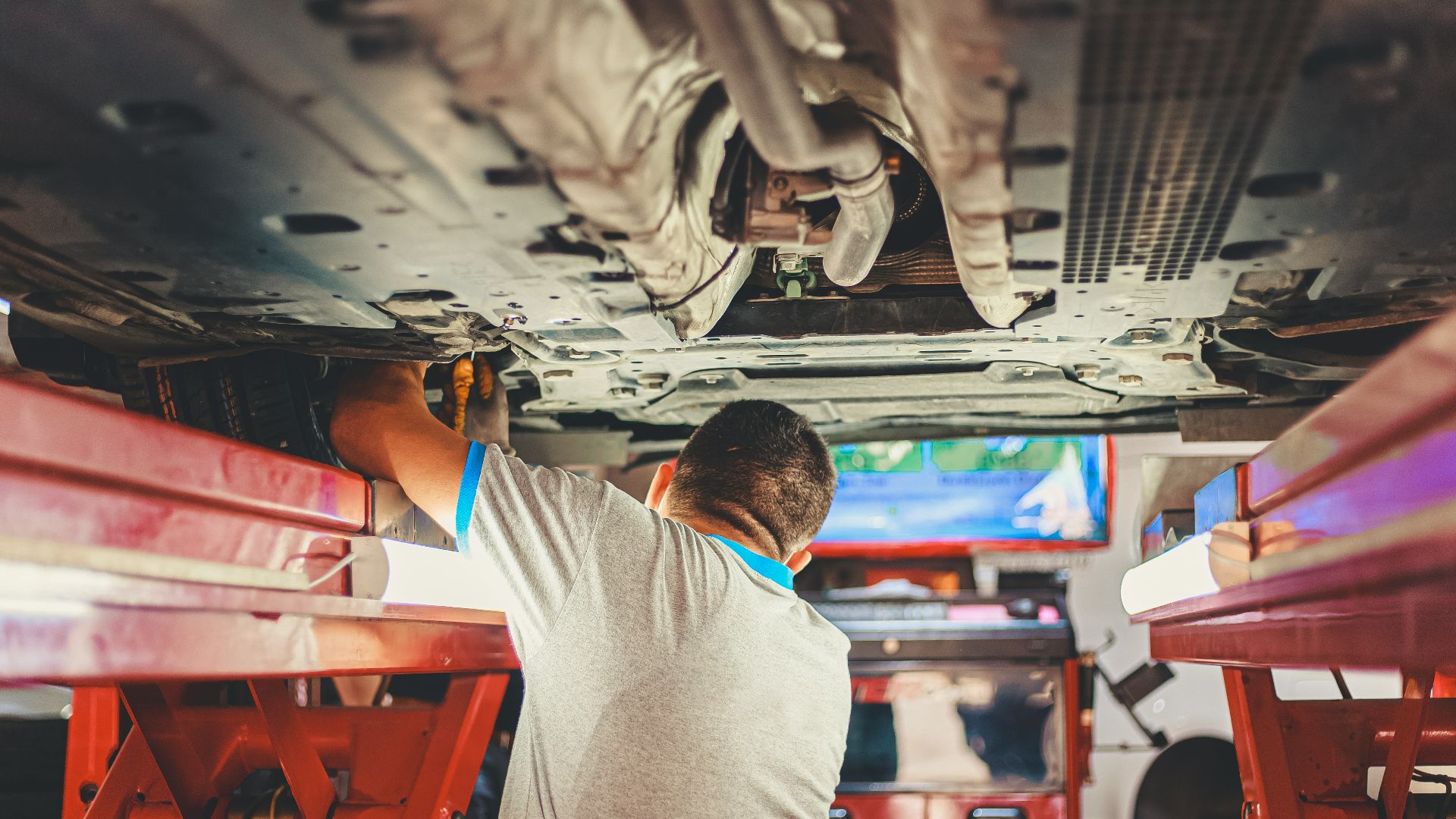
2. Even Tire Wear
Tires that wear evenly across all four corners suggest routine rotations, proper alignment, and generally steady driving habits. It’s a small detail, but it speaks to consistent maintenance over time rather than reactive fixes.
3. Clean, Organized Engine Bay
A clean engine bay doesn’t mean it was obsessively detailed, but it does suggest awareness. When things are tidy and free of excessive grime, it’s easier to spot leaks, wear, or early issues, which means the owner likely paid attention before small problems became big ones.

4. Smooth, Predictable Driving Feel
A well-maintained car feels settled on the road. Acceleration is steady, braking is responsive, and shifts happen smoothly without hesitation. Nothing feels forced or strained, even when you push it slightly during a test drive.

5. Quality Replacement Parts
When repairs have been done using reputable, consistent parts, it shows the owner wasn’t cutting corners. Matching components and recognizable brands suggest the car was maintained with reliability in mind rather than short-term savings.
6. Well-Kept Interior
An interior that still feels intact—seats holding their shape, controls functioning smoothly, surfaces not overly worn—usually reflects a higher level of care overall. It’s less about perfection and more about consistency, where nothing feels ignored.

7. Quiet, Stable Engine
A quiet engine, both at idle and under load, is one of the strongest indicators of proper maintenance. It suggests regular oil changes, timely servicing, and attention to how the car runs over time, rather than reacting only when something goes wrong.

8. Matching Tire Set
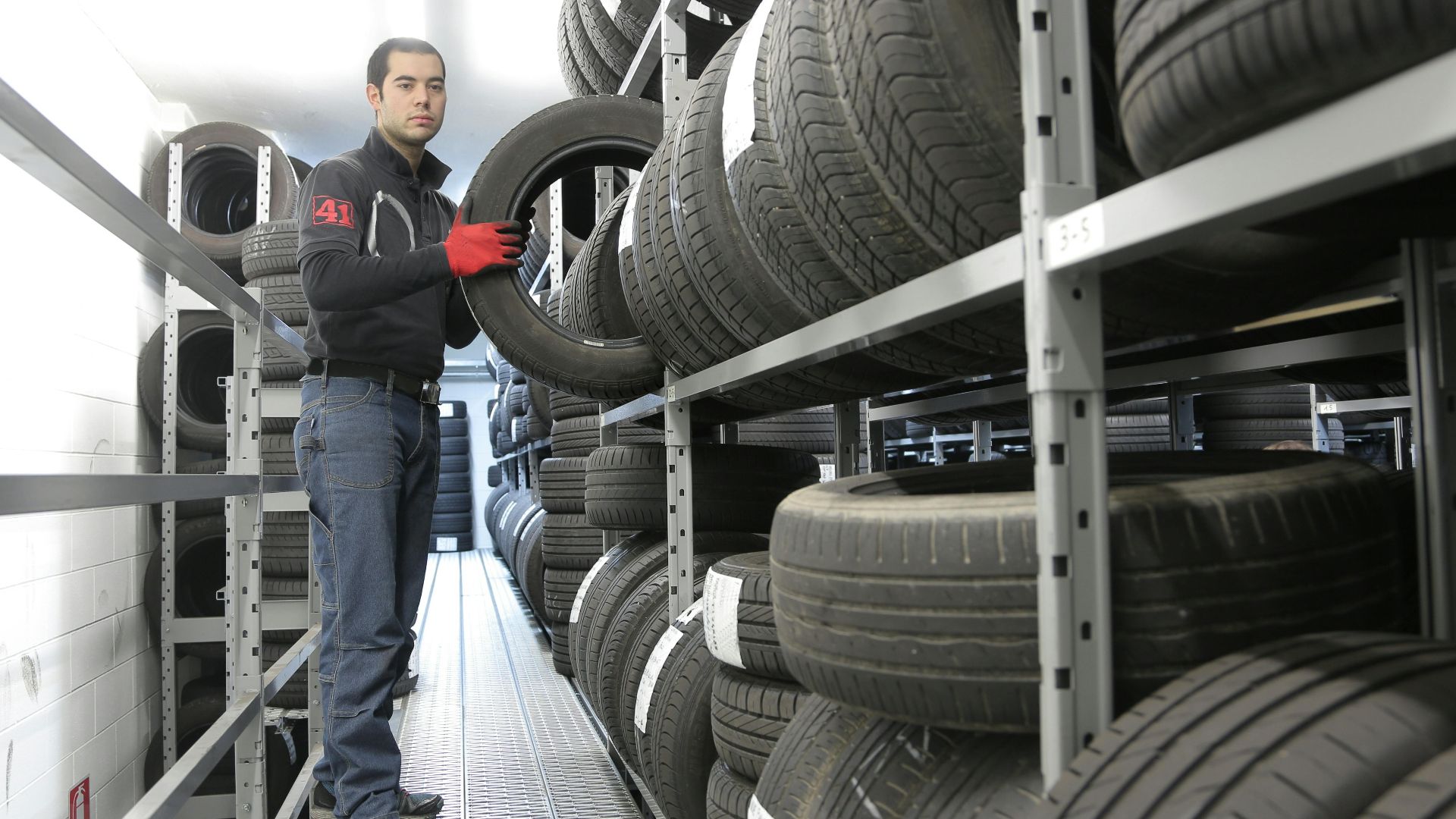
A full set of matching tires, especially from a known brand, shows the owner replaced them properly rather than one at a time. It’s a small investment that points to a bigger pattern of doing things the right way instead of the cheapest way.
9. Natural Wear Patterns
A well-loved car shows wear, but it’s even and expected. There are no sharp inconsistencies or signs of stress—just gradual use that lines up with the car’s age and mileage, nothing more and nothing less.

10. Knowledgeable Owner
When a seller can speak clearly about maintenance, past repairs, and even small quirks, it usually reflects real familiarity. That kind of awareness tends to come from paying attention over time, and it often shows up in the condition of the car itself.