The Daily Transit Struggle
Public transit is sold as the smart, civic-minded choice—but for many riders, it feels like a daily endurance test. What should be simple mobility becomes stress and resentment, and after enough bad mornings, people just give up. They find other ways to get around and don’t look back. Here are 20 reasons why so many commuters hate taking public transit.
1. Unreliable Schedules
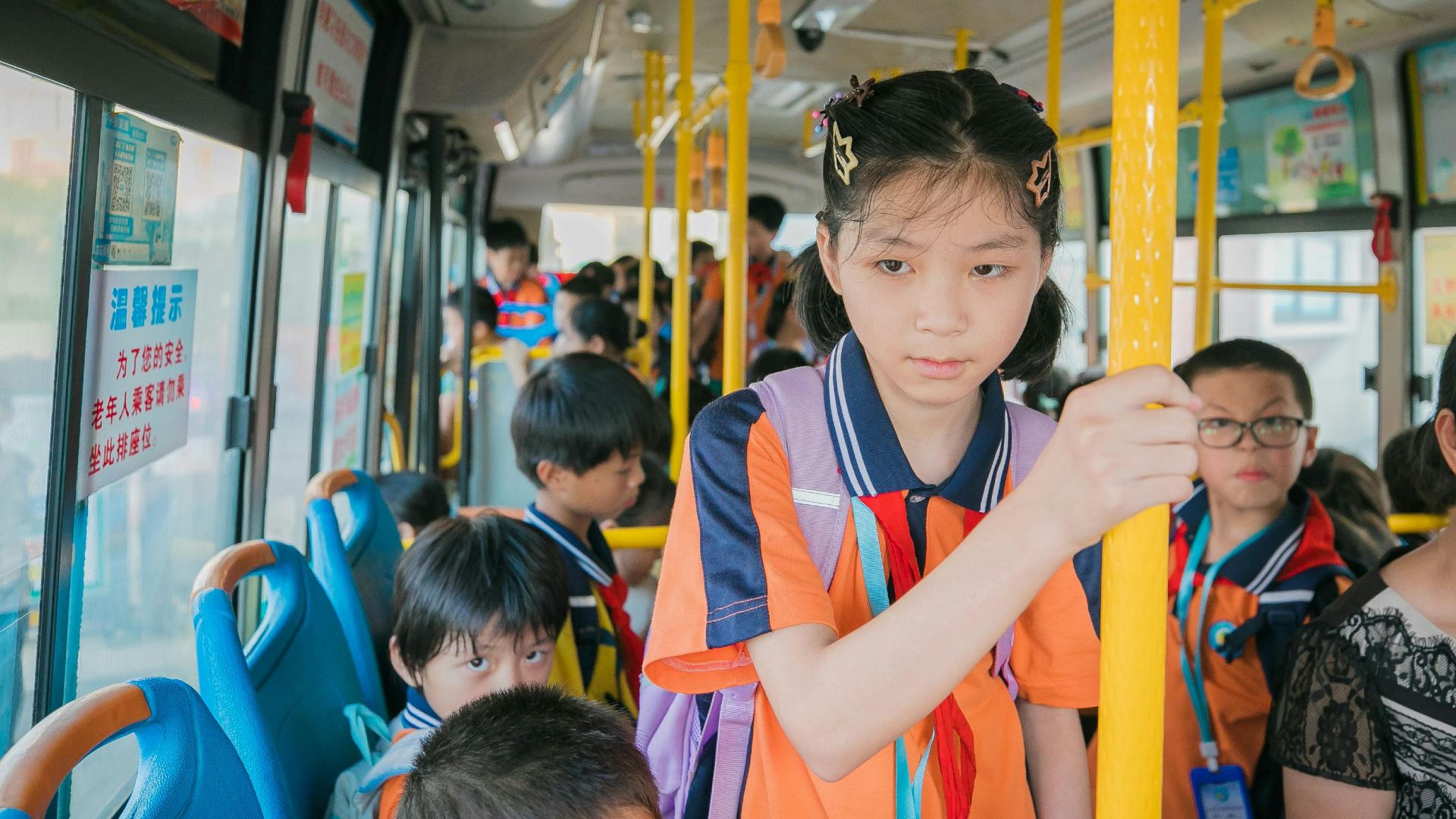
Nothing destroys trust faster than a bus that never shows after a 15-minute wait. Constant delays make people stop believing schedules even exist. Cars become the default because predictability beats efficiency. At least your vehicle starts on command.
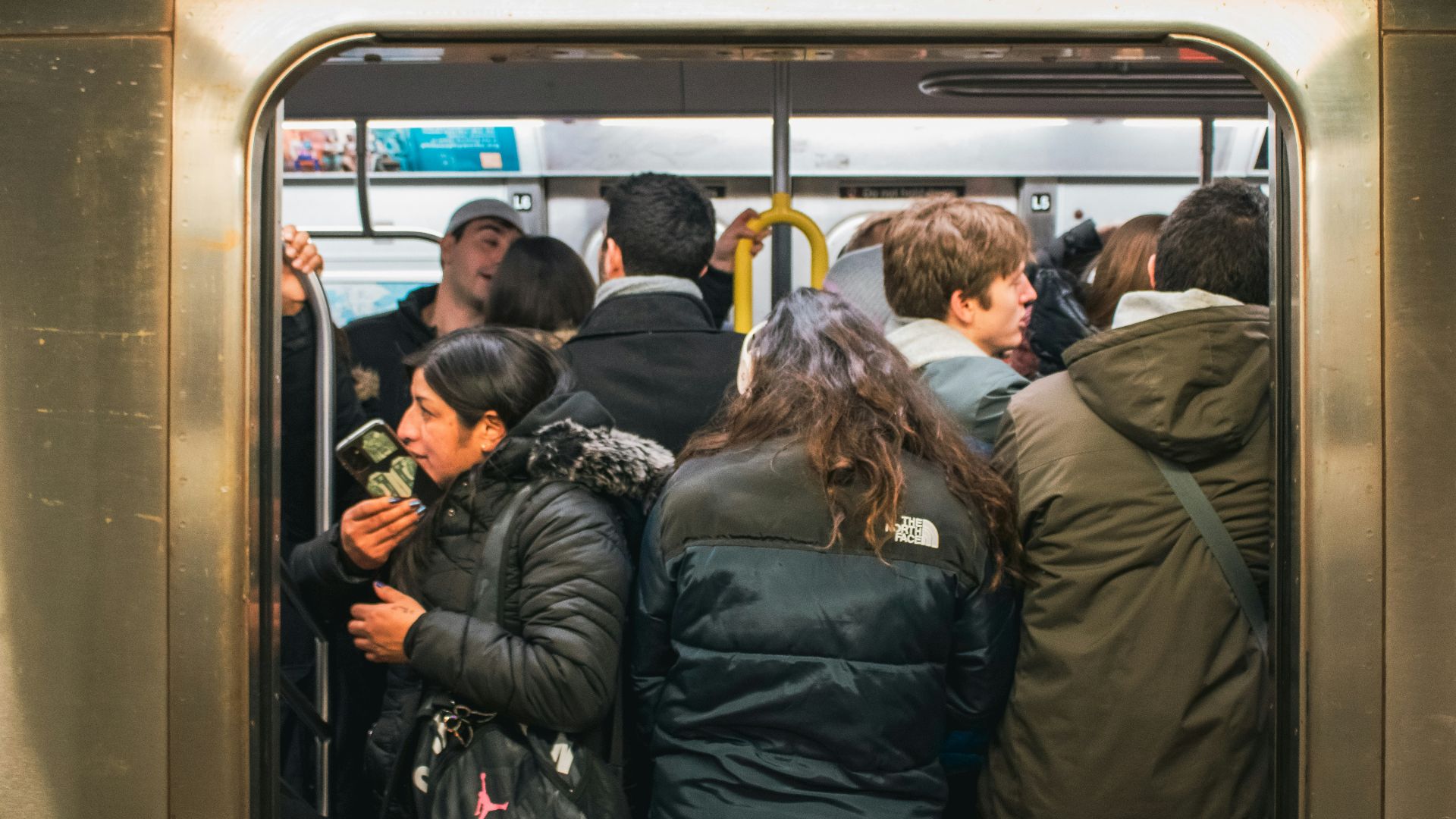
2. Overcrowding During Peak Hours
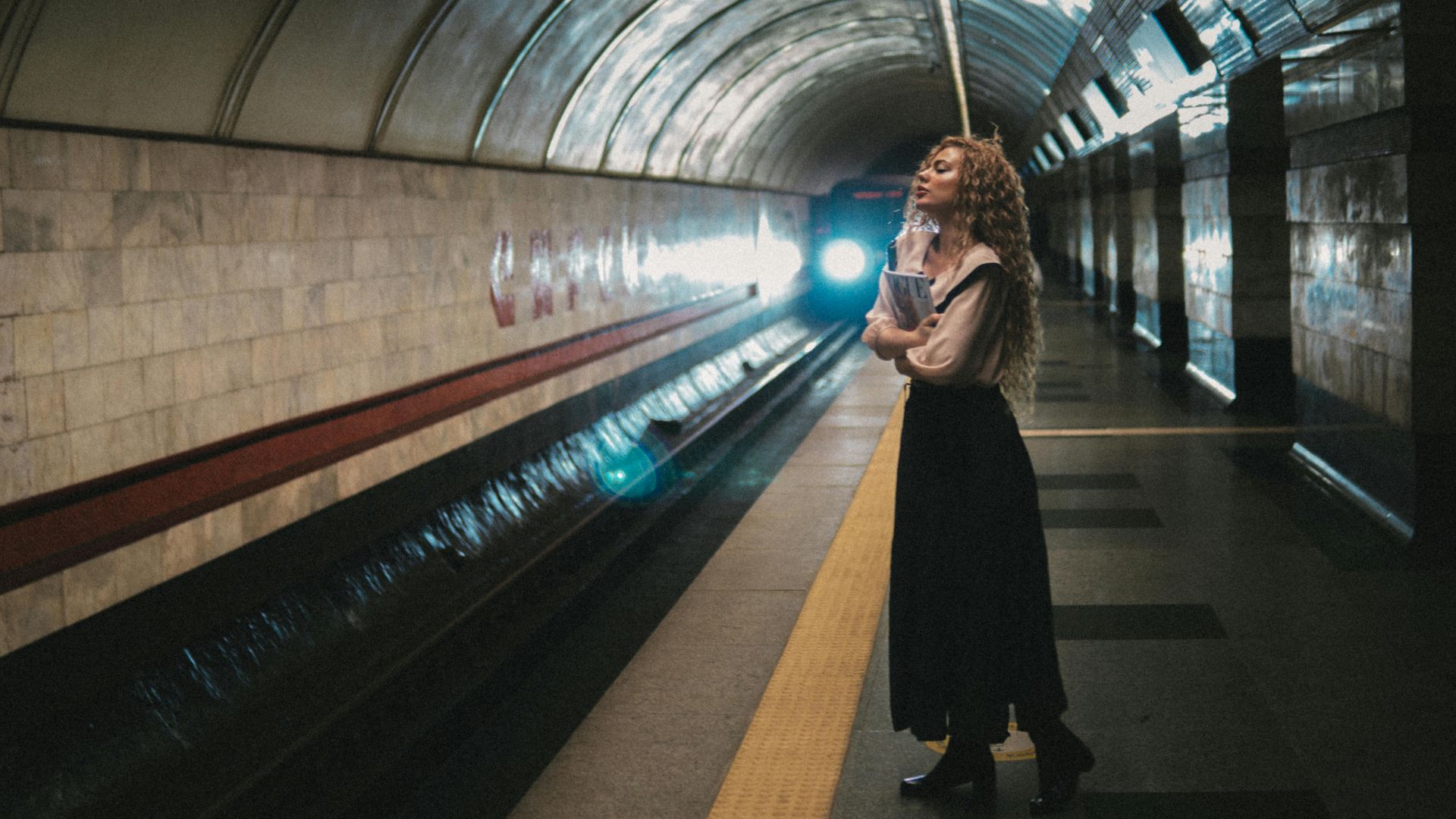
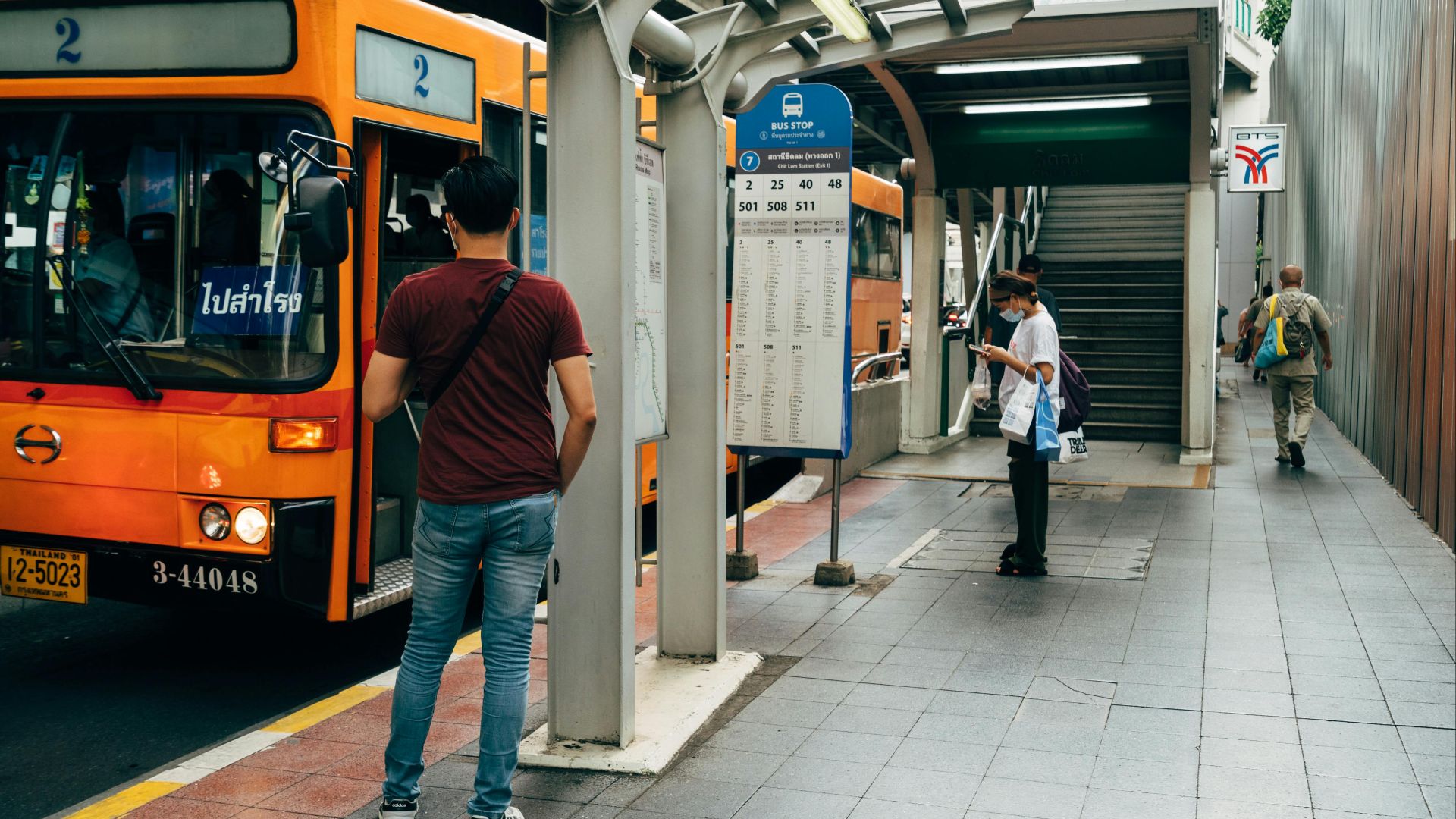
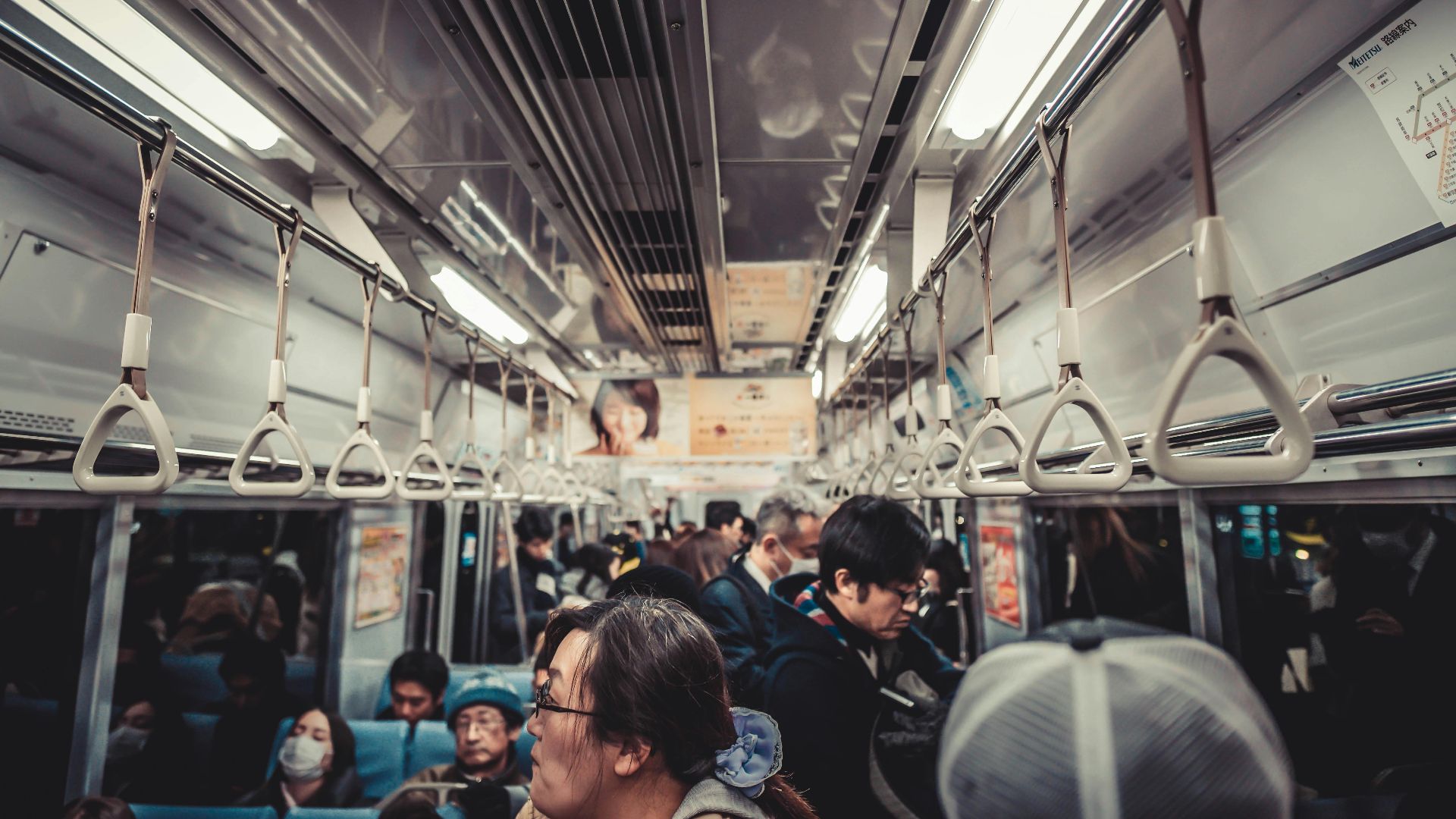
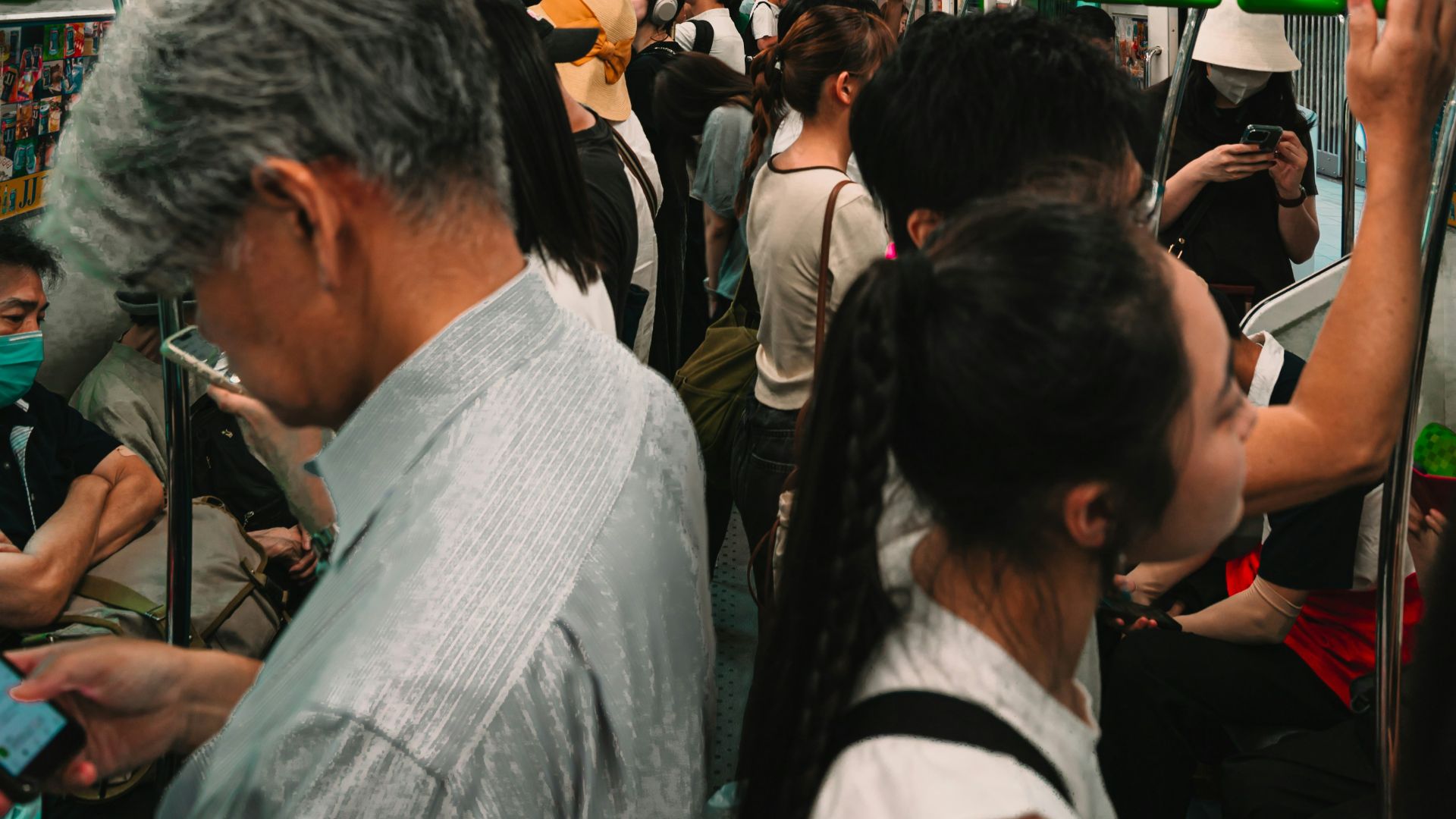
Picture yourself sardined into a subway car where breathing becomes difficult. New York's trains regularly exceed 100% capacity during rush hour. The experience feels punishing rather than convenient, so riders bail for alternatives that respect personal space and human dignity.
3. Lack Of Personal Control Over The Journey
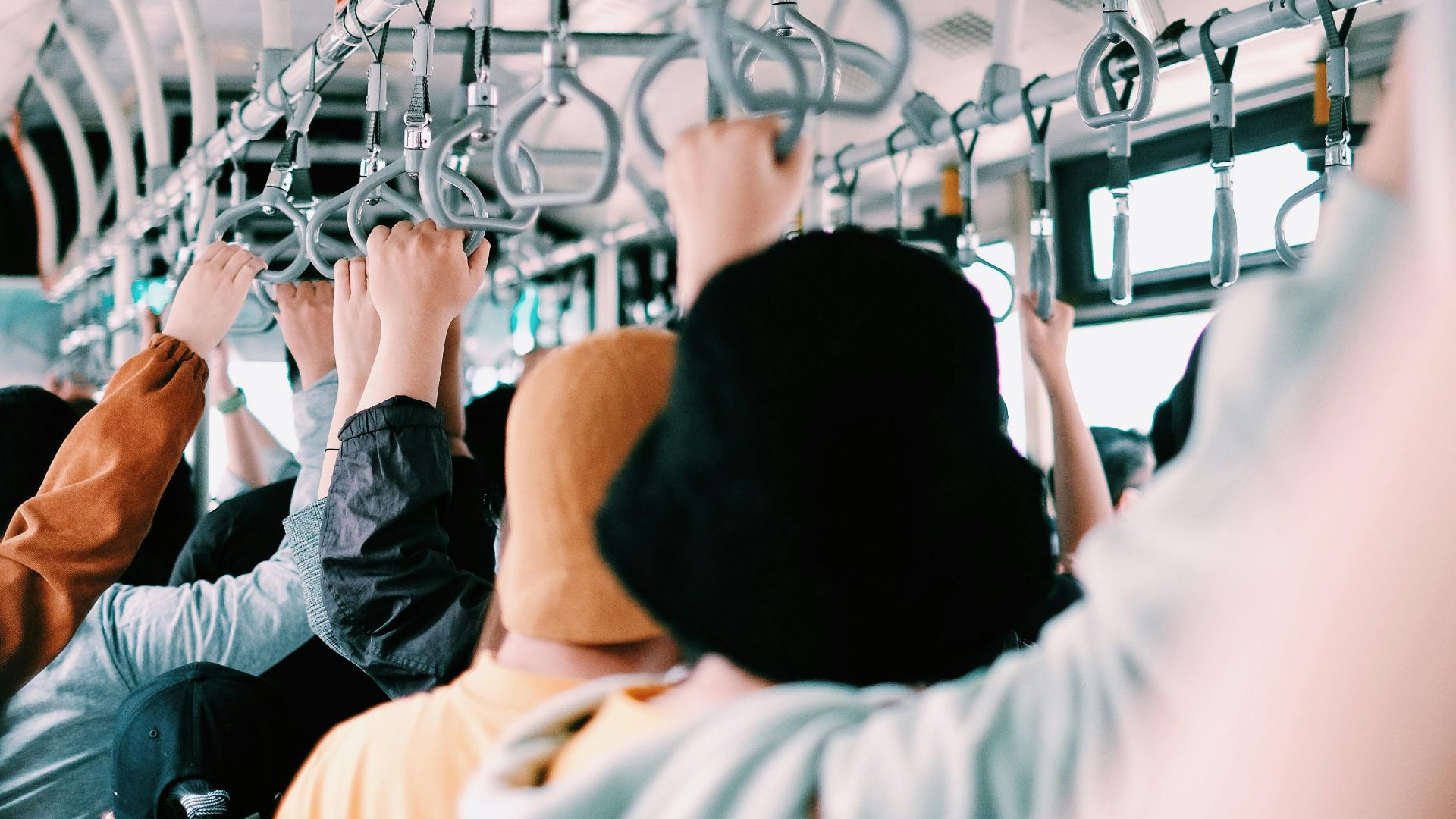
Transit strips away all agency. You can't leave early or adjust routes freely. Miss one stop, and the system punishes you with cascading delays. That helplessness breeds deep resentment. Cars restore command—speed, timing, music, and path become yours again.
4. Safety Concerns From Crime
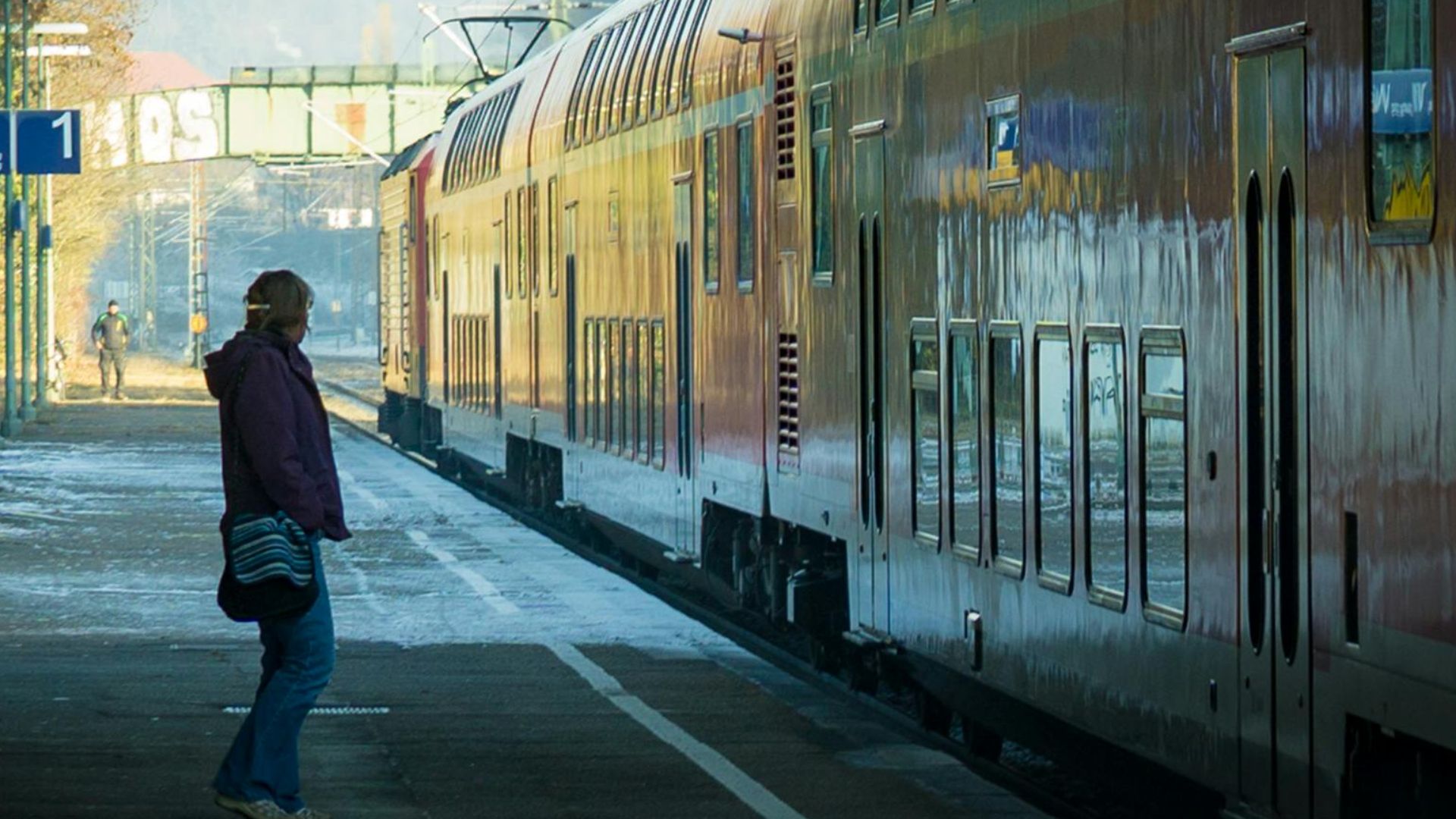
Fear beats convenience every single time. Women and minorities particularly avoid transit during off-peak hours due to harassment or theft worries. One bad incident creates lasting distrust that sends people straight to rideshares, regardless of cost differences nobody wants to swallow.
5. Poor Cleanliness And Maintenance
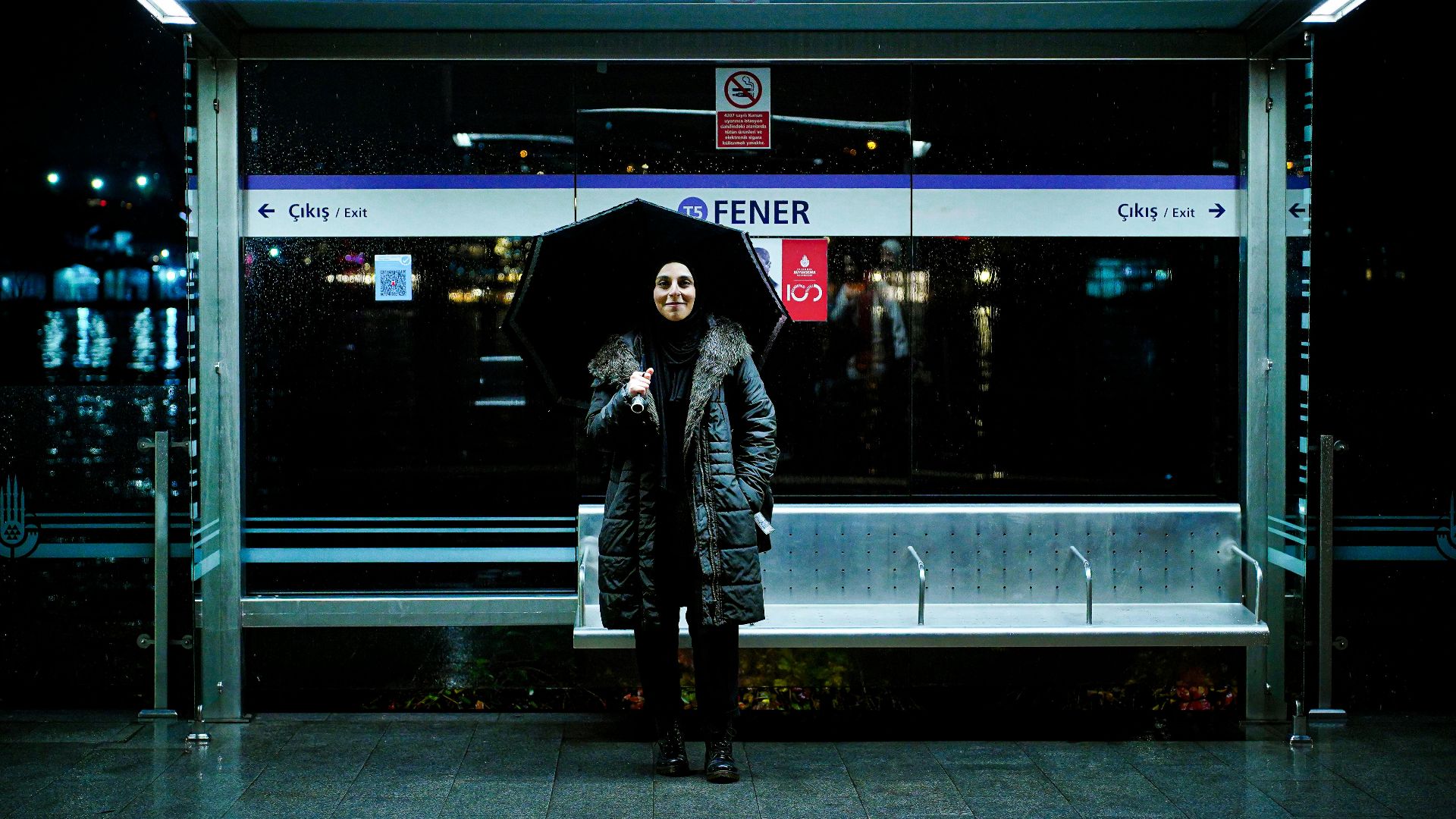
Graffiti-covered seats and mystery stains scream institutional neglect. Dirty environments signal that nobody cares about rider experience. That’s why people choose their clean cars over what feels like rolling dumpsters masquerading as public transportation.
6. Inconvenient Route Coverage
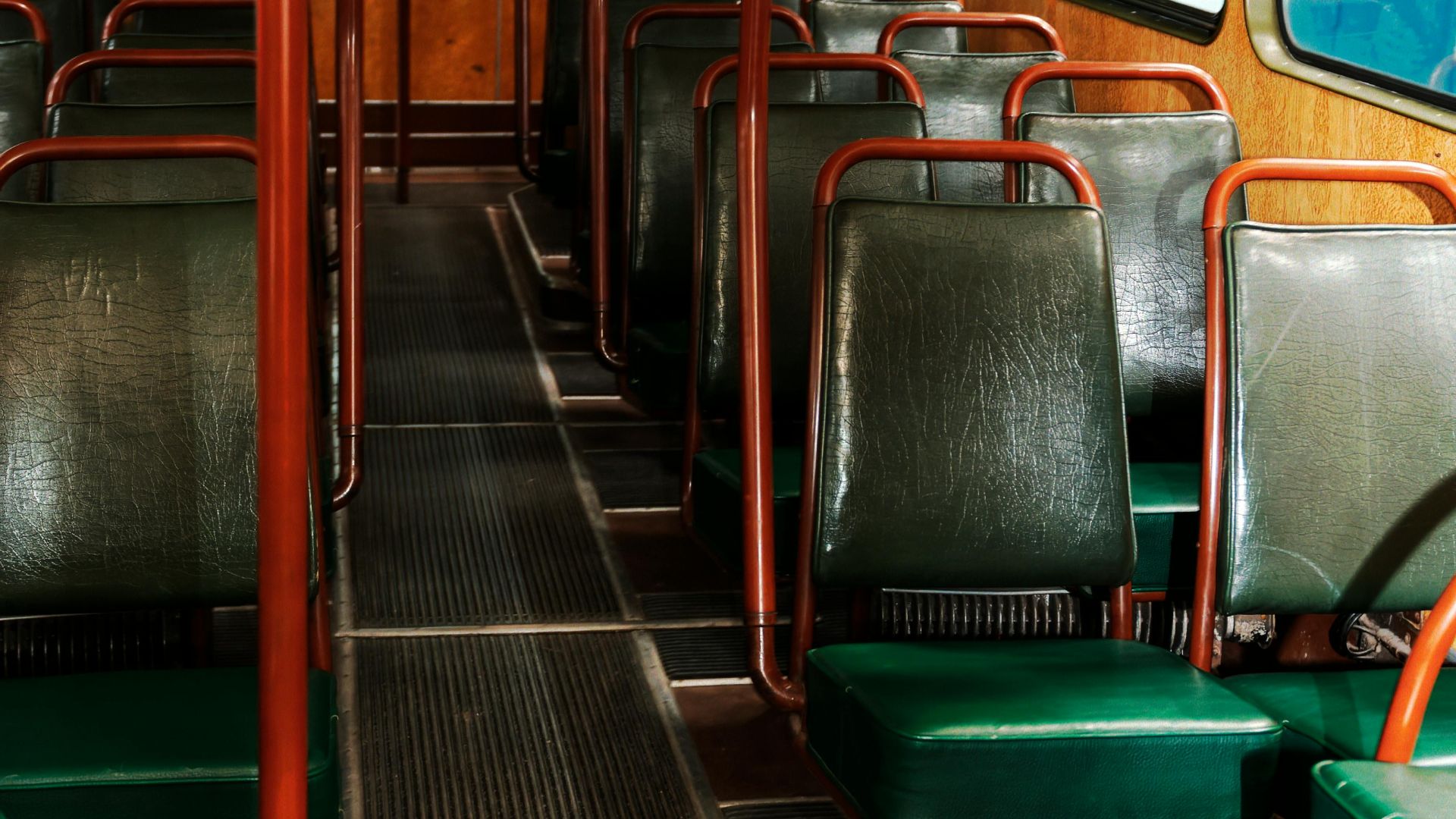
Suburban residents face the worst coverage gaps imaginable. Routes rarely penetrate their neighborhoods. The result is annoying transfers and long walks just to reach home. Simple trips transform into multi-stage quests, which makes door-to-door car travel the obvious winner here.
7. Long Wait Times At Stops
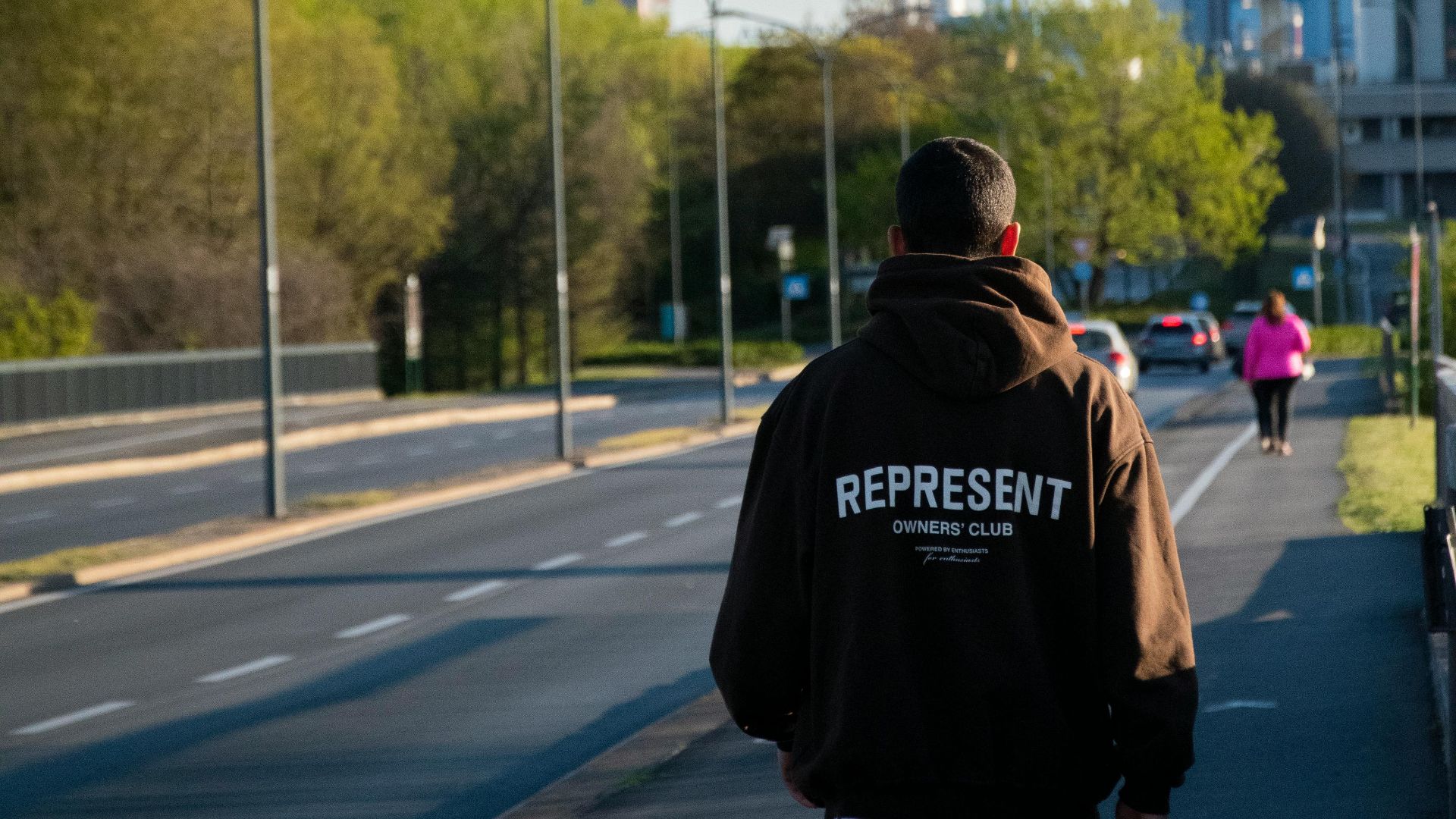
Standing exposed to rain for 30 minutes tests anyone's patience. Low-frequency areas leave riders vulnerable to weather and crushing boredom. That dead time feels doubled mentally. Productivity dies while people wait, so frustrated commuters flee toward on-demand options instead.
8. Uncomfortable Seating And Ergonomics
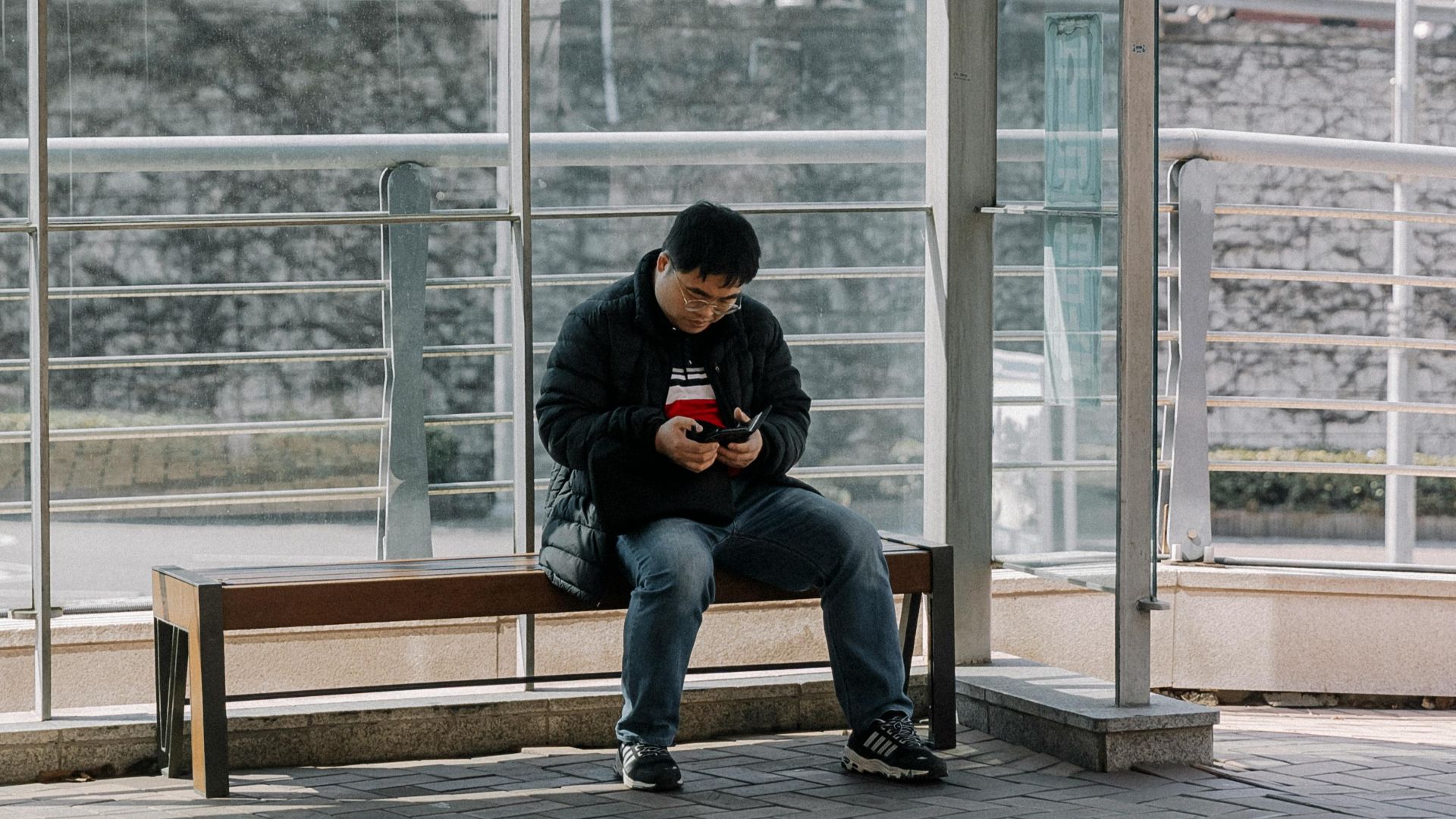
Hard plastic benches torture your back on extended rides, and thoughtless design punishes elderly passengers and anyone with injuries most severely. Commutes that leave you physically drained make cushioned car seats irresistible. Comfort stops being a luxury—it becomes a necessity worth the extra expense.
9. Excessive Noise Pollution
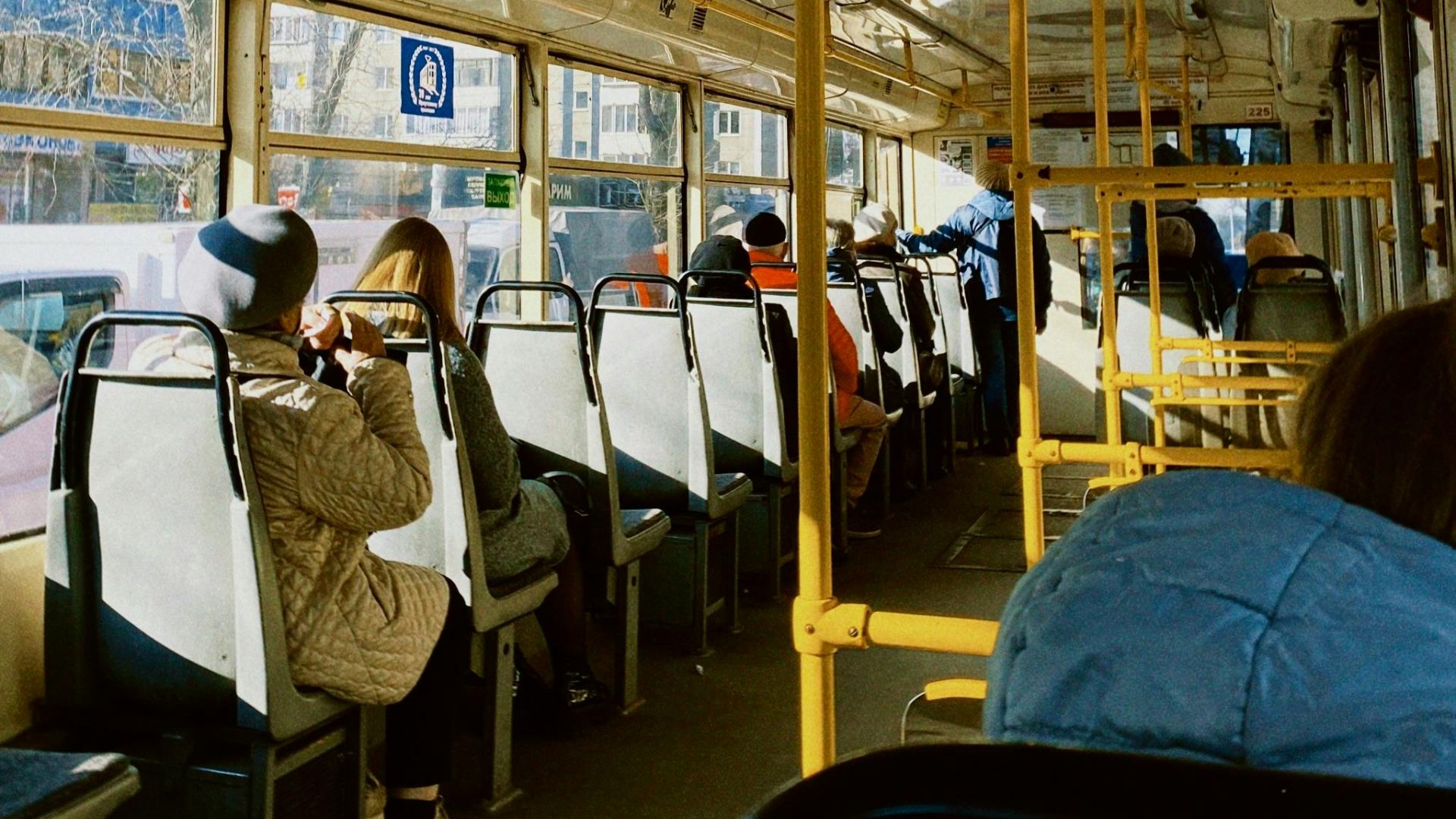
Screeching brakes and blaring announcements wreck any chance of relaxation. The constant noise drives stress levels higher throughout every ride. People crave quiet during commutes. Personal vehicles deliver that peace without the relentless auditory assault that transit passengers endure daily.
10. Lack Of Accessibility For Disabled Users
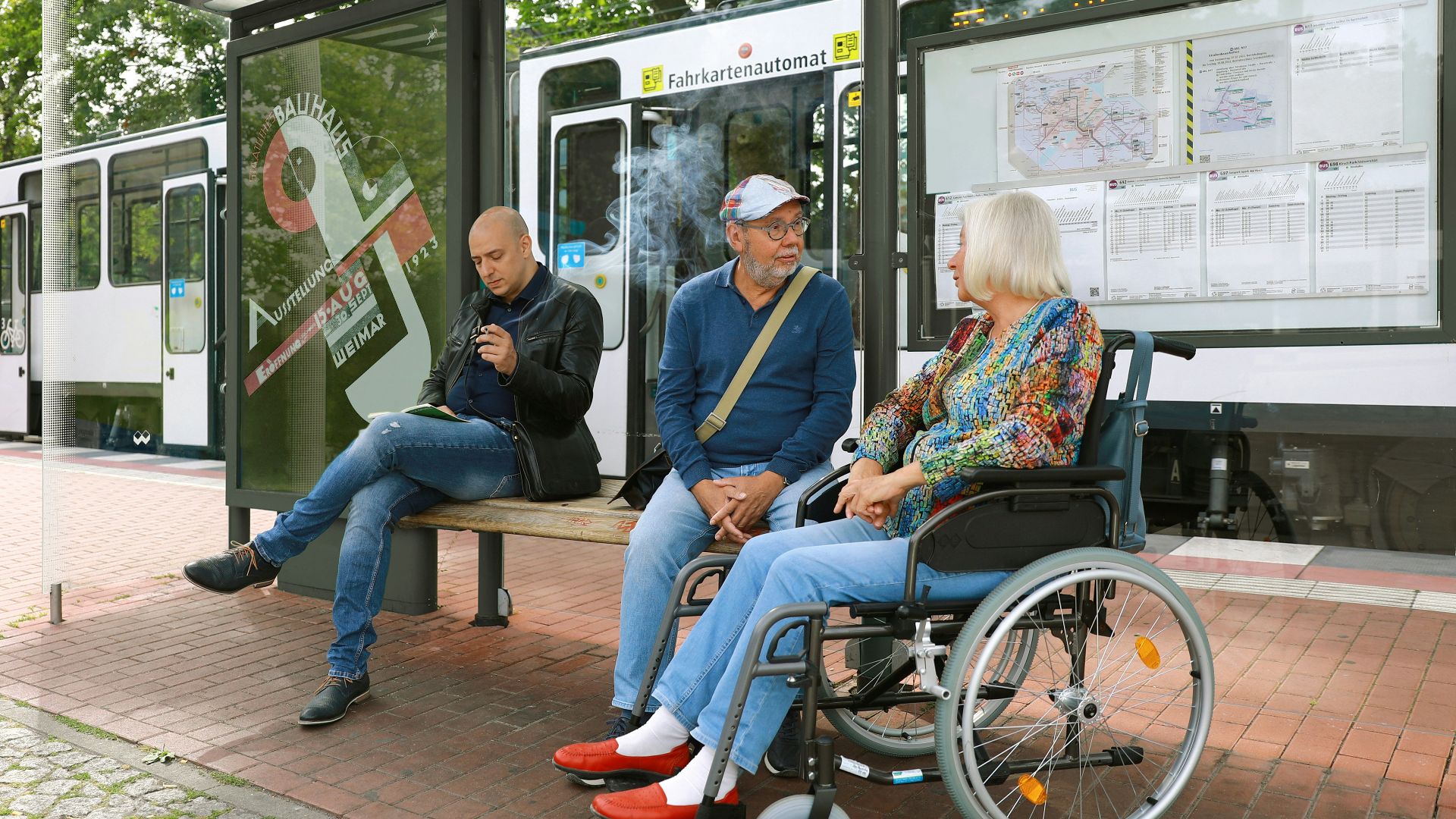
Missing elevators and broken ramps exclude millions from transit. Basic wheelchair access is ignored, forcing disabled riders to pay extra for paratransit while others ride cheaply—an inequality that highlights systemic neglect and deep frustration.
 Ernst-Günther Krause (NID) on Unsplash
11. Inefficient Transfer Processes
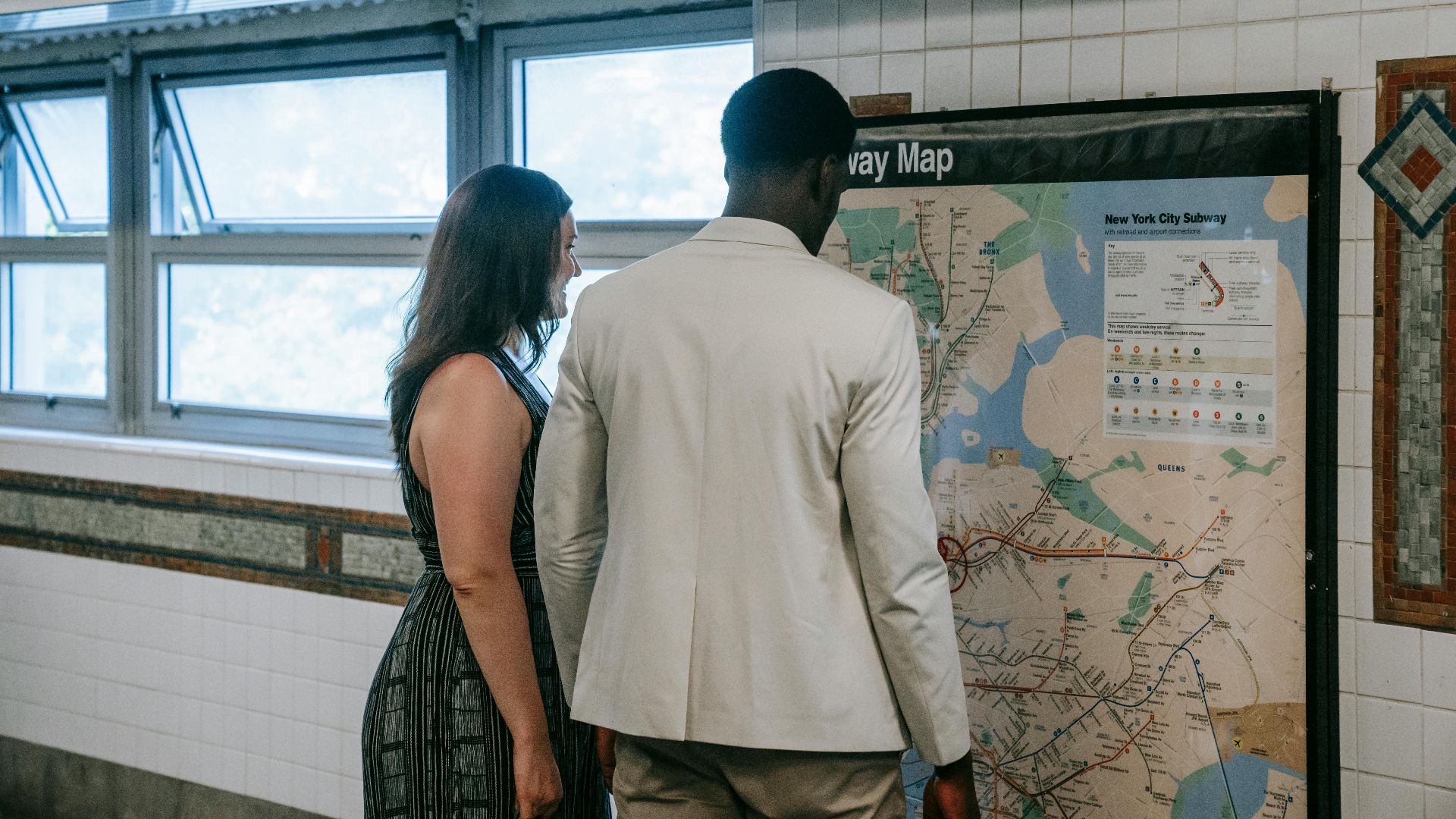
Switching lines feels like navigating an obstacle course designed purely to frustrate. Long walks between platforms and missed connections double your aggravation unnecessarily. Transfers consume more time than actual rides. People ditch the complexity for straightforward car trips that skip the headache.
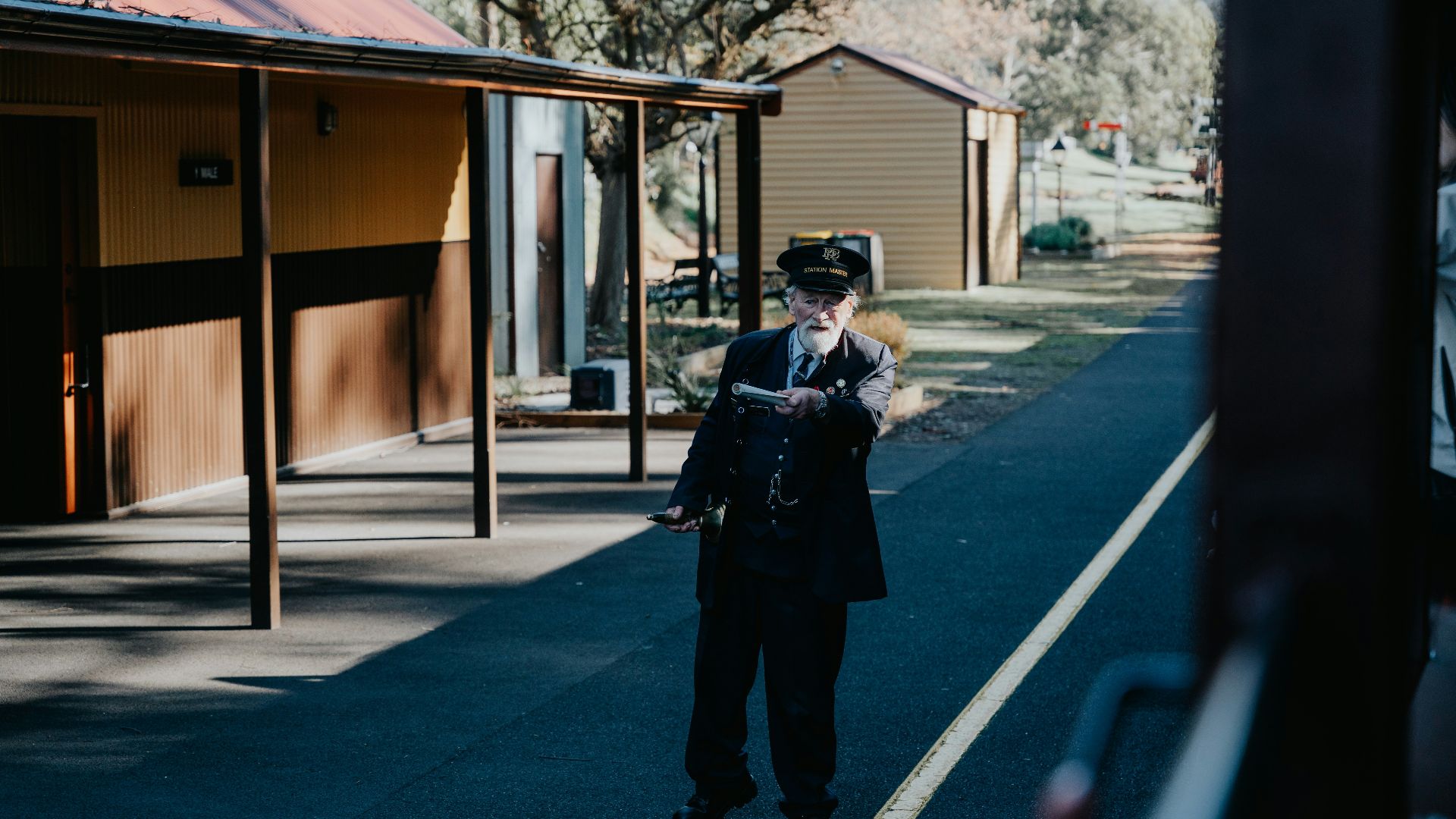
12. Rude Or Unhelpful Staff
One dismissive employee ruins your entire day. You ask for help and receive attitude instead. That interaction personalizes every system failure. Japan's bowing transit workers demonstrate what respect looks like—everywhere else just breeds resentment through hostile encounters.
13. Limited Operating Hours
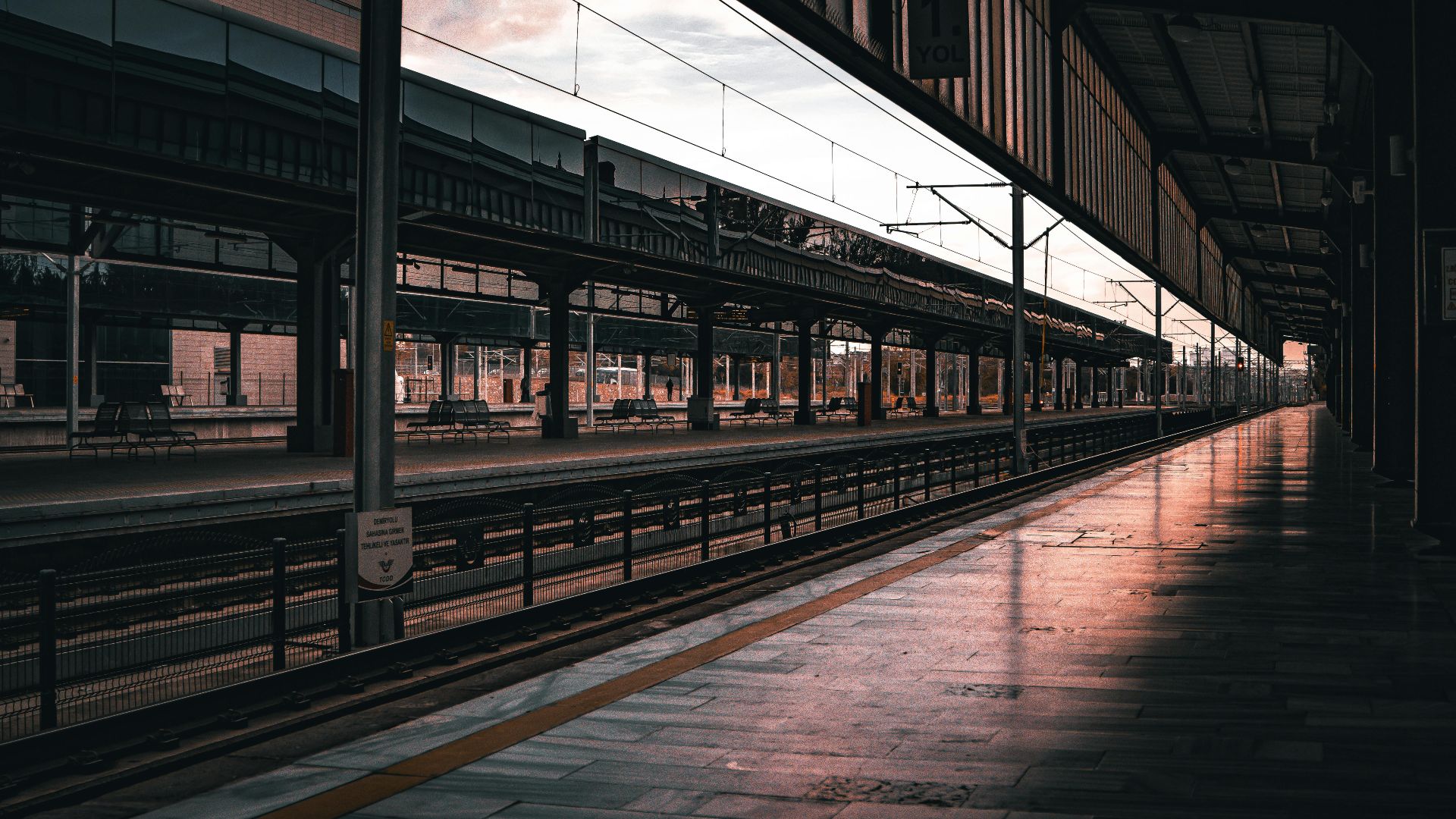
Night shift workers get stranded after trains stop at midnight. Modern cities operate around the clock, but transit refuses to keep pace. Early closures force people into cars because buses that vanish after dark can't qualify as reliable transportation for anyone's variable schedule.
14. Environmental Discomfort From Temperature Extremes
Broken AC in summer heat borders on genuine torture. Temperature swings cause physical illness—dehydration or chills ruin the entire ride. Commutes that threaten your health make climate-controlled cars worth every penny of gas money, even during price spikes that hurt your wallet.
15. Invasion Of Privacy In Shared Spaces
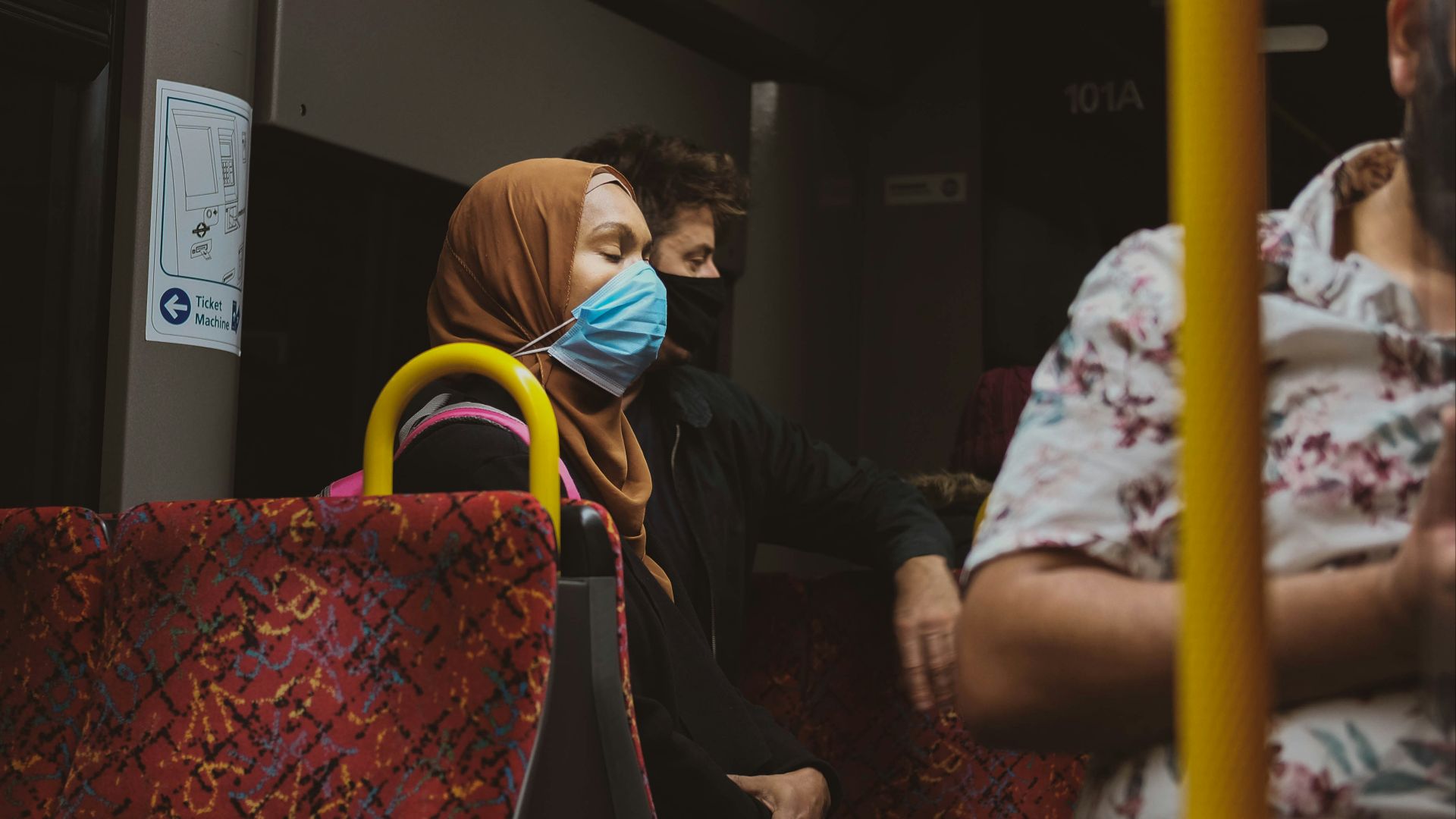
Strangers breathing down your neck or looking at your phone are common occurrences when the train or bus become packed during rush hour. It makes no one feel comfortable. Cars provide isolation that crowded transit options destroy completely, especially for introverts who desperately value their protective bubble.
16. Health Risks From Germ Exposure
Packed trains function as petri dishes on wheels. Post-pandemic surveys reveal infection fears keep people away permanently now. Touching grimy poles and breathing recycled air trades mobility for potential illness. Sanitized cars become the healthier bet despite their environmental costs.
17. Challenges With Baggage Or Bulk Items
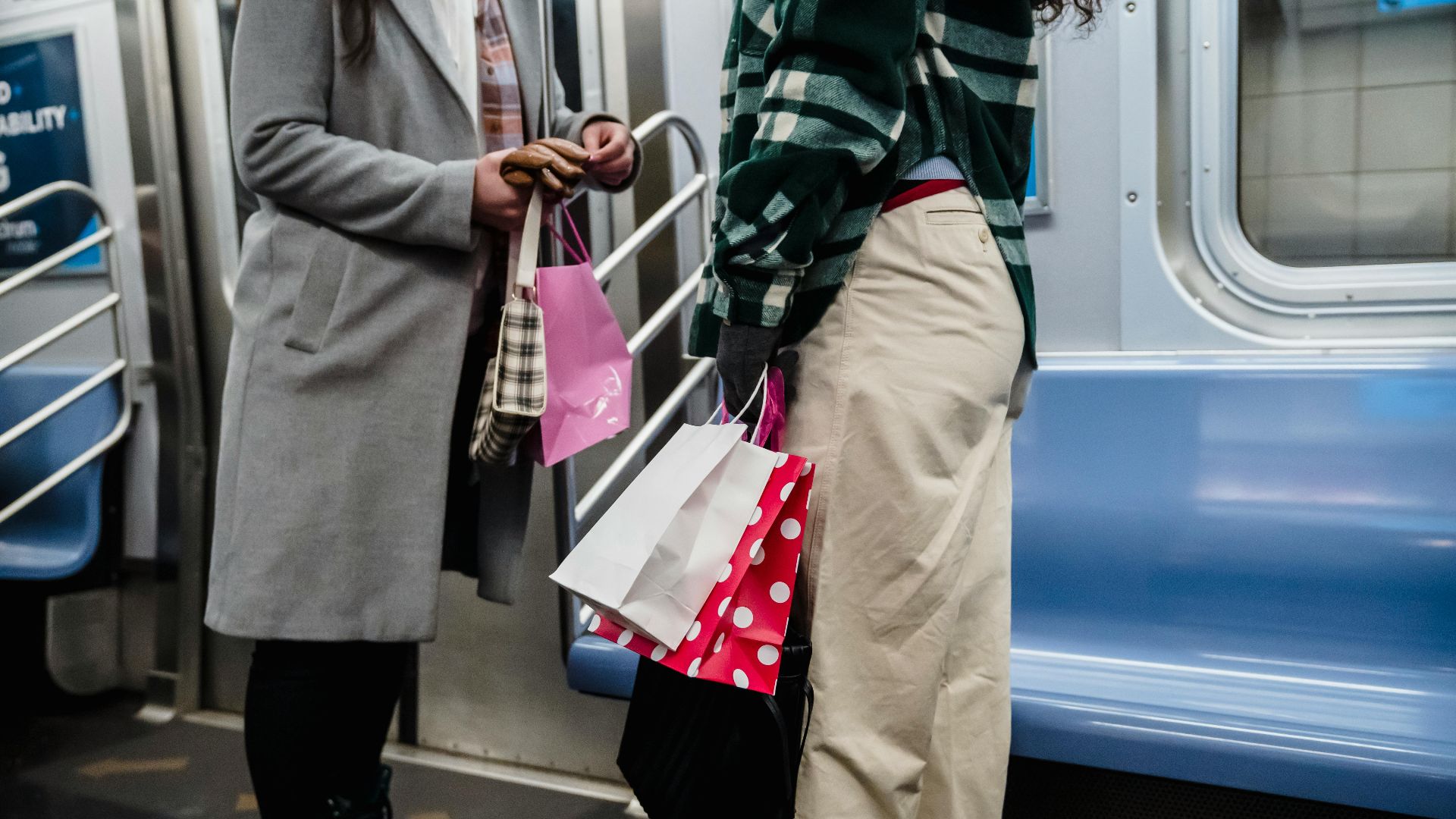
Try hauling groceries through narrow bus aisles without spilling everything. Families and shoppers abandon transit entirely because the design ignores everyday needs. Zero storage space means spilled bags and dirty looks from annoyed passengers. Car trunks swallow everything without complaint or public judgment.
18. Traffic Congestion Delays For Street-Level Vehicles
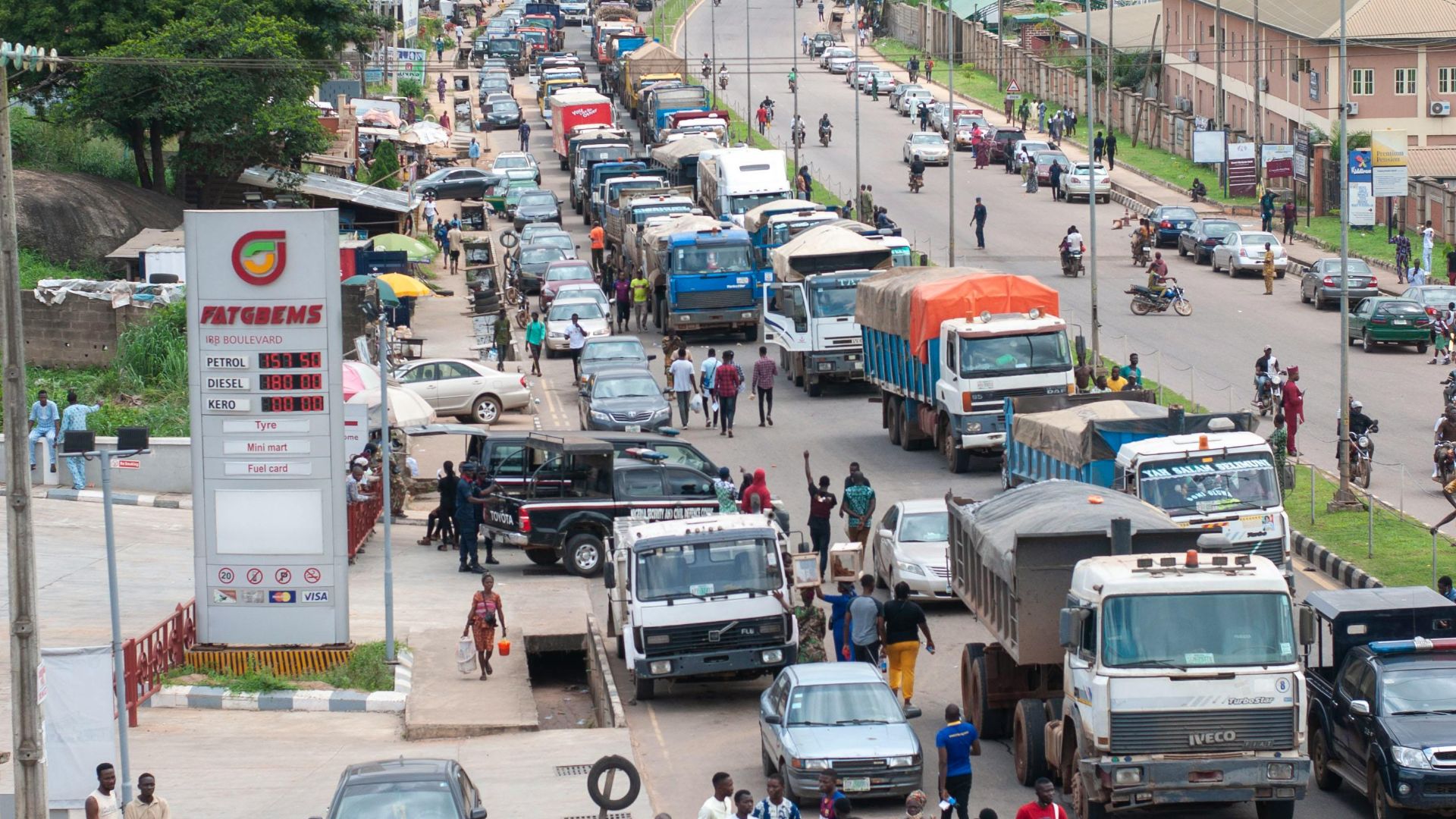
Buses trapped in gridlock suffer the same delays as cars but without the freedom of individual control. You're helpless there behind glass. Drivers beside you move equally slowly but choose their fate. That powerlessness breeds rage toward surface transit trapped in the same traffic that nobody escapes downtown.
19. Outdated Infrastructure And Technology
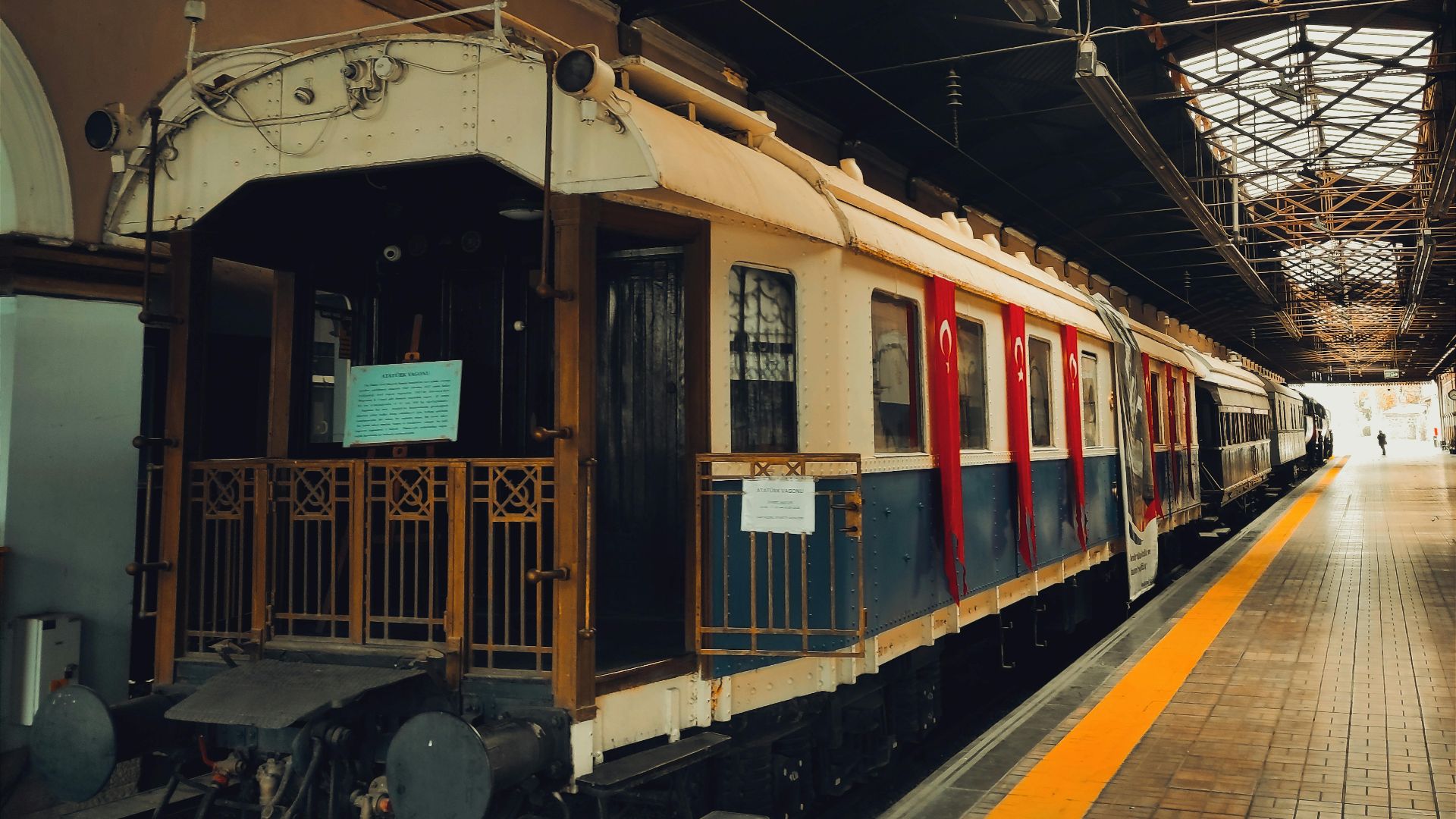
London's subway still operates through Victorian tunnels from 1863. Charming history becomes a frustrating reality as ancient systems constantly break. Modern expectations clash hard with crumbling infrastructure. Riders flee toward newer transportation tech like app-based rides that offer reliable service without century-old complications.
20. Inadequate Lighting In Stations And Vehicles
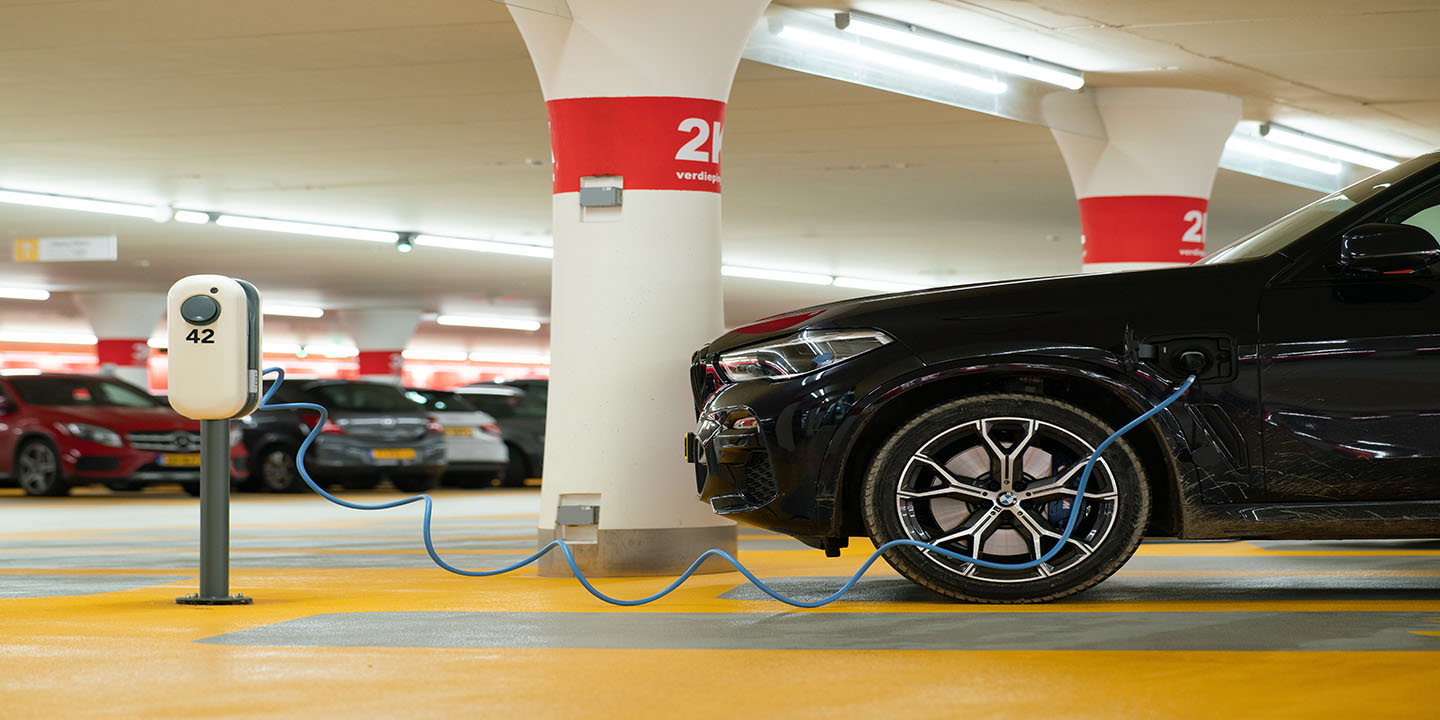
Dim platforms at night trigger primal fear responses in everyone. Poor lighting correlates with higher crime and disorientation dangers nobody wants. Basic security gets ignored completely, especially for women traveling alone. People reasonably choose well-lit parking garages over shadowy subway stations every time.