The Truth Behind The Wheel
Every job looks different from the outside than it does after your first week on the clock. What seems like simple work often hides complexities that only insiders understand, while supposedly difficult careers sometimes offer unexpected rewards. Bus driving falls into this category—it's neither the easy gig some imagine nor the nightmare others assume. The reality sits somewhere in between, with genuine advantages balanced against real challenges. Here are 10 reasons why being a bus driver might be for you, and 10 reasons why it's not.
1. Job Security And Steady Demand
Public transportation never stops running, which means consistent work year-round regardless of economic downturns. Cities desperately need drivers as current operators retire faster than new ones join. You'll rarely worry about layoffs when communities depend on buses for daily commutes and essential travel.
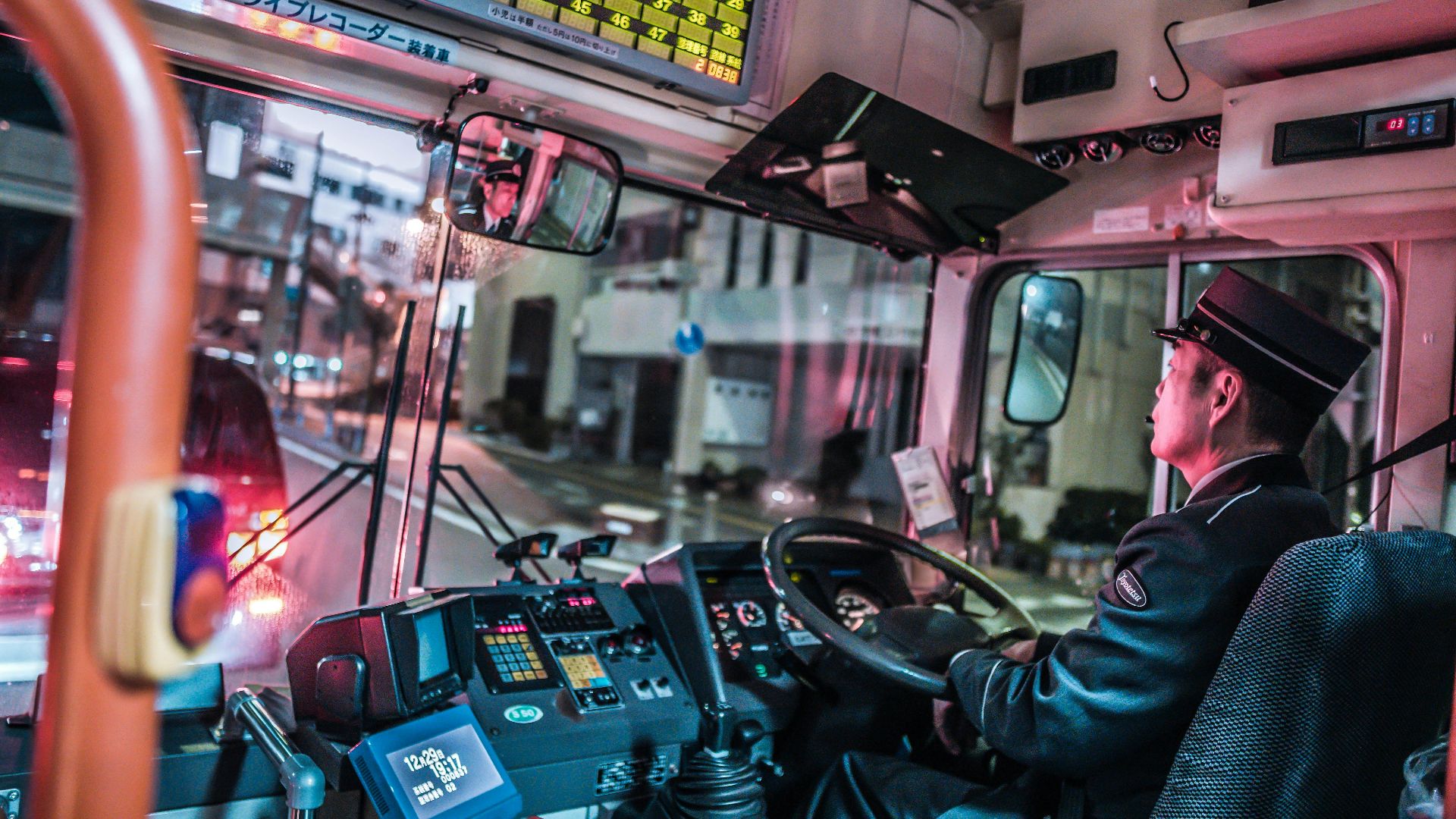
2. No Expensive Degree Required
Skip the student loan debt entirely since most transit agencies provide free commercial driver's license training. You can start earning within weeks instead of spending years in college. The barrier to entry remains refreshingly low.

3. Excellent Benefits Packages
Union-backed positions typically include comprehensive health insurance, pension plans, and paid time off that rivals corporate jobs. Dental and vision coverage often comes standard along with retirement contributions. Many agencies even offer tuition reimbursement if you later decide to pursue additional education or certifications.

4. Predictable Work Schedule
Routes run on fixed timetables, so you know exactly when shifts start and end without surprise overtime. Bid systems let senior drivers choose preferred hours or days off based on seniority. This predictability makes planning personal commitments significantly easier.
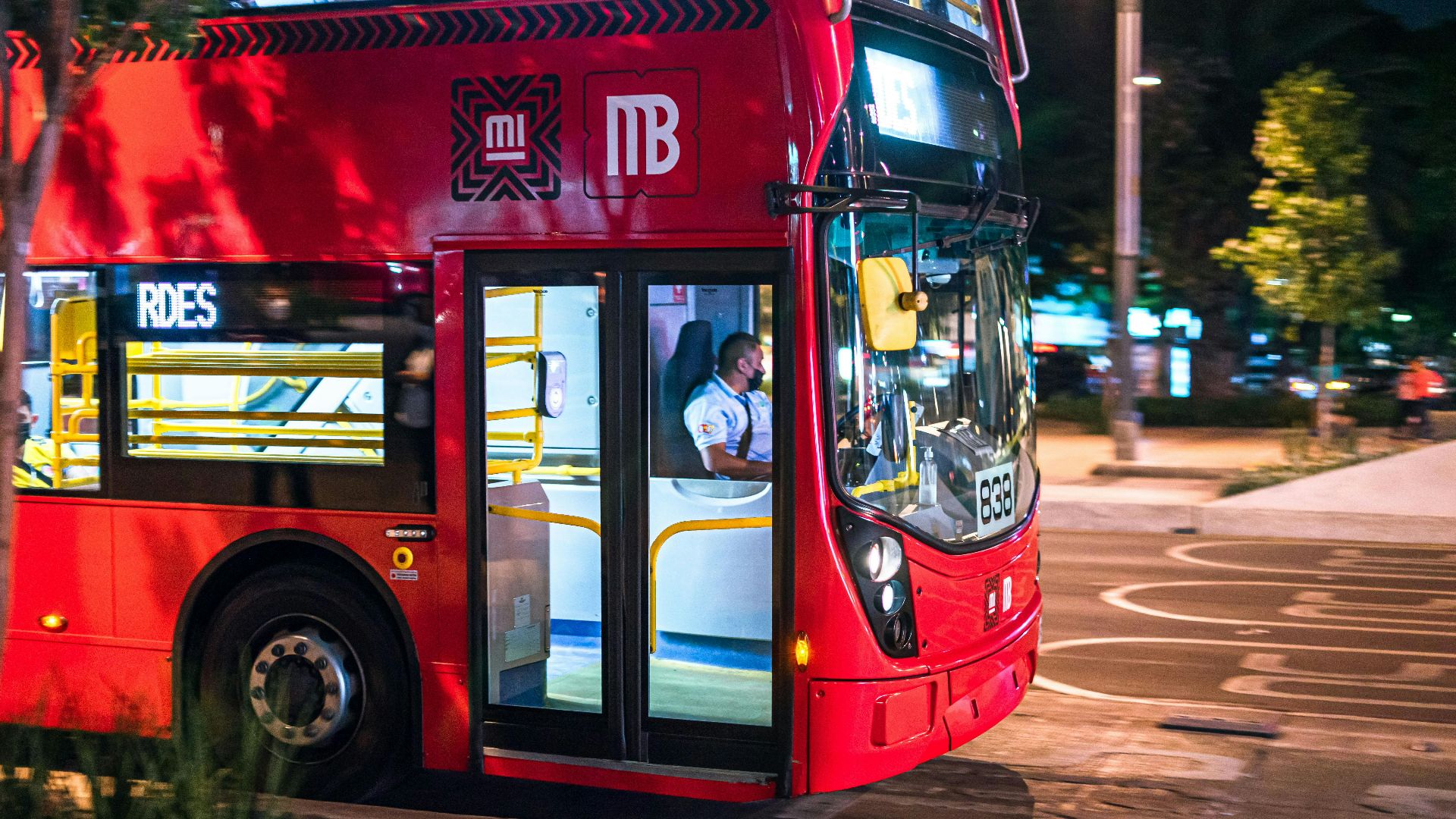
5. Active Job With Variety
Unlike desk work that keeps you stationary for eight hours, driving keeps your mind engaged while the scenery constantly changes. You interact with diverse passengers and navigate different neighborhoods throughout each shift. The physical activity of steering and managing stops provides movement without the grueling demands of manual labor.
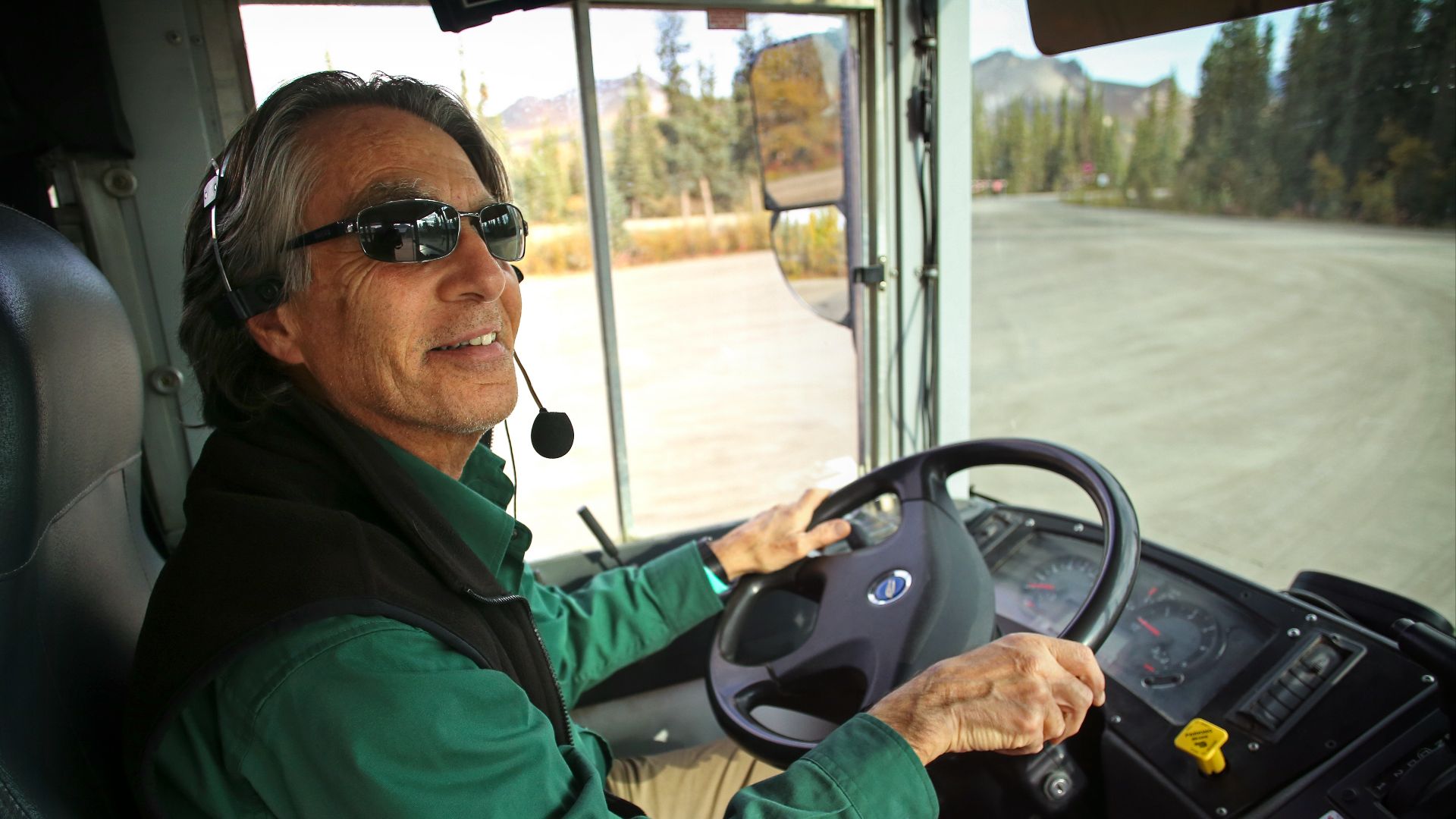 NPS Photo / Emily Mesner on Wikimedia
6. Serve Your Community Directly
You help students reach school safely, enable workers to get to jobs, and give seniors independence for medical appointments. The impact feels immediate when passengers thank you or share how much they depend on reliable service.

7. Competitive Pay For Entry-Level Work
The approximately salary for a US bus driver in 2024 was around $48,000. Overtime opportunities during holidays or staff shortages boost earnings even higher for those wanting extra income.

8. Clear Career Advancement Path
Experience behind the wheel opens doors to dispatcher positions, training roles, or operations management without requiring additional degrees. Some drivers transition into maintenance supervision or route planning after learning the system. Seniority protects your position while providing stepping stones toward leadership if that interests you down the road.
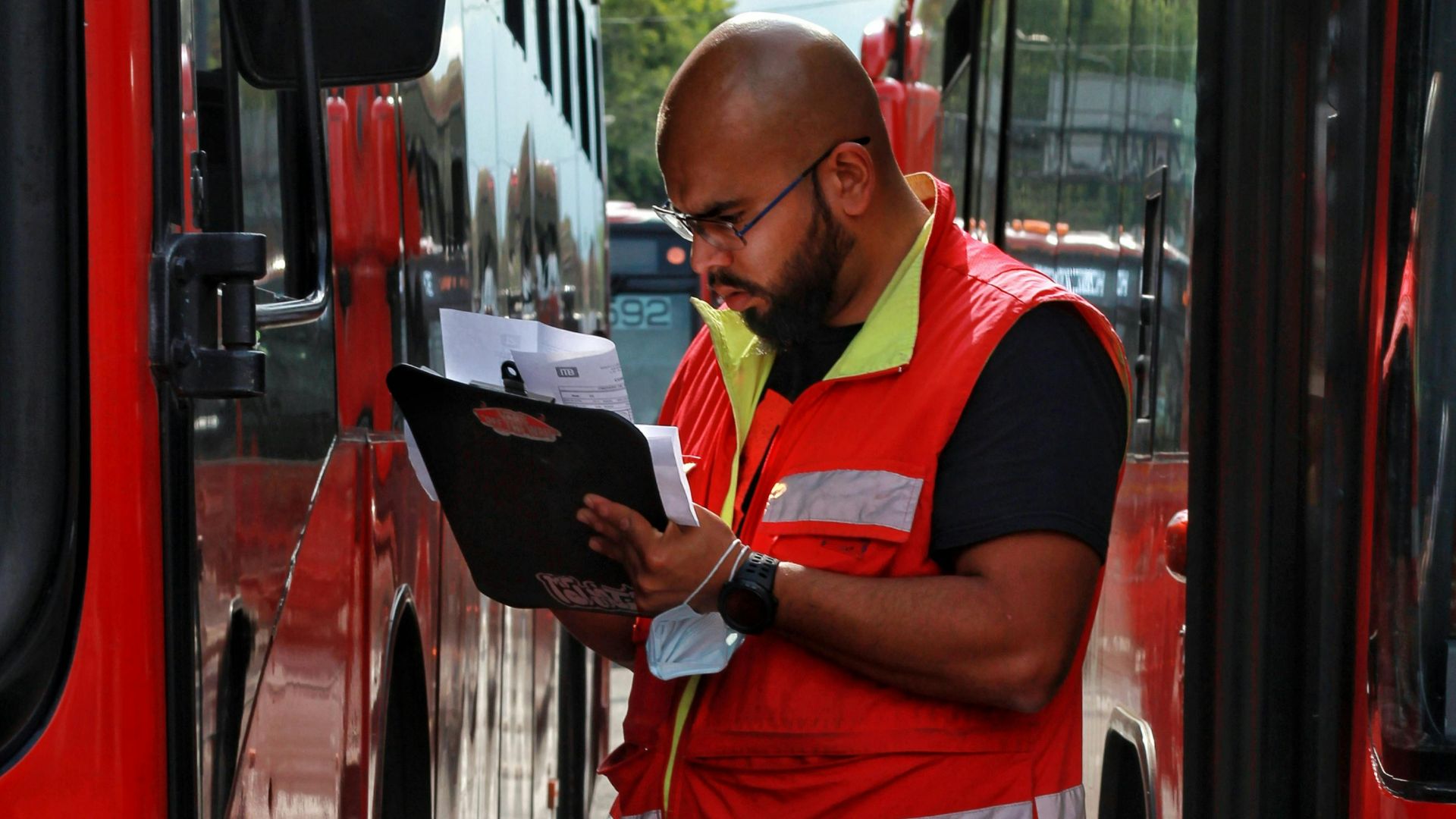
9. Independence During Work Hours
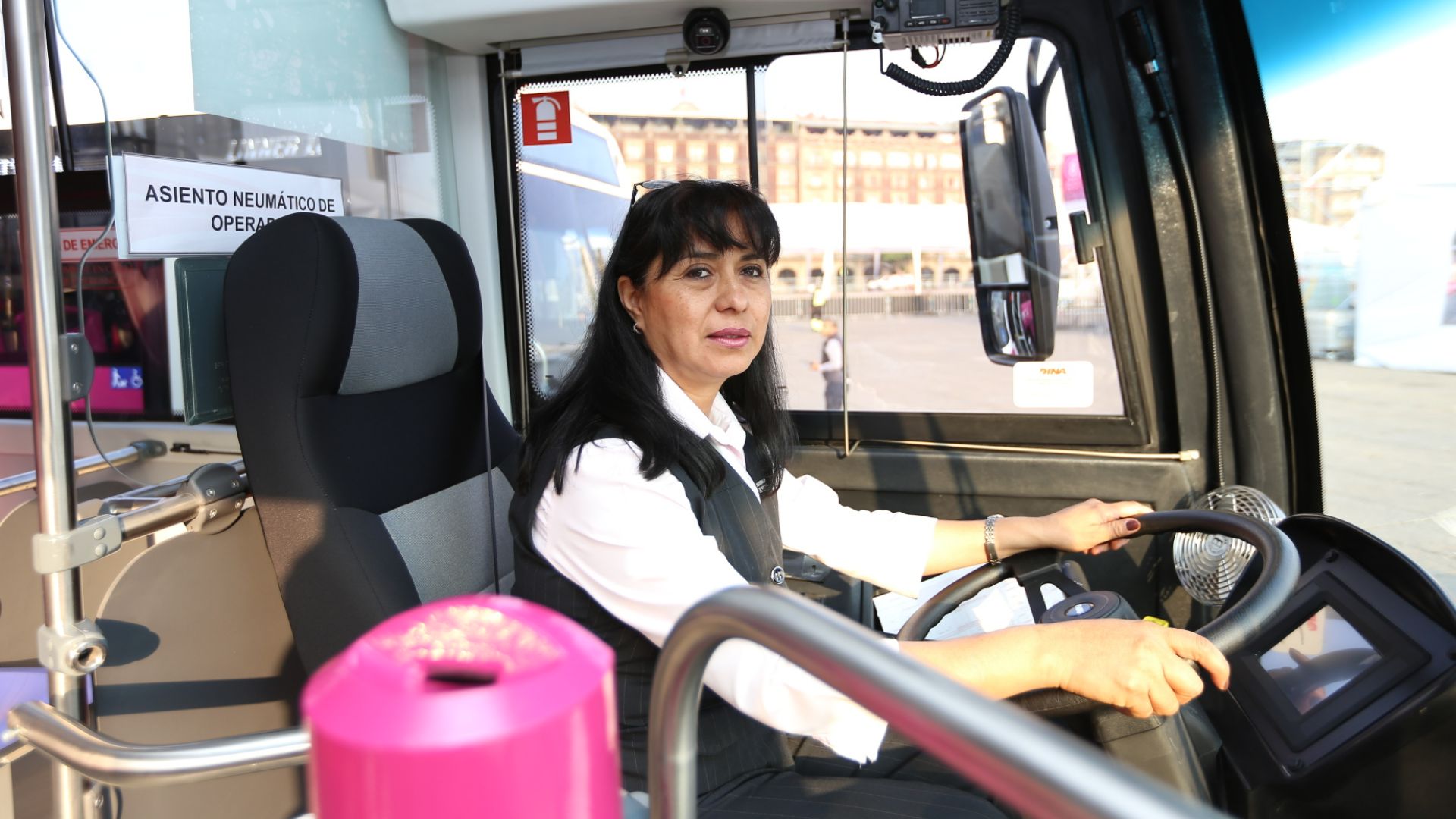
Once you pull out of the depot, you're essentially your own boss, managing the route without constant supervision hovering nearby. You make real-time decisions about safety and passenger situations without needing approval for every small choice.
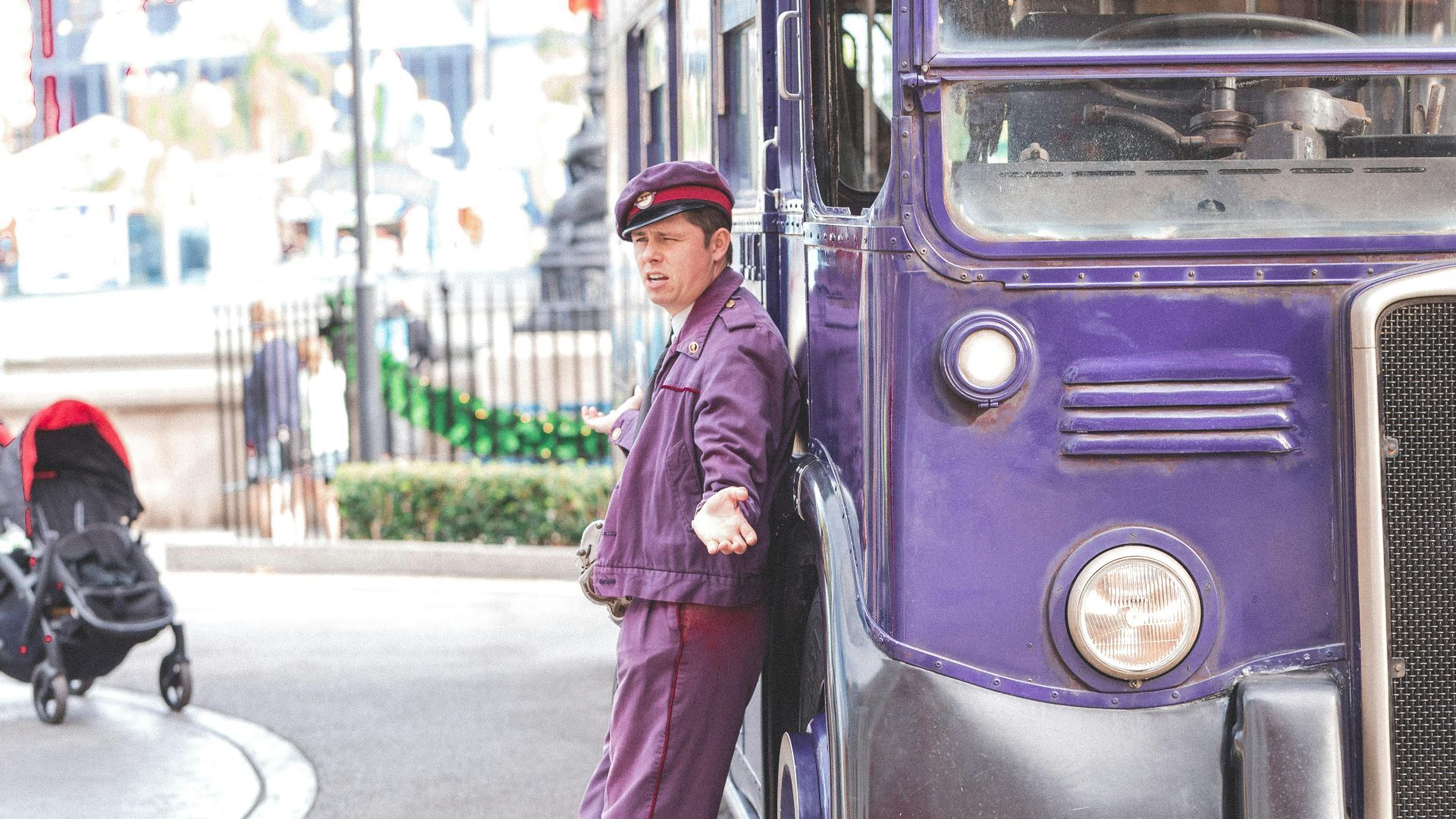
10. Meet Fascinating People From All Backgrounds
Regular passengers become familiar faces sharing life updates, and tourists ask questions about local landmarks and hidden gems. You encounter students, professionals, artists, and retirees whose stories break up monotonous driving hours. These human connections create unexpected friendships and memorable interactions that office cubicles rarely provide.
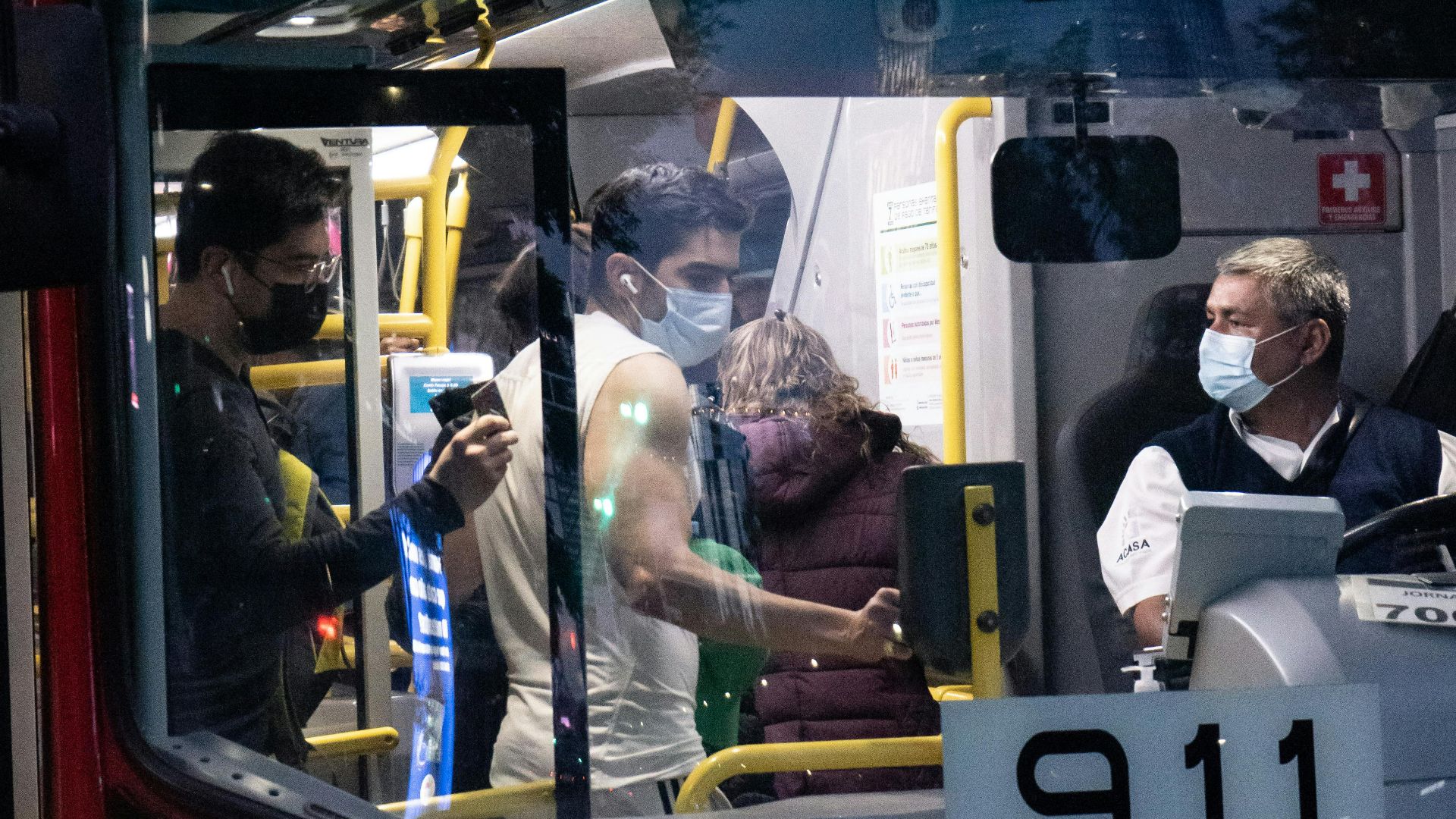
1. Dealing With Difficult Passengers Daily
Verbal abuse, fare disputes, and intoxicated riders become routine parts of the job you can't escape. You'll encounter people having mental health crises and those who simply refuse to follow basic rules. Staying calm while being disrespected repeatedly requires thick skin that many people simply don't possess.

2. High Stress From Traffic Responsibility
Navigating a 40-foot vehicle through congested streets and staying on schedule creates constant pressure. One mistake could cause serious accidents, injuring dozens of people who trusted you with their safety. The mental weight of that responsibility, combined with aggressive drivers and tight schedules, wears many people down quickly.
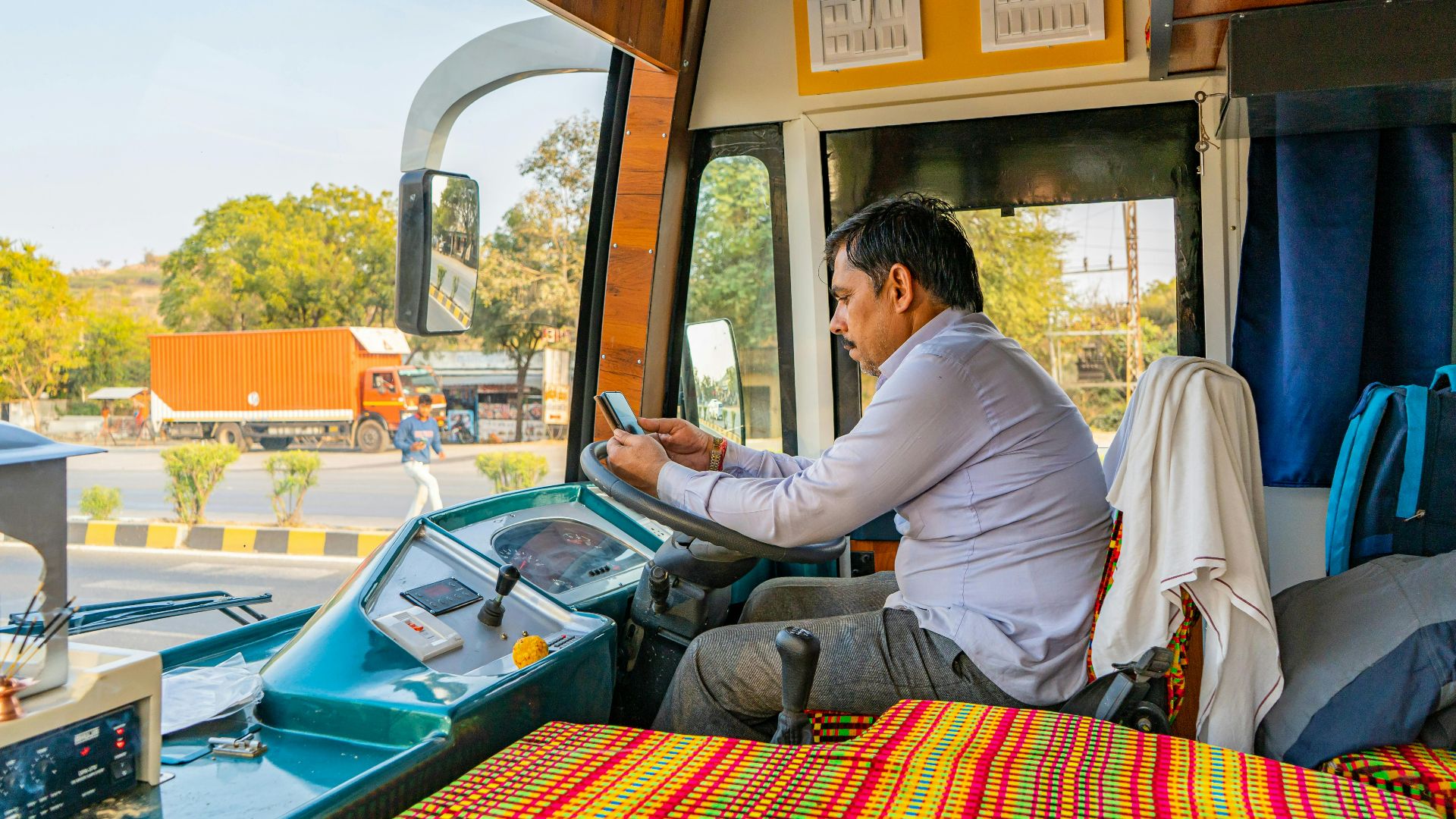
3. Navigating Union Politics And Seniority Drama
Workplace relationships become complicated when vacation bids and shift preferences depend entirely on hire dates rather than merit. Newer drivers get stuck with undesirable routes for years. The social hierarchy within driver lounges can feel petty and exclusionary toward those lacking decades of tenure.
 Metropolitan Transportation Authority from United States of America on Wikimedia
4. Limited Bathroom Breaks
Routes don't pause for your biological needs, leaving drivers desperately waiting for scheduled layovers at terminals. Some drivers develop urinary tract infections or kidney problems from holding it too long. You'll learn which businesses along routes let drivers use restrooms and which ones refuse access entirely.

5. Physical Toll On Your Body
Sitting for extended periods causes back pain and weight gain despite the job seeming active. Moreover, constant vibrations from the road and repetitive steering motions lead to joint problems over the years. Many veteran drivers suffer from hemorrhoids, sciatica, or carpal tunnel syndrome as occupational hazards that nobody warns you about initially.

6. Witnessing Dangerous Situations
You'll see accidents and violent altercations between passengers without always being able to help immediately. Watching someone overdose in the back or children traveling alone in unsafe situations takes an emotional toll. These traumatic experiences accumulate over time.

7. Zero Privacy During Shifts
Cameras monitor your every move inside the bus, and passengers constantly observe and judge your driving or customer service. One complaint from a rider can trigger investigations even when you followed all protocols correctly.

8. Dealing With System Inefficiencies
Drivers absorb passenger frustration over late buses or broken air conditioning, even though these issues lie beyond their control. Bureaucratic policies frequently clash with street realities and leave workers caught between rigid rules and daily challenges.
 Mehmet Turgut Kirkgoz on Pexels
9. Seasonal Weather Challenges
Driving through blizzards, ice storms, or extreme heat without canceling service puts you at risk that other professions avoid. Summer buses become rolling ovens when air conditioning fails; winter brings black ice and reduced visibility. You're still expected to maintain schedules during dangerous conditions.
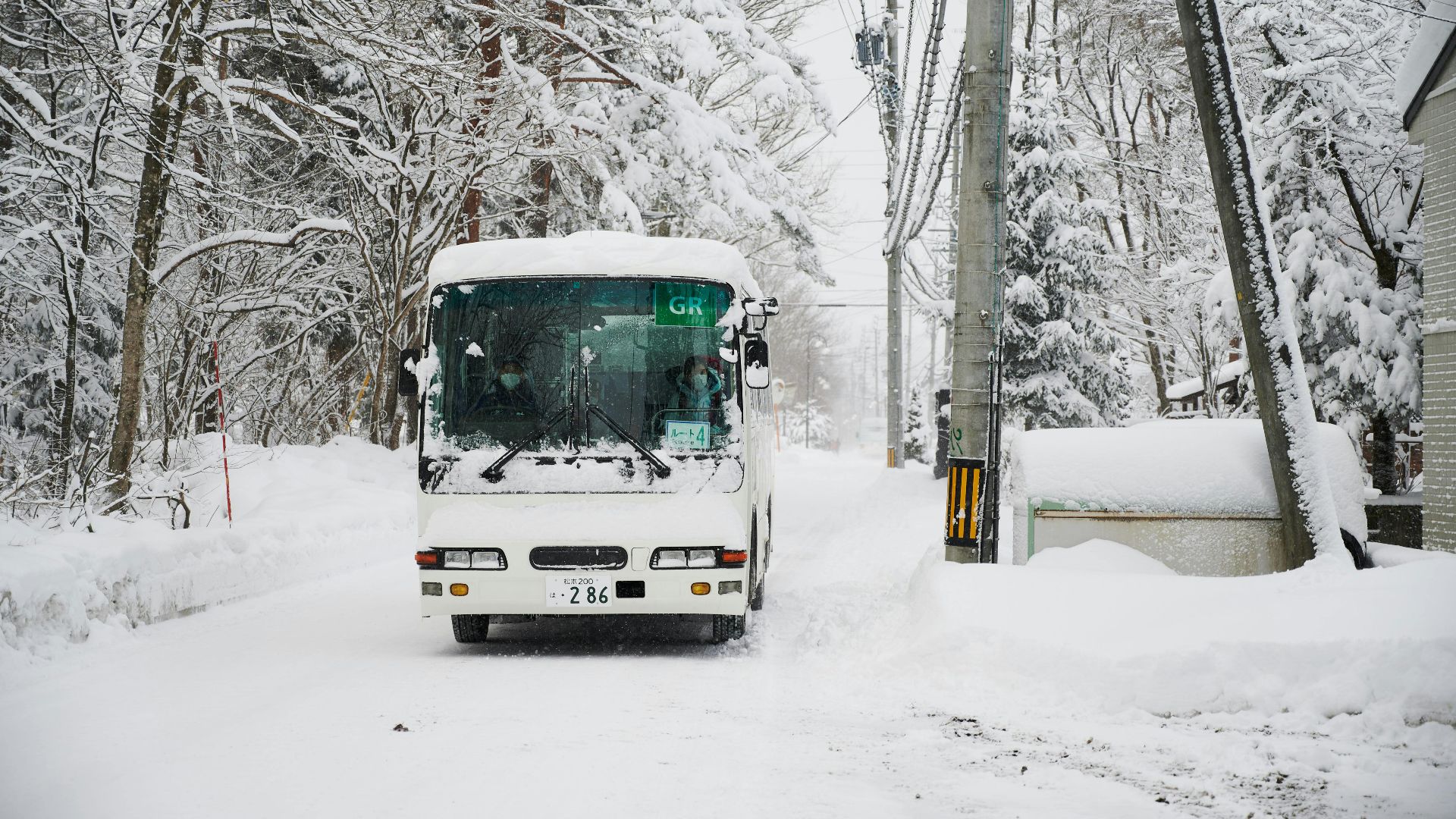
10. Constant Exposure To Illness
Enclosed spaces with poor ventilation mean catching every flu and stomach bug circulating through the community. Passengers cough directly on you, touch handrails after sneezing, and board while visibly sick because they have nowhere else to go. Your immune system battles germs constantly.