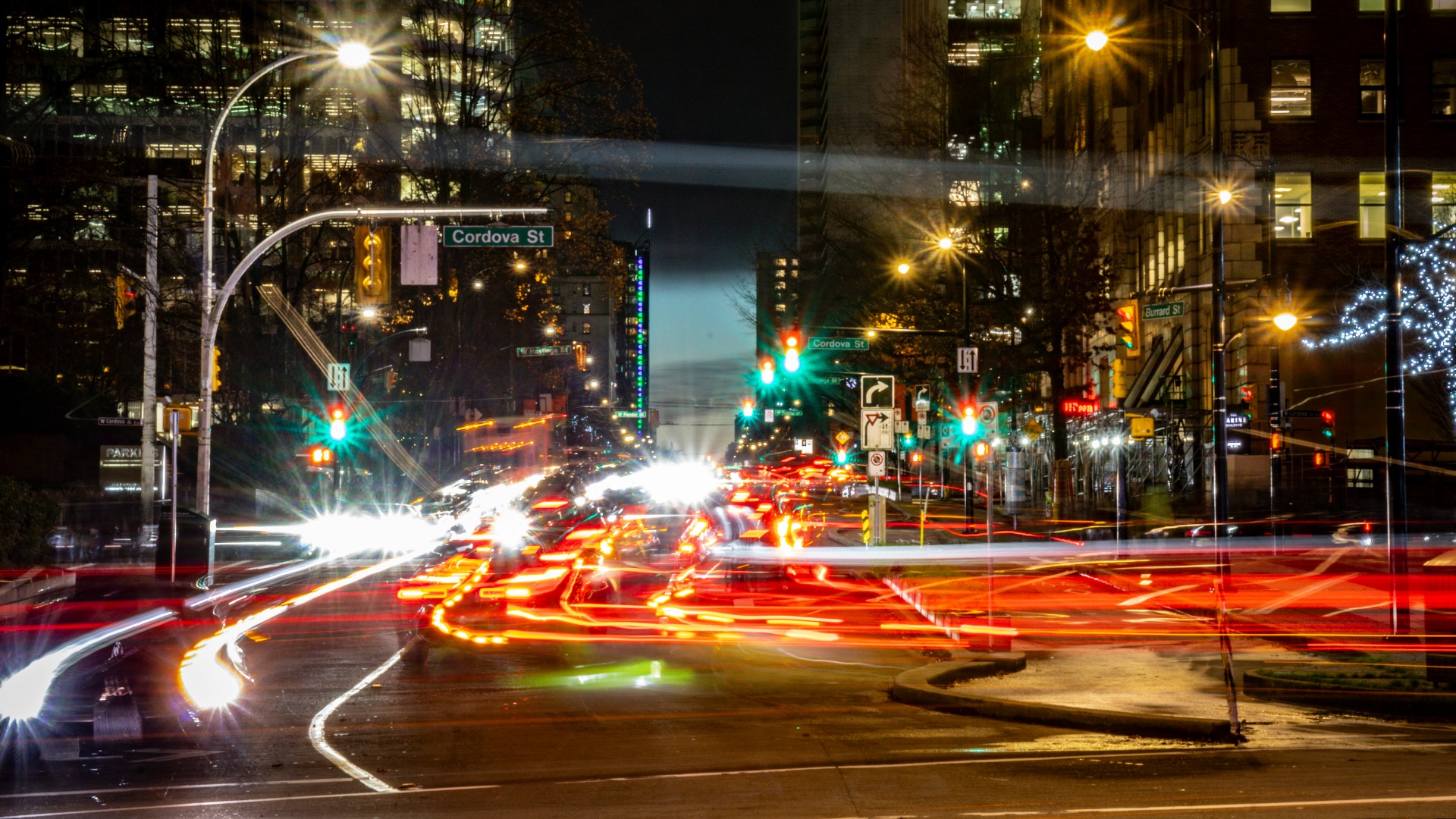
Astigmatism can make driving feel needlessly demanding, especially when signs blur at a distance or headlights turn into streaks. It doesn’t mean you can’t drive safely; it just means you may need a more intentional setup than someone with perfectly crisp vision. If you’ve ever squinted at lane markings and thought everything looked a little off, you’re not alone.
The good news is you don’t have to swear off night driving to stay safe. A few practical tweaks can make the road feel less stressful and more predictable. Read on for five tips on how to deal with astigmatism when driving, so it doesn't feel like rocket science.
Make Sure Your Prescription Is Up-to-Date
Start with the basics: if your prescription is outdated, nighttime is often where it shows first. Low light tends to amplify blur and glare, which can make small errors feel much bigger. An up-to-date exam gives you a reliable foundation before you try any other fixes.
Next, consider whether your correction method fits your everyday life. Glasses can work very well, and toric contact lenses are designed to address astigmatism if you prefer contacts. If your vision shifts during long drives, it may be worth discussing fit, stability, and comfort with an eye care professional.
Lens features can matter more than people expect, especially after sunset. Anti-reflective coatings may reduce distracting reflections and improve contrast when bright lights hit your lenses. If you’ve been tempted by yellow “night driving” glasses, be cautious; they aren’t universally helpful and may even reduce what you can see in certain conditions.
Keep Surfaces Clean
Smudges don’t just look messy; they can intensify glare. A slightly oily pair of glasses can turn pinpoint headlights into larger, fuzzier shapes that are harder to interpret. A microfiber cloth and proper lens cleaner in the car can spare you a lot of squinting, which is better for your eyes in the long run.
The windshield deserves the same attention, inside and out. Film buildup, dust, and streaks can scatter light and create reflections that compete with the road scene. Clean the side windows and mirrors too, since glare can sneak in from angles you aren’t expecting.
Your headlights can also contribute to what you’re seeing. Cloudy headlight covers, grime, or misalignment can reduce the useful light on the road while still producing harsh brightness for others. A quick check for cleanliness and proper aim is a simple maintenance step with real visibility benefits.
Adjust Lighting
Glare isn’t only external; your car’s interior settings can either help or sabotage you. If your rearview mirror has a night mode, use it, because it can reduce the intensity of bright lights behind you. Even a small reduction can make the drive easier on you.
You can also fiddle with your dashboard brightness. An overly bright display can make the outside world seem darker by comparison, which can slow your eyes’ adjustment. Turn the instrument panel and infotainment brightness down to a comfortable level so they're not as distracting.
When oncoming headlights approach, your gaze strategy matters, too. Avoid staring directly at the brightest point, since that can worsen discomfort and leave unwelcome afterimages. Instead, keep your attention where it supports lane position and safe scanning, with quick glances that don’t linger.
Use Driving Habits That Leave You Extra Time
Night driving already shrinks your margin for error, and astigmatism can add another layer of challenge. Giving yourself more following distance reduces pressure and provides more reaction time if something unexpected appears. A slightly slower pace can also make signs, lane markings, and turns easier to process.
Your route choices can improve the experience, too. When possible, favor roads with better lighting, clearer lane lines, and simpler intersections. Planning a straightforward path can reduce last-second decisions, which is where glare and blur are most likely to feel overwhelming.
If conditions are rough, such as in rain or fog when high-intensity headlights come in a stream, make the situation easier on yourself. Change lanes earlier, avoid abrupt maneuvers, and let aggressive drivers pass rather than fighting for space. The key is to stay safe on the road.
Manage Fatigue and Dryness, and Know When to Stop
If you’re tired, astigmatism-related glare can feel twice as irritating. Fatigue reduces attention and makes it harder to adapt quickly to changing light. Taking a short break, grabbing water, or simply stepping out of the car for a moment can restore focus more than you’d think.
Dry eyes can also exaggerate glare and blur, especially for contact lens wearers; keeping rewetting drops handy may help maintain clearer vision on longer drives. Comfort and clarity are linked, meaning if your eyes feel scratchy, your focus often gets less reliable.
Finally, pay attention to changes you can’t explain. If night glare suddenly worsens, if halos become overly intense, or if you feel unsafe even with adjustments, schedule an eye exam and pause night driving when needed. At the end of the day, you want to make smart, sensible decisions, so they lead to better solutions faster.