The Road Rules You Never Expected
Most driving laws are boring on purpose: they’re there to keep everyone alive and calm. But once you zoom in to specific states and even tiny towns, you’ll find rules that sound like they were written after one very weird incident. Here are 20 driving laws that you must follow, but definitely have a colorful backstory.
1. New Jersey: You Can’t Pump Your Own Gas
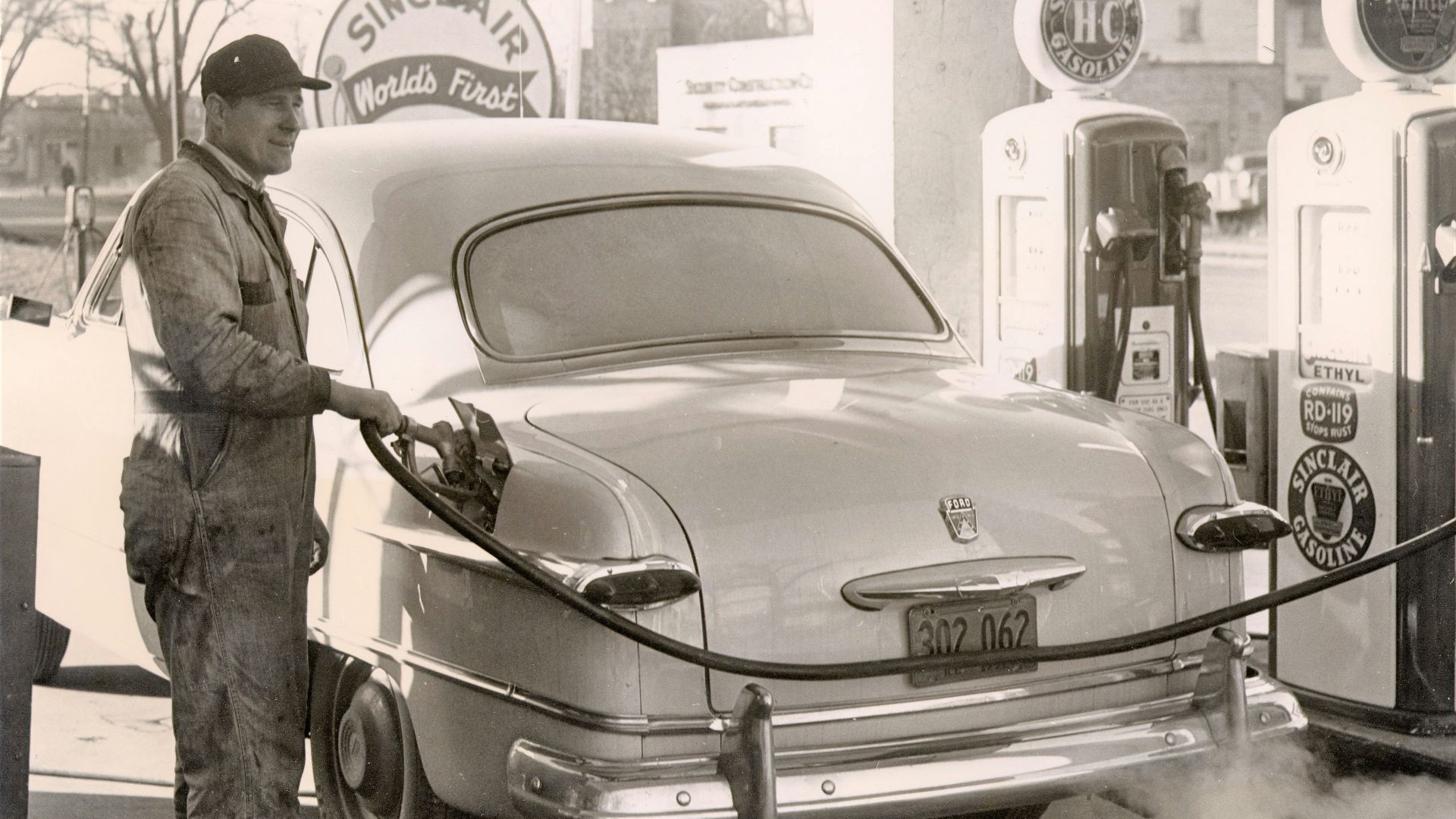
If you roll into New Jersey and hop out to fuel up, you might get waved back into your car. The state requires gas station attendants to pump gasoline for customers, and it’s treated as a safety rule, not just a quirky tradition.
2. Alabama: No Driving While Blindfolded
This one feels like it shouldn’t need to be written down, yet here we are. If you ever hear someone bragging, “I could drive with my eyes closed,” Alabama’s law says, “Please don’t test that.” It’s basically the legal system preemptively rolling its eyes at daredevil behavior.

3. Alaska: Don’t Strap a Dog to the Roof
Alaska is serious about animal safety in transit, and yes, the “dog on the roof” idea is specifically called out in plenty of summaries. Even if your dog seems calm, the state is not interested in your improvised rooftop setup.
4. Arizona: Reversing on Public Roads Is a No-Go
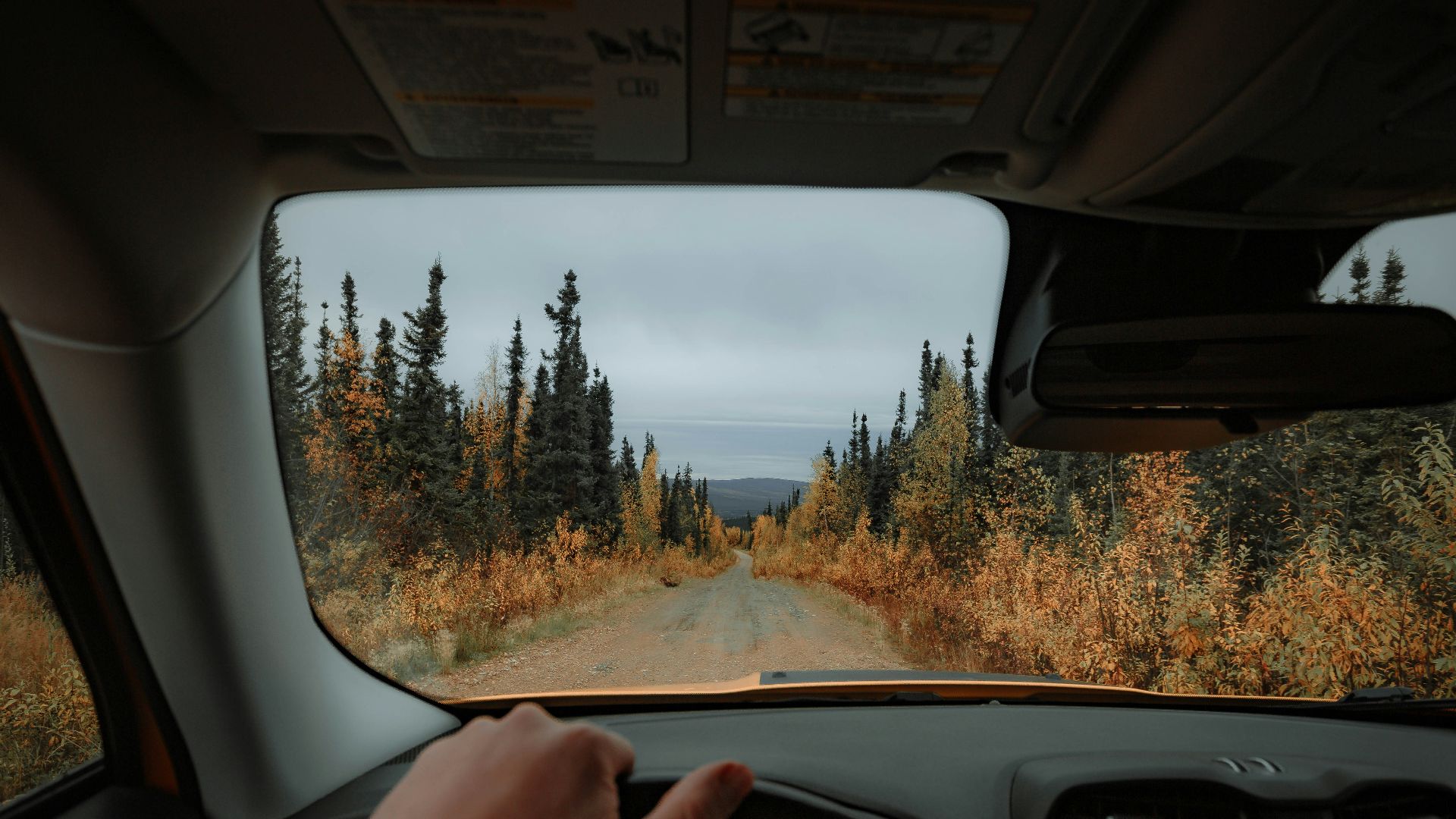
Backing up is one thing in a driveway or parking spot, but this Arizona law draws a hard line against driving in reverse on public roadways. It’s the kind of law that exists because somebody, somewhere, definitely tried to “reverse commute” for way too long.
5. Little Rock, Arkansas: No Honking After 9 p.m. Near Sandwiches
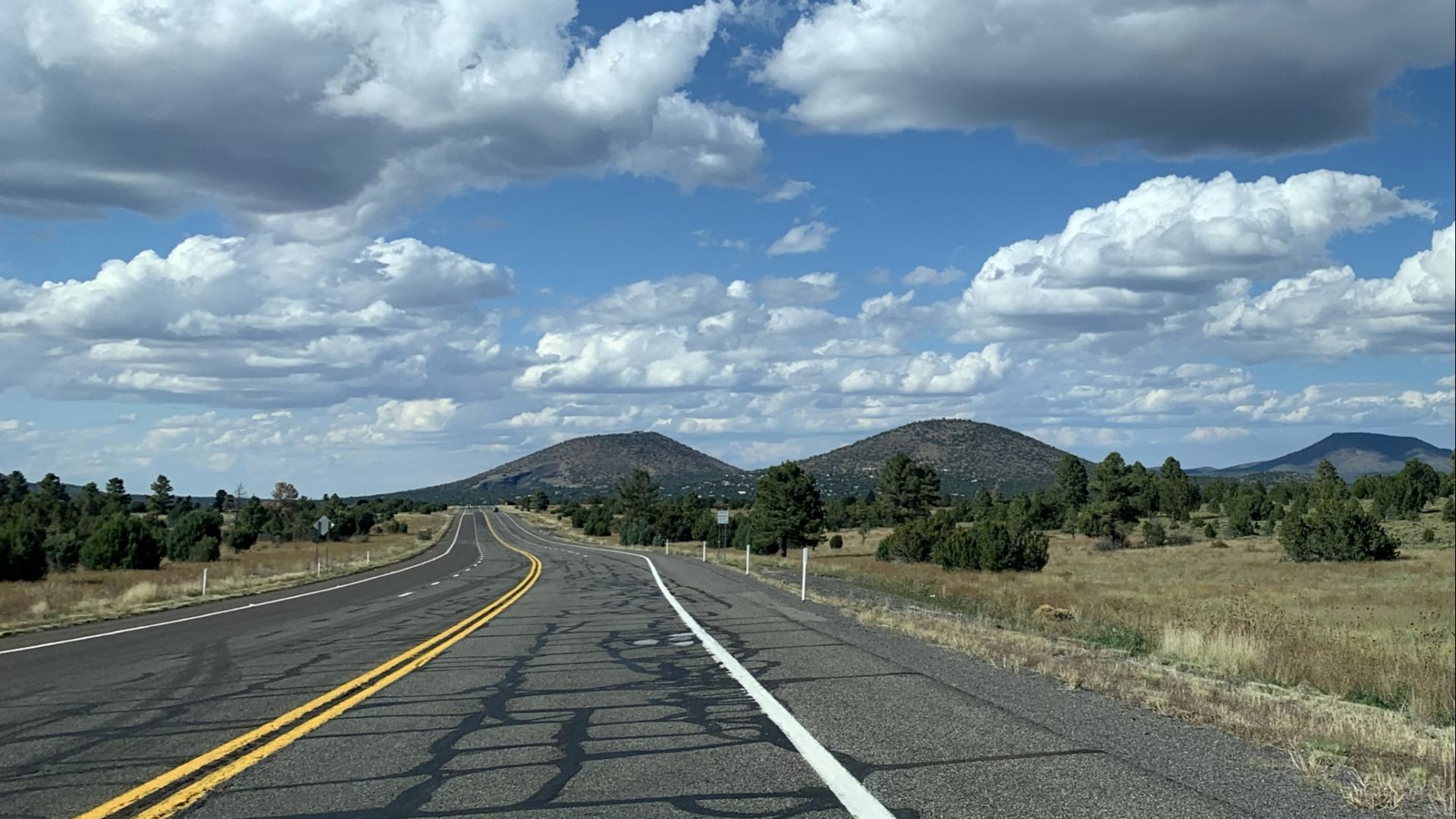
Little Rock’s ordinance doesn’t just say “don’t honk late,” it adds a very specific twist: no horn-sounding after 9:00 p.m. near places serving cold drinks or sandwiches. That means your righteous horn blast might technically be a sandwich-adjacent offense.

6. Rockville, Maryland: Watch Your Mouth in the Street
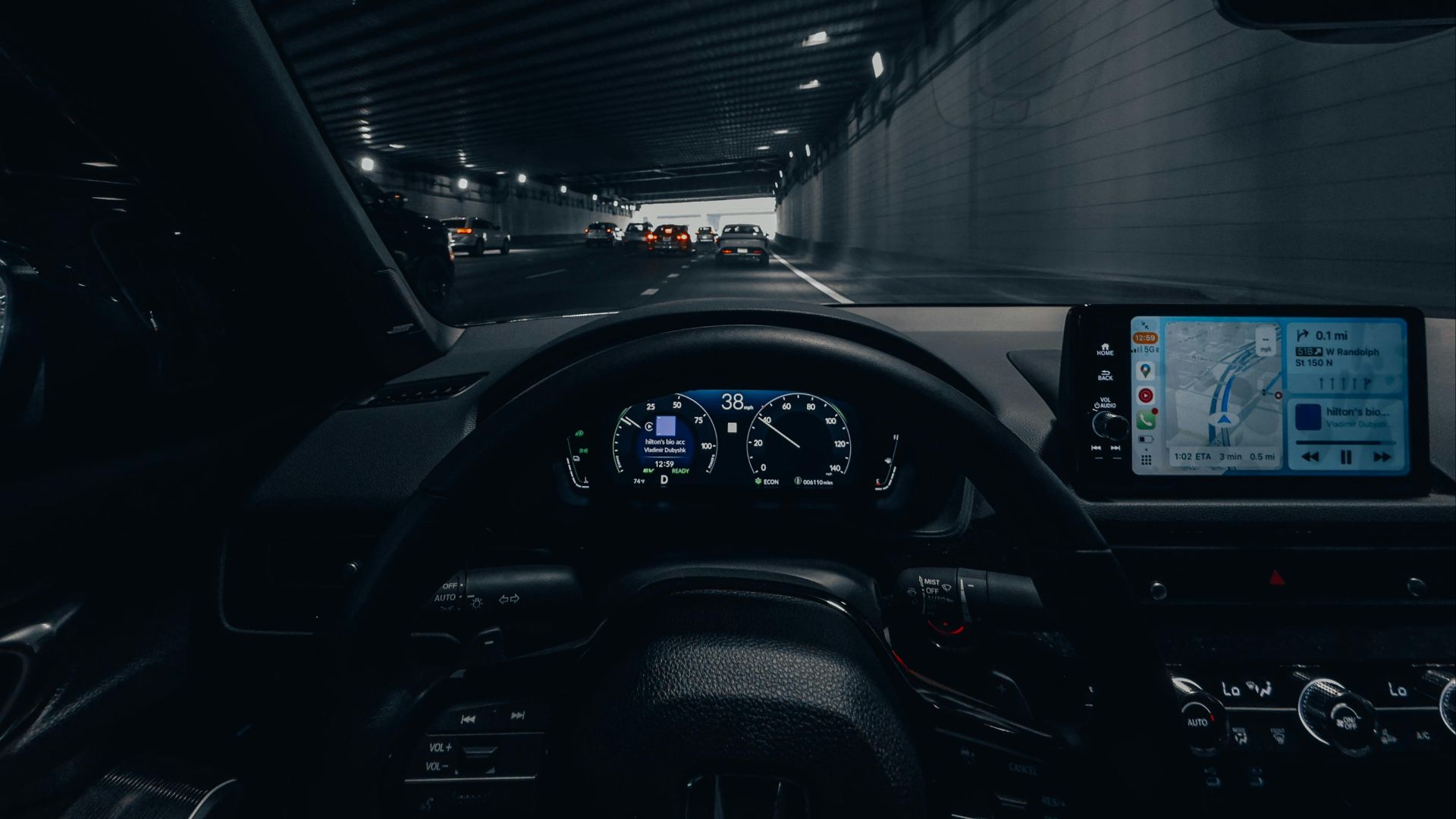
In Rockville, it’s not just how you drive, it’s what you shout while you’re doing it. The local code bans profane cursing or using obscene language near streets, sidewalks, or highways within the hearing of people passing by.
7. Minnetonka, Minnesota: Dirty Tires Can Be a “Public Nuisance”
Yes, tires get dirty, that’s their whole job, but Minnetonka still draws a line. The ordinance treats vehicles whose wheels deposit mud, dirt, sticky substances, litter, or other material onto streets as a nuisance.
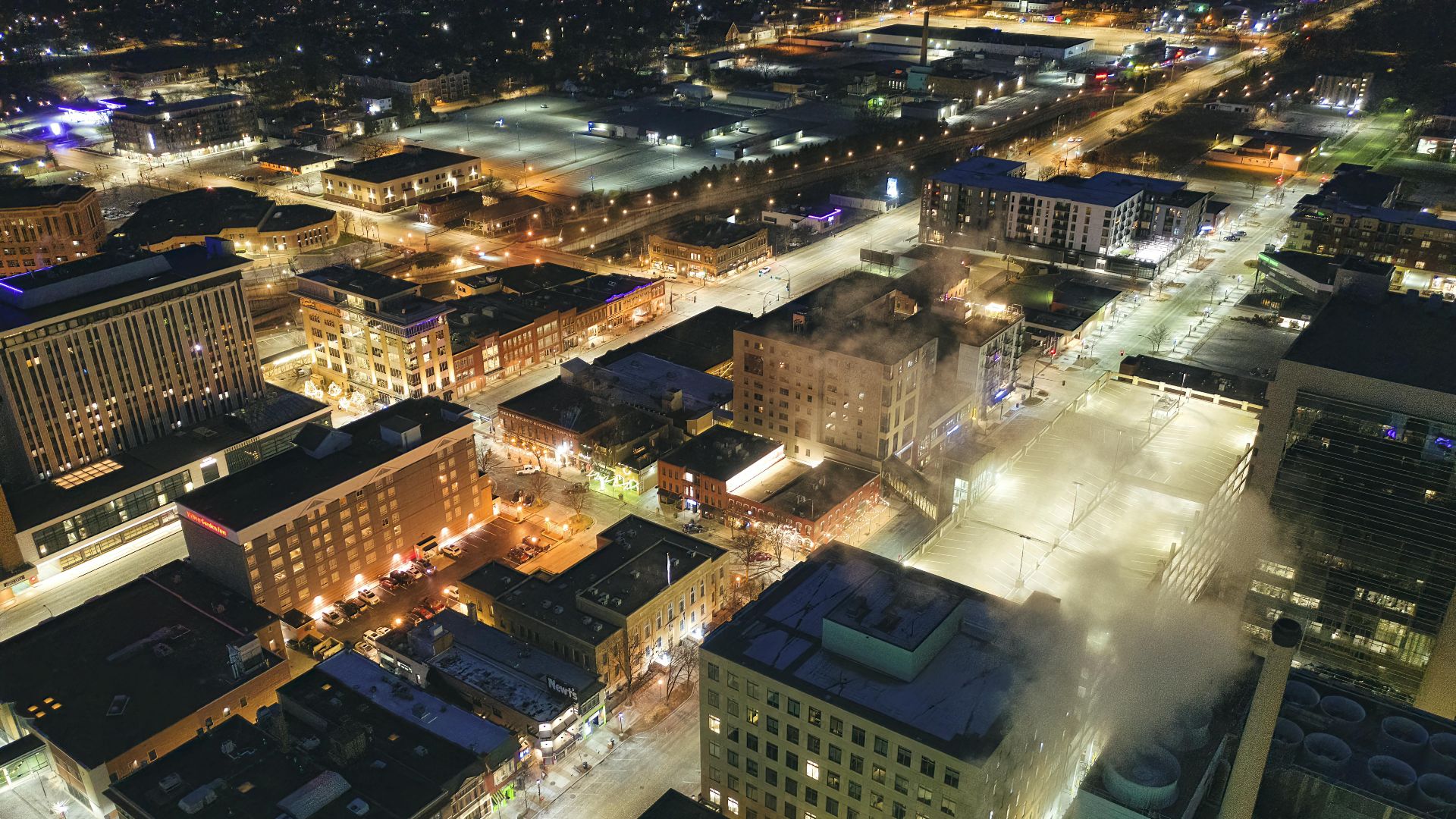
8. South Berwick, Maine: Don’t Park in Front of Dunkin’
Some towns post “No Parking” signs; South Berwick basically says “Not there, specifically.” Local rules call out the Dunkin’ location on Main Street West, making it extra clear that stopping in front of it isn’t legal.
9. Hilton Head Island, South Carolina: Trash in Your Car Can Be Illegal
Hilton Head’s code goes after garbage that could attract rats, and it explicitly includes vehicles. Turning your backseat into a fast-food museum might be more than gross, since it can qualify as a nuisance if it’s basically rodent real estate.

10. Los Angeles, California: Don’t Wash a Car on the Street Unless It’s Yours
If you’ve ever thought, “I’ll be nice and wash my neighbor’s car,” Los Angeles says, “Absolutely not on the street.” The ordinance bars washing or cleaning a vehicle on a street unless it’s owned by or under the direct control or supervision of the person doing it.
11. Texas: Windshield Wipers Must Work
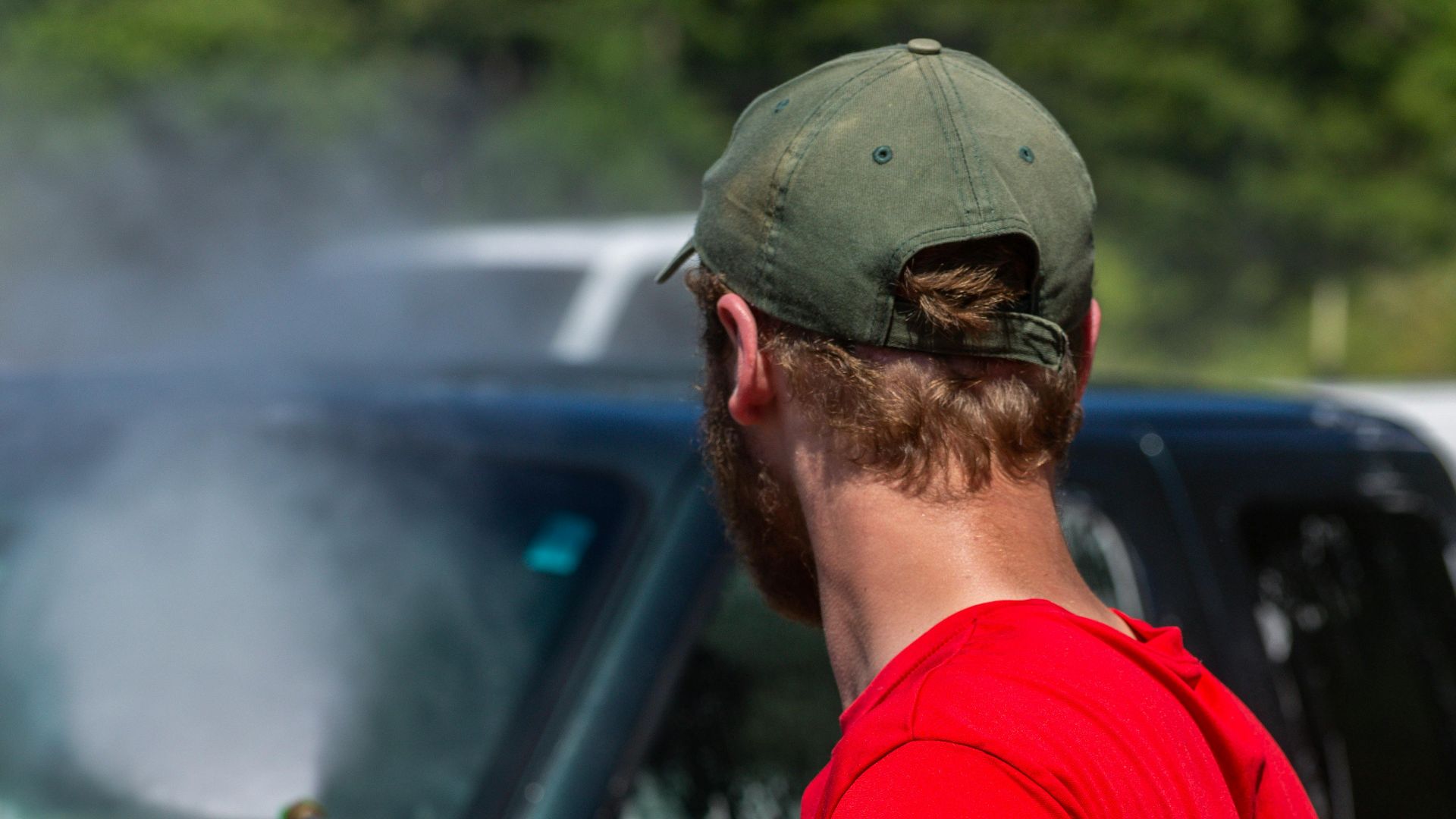
Texas requires vehicles to have a driver-controlled device that clears moisture from the windshield, and it must be kept in good working condition. This is logical until you realize people sometimes ignore wipers until they’re basically smearing fog like a bad paintbrush.

12. Fenwick Island, Delaware: Changing Clothes in a Vehicle Is Prohibited
Fenwick Island’s rules get oddly personal: “changing clothes in a vehicle” is listed as prohibited. So if you’re planning a quick outfit swap before dinner, you might want to do it somewhere that’s not your driver’s seat.
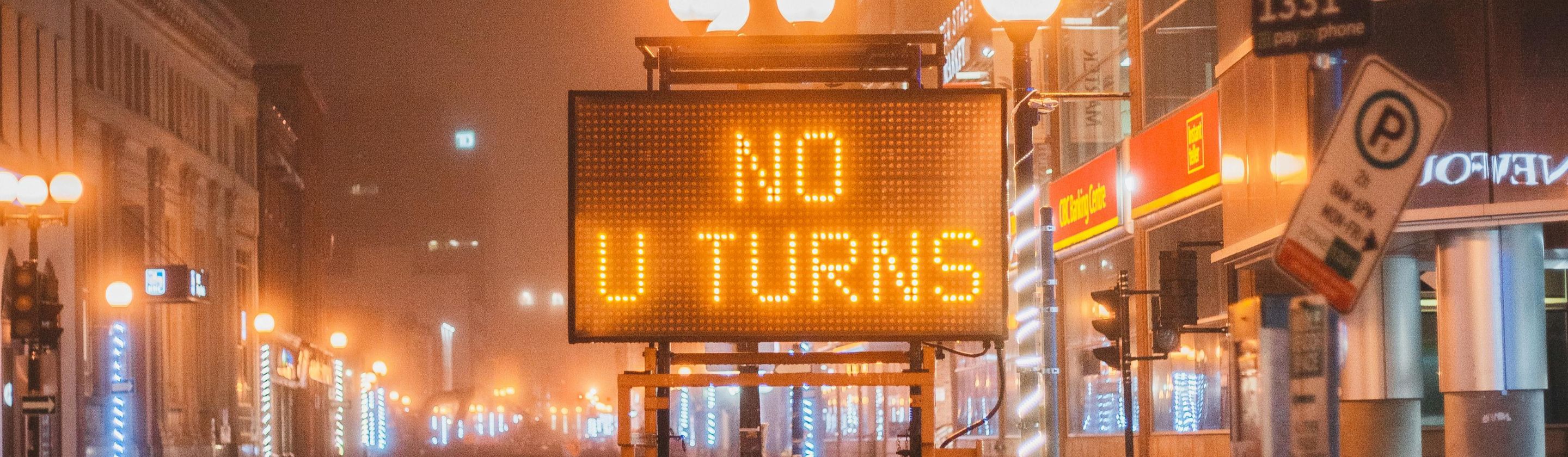
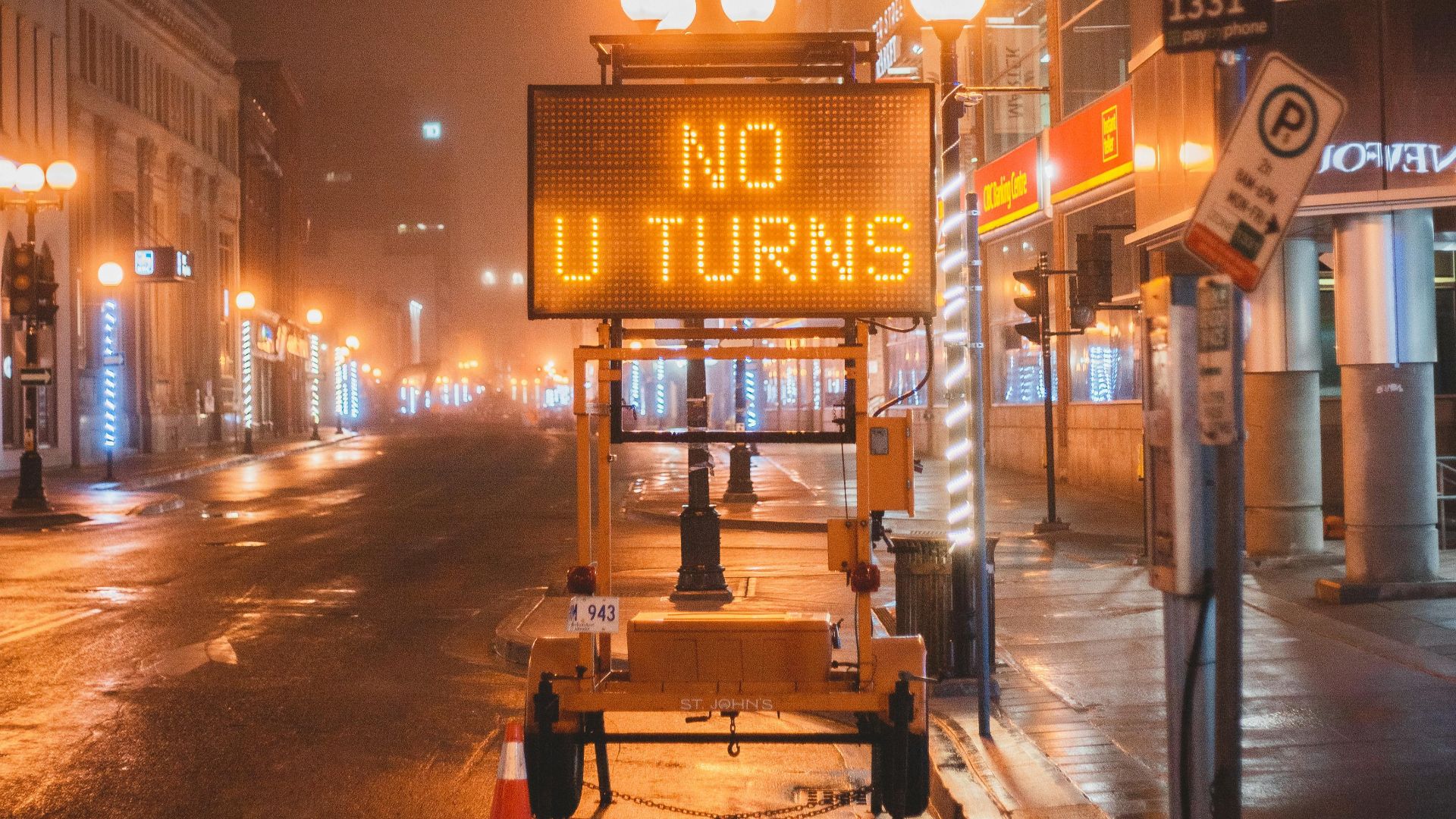
13. West Hampton Dunes, New York: No U-Turns Anywhere
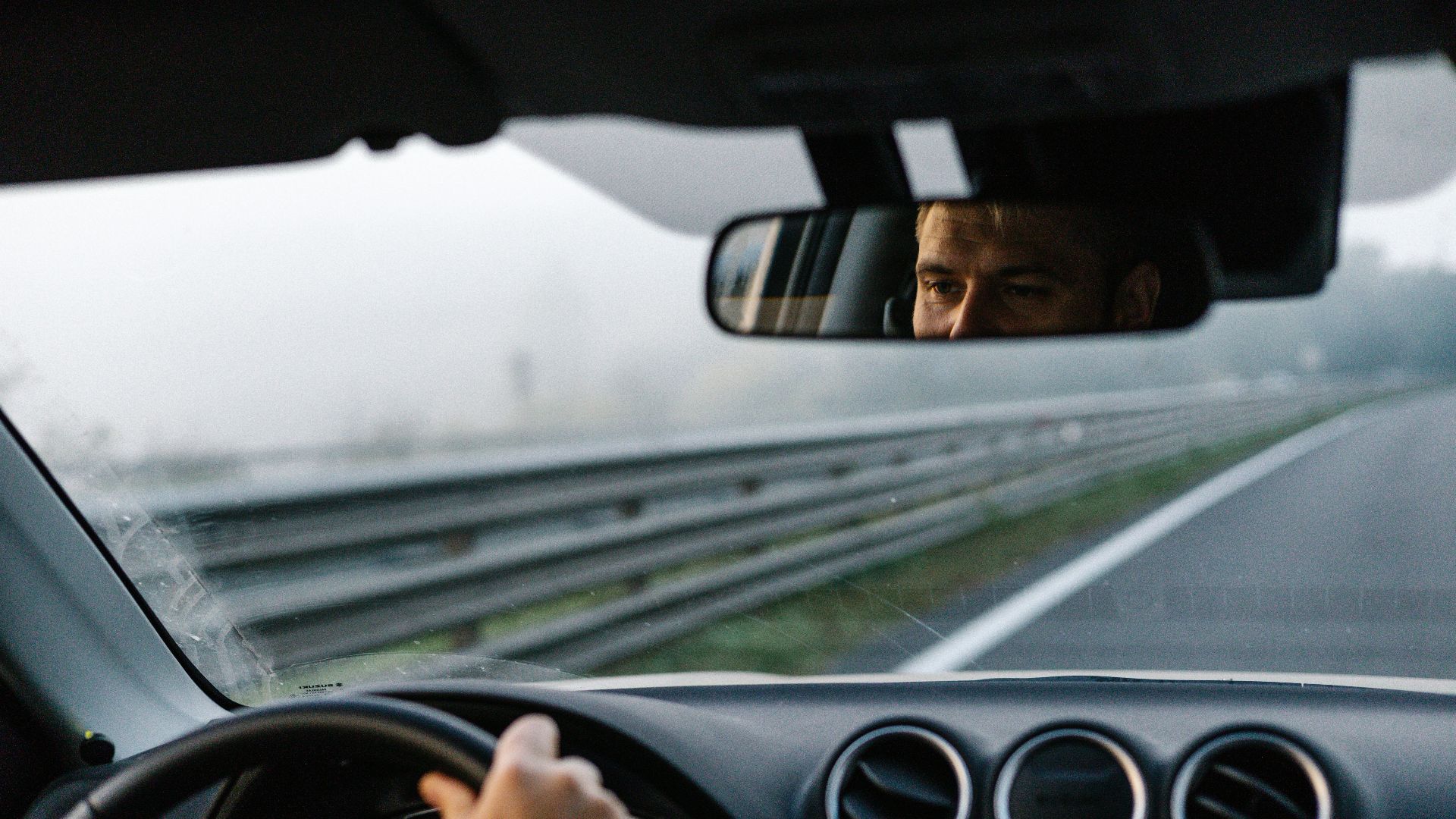
This village has a very strict driving law: no U-turns on any street (or parts of streets) in the Village of West Hampton Dunes. Not “no U-turns here,” not “no U-turns during summer,” just none.
14. Mount Vernon, Iowa: Don’t Toss or Shoot “Dangerous Instruments” Into Streets
Mount Vernon’s ordinance bans throwing missiles of any kind or shooting things like air rifles (and other dangerous instruments or toys) on or into streets, alleys, highways, and similar public places. The vibe is clear: don’t treat the roadway like your personal target range.

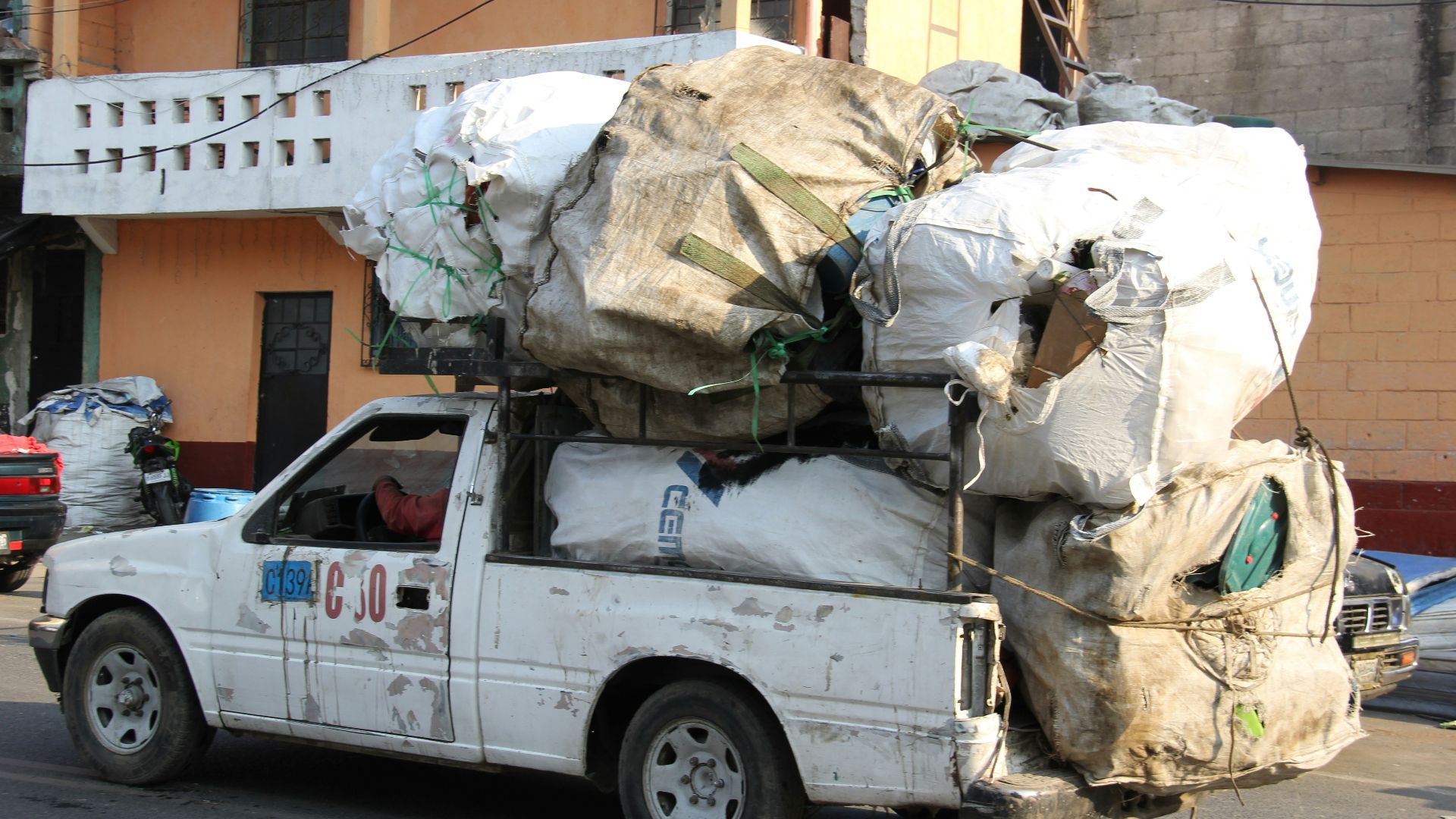
15. Omaha, Nebraska: Hauling Trash Has Rules
Omaha’s nuisance code addresses transporting trash, refuse, garbage, and even dead animals through public ways in a vehicle unless it’s handled properly. It’s strangely intense in its list of what you’re not supposed to casually cart around.
 Angels for Humanity on Unsplash
16. Saline, Michigan: Unwashed Food Containers Need Written Consent
Saline’s ordinance says you can’t transport garbage, “unwashed refuse,” or unwashed food containers through city streets without written consent from the city administrator. This is a driving law and a permission slip for your leftovers.

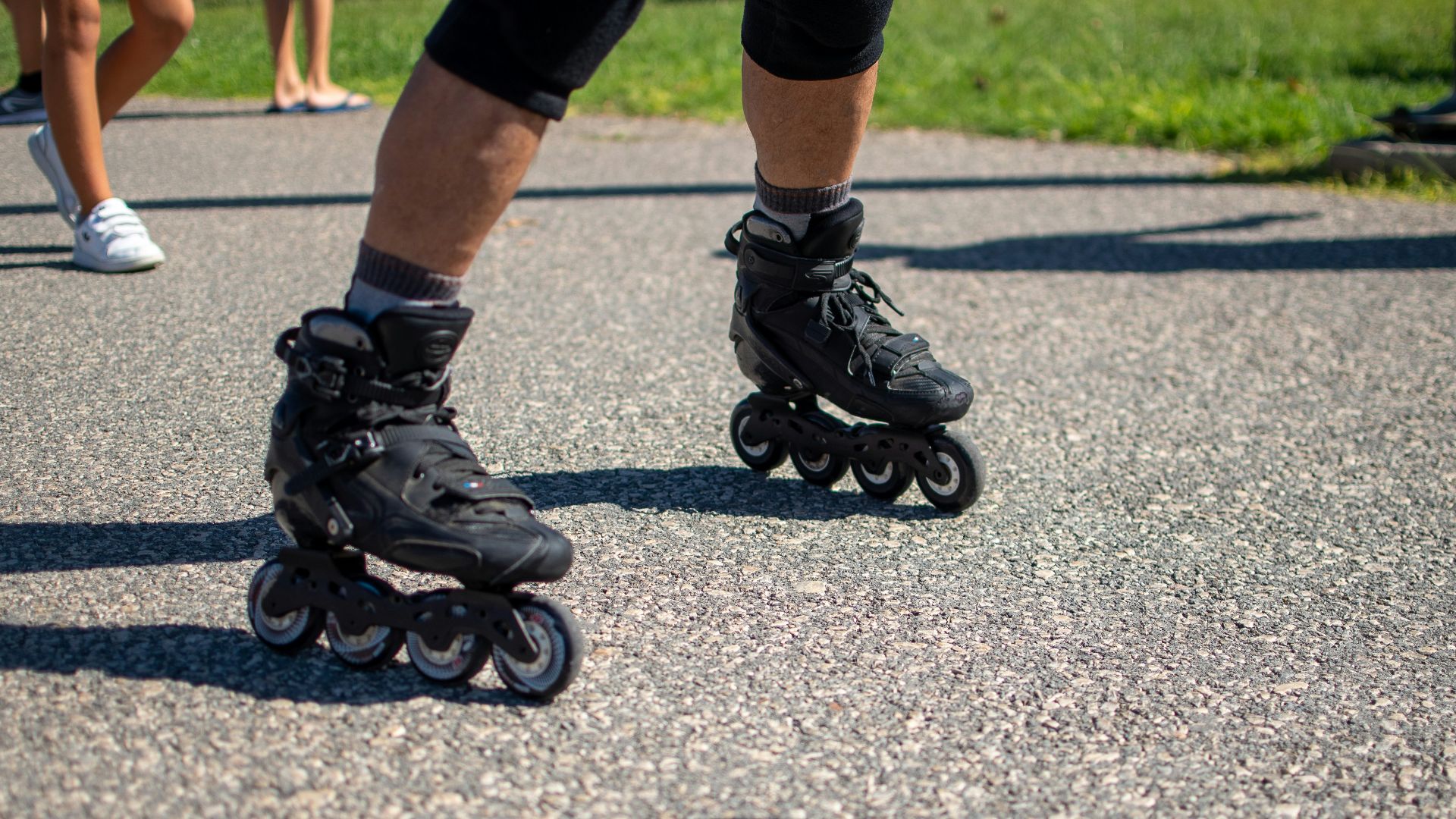
17. Aliso Viejo, California: No Roller Skates on the Roadway
In Aliso Viejo, the code prohibits riding nonmotorized skateboards, roller skates, roller blades, nonmotorized scooters, and similar devices on the roadway. It’s like the street is reserved for cars and bikes, and your “I’m basically a vehicle” argument won’t land.
18. Virginia: Roadkill Can Be Claimed Year-Round
Virginia’s rules changed in 2024 to make it easier for people to claim roadkill beyond the old “only if you hit it” approach. It sounds like a joke until you realize it’s partly about reducing waste and easing removal burdens.

19. Nevada: The Famous “Camel Highway Ban” Is Often Misstated
You’ve probably heard that Nevada bans camels on highways, and it gets repeated constantly. The twist is that it’s often described as a law even though it’s not reliably found in the current Nevada Revised Statutes.
20. Georgia: Motorcyclists Need Actual Footwear
Georgia doesn’t care if you’re barefoot in a regular car, but it does get picky about motorcycles. The rule requires motorcycle operators to wear footwear beyond just socks, which is a very polite way of saying “put real shoes on.”