 Jimmy Nilsson Masth on Unsplash
A new car sells a particular kind of confidence. The paint looks flawless under the lot lights, everything inside feels fresh and untouched, and the dashboard screen boots up with the untroubled efficiency of a fresh device. The salesperson leans on the same promises every time too: strong warranties, fewer surprises, and modern engineering that’s supposed to have the rough stuff figured out. You drive away expecting the annoying chapter of car ownership to be postponed for a few years.
Then reality shows up in small, annoying ways. The car runs fine, yet the infotainment freezes at the worst moment, or a driver-assist alert pops on for no clear reason. J.D. Power’s 2025 U.S. Vehicle Dependability Study found an industry average of 202 problems per 100 vehicles after three years, the highest level since 2009, with the increase tied in part to software defects. While they aren’t catastrophic failures, they are the kind that turn a new car into a source of daily frustration.
More Tech Means More Things To Break
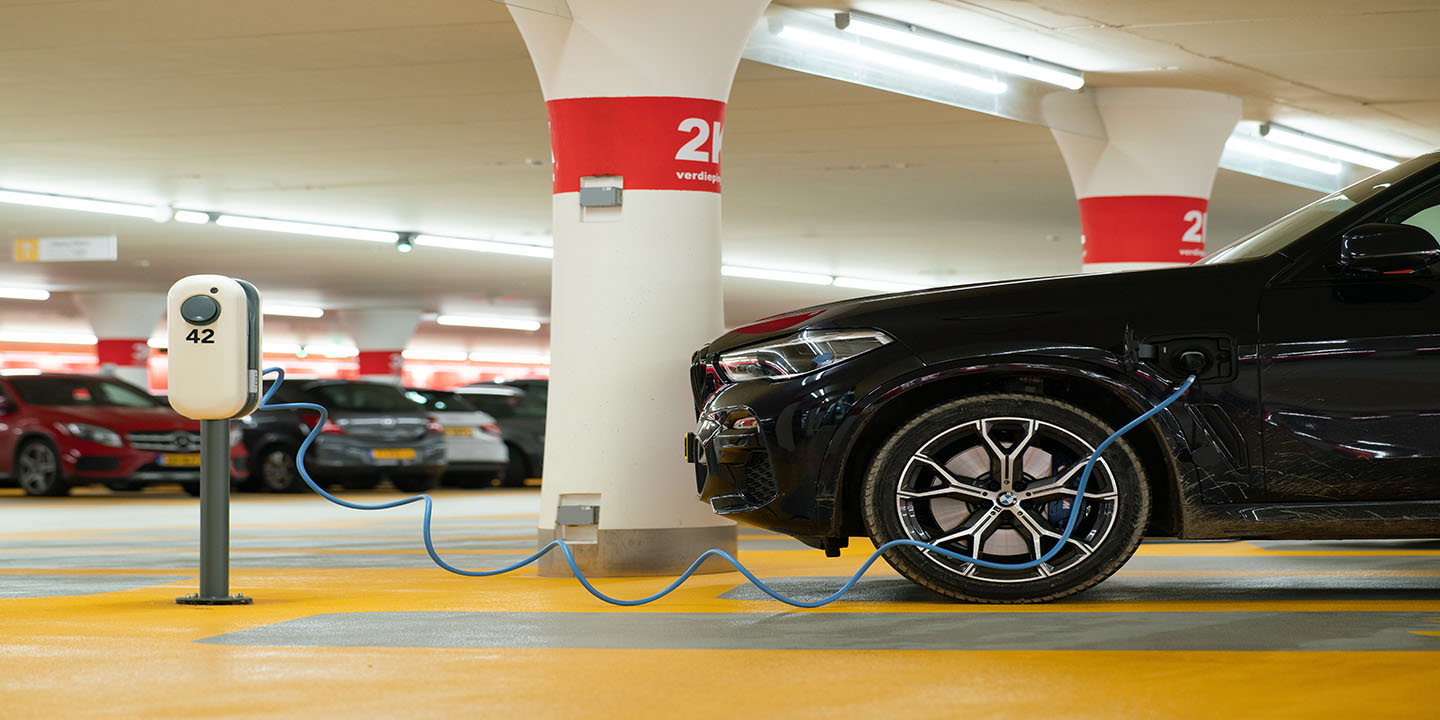
New cars carry a lot more than a drivetrain and a radio. Even basic trims now show up with multiple cameras, radar-based safety features, and big touchscreens that run half the experience. When that tech works, it feels seamless, but when it glitches, the car can feel older than it is, because nothing ages faster than a modern device acting up.
The reliability conversation has also shifted from “will it start” to “will it behave.” In the J.D. Power dependability data, software-related issues were a noticeable driver of worsening results, and connectivity features like Android Auto and Apple CarPlay show up as recurring pain points in industry coverage of the study. A dropped connection or a navigation crash won’t strand anyone on the shoulder, yet it can still make a two-week-old car feel irritatingly cheap.
Underneath all that is sheer complexity. Analysts and consultants regularly describe modern vehicles as software-heavy systems, with estimates that the software supporting a vehicle’s electronic control units can reach up to around 100 million lines of code. More code means more sensors, interfaces, and integration points where failures can crop up unexpectedly.
The Manufacturing Era Matters More Than The Model Year
A new car can be “new” in two different ways: new to you, or new as a design. When a model is freshly redesigned, it’s often introducing a new platform, new electronics architecture, and new suppliers all at once. That’s exciting on paper, yet it also creates the conditions for early-life issues, the kind that get quietly corrected in later production runs. If you buy early, you can end up living through that awkward first chapter where the car is still becoming what it was supposed to be.
J.D. Power’s 2025 Vehicle Dependability Study looks at three-year-old vehicles, and it found owners reporting more problems than the year before. A meaningful chunk of that jump was tied to software and tech features, the stuff that’s supposed to make driving easier and often ends up being the part that nags you most. Even if a particular car is built well, the broader era matters because parts availability, substitutions, and rushed workarounds can leave fingerprints that show up later.
There’s also a psychological trap with new cars. A 12-year-old vehicle with a flaky Bluetooth connection feels normal, because the bar is lower and you’ve already accepted its quirks. A two-month-old vehicle doing the same thing feels personal, as if you’ve been sold a dud. Consumer Reports’ reliability work, based on large owner survey samples across many model years, keeps reinforcing that “new” isn’t automatically “trouble-free,” especially when a brand’s consistency varies across models and powertrains.
Recalls And OTA Fixes Make Problems Feel Smaller Than They Are
A recall used to mean a service visit, and an afternoon stuck in a waiting room sipping burnt coffee. Nowadays, recalls can be relatively painless, because software updates can be delivered remotely. That convenience is real, and it can prevent a lot of hassle, yet it also creates a false sense that modern reliability issues are mostly just faulty “updates.”
The official numbers show how big recall activity actually is. NHTSA notes that since the National Traffic and Motor Vehicle Safety Act was enacted in 1966, more than 390 million vehicles have been recalled due to safety defects. Recalls are about safety, not annoyance, yet the scale is a reminder that modern vehicles, old or new, routinely ship with issues serious enough to require official correction.
Over-the-air remedies are also becoming a significant portion of recalls, which says something about how many problems now occur in software. NHTSA’s 2024 annual recall report tracks recalls that can be fixed through over-the-air updates, and it shows that millions of recalled vehicles in recent years were covered by those OTA remedies. The same report also notes that nearly 80% of vehicle recalls end up with a final fix available within 60 days, which is fast on paper, even if it still means the car shipped with a problem in the first place.