When An Ugly Duckling Bodyline Turns Into A Legend
Every car era has designs that land like a practical joke. The first reaction is usually a squint, followed by a strong opinion, followed by someone insisting the designers must have lost a bet. Then time steps in and softens the edges of our taste, and the exact same shape starts looking bold, specific, even kind of inevitable. Sometimes the redemption comes from motorsport, sometimes from movies, sometimes from the simple fact that the rest of the industry copies the idea a decade later and pretends it was obvious all along. Here are 20 car designs that caught heat early and ended up as icons anyway.
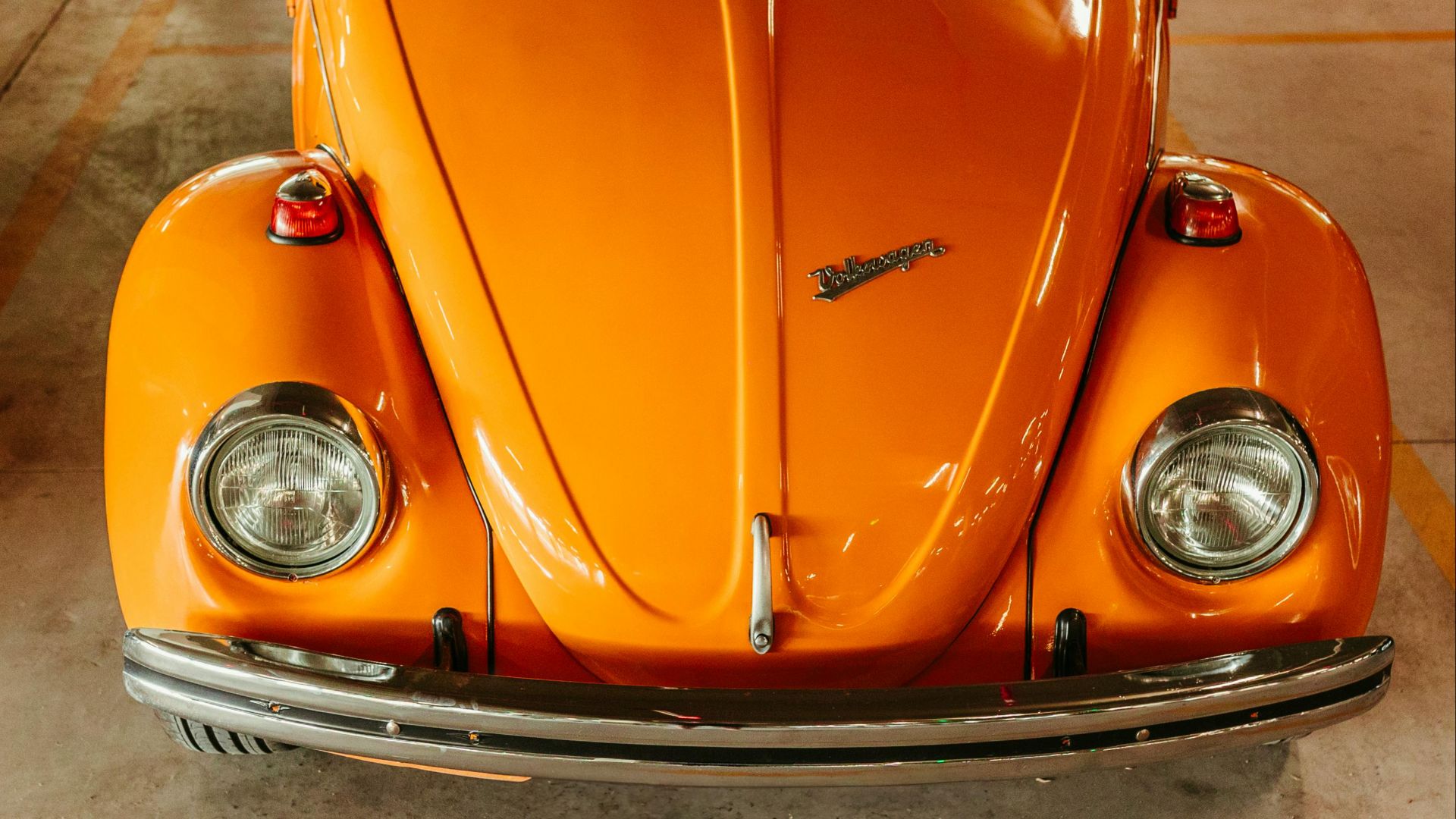
1. Citroën DS
When the DS arrived in the 1950s, it looked like the future parked itself on a Paris street, and plenty of people did not trust it. The profile was so different from the upright, traditional sedans around it that it felt almost theatrical. Decades later, that same daring silhouette reads as pure confidence.
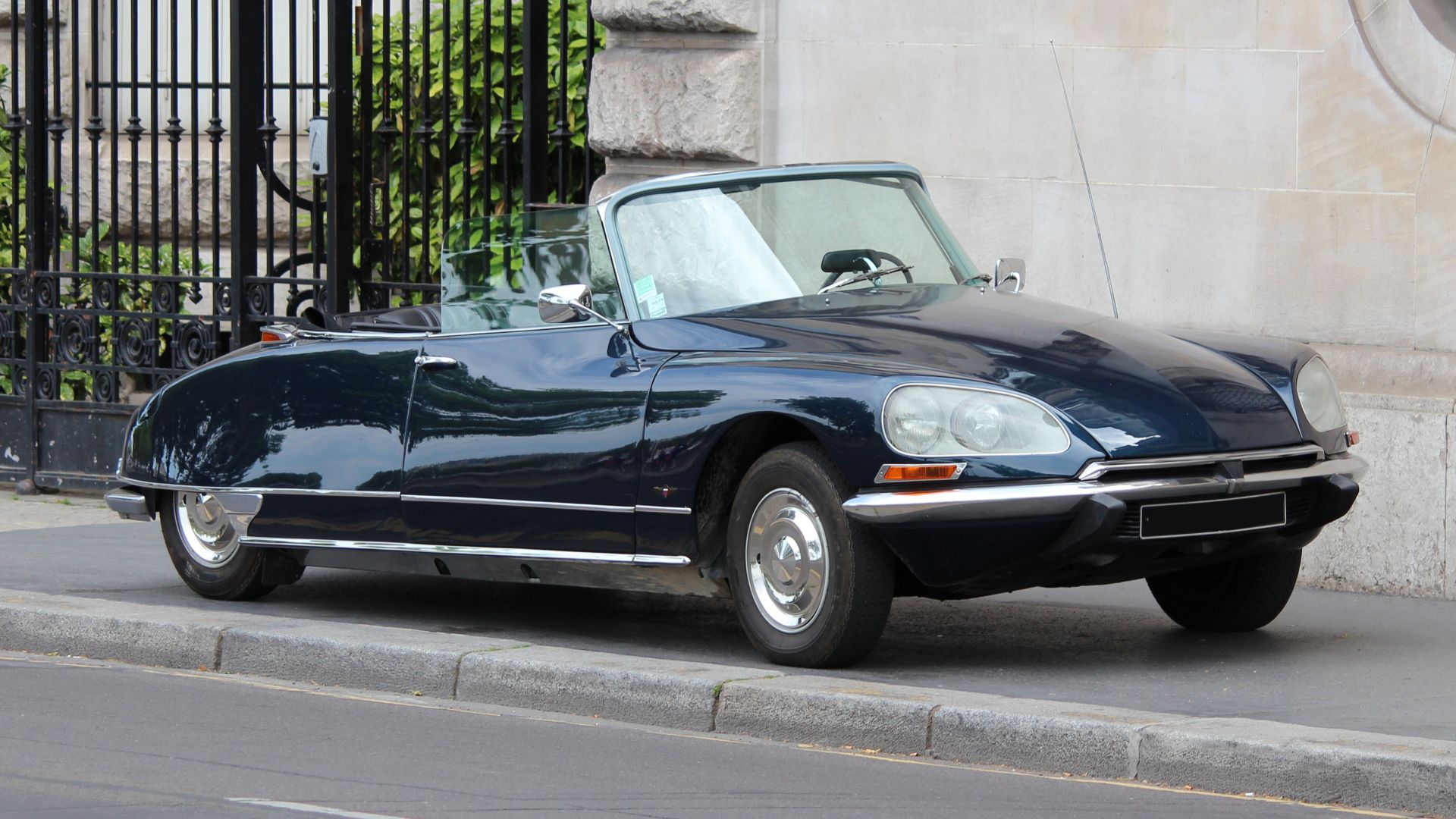
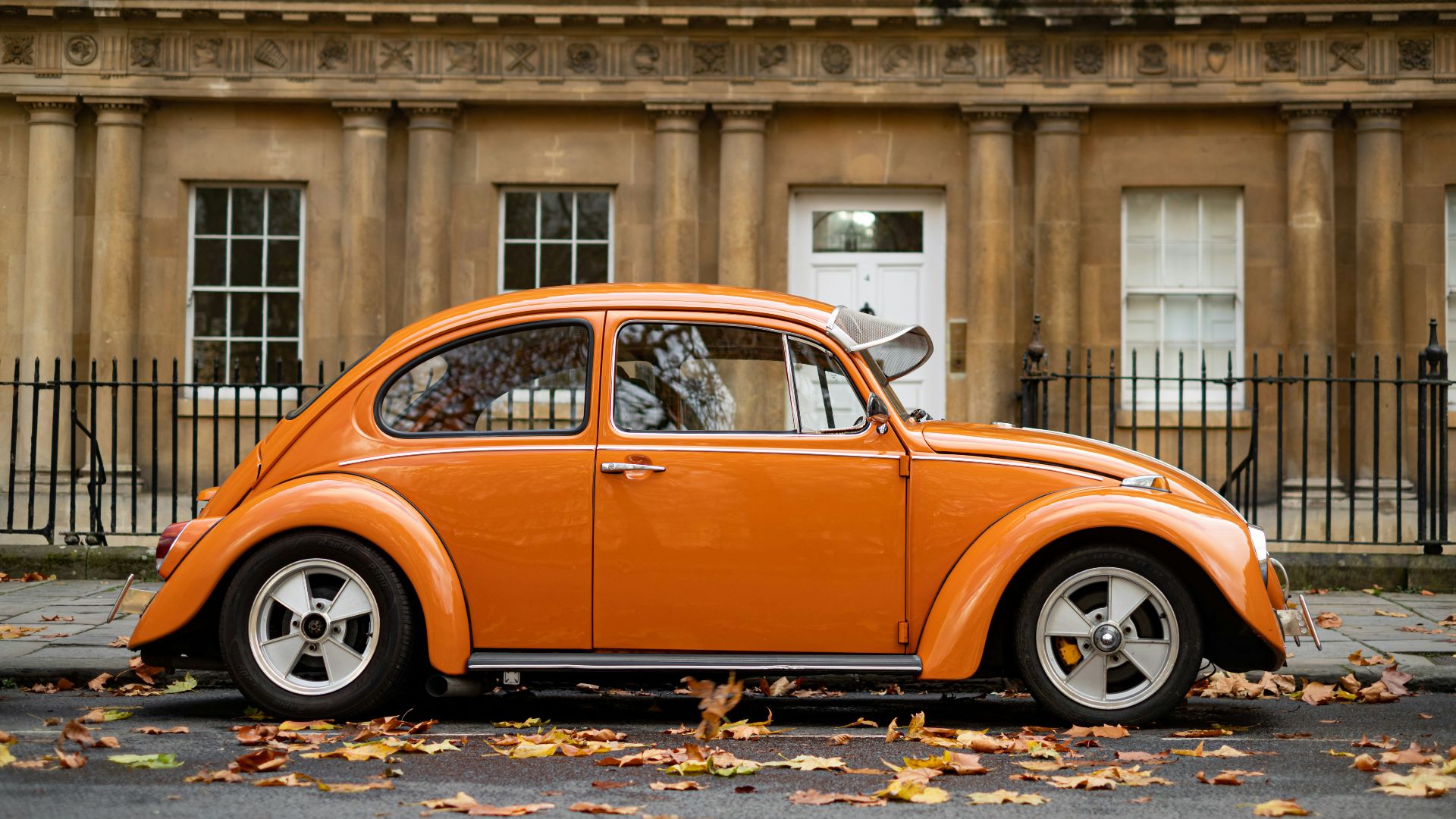
2. Volkswagen Beetle
The Beetle’s rounded body made it easy to tease, especially in places where cars were expected to look serious and powerful. It kept showing up anyway, quietly proving that a friendly shape can outlast fashion. Over time it became a cultural symbol, recognizable even as a shadow on a wall.
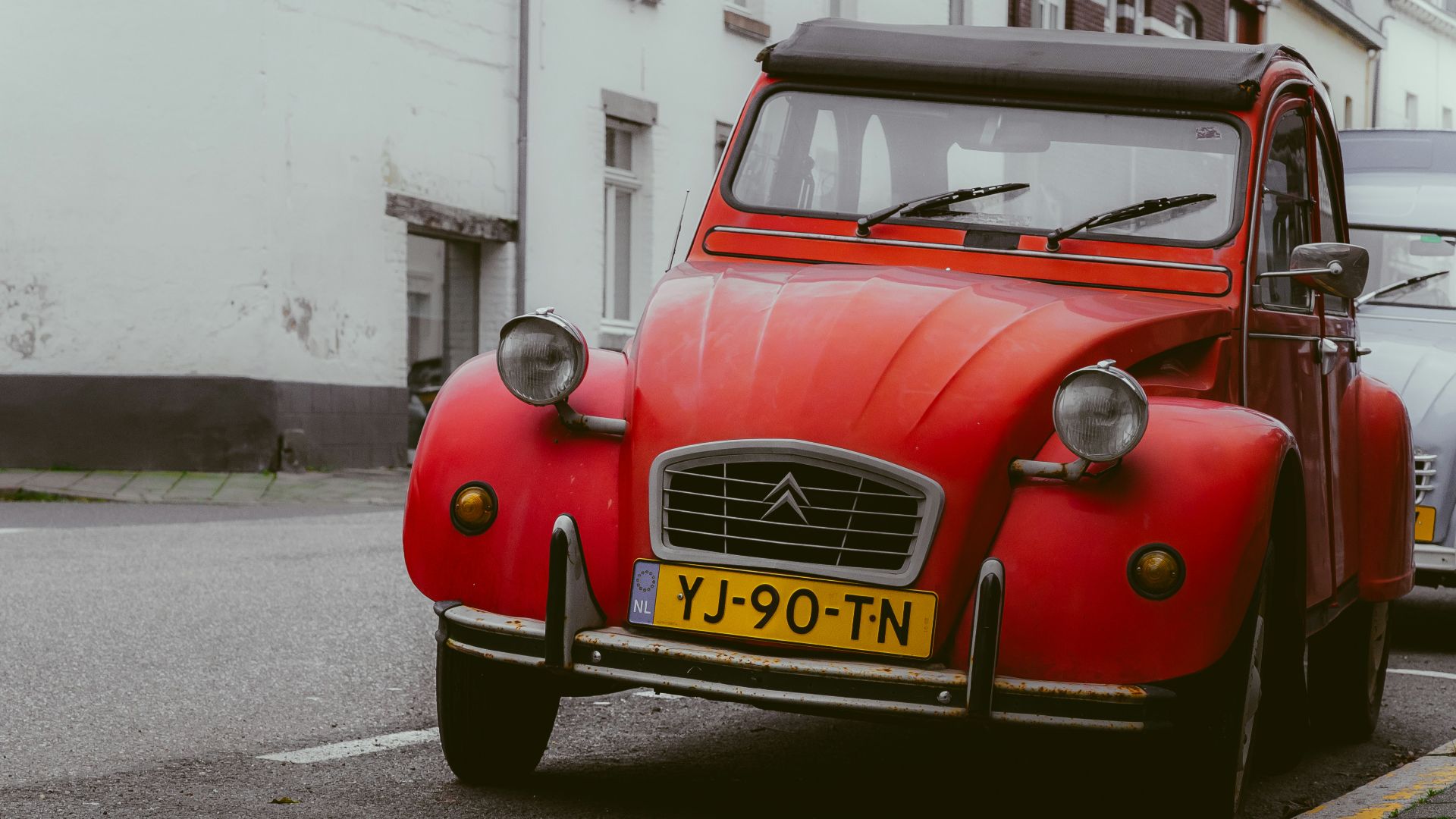
3. Citroën 2CV
The 2CV looked like it was designed with a ruler and a shrug, and early critics treated it like a punchline on wheels. The charm sneaks up because the design is honest about its purpose, and that honesty ages well. Today it reads like an artifact from a smarter, simpler approach to mobility.
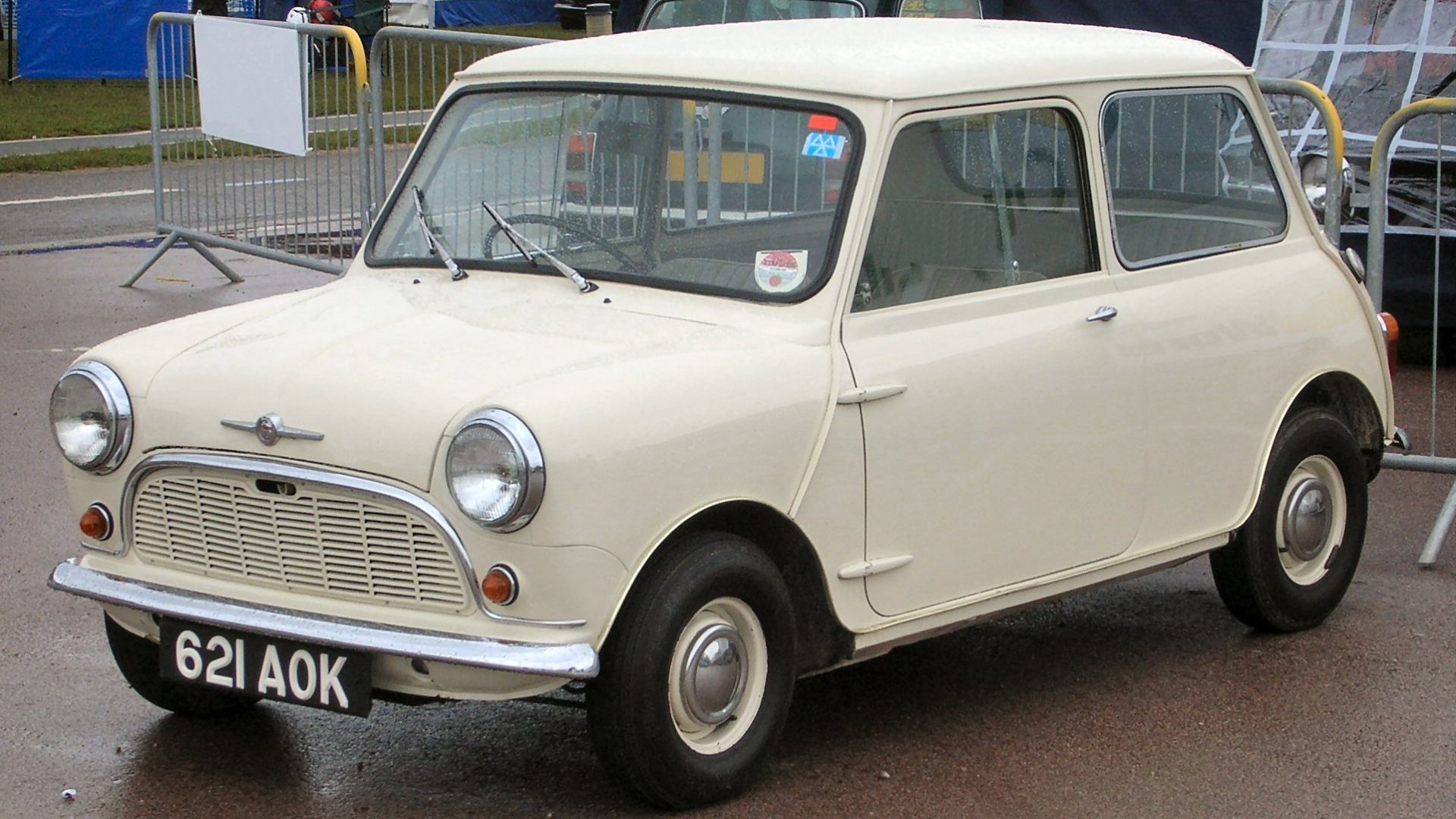
4. The Original Mini
The Mini’s proportions once looked wrong to people who believed a proper car needed a long hood and a dignified stance. Then drivers learned what the shape was really doing, which was maximizing space and making the whole thing feel playful. Now it’s the template for the modern small car with personality.
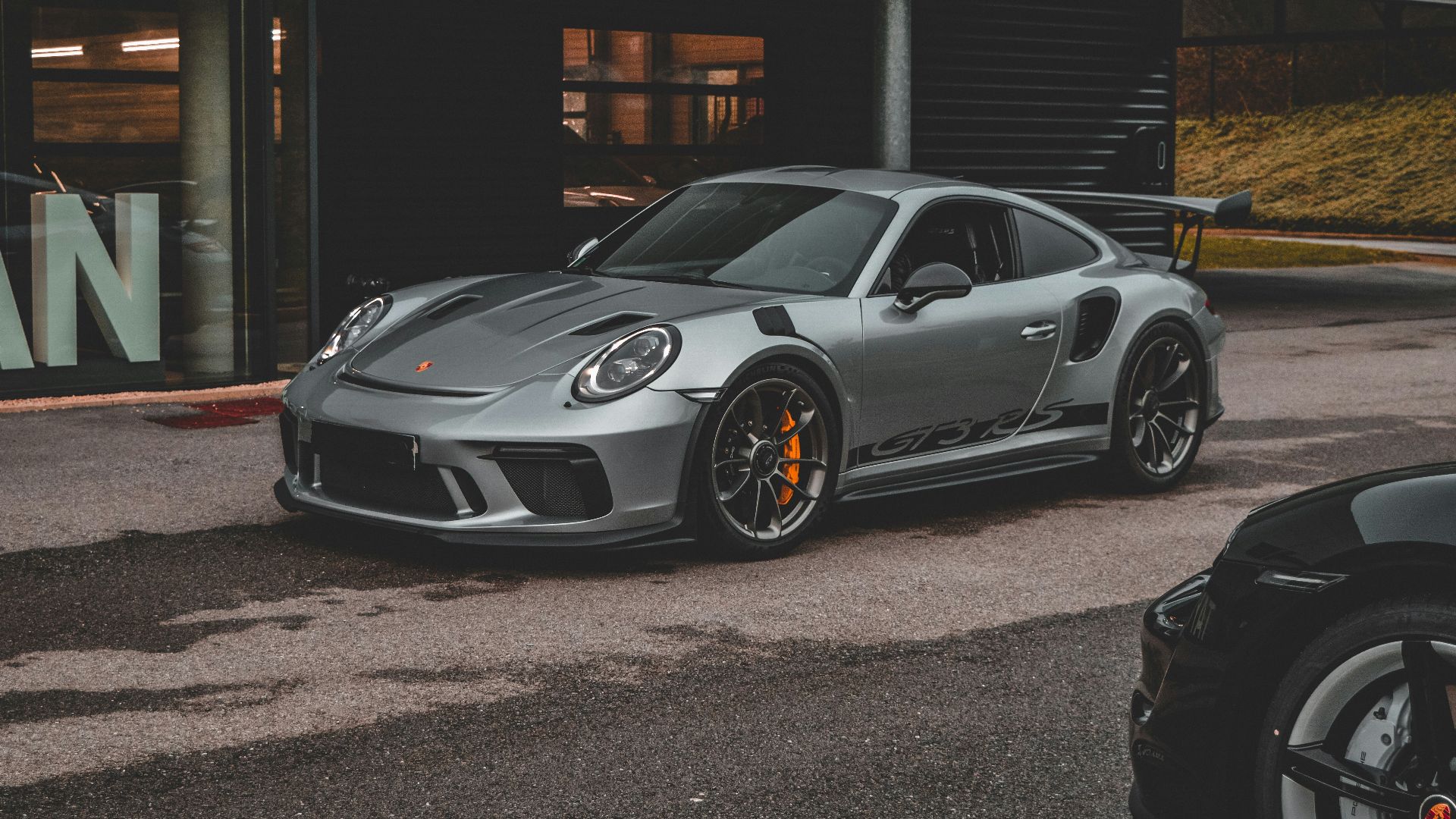
5. Porsche 911
Early reactions to the 911 included plenty of skepticism about that rear-engine shape and the way it refused to follow sports-car tradition. Porsche kept refining the same basic outline instead of running from it, and that persistence turned odd into iconic. The silhouette now feels like a signature, not a compromise.
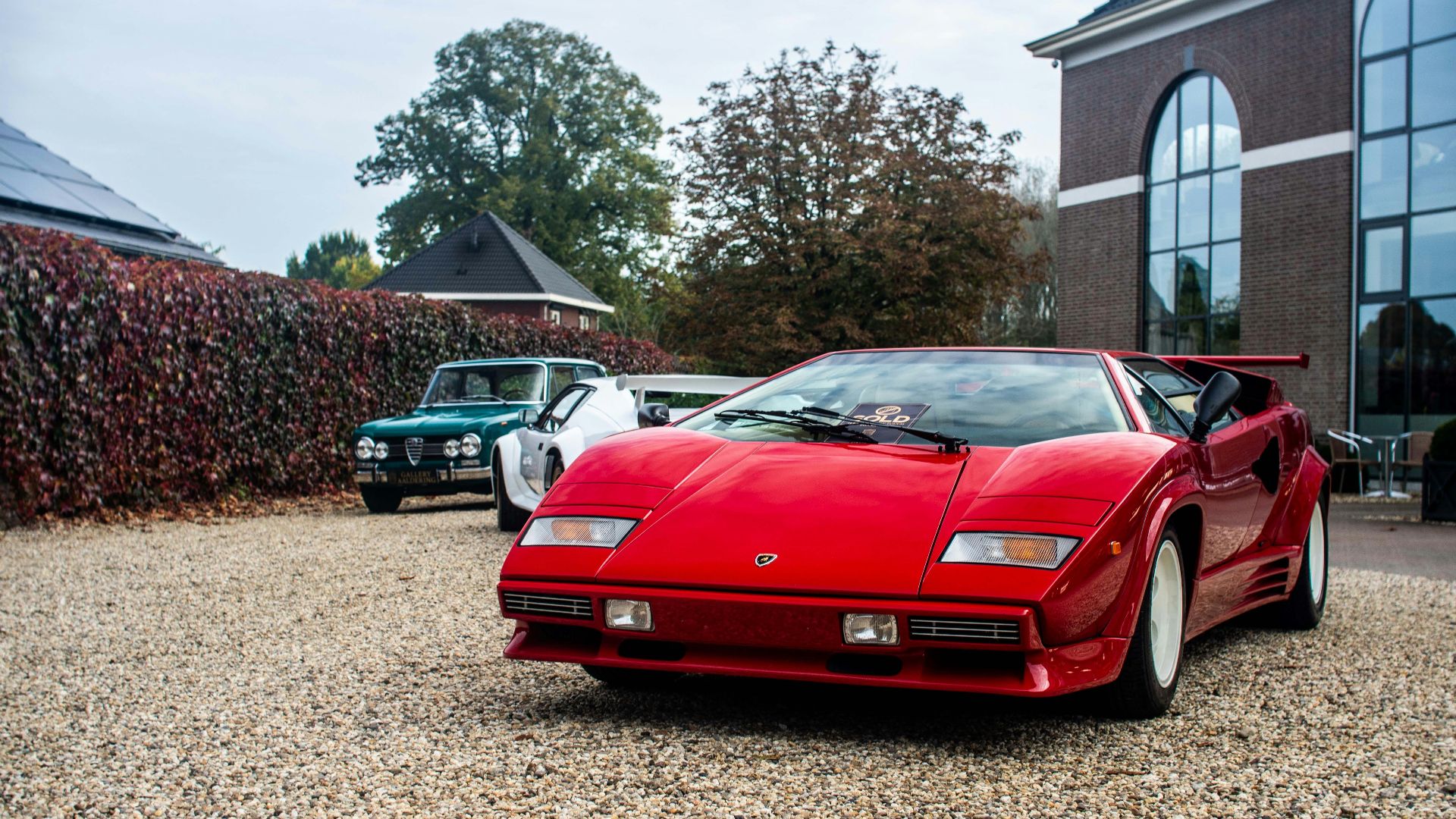
6. Lamborghini Countach
The Countach wedge looked cartoonish when it first appeared, like someone drew a supercar with a straightedge and no shame. Critics called it too extreme, too sharp, too much. That was the point, and history rewarded the audacity with poster status.
7. Lancia Stratos
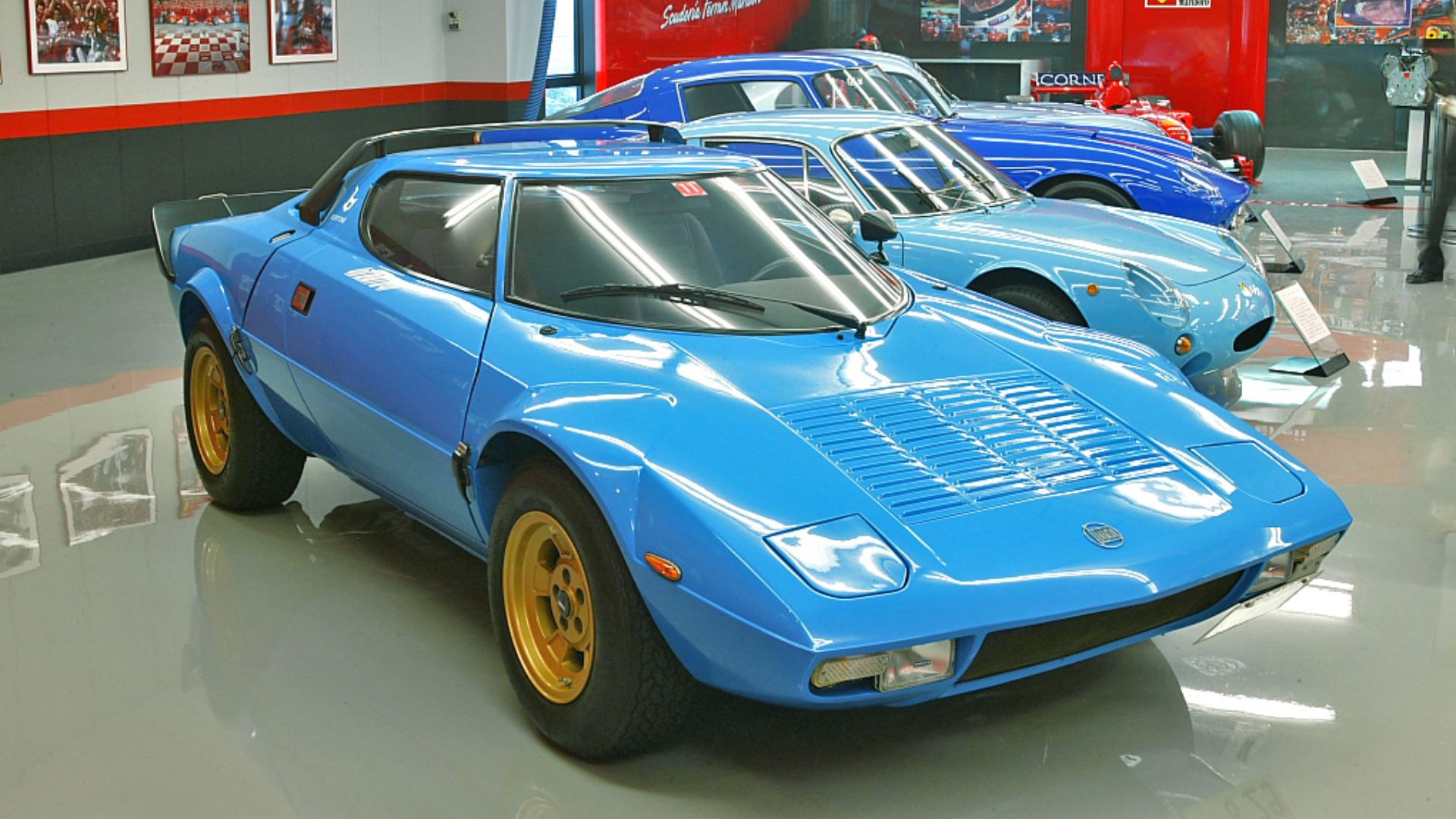
The Stratos looked squat and strange, more like a racing tool than a polite road car. In an era that still favored longer, more familiar shapes, its proportions felt almost confrontational. Rally success helped, but the real win was how the design became a symbol of pure intent.
8. DeLorean DMC-12
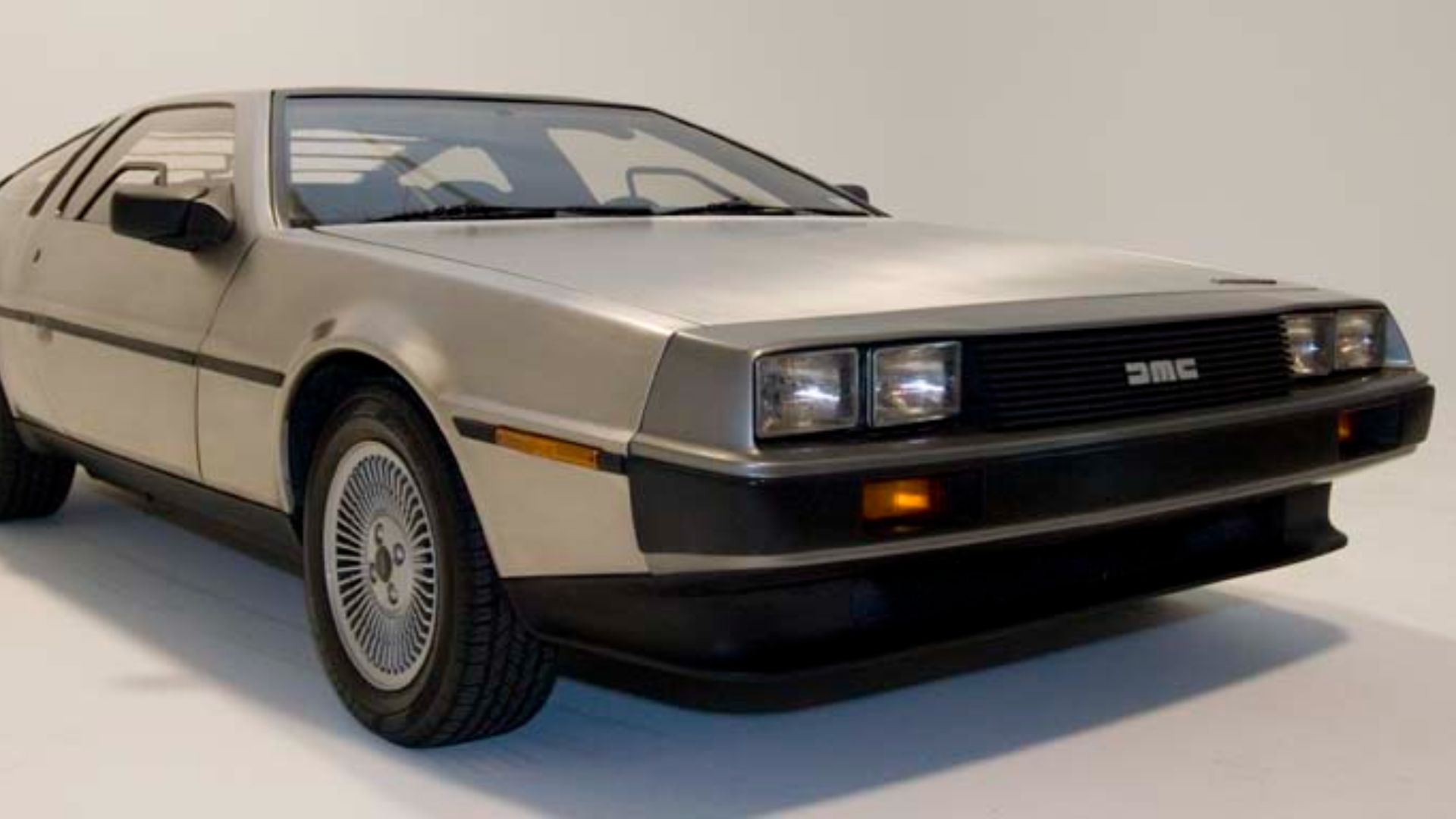
A stainless-steel body and gullwing doors can look like a gimmick to people who want their cars to behave. The DeLorean’s real-world story was messy, so the design took plenty of hits along with it. Then pop culture turned it into a permanent icon, and the shape never looked ordinary again.
 Grenex at English Wikipedia on Wikimedia
9. First-Generation Audi TT
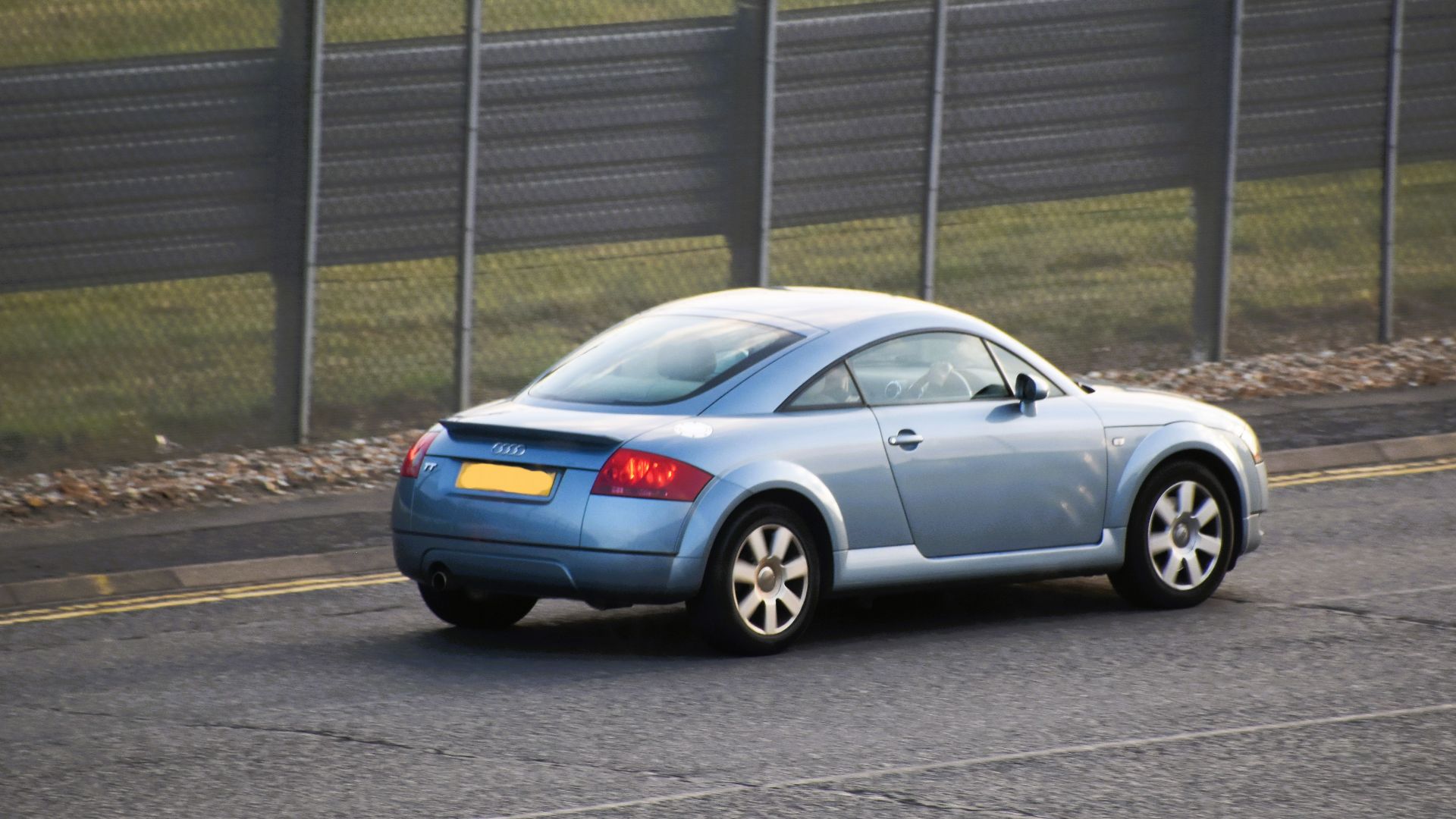
The TT arrived with clean curves and a concept-car vibe that some critics dismissed as soft or too pretty. Time turned that simplicity into its superpower, because it still looks coherent when trendier designs feel dated. It’s the kind of shape that feels designed, not merely styled.
 Charles from Port Chester, New York on Wikimedia
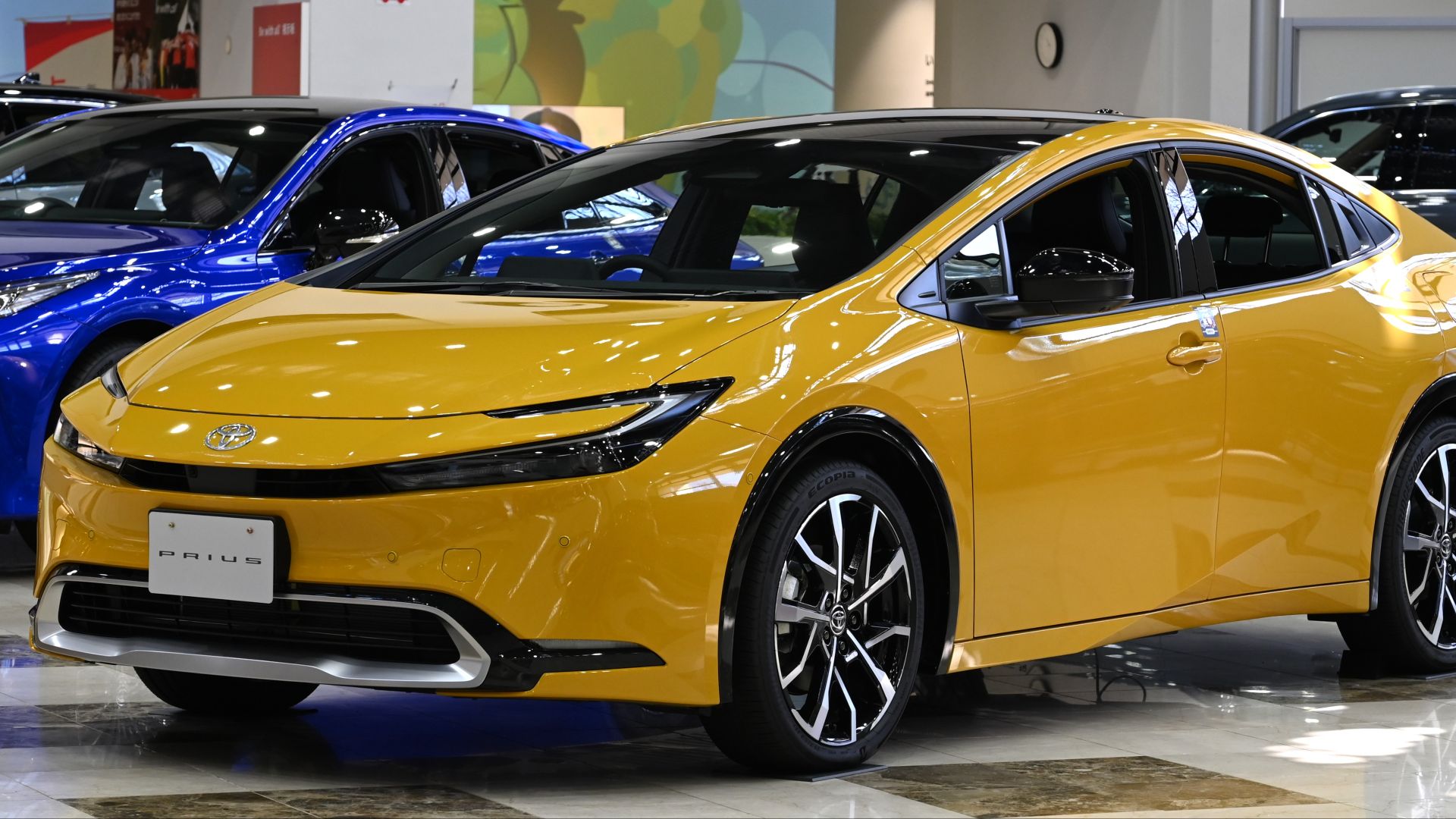
10. Toyota Prius
The early Prius got dragged for prioritizing aerodynamics and efficiency over looking cool. Then it became instantly recognizable, which is a form of design success whether anyone admits it or not. It ended up as a rolling symbol of a whole shift in how people think about fuel and technology.
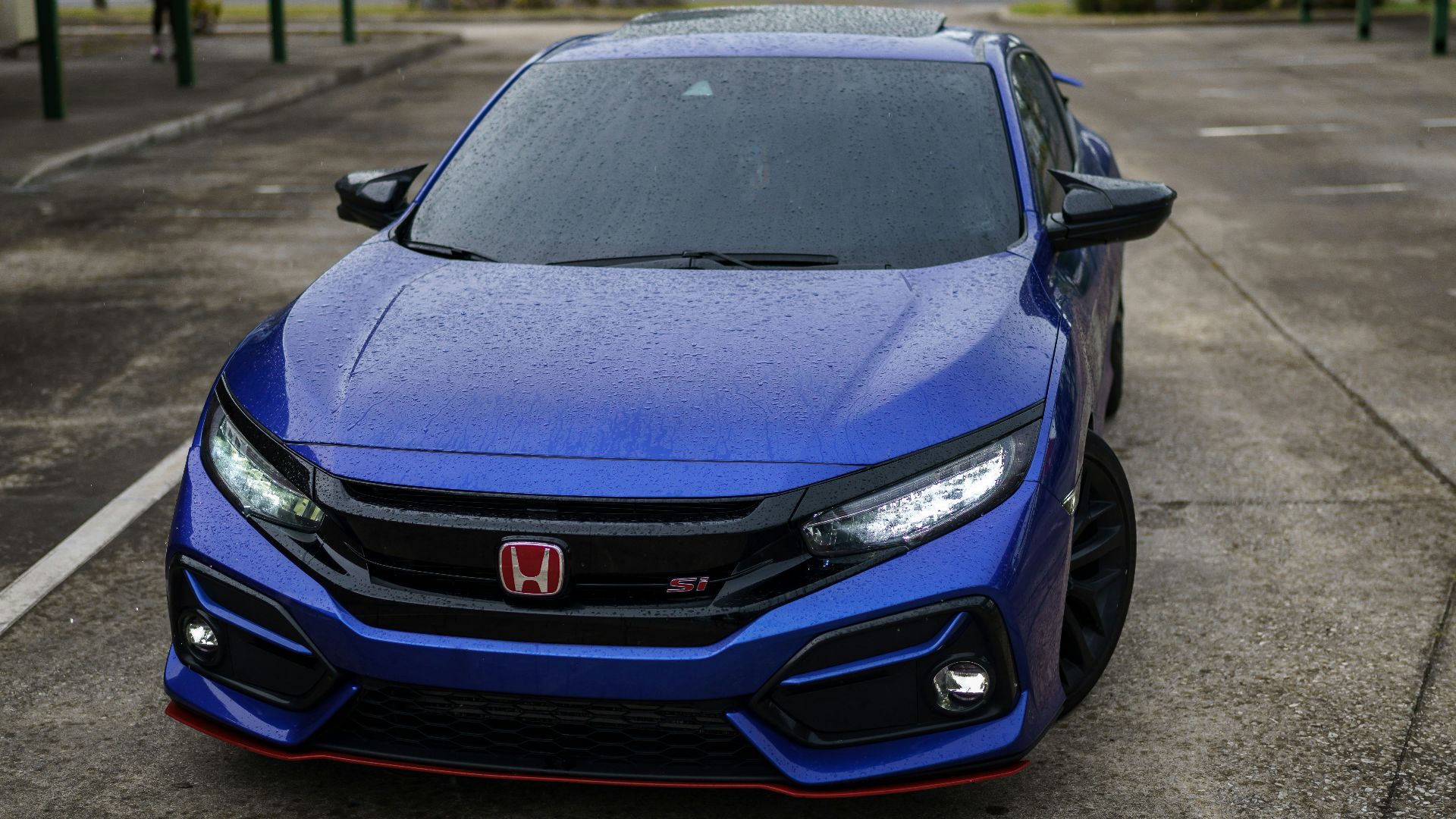
11. Honda Element
The Element looked like an appliance that decided it wanted to go camping, and plenty of people never forgave the plastic cladding. Owners loved it for exactly the same reason critics disliked it: the design was blunt about being useful. Years later it has the warm cult glow of something that refused to be slick.
 Jorge Simmons-Valenzuela on Unsplash
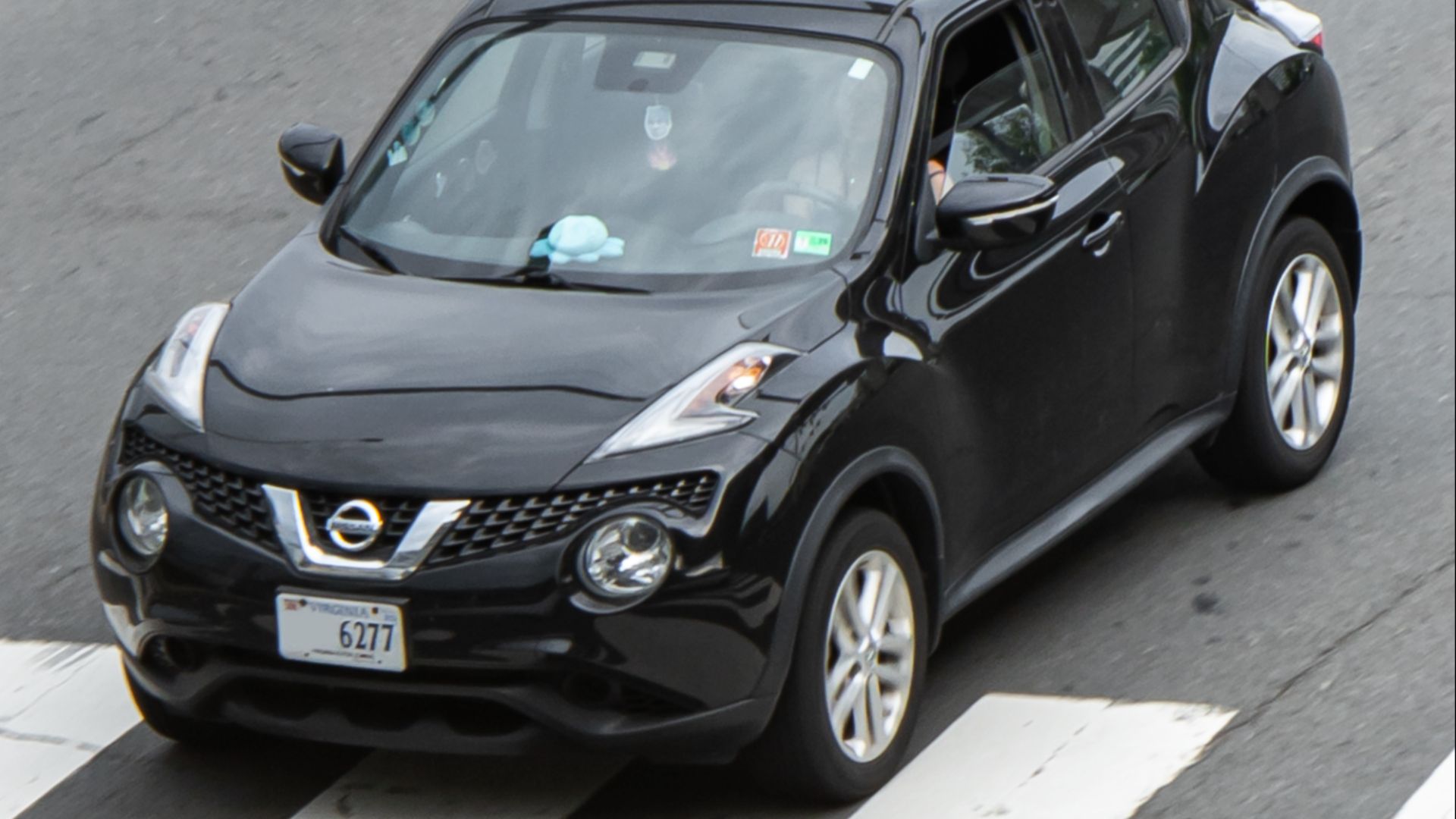
12. Nissan Juke
The Juke arrived with a face that seemed assembled from competing ideas, and the hate was immediate and loud. Then it started to make sense in a market full of cautious, look-alike crossovers. Being unmistakable counts for a lot when everything else blends together.
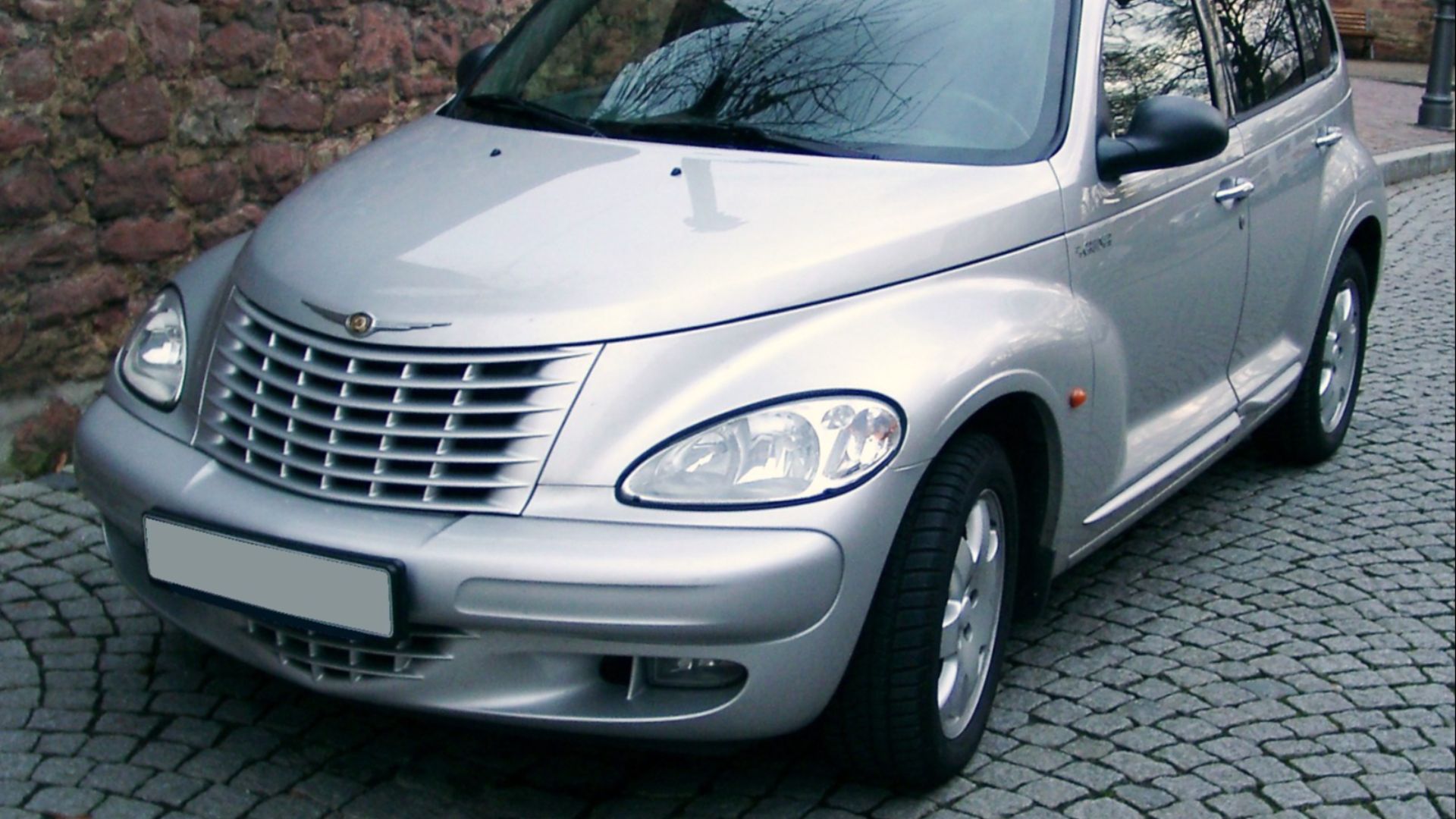
13. Chrysler PT Cruiser
The PT Cruiser’s retro styling felt like a costume to some people, and the jokes wrote themselves. Even so, the design was memorable in a way most cars aren’t, and that memory became its longevity. It now reads as a pure time capsule of early-2000s optimism.
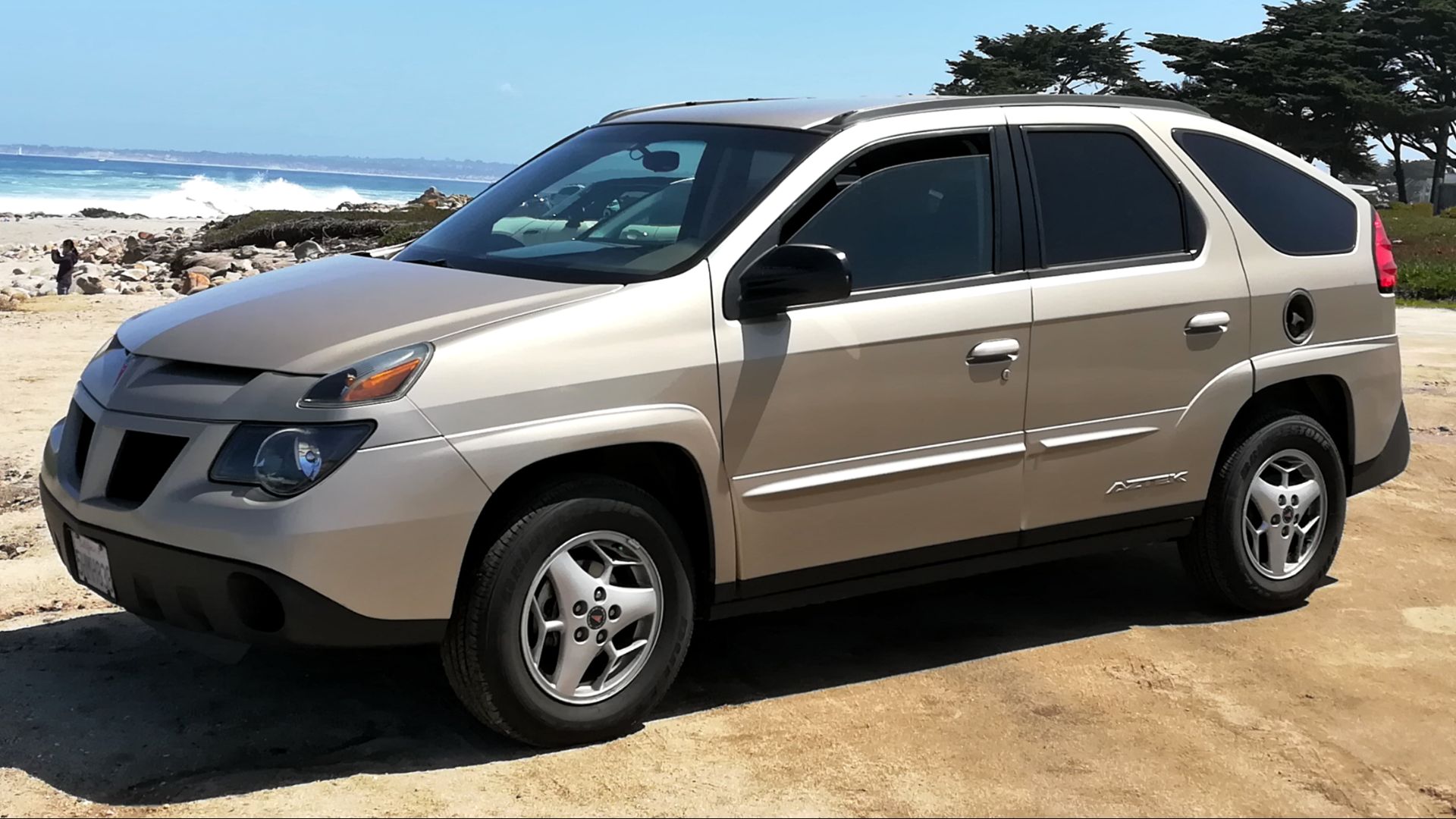
14. Pontiac Aztek
The Aztek became a cultural punching bag, and its looks were the main reason it couldn’t escape the story. Later, it picked up a strange kind of fame through television, where the design became a visual shorthand for a certain kind of life unraveling. Love it or hate it, the shape stuck.
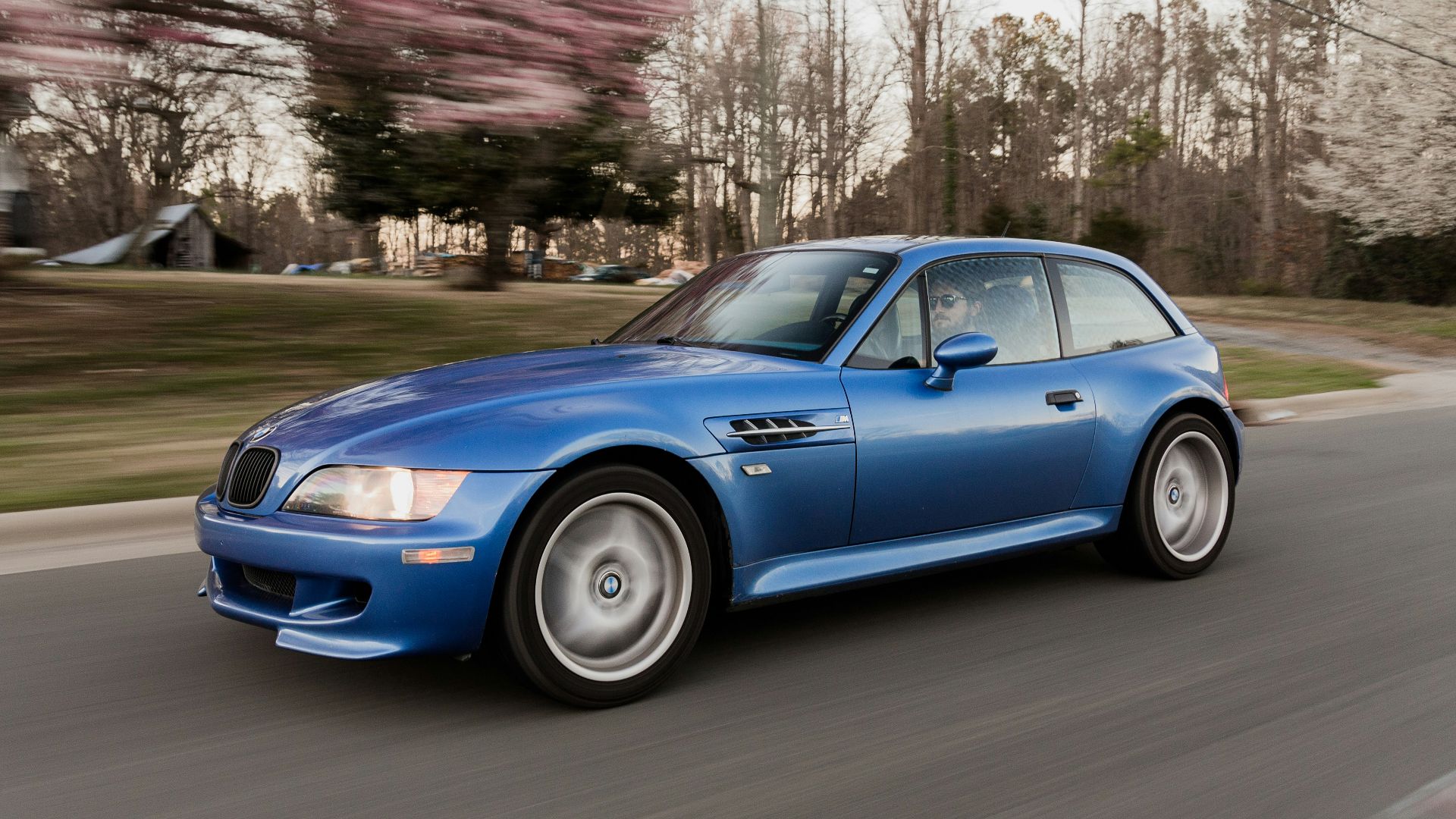
15. BMW Z3 Coupe
The Z3 Coupe got mocked for its proportions, and the nickname that followed it was not exactly flattering. Time did what time often does with odd BMWs: it turned them into enthusiast magnets. Once the shock wears off, the design starts looking purposeful and a little daring.
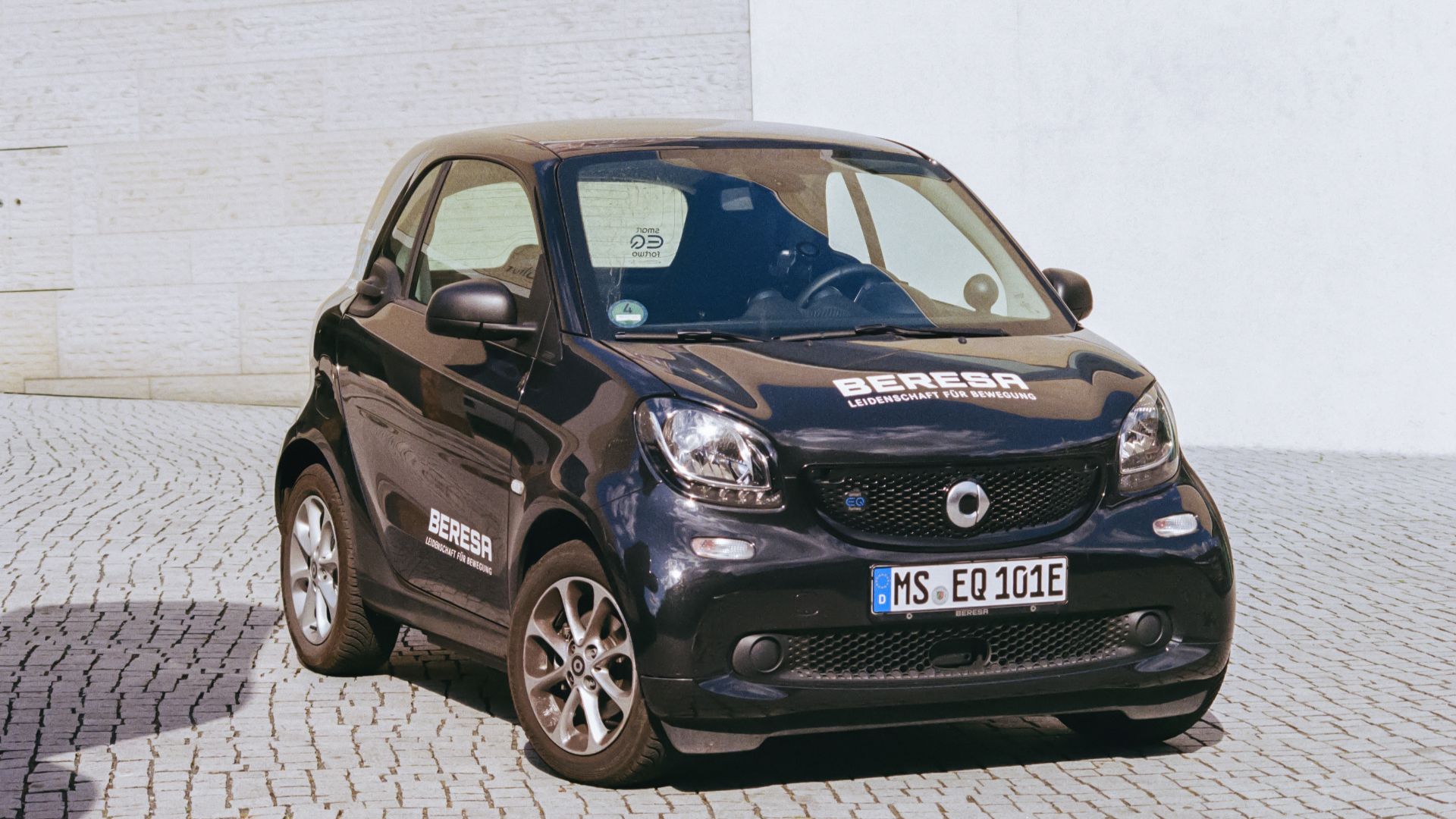
16. Smart Fortwo
The Smart looked like a toy to drivers raised on long sedans and big trucks. In dense cities, the design starts to feel less like a joke and more like an answer, especially when parking is a daily battle. It became an icon of urban practicality, whether the suburbs approved or not.
 Johannes Maximilian on Wikimedia
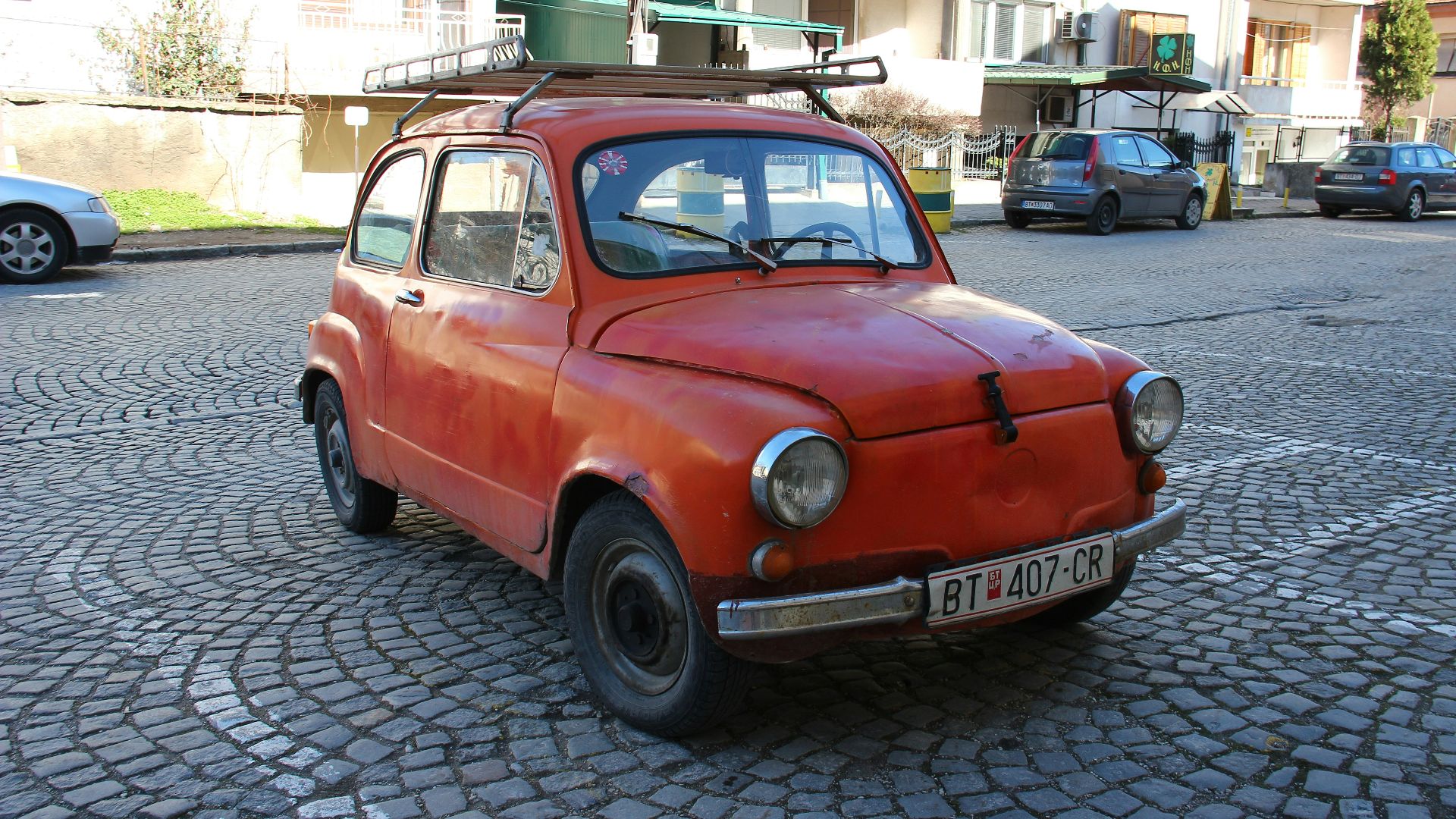
17. Fiat Multipla
The Multipla’s high, wide face offended a lot of people on sight, and it spent years as the internet’s favorite example of bad taste. Then the conversation shifted, because the interior packaging was clever and the weirdness felt oddly confident. It’s now a cult design, loved for the very features that once got it mocked.
18. Nissan Cube
The Cube’s boxy shape and asymmetrical details looked like someone ignored the memo about mainstream appeal. That refusal to play it safe is exactly why it gained fans, especially among people tired of generic hatchbacks. It became a design statement you could spot across a crowded lot.
19. Toyota FJ Cruiser
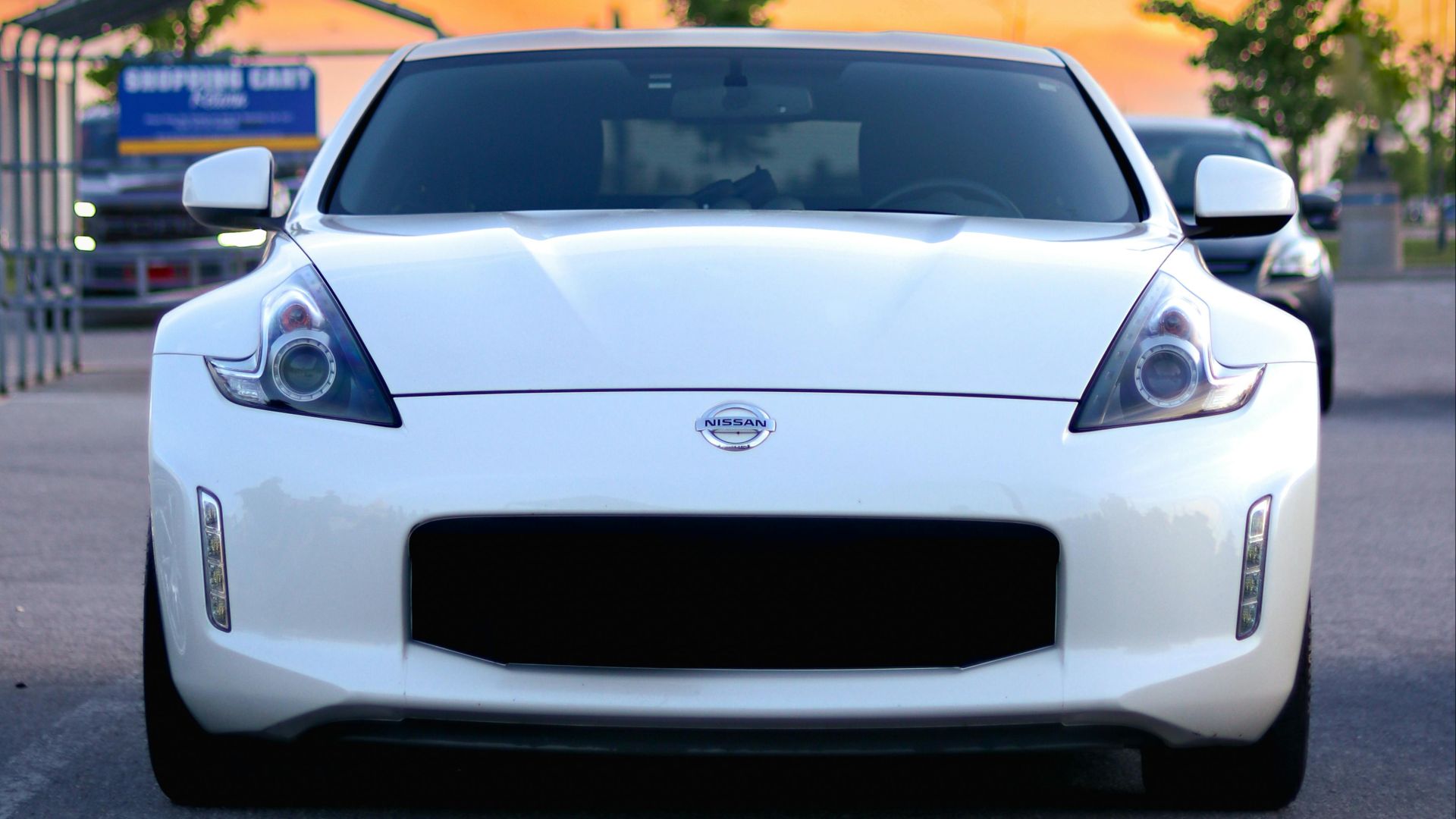
The FJ Cruiser’s chunky retro look divided people fast, with some seeing it as playful and others seeing it as fake nostalgia. Then it built a reputation as a capable, durable machine, and the styling started feeling like part of its honesty. Now it’s treated like a modern classic from the moment SUVs still had personality.
 Stefan Krause, Germany on Wikimedia
20. BMW i3
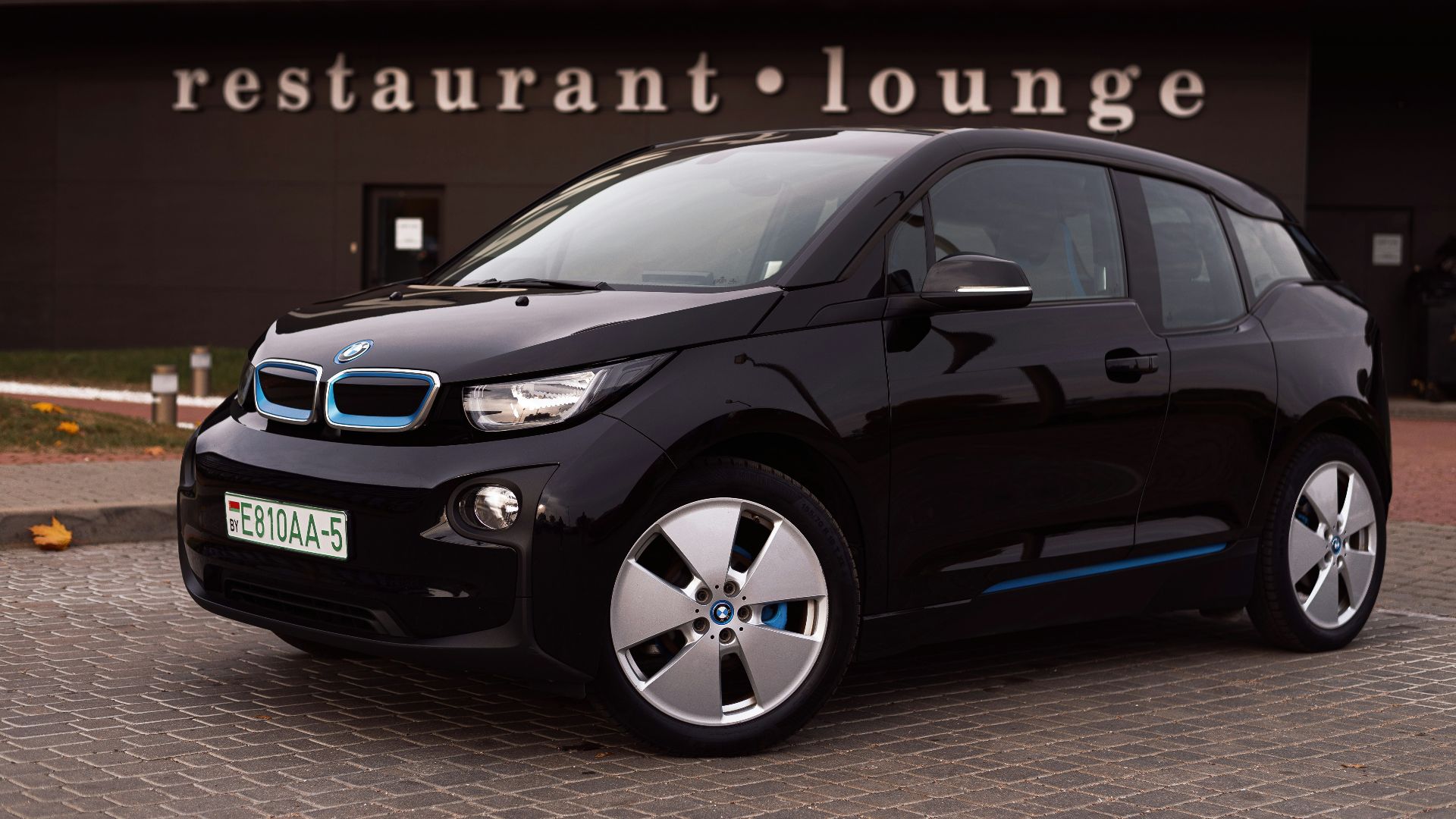
The i3 looked tall, narrow, and slightly unfamiliar, which made it an easy target in a world that expected cars to follow old proportions. Over time it started reading like an early snapshot of the electric era, before everyone agreed what an EV should look like. The design now feels like a marker for a turning point, not an odd detour.
 Vitali Adutskevich on Unsplash