Is It Really “One And Done?”
Picking tires usually isn’t exciting, but it makes a bigger difference than most people expect. All-season tires are popular because they’re built to handle a wide range of everyday conditions without forcing you to switch sets twice a year. However, convenience could mean sacrificing what's best for your car. If you deal with serious winters and very hot summers, you might be happier with a more specialized option.

1. One Set Year-Round
All-season tires are designed to stay on your car through spring, summer, fall, and mild winter weather. That means you don’t have to schedule seasonal swaps or store an extra set in your garage, reducing the chances you’ll get caught off guard by an early cold snap.
2. Lower Overall Cost
Buying one set instead of two can be easier on your budget. You’re also less likely to spend money on seasonal changeovers, balancing, and storage fees. While pricing varies by brand and size, the all-in cost is often lower over time.

3. Good Grip
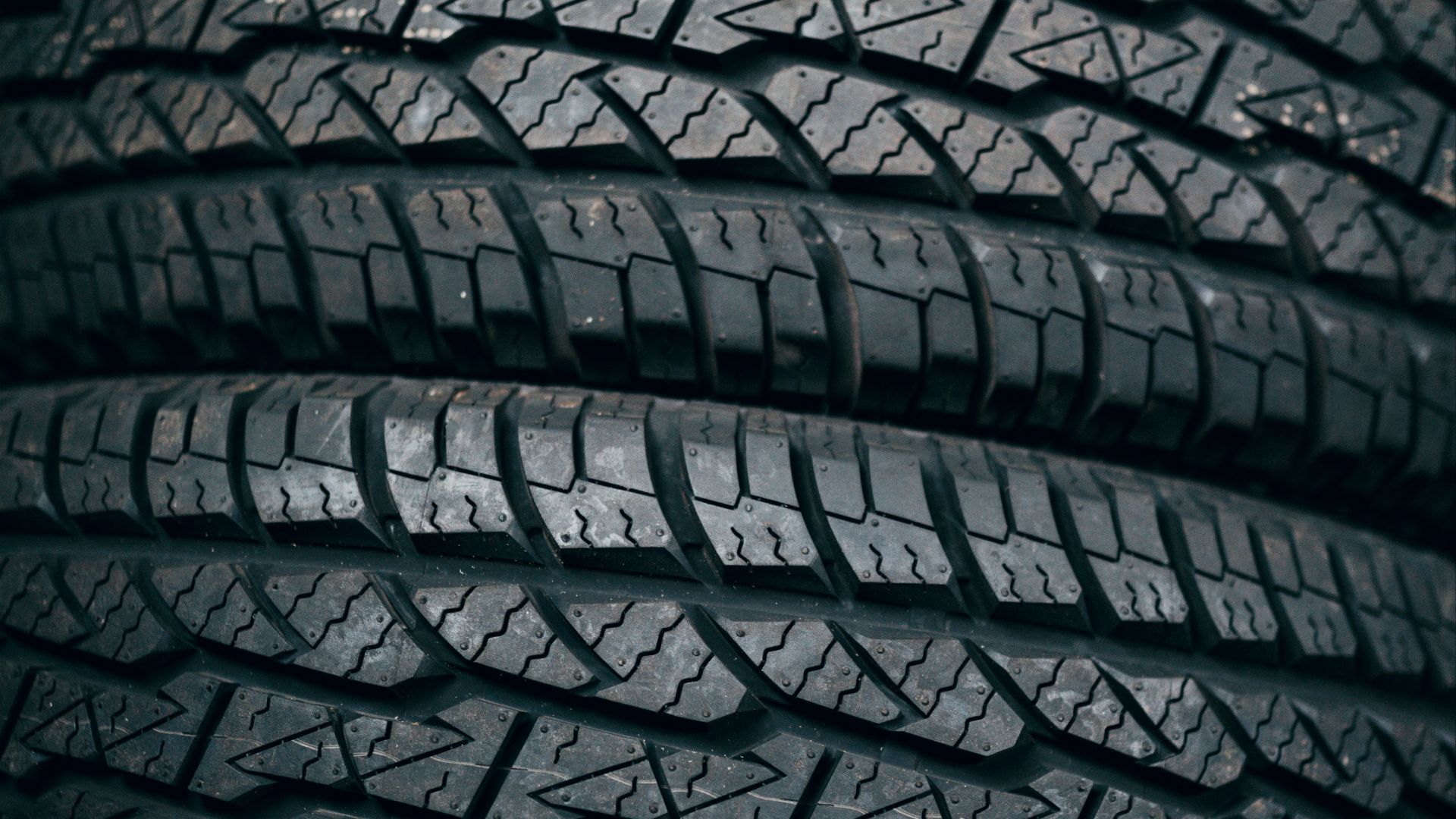
All-season tires are built with grooves that help move water away, which can reduce the likelihood of hydroplaning compared with worn or mismatched tires. You’ll still need to drive carefully, but it’s nice to have extra confidence when streets get slick. Strong wet performance is one of their main everyday benefits.

4. Reliable Daily Handling
All-season tires are tuned for balanced, predictable handling in typical driving. You’ll usually get stable braking and steering without the sharper feel of dedicated summer tires. For commuting, errands, and highway trips, that steady response is often exactly what you’re looking for.
5. Longer Tread Life
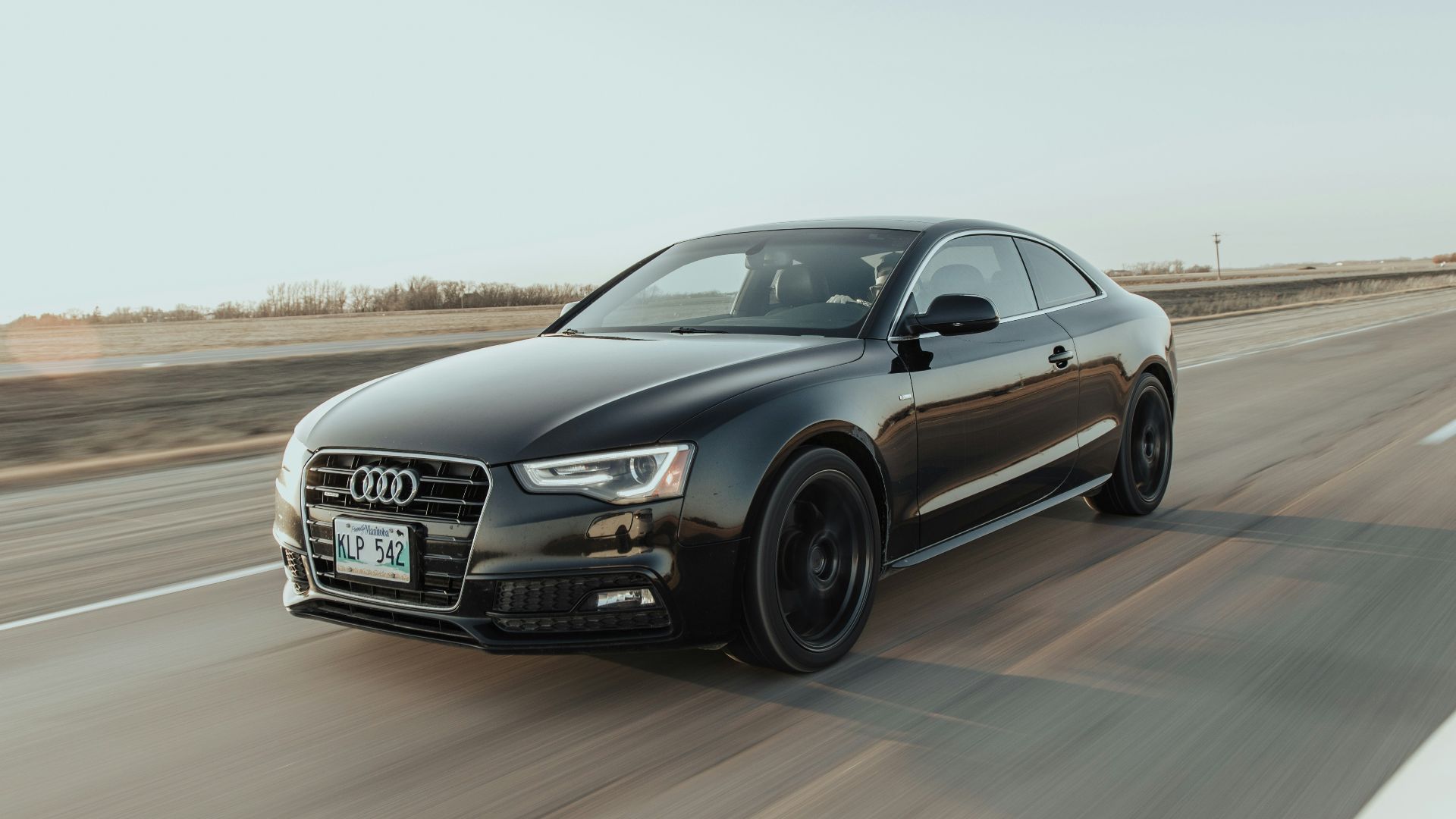
Many all-season tires are designed to last longer than performance-focused options. That can mean fewer replacements over the life of your vehicle, assuming you keep up with rotations and proper tire inflation. The longer wear can be especially helpful if you drive a lot of miles each year.
6. Better Cold-Weather Control
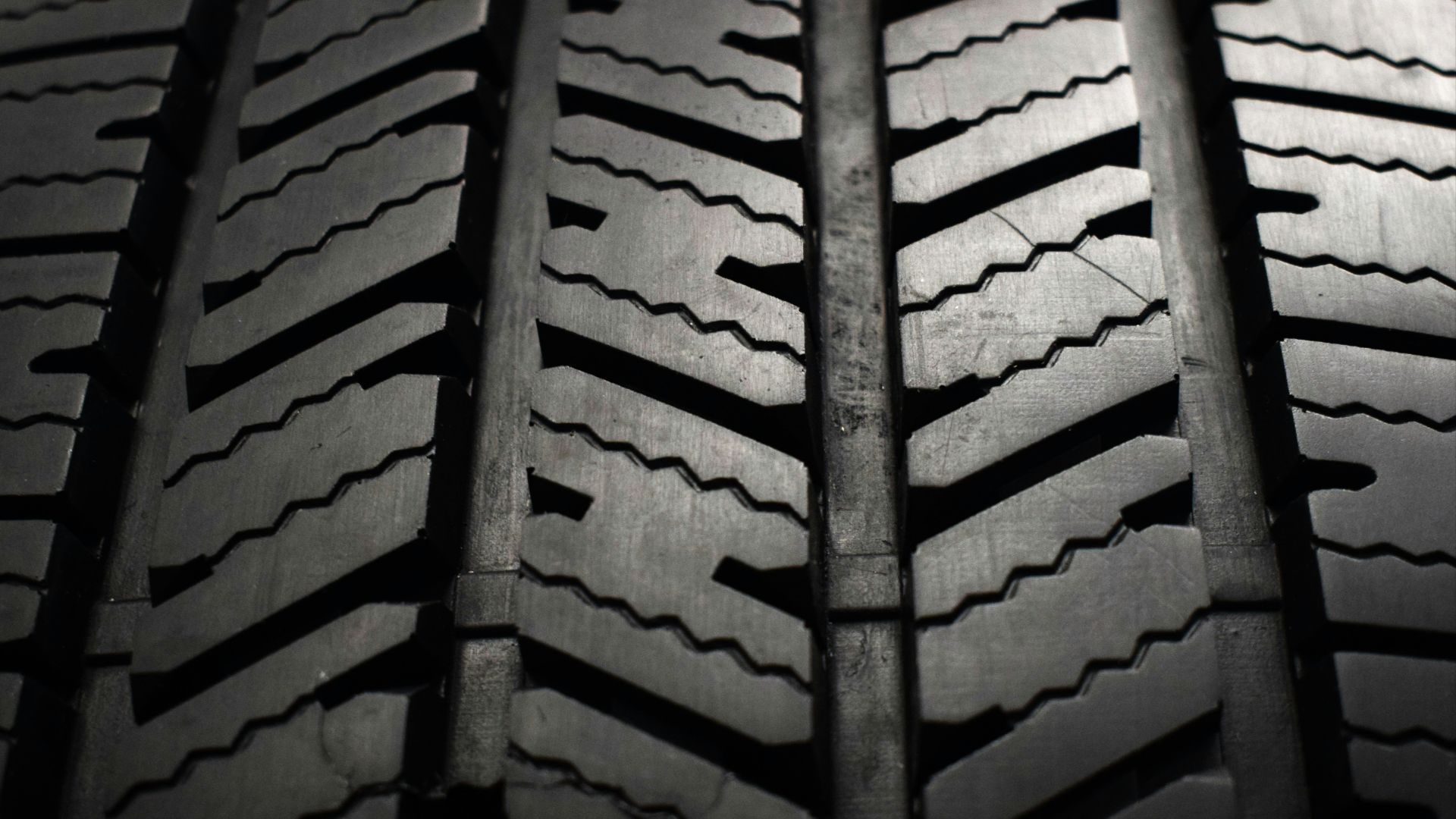
All-season tires can handle cooler temperatures better than summer tires, which tend to stiffen up as it gets cold. You’ll generally get a more dependable grip during chilly mornings and late fall conditions. Sure, they’re not a replacement for true winter tires in heavy snow or ice, but they can be enough for mild winters.

7. Easier Tire Shopping
All-season tires are widely available, so you’ll have lots of choices across brands and price ranges. That makes it simpler to find the right size and a tread pattern that suits your needs. Their popularity also means you can find trusted reviews online, which can help you make a more informed decision.
8. Quieter Ride
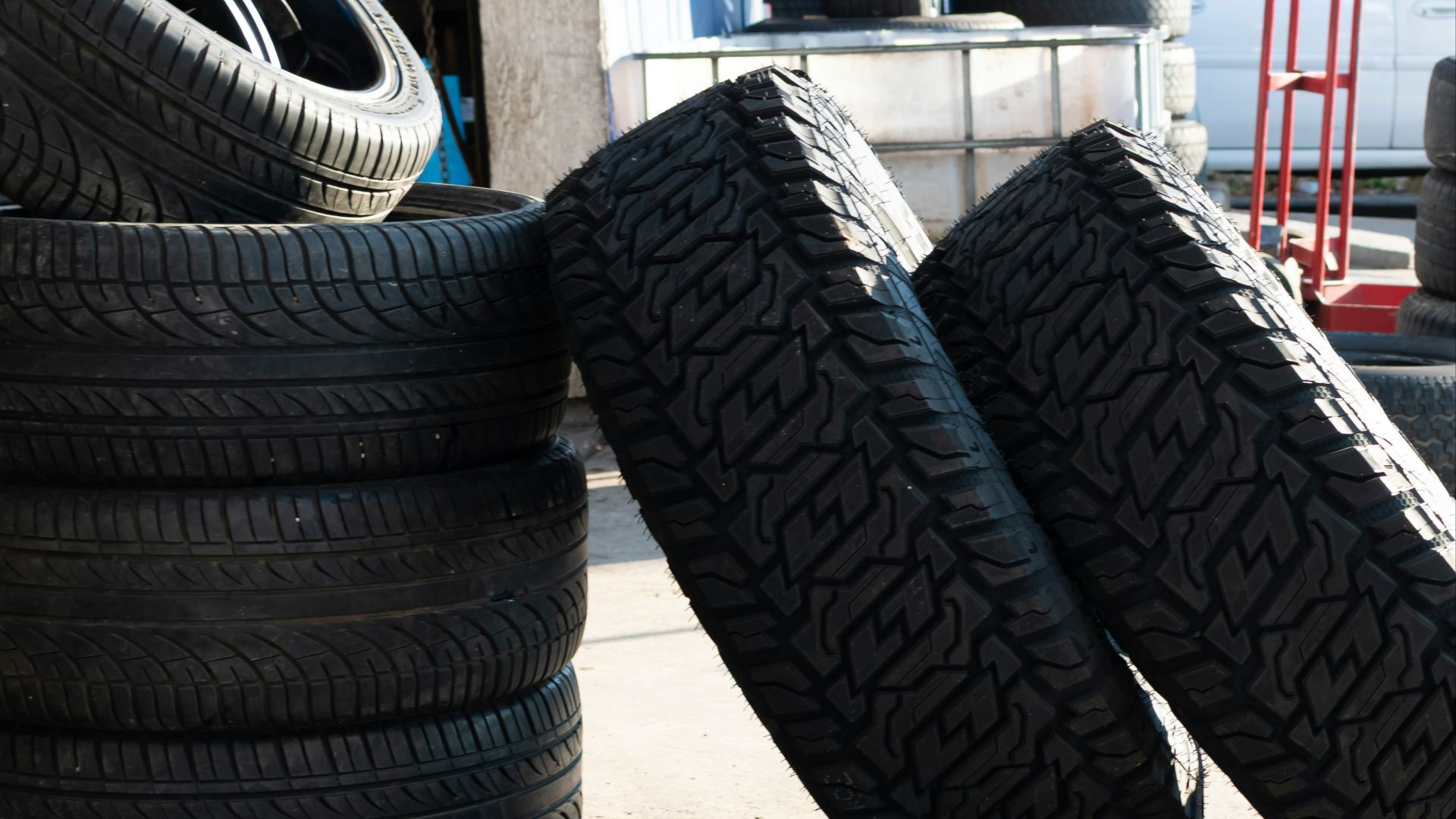
Many all-season models are designed with comfort in mind, noise reduction included. While every tire is different, you’ll often notice less road noise compared with aggressive off-road or performance tires. That matters more than people think on long highway drives, as a quieter cabin can make daily driving less tiring.

9. Fuel Efficiency Potential
Some all-season tires are built with low rolling resistance to help improve fuel economy. The difference won’t be dramatic, but small gains can add up over months of driving. Keeping your tires properly inflated matters just as much for efficiency. Still, choosing an efficient all-season tire can be a nice bonus.

10. Balanced Performance
All-season tires are meant to do many things reasonably well, instead of doing one thing perfectly. That balance can be ideal if your driving includes a mix of city streets, highways, and changing weather. You’re less likely to feel like your tires are the “wrong” choice when conditions shift. For most everyday drivers, that flexibility is the main appeal.
1. Weak Winter Traction
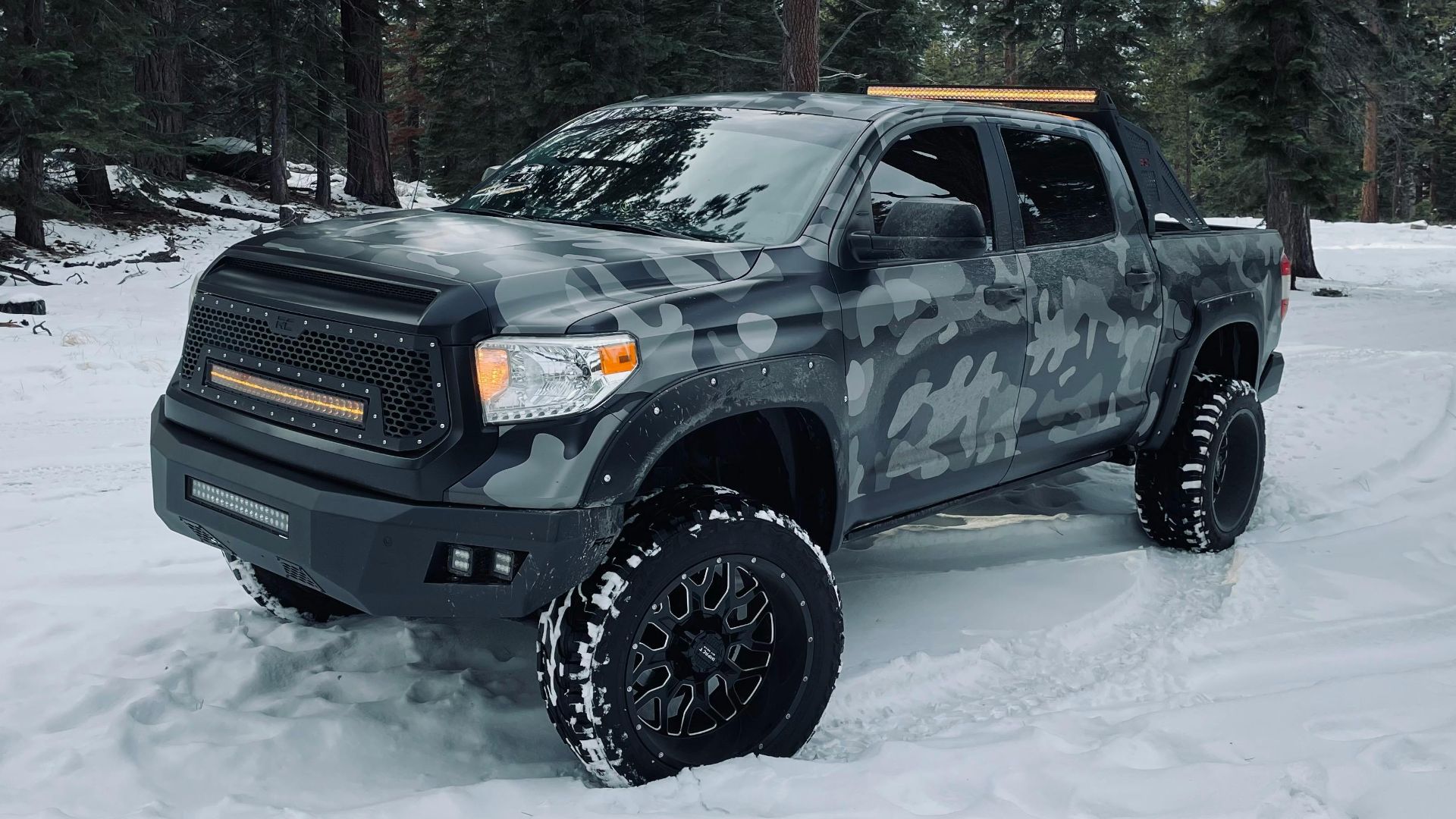
All-season tires generally don’t grip as well on snow and ice as dedicated winter tires. Their rubber compounds and tread designs aren’t optimized for deep cold, so traction can drop when temperatures really plunge. If you drive in heavy snow regions, you’ll likely notice longer stops and more wheel slip. Generally, all-seasons aren’t made for the harshest of winter climates.
2. Softer Summer Grip
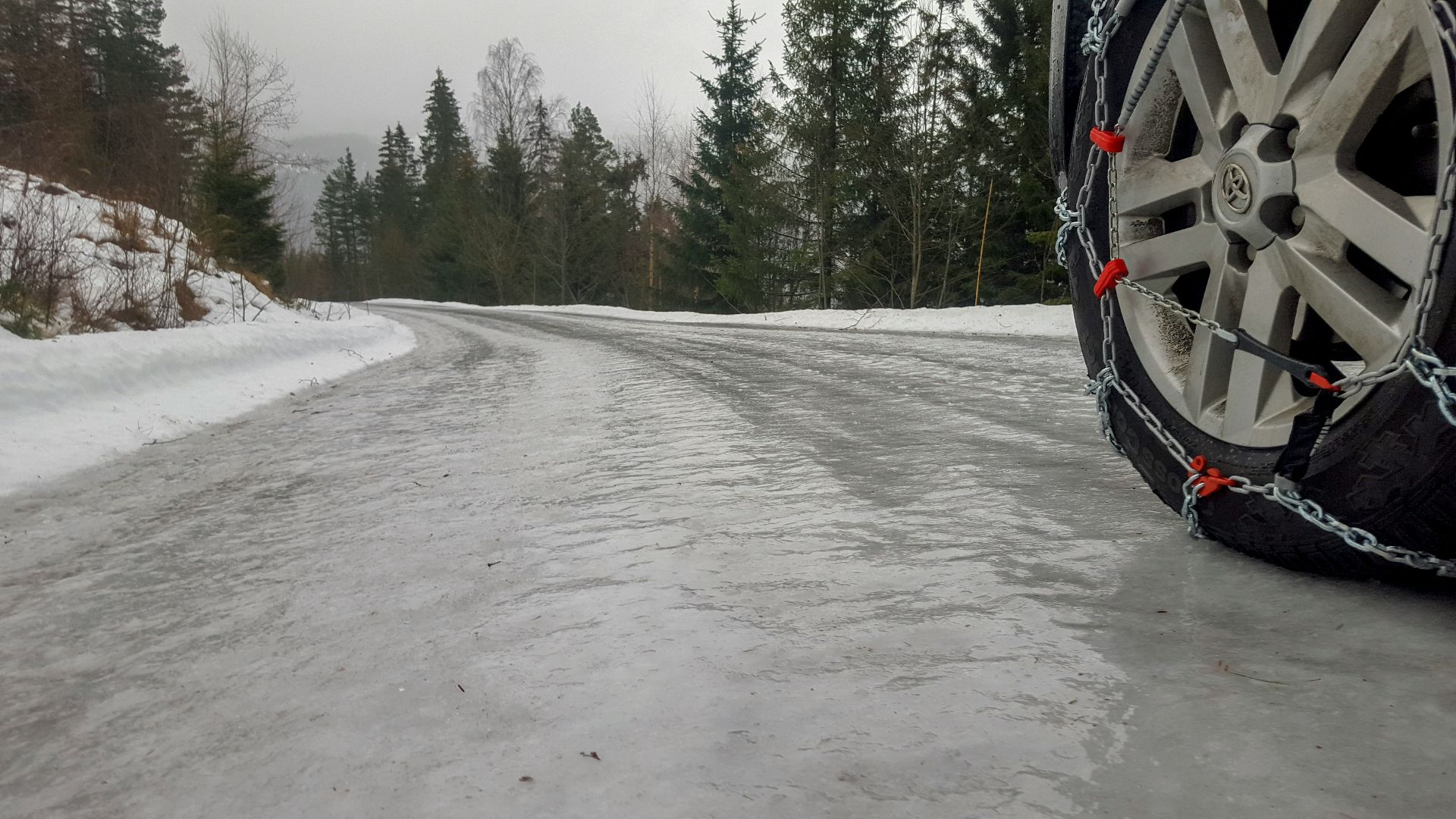
In hot weather, summer tires typically provide better cornering and braking than all-seasons. All-seasons can feel less secure when roads are very warm, and you’re driving at higher speeds. If you like responsive steering and a strong grip, the difference can be noticeable. You may end up wishing you’d prioritized warm-weather tires instead.

3. Longer Braking Distances
Stopping distance matters, and all-season tires can lag behind specialty tires in the conditions those tires are built for. Winter tires often stop shorter on cold, slick surfaces, and summer tires usually stop shorter on dry, warm pavement. That gap shows up most in emergency braking, which is the worst time to discover your tires aren’t equipped for the weather you’re in.

4. Slippery Ice Days
Even “good” all-season tires struggle when roads glaze over with ice. You can drive carefully and still find yourself sliding in a way that feels unpredictable. If your area gets frequent freeze-thaw cycles, all-seasons may not feel like enough.
5. Limited Performance Ceiling
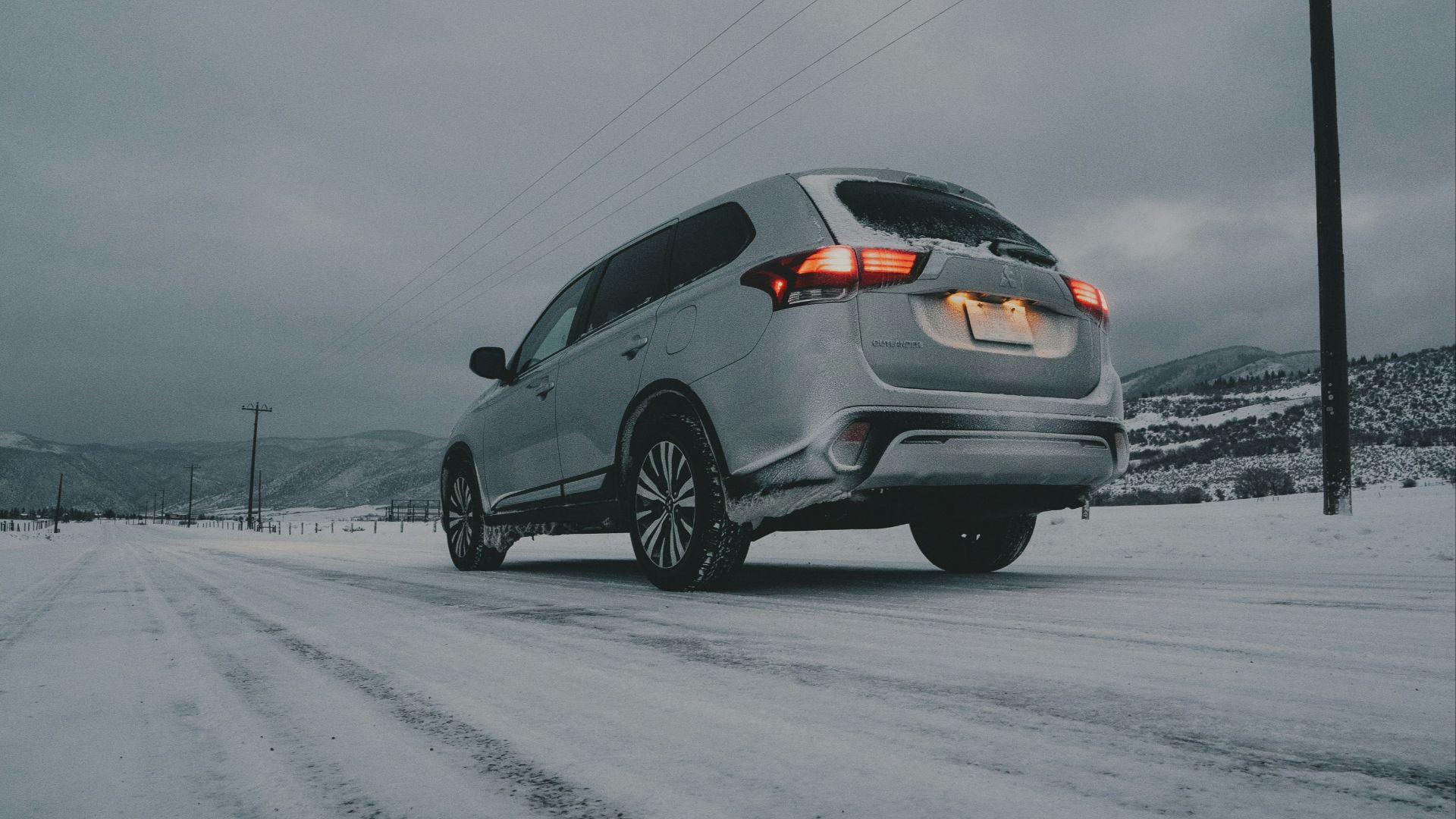
If you’re a bit of a speed demon, all-seasons can feel vague during quick lane changes or tight turns. The sidewalls and tread often prioritize comfort and longevity over sharp response. You might notice extra body movement and less precise feedback through the wheel. For some drivers, that softer feel gets annoying fast.

6. Doesn’t Necessarily Solve Everything
All-seasons aren’t a substitute for winter tires in places with strict traction expectations. Some regions even require winter-rated tires in certain months or on certain roads, and all-seasons may not qualify. Even when they’re legal, they might not meet what you personally consider comfortable in bad weather. In that case, you’d still end up needing a second set anyway.

7. Wear Can Be Uneven
Because they’re built to handle varied conditions, all-season tires can wear and tear in ways that surprise you if you push them too hard. Aggressive summer driving can chew up tread faster than you’d expect, especially on heavier vehicles. Cold-weather driving can also reduce grip as the compound stiffens, which may lead to more slipping and sliding.
8. Not Great Off-Road
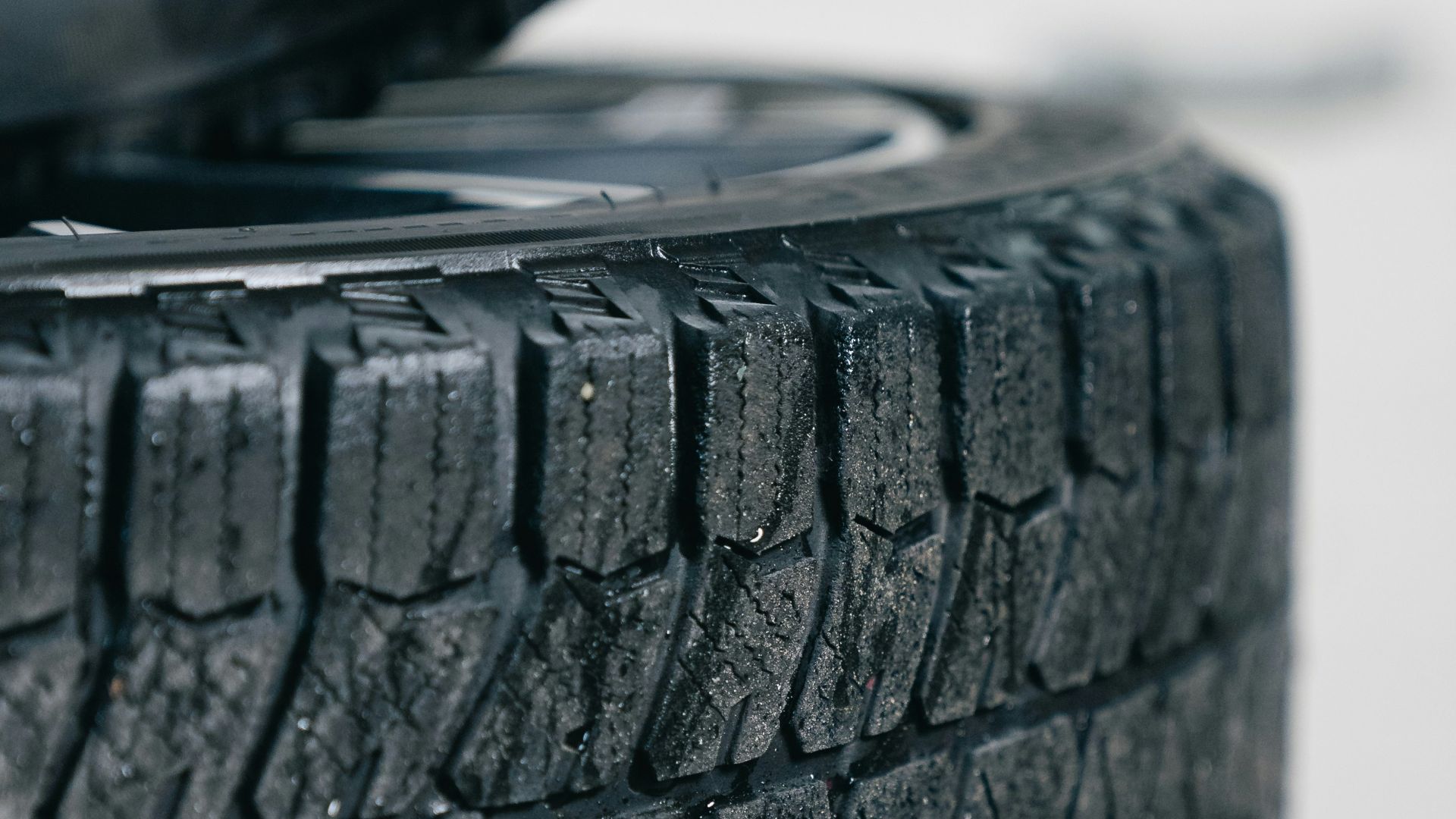
If you regularly drive on gravel, mud, or rough trails, all-season tires won’t be ideal. Their tread patterns are usually meant for pavement, not loose surfaces or deep ruts. You can make them work for light use, but their traction and durability might disappoint you. An all-terrain tire is often the better match for that kind of driving.

9. Comfort Isn’t Guaranteed
Sure, some all-season models are quiet and smooth, but others unfortunately aren’t. You could end up with a tire that feels firm or noisy on the highway. Tire choice within the category matters a lot, so “all-season” alone doesn’t promise comfort. If ride quality is a main goal, you’ll need to shop carefully.

10. You Pay for Compromise
All-season tires often cost enough that you might prefer spending that money on a setup that excels in your actual conditions. If you live somewhere with real winters, a winter-and-summer or winter-and-all-season combo can make more sense. You’ll spend more upfront on two sets, but you may gain performance, confidence, and predictable handling. For many drivers, that trade is worth it.