
 Philipp Katzenberger on Unsplash
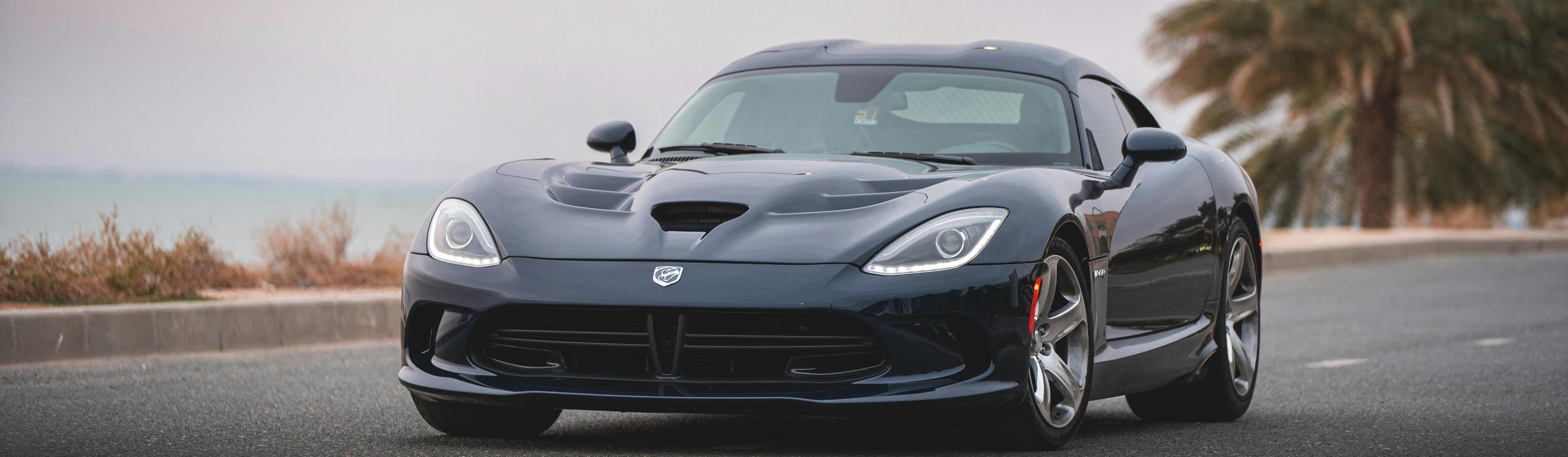
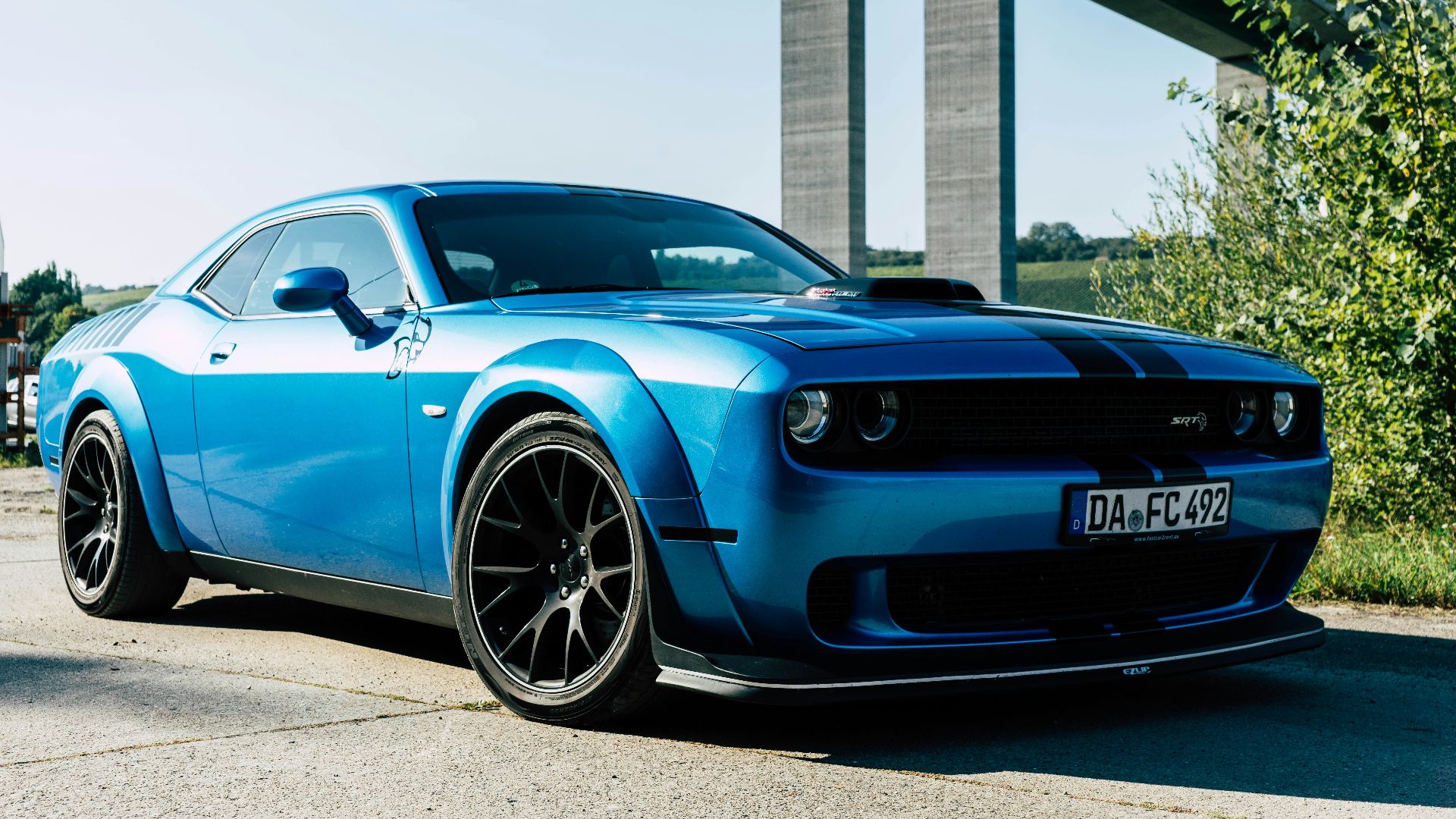
Many modern family sedans now start at around 200 horsepower, especially in higher trims, while full-size pickup trucks often range from the low 300s to over 400 horsepower in more powerful models. The Dodge Challenger Hellcat produces about 700-plus horsepower, which is significantly more than 1960s Formula One cars.
We've reached a point where buying a mid-range SUV means owning something with more power than most people will ever use, can safely handle, or actually need. Speed limits haven't changed. Roads haven't gotten wider. Traffic hasn't disappeared. Yet somehow we've collectively decided that more horsepower always equals better, and we're paying for it in ways that go far beyond the sticker price.
Nobody Can Use It Legally Anyway
The speed limit on most highways is 65 to 75 mph. You can hit that in a 15-year-old Honda Civic without breaking a sweat. A modern 400-horsepower truck reaches highway speed in about five seconds, which is thrilling until traffic forces you to coast along like everyone else. All that extra power exists for maybe three seconds of acceleration during a highway merge, assuming there's even space to use it.
Track days aren't happening for 99% of buyers. The nearest racing circuit is hours away, costs money to access, and requires safety gear most people don't own. So that 500-horsepower sports car spends its life idling at red lights and cruising at legal speeds.
Insurance and Maintenance Costs Skyrocket
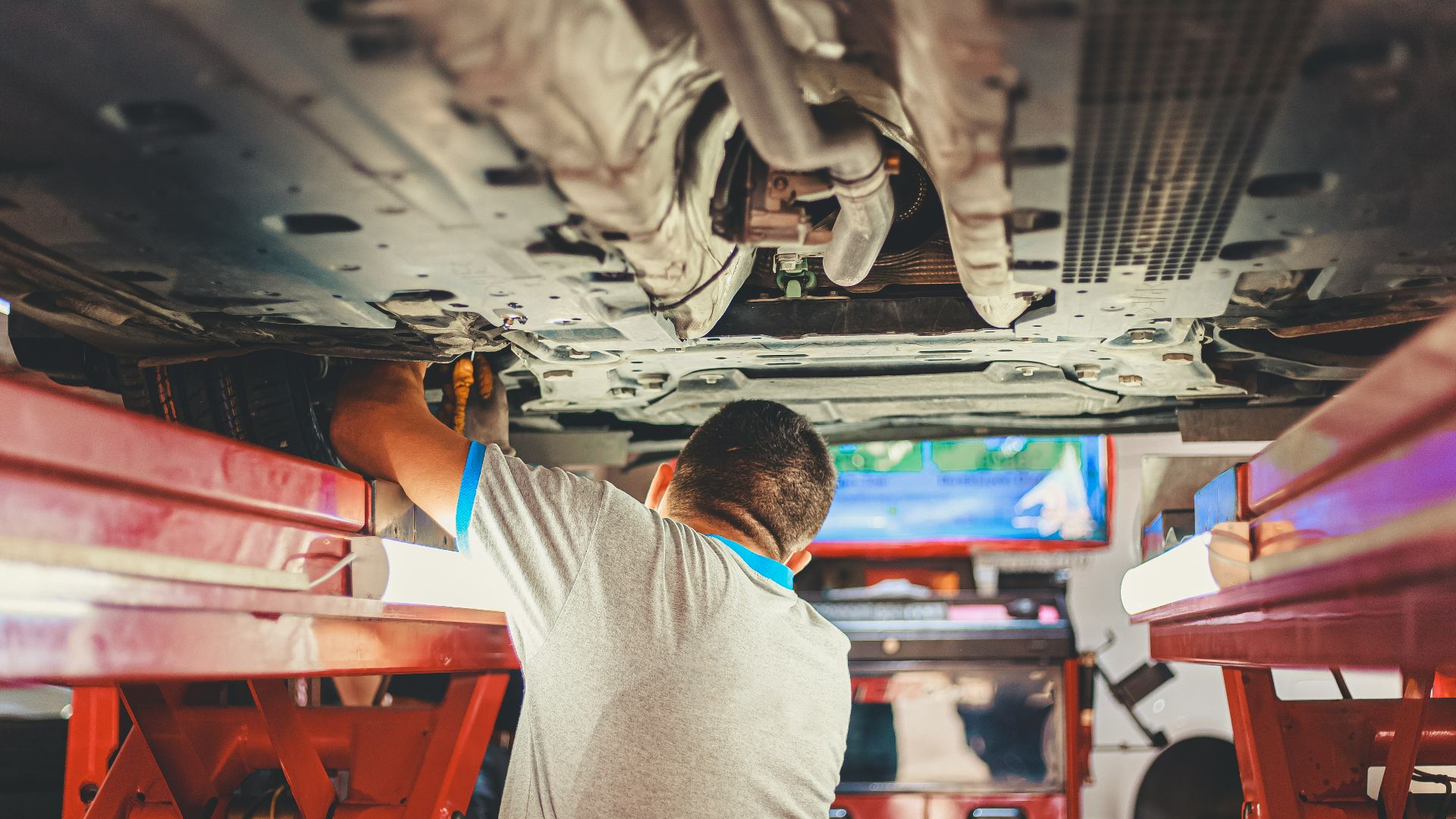
More horsepower means bigger engines, more complex drivetrains, and components that wear out faster under stress. Tires rated for high speeds aren't cheap, and they wear out quicker even if you're just commuting. Brake jobs run into four figures because the car needs massive rotors and high-performance pads to stop all that mass moving at speed.
Insurance companies know what 400 horsepower in the hands of an average driver looks like statistically, and their premiums reflect that risk. The ongoing costs of owning a high-horsepower vehicle often exceed what people budget for, leading to surprised faces when pricing out insurance.
Fuel Economy Suffers Despite Technology
Sure, modern engines are more efficient than older ones. A 2024 V8 gets better mileage than a 1994 V8. That doesn't mean it's efficient in absolute terms. Moving more weight with more power requires more fuel, and no amount of cylinder deactivation or turbocharging wizardry fully compensates.
The EPA estimated that light-duty vehicles averaged around 26 mpg in recent years, barely better than numbers from a decade ago despite massive technological advances. By continuously adding power and weight, we negate any efficiency gains.
It's Genuinely Dangerous for Average Drivers

Driving school teaches you to parallel park and merge, not how to control a 500-horsepower rear-wheel-drive sedan when you floor it on a wet road. Traction control helps until it doesn't, and then you're spinning into oncoming traffic or wrapping around a telephone pole.
Social media is full of videos showing brand-new Mustangs and Chargers crashing immediately after leaving car meets. It’s not the car’s fault; the drivers simply don't have the skill to manage that much instant torque. Throttle response has gotten so aggressive that even experienced drivers need time to recalibrate.
The Arms Race Benefits Nobody
Manufacturers keep adding horsepower because competitors do. Each annual model release carries more power to stay relevant in comparison tests and marketing materials. The 2024 Camry has 301 horsepower. That's a family sedan designed for reliability and comfort, now packing enough power to get seriously sideways if you're not careful.
This escalation doesn't make anyone safer, happier, or better off. The sweet spot for most people is probably around 200 to 250 horsepower, which provides plenty of performance for real-world driving without the downsides. Everything beyond that is ego and marketing.