The global automotive supply chain spent decades optimizing for cost above everything else. To squeeze out another percentage point of margin, components were manufactured in Asia, assembled in Europe, then shipped to North America. Then tariffs happened, and suddenly those intricate international webs became liabilities rather than assets.
Now automakers are scrambling to relocate production closer to their end markets, a shift that's fundamentally reshaping where and how vehicles get built. Mexico's becoming the new manufacturing darling for companies selling into the U.S. market, while Eastern Europe absorbs production that might have gone to China just five years ago.
Mexico's Automotive Boom Isn't Slowing Down
Vehicle production in Mexico hit 3.5 million units in 2023, making it the world's seventh-largest auto producer according to the International Organization of Motor Vehicle Manufacturers. The country offers USMCA benefits that effectively eliminate tariffs for qualifying vehicles, making it dramatically more attractive than Asian manufacturing.
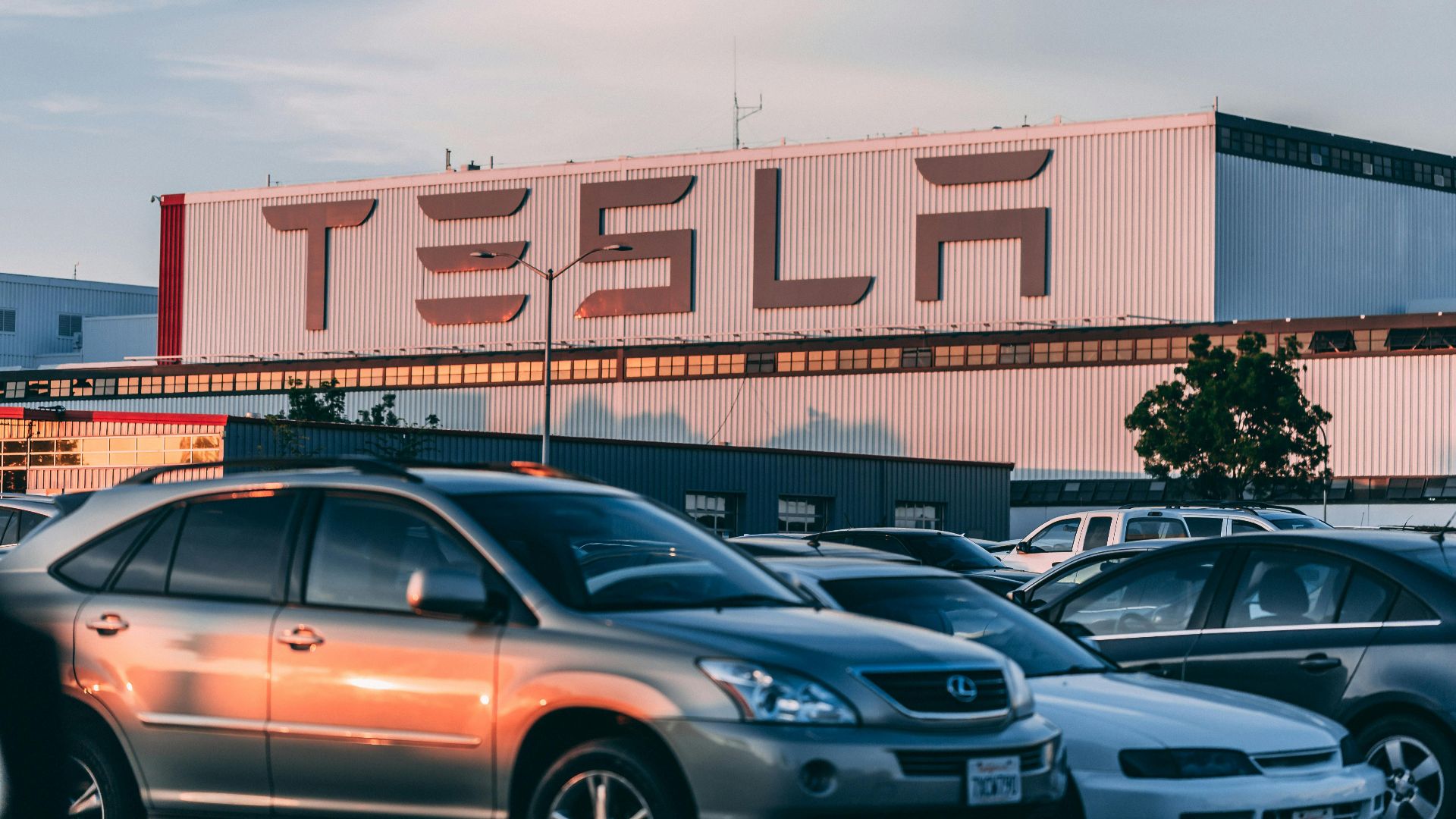
Tesla's Gigafactory in Monterrey represents just the latest massive investment. BMW, General Motors, and Volkswagen have all announced expansions to their Mexican facilities within the past eighteen months, collectively representing over $8 billion in new capital expenditure.
The labor cost advantage doesn't hurt either. Mexican automotive workers earn roughly $4-6 per hour compared to $25-30 in the United States, though that gap's been narrowing as Mexican wages rise and automation gets incorporated.
Supply Chains Are Getting Stubbier
The average automotive supply chain stretched across 12-15 countries before 2018. Companies are now actively working to consolidate that down to five or six, prioritizing proximity over marginal cost savings. When a single tariff announcement can wipe out months of careful financial planning, resilience starts mattering more than efficiency.
Predictability has value, especially when trade policy shifts every few years based on political winds nobody can forecast. You can't build cars efficiently when critical components are shipping from thousands of miles away, subject to customs delays and tariff uncertainties.
Eastern Europe Becomes the European Answer
Poland, Hungary, and Romania are absorbing production that might have landed in China for European-bound vehicles. Volkswagen's massive Bratislava plant in Slovakia produces over 300,000 vehicles annually, while Mercedes-Benz has invested heavily in Hungarian facilities that now build everything from compact cars to electric SUVs.
The logic mirrors what's happening with Mexico and the U.S. market—stay within trade bloc boundaries, avoid tariff exposure, maintain supply chain flexibility. The EU's complex rules of origin requirements reward local production anyway, making near-shoring almost a necessity for avoiding additional costs.
The China Question Looms Over Everything
Chinese automakers are building their own near-shore facilities, recognizing that exporting finished vehicles into major markets faces increasing political resistance. BYD's announced plants in Thailand, Hungary, and Mexico signal that even Chinese companies see the writing on the wall regarding trade barriers.
The irony's pretty thick considering China built its automotive industry partly by requiring foreign automakers to manufacture locally and transfer technology. Now Chinese companies are doing the same thing in reverse, establishing local production to access foreign markets while avoiding tariff barriers.
Automation Makes Near-Shoring More Viable
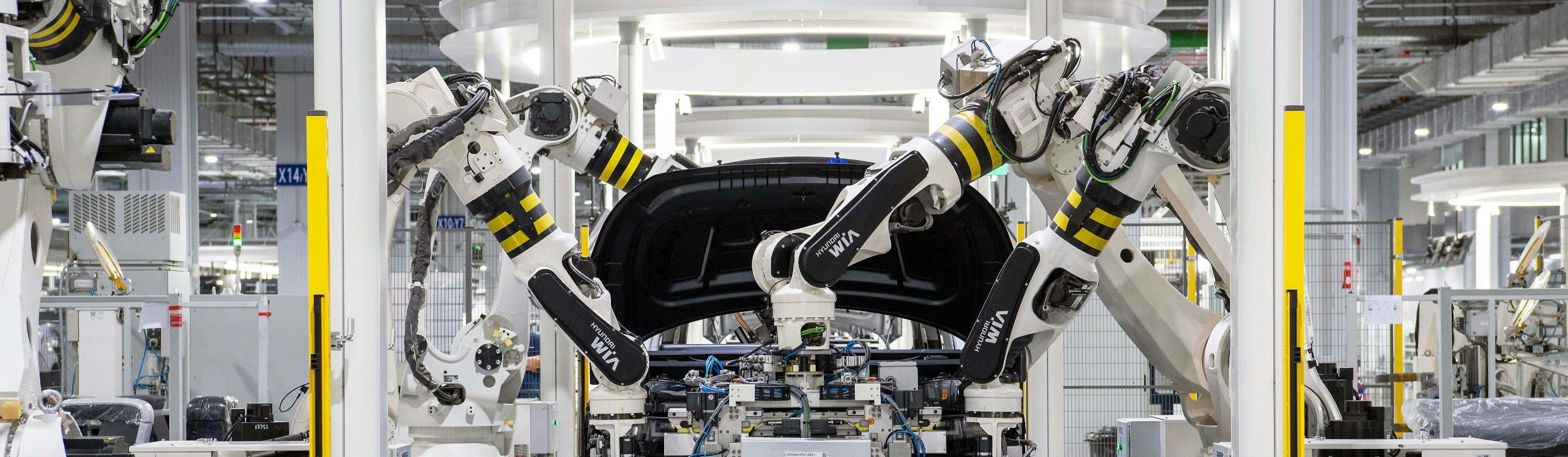
Higher labor costs in Mexico compared to China matter less when robots do most of the work anyway. Modern automotive plants are approaching 80-90% automation for major processes like welding and painting, meaning labor cost differentials affect a shrinking portion of total manufacturing expense.
This automation wave actually makes near-shoring easier to justify financially. When labor's only 5-10% of total cost, paying slightly more for workers closer to your end market becomes a reasonable trade-off for supply chain resilience and tariff avoidance. The equation is a dramatic shift from the old days when labor-intensive assembly drove every location decision.