From Aircraft And Tractors To Robots And Currywurst
Most car companies are known for one thing: putting four wheels, an engine or motor, and a logo together in a way people remember. Their backstories are often much stranger, though. Before some of these brands built a family sedan or supercar, they were making textile machinery, bicycle parts, cork boards, and farm equipment. Others put their engineering skills to work on airplanes, boats, locomotives, and even a humanoid robot. Those side projects weren't always quick detours, either. In several cases, they came first and helped shape what the company became. Look beyond the showroom, and the automotive world gets wonderfully weird. Here are 20 times a car company made something that wasn't a car.
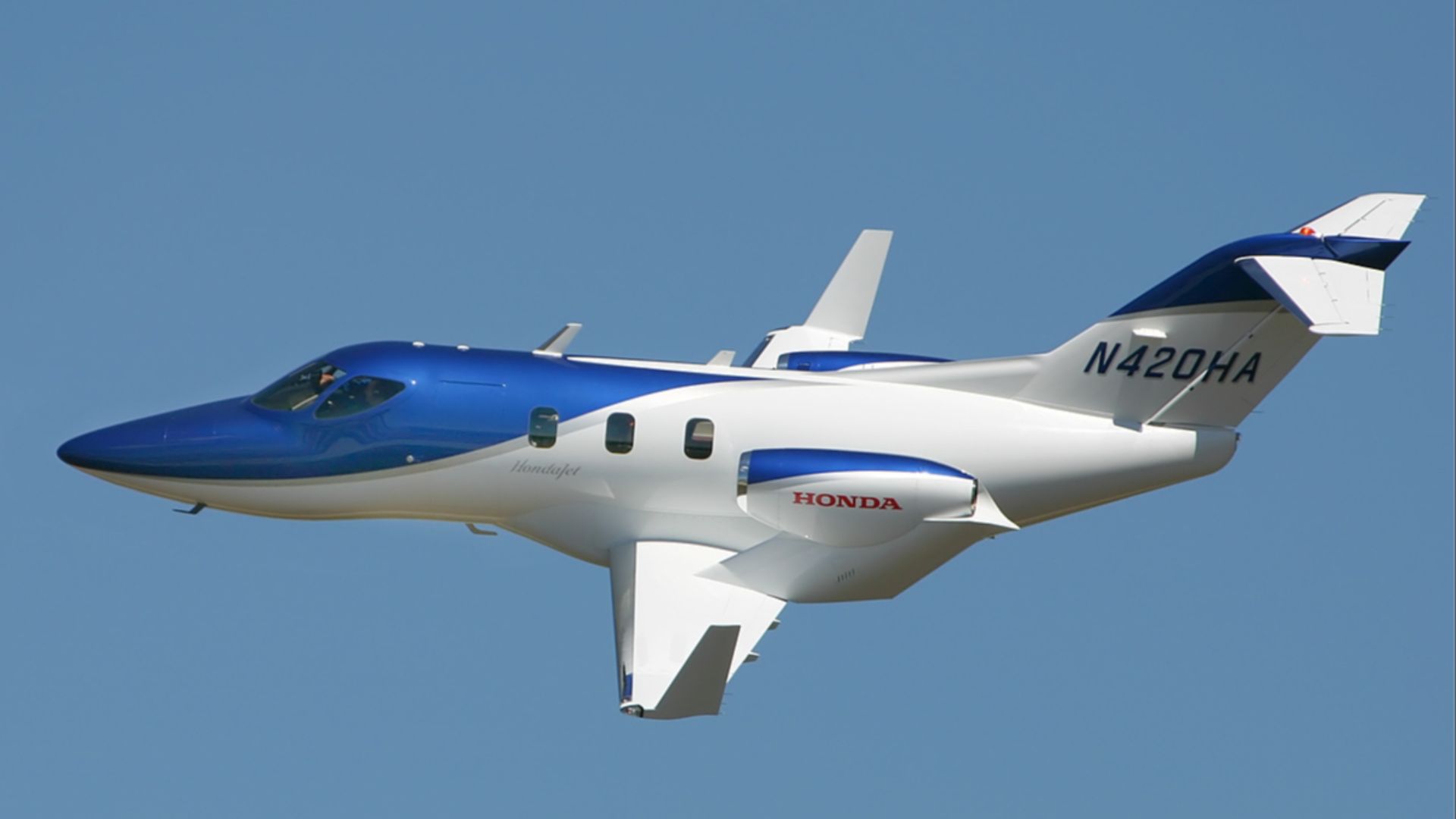
1. HondaJet
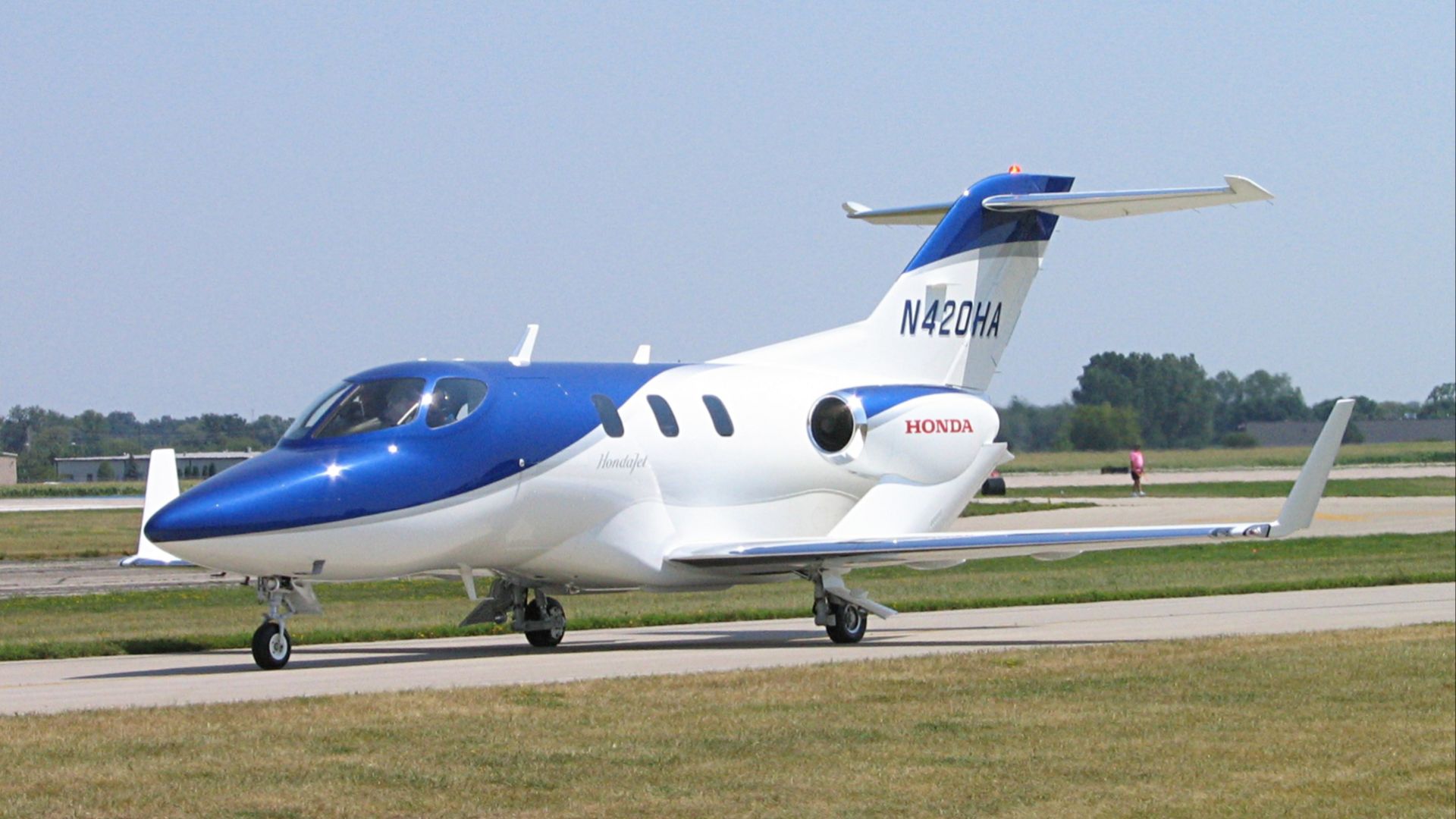
Honda's light business jet was first introduced in 2015. Said to be the most advanced light jet to date, the HondaJet’s engines sit above the wing to create more usable cabin space. Of course, it’s more catered to the ultra-rich, as there are only 200 of these guys flying around the world.
 Michael Pereckas from Milwaukee, WI, USA on Wikimedia
2. Toyota's Ponam-28V Boat
Toyota's been in the marine business for years, and the Ponam-28V showed how far that work could go. The 28-foot sports cruiser used a diesel engine derived from one fitted to an SUV, plus a positioning system adapted from automotive technology. It’s still available to buy, if you have about $180,000 lying around.

3. Volkswagen Currywurst
Volkswagen has made currywurst at its Wolfsburg operation since 1973, originally for employees. The sausage eventually became an official company product, and it even has its own part number. Few factory-made items go as naturally with mustard as they do with motor oil.

4. Peugeot Coffee Mills
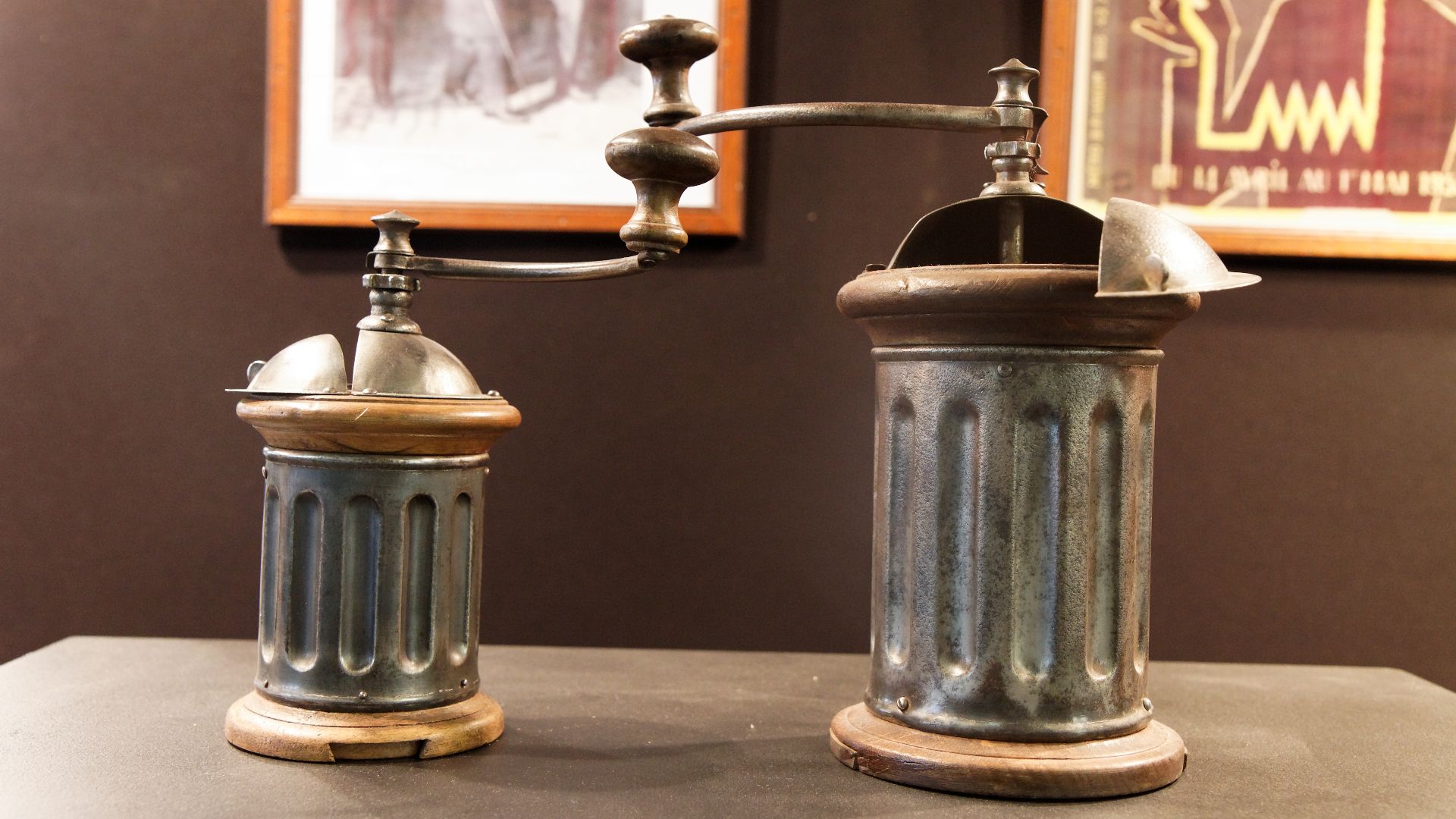
Peugeot's story actually began in the steel goods industry. Before it built its first car, the family business made tools, springs, watch parts, bicycles, and coffee mills.
5. Mazda Cork Boards
Mazda began as Toyo Cork Kogyo, a business that produced compressed cork boards in the 1920s. It later moved into machinery, then vehicle production. The company moved away from cork boards, switching to an auto-centric business model in the 30s and 40s.

6. Kia Bicycles
Kia started by making bicycle parts in 1944 before introducing a bicycle of its own in 1952. The company later moved into motorcycles, three-wheelers, trucks, and passenger vehicles, though its earliest work was rooted in pedal power.

7. Suzuki Looms
Suzuki was founded in 1909 as a loom manufacturer serving Japan's silk industry. That work came decades before its first car, and it explains why the company's history reaches much further back than many drivers realize.

8. Subaru Aircraft Structures
Subaru's roots go back to an aircraft operation founded in 1917. The company still has an aerospace side that includes commercial aircraft structures and helicopter programs. It even built military helicopters and airplanes for World War II.
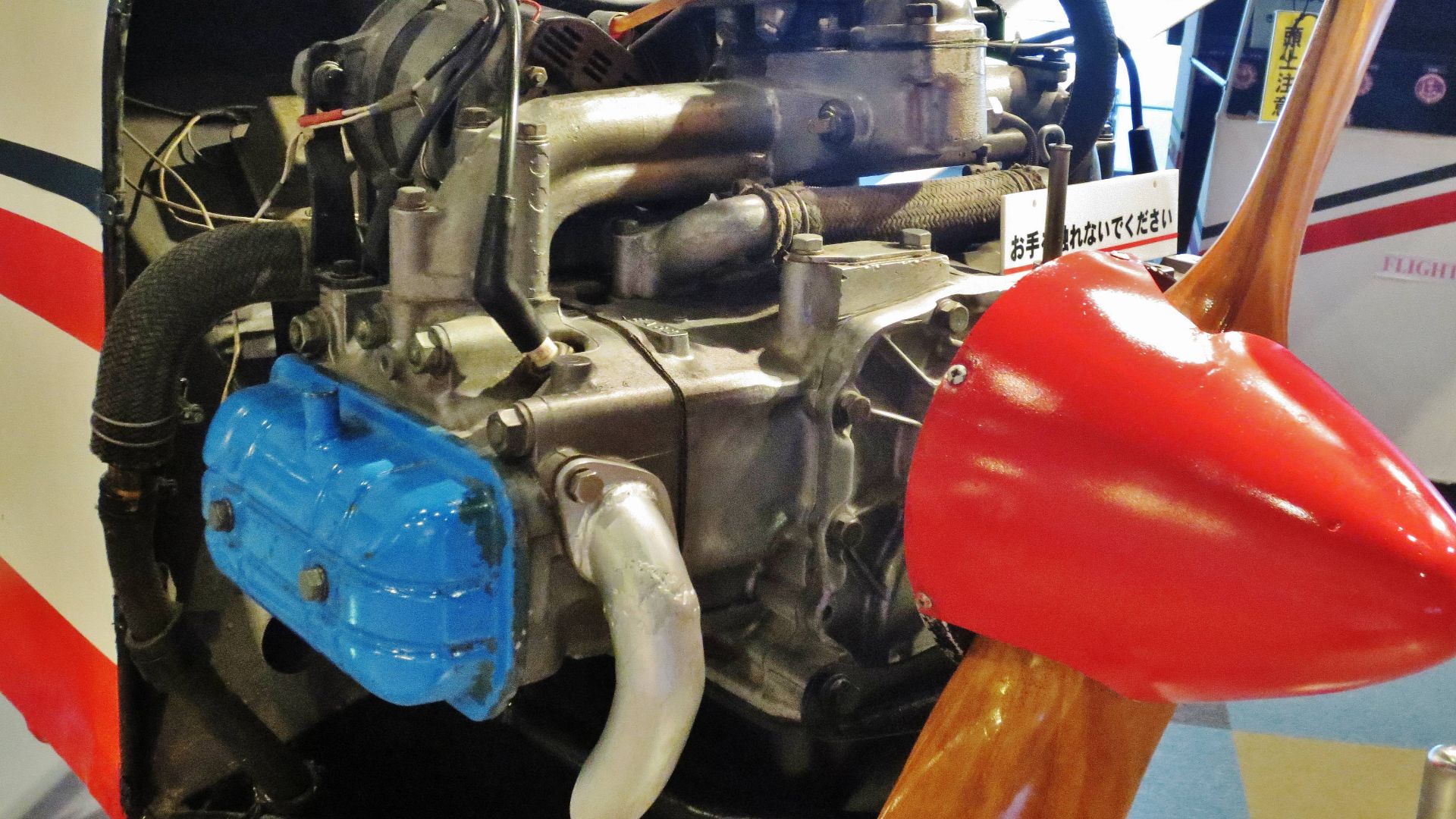 photo: Qurren (talk) Taken with Canon IXY 430F (Digital IXUS 245 HS) on Wikimedia
9. BMW Aircraft Engines
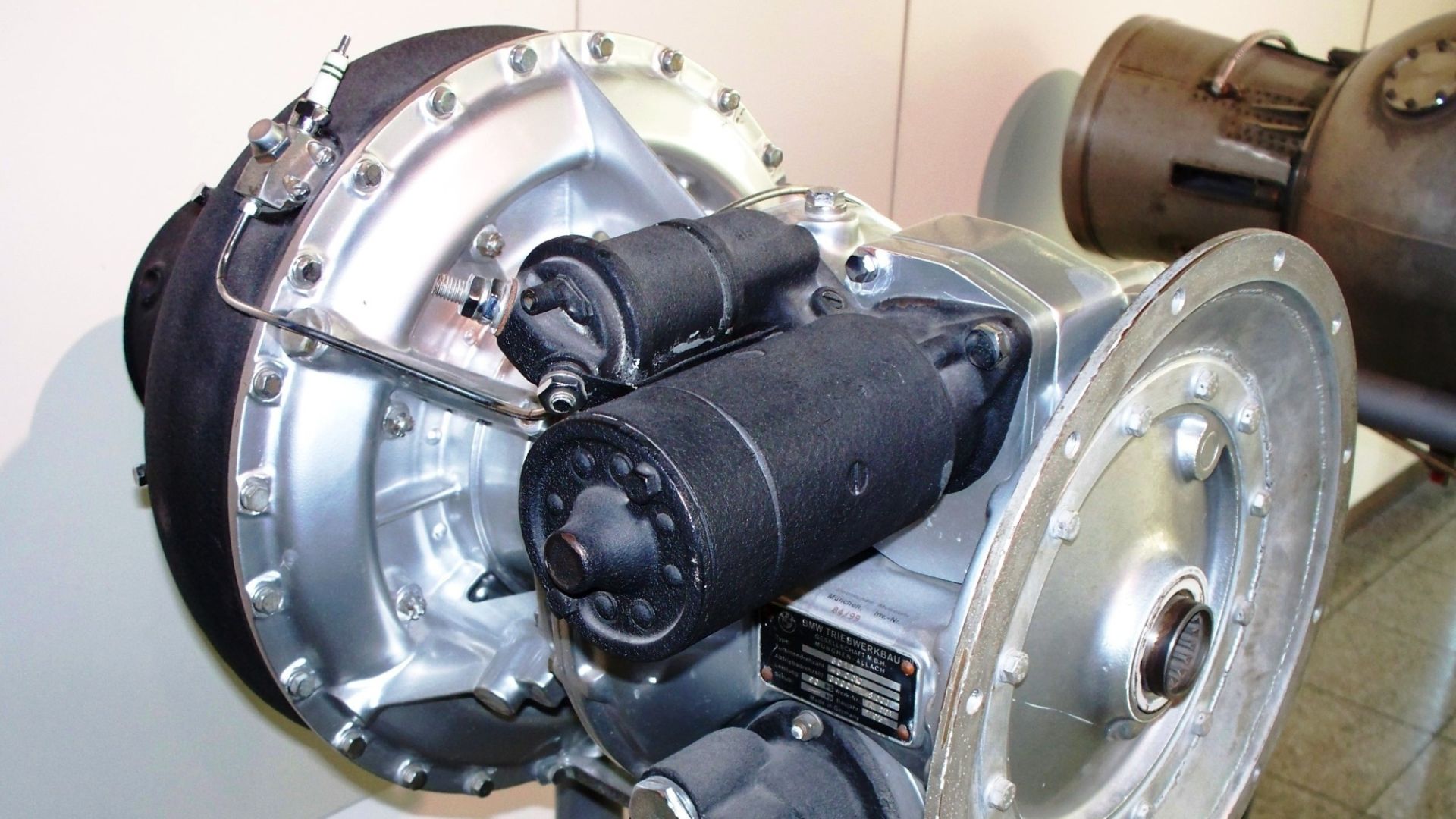
BMW's earliest business centered on aircraft engines, long before it became a household name for sports sedans and motorcycles. After World War I, the company had to find new work, which helped move it into the motorcycle and automobile industries.
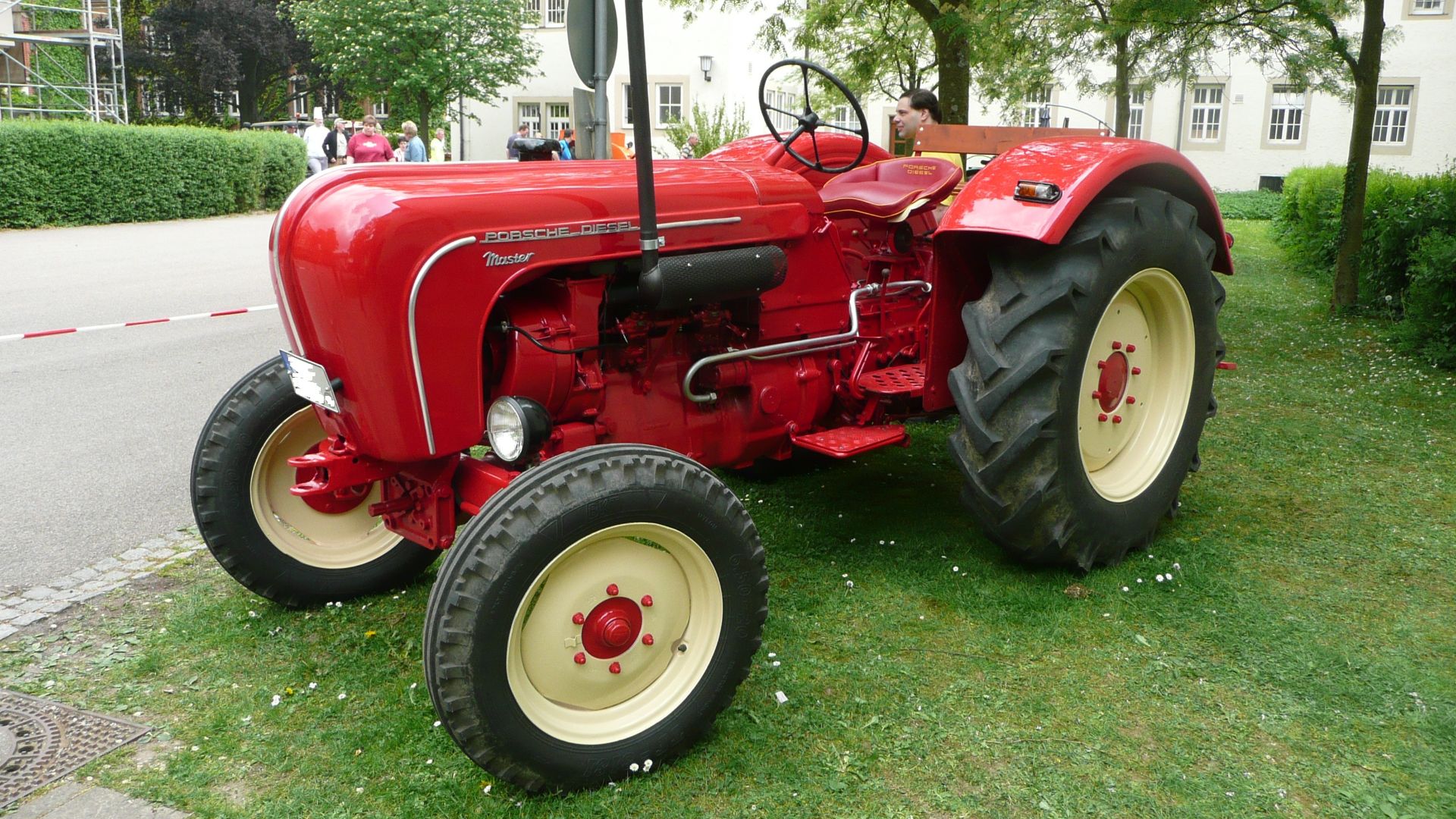
10. Porsche Diesel Tractors
Porsche's engineering work extended into agricultural tractors, and Porsche-Diesel models were produced through much of the 1950s and into the early 1960s. These machines were a spectacle of modular engineering, created with detachable cylinder heads that allowed farmers to fix parts when they were out in the field.
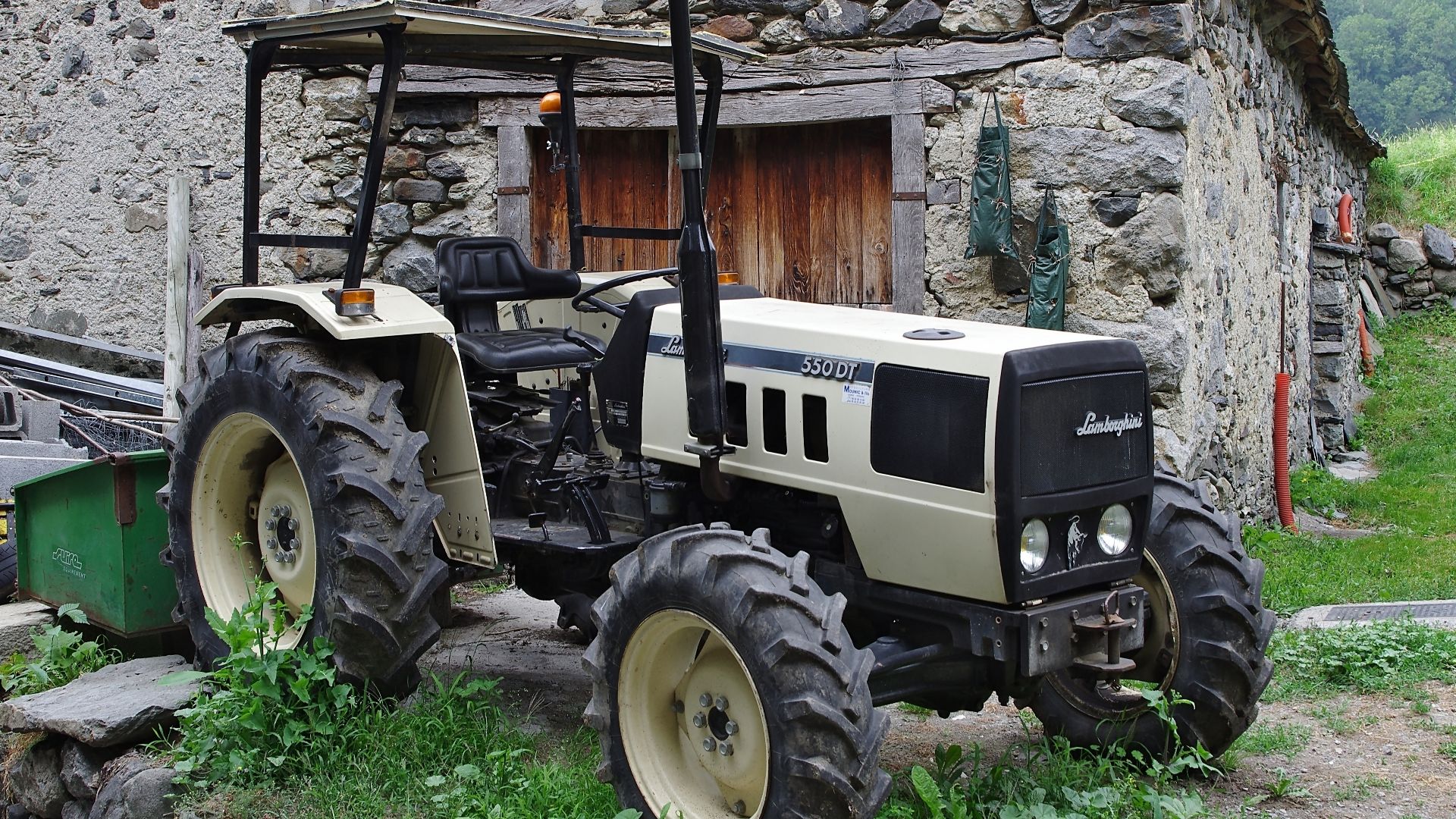
11. Lamborghini Tractors
Ferruccio Lamborghini founded a tractor company in 1948, 15 years before he launched his famous car brand. The tractor business helped to build the wealth behind the later supercar venture.
12. Aston Martin's AM37 Powerboat
Aston Martin took its design language to the water with the AM37, a 37-foot luxury powerboat developed with a yacht specialist. It was offered with gasoline or diesel power and carried the same sleek, dramatic attitude as the company's cars.
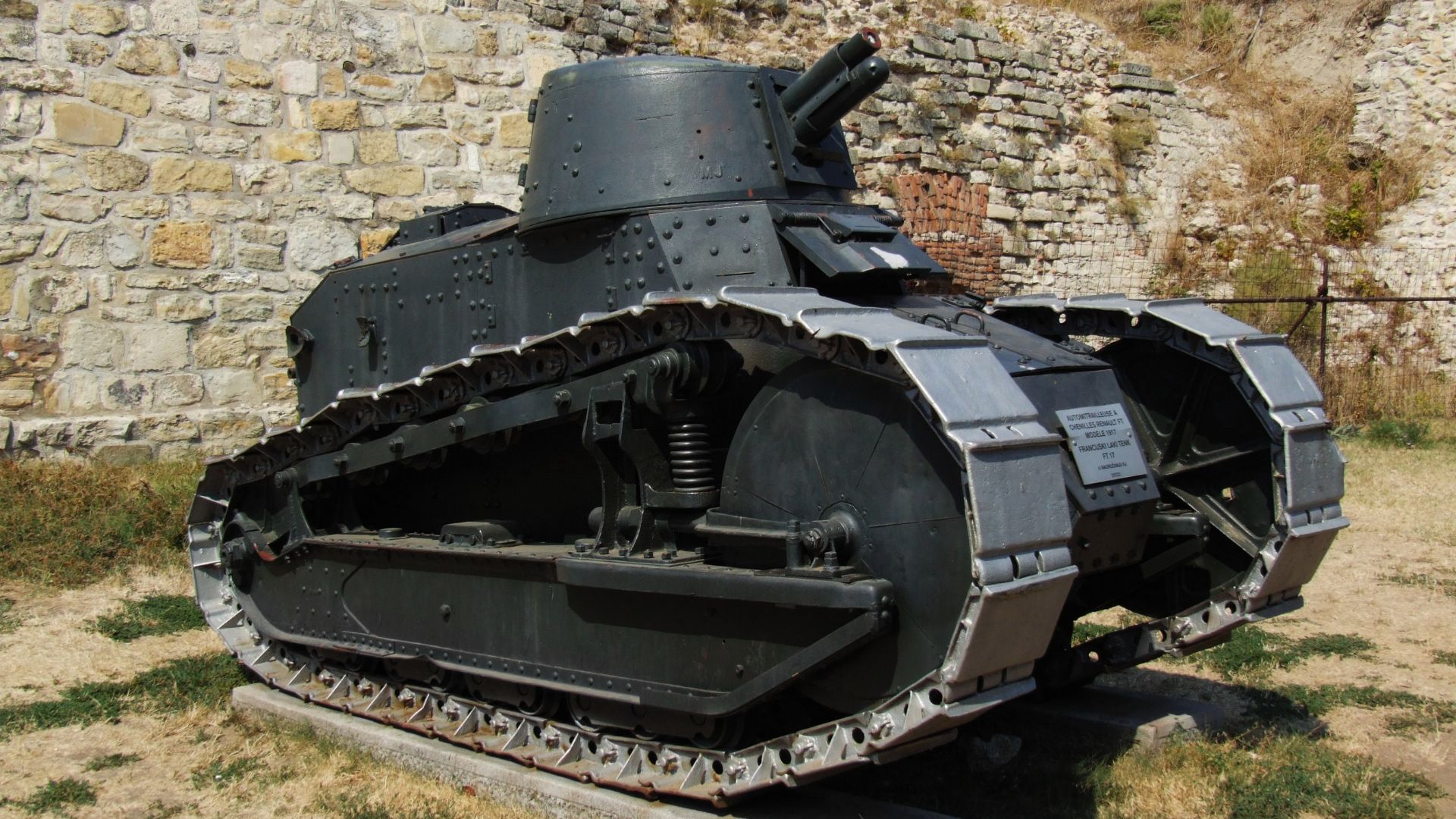
13. Renault FT Tank
During World War I, Renault built the FT, a light tank with a rotating turret that became influential in later tank design. This wartime machine showed how quickly an early carmaker could turn its factories toward military needs. The FT is a stark reminder that automotive industrial history is not always glamorous.
 Pudelek (Marcin Szala) on Wikimedia
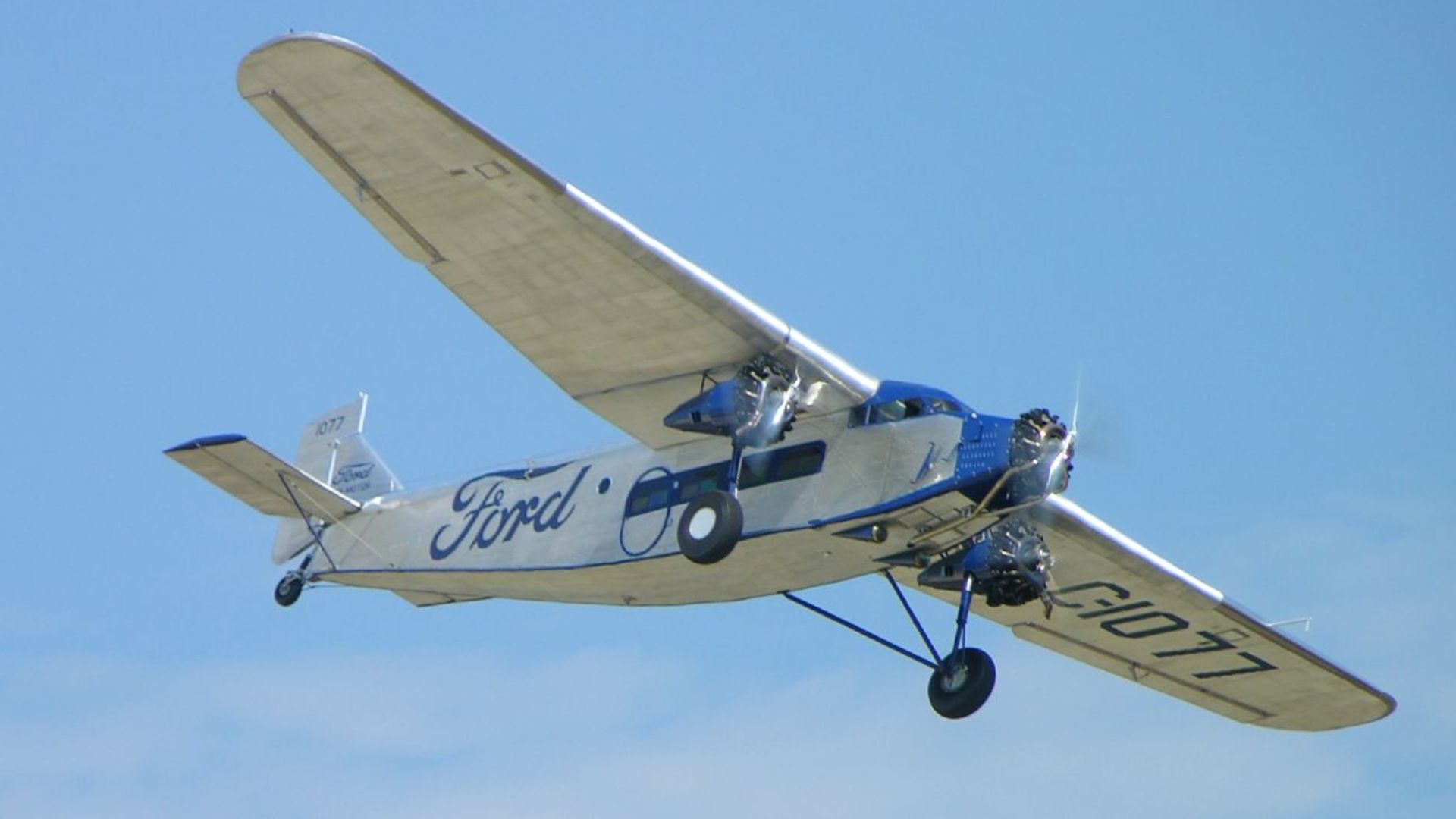
14. Ford Tri-Motor
Ford bought an aircraft company in 1925 and built the Tri-Motor from 1926 through 1933. The all-metal airplane became a familiar sight in early American airline service, while Ford tried to apply assembly-line thinking to aircraft production.
 D. Miller from IL. USA on Wikimedia
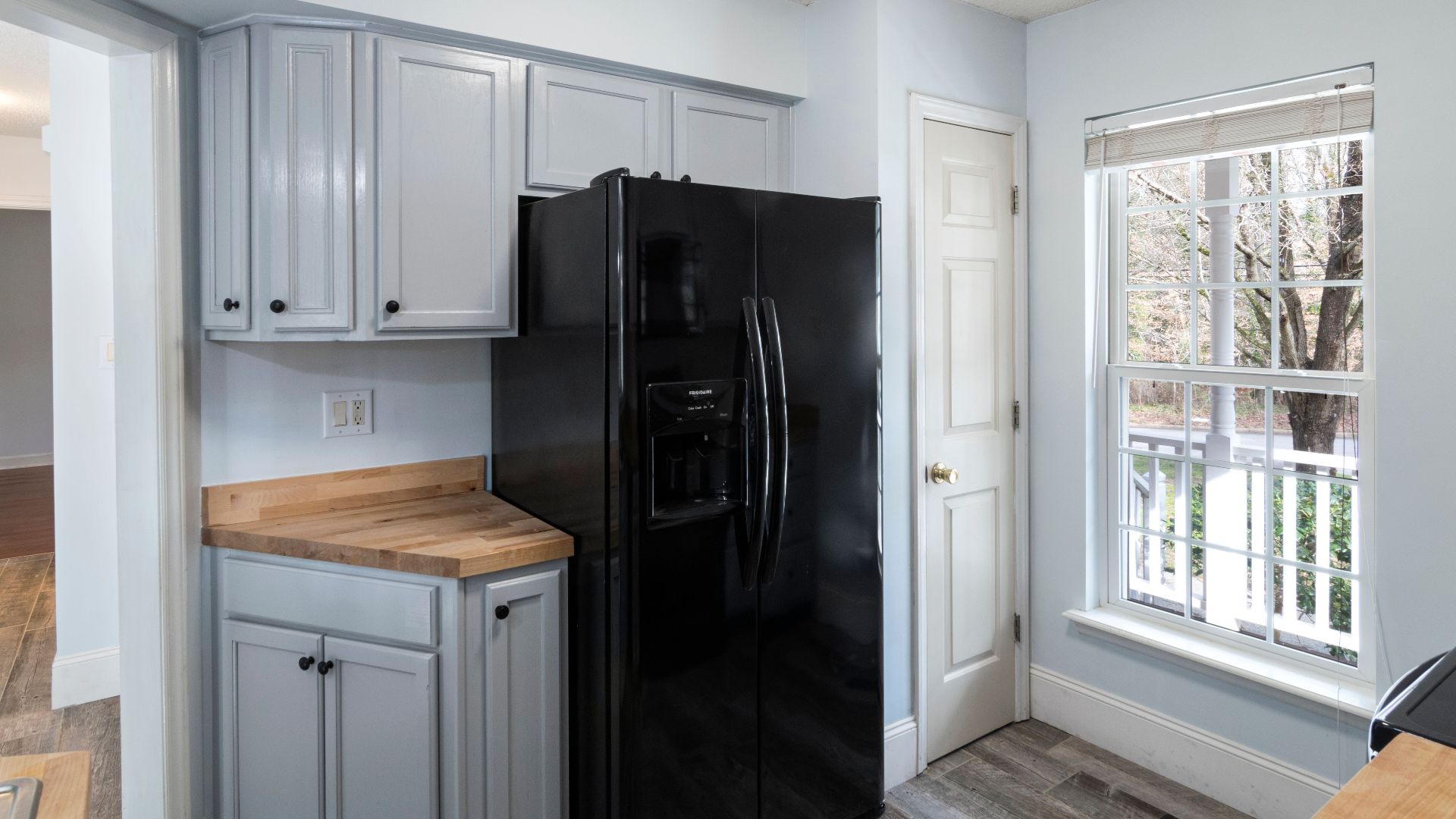
15. Frigidaire Appliances
General Motors owned Frigidaire for decades, meaning the company once had a major role in kitchens as well as garages. Refrigerators, air conditioners, and other home appliances carried that connection into everyday life. For a long stretch, a GM-made product was used inside and outside the home.
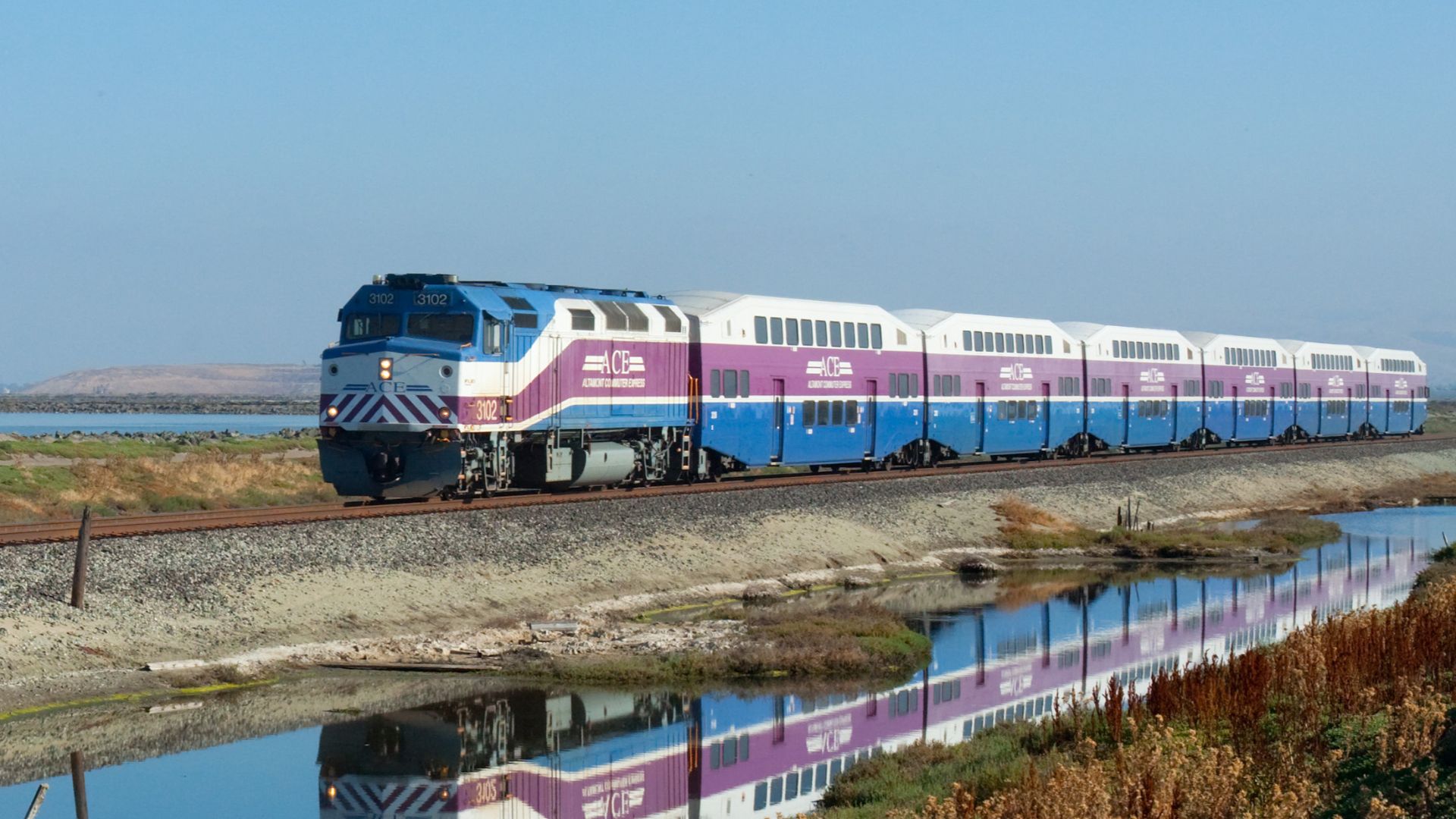
16. EMD Locomotives
General Motors also made diesel-electric locomotives through its Electro-Motive Division. Those big machines became common on North American railroads and helped move diesel power into the railroad mainstream.
 Kabelleger / David Gubler (http://www.bahnbilder.ch) on Wikimedia
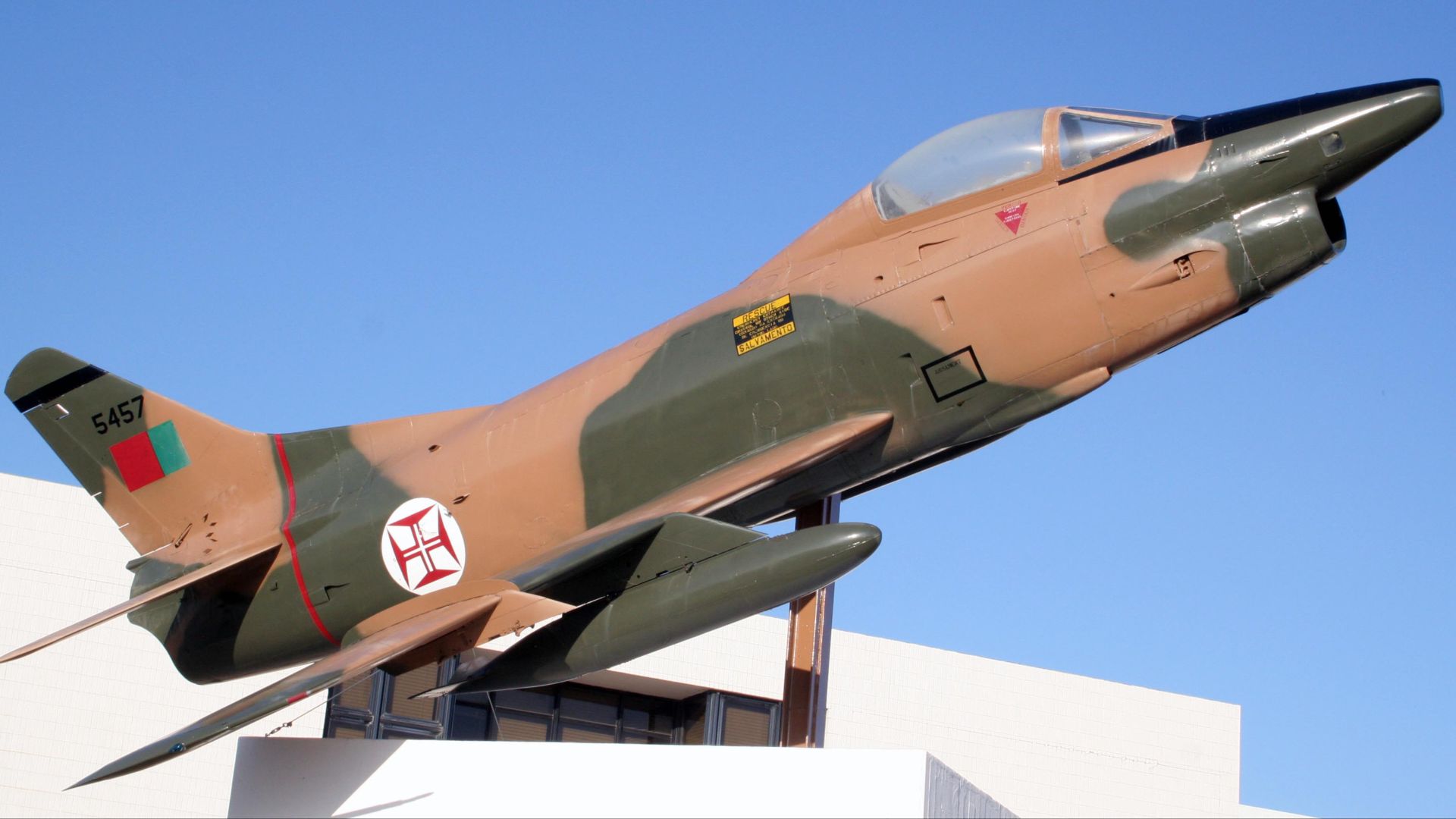
17. Fiat Aircraft
Fiat entered aviation in the early 20th century and went on to manufacture aircraft and aircraft engines. Alongside its better-known automotive work, its industrial reach also included rail equipment and tractors.
 No machine-readable author provided. SoAres assumed (based on copyright claims). on Wikimedia
18. Mercedes-Benz Aircraft Engines
Daimler and Benz, the companies that eventually formed Mercedes-Benz, were involved in early aviation, building engines for airplanes and airships. The company’s logo, a three-pointed star, represents the company’s dedication to land, water, and air mobility.
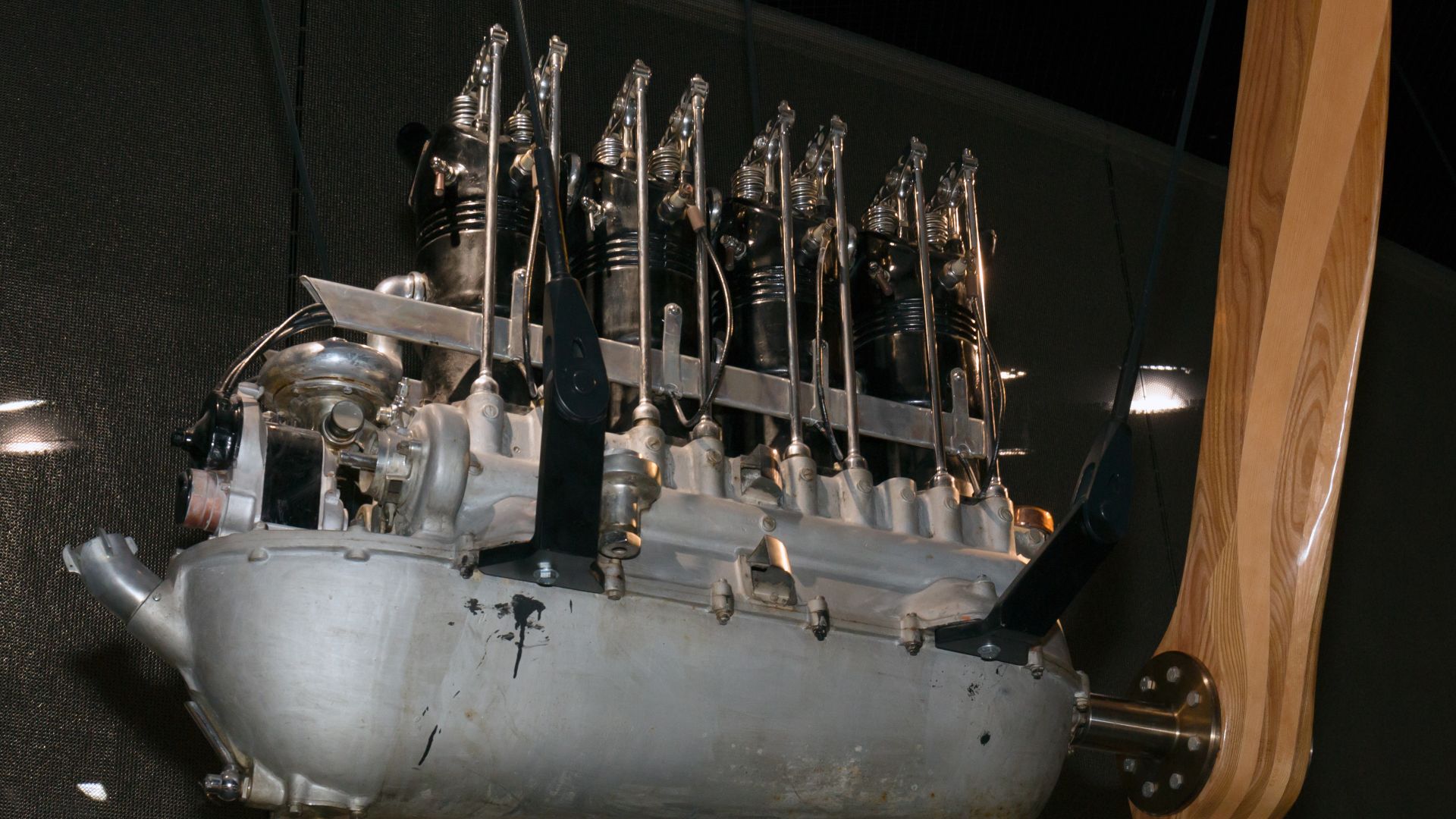
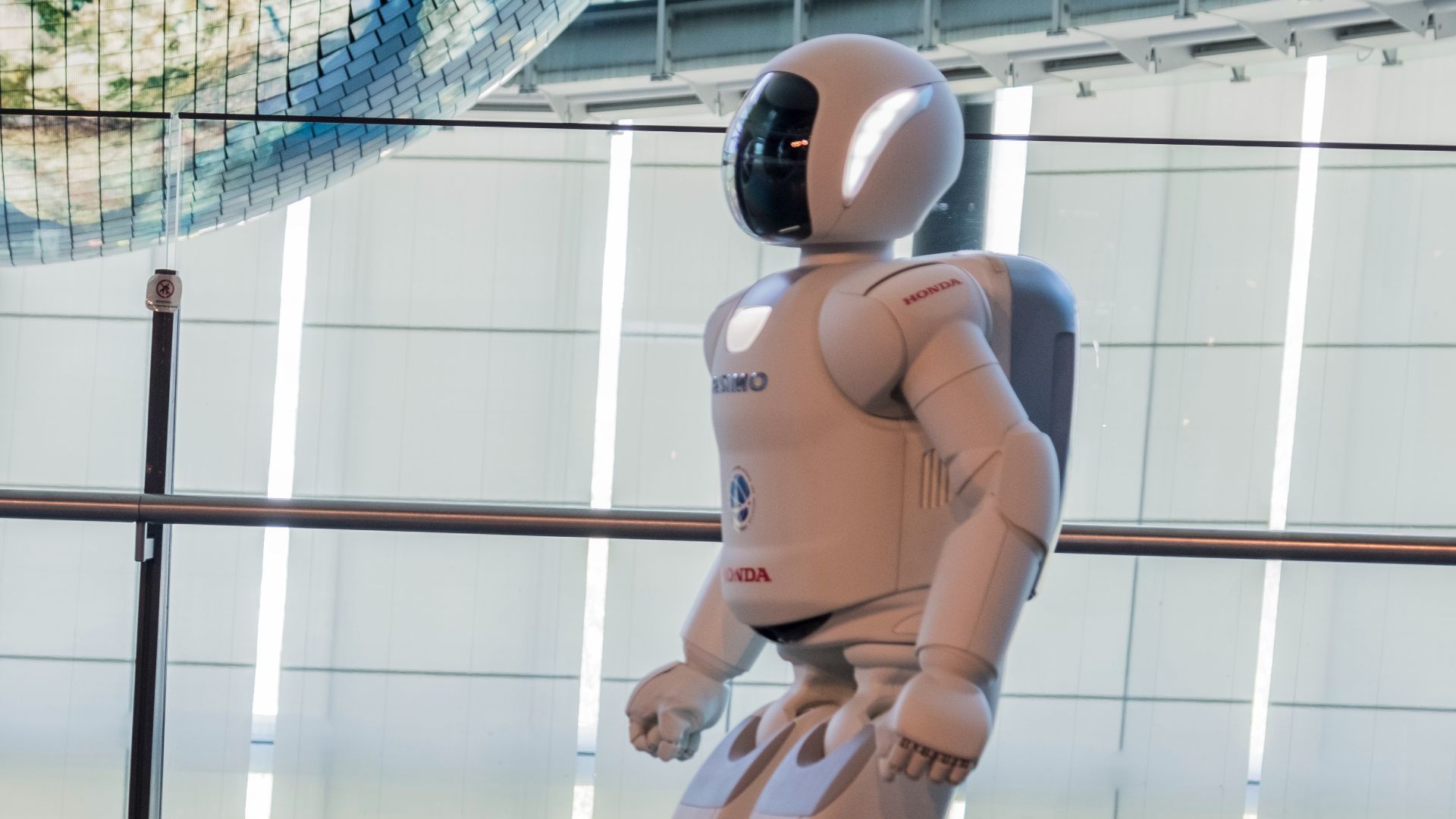
19. Honda's ASIMO Robot
Honda spent years developing ASIMO, a humanoid robot introduced in 2000. It could walk, climb stairs, and interact during demonstrations, becoming one of the most recognizable robots of its era.
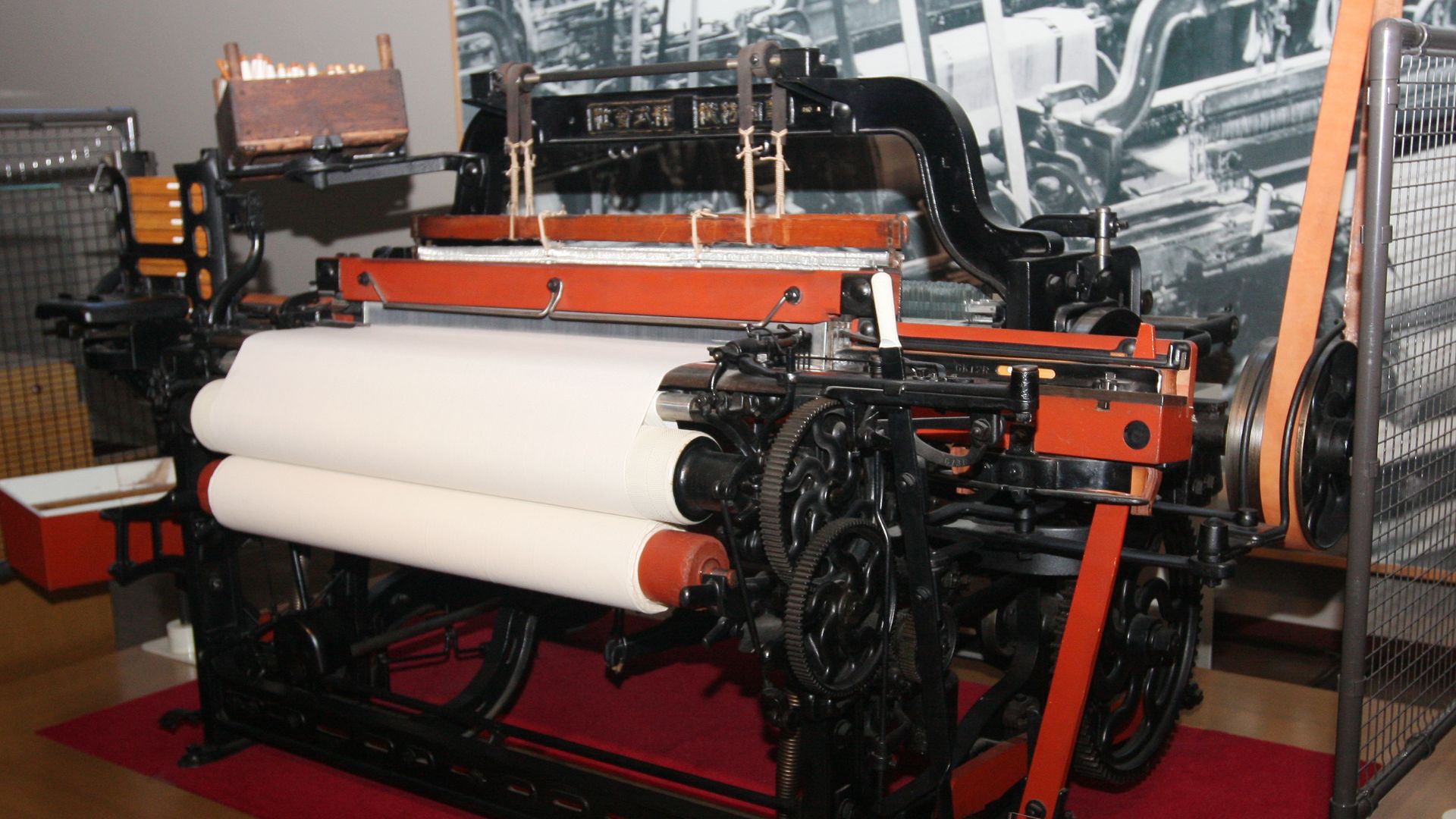
20. Toyota Automatic Looms
Toyota Motor Company grew from a family business built around automatic looms. The automotive division arrived in 1933, and the car company was established a few years later, yet the textile-machinery origin remains central to their history.