Why Reinvent The Wheel?
The steering wheel seems like one of the simplest parts of a car, but automakers have spent decades trying to improve it. We've seen square wheels, yokes, joysticks, fixed centers, touch-sensitive controls, and setups that looked more at home in an airplane cockpit. Some of these ideas were clever, and a few even worked better than you'd expect, but none managed to replace the familiar wheel for long. Others were criticized, dropped, or eventually replaced by simpler designs. These 20 steering wheel experiments show what can happen when car companies get a little too creative.

1. Chevrolet's Spinner Wheel
Around 1940, Chevrolet offered a Spinner steering-wheel accessory with a smaller ring and free-spinning handgrip near the edge of the main wheel. It was supposed to make one-handed steering easier at a time when power assistance wasn't common. Instead, it remained a rare curiosity.
2. Edsel's Teletouch Hub
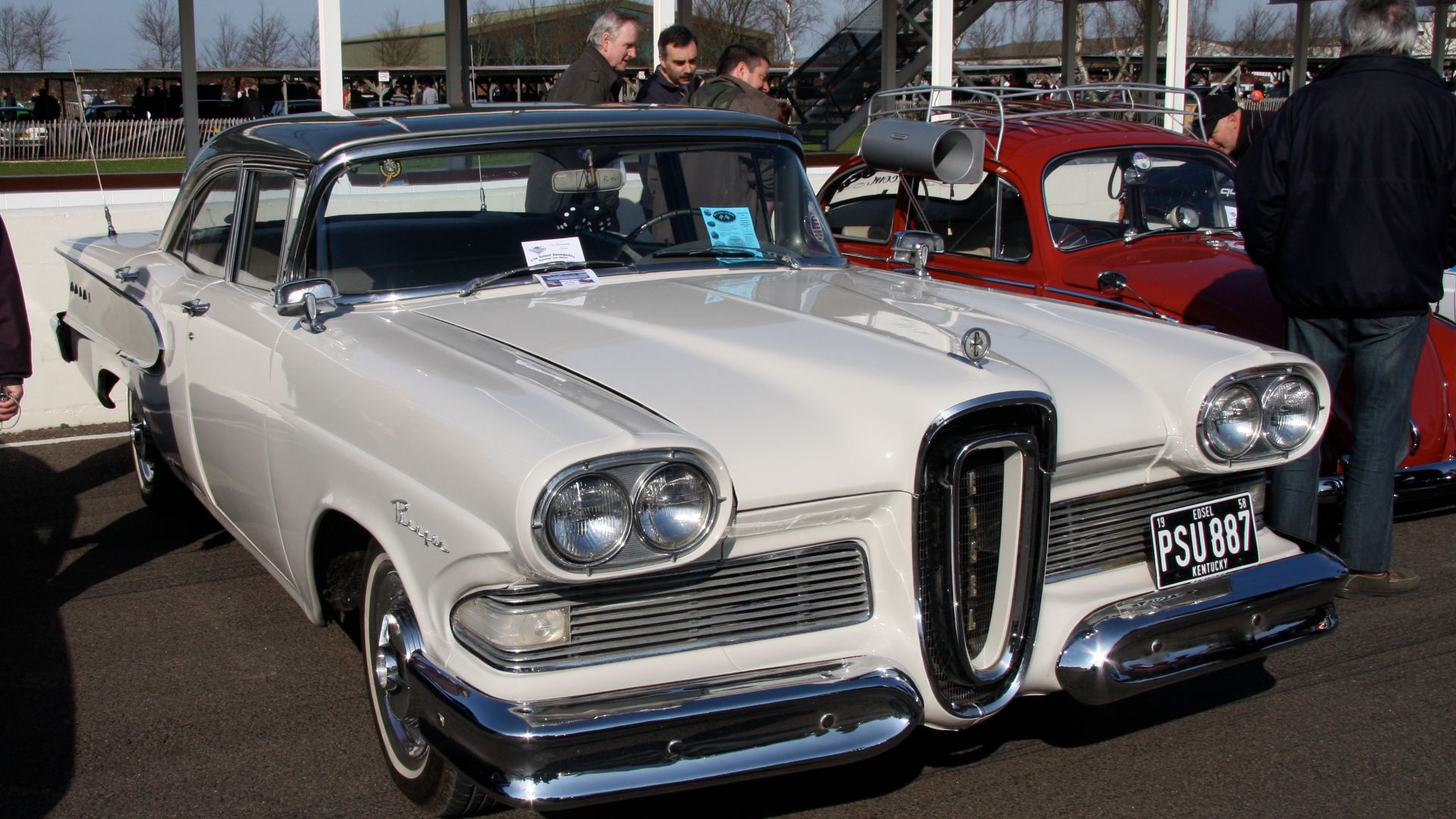
The 1958 Edsel put the automatic transmission controls in the center of the steering wheel. Drivers could choose a gear by pressing a button rather than reaching for a regular shifter. Unfortunately, the electromechanical Teletouch system developed a reputation for reliability problems, and the steering-wheel gear selector was gone after the 1958 model year.
3. Plymouth's Aero Wheel
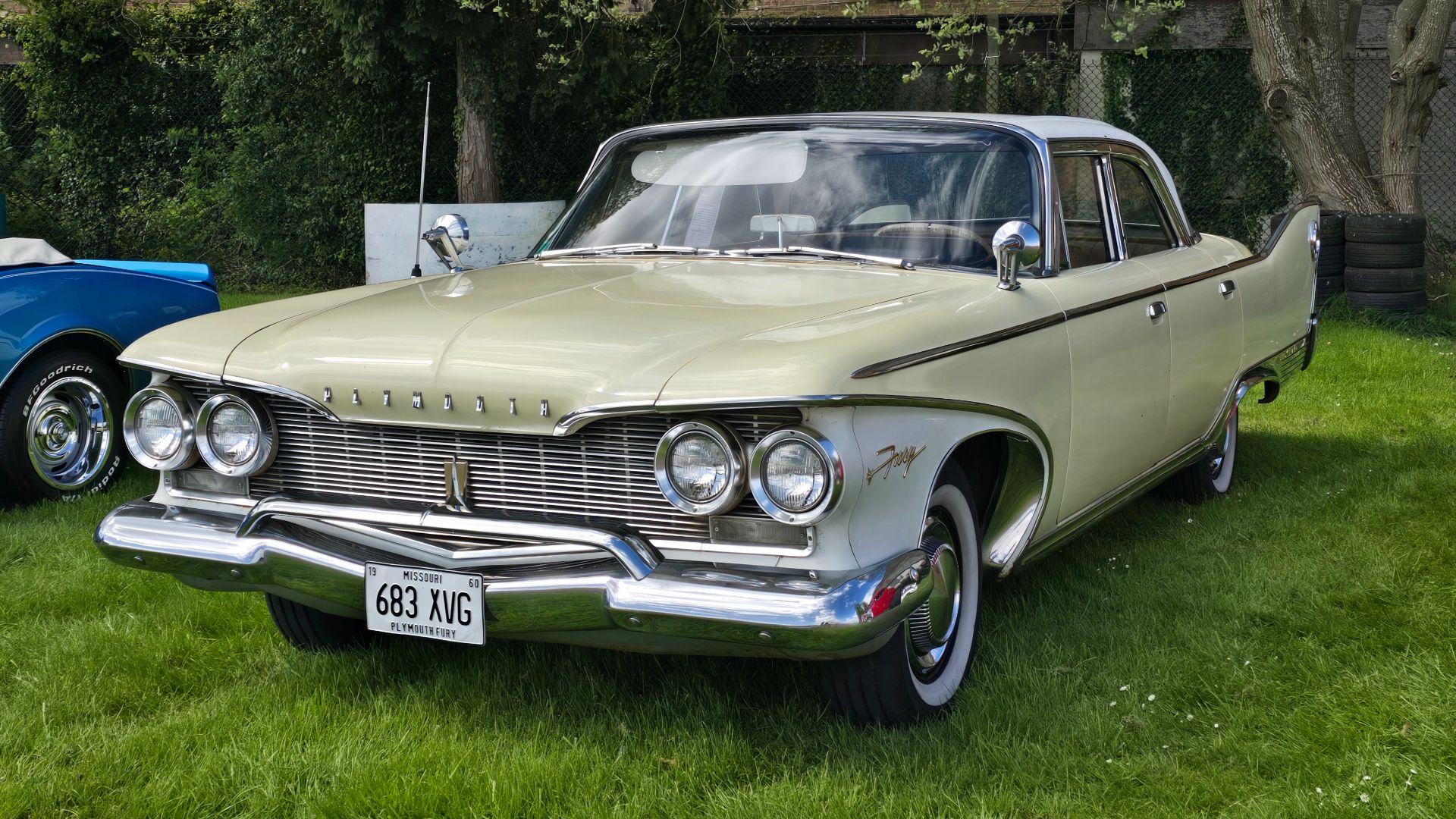
The 1960 Plymouth Fury could be ordered with an almost rectangular Aero steering wheel that promised better visibility and more legroom. It also featured sparkly clear sections that fit neatly with the car's bold Jet Age styling. The unusual shape didn't stick around, though, and it remained a short-lived feature.
4. Ford's Wrist-Twist Controls
Ford took a much bigger swing with its 1965 Wrist-Twist experiment. Instead of one large steering wheel, the driver got two small hand wheels mounted at the ends of a horizontal bar. Contemporary testers adapted to the system surprisingly well. Even so, Ford never moved it beyond experimental cars.
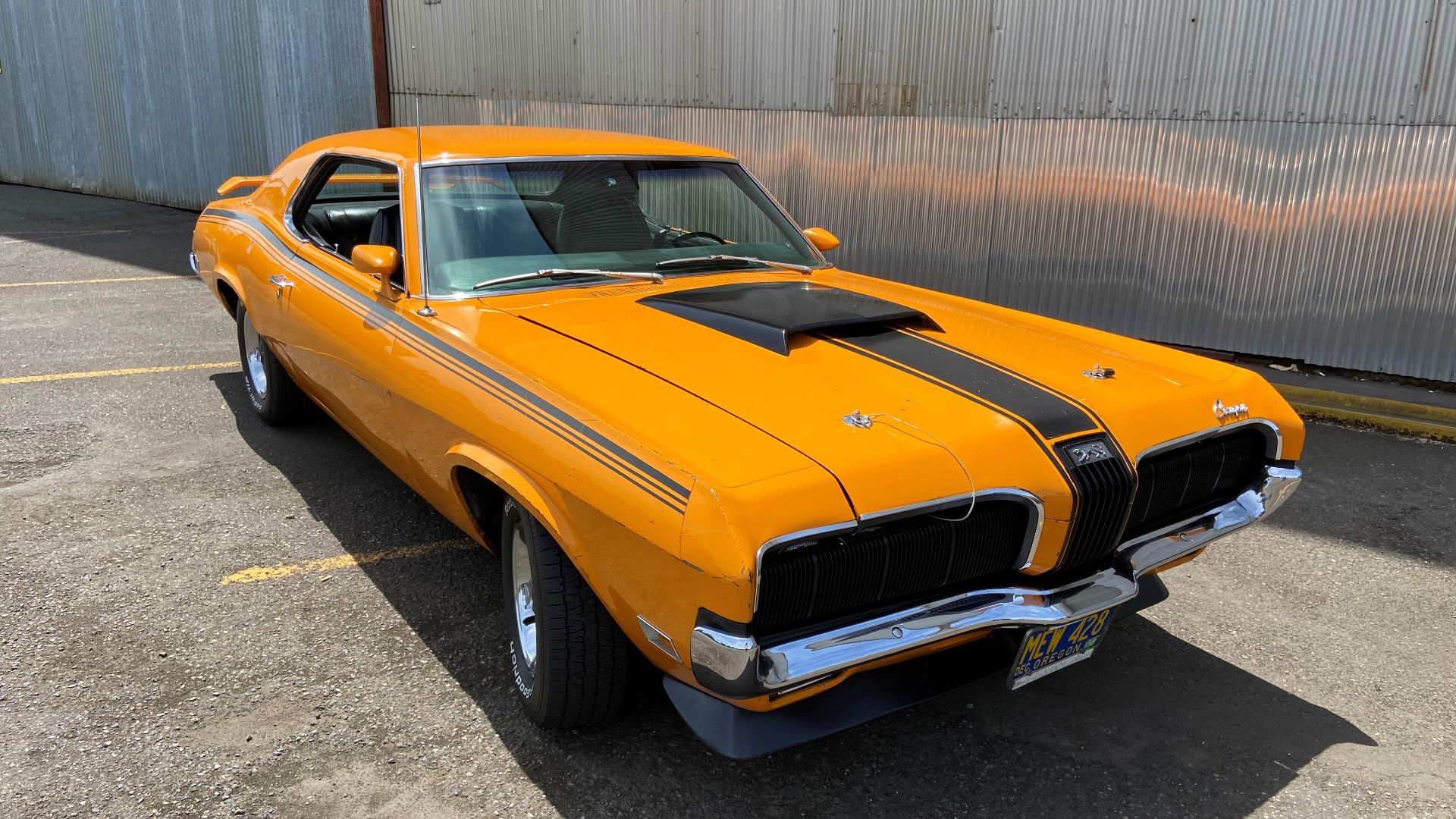
5. Maserati Boomerang's Instrument Wheel
The 1972 Maserati Boomerang put its gauges and switches inside a stationary structure directly in front of the driver. Around that center section sat a spokeless-looking steering rim that rotated while the instruments stayed in place. Only one Boomerang was built, however, so the striking steering setup remained a one-off experiment.
 Herranderssvensson on Wikimedia
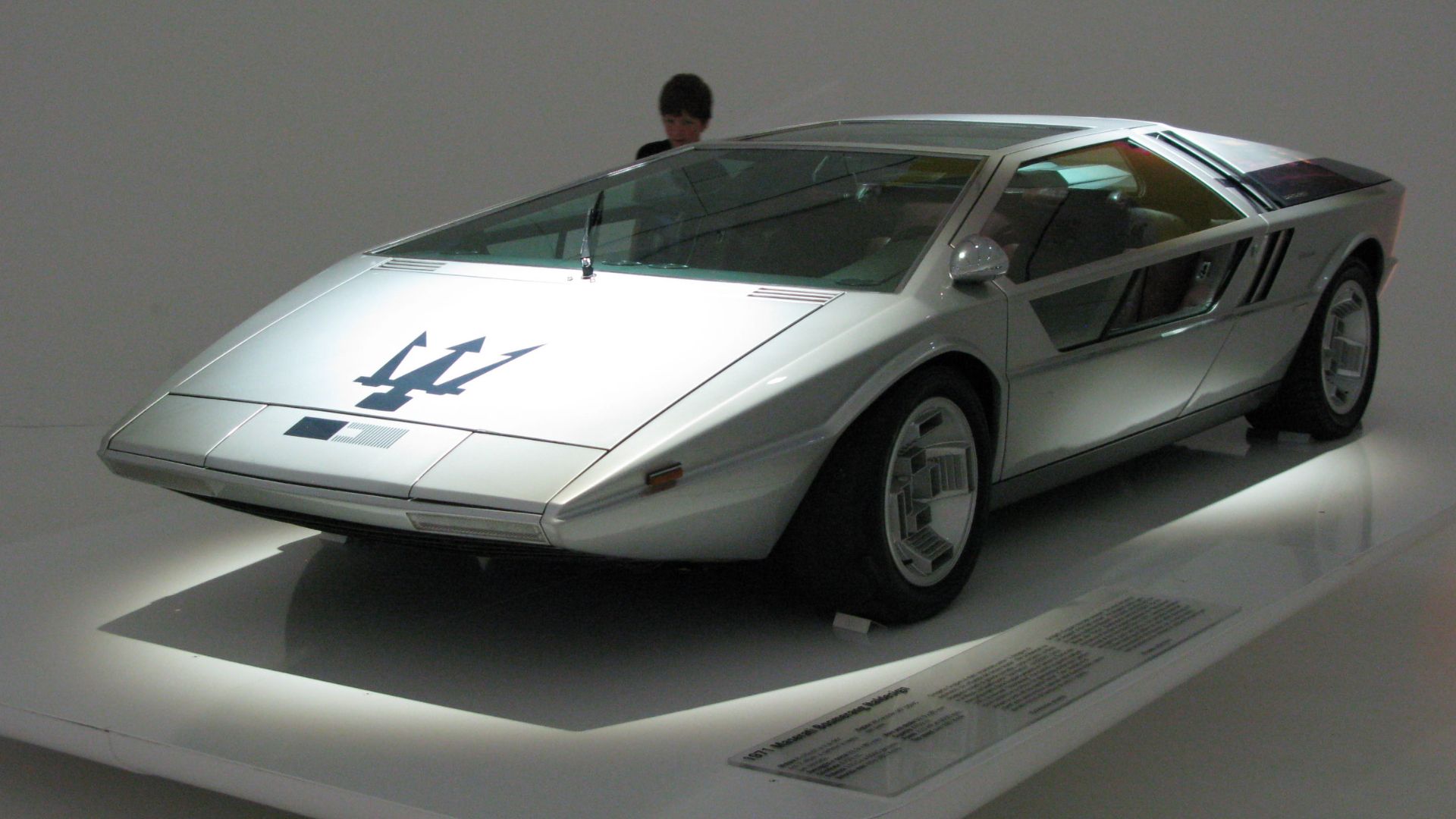
6. Austin Allegro's Quartic Wheel
When the Austin Allegro arrived in 1973, one of its most talked-about features was the Quartic steering wheel. Its rounded-square shape was meant to improve the driver's view of the instruments while keeping the rim fairly small. Drivers and reviewers weren't especially taken with the look, and the shape became an easy target for criticism. Round steering wheels started returning to higher-spec models in 1974 before spreading across the range.
7. Aston Martin Lagonda's Single-Spoke Wheel
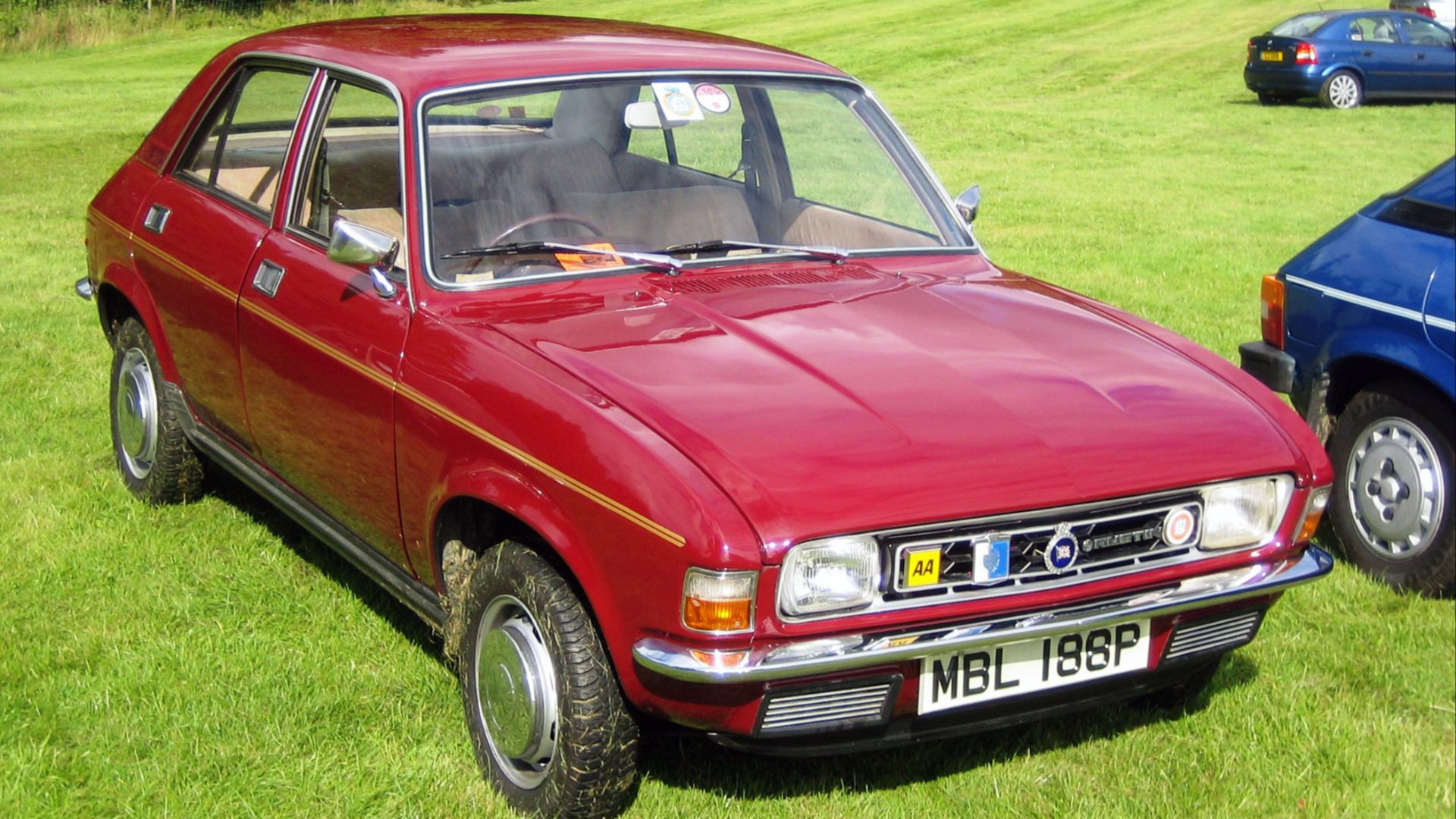
The wedge-shaped Aston Martin Lagonda had a cabin that looked wildly advanced for the late 1970s. Its small single-spoke steering wheel sat in front of electronic displays and rows of touch-sensitive switches, giving drivers an unusually high-tech setup for the era.
8. Lancia Sibilo's Spokeless Control Wheel
The 1978 Lancia Sibilo concept went all-in on futuristic styling, down to the wheel. The strange spokeless design included warning-light controls and even a speaker, putting several functions directly in front of the driver.
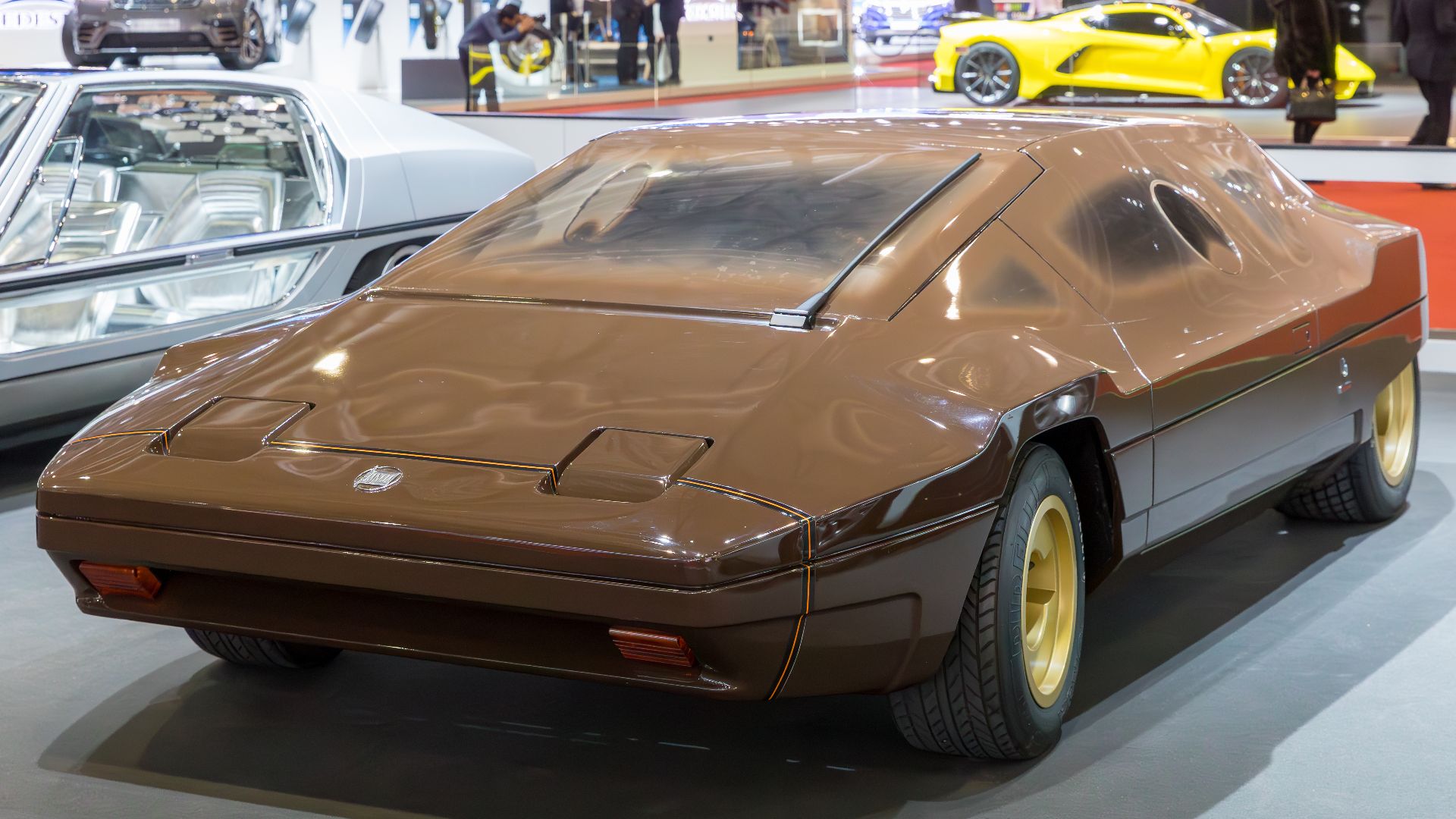
9. Lancia Orca's Ultrasonic Wheel
The 1982 Lancia Orca concept tried another unusual approach by packing controls into the fixed center of its steering wheel. Those controls used ultrasonic impulses, while the stationary layout was meant to keep important switches in the same place as the driver turned the rim.
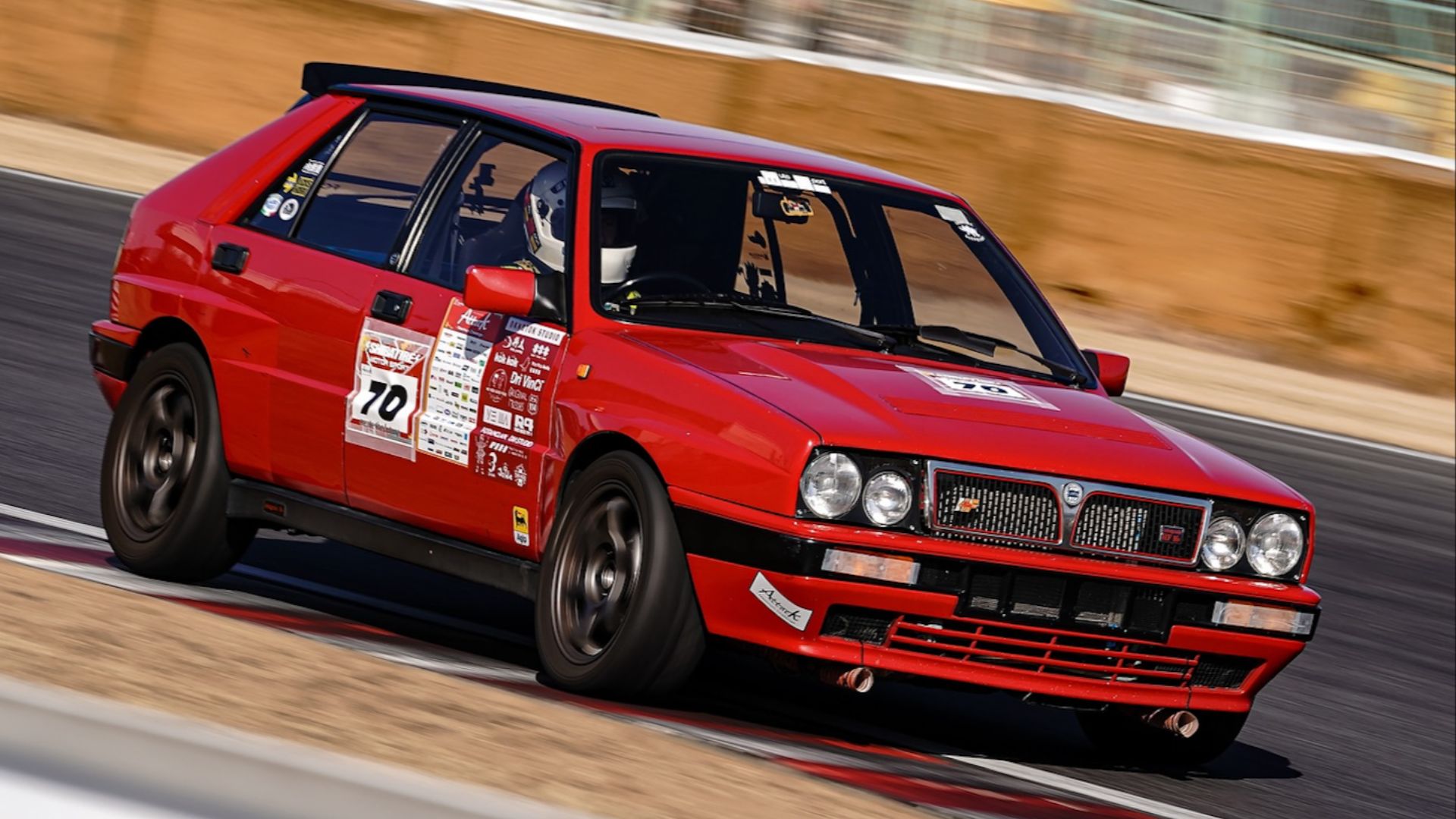
10. Mazda MX-03's Aircraft Yoke
Mazda's 1985 MX-03 concept was packed with unusual technology, including four-wheel steering, all-wheel drive, a head-up display, and an aircraft-style steering yoke. The yoke certainly helped the interior stand out, but Mazda decided against the setup in the long term.
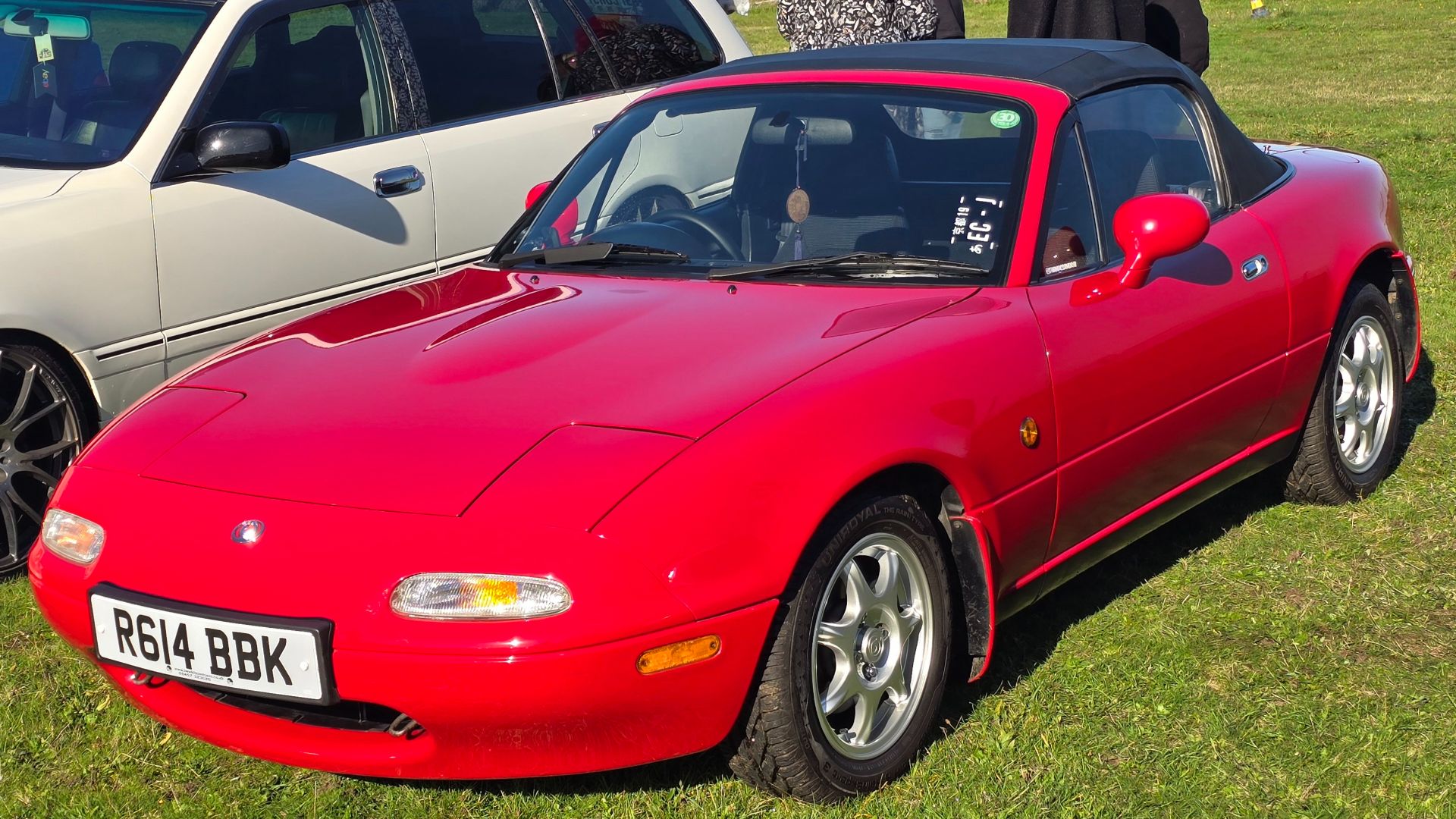
11. Subaru XT's Asymmetrical Wheel
The Subaru XT's cabin was unmistakably a product of the 1980s. Along with digital instruments and unusual control pods, it came with an asymmetrical steering wheel whose offbeat spoke layout looked unlike almost anything else on the road. The wheel did reach production, but it wasn’t popular.
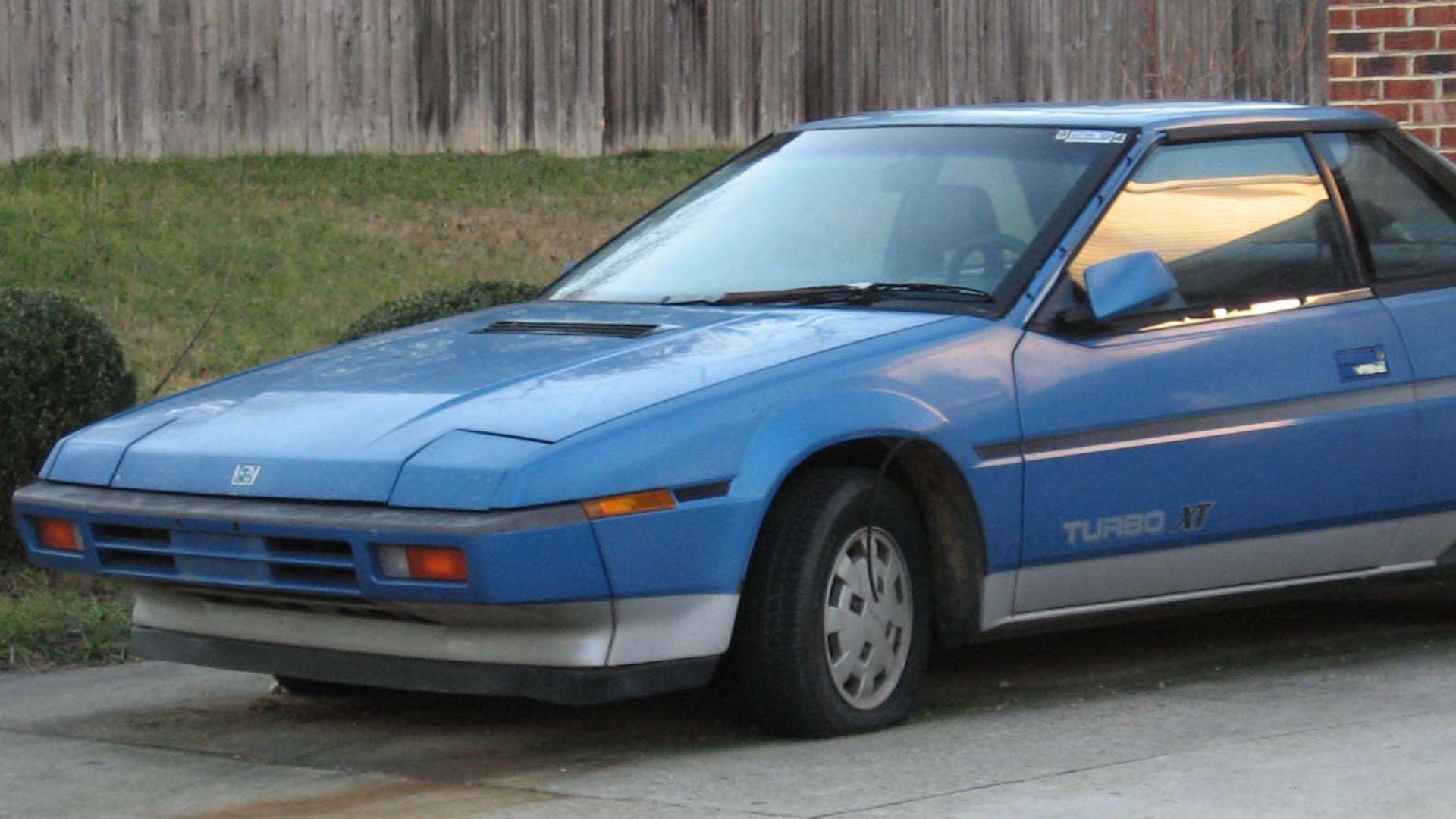
12. Saab 9000 Prometheus Joystick
Saab's experimental 9000 Prometheus went far beyond reshaping the steering wheel. It removed the wheel entirely and replaced it with an electronic joystick. Because the joystick had such a small range of movement, the car's steering felt extremely sensitive at first try.

13. Mercedes-Benz F 200 Sidesticks
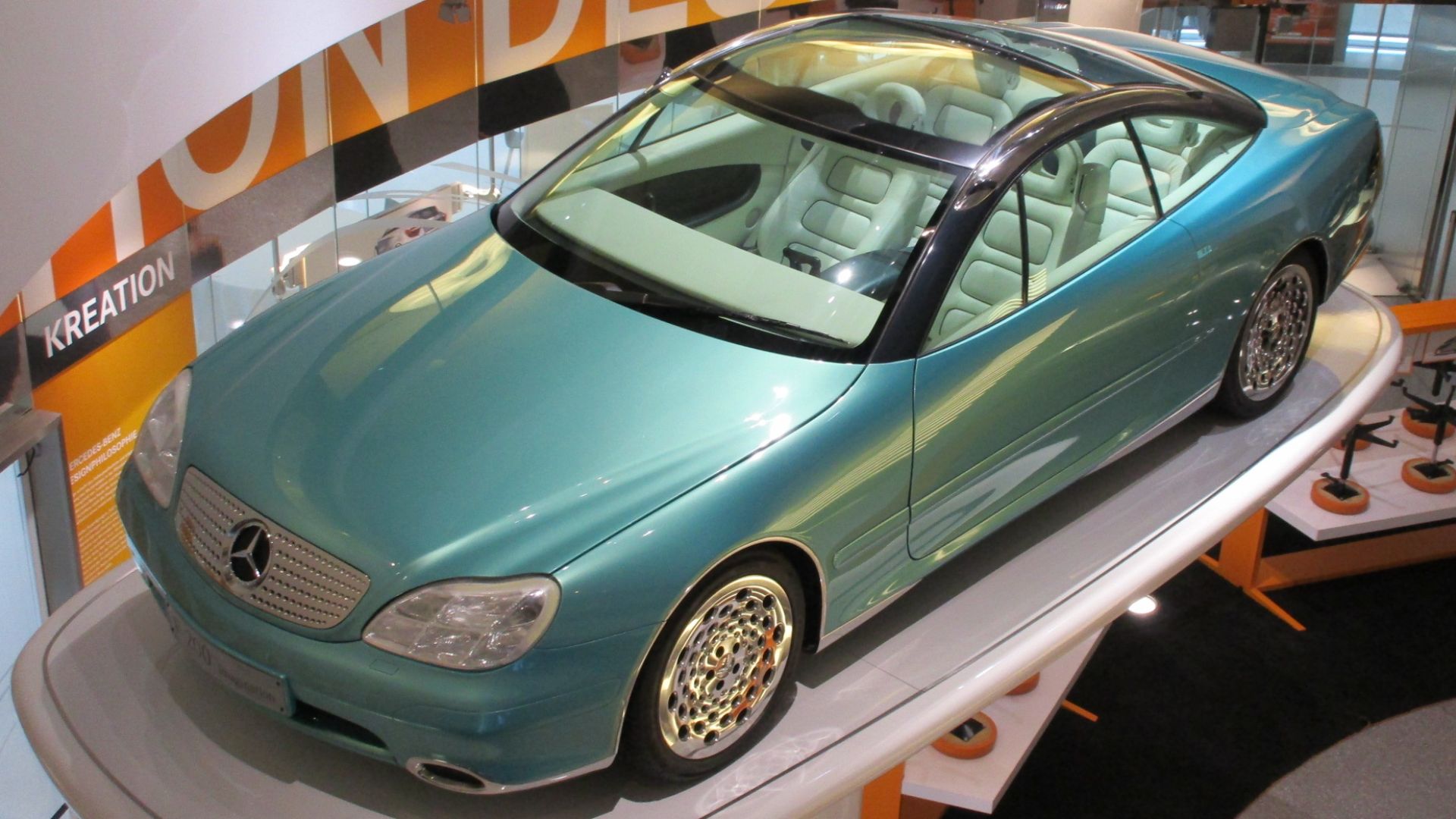
The 1996 Mercedes-Benz F 200 Imagination removed both the steering wheel and the pedals. Instead, drivers used electronic sidesticks to steer, accelerate, and brake, creating a cabin layout that would've been impossible with traditional controls. The technology opened up some interesting possibilities, but it stayed in experimental vehicles.
14. BMW Z22's Rectangular Wheel
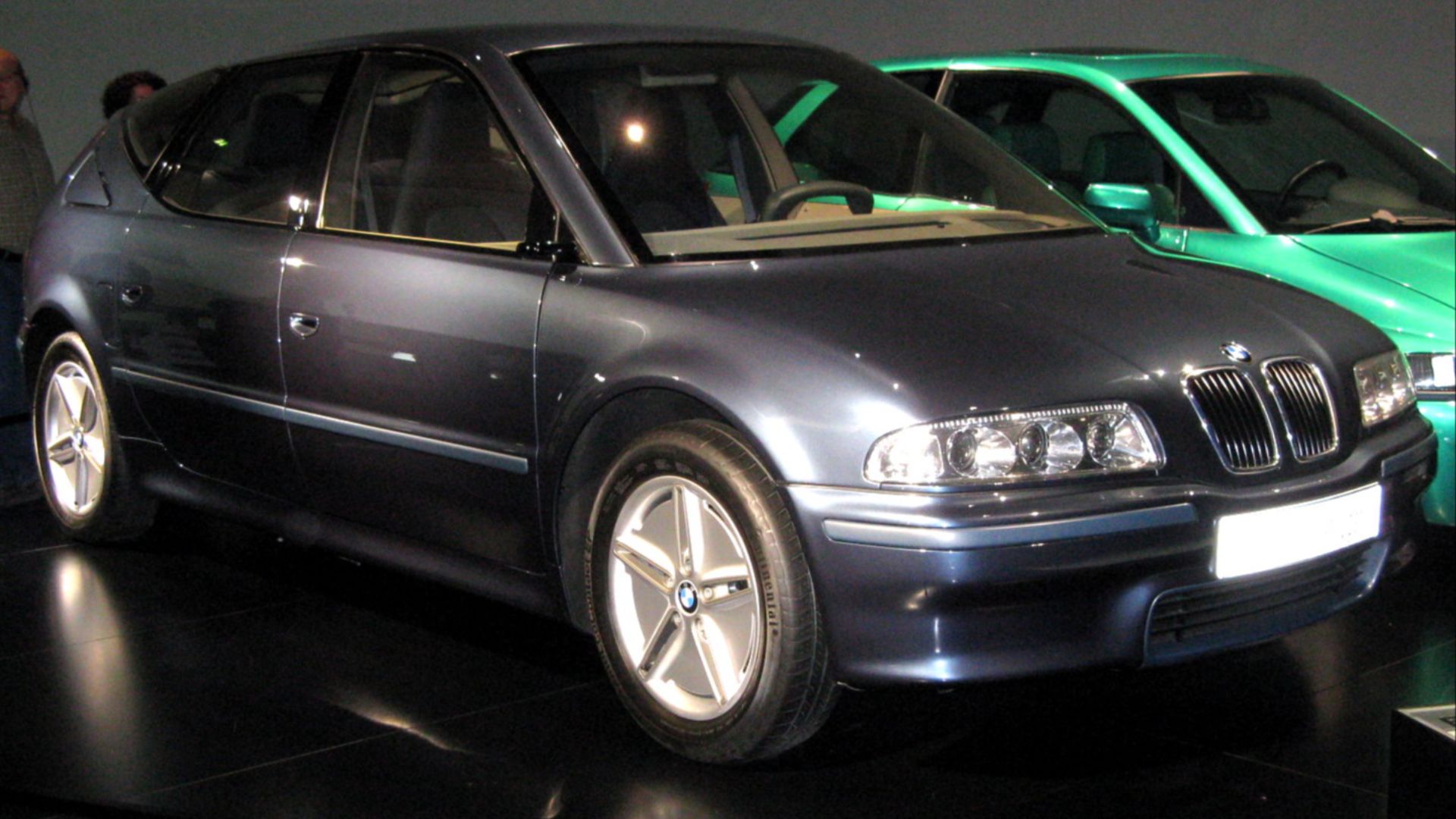
BMW's 1999 Z22 technology demonstrator paired a rectangular multifunction steering wheel with a long list of advanced features. The concept also had steer-by-wire, fingerprint recognition, cameras, and a head-up display. Several of those technologies pointed toward features that would later become much more familiar in production cars. The unusual steering-wheel shape didn't follow them, and BMW continued using far more conventional designs.
 Museumsfotografierer on Wikimedia
15. Citroën C4's Fixed Hub
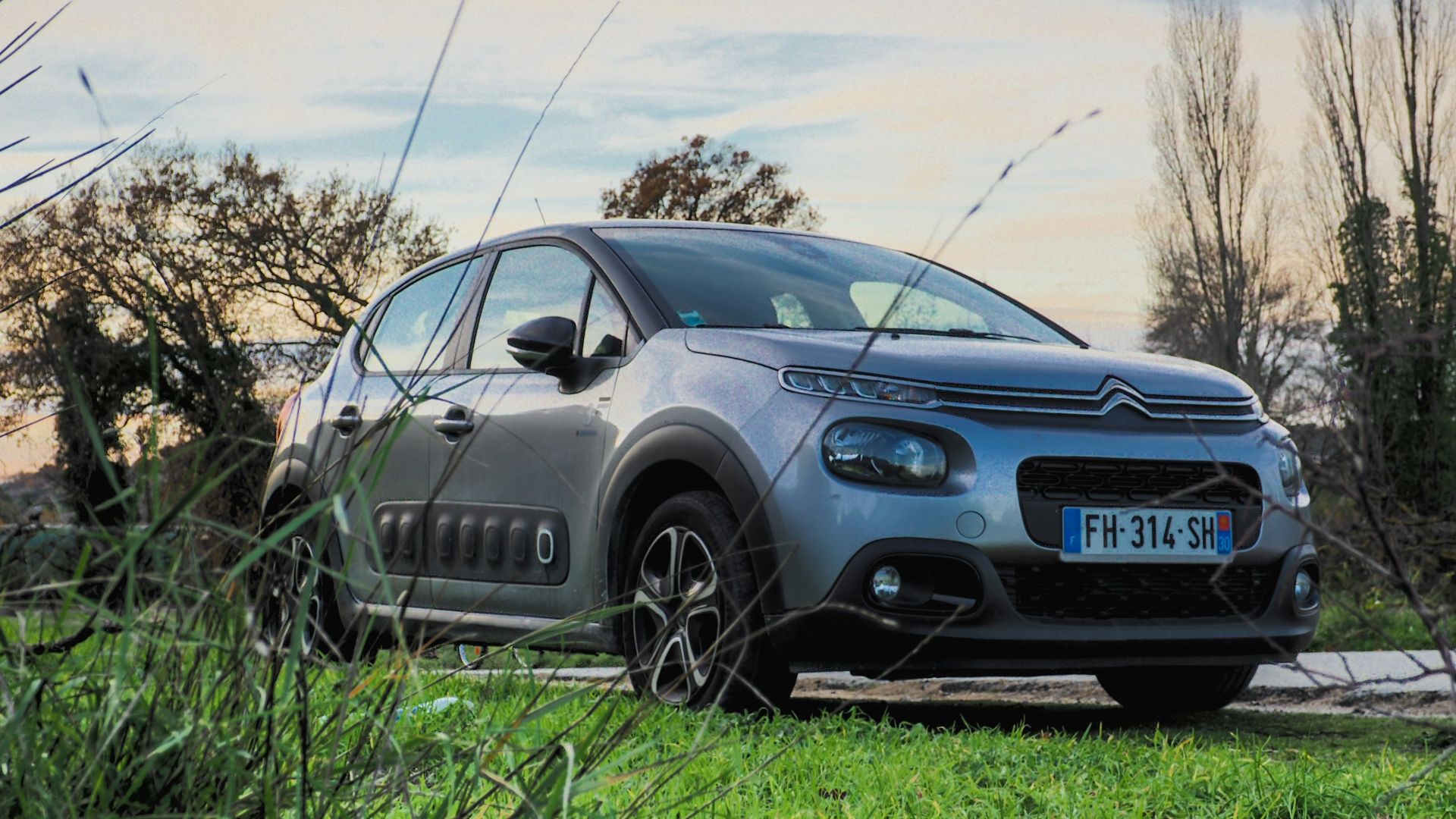
The first-generation Citroën C4 used a steering wheel with a center that stayed still while the rim rotated around it. That meant the controls always remained in the same position, and the setup also allowed Citroën to use a specially shaped driver's airbag. It was an unusual solution with practical reasoning behind it, but Citroën dropped the design when the second-generation C4 arrived in 2010.
16. Tesla Model S And Model X Yoke
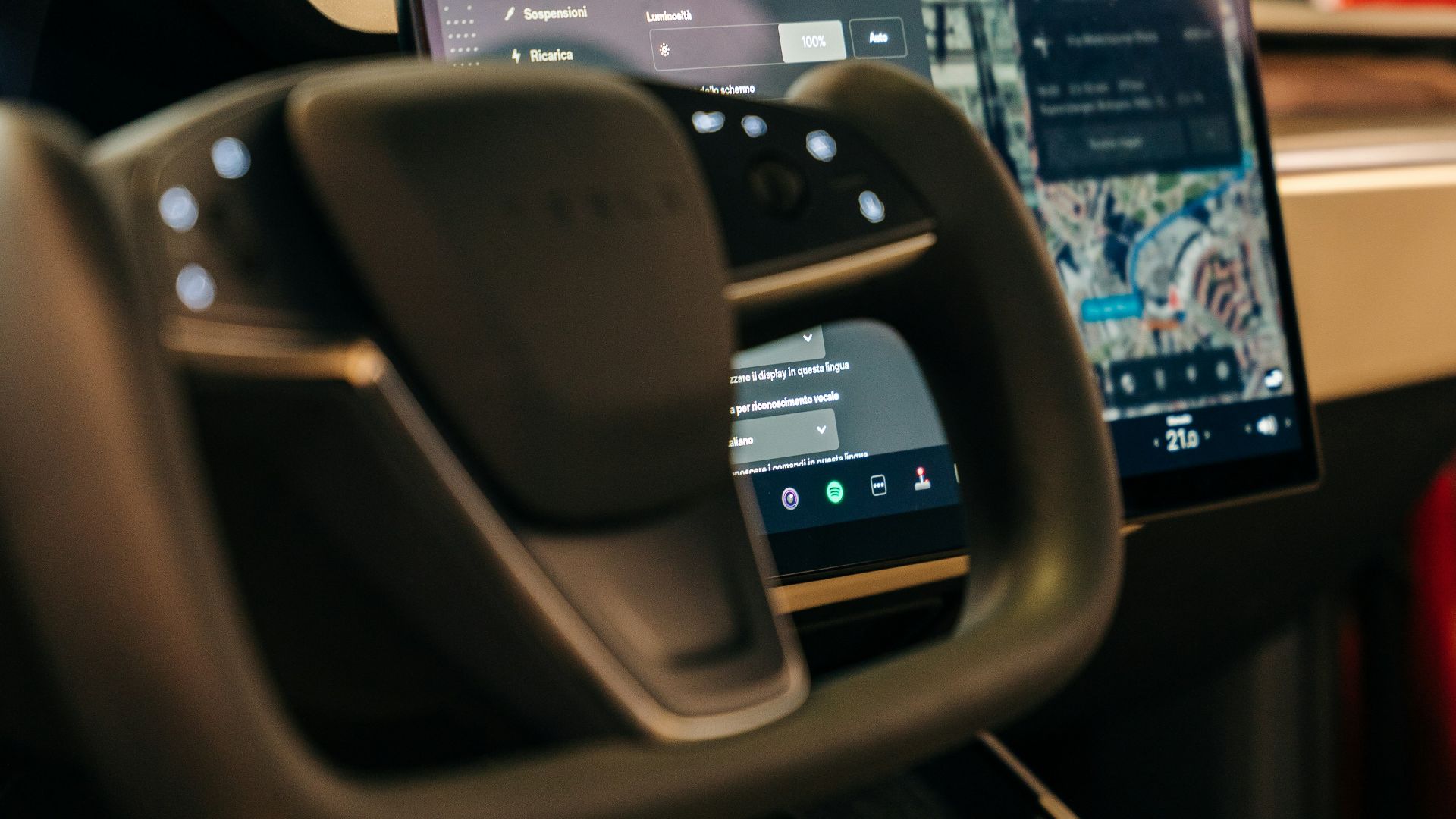
Tesla made a yoke standard on the refreshed Model S and Model X, removing the upper part of a normal steering wheel while keeping the steering behavior of a regular road car. That could make low-speed maneuvers awkward, and the setup quickly attracted criticism. Tesla brought back a round-wheel option in 2023 and later offered a factory retrofit for cars that had already been fitted with the yoke.
17. Volkswagen's Haptic Steering Controls
Volkswagen replaced familiar steering-wheel buttons with glossy touch-sensitive surfaces on modern models including the Golf and vehicles in the ID range. The controls looked clean and modern, but customer complaints helped push the company in another direction.

18. Mercedes-Benz's Touch-Sensitive Pads
Mercedes-Benz also embraced touch-sensitive pads and sliders on its steering wheels. These smooth surfaces took the place of familiar rollers and switches, giving the cabins a cleaner appearance but changing how drivers handled common functions. Customer data later pushed the company back toward physical controls. Newer steering-wheel designs have returned to buttons, rockers, and rollers that are easier to operate by feel.

19. Audi's Touch-Sensitive Interfaces
Audi joined the same touch-control trend, using steering-wheel sliders and touch-sensitive interfaces on several recent models. The idea gave the cabin a sleek, stripped-back appearance, but the company has since replaced some of those controls with physical rollers and buttons following customer feedback.
20. Ferrari's Haptic Steering Wheel
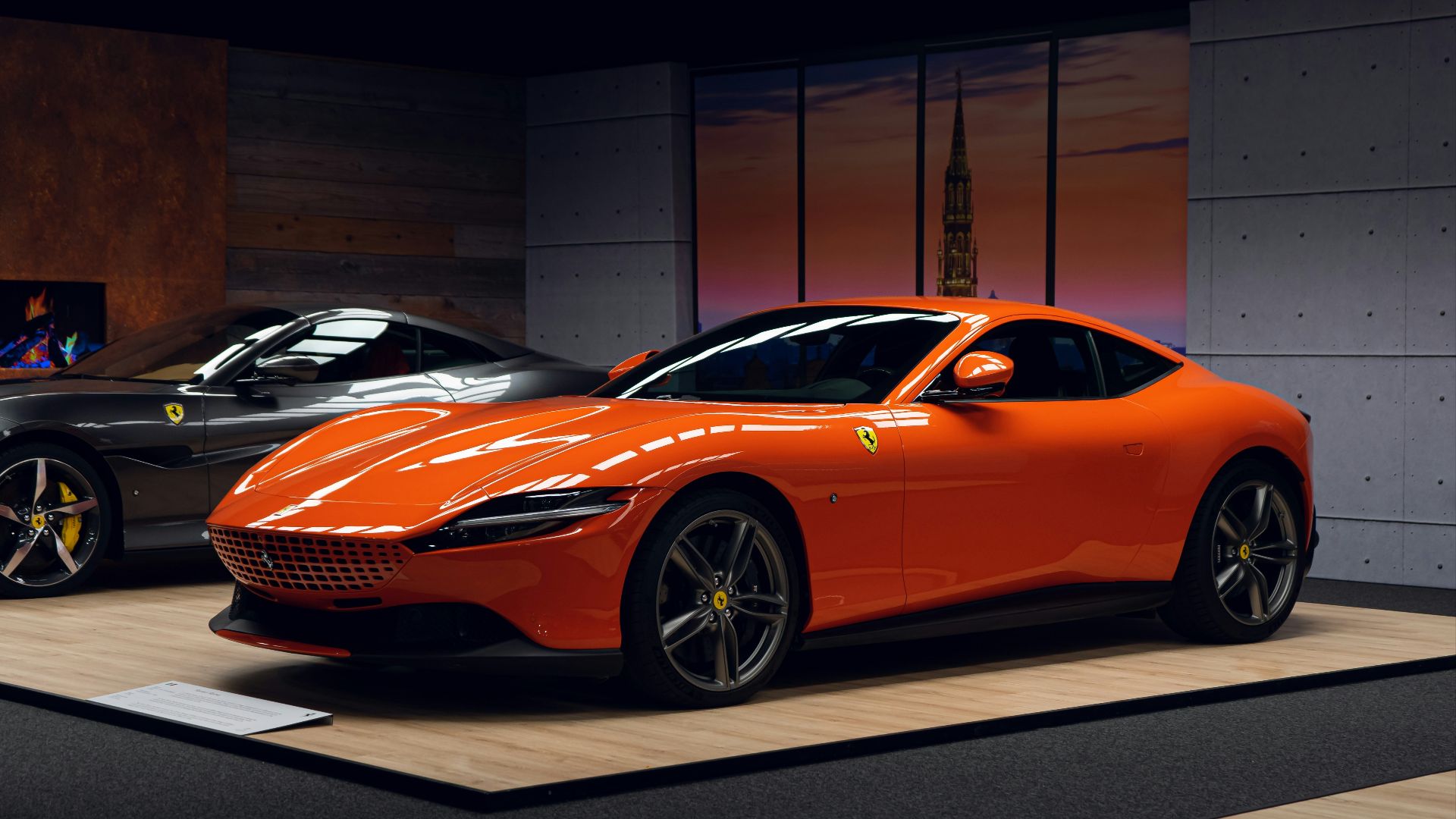
Ferrari also filled recent steering wheels with capacitive controls on cars including the Roma, Purosangue, and 12Cilindri. The approach gave the wheel a high-tech look, but Ferrari has since returned to tactile buttons on newer designs.