Why Gen Z is Falling For Vintage Cars & What That Means For The Collector Car Market

For years, people predicted that younger generations would stop caring about cars. Gen Z was supposed to be too practical, too digital, too climate-conscious, too broke, or too busy staring at phones to develop any real affection for old machinery. Then the unexpected happened: a lot of young people started falling for vintage cars. Apparently, the smell of old vinyl and the joy of pop-up headlights still have some magic, even for people who were born with a smartphone in their face.
This shift is already showing up in the collector world. Hagerty’s 2024 “Future of Driving” survey found that 60% of Gen Z respondents expressed interest in owning a classic vehicle, compared with 31% of Baby Boomers. What's more, 80% of Gen Z respondents said they either love or like driving. The next generation may not collect the same cars as their grandparents, but they’re clearly not done with cars at all.
Vintage Cars Feel Real in a Digital World
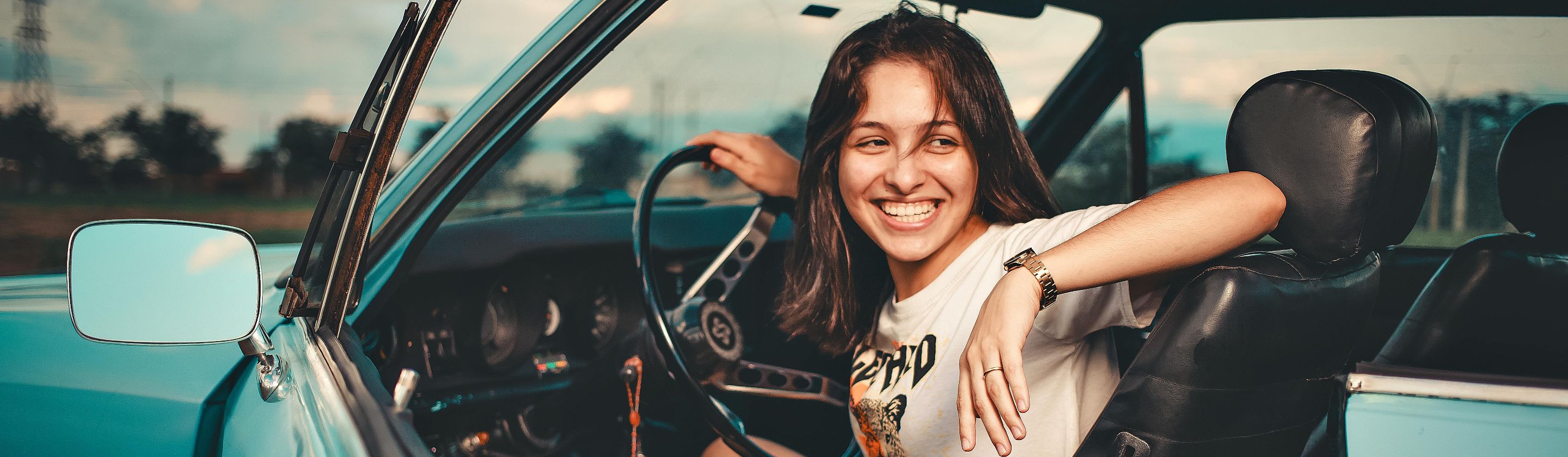
One reason Gen Z is drawn to vintage cars is that they feel refreshingly analog. Modern life is full of touchscreens, subscriptions, updates, and devices that quietly become useless when the software stops cooperating. An older car feels different because it has switches, knobs, mechanical sounds, visible parts, and a personality. The interest in classic cars fits nicely into the overarching theme of Gen Zs combatting digital fatigue with things like dumb phones, print media, and vinyls.
There’s also the appeal of imperfection. A vintage car may rattle, smell a little strange, refuse to start at inconvenient moments, or require a relationship with a mechanic who knows too much about your finances. But those flaws can make the car feel alive in a way modern vehicles sometimes don’t. Not every Gen Z enthusiast wants a silent appliance with wheels and a giant tablet in the dashboard.
Old cars also offer a kind of identity that new cars often struggle to match. A 1990s Mazda Miata, an old Volvo wagon, a square-body truck, a Fox-body Mustang, or a vintage BMW says something specific about its owner. It feels chosen rather than simply purchased.
Nostalgia Is Getting Younger
Gen Z’s version of nostalgia doesn’t always mean chrome fins, 1960s muscle, or prewar classics. Many younger enthusiasts are drawn to cars from the 1980s, 1990s, and early 2000s, partly because those cars appeared in movies, video games, music videos, anime, YouTube channels, and family memories. A car doesn’t need to be ancient to feel vintage to someone born after 1997. To them, a clean Honda Prelude or E36 BMW can carry the same emotional charge a ’57 Chevy once had for another generation.
Video games have played a huge role in this shift. Titles like Gran Turismo, Forza, and Need for Speed introduced younger fans to Japanese performance cars, rally legends, European sports sedans, and oddball machines they might never have seen on local streets. Social media then turned those cars into aesthetic objects, with short videos making pop-up headlights, turbo noises, and boxy interiors feel deeply desirable. The poster on the bedroom wall became the clip on the phone, but the emotional effect is familiar.
This has changed which cars get attention. Younger buyers are often more excited by Japanese domestic market models, hot hatches, 1990s sports cars, tuner icons, and quirky affordable classics than by some traditional blue-chip collector cars. This means the definition of “collectible” is getting wider, weirder, and a lot more interesting.
The Market Is Moving Toward Usable Classics
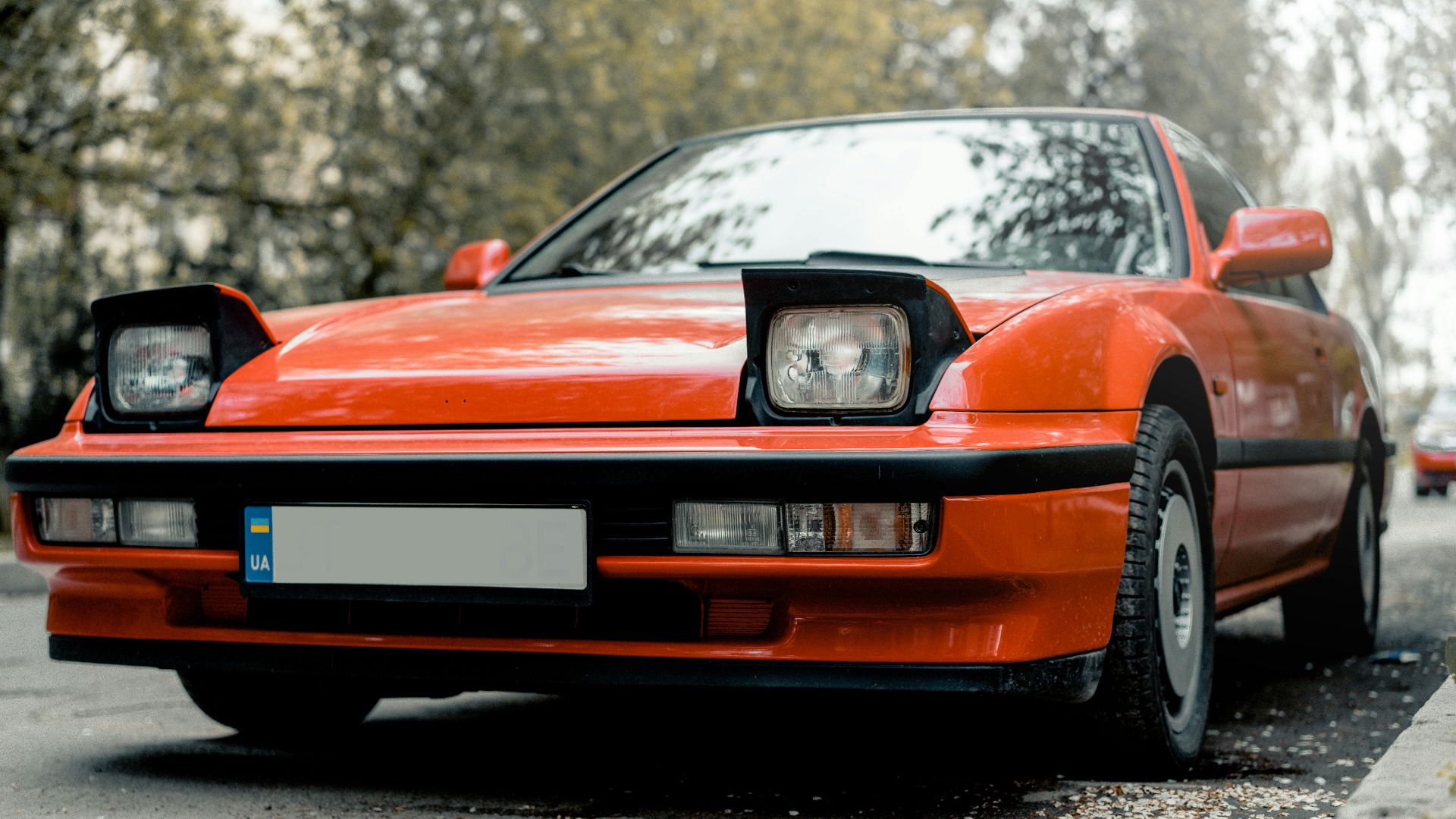
Younger collectors don’t always want museum pieces. Many want cars they can drive, modify, photograph, take to meets, and enjoy without feeling like every mile is destroying an investment. Reports on younger collector behavior have noted newer enthusiasts often prefer usable vehicles over pristine showpieces, which is a big shift from the old model of buying a car, polishing it endlessly, and letting it live under a cover like an artifact.
Affordability also matters. Gen Z is entering the collector market during a time of high housing costs, expensive new cars, and general financial pressure, so many buyers are looking for attainable classics. The first collector car for a young buyer may be a manual Civic, a Jeep Cherokee, a Saab, a Lexus LS, or a fourth-generation Camaro, not a concours-ready European exotic.
The rise of online auctions and digital communities has made the market easier to enter. Younger buyers can research common problems, watch repair videos, compare values, join model-specific groups, and bid on cars without needing access to old-school collector circles, which makes the hobby feel more open than it used to be.
What This Means for Collector Cars
The collector car market is likely to keep shifting newer. As younger buyers gain income, cars from the 1980s through the early 2000s will probably become even more important. Younger buyers are already influencing results and pushing parts of the collector market toward newer vehicles. That means yesterday’s used cars can become tomorrow’s nostalgia machines.
The biggest change may be cultural rather than financial. Gen Z is proving that car enthusiasm can survive electrification, urban living, climate anxiety, and the rise of rideshare apps. They may care more about sustainability, community, individuality, and usability than previous generations did, but that doesn’t mean they’ve rejected driving. They’re simply building a version of car culture that fits their world.