If you've spent any time on the highway lately, you've probably noticed that the sea of identical, jellybean-shaped modern crossovers is starting to look incredibly monotonous. It is hard to feel a sense of individuality when almost every vehicle on the road features the exact same wind-tunnel-optimized curves and sloping rooflines. Suddenly, a strikingly sharp-edged silhouette from the nineteen-eighties catches your eye, cutting through the aerodynamic traffic with pure, unapologetic geometric attitude.
While these vintage utility vehicles were once dismissed as slow, gas-guzzling workhorses destined for the junkyard, they're now considered the ultimate automotive fashion statement. Nostalgia is certainly driving a lot of this interest, but there's a deeper appreciation at play for a time when design language prioritized function over complex computerized styling. These vehicles represented an era when engineers focused on durability, practicality, and straightforward solutions instead of chasing every modern trend. Let's dig into why these mechanical bricks have captured our collective imagination all over again.
Nostalgia and the Escape from Screen Fatigue
 Hyundai Motor Group on Unsplash
Stepping inside a vehicle built in the nineteen-eighties offers an immediate, incredibly refreshing break from the overwhelming digital noise of our modern lives. You won't find any massive, glowing touchscreen displays demanding your constant attention or complicated driver-assist systems beep-beeping at every lane change. Instead, these vintage cabins treat you to simple analog dials, tactile physical buttons, and a delightfully straightforward driving experience.
For many buyers who grew up in the passenger seat of these family haulers, purchasing one today is a powerful way to reclaim a piece of their childhood. There's a profound comfort in the familiar smell of old vinyl, the mechanical hum of the engine, and the simple sliding climate controls. It is a highly emotional connection that makes paying premium collector prices feel completely justified to those seeking a tangible link to simpler times. These vehicles are not just transportation anymore; they have become rolling reminders of road trips, family adventures, and a slower-paced era.
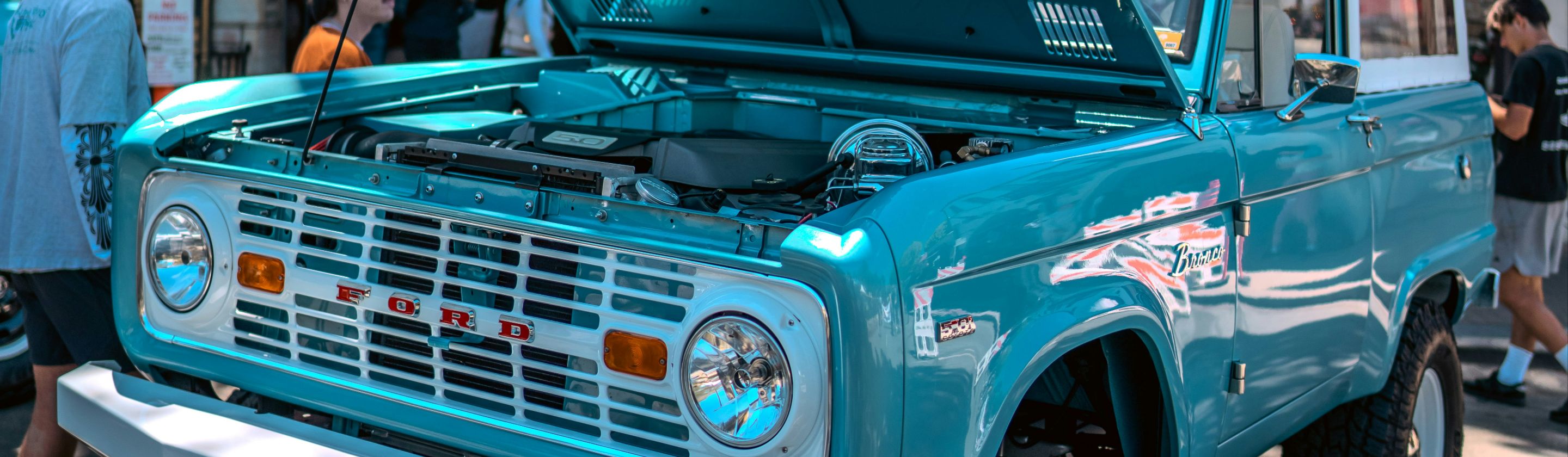
Furthermore, the sheer simplicity of eighties engineering means that you don't need a computer science degree just to perform basic maintenance under the hood. There is a great deal of satisfaction in opening a spacious engine bay where you can actually see the ground below and identify every single component. Reclaiming that sense of mechanical self-reliance is a massive draw in an era where modern cars are basically computers on wheels. For many enthusiasts, working on these vehicles is part of the ownership experience rather than an inconvenient chore.
Unmatched Visibility and Honest Utility
One of the most striking differences you'll notice when driving a vintage SUV is the incredibly commanding view of your surroundings. Because safety regulations in the eighties didn't require massive, thick roof pillars to support the weight of a rollover, the window frames are wonderfully thin. This structural honesty provides a panoramic, fishbowl-like greenhouse that virtually eliminates blind spots and floods the cabin with natural light.
Beyond the exceptional visibility, the literal boxiness of these vehicles makes them incredibly practical hauling tools for weekend getaways. Without a sloping, aerodynamic rear hatch cutting into your cargo area, you can easily stack gear right up to the ceiling without wasting an inch of space. It is a masterclass in spatial efficiency that modern, style-first crossovers simply cannot replicate. Every square inch of interior room was designed with usefulness in mind, creating a vehicle that could handle everything from grocery runs to outdoor adventures.
These classic SUVs were also designed with a genuine, heavy-duty mechanical ruggedness that was built to survive decades of hard labor. Their tough body-on-frame construction and robust solid axles mean they can handle rough off-road trails with absolute confidence. You can take them deep into the wilderness knowing they possess the mechanical grit to get you back home safely. Their durability is one of the main reasons so many examples are still on the road decades after they first left the showroom.
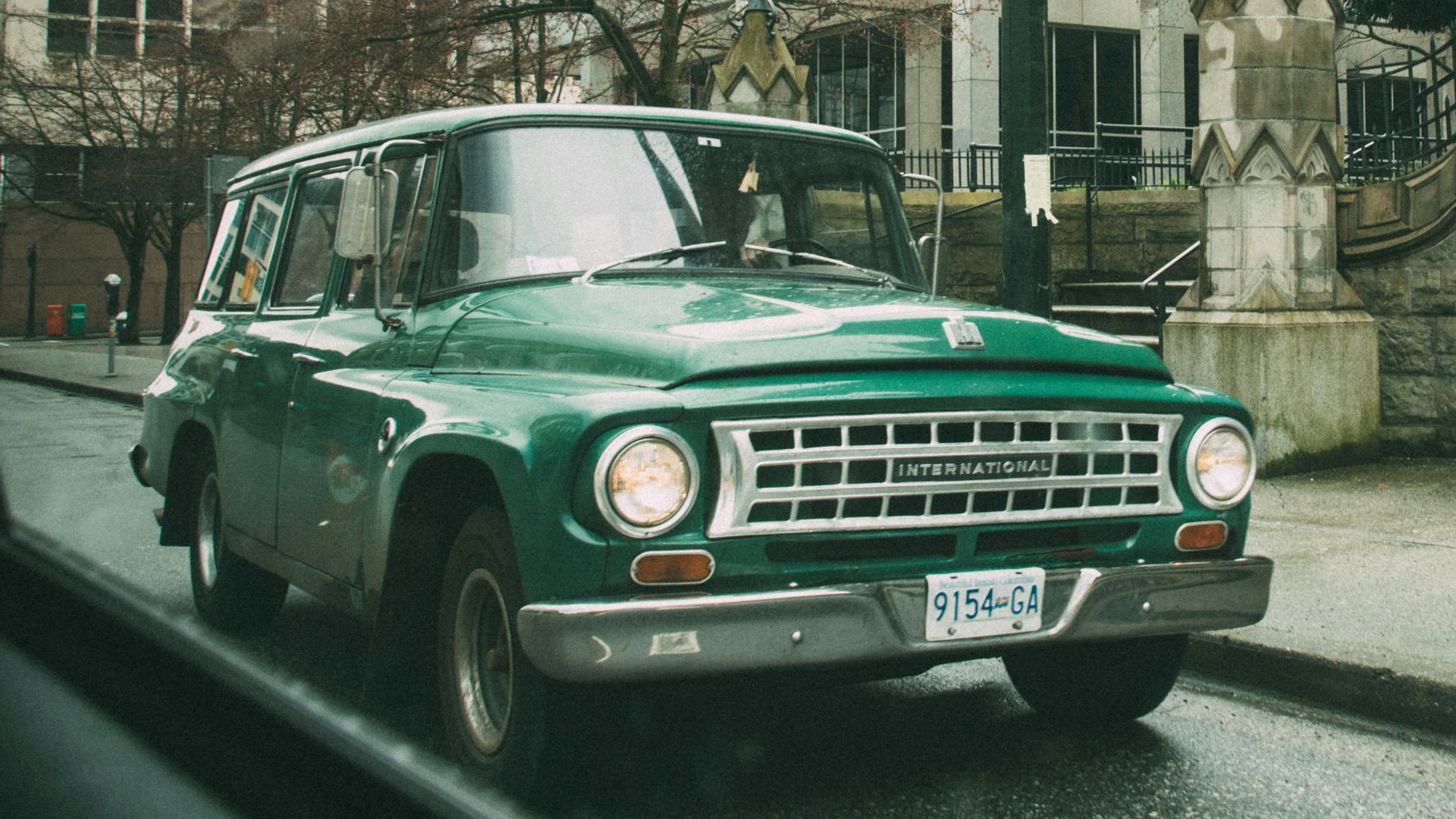
In a world where everyone is encouraged to fit into a sleek, minimalist aesthetic, driving a sharp-edged brick is a delightfully rebellious fashion statement. The bold vertical grilles, blocky wheel arches, and utilitarian lines of these eighties icons possess a timeless architectural beauty. They look just as sophisticated parked outside a high-end restaurant as they do covered in mud at a remote campsite.
Automakers are starting to notice this massive cultural shift, which is why we are seeing a dramatic return to blockier designs in brand-new vehicles. Iconic nameplates are being revived with retro-futuristic styling cues that pay direct homage to their sharp-cornered ancestors from the eighties. However, purists still argue that no modern imitation can ever truly replicate the authentic, weathered soul of an original vintage machine. There is something special about the imperfections, scratches, and history that come with a vehicle that has actually lived through decades of adventures.