The Highs And Lows Of Nissan’s Model History
Nissan built its international identity through affordable family cars, capable utility vehicles, innovative electric technology, and performance machines that earned passionate followings. However, several poorly received models and troubled generations also weakened customer confidence, particularly when reliability problems, aging designs, or confusing product decisions lasted longer than buyers expected. Here are 10 Nissan models that built the brand and 10 that hurt its reputation.
1. Datsun 510
The Datsun 510 helped Nissan establish credibility in North America by offering practical transportation with surprisingly engaging handling. Introduced for the 1968 model year in the United States, it combined an independent rear suspension on many versions with an affordable price and straightforward engineering.
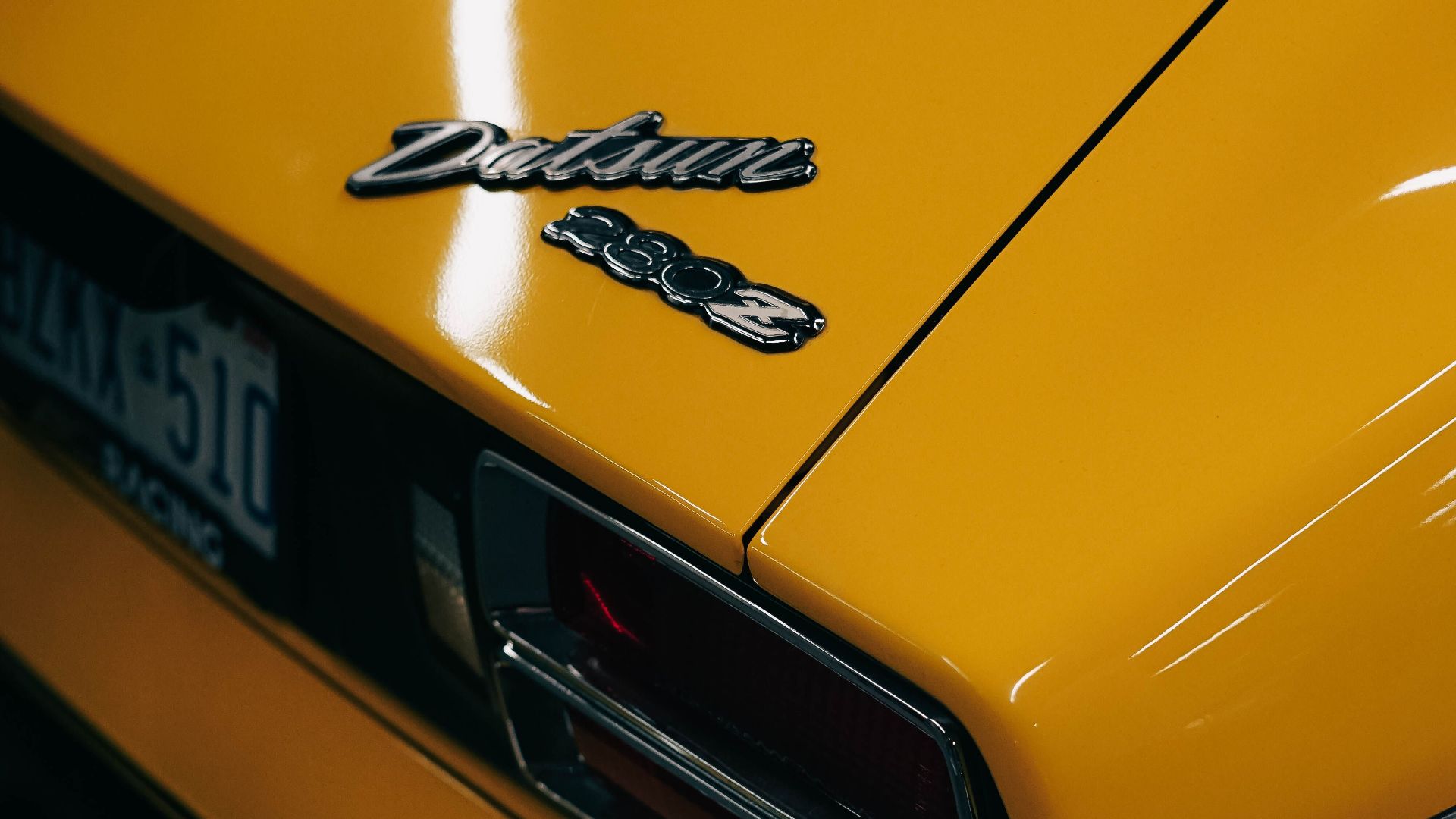
2. Datsun 240Z
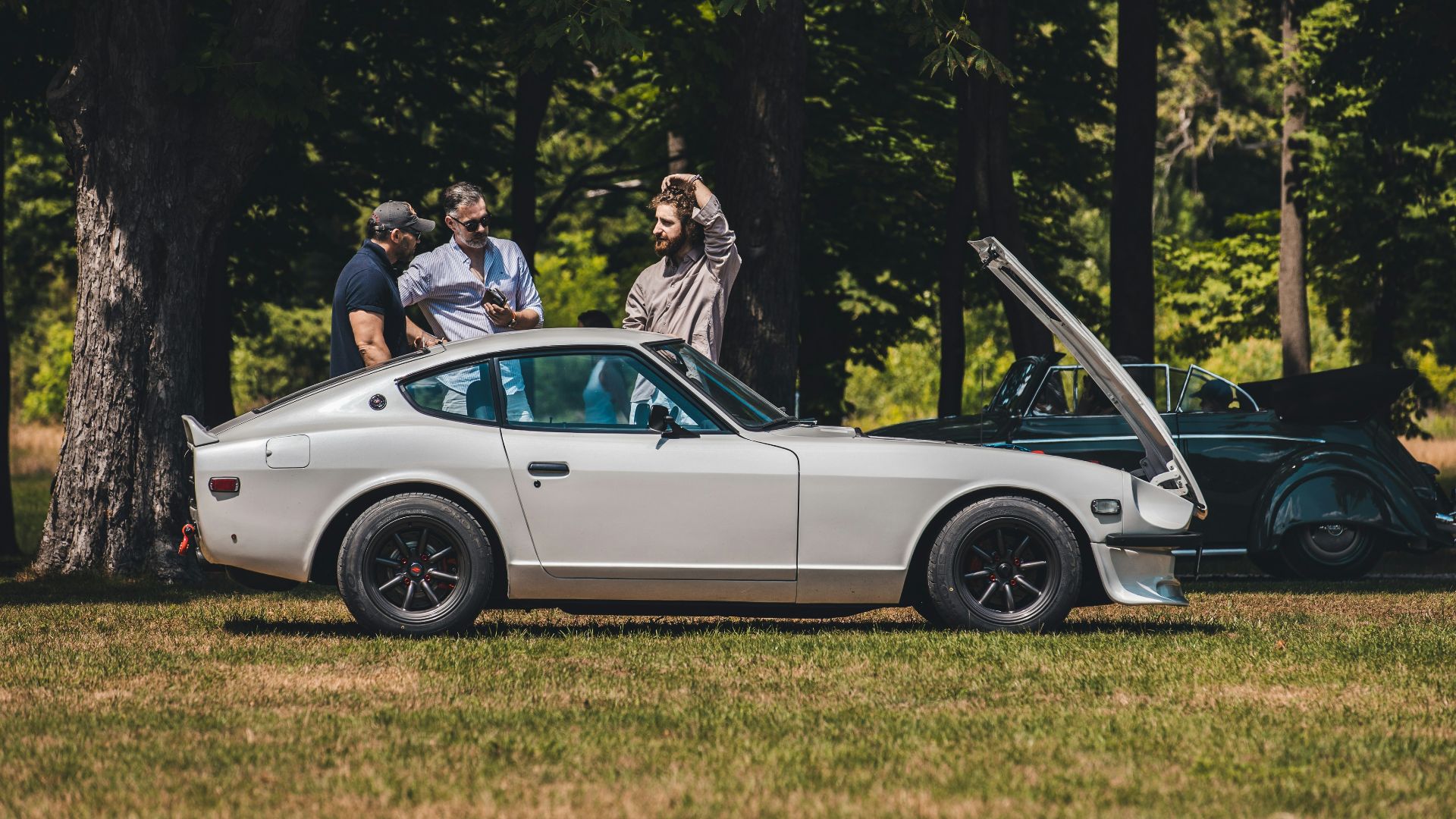
The 240Z gave Nissan a recognizable performance identity at a time when many buyers still associated Japanese manufacturers mainly with economical transportation. Strong sales turned the Z into one of the company’s most important nameplates and established a performance tradition that continues today.
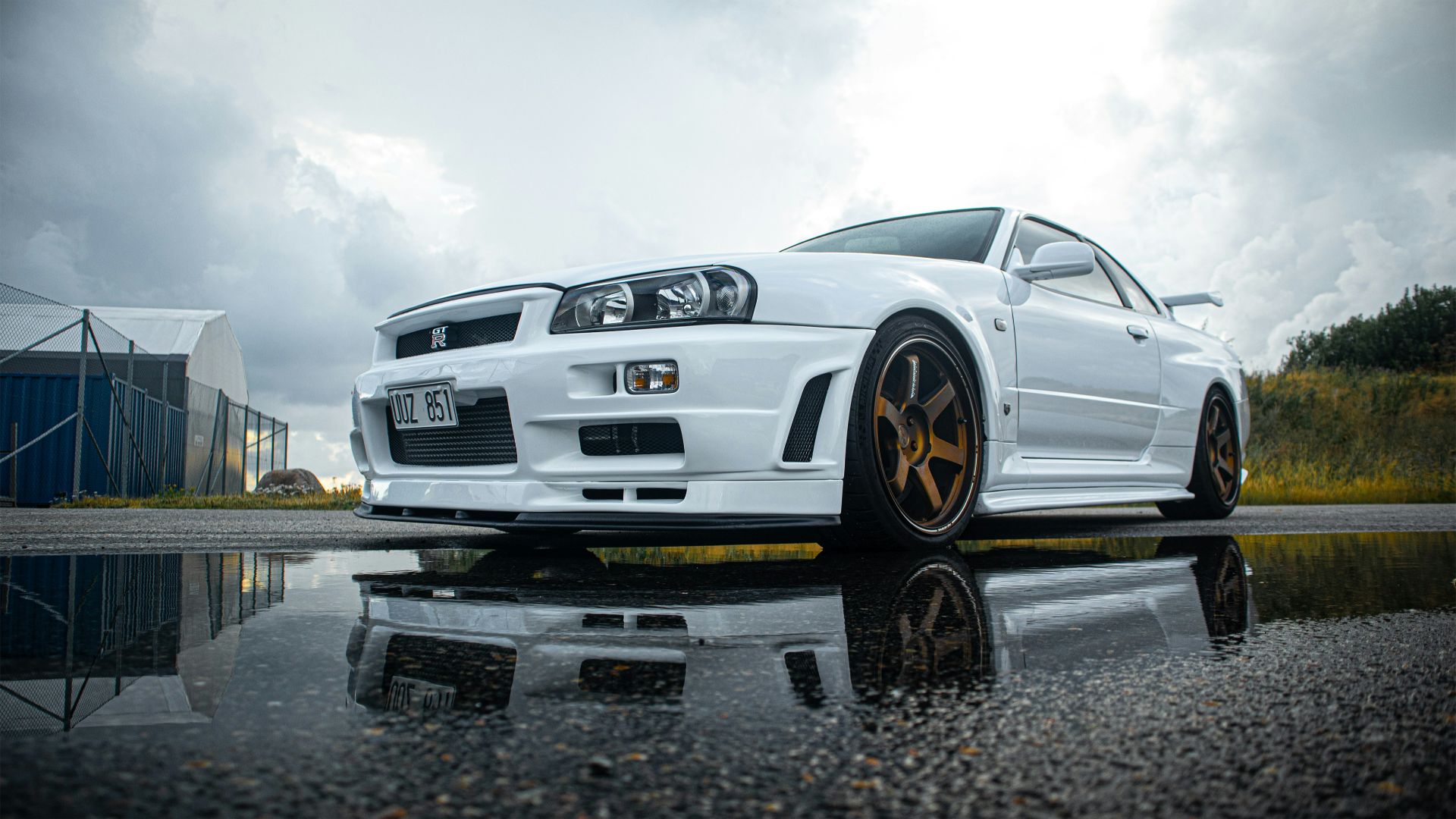
3. Nissan Skyline GT-R
The Skyline GT-R became a symbol of Nissan’s engineering ambition through advanced all-wheel drive, turbocharged power, and extraordinary racing success. The R32 generation won every Japanese Touring Car Championship race it entered across four seasons, creating a reputation that extended far beyond Japan.
4. Nissan Patrol
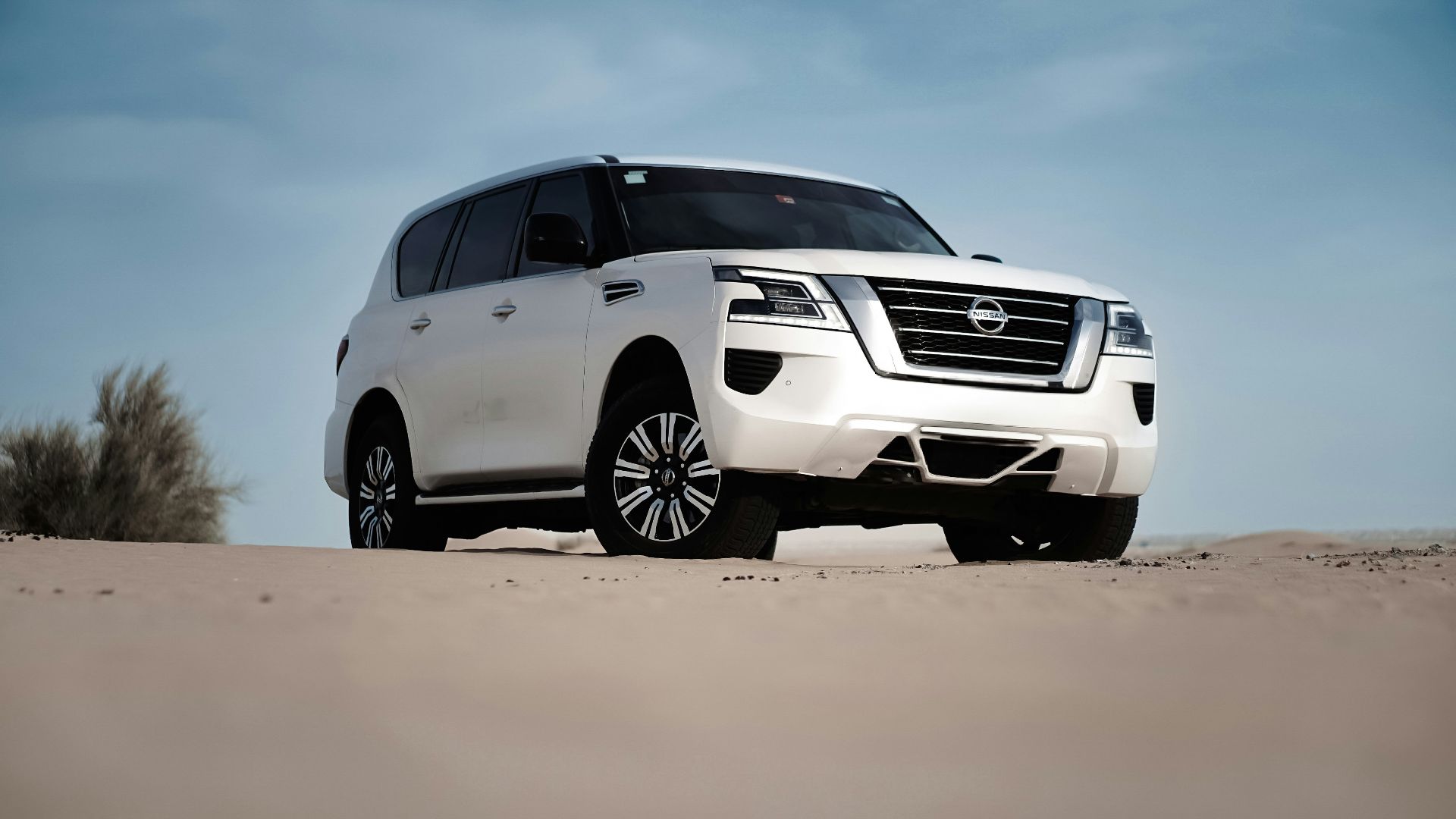
The Patrol helped Nissan build a durable global reputation in regions where four-wheel-drive vehicles regularly faced difficult terrain and demanding working conditions. Its long production history made it one of Nissan’s most internationally important vehicles, even though its availability varied by market.
5. Datsun Sunny
Sold under several names, including the Datsun 1200 and later the Nissan Sentra in some markets, the Sunny introduced generations of buyers to economical Nissan ownership. Its compact dimensions, modest fuel needs, and generally uncomplicated design made it suitable for commuters and families.
6. Nissan Maxima
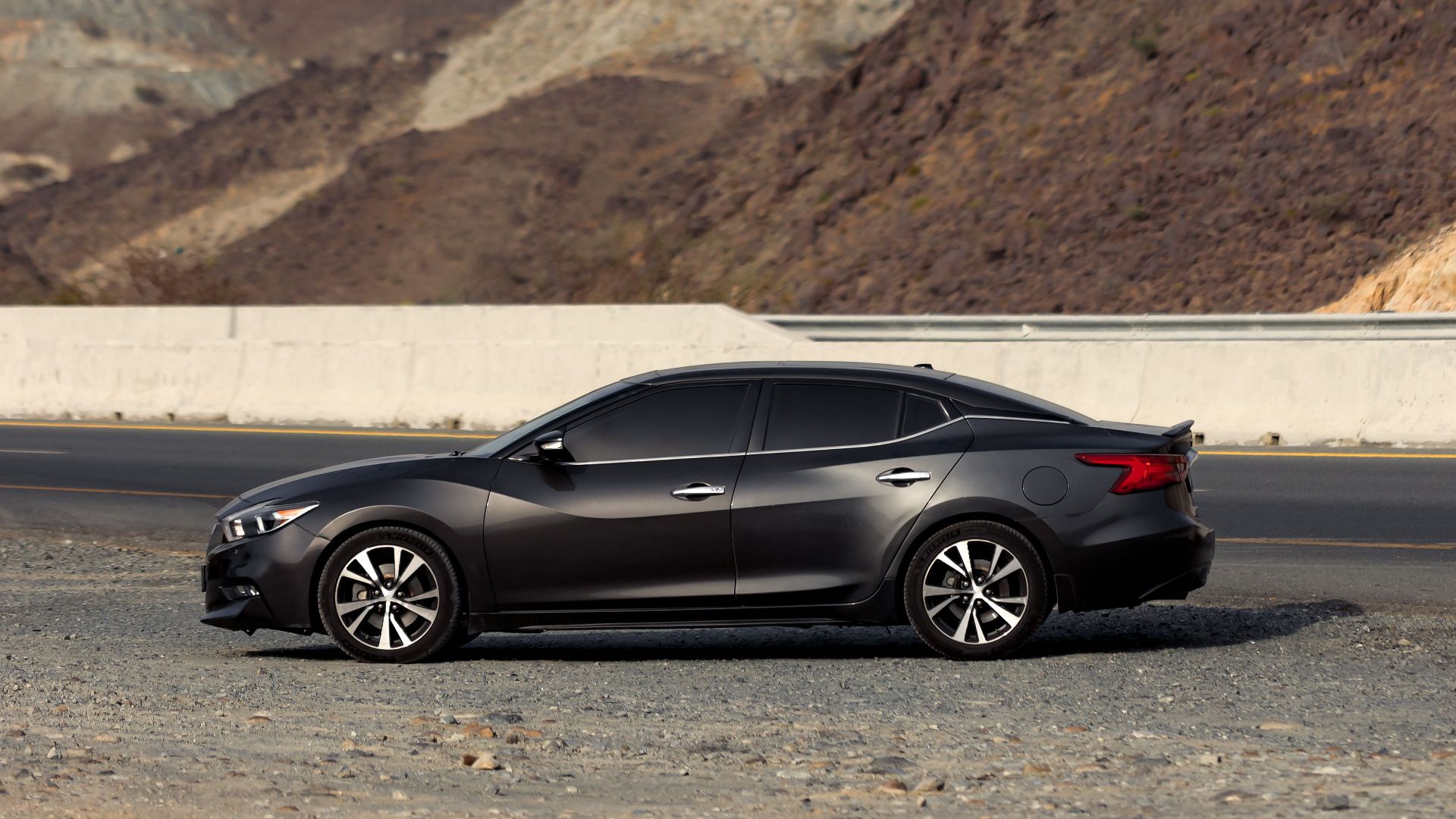
The Maxima helped Nissan compete above the basic economy-car category by combining family-sedan practicality with stronger performance and more upscale features. During its most respected years, it was promoted as a four-door sports car and earned praise for responsive V6 engines.
7. Nissan Pathfinder
The original Pathfinder gave Nissan a convincing entry in the growing sport utility vehicle market during the 1980s. Its truck-based construction and available four-wheel drive appealed to buyers who wanted genuine utility without moving to a full-size vehicle.
 Nicolás Gutiérrez Cervetto on Unsplash
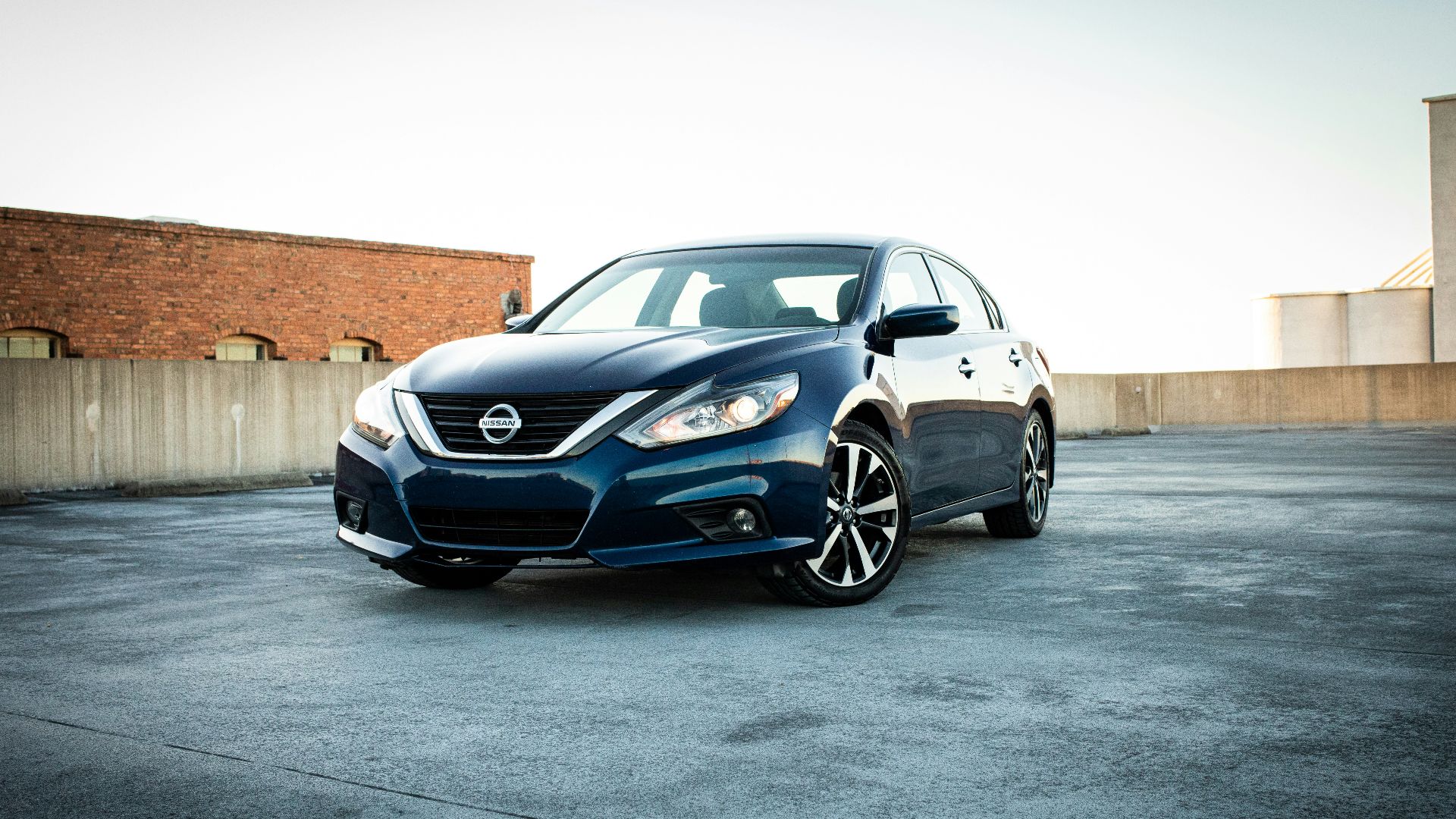
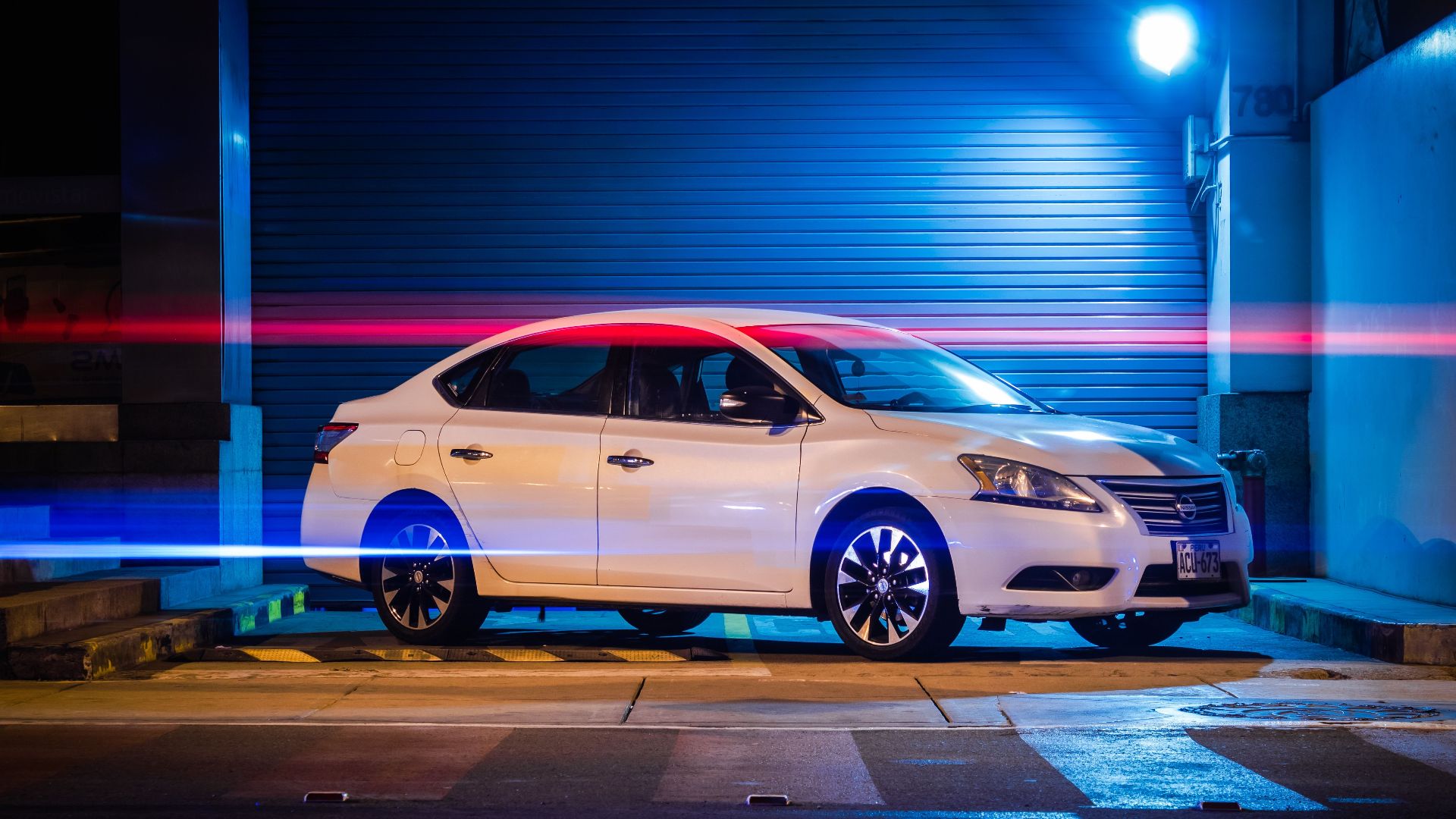
8. Nissan Altima
The Altima became one of Nissan’s most important North American products by giving midsize-sedan buyers an alternative to the segment’s established leaders. Its 1993 introduction created a model positioned between the smaller Sentra and more expensive Maxima.
9. Nissan Leaf
The Leaf made battery-electric driving available to ordinary consumers before most major automakers offered a comparable dedicated electric model. Introduced in late 2010, it became one of the world’s earliest mass-produced modern electric cars and demonstrated that an EV could function as everyday transportation. Limited range and battery concerns affected some early vehicles, but its influence on the industry remains significant.

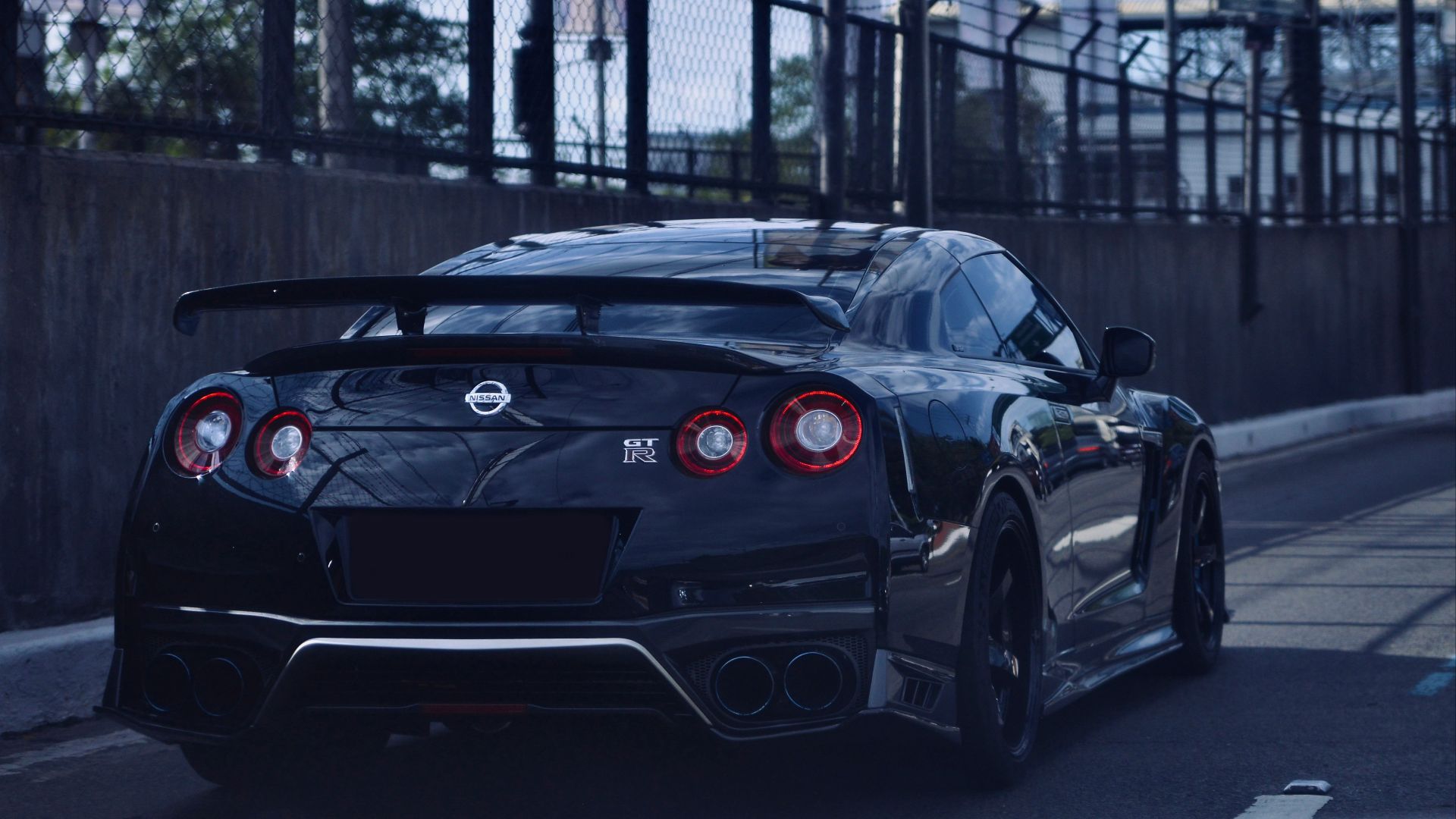
10. Nissan GT-R
The R35 GT-R placed Nissan among manufacturers of far more expensive high-performance cars when it reached international markets. Its all-wheel-drive system, twin-turbocharged V6, rapid acceleration, and computer-controlled technology delivered remarkable performance for its original price.
1. Nissan Murano CrossCabriolet
The Murano CrossCabriolet attempted to combine a midsize crossover with a two-door convertible, but the result appealed to a very limited audience. Removing the roof and rear doors reduced practicality while creating unusual proportions and a relatively high price. Its brief production run made it a frequent example of Nissan pursuing a niche that few customers had requested.
2. Nissan Cube
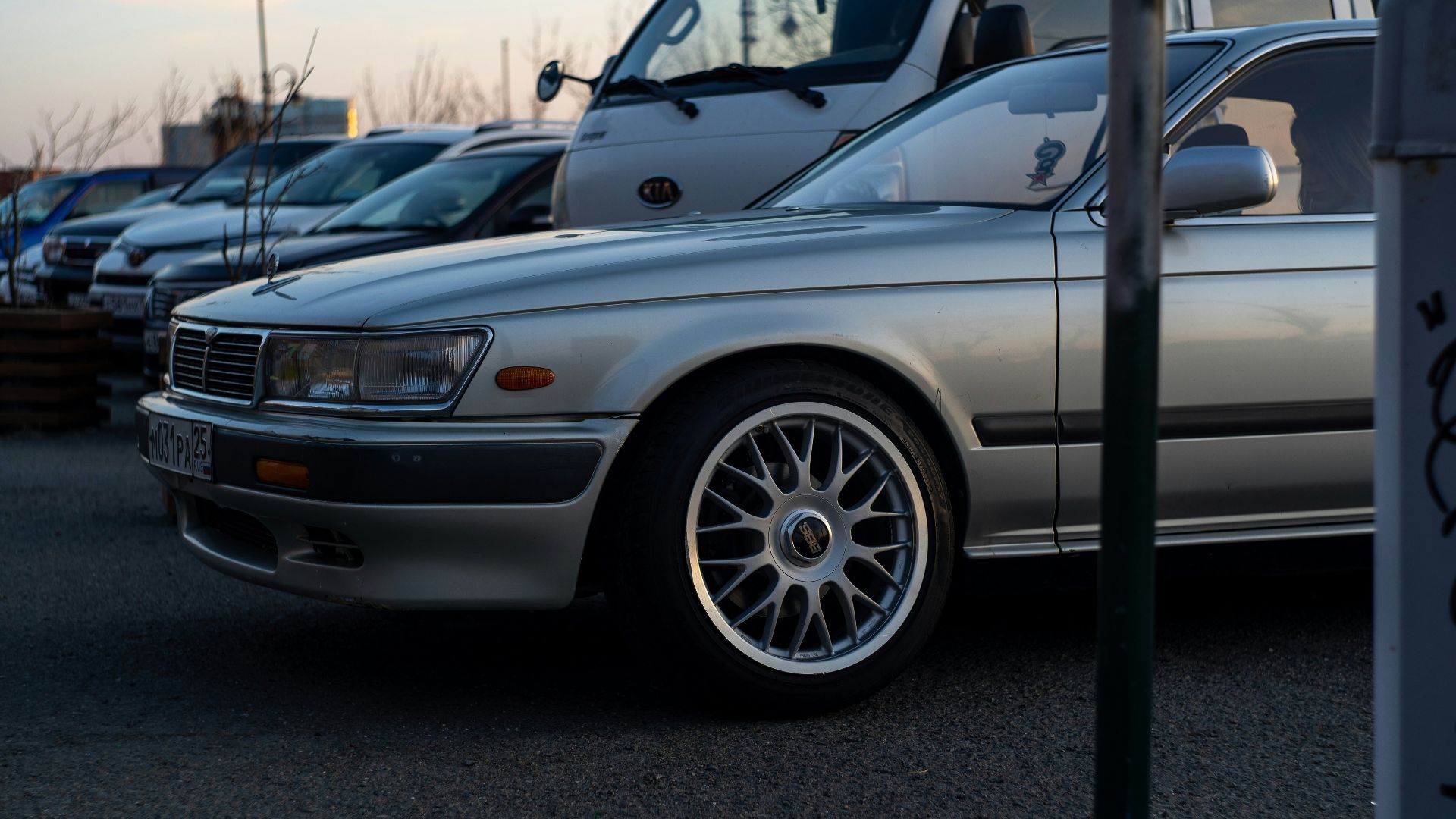
The Cube offered generous interior space, excellent visibility, and a distinctive asymmetrical design, but its unusual appearance divided potential buyers. Nissan introduced it to North America as interest in box-shaped compact vehicles was beginning to fade.
3. Nissan Quest
Several Quest generations struggled to compete consistently with more popular minivans that offered stronger resale values, familiar layouts, and broader dealership support. The final North American version had an unconventional exterior and interior design that didn’t connect with enough family buyers.
4. Nissan Juke
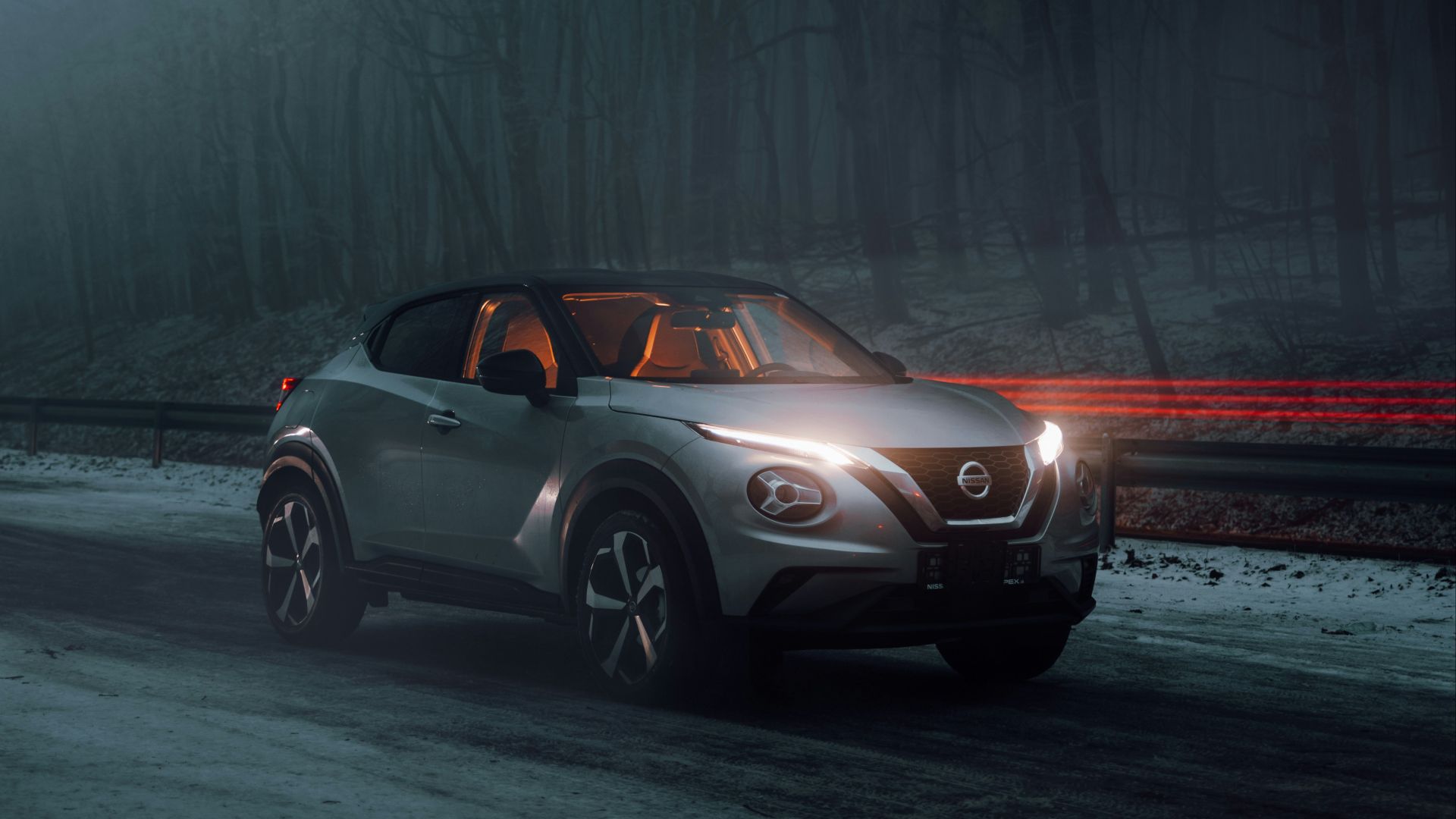
The Juke was innovative because it helped popularize the subcompact crossover category, but its styling was so polarizing that it also damaged perceptions of Nissan design. Small rear seats and limited cargo space made the vehicle less practical than its SUV-inspired appearance suggested.
5. Nissan Versa Sedan
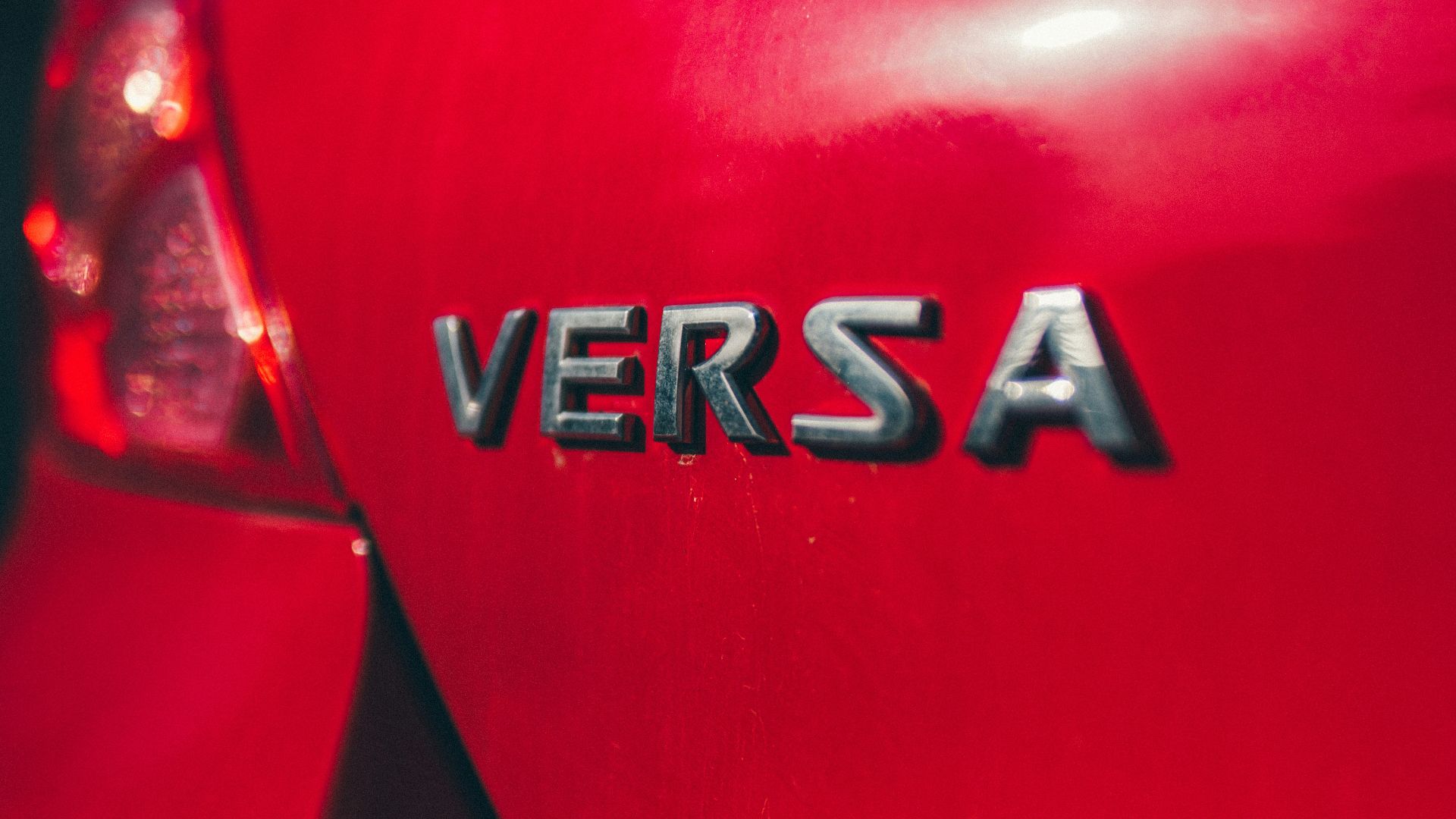
The Versa attracted buyers with one of the lowest new-car prices available in North America, but earlier generations often felt as if they were built primarily to meet that number. Basic interiors, modest performance, and unrefined road manners reinforced the idea that Nissan was competing through discounts instead of product strength.
 Tigran Hambardzumyan on Unsplash
6. Nissan Pathfinder With Early CVT Problems
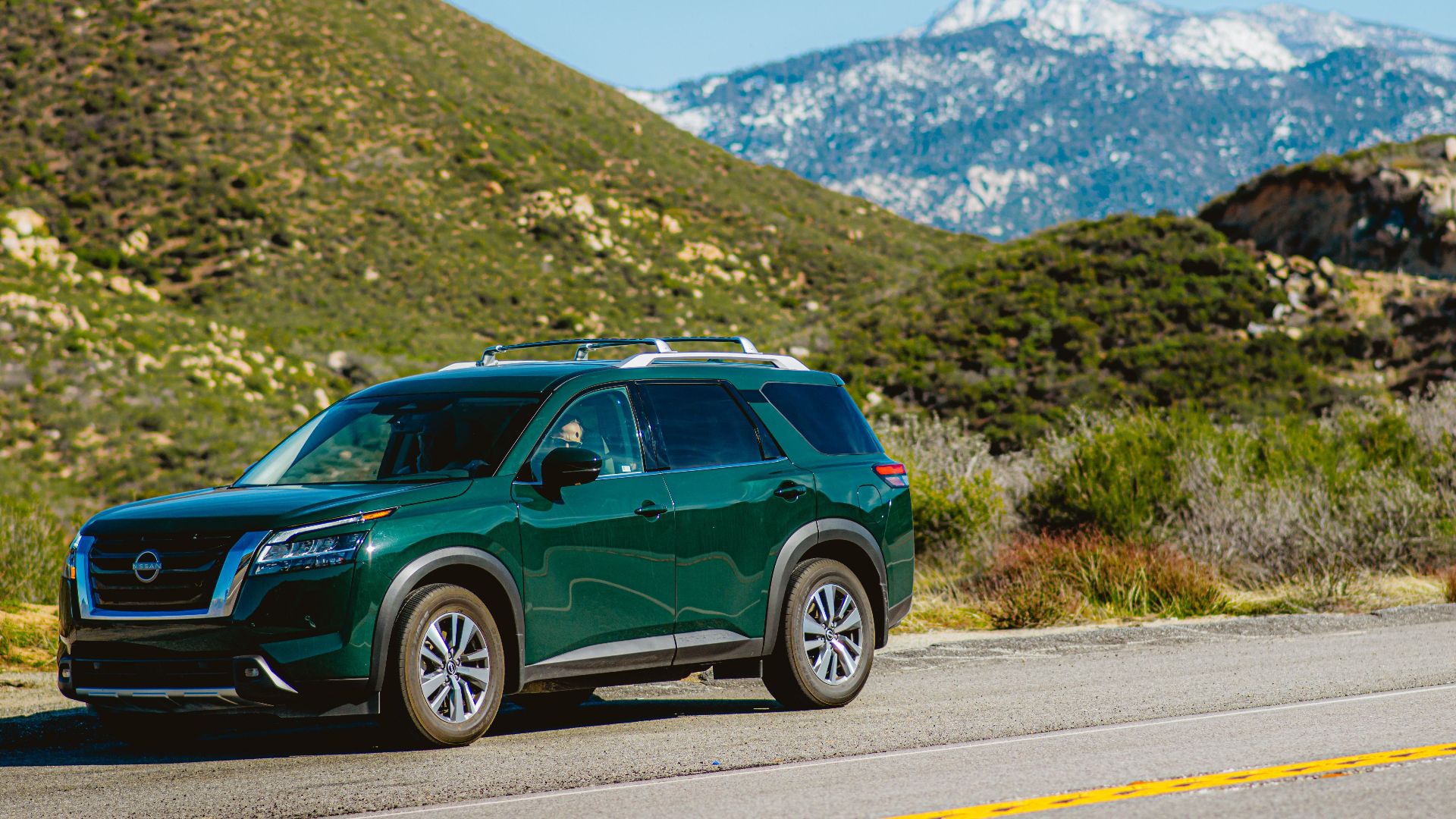
The fourth-generation Pathfinder switched from truck-based construction to a family-oriented crossover platform, which wasn’t automatically a mistake. However, early examples became associated with continuously variable transmission complaints, including shuddering and drivability problems.
7. Nissan Altima With Troubled CVT Years
The Altima remained a major seller, but transmission complaints affecting certain model years harmed both the sedan’s image and Nissan’s wider reputation. Owners reported issues such as hesitation, shuddering, overheating, and premature failure, while warranty extensions and legal disputes increased public attention.
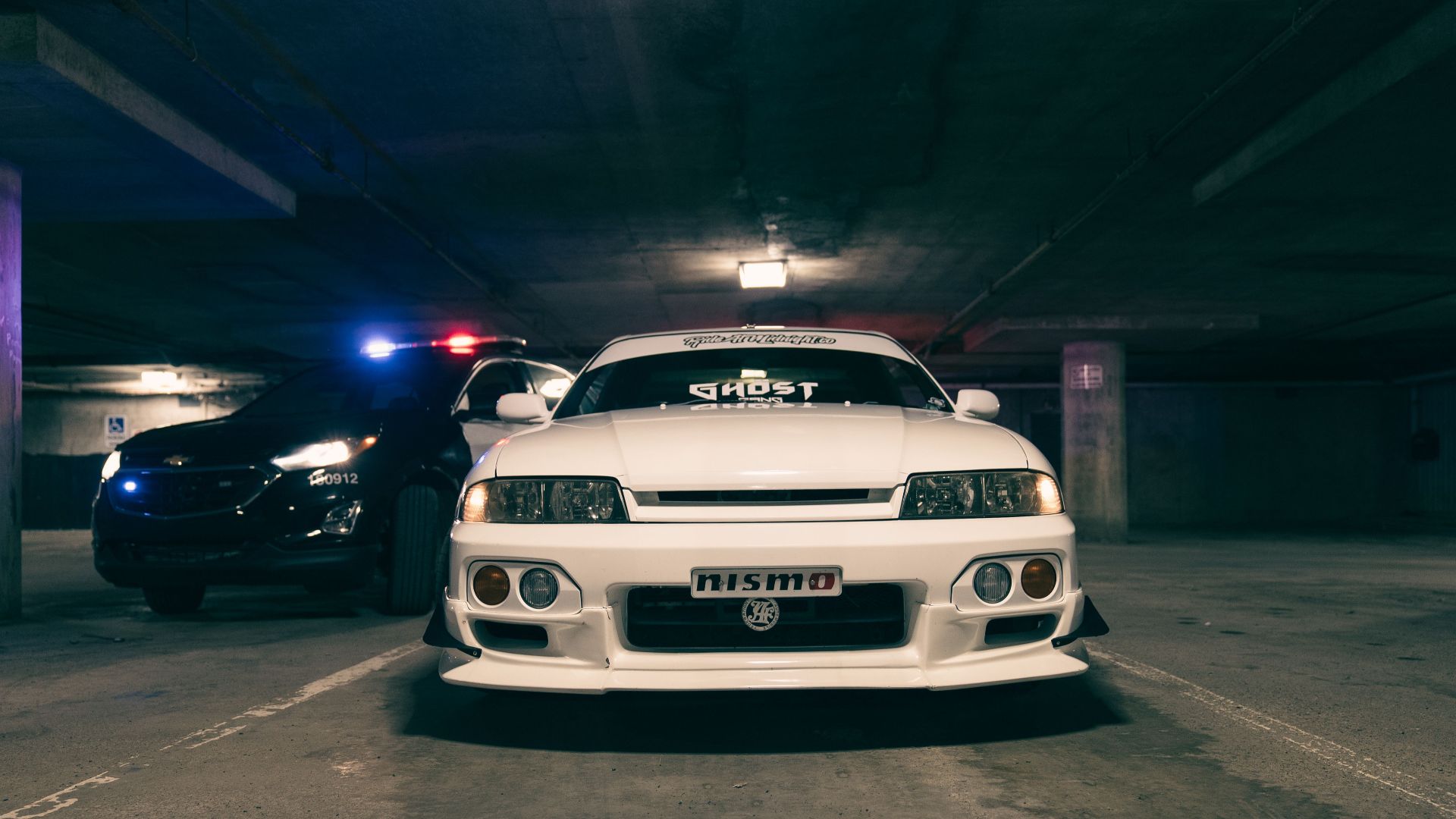
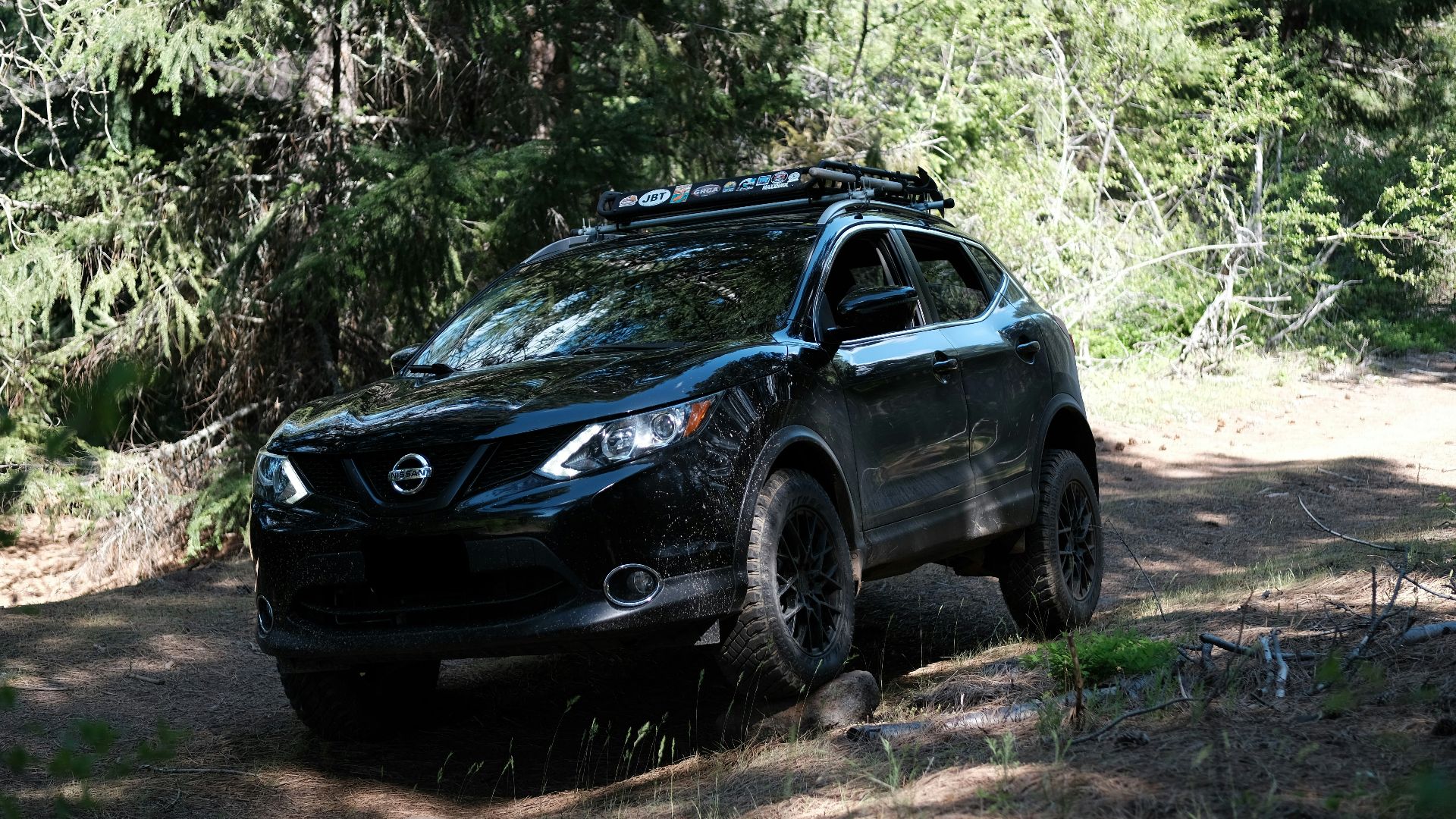
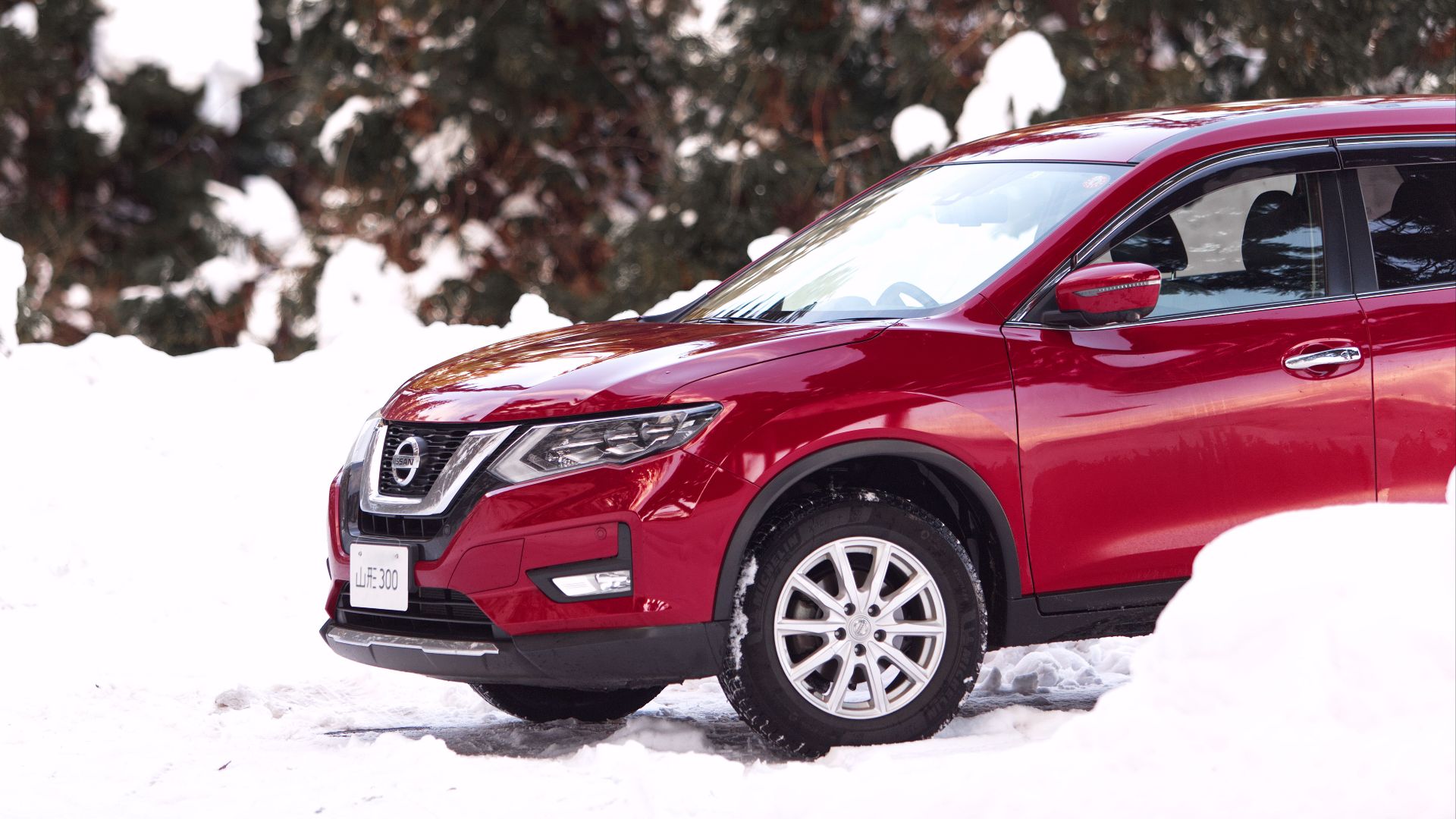
8. Nissan Rogue With Reliability Concerns
The Rogue became one of Nissan’s highest-volume products, which meant any recurring problem affected a particularly large group of customers. Certain generations attracted complaints involving their continuously variable transmissions, while selected later models were included in recalls concerning possible engine damage.
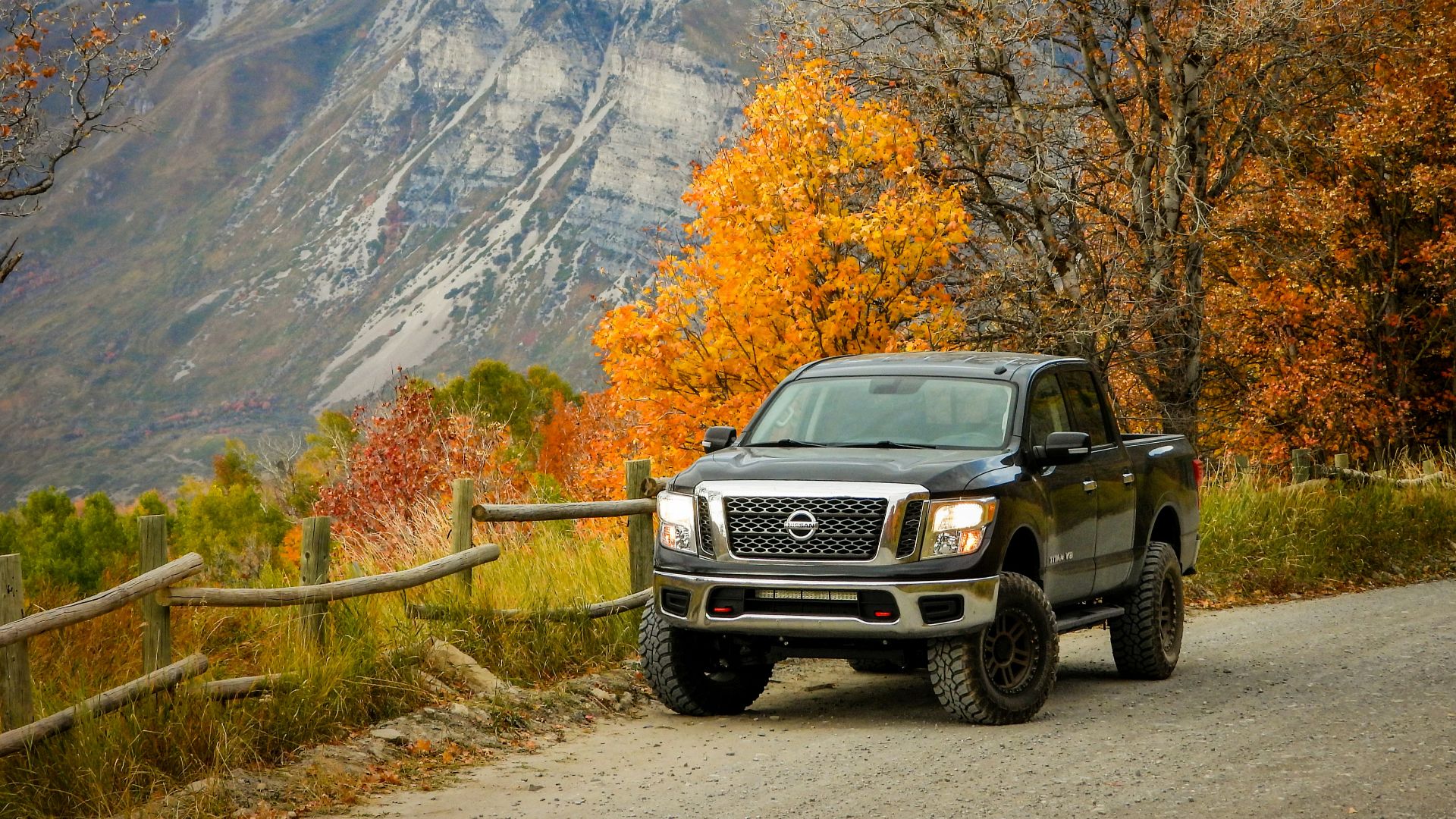
9. Nissan Titan XD
The Titan XD was designed to occupy the space between conventional half-ton and heavy-duty pickup trucks, but that positioning proved difficult to explain. Nissan eventually discontinued the diesel option and later ended Titan production entirely.
10. Nissan NV Passenger And Cargo Vans
The full-size NV attempted to challenge long-established commercial vans with truck-based engineering and a tall, squared-off body. Limited configurations, awkward styling, and a smaller commercial support network made it difficult to draw loyal fleet customers away from familiar competitors.