

Manual transmissions have a reputation for lasting a long time, and that reputation isn’t just built on nostalgia from people who like shifting their own gears. In many cases, a manual gearbox can outlast an automatic because it’s mechanically simpler, uses fewer heat-sensitive parts, and gives fewer components the chance to fail over time. That doesn’t mean every manual is bulletproof, because clutches wear out, drivers make mistakes, and maintenance still matters. It does mean the basic design often gives manuals a durability advantage when they’re treated properly.
Automatics have improved dramatically, and many modern versions can run for high mileage with the right fluid service and sensible driving. Still, they usually depend on more complex hydraulic controls, electronic modules, torque converters, valve bodies, and clutch packs that all need to work together smoothly. When one part begins to fail, repairs can become expensive because the whole system is tightly integrated.
Simpler Mechanical Design Helps Manuals Last
A traditional manual transmission is built around gears, shafts, synchronizers, bearings, and a clutch that sits outside the gearbox itself. Compared with an automatic, it usually has fewer internal parts that depend on fluid pressure, computer logic, or constant hydraulic control. Fewer complicated systems can mean fewer failure points, especially as the vehicle gets older and small wear issues start to add up.
Manual transmissions also avoid the torque converter, which is a key part of many traditional automatics. A torque converter helps an automatic transmission move smoothly from a stop, but it creates heat and adds another major component that can wear or fail. A manual uses a clutch instead, and while a clutch is definitely a wear item, it’s usually simpler to diagnose and replace than many internal automatic parts. That separation helps protect the gearbox itself from some of the wear that happens during starts and low-speed driving.
The way a manual transfers power is generally more direct, which can reduce some of the slipping and heat that automatics must manage. In an automatic, internal clutch packs and bands may engage and release repeatedly as the transmission shifts through gears. Those parts work well when everything is healthy, but they rely heavily on clean fluid and proper pressure.
Heat And Fluid Stress Hurt Automatics More
Heat is one of the biggest enemies of automatic transmission life. Automatics create and manage heat constantly because fluid is used not only for lubrication but also for hydraulic pressure, cooling, and power transfer. When fluid overheats, it can break down and lose its ability to protect internal parts.
Manual transmissions also use fluid, but the fluid’s job is usually simpler. It lubricates gears, bearings, and synchronizers rather than controlling a complex hydraulic system. Because the fluid isn’t doing as many jobs under the same conditions, manuals are often less vulnerable to the same kind of heat-related chain reaction. That doesn’t make fluid changes optional, but it does make the system more forgiving in many normal driving situations.
Towing, stop-and-go traffic, mountain driving, and aggressive acceleration can all put extra strain on an automatic. Under those conditions, the transmission may shift often, build heat, and place more stress on its internal clutches. A well-cooled automatic can handle hard work, especially in trucks designed for it, but maintenance becomes much more important.
Repairs, Driver Habits, And Maintenance Matter
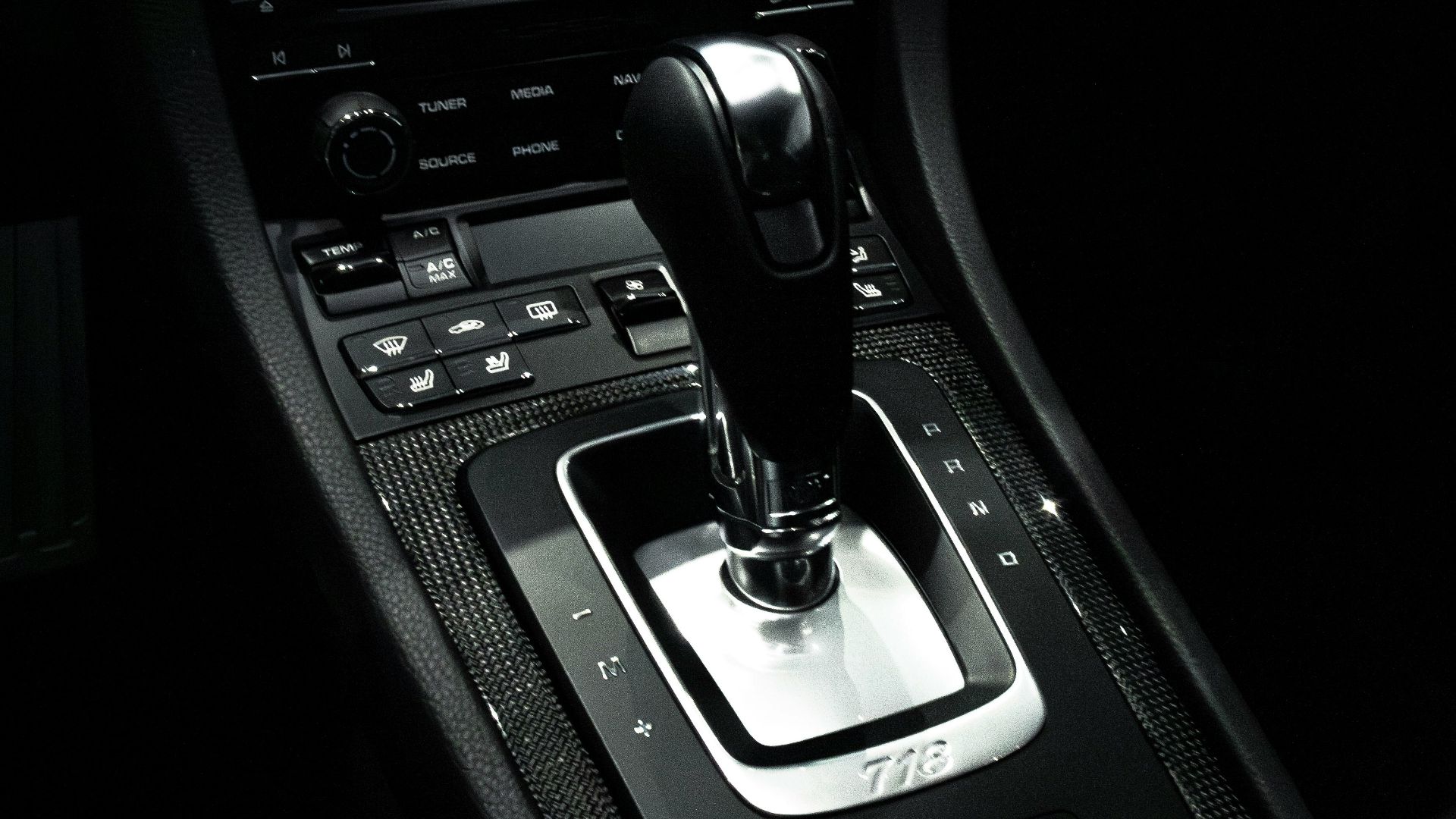
One reason manuals are seen as longer lasting is that their most common major wear item, the clutch, is usually outside the transmission case. A worn clutch can cause slipping, poor acceleration, or trouble engaging gears, but replacing it often doesn’t require rebuilding the entire gearbox. By contrast, worn clutch packs inside an automatic may require deeper disassembly and much more labor.
Driver behavior plays a huge role, though, and a badly driven manual can wear out early. Riding the clutch, resting a hand on the shifter, forcing shifts, or skipping needed fluid service can damage components that should have lasted much longer. Automatics protect drivers from some of those habits because the system handles shifting on its own. Still, automatics can suffer from neglect too, especially when fluid changes are ignored or warning signs are dismissed.
Modern automatics have narrowed the durability gap in many vehicles, and some are engineered to last extremely well. The strongest examples usually belong to vehicles with conservative tuning, good cooling, proper service intervals, and enough transmission capacity for the engine’s torque. Manuals still have an advantage when simplicity and repairability matter, but they’re not automatically better in every car.
Manual transmissions tend to outlast automatics because they keep the job of changing gears mechanically straightforward. Their simpler layout, lower dependence on heat-sensitive hydraulic systems, and easier clutch replacement give them a practical edge over many automatic designs. Even so, durability isn’t guaranteed by the shift pattern alone, because neglect can shorten the life of either transmission.